
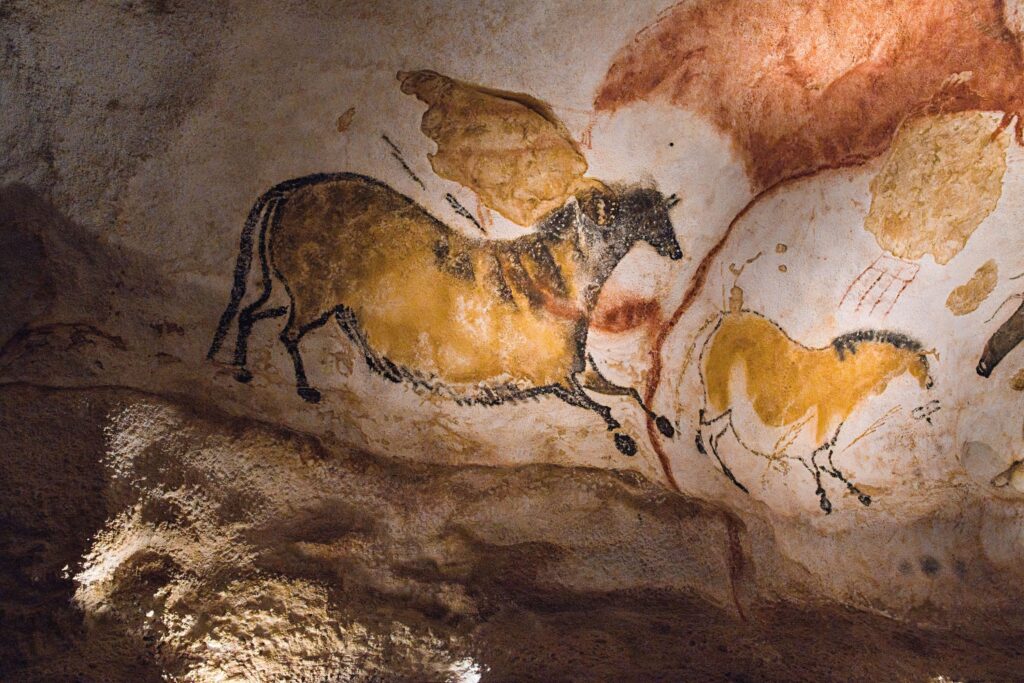
Imagine hiking into a remote limestone cave at dusk, switching off your flashlight, and watching ancient animals slowly emerge from the darkness as the stars rise outside. No projectors, no batteries, no trick of the eye – just rock art that seems to wake up with the night. It sounds like speculative fiction, but pockets of puzzling, light-sensitive cave imagery and strange optical effects in prehistoric art are forcing archaeologists and physicists to ask whether our Paleolithic ancestors understood the night in ways we barely grasp.
We do not, to be clear, have a catalog of caves full of neon paintings blazing like modern glow sticks. What we do have are scattered examples of pigments, minerals, and visual tricks that behave differently under low, angled, or specific wavelengths of light – and a growing suspicion that Ice Age artists were deliberately playing with darkness. The mystery of “glowing” caves is less about fantasy and more about a simple question with unsettling implications: did ancient people design their art to come alive under starlight, torchlight, or something in between?
When Night Vision Meets Deep Time
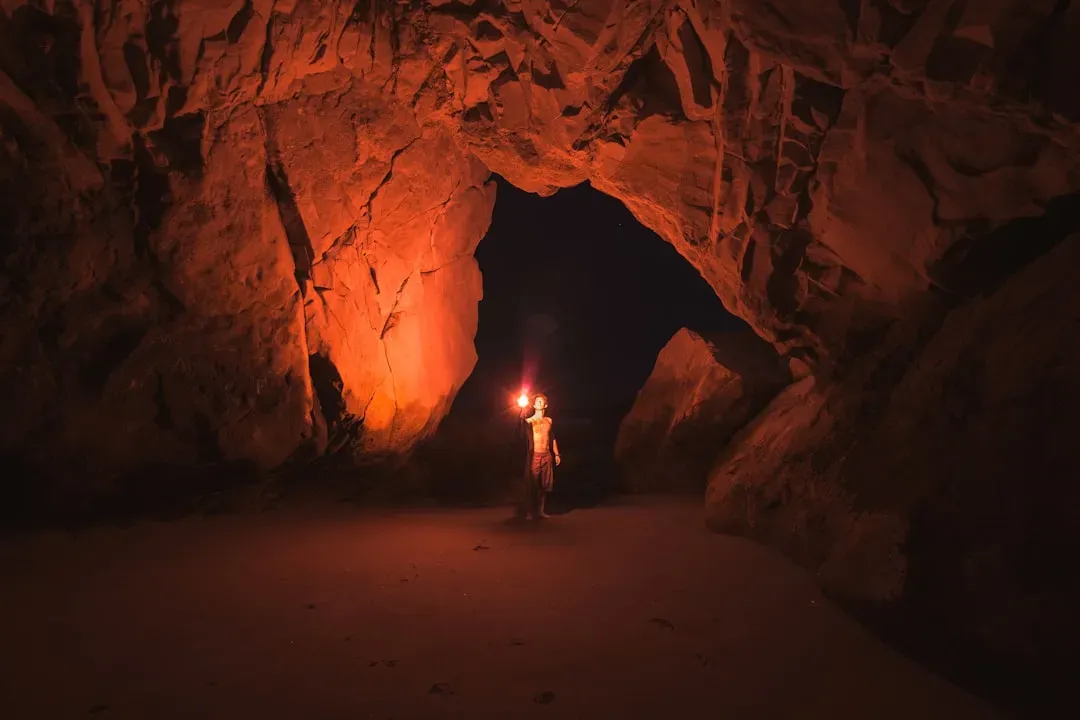
Walk into any cave and turn off your light, and you collide with a level of darkness most modern people never experience. Yet for the artists who painted bison, horses, and human figures tens of thousands of years ago, that crushing blackness was their canvas. Their only tools for piercing it were fire, glowing embers, and the slow adjustment of the human eye to the faintest shimmer of light. That alone changes how we should imagine these places: not as static museums, but as living, flickering theaters.
When archaeologists try to reconstruct what those paintings looked like, they often shine bright, modern lamps directly on the walls, then photograph everything in crisp detail. Under those conditions, nothing “glows”; it just looks like pigment on rock. But human vision at night works differently. Our eyes become more sensitive to motion and contrast than to fine detail or color. A subtle white mineral vein behind a dark animal figure, a wet film of condensation, or a smooth polished patch can suddenly pop in low light. To someone whose life was entwined with the rhythms of fire and starlight, those faint effects might have felt almost supernatural.
The Science of Pigments That Seem to Glow

Modern physics does offer a few ways for rocks and pigments to look like they glow without any fantasy involved. Certain minerals, like calcite or aragonite, can appear to brighten when struck by even a small light source, because they reflect and scatter that light in a distinctive way. In some caves, thin films of calcite over paintings can create halos, sheen, or ghostly outlines that respond strongly to the direction and intensity of a torch or candle. Under starlight slipping in from outside, the effect could be just bright enough to be noticed by a trained eye.
There is also the realm of fluorescence and phosphorescence – materials that absorb energy and re-emit it as light. Some minerals glow under ultraviolet light, for instance, and researchers have used UV lamps to reveal previously invisible details in cave art. But that does not mean people in the deep past had UV flashlights or were painting with modern glow-in-the-dark chemistry. The more plausible scenario is this: they observed how certain rocks or crusts looked under firelight or low natural light, then leaned into that effect, even if they could not explain the physics. You do not need a theory of photons to know that a certain white patch seems to shine eerily when everything else is dark.
Why Torches, Not Starlight, May Hold the Real Answer
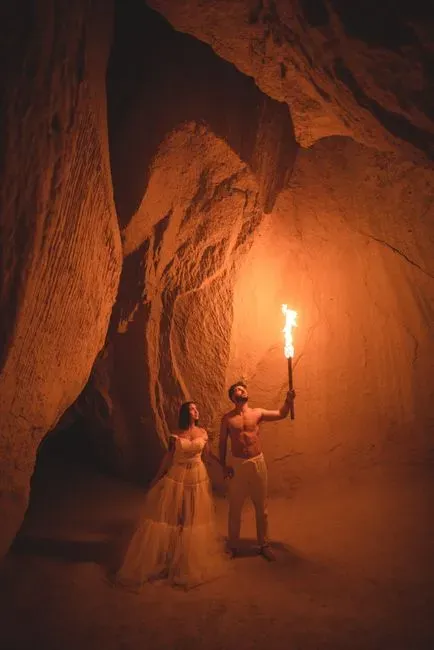
The idea of cave paintings literally glowing under distant starlight is romantic, but physically it is a stretch. Starlight by itself, filtering into a deep cave, is incredibly weak. In practice, any strong visual effect would almost certainly depend on fire: torches, fat lamps, or glowing embers held close to the walls. Archaeologists have found charcoal deposits, soot, and lamp remains in decorated caves, and experimental work shows that a single small flame can radically change how a figure looks, especially if the flame is moving.
Picture an animal painted on an uneven wall: a hump placed over a bulge in the rock, legs tucked into a curve, a head emerging from a natural protrusion. Now imagine that same wall lit only by a flickering torch. Shadows race behind the pigment, edges dance, and the rock relief breathes. Under those conditions, certain mineral streaks or polished areas could easily appear brighter or “alive,” not by emitting their own light but by grabbing more of the torch’s glow. In that sense, the most mysterious “glow under starlight” might really be a choreography of flame, stone, and human imagination.
Did Ancient Artists Intentionally Engineer Optical Illusions?
One of the most striking things about many famous cave sites is how cleverly the art uses the natural shape of the rock. Animals are drawn so that a bump becomes a shoulder, a crack becomes a mouth, or a hollow suggests a swollen belly. This is not accidental doodling. It reveals people who were acutely aware of how three-dimensional forms and light interact. If they could see how a bulge turned into a bison’s flank under a moving flame, it is not a huge leap to think they also noticed how certain surfaces quietly brightened or dimmed as the light wandered.
Some researchers argue that this interplay of rock shape, pigment, and lighting might have been central to the point of the art. Instead of paintings being static records, they could have been closer to performances. A small group might enter the cave, a storyteller would raise a torch, and the figures would seem to stir as the light flickered. In that setting, a patch that catches the glow and looks almost self-luminous would be less a scientific curiosity and more a powerful dramatic device. Whether or not the artists set out to create “glow,” they were clearly engineering visual effects that only come alive in the dark.
Ritual, Fear, and the Emotional Power of Glowing Walls
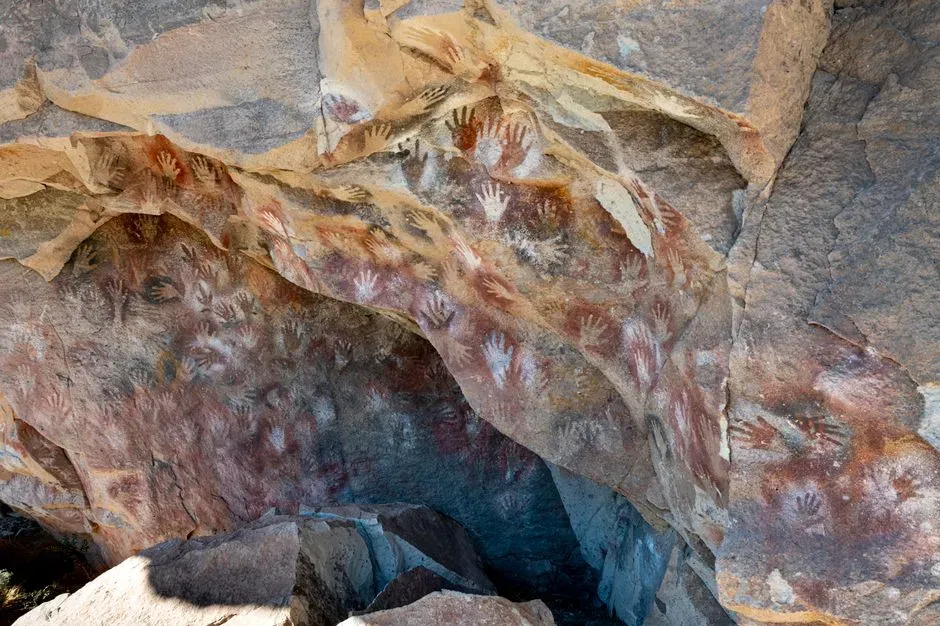
We often talk about these paintings as if they were made for quiet contemplation, like artworks in a modern gallery. Yet for people living tens of thousands of years ago, entering a cave might have been dangerous, rare, and emotionally charged. The deep interior was cold, echoing, and utterly black without fire. A wall that seemed to respond to torchlight, with parts of an animal standing out as if lit from within, could have driven home whatever spiritual or mythic message was being told. It would have been less like visiting a museum and more like stepping into a living myth.
Think about how a low-budget horror movie can still terrify you just by using light and shadow well. Now replace the movie screen with a real rock wall, replace the sound system with your own breathing and the drip of water, and remove the safety of the exit sign behind you. In that psychological space, any hint of glowing or shifting imagery would carry weight. Even if the effect was subtle – just a soft halo or a reflective shine – it could have been enough to convince people that they were in the presence of otherworldly forces or ancestral beings, especially when framed by ritual, chanting, or storytelling.
The Limits of What We Can Actually Prove
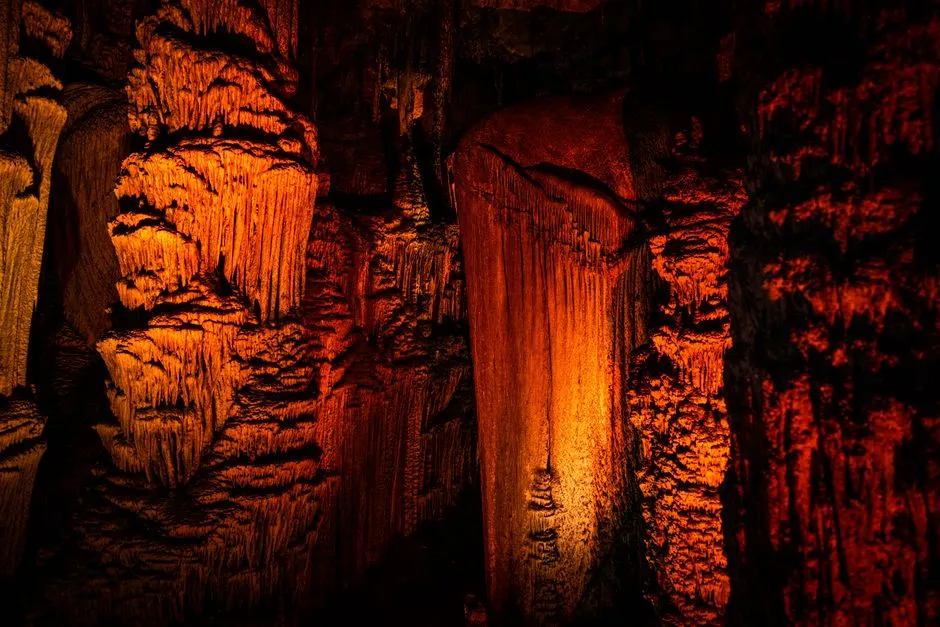
Here is where the mystery sharpens: we cannot go back in time and ask a Paleolithic artist whether they meant for a certain patch to glow in faint light. Many of the dramatic ideas about luminescent walls, secret optical tricks, or night-only imagery rest on modern experiments and careful speculation, not hard proof. Caves change over time – minerals drip, rock surfaces flake, and pigments fade. What we see today is not exactly what a hunter-gatherer saw thirty thousand years ago, which makes any strong claim about intentional glowing effects risky.
That does not mean the ideas are empty. It just means we have to hold them lightly. Experimental archaeologists can bring torches into cave replicas, dim the lights, and watch how the art behaves under controlled conditions. Geologists can analyze mineral crusts to see how reflective or reactive they are under different wavelengths. But at the end of the day, we are judging someone else’s visual world through our own eyes, tools, and expectations. The honest answer, for now, is that some cave surfaces really do behave strangely in low light, and ancient artists were skilled enough that intentional use of those effects is entirely plausible – but not yet proven beyond doubt.
Why the Mystery Still Matters Today
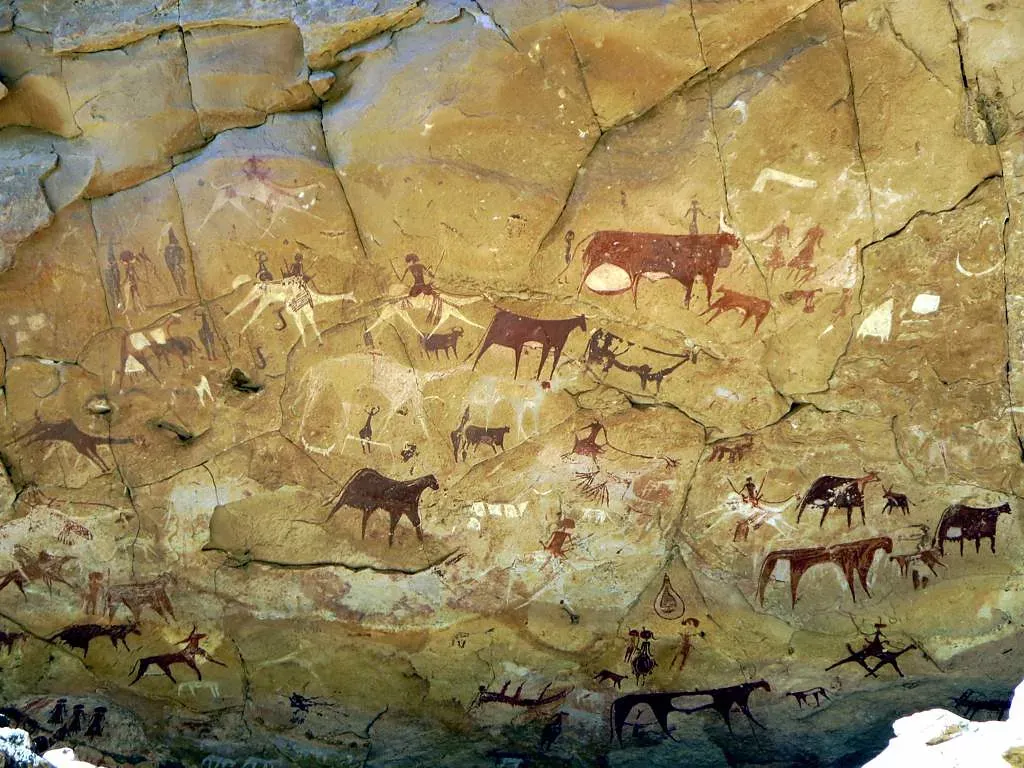
It might be tempting to shrug and say that whether a painting glowed or not is a tiny detail in a huge prehistoric story. Yet how we think about these details changes how we imagine the people who made them. If they were deliberately sculpting the interplay of stone, pigment, and low light, then they were not just scratching animals on rock; they were stage designers, illusionists, and careful observers of optical phenomena. That pushes back against the lazy idea that people in the distant past were somehow less perceptive or less imaginative than we are.
There is also something humbling in realizing that our own eyes are poorly trained for true darkness compared to theirs. We live in a world drenched in artificial light, where a cave is an exotic destination, not a familiar environment. The thought that ancient people might have known how certain walls would awaken only under starlight slipping through a cave mouth, or under a slowly dying ember, reminds us that human intelligence is always shaped by its environment. Their laboratory for visual perception was the night itself. Ours is a glowing screen.
A Personal Take: The Beauty of Not Knowing
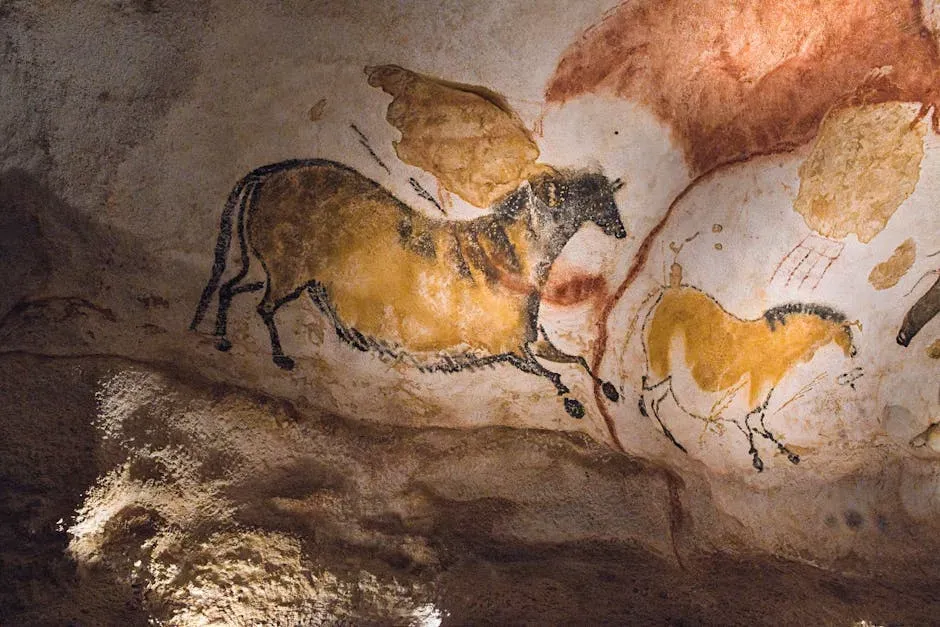
If I am honest, part of me hopes we never completely solve the puzzle of the “glowing” caves. There is a peculiar beauty in standing at the edge of what science can explain and realizing that some aspects of ancient experience may stay just out of reach. We can measure mineral reflectivity, reconstruct torch flames, and build virtual cave simulations, but we cannot fully step into the minds of the people who first walked into that darkness with paint and fire. That gap between evidence and imagination is frustrating, yet it is also what keeps the past alive instead of turning it into a dry catalog of facts.
From what we do know, my bet is that there was no single secret recipe for glow-in-the-dark cave art, but rather a mix of sharp observation, clever use of light, and a willingness to lean into whatever the stone offered. Maybe a hunter noticed that a particular pale streak always seemed to shimmer by firelight and told others that the spirit of the animal lived there. Maybe an artist deliberately polished a patch of rock to catch the flame just so. We might never be able to prove those stories, but we can recognize the pattern: humans using every trick of light and perception to make meaning in the dark. In a world where we drown the night in electric glare, that ancient trust in mystery feels oddly radical – what if not knowing everything is exactly what keeps us looking up at the stars, and into caves, and wondering what else might glow when the lights finally go out?