

Have you ever caught yourself smiling just because someone else smiled first, or feeling your own face tighten when a friend starts to tear up? You did not decide to do that. Your brain did it for you, in a split second, using a reflex that is older than the human species itself. Hidden inside those tiny, automatic twitches of your facial muscles is a social technology shaped over tens of millions of years.
This ancient habit of unconsciously copying expressions is not a quirky human trait. It is part of a deep evolutionary toolkit we share with chimpanzees, bonobos, and other great apes. In a world where we often talk about being “authentic” and “individual,” it is oddly humbling to realize how much of our emotional life is quietly choreographed by biology. Once you see it, you cannot unsee it – and you might never look at a shared smile the same way again.
A 30-million-year-old reflex hiding in plain sight
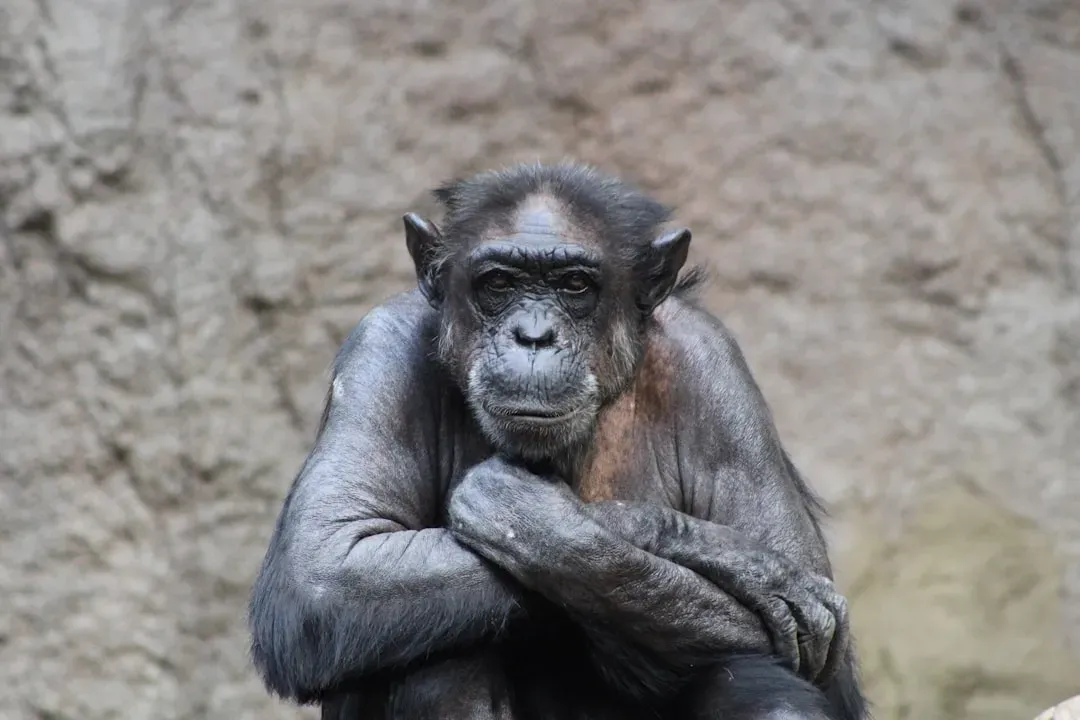
One of the most surprising things about facial mimicry is how ordinary it feels. You are chatting with a coworker, they grin, and your own mouth pulls up before you notice. Yet this everyday moment is the modern face of a reflex that likely traces back to early primates living long before humans appeared, when reading another’s emotional state quickly could be the difference between cooperation and conflict.
In great apes, researchers observe something strikingly similar: when one chimp gives a particular open-mouth, “play face” during roughhousing, others often flash the same expression almost immediately. This kind of rapid mirroring shows up in infants and adults alike, in humans and other primates, suggesting it is not learned from scratch but wired into how social brains work. What feels casual and fleeting is actually the echo of a very old survival strategy.
Why copying faces glues groups together
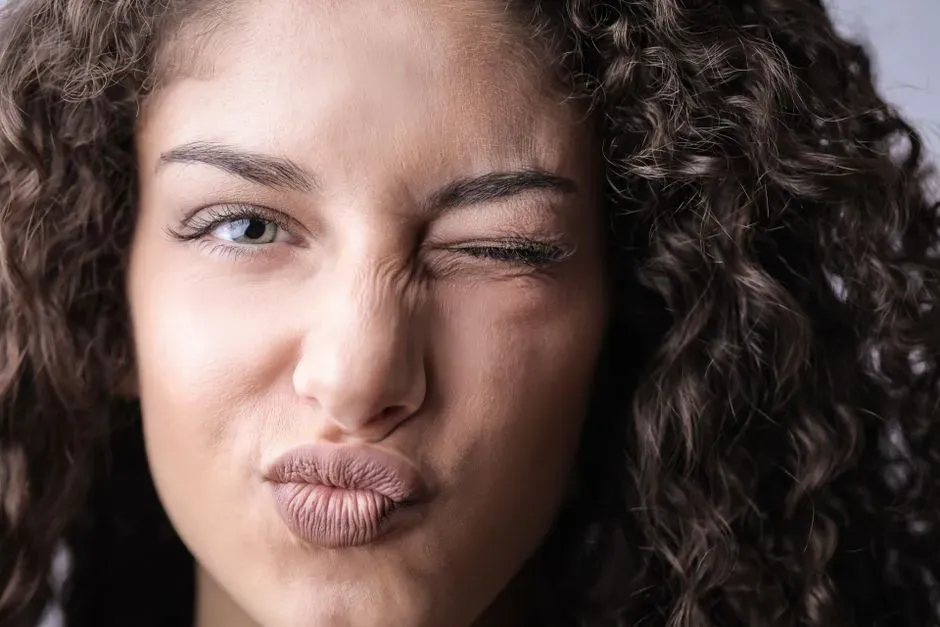
On the surface, mimicking someone’s frown or smile seems trivial, almost cosmetic, but it quietly shapes how safe and connected we feel with each other. When your face mirrors another person’s emotion, you are sending a silent signal: “I see you, I’m with you, and I’m tuned in.” Over time, those small, repeated signals stack up into trust, much like tiny deposits building a shared emotional bank account.
In tightly bonded ape groups, synchronized facial expressions often appear during grooming, play, and even reconciliation after conflicts. The same pattern shows up in humans joking together, comforting a friend, or even laughing at a meme on a screen. That in-sync emotional rhythm helps reduce tension, aligns group mood, and makes cooperation more likely. Evolution tends to keep what helps social species stick together, and facial mimicry is one of those glue-like behaviors.
Brains, mirror systems, and the “I feel what you feel” effect
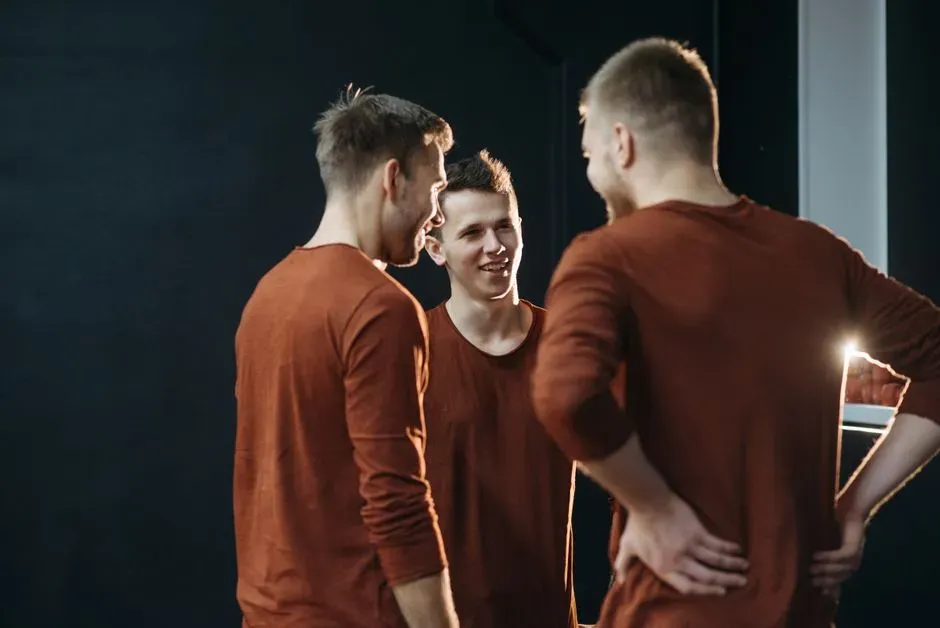
Under the skin, this reflex is driven by neural circuits that turn seeing into doing almost instantly. When you watch someone smile, wince, or look afraid, regions in your brain linked to those same expressions and feelings light up, as if you were performing or experiencing them yourself. Scientists often talk about “mirror” mechanisms here: systems that match incoming signals from others with outgoing patterns in your own body.
This neural mirroring does more than tug at your facial muscles; it shapes your internal emotional state. Copying an expression, even barely and unconsciously, feeds back into how you feel, nudging your mood toward the other person’s. That is one reason why watching someone cry can give you a lump in your throat, or why contagious laughter can pull you into a good mood even if your day started badly. Evolutionarily, this rapid alignment of feelings helps individuals coordinate actions and reactions without needing long, explicit negotiation.
From ape play faces to human emojis and selfies
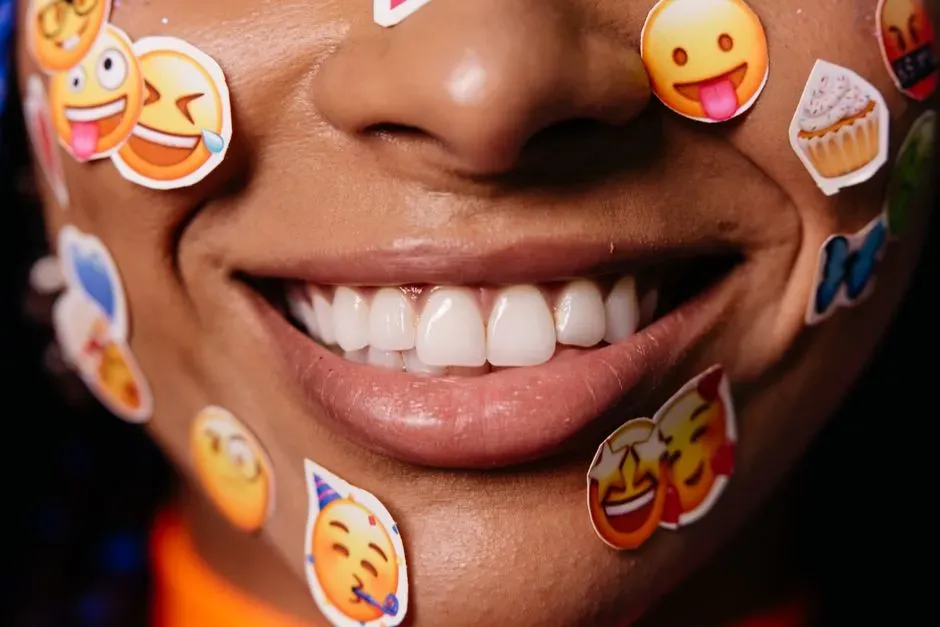
If you look at a chimpanzee’s “play face” and a child’s delighted grin, the resemblance is hard to ignore. Both involve characteristic eye and mouth shapes that signal “this is friendly” rather than “this is a threat.” Over evolutionary time, these expressions have been shaped, exaggerated, and fine-tuned, but the basic logic is the same: show your internal state in a way others can read quickly and mirror just as fast.
Modern humans have pushed this ancient system into bizarrely new territory, from emojis to selfies to video calls. Yet the responses they trigger feel surprisingly primal. When you see a laughing emoji pop up in a chat or a friend’s anxious face on a screen, your brain still treats those visual cues as social reality. You may feel a micro-smile or a twinge of concern, even though you know it is just pixels. Our digital lives might look futuristic, but the emotional machinery running them is old, slow to change, and unapologetically primate.
Emotional contagion: when one mood infects the whole room
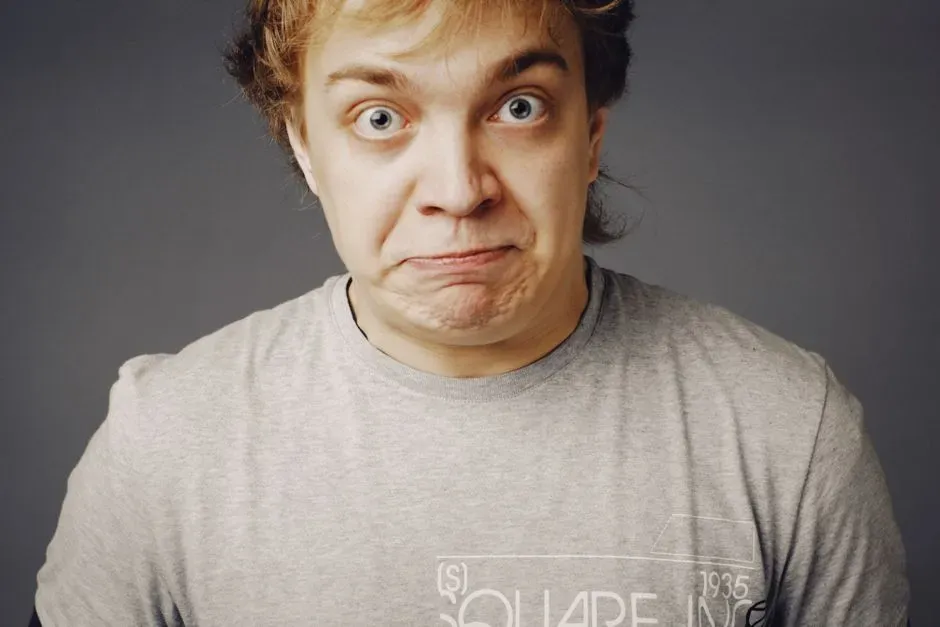
Spend a few minutes in a room with someone who is truly joyful or deeply tense, and you will often notice your own body adjusting. Shoulders loosen or tighten, breathing shifts, your face follows along almost against your will. This is emotional contagion in action, where mimicry helps one person’s mood spread through a group much like a scent or a song that everyone starts humming.
In ape communities, a single distressed scream or a sequence of play faces can rapidly shift group energy, setting off cascades of matching expressions and behaviors. Humans do the same: a leader’s calm expression in a crisis can dampen panic, while anxious micro-expressions can spread unease through a team or family. From an evolutionary standpoint, this fast, automatic syncing is efficient; it helps groups respond coherently to threats and opportunities without every individual having to calculate everything from scratch.
When mimicry is muted: autism, anxiety, and social friction

Not everyone mimics expressions in the same way, and that variation is crucial to understand. Some people, including many autistic individuals, may show reduced or different patterns of spontaneous facial mimicry, especially in unfamiliar or overwhelming settings. That does not mean they care less or feel less; it often means their brains are processing social information using different routes, sometimes more consciously and effortfully rather than through automatic copying.
Chronic anxiety, depression, or repeated social rejection can also change how much we mirror others. Someone who has learned that social situations are dangerous may hold their face more rigidly, either to protect themselves or because they are hyper-focused on monitoring the room. The old reflex is still there, but it is filtered, suppressed, or reshaped by experience. Evolution gave us the baseline mechanism; life history decides how loudly or quietly it runs.
How awareness of this ancient habit can change modern life

Once you realize how unconsciously you copy faces, social interactions start to look different. You might notice your jaw tightening when a colleague complains, or your own smile flickering during a stranger’s laugh on the subway. That awareness can be powerful: if you know your expressions are constantly teaching other people how to feel, you can choose to be a little more intentional about what you are broadcasting.
On a practical level, this might mean softening your face when giving tough feedback, or consciously relaxing your features before walking into a tense meeting so you do not add more fuel to the emotional fire. It can also mean giving yourself grace when you “catch” someone else’s bad mood; your brain is simply doing what it evolved to do. In a sense, you are not just an isolated mind – you are a walking, breathing node in a living emotional network that stretches back to ancient primate troops.
Conclusion: our faces are older than our stories

I think we underestimate just how ancient, stubborn, and wise our faces are. We like to imagine ourselves as rational individuals making independent choices, yet our expressions are constantly choreographed by a social script written millions of years before any human spoke a word. When your face mirrors a friend’s joy or a stranger’s fear, you are not being fake; you are performing a deeply rooted act of mammalian empathy, one that great apes have been rehearsing long before we gave it a name.
In a culture that often celebrates detachment or emotional “coolness,” there is something quietly radical about honoring this instinct instead of fighting it. Our reflex to mimic is not a glitch – it is evidence that we were never designed to go through life alone. The next time you feel your features shift in response to someone else, you might pause and think: this is my inner primate doing what it knows best, reaching out for connection the old-fashioned way. Knowing that, how do you want your own face to shape the emotional world around you?