
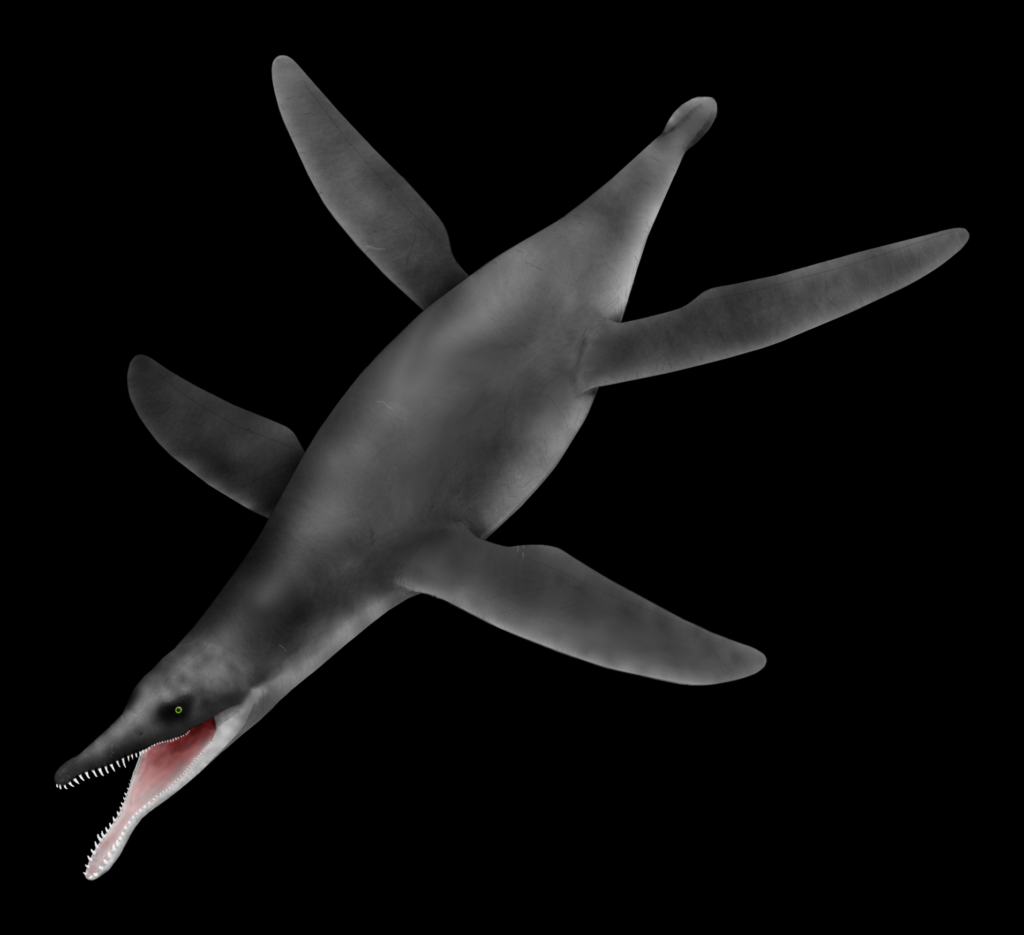
Picture the Cretaceous oceans for a second. Most people instantly think of hulking mosasaurs slicing through the water like scaly torpedoes, snapping up anything that moves. But before those reptilian monarchs took the throne, another predator was already running the show, quietly dominating a sea most textbooks barely mention. That animal, an enormous plesiosaur called pliosaur, is the kind of creature that makes you rethink who really ruled the water.
There is something strangely thrilling about realizing the celebrity monsters we know today actually arrived late to the party. Long before mosasaurs became the blockbuster villains of documentaries and dinosaur movies, pliosaurs had already spent millions of years as undisputed marine super–predators. If you have never heard of them, that is not your fault; they slipped through the cracks of pop culture. But once you see how they lived, hunted, and vanished, it becomes hard not to feel that the real king of the ancient seas might have been quietly written out of the story.
The Overlooked Titan: Meet the Pliosaurs
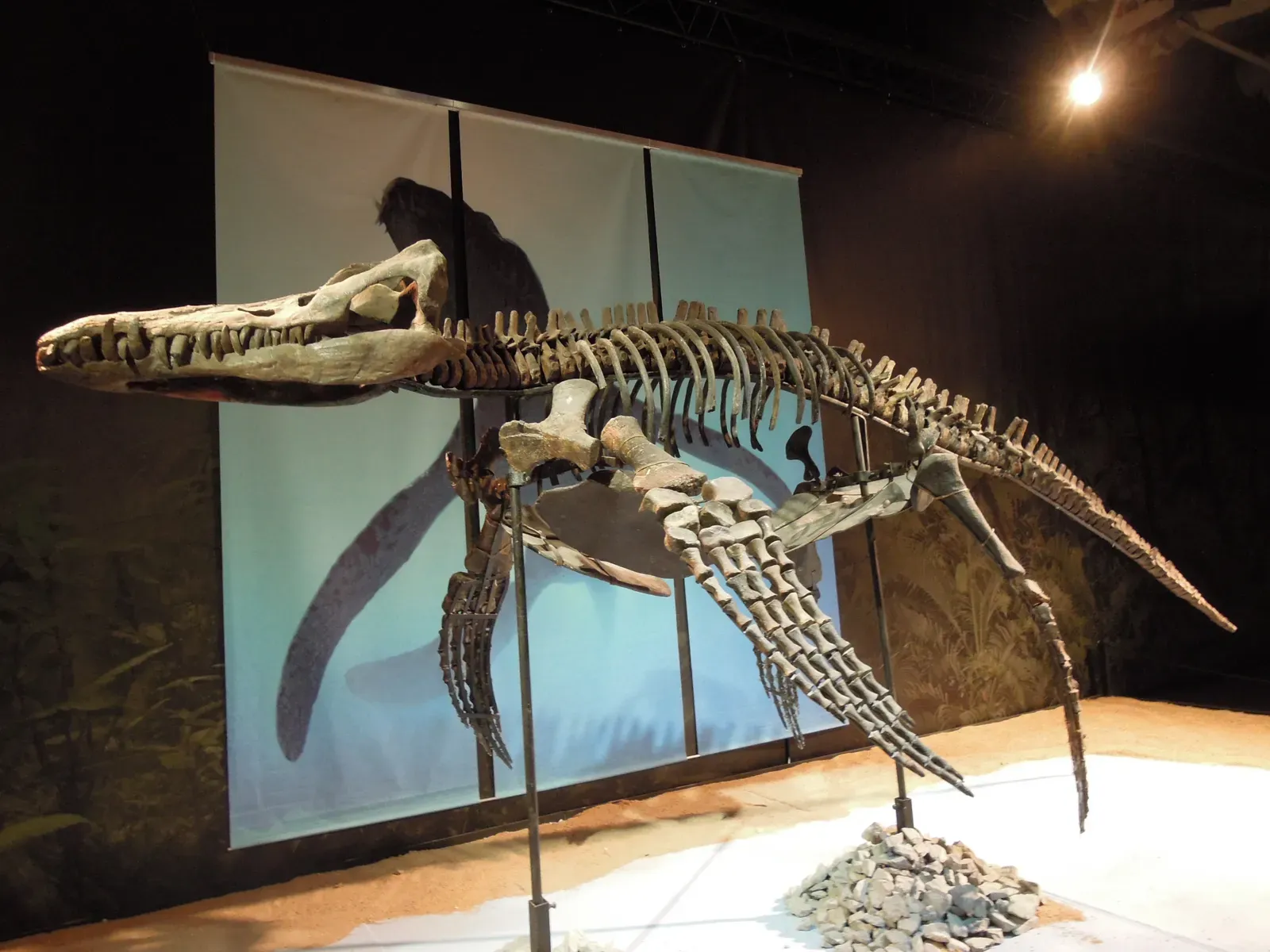
It sounds dramatic, but pliosaurs really were the ocean’s apex nightmares long before mosasaurs showed up. They belonged to the broader plesiosaur group, yet instead of the classic long-necked, small-headed look people imagine, they evolved into short-necked, big-skulled, barrel-bodied hunters built for raw killing power. Some species, like the enormous forms often grouped as giant Jurassic or early Cretaceous pliosaurs, likely reached lengths comparable to a city bus and carried skulls as long as an adult human is tall.
What makes them so tragically underrated is that they sat at the top of the food web for millions of years and yet get maybe a fraction of the attention given to mosasaurs or even sharks. Their fossil remains, scattered across places like Europe, South America, and Australia, tell a story of widespread success and brutal efficiency. When we talk about ancient seas full of terror, the honest answer is that pliosaurs were already there, fully armed and in charge, while mosasaurs were still evolutionary newcomers waiting in the wings.
A Skull Built Like a Sledgehammer, Jaws Like an Industrial Press
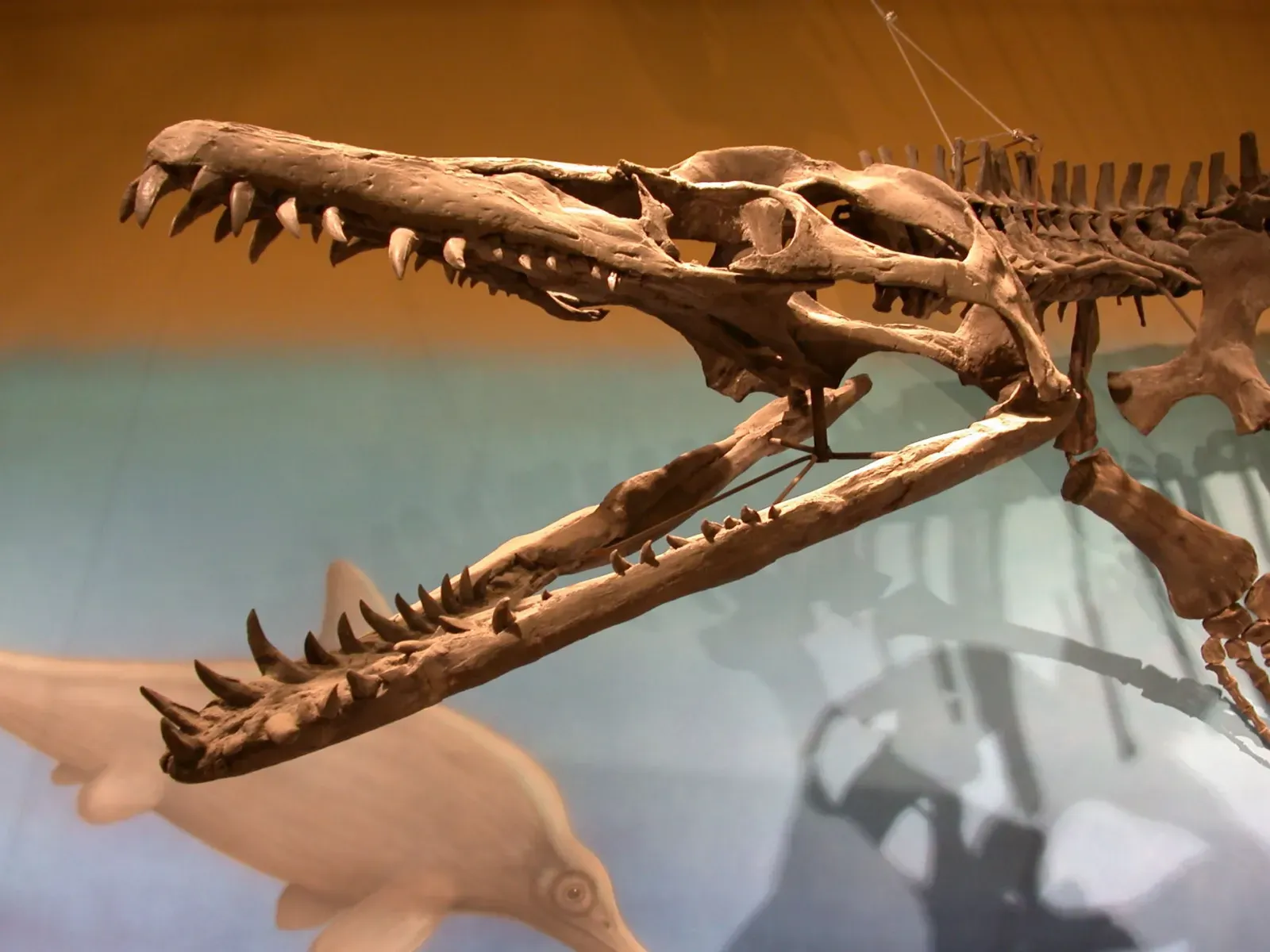
If you want to understand why pliosaurs ruled, you only need to look at their heads. Their skulls were massive, deep, and reinforced, with long, pointed snouts packed with conical teeth that interlocked when the jaws slammed shut. Bone studies and comparisons with modern crocodiles and killer whales suggest their bite forces would have been extraordinary, more than enough to crush bone, tear through thick hide, and rip apart large prey that had no real chance of escape once caught.
The teeth themselves were not delicate slicing blades; they were more like biological stakes, designed to puncture, hold, and wrench. Many fossils show heavy wear and even broken teeth that healed over, which hints at the violent, high-impact lifestyle these animals led. Imagine a predator that could hit you like a wrecking ball from the front, then hold on and thrash with the full power of its body. That is the kind of animal that shapes an entire ecosystem by fear alone, and pliosaurs seem to fit that role perfectly.
Hydrodynamic Powerhouses: How Pliosaurs Ruled the Water Column
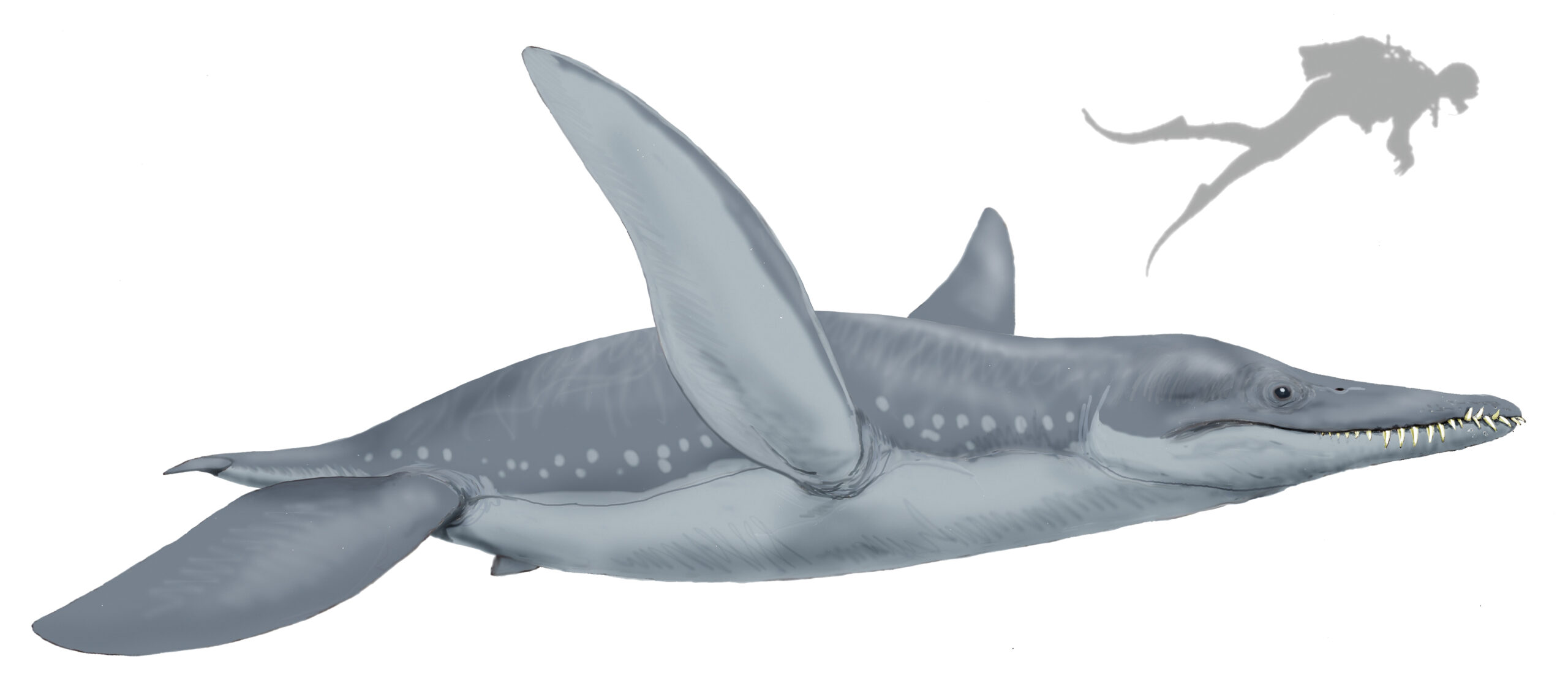
It is easy to assume that a wide, heavy-bodied reptile would be sluggish, but pliosaurs were anything but clumsy. Their bodies were surprisingly streamlined, and instead of a tail-based swimming style like a shark or mosasaur, they used four strong, paddle-like flippers to power through the water. This style of underwater flight let them accelerate quickly, maneuver sharply, and probably surprise prey from below or the side with explosive bursts of speed.
Scientists who model their movement often compare their swimming to a twisted hybrid of a sea turtle and a penguin, but on a monster scale; a living torpedo with wings instead of fins. With strong muscles anchoring into that broad torso, they could keep up long-distance cruising as well as sudden chases. In practical terms, that meant fish, squid, other marine reptiles, and pretty much anything medium to large in the water column had to deal with a predator that could appear out of the gloom in seconds, hit hard, and then glide away before anything else knew what happened.
Before Mosasaurs: Pliosaurs at the Top of the Food Chain
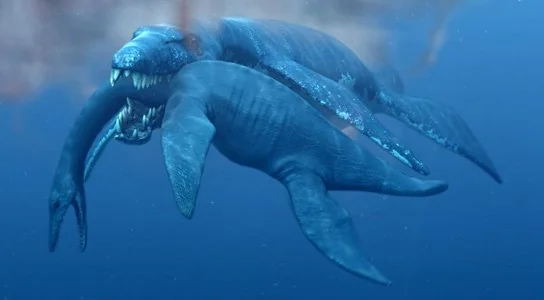
Long before mosasaurs took over in the Late Cretaceous, pliosaurs had already built a terrifying résumé as the ocean’s top hunters. During the Jurassic and into the early and middle parts of the Cretaceous, they occupied the same role mosasaurs would eventually fill: large, fast, opportunistic predators capable of tackling big, struggling prey. Bite marks on other marine reptile bones and isolated plesiosaur and ichthyosaur remains with pliosaur-style damage tell a pretty blunt story about who was doing the eating.
What is fascinating is how invisible they are in the popular imagination, despite this long reign. For millions upon millions of years, if you were a sizable marine animal, your primary problem was not a mosasaur, it was a pliosaur. Yet the public narrative has mostly skipped straight from Jurassic fish and long-necked plesiosaurs to Cretaceous mosasaurs, as if the ocean went straight from calm to chaos. In reality, the chaos was already there, and it wore a broad skull and four powerful flippers.
Why Did Pliosaurs Fade While Mosasaurs Rose?
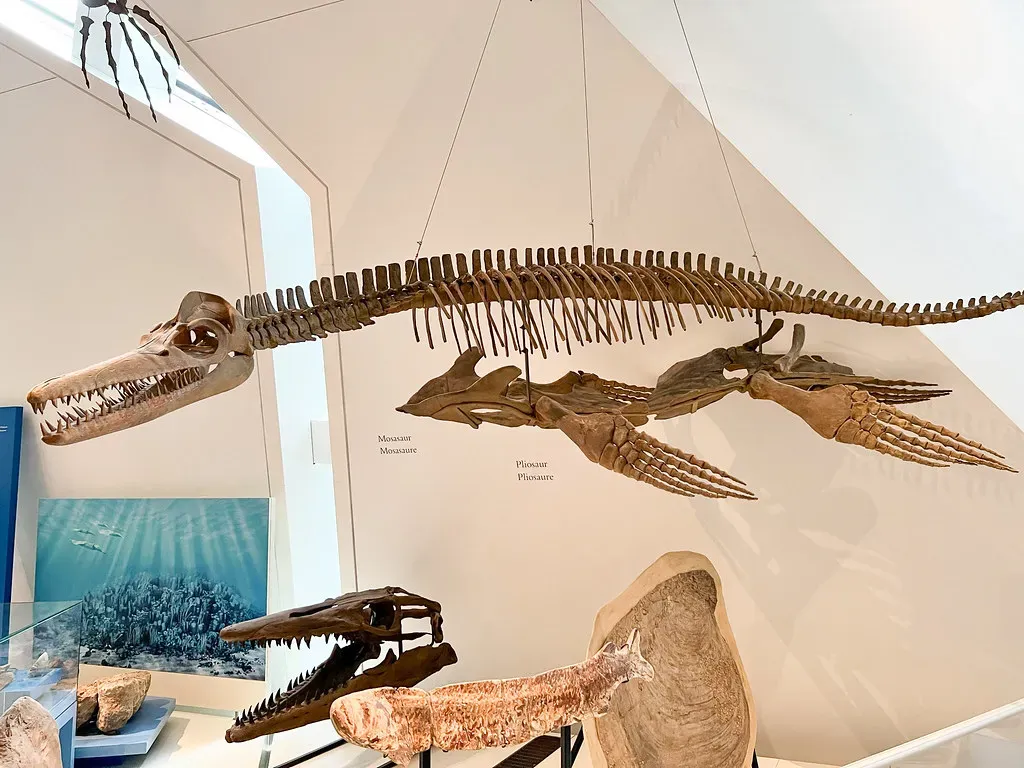
Here is where things get genuinely mysterious and, in my opinion, unfairly simplified. There was no single dramatic movie-style moment where mosasaurs showed up and instantly dethroned pliosaurs in some epic underwater showdown. Instead, the fossil record hints at a staggered transition: environmental changes, shifting sea levels, evolving prey communities, and regional differences all likely played a role in which predators thrived and which dwindled. Pliosaurs seem to have declined gradually in many areas as mosasaurs diversified and spread.
This is less a story of a stronger bully beating up the old champion and more a complex ecological shuffle where different body plans fit changing conditions in different ways. Mosasaurs, with their long, flexible, tail-powered bodies, might have been better suited to the broad, warm, shallow seas of the later Cretaceous. Pliosaurs, locked into their four-flippered design, may simply have lost their edge as ecosystems changed around them. That feels strangely poignant; they did not fail because they were weak, but because the world moved on and rewarded a different kind of monster.
The Real Kings of Fear: Rewriting the Story of Ancient Seas
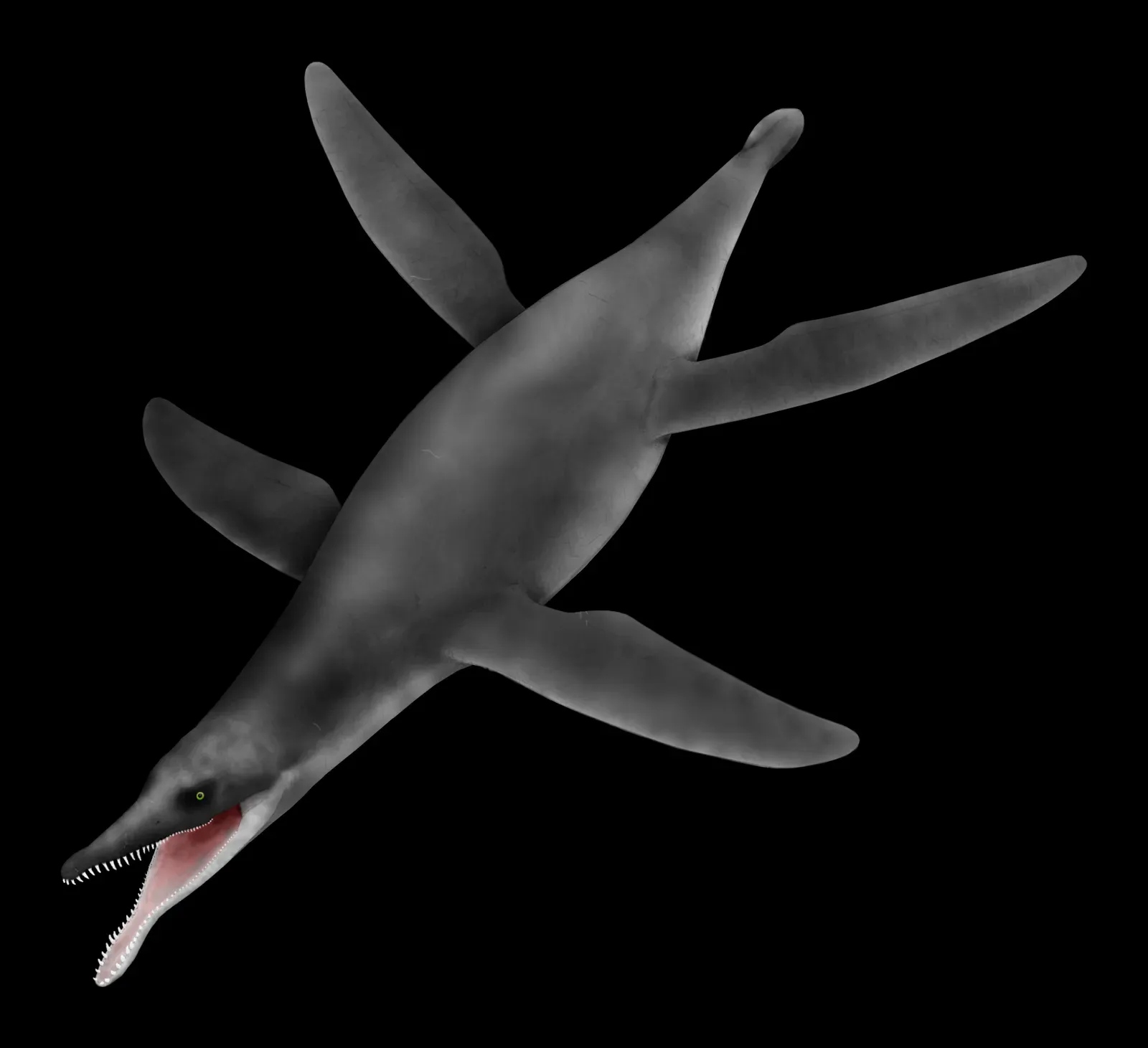
When I look at how little attention pliosaurs get compared to mosasaurs, I cannot help feeling they have been robbed of their crown in the public story of prehistoric life. Fossils do not care about our movie posters, but our imagination skews history toward whatever gets the most screen time, and right now, mosasaurs are getting all the glory. If you step back, though, and look at the deep-time timeline, pliosaurs were the ones who held the throne the longest and shaped marine ecosystems for ages before mosasaurs ever made a splash.
So if we are going to talk about true ocean kings, we should admit that the crown was passed down, not just seized in some sudden coup. Mosasaurs absolutely ruled their era, but pliosaurs earned that title first, with jaws, muscle, and relentless dominance over a world that no human eye will ever see. Remembering them is not just about giving an obscure reptile some retroactive fame; it is about respecting how messy, layered, and surprising evolution really is. Next time you see a mosasaur illustrated as the ultimate sea monster, ask yourself: are we cheering for the second act and ignoring the original ruler that history almost forgot?