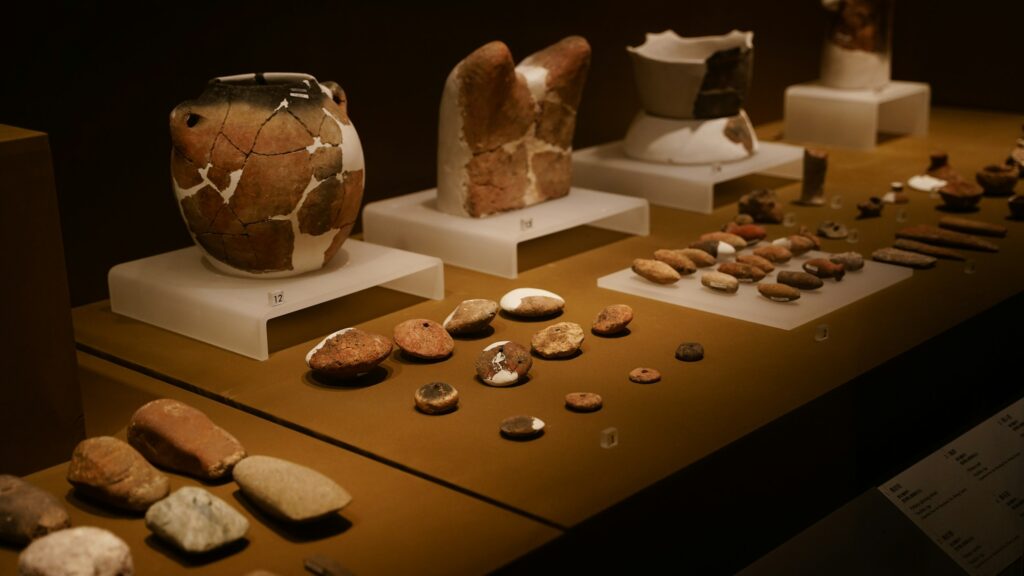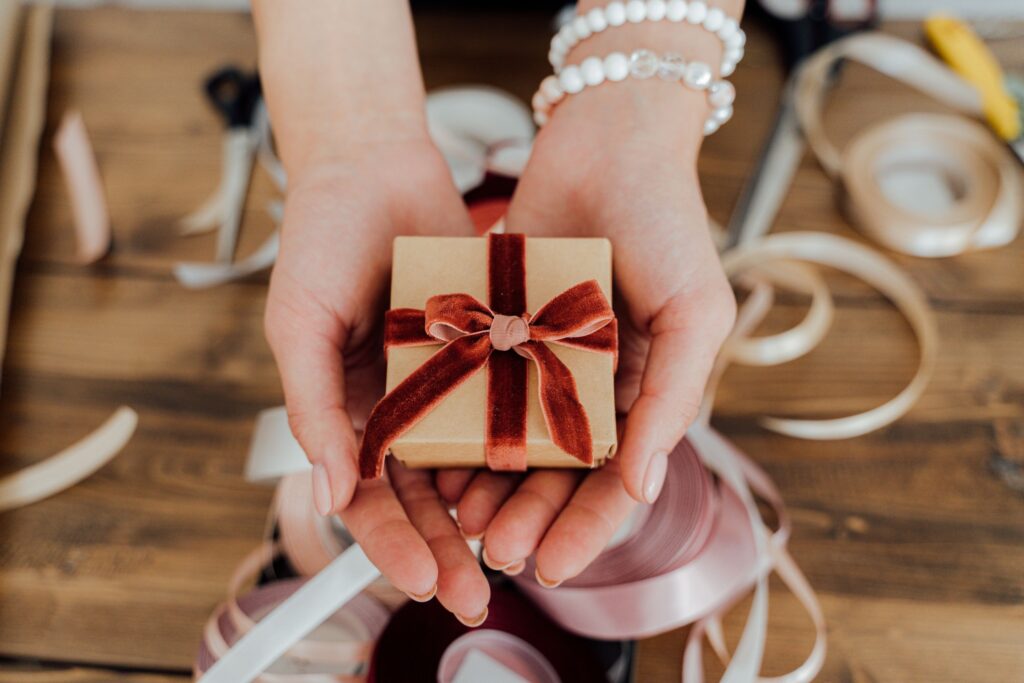
Imagine finding a tiny shell bead, carefully placed beside a buried body that has been in the ground for tens of thousands of years. No writing, no photos, no voice recordings – just that bead, quietly insisting that someone, long ago, cared enough to leave a gift. That is the kind of clue anthropologists obsess over, because it suggests that the way you leave a snack on a friend’s desk or a coffee on your partner’s bedside table has roots that reach unimaginably far back.
This idea sounds romantic, almost too poetic to be real, but the archaeological record keeps nudging us in that direction. Across ancient graves, camp sites, and cave floors, we keep finding objects that do not quite fit the category of tools or survival gear. They look more like offerings, tokens or keepsakes. When you zoom out, a simple pattern emerges: humans have been saying “I care about you” with small objects for an astonishingly long time.
The deep-time origins of tiny acts of kindness
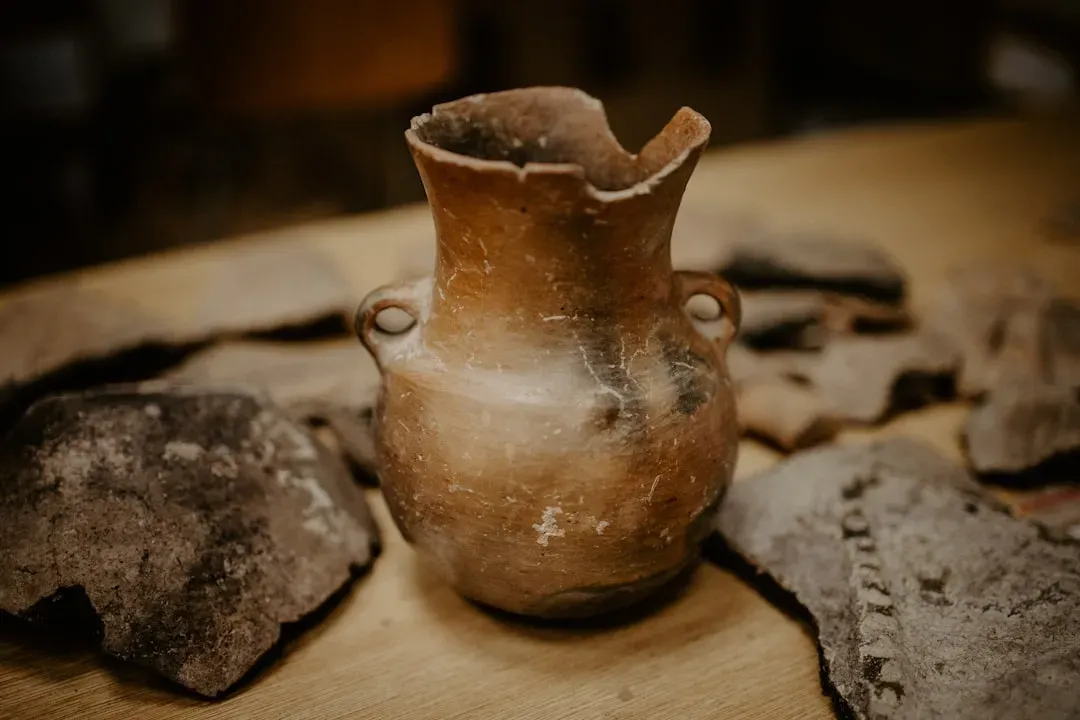
Anthropologists see gift-like behaviour showing up very early in the story of our species, especially in burials and special placements of objects. Long before cities, writing or money, people seem to have placed items like beads, pigments, animal parts or special stones with particular individuals, hinting that those objects meant more than pure utility. The fact that such practices appear in sites dated to around one hundred thousand years ago suggests that symbolic care and social memory were already part of human life.
Of course, we have to be cautious: a shell by a skeleton is not a handwritten note saying “for you.” But when archaeologists find repeated patterns – carefully arranged objects, unusual materials transported from far away, items that required real effort to make – it becomes harder to dismiss them as accidents. Even if we cannot reconstruct every detail, the broad signal is clear: people were investing energy into small things that appear to mark affection, respect or belonging, which is exactly what small gifts do today.
Grave goods: when gifts follow people into death
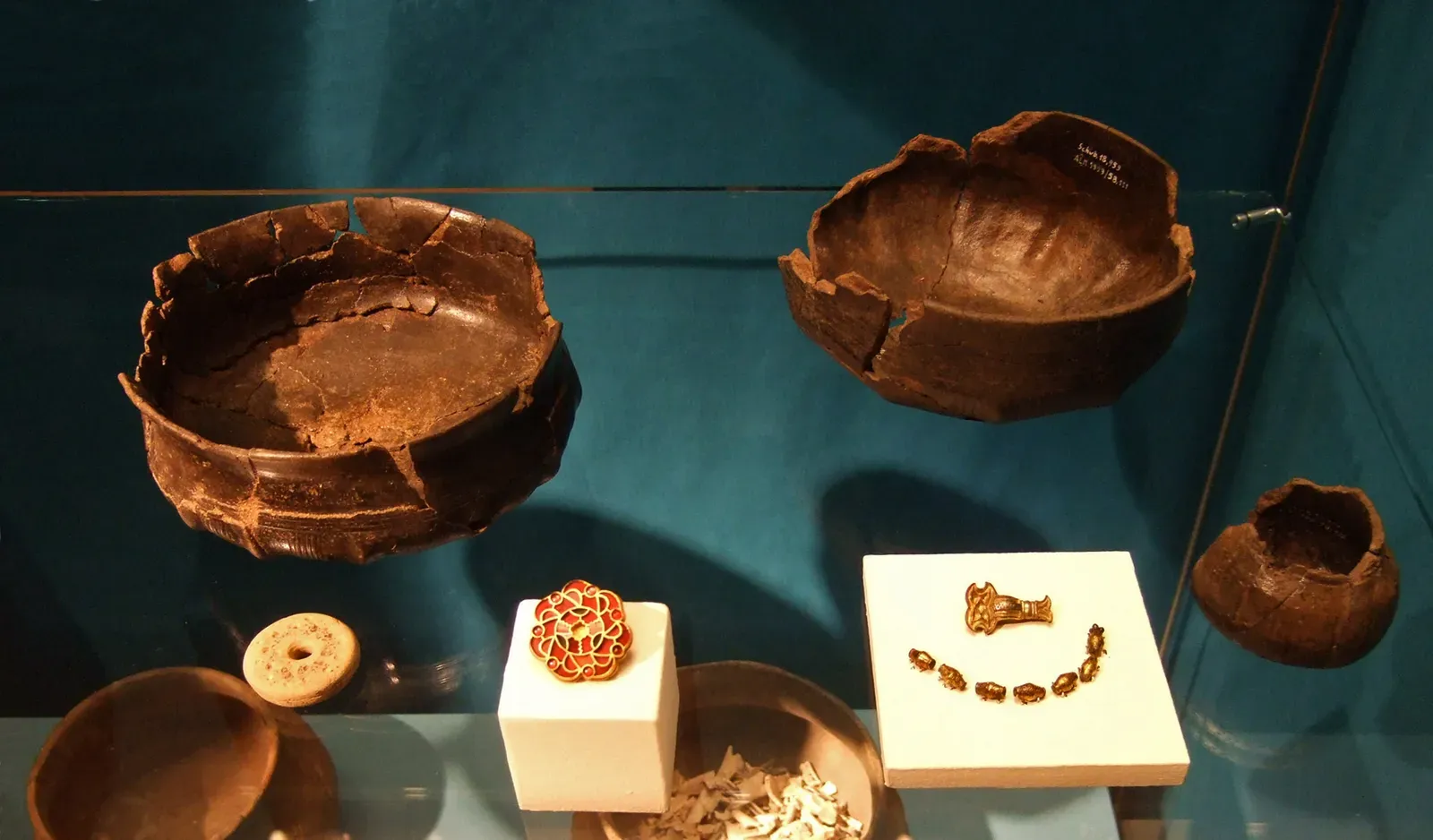
One of the strongest archaeological hints for ancient gifting is the practice often called grave goods: items placed with the dead. Some early burials show bodies sprinkled with red ochre, surrounded by beads, animal teeth or tools that go beyond basic necessity. If a community spends time decorating the body and adding objects that might have been precious in life, it suggests they wanted the dead person to be accompanied, honoured or remembered.
Think about how this mirrors modern habits. We still tuck letters, photos, favourite scarves or small toys into coffins, even though we know the person cannot physically use them. Those objects are for us as much as for them – a way to say, “You mattered, and I want you to have something of mine.” Early grave goods likely carried a similar emotional weight, turning the grave into a permanent site of memory rather than just a place to dispose of a body.
Beads, shells and pigments: the first “just because” gifts?
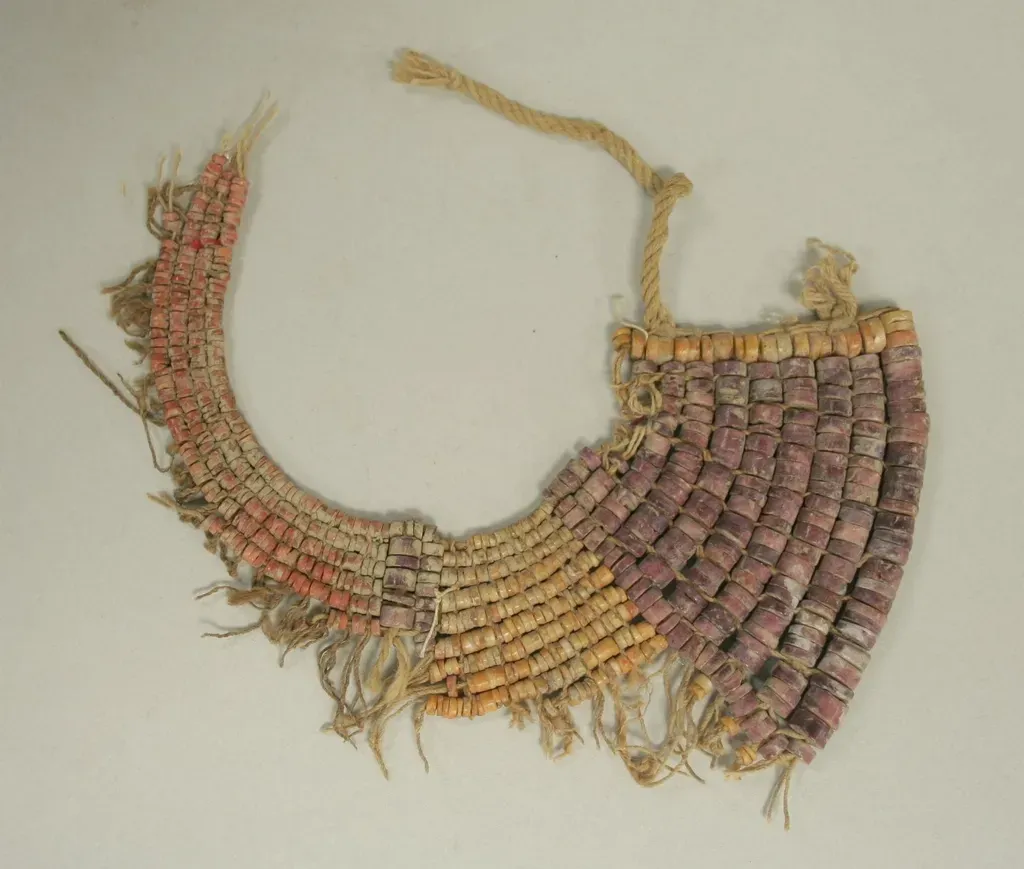
Small, decorative objects like shell beads and coloured pigments show up surprisingly early in human history, and they tell a subtle but powerful story. These objects require effort: shells must be collected, sometimes from far away, pierced, smoothed and strung; pigments must be gathered, ground and applied. They do not make hunting easier or cooking faster, yet people clearly valued them enough to keep using and burying them.
It is easy to imagine such items circulating as tokens of affection or alliance. A pierced shell might mark someone as part of a family or a partner bond, just as a friendship bracelet or necklace might today. Even if we cannot say with certainty that a specific bead was given as a gift, the repeated presence of small, non-utilitarian objects in personal contexts hints that humans have long enjoyed the emotional punch of a tiny, beautiful thing passed from one hand to another.
Food sharing: from survival strategy to love language

Before trinkets and beads, the most important “gift” in any community was probably food. Sharing food has deep evolutionary roots, since it spreads risk and strengthens cooperation. In many hunter-gatherer societies documented in recent centuries, meat and gathered foods are widely shared, and refusing to share can be seen as a moral failure. This pattern likely stretches far back into prehistory, supported by evidence of communal hearths and butchered animal remains found in group living areas.
Over time, what began as a survival-based exchange seems to have taken on more emotional shading. Giving someone the choicest bite, cooking a favourite dish or saving a rare treat for a particular person turns simple sharing into a personal gesture. You can see the continuity: a hunter returning with meat for the group and a modern person bringing home someone’s favourite dessert after a hard day are acting on the same basic impulse – to say, “You are important to me, and I want you to have this.”
Why small gifts matter so much to the human brain
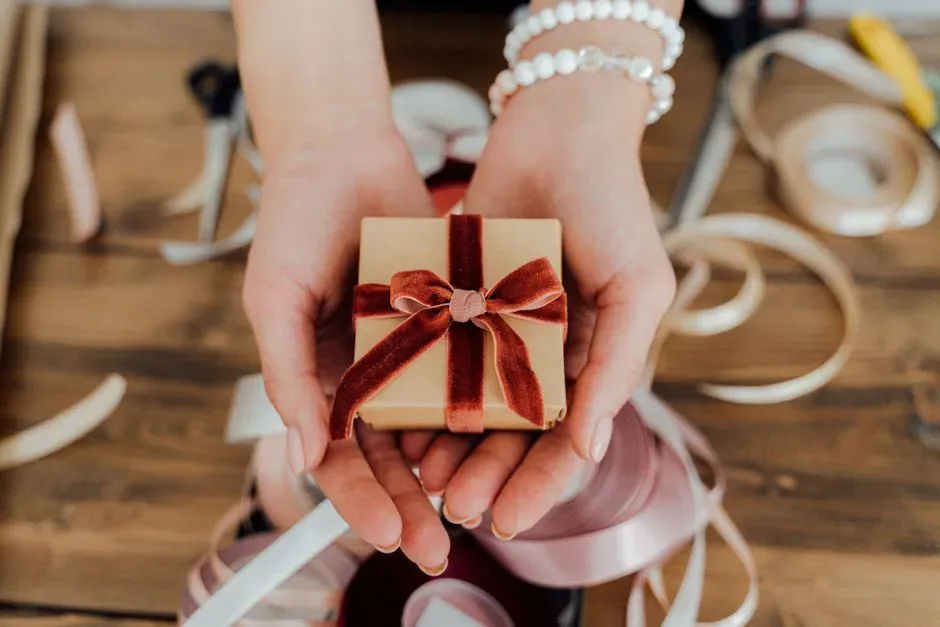
From a biological perspective, gifting is not just sentimental fluff; it is social engineering built into our nervous system. Experimental studies in psychology and neuroscience show that giving and receiving small gifts can trigger reward circuits in the brain, lowering stress and increasing feelings of connection. Even modest tokens can shape how much we trust someone, how warmly we feel toward them and how willing we are to help them in the future.
Anthropologists see this in group dynamics too. Small, repeated gestures – sharing a snack, lending a tool, leaving a little surprise – create a steady background hum of goodwill. They are like micro-investments in a relationship bank account, quiet but powerful. Over time, those tiny acts help cement alliances, stabilize friendships and soften conflicts, which would have been crucial in small early human groups where getting along could literally be a matter of life and death.
The unspoken rules of gifting across cultures
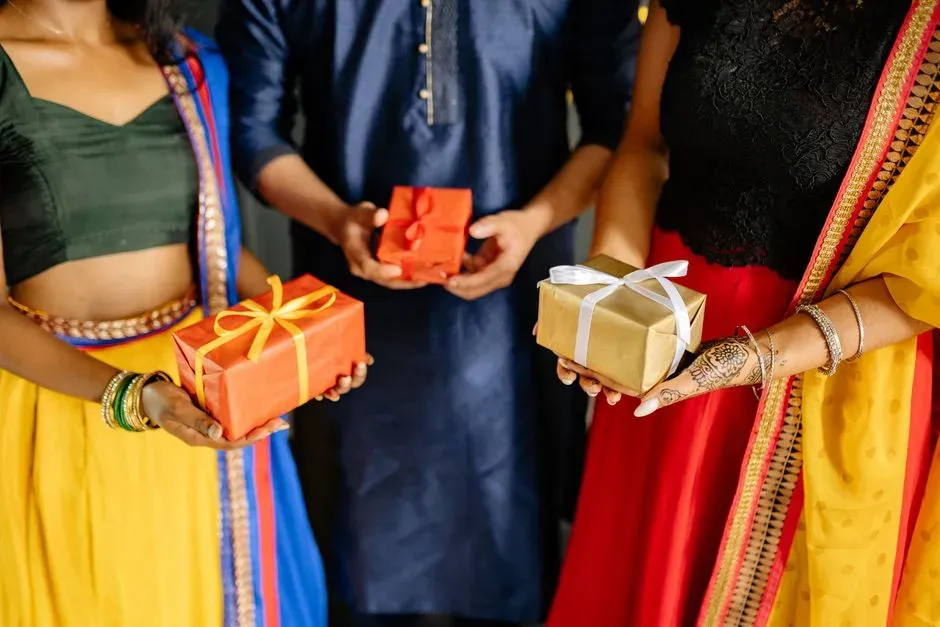
Although the basic impulse to give seems widespread, every culture wraps it in its own rules and expectations. In some societies, there is a strong emphasis on reciprocity: if you receive something, you must eventually give something back, not necessarily equal in material value but equivalent in respect. In others, gifts are meant to be almost unreturnable, like a parent’s support, where trying to pay it back would feel awkward or even offensive. These unwritten rules shape what counts as a thoughtful gesture versus a social misstep.
Anthropologists studying recent and historical societies notice a recurring pattern: gifts are rarely only about the thing itself. They are about timing, symbolism and context. A small item given quietly in a moment of vulnerability can mean more than an expensive present at a scheduled celebration. This helps explain why even prehistoric tokens, if truly gifts, would have been socially loaded. They were not random objects; they were messages in material form, carrying meanings that the group understood intuitively.
Modern micro-gifts: coffee runs, memes and surprise parcels

Once you see gifting as an ancient social technology, modern behaviour suddenly lights up with continuity. Buying someone’s coffee without being asked, leaving a note with a snack, sending a funny meme you know will make them laugh – these are all tiny, low-cost ways of saying, “I thought about you when you were not here.” They are digital or edible echoes of those early shell beads and red-ochre touches, just updated for the age of smartphones and espresso machines.
What is striking is how little scale seems to matter for emotional impact. Many people will admit that a random, thoughtful small gift means more to them than a big, scheduled present on a holiday. It feels more authentic, less tied to obligation. That sense of spontaneity may tap into something very old in our psychology: the surprise of discovering that someone carried you in their mind while they went about their day, and chose to turn that invisible thought into a tangible thing.
What ancient gifts teach us about how to love better today

When we realize that leaving small gifts is likely one of humanity’s oldest social habits, it becomes hard to dismiss it as trivial or childish. It starts to look more like a core human skill, honed over tens of thousands of years, for building bonds and cushioning the rough edges of group life. In a world obsessed with grand gestures and dramatic declarations, anthropology suggests that the quiet, consistent tokens might be the real backbone of our relationships.
Personally, once I started thinking about this, I began noticing how often the moments I remember most with people are attached to very small things: a single flower left in a mug, a silly keychain, a favourite snack that turned up right when I needed it. If our distant ancestors were already doing their own versions of this, then maybe we should take the practice more seriously, not less. The oldest social technologies are often the ones we overlook, even as they keep holding us together.
Conclusion: the oldest love language we keep forgetting
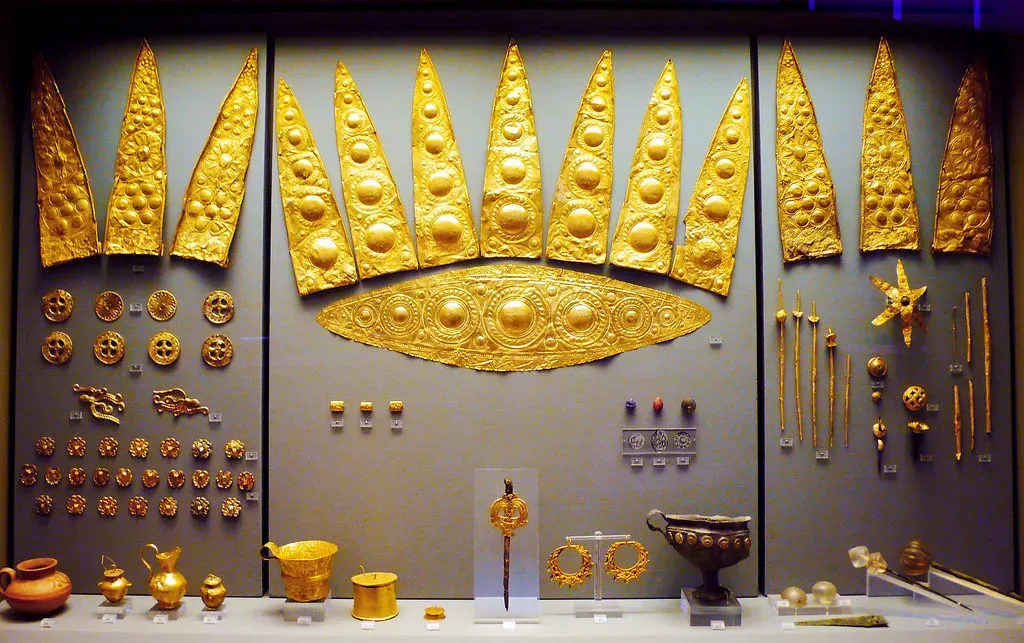
Looking at the archaeological hints and the way our minds work today, it is hard not to take a strong position: the habit of leaving small gifts is not a cute extra on top of human social life, it is one of its original foundations. Even if we cannot prove the intention behind every bead or shell buried long ago, the pattern across time points toward a deep continuity. Humans have always been turning emotion into objects, whether that is a shell, a painted stone, a carefully prepared meal or a surprise postcard dropped in the mail.
In my view, we underestimate this old habit at our own cost. If one of humanity’s earliest recorded social behaviours was saying “I care” with something small and tangible, then doubling down on that practice today is not childish; it is profoundly human. So the next time you are tempted to leave a little gift for someone – a snack, a note, a sticker, a song link – maybe lean into it. You are not just being nice; you are participating in a tradition at least one hundred millennia in the making. Who knew that your tiniest gestures might be the most ancient part of you?