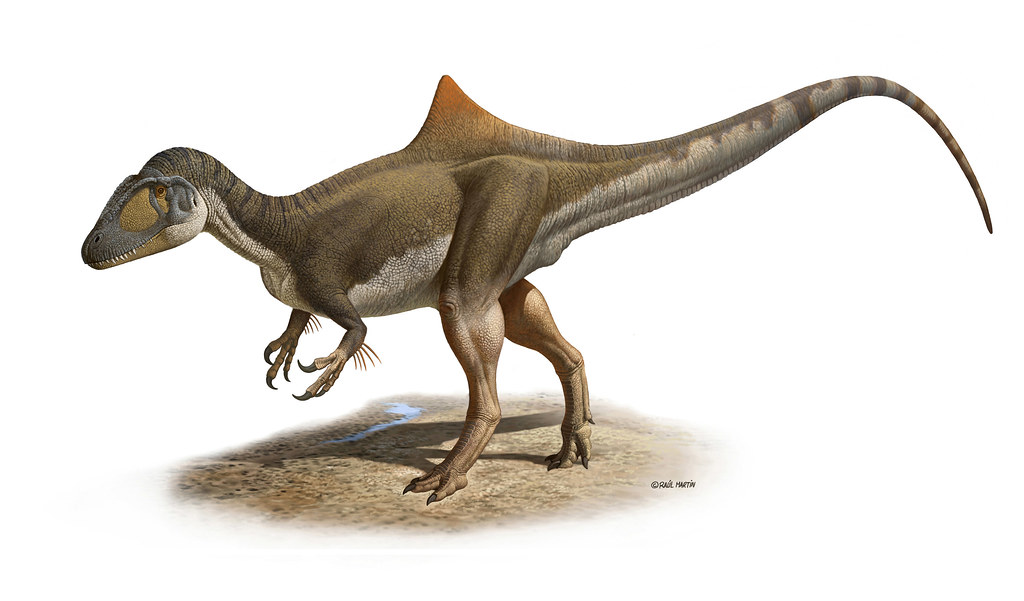
If you picture a classic predatory dinosaur, you probably imagine a sleek, toothy hunter like a smaller T. rex. Concavenator politely walks in and ruins that mental image with a strange, bony hump on its back that looks almost like someone started to build a sail and then changed their mind. It is one of those fossils that makes paleontologists stop, stare, and admit that prehistoric life was a lot weirder than most museum posters suggest.
What makes Concavenator so fascinating is not just that it looked odd, but that its oddness might be a clue to how dinosaurs experimented with body shapes, display structures, and survival strategies. This one animal, frozen in stone from the Early Cretaceous of Spain, has turned into a quiet troublemaker in evolutionary discussions, forcing researchers to ask uncomfortable questions: What was that hump for, and what does it tell us about how predators evolved?
A Strange Predator from Ancient Spain
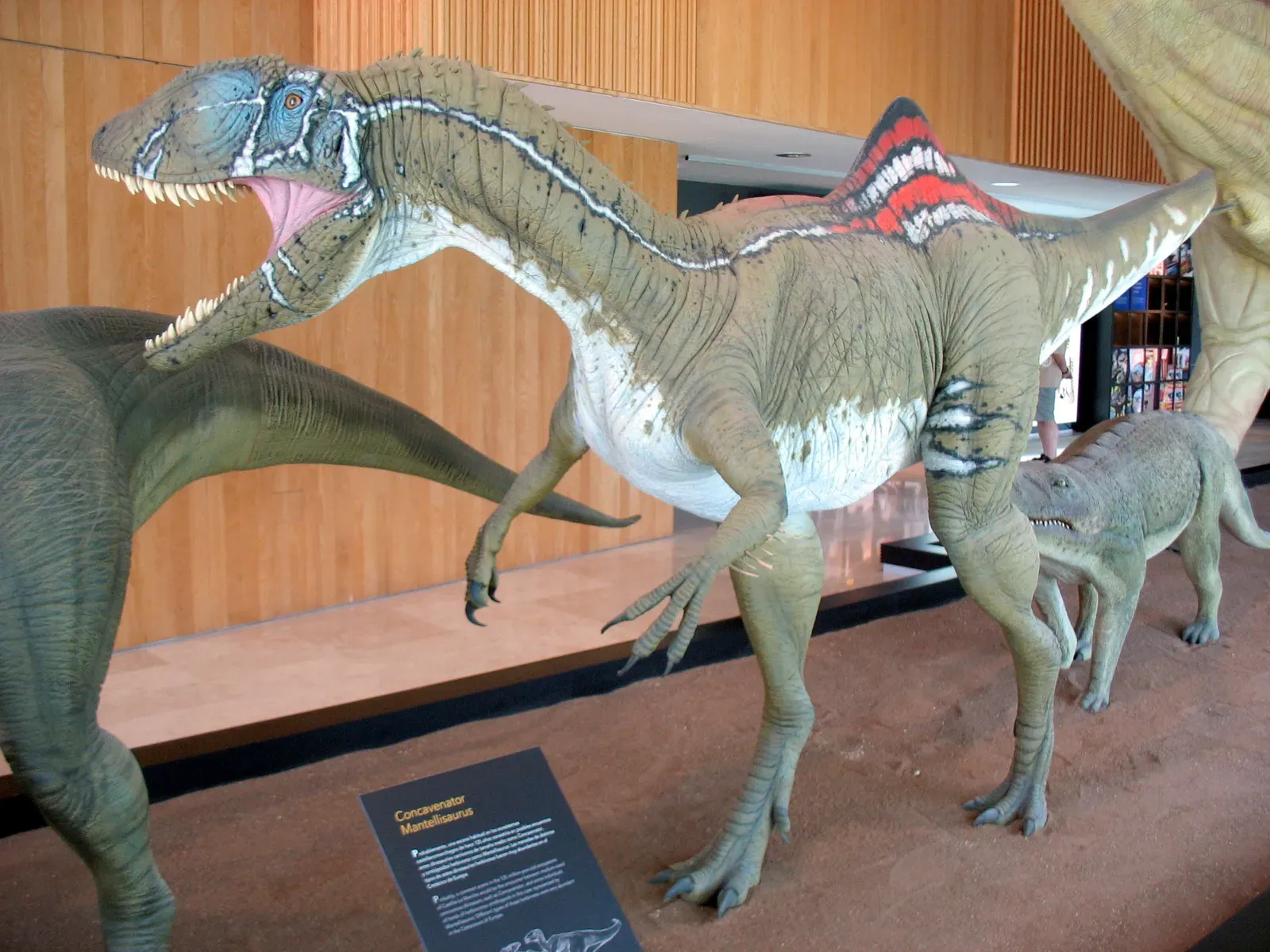
Concavenator was discovered in central Spain in rocks dating to the Early Cretaceous, roughly about one hundred and twenty-five million years ago, at a time when Europe was a patchwork of islands and warm, lush environments. It belonged to the carcharodontosaurians, a group of large theropod dinosaurs that includes some of the biggest meat-eaters ever to walk the planet. Even though Concavenator was not the largest member of its clan, it was still a serious predator, likely several meters long and armed with sharp teeth and powerful legs.
What sets this dinosaur apart is how well preserved the skeleton is, giving researchers an unusually detailed look at its bones and body proportions. You can almost imagine this animal stalking through riverbanks or coastal plains, its strange back profile standing out against the greenery. When I first saw a reconstruction of it, it reminded me uncomfortably of a backpack someone forgot to take off, just sitting awkwardly high on the spine. That immediate visual oddness is part of why Concavenator has become so iconic among dinosaur enthusiasts.
The Hump: Half-Finished Sail or Evolutionary Experiment?
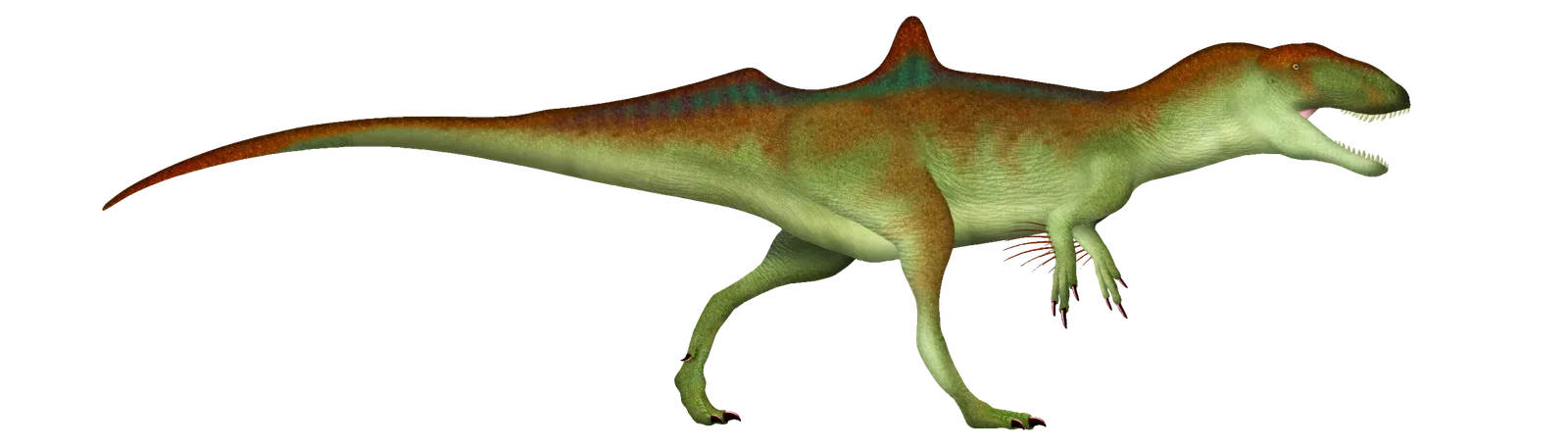
The feature that turns Concavenator from “interesting predator” into “what on Earth is that?” is the elevated neural spines over its hip and back region, creating a tall, localized hump. Unlike the graceful full-length sails of dinosaurs like Spinosaurus, this structure is short, abrupt, and concentrated in a relatively small part of the backbone. It is as if evolution tried out a sail design, got as far as one big ridge, and then decided to stop there. That abruptness is exactly what makes scientists argue about what the structure was actually doing.
Some researchers have suggested that the hump might have supported a fleshy structure used for thermal regulation, storing fat like a camel’s hump, or for visual display to mates or rivals. Others are more cautious, pointing out that without soft tissue preserved, any interpretation has to stay in the realm of educated guesswork. Personally, I lean toward the idea that this hump was highly visible and probably mattered more socially than for temperature alone; nature rarely builds such odd, energy-expensive features unless they pay off in survival or reproduction. Still, the honest answer is that we do not fully know, and that uncertainty is exactly what makes it so compelling.
What the Back Hump Reveals About Dinosaur Body Plans
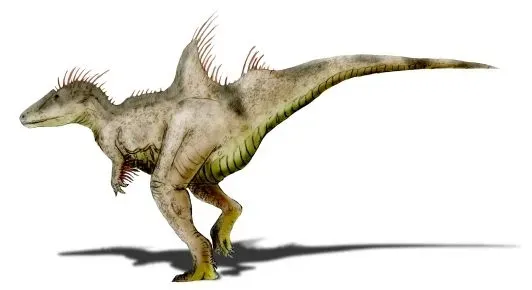
Concavenator’s hump is not just a curious decoration; it is a reminder that dinosaur skeletons were more flexible and experimental than older textbooks sometimes implied. For a long time, we tended to put theropods into neat boxes: streamlined carnivores over here, sail-backed river hunters over there, bulky plant-eaters far away. Concavenator pushes back on that simplicity by showing a mid-sized, agile predator that still carried a dramatic vertical structure on its spine.
This suggests that even active, mobile hunters could tolerate, or even benefit from, such a load if it served a vital function. It hints that display structures and storage features evolved repeatedly and in different combinations across dinosaur lineages, not just in the most famous sail-backed species. In that sense, Concavenator feels like a bridge between categories, a reminder that evolution does not care about our clean labels and tidy diagrams; it will stack features together in ways that seem strange until we realize they actually worked. The hump makes Concavenator less of an outlier and more of a warning that there were probably many other odd body plans we have not found yet.
Life and Behavior: A Predator That Stood Out
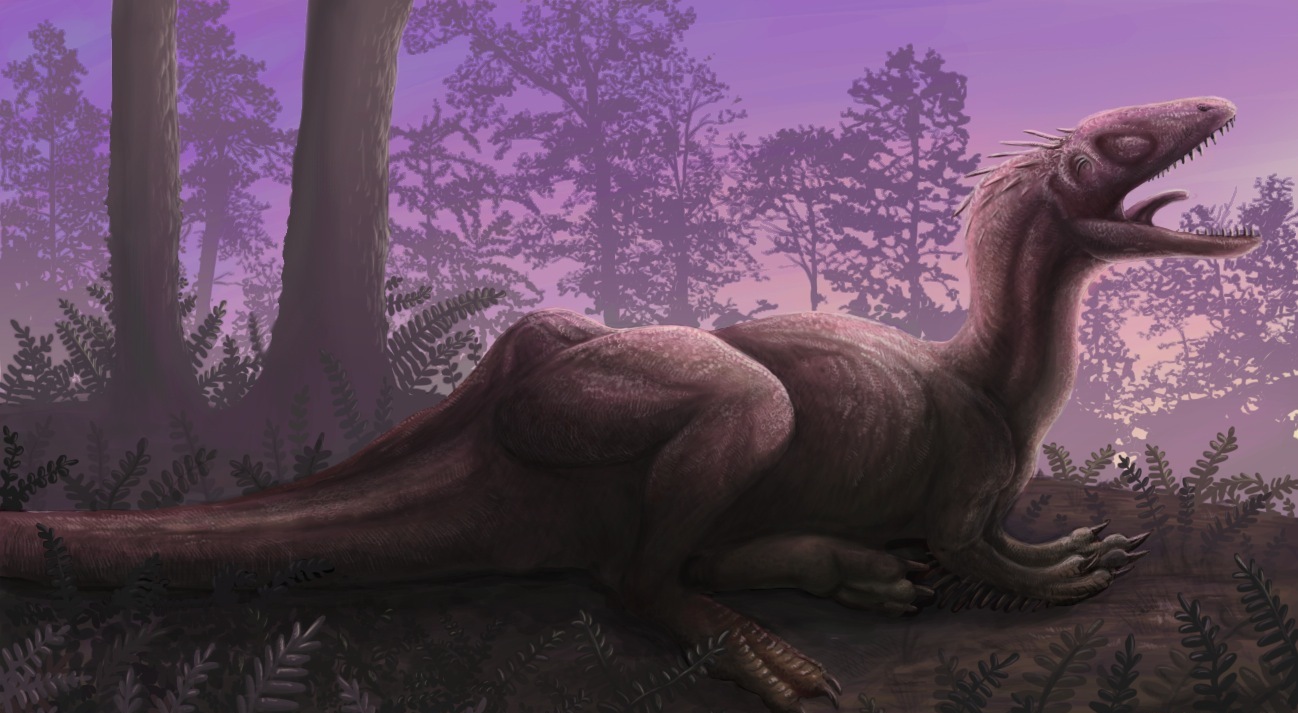
Trying to imagine how Concavenator lived means stitching together clues from its bones and from similar theropods of the same era. It likely hunted smaller dinosaurs and other vertebrates, using speed, agility, and strong jaws rather than brute, oversized strength. Now picture that animal with a tall hump or ridge over its back striding into a clearing or a riverbank. In a crowd of other predators, this one would have been visually unforgettable, which might have mattered a lot during mating season or territorial standoffs.
If the hump was brightly colored in life, as many scientists suspect for display structures, Concavenator could have signaled health, maturity, or dominance at a distance. A well-fed animal with robust fat or muscle stores in that region might outshine a skinny rival whose hump looked smaller or less impressive, a kind of prehistoric social media profile you could not fake. Of course, there is also the less glamorous possibility that it was mainly a thermal or storage adaptation, but my hunch is that visual impact played a major role. In evolution, standing out can be dangerous, but it can also be the shortest path to finding a mate and passing on your genes.
Concavenator in the Family Tree of Meat-Eating Dinosaurs
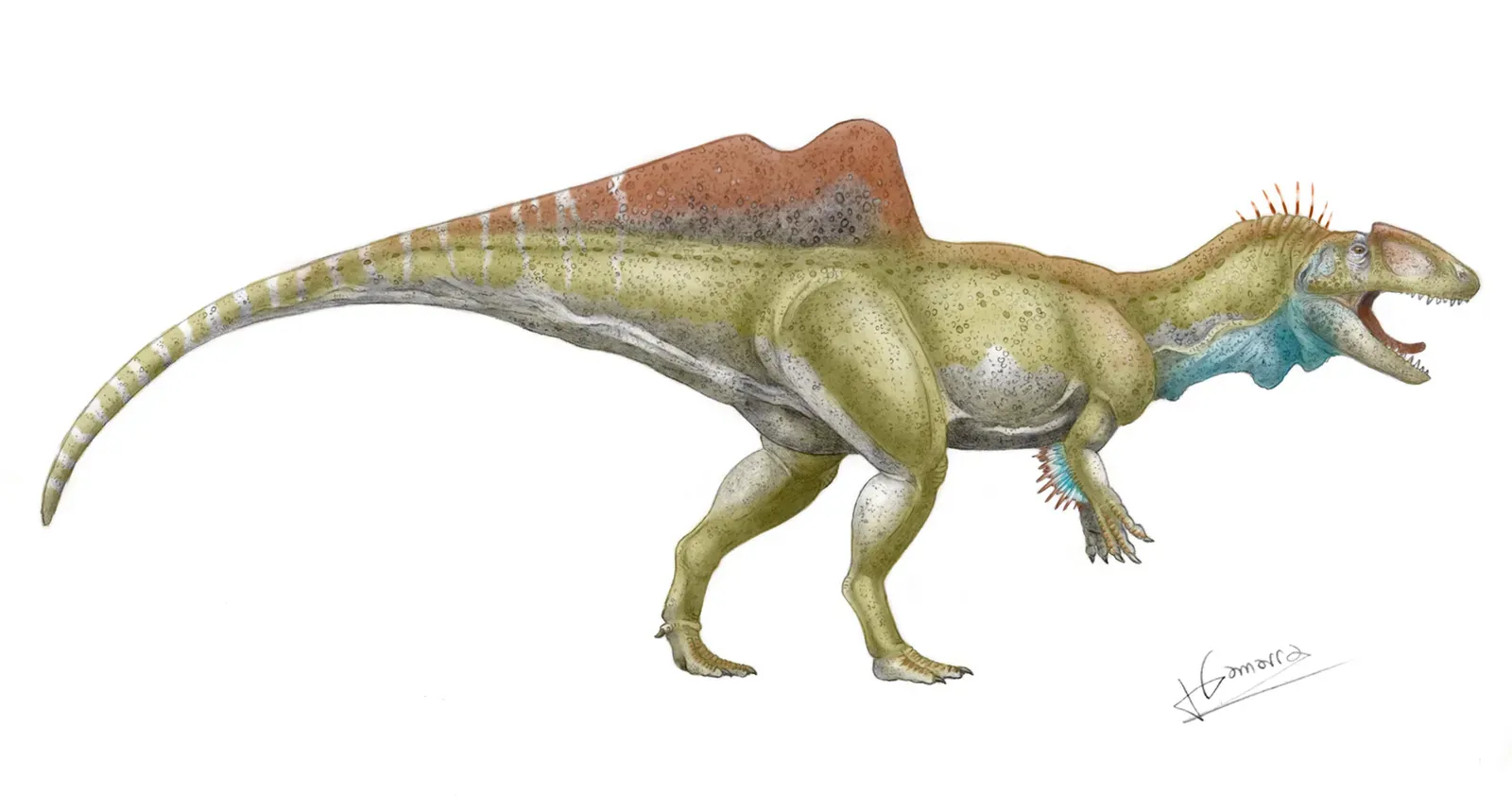
From a scientific standpoint, Concavenator matters because it helps fill in a geographic and evolutionary gap in the story of carcharodontosaurians. For a while, many of the most impressive fossils of this group came from Africa and South America, painting a picture where these predators dominated mostly in the Southern Hemisphere. The Spanish Concavenator adds a European chapter to that story and shows that these lineages were more widespread and ecologically diverse than originally appreciated.
Its hump also feeds into a broader discussion about repeated evolution of tall neural spines in different dinosaur groups. When similar structures turn up independently in unrelated animals, it hints at common pressures or opportunities in their environments. Concavenator may not have been the biggest or the flashiest carcharodontosaurian, but its anatomy pushes researchers to rethink how these predators spread, diversified, and experimented with body shapes. In that sense, it punches far above its weight in evolutionary importance, acting as a puzzle piece that does not quite look like what anyone expected.
The Ongoing Mystery and Why This Dinosaur Still Matters
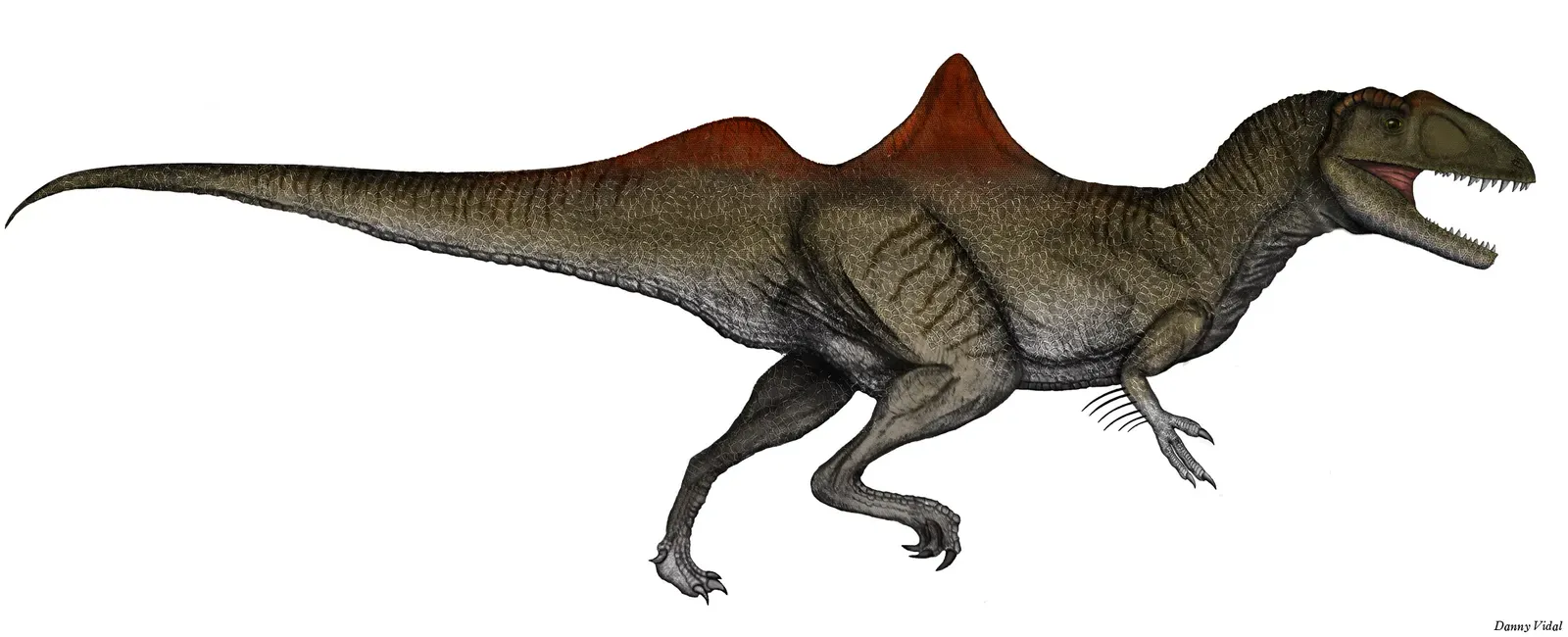
One of the most honest things to say about Concavenator’s hump is that it remains a live debate rather than a settled fact. New analytical methods, comparisons with other fossil finds, and even better imaging of the original bones continue to shape how paleontologists interpret this odd structure. In a field where people sometimes crave clean, definitive answers, Concavenator is a reminder that some of the coolest dinosaurs are the ones that refuse to fit neatly into any single explanation.
I think that is what makes this animal feel surprisingly modern: it represents the messy, uncertain edge of science where curiosity outpaces certainty. Instead of being disappointing, that uncertainty should be thrilling, because it means there is still room for new fossils, better data, and sharper ideas to completely change the story. Concavenator, with its awkward, eye-catching hump, stands as a quiet challenge to our assumptions about how predators are supposed to look and function. It is less a solved case and more an open invitation to keep asking hard, imaginative questions about the deep past.
Opinionated Conclusion: A Reminder That Evolution Loves Oddballs
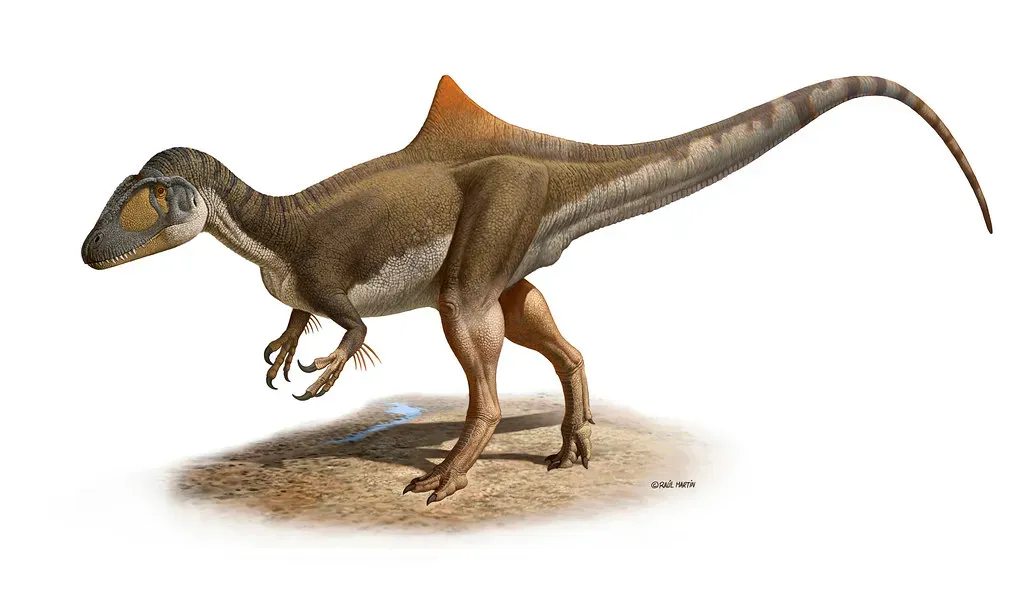
To me, Concavenator is a perfect rebuttal to the idea that evolution trends toward sleek perfection and streamlined efficiency. Here is a capable predator that apparently did just fine while lugging around a conspicuous back hump that looks, at first glance, like an evolutionary joke. Instead of seeing that as a flaw, we should see it as a hint that survival often favors the strange, the showy, and the experimental, not just the aerodynamic. Concavenator is proof that natural selection is not a minimalist designer; it is more like an artist that keeps trying bold, sometimes bizarre ideas just to see what works.
In a way, this dinosaur also reflects something deeply human: the unease we feel around bodies and shapes that do not fit our expectations. We want predators to look a certain way, and when they do not, we rush to declare them mistakes or mysteries. Concavenator quietly suggests that the oddballs can be just as successful, maybe even more so, than the so-called perfect forms. As we keep unearthing more fossils and more weird anatomies, maybe the real question is not why Concavenator had a hump, but why we are still so surprised that evolution refuses to stay within our aesthetic comfort zone. Did you really think the age of dinosaurs was going to be tidy?