
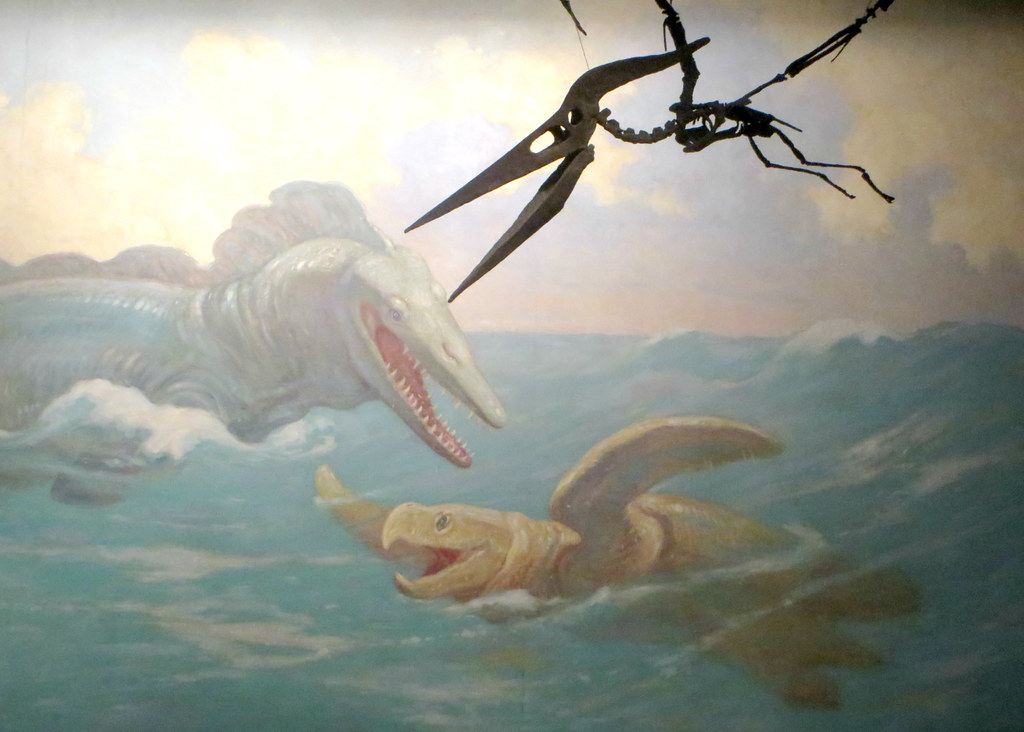
Imagine gliding through a cold, twilight ocean more than one hundred and fifty million years ago. Suddenly, a shadow larger than a bus darts past, not just snapping at fish but coordinating with others, circling prey, maybe even teaching the young how to hunt. That image feels strangely familiar because it sounds a lot like modern orcas – and that’s exactly why paleontologists are starting to wonder if some ancient marine reptiles behaved in surprisingly similar ways.
This idea is still being pieced together from scattered bones, strange bite marks, and the occasional fossilized “crime scene” on the seafloor. We do not have a time machine, so scientists have to work with what is preserved and be honest about the limits. But as evidence piles up, a picture is forming of certain ichthyosaurs, pliosaurs, and mosasaurs as not just oversized lizards in the water, but potentially smart, social, and brutally efficient hunters. Let’s dive into what we actually know, what is still speculation, and where that exciting orca comparison holds up – and where it really does not.
Ancient Oceans Were Full Of Top Predators, Not Just Dinosaurs In Water
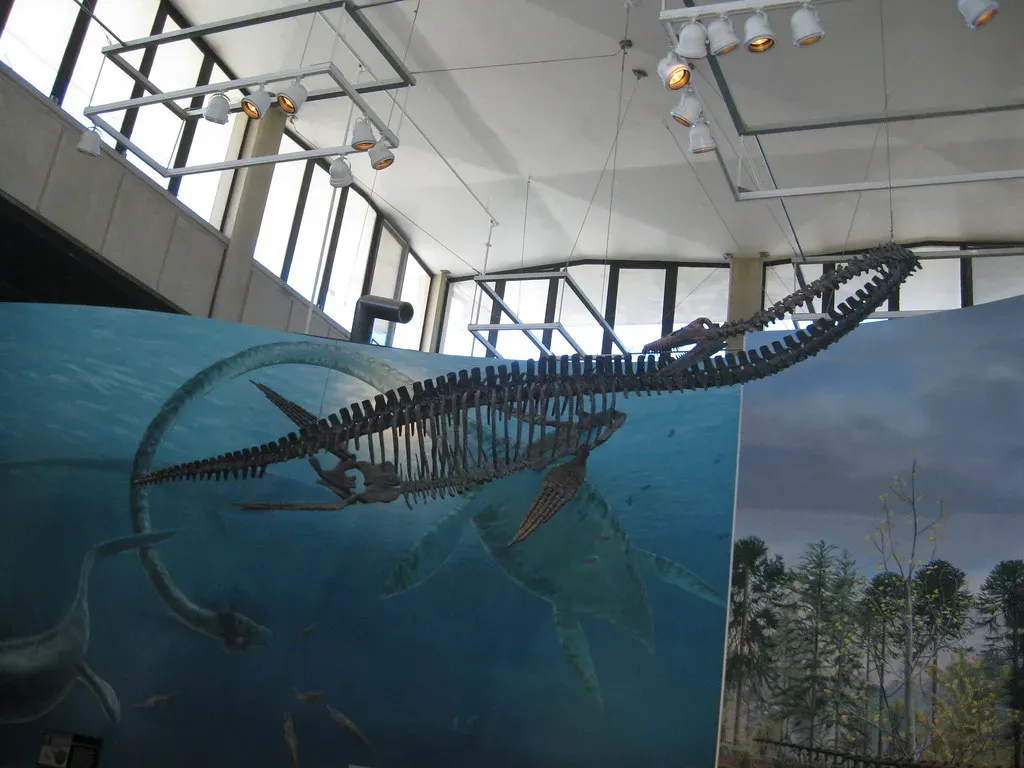
One thing that surprises a lot of people is that these marine reptiles were not actually dinosaurs. Ichthyosaurs, plesiosaurs, pliosaurs, and later mosasaurs were their own branches of the reptile family tree, adapted to life in the oceans while dinosaurs ruled the land. They filled many of the same roles that great white sharks, orcas, and sperm whales fill today, sitting right at the top of ancient food webs and reshaping entire ecosystems through what and how they hunted.
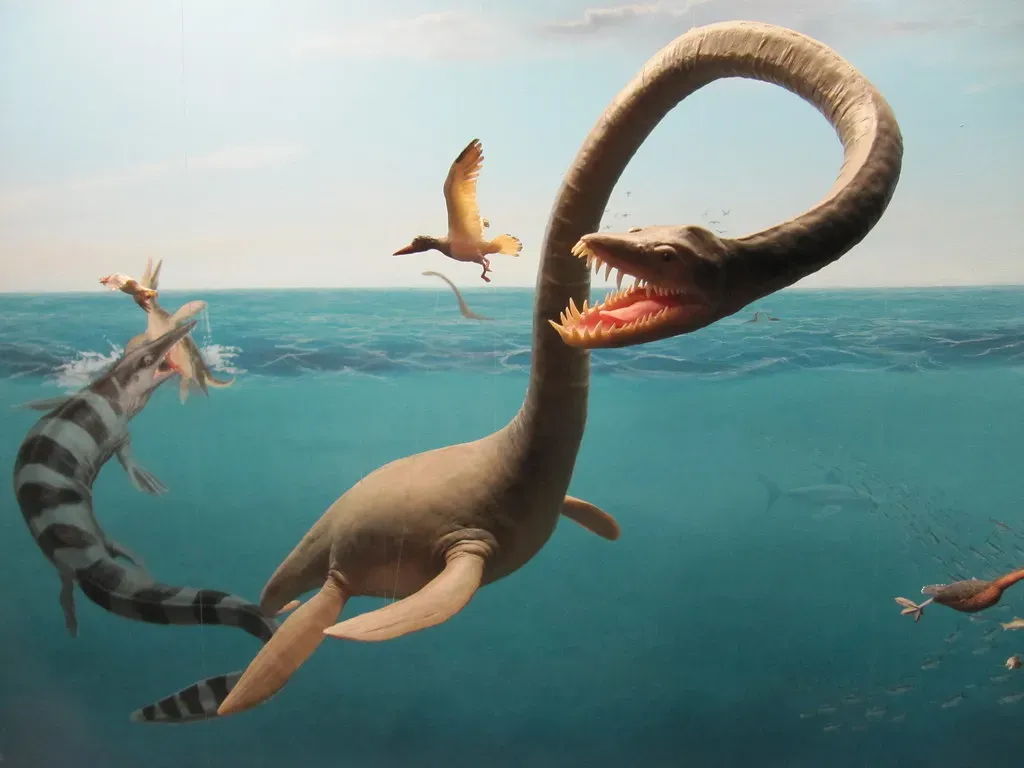
When we talk about “ancient marine reptiles hunting like orcas,” we are really talking about ecological roles, not exact copies of modern animals. Just like today’s oceans have a mix of fast tuna, stealthy sharks, and clever dolphins, Jurassic and Cretaceous seas hosted a layered community of hunters. Some reptiles chased small prey in open water, others ambushed from below, and a few massive species sat at the absolute apex, able to take on almost anything around them – including, quite possibly, other big marine reptiles.
Skulls And Teeth Hint At Powerful, Targeted Attacks
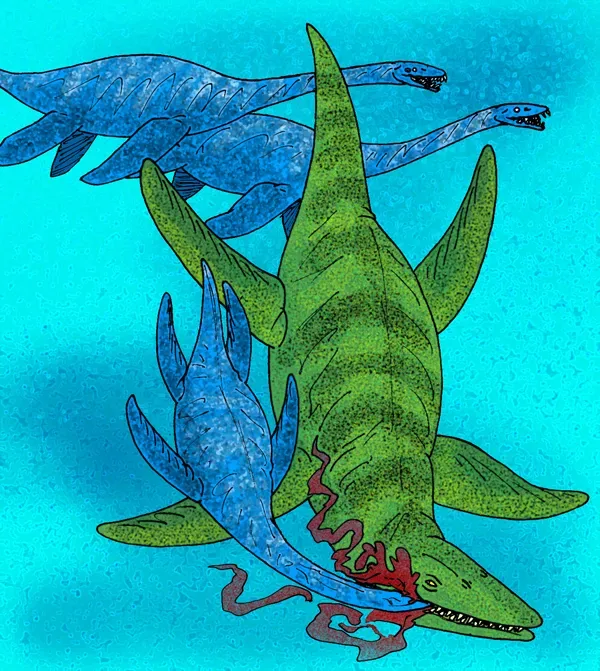
If you want to understand how a predator hunted, the skull is usually the best place to start. Many large pliosaurs and mosasaurs had skulls packed with conical, robust teeth that look built for gripping and tearing, not for delicately filtering or nibbling. Some species show bite forces calculated to be comparable to or even exceeding those of modern apex predators like crocodiles, suggesting they were capable of tackling big, struggling prey instead of just small fish or squid.
There are also fossils of marine reptiles with bite marks that clearly match the teeth of other reptiles, including injuries on the skull, flippers, and torso. In a few cases, parts of one species have even been found in the stomach region of another, giving us rare but direct evidence of who was eating whom. This pattern of powerful jaws, specialized teeth, and repeated signs of attacks on large prey mirrors what you see in orcas that specialize in seals, sharks, or even whales, where the whole head is basically a weapon designed for high-risk, high-reward hunting.
Bone Beds And Mass Strandings Suggest Possible Social Behavior
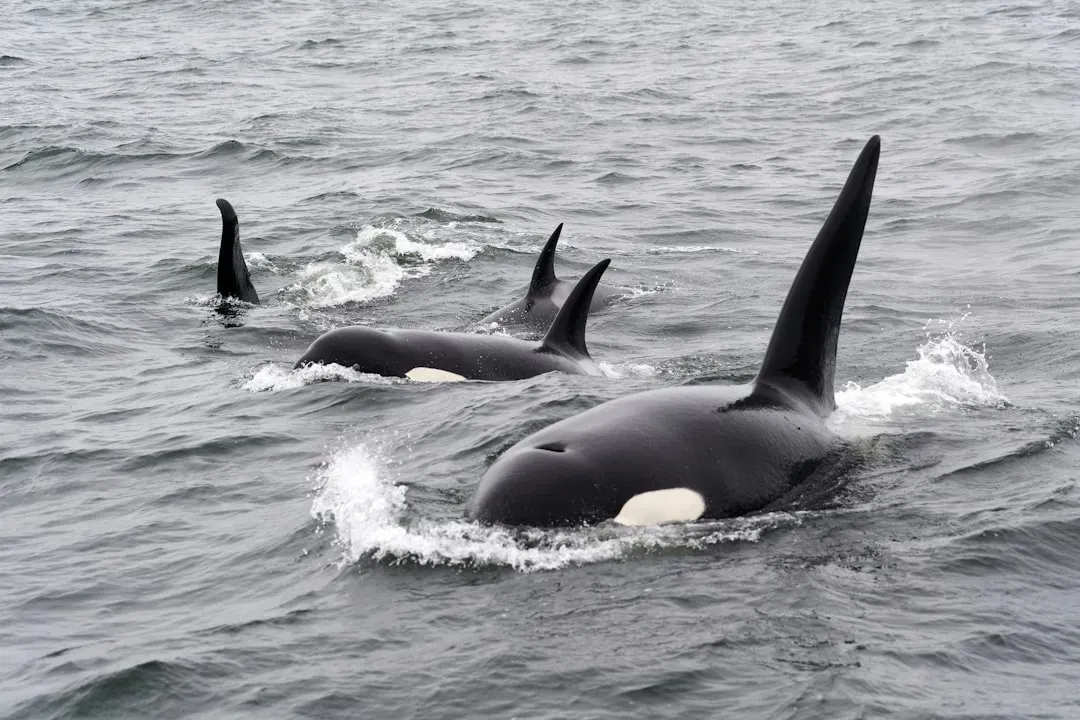
One of the strongest parallels with orcas comes from how some fossils are clustered. Paleontologists have discovered bone beds where multiple individuals of the same marine reptile species are preserved together, sometimes of different ages and sizes. These groupings might be accidents of ocean currents and sediment, but they also raise the possibility that some species lived and moved in loose groups rather than being totally solitary.
In modern oceans, orcas live in family pods with complex social ties and learned behaviors, especially around hunting. We cannot say with confidence that any ancient marine reptile had that level of social sophistication, but repeated finds of multiple individuals buried in close proximity make it hard to ignore the idea. At the very least, some of these animals shared space and possibly traveled together, which opens the door to more coordinated hunting strategies than the old stereotype of a lone monster cruising through the depths.
Bite Marks, Broken Bones, And “Shark-Ravaged” Carcasses Tell Gruesome Stories
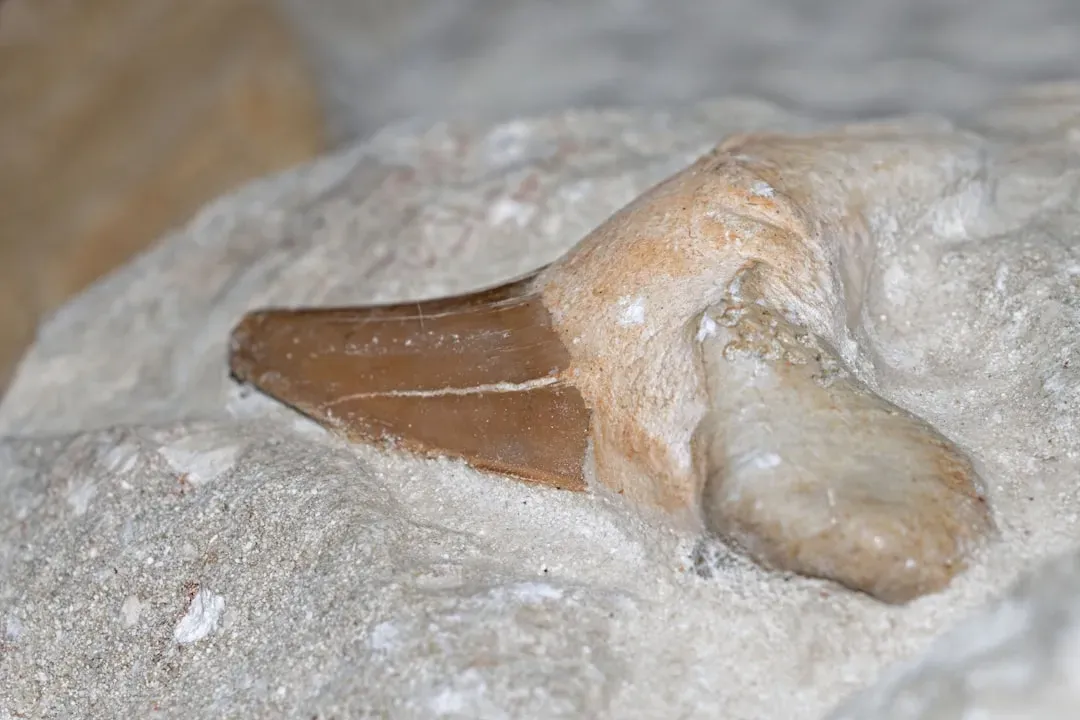
Sometimes fossils look less like a neat museum display and more like the aftermath of a wildlife documentary. Skeletons of large marine reptiles have been found covered in tooth marks, missing chunks of bone, or partially disarticulated in ways that suggest active predation, scavenging, or prolonged attacks. In a few striking cases, remains show repeated bites on flippers and tails, exactly the kind of disabling strike seen when modern orcas go after sharks or whales.
These fossil “crime scenes” are messy but revealing. The pattern of injuries – damage to steering fins, bites around the head and neck, and gnaw marks around the torso – implies intelligent targeting of vulnerable spots instead of random biting. While we have to be careful not to over-interpret, this is the kind of evidence that makes researchers consider whether some marine reptiles engaged in sustained, strategic assaults on large prey. It does not prove they coordinated like an orca pod, but it absolutely supports the idea of deliberate, precise attacks by experienced hunters.
Body Shape And Swimming Style Point To Fast, Pursuit Hunters
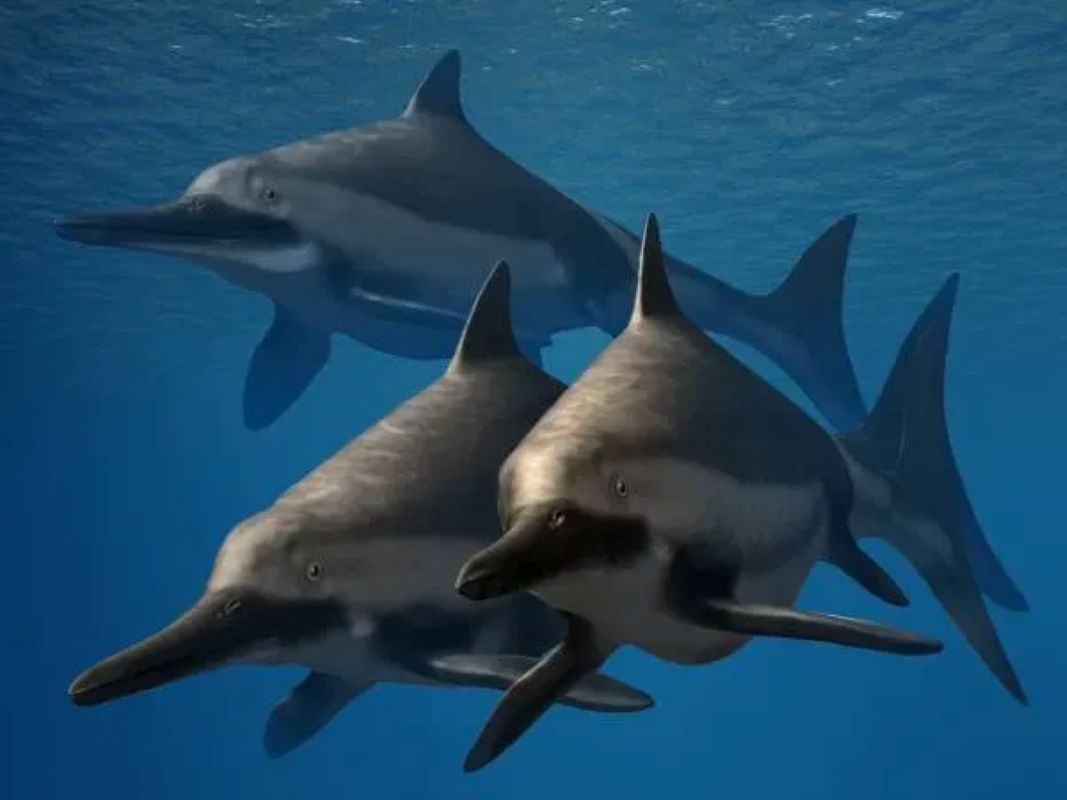
Look at an ichthyosaur skeleton and you will probably do a double take – it has a streamlined body, a vertical tail fluke, and big eyes, almost like a reptilian mash-up of a tuna, a dolphin, and a swordfish. This torpedo shape is not just for show; it is ideal for sustained fast swimming and quick bursts of speed. Mosasaurs, though built differently, also had powerful tails and limbs modified into flippers that could propel them in rapid lunges, making them perfectly suited for chasing agile prey in open water.
Fast pursuit hunters often rely on clever tactics to conserve energy: ambushing from below, driving prey toward the surface, or using the environment to trap victims. Modern orcas are masters at this, and while we cannot watch a pliosaur in action, its body proportions suggest it combined bursts of speed with sudden turns and lunges. When you put that together with large, forward-facing eyes and strong neck muscles, you get an animal biologically equipped to track, chase, and slam into sizable prey, not just passively snap at whatever swam too close.
Parallels With Orcas Are Tempting – But Need Careful Limits
Here is where we have to be honest: we do not have fossilized brains, vocalizations, or recorded behavior from ancient marine reptiles. Orcas are not just powerful hunters; they are also incredibly intelligent, with cultures, dialects, and learned hunting traditions that vary from pod to pod. There is currently no solid evidence that any Mesozoic marine reptile reached that same level of cognitive complexity, and it would be irresponsible to claim otherwise.
What we can confidently say is that some of these reptiles filled similar ecological niches to orcas: large-bodied, apex predators that likely tackled big prey, may have used ambush or group presence, and shaped the structure of their ecosystems from the top down. The orca comparison is a helpful metaphor to explain their possible hunting style and role in the food chain, as long as we remember it is a comparison, not a one-to-one copy. For me, that balance – being imaginative but rooted in evidence – is where paleontology is at its most exciting.
Why This Matters For How We Picture Prehistoric Life
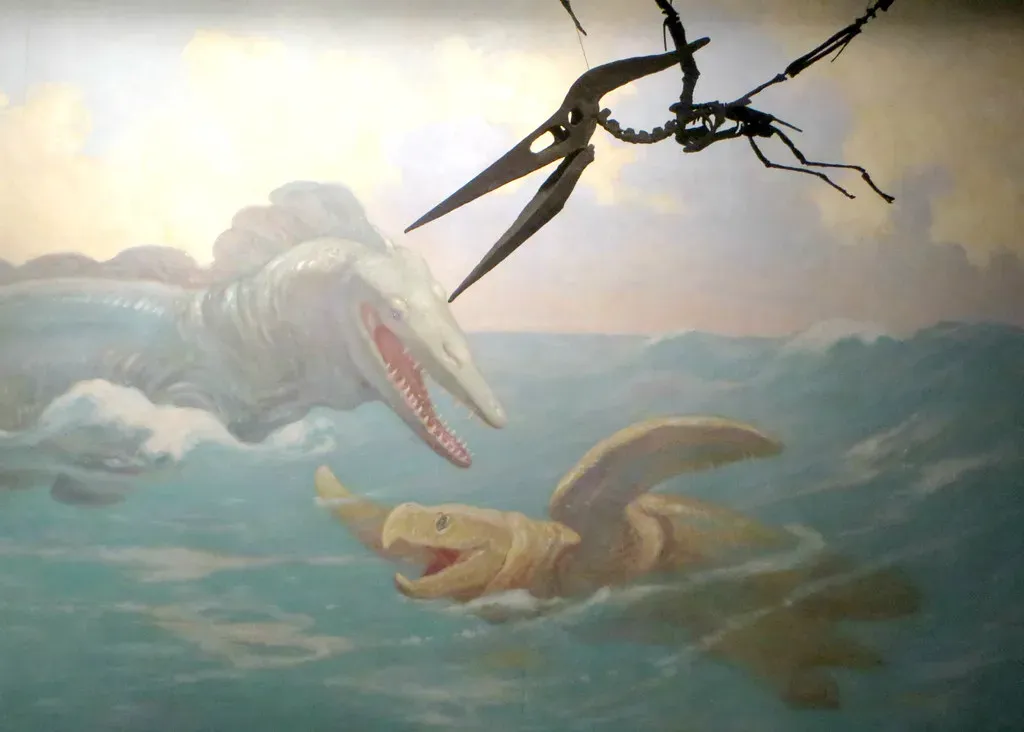
It is easy to think of ancient oceans as simple: big reptile eats smaller fish, end of story. But the growing evidence for sophisticated predation and possible social structure forces us to admit these ecosystems were just as complex and dynamic as today’s seas. If some marine reptiles hunted in coordinated ways or at least exploited similar strategies to orcas, then everything from prey migration to breeding grounds might have been shaped by their presence.
On a more personal note, learning about this changed how I picture prehistory. Instead of a slow, lumbering monster drifting through a murky sea, I now imagine sleek packs of predators using timing, speed, and maybe even learned tactics to take down armored fish, giant squid, or rivals. The past stops feeling like a static museum exhibit and starts to feel like a living ocean full of experiments in survival, some of which look hauntingly familiar when we watch modern orcas at work.
Conclusion: Ancient “Orcas” Of The Past – Fascinating, But Not Fantasy Whales
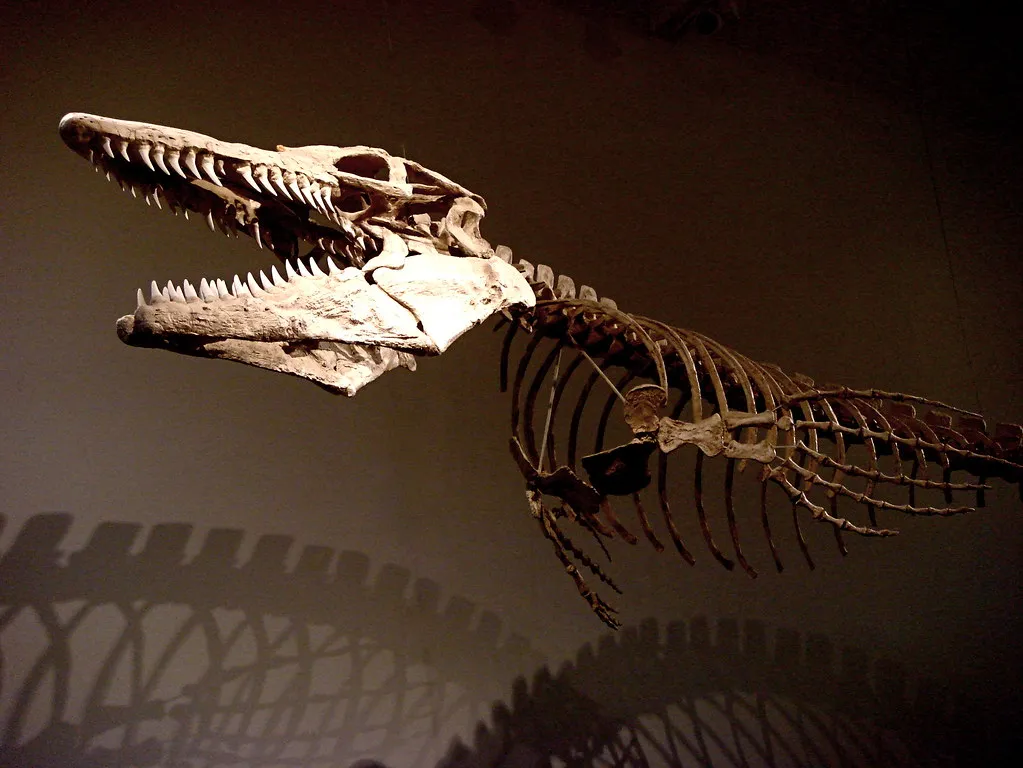
When you put all the puzzle pieces together – the brutal skulls, the clustered fossils, the targeted bite marks, and the streamlined bodies – it is hard not to see echoes of orcas in at least some ancient marine reptiles. They were not whales, they did not sing complex songs as far as we know, and their brains were probably wired very differently. But they clearly sat at the top of their food chains and likely used more than brute force alone, combining power, speed, and at least a bit of strategy in ways that feel eerily modern.
My own take is that we should embrace the orca comparison as a vivid mental shortcut, while constantly checking ourselves against the evidence. It is thrilling to imagine mosasaurs or pliosaurs circling prey like a coordinated pod, and maybe some of them did something roughly along those lines, but we owe it to the fossils to keep speculation and facts in separate lanes. Still, the idea that our oceans have hosted different generations of “super predators” over hundreds of millions of years is both humbling and strangely comforting. When you watch orcas hunting today, do you ever wonder which ancient eyes once looked out over the same dark water with very similar intentions?