Antarctica and dinosaurs sound like total opposites: one is a frozen desert at the bottom of the world, the other a symbol of lush, prehistoric life. Yet buried under Antarctica’s ice and rock lies a story that flips our expectations upside down. At the heart of that story is a single, strange, crested predator with a rock‑star nickname: Cryolophosaurus.
This animal didn’t just add another name to the dinosaur list. Its discovery forced scientists to rethink what Antarctica used to look like, how dinosaurs spread across the globe, and what life can endure in extreme environments. Once you follow the trail of evidence around this one dinosaur, Antarctica stops being a blank white spot on the map and turns into one of the most surprising chapters in Earth’s history.
A Jurassic Predator Found Near the South Pole
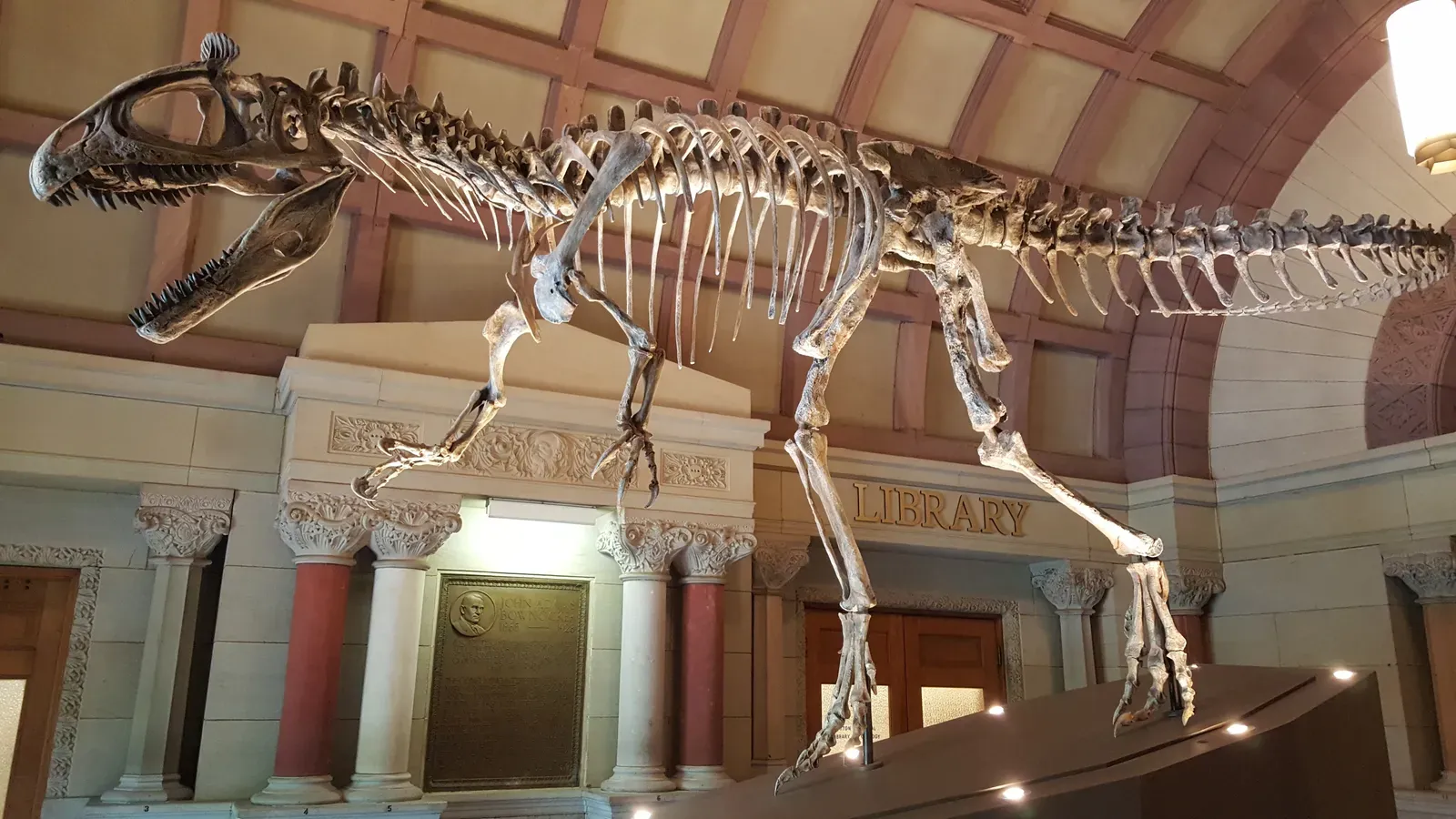
It still shocks people to hear that a large meat‑eating dinosaur was dug up less than a thousand kilometers from the South Pole. Cryolophosaurus was found in rocks that were laid down during the early Jurassic period, roughly about one hundred ninety million years ago, on what is now the frozen continent of Antarctica. Back then, that land was closer to the South Pole than you might expect for a dinosaur hotspot, yet it hosted a thriving ecosystem big enough to support a top predator.
Even more striking is where on the continent it turned up: high on the slopes of Mount Kirkpatrick in the Transantarctic Mountains. The fossils were literally pulled out of rock at high altitude in brutal, subzero conditions, a far cry from the green floodplains the animal once walked. That physical contrast between icy mountaintop and fossilized predator makes the past feel almost unreal, and it’s one of the reasons Cryolophosaurus captured both scientific and public imagination so quickly.
A Strange Crest With Big Evolutionary Implications
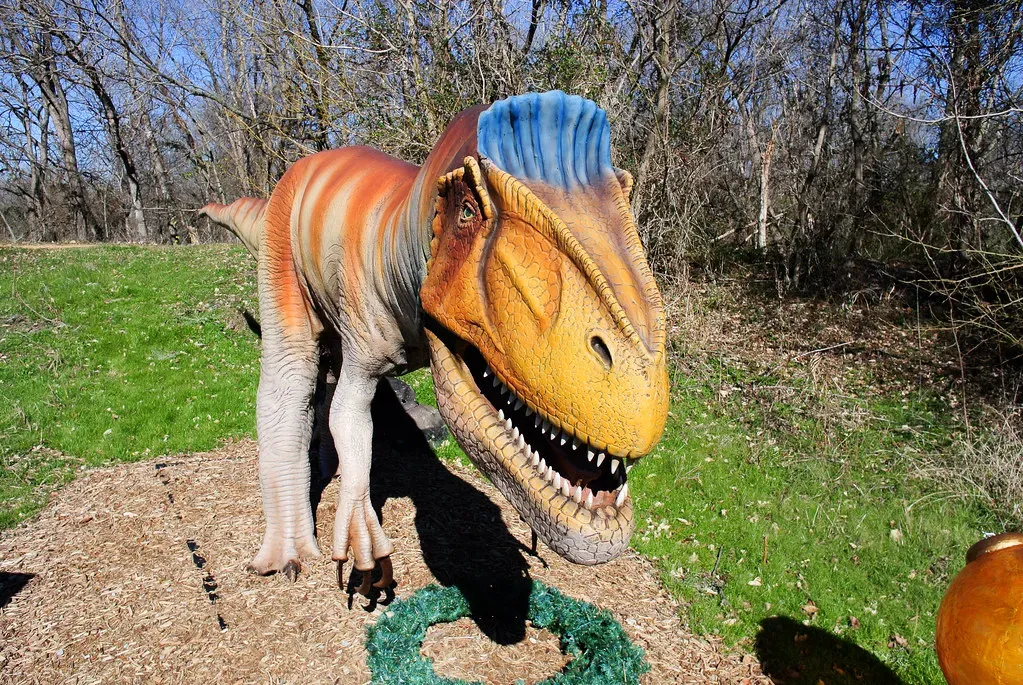
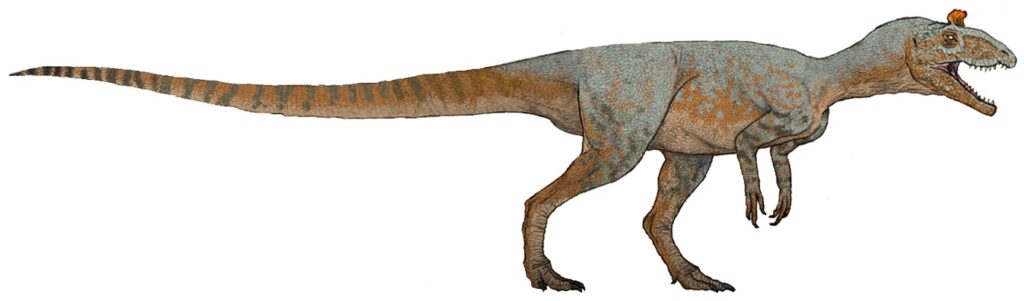
Cryolophosaurus is instantly recognizable because of the unusual crest that runs across the top of its skull, like a sideways fan or a swept‑back hairdo. This structure wasn’t some random decoration; it was bone, likely covered by soft tissue in life, and it probably played a role in display, species recognition, or sexual signaling. That means even in the harsh polar light of the Jurassic, visual communication among dinosaurs mattered, and complex social behaviors were probably taking place.
The crest also helps paleontologists place Cryolophosaurus on the dinosaur family tree. It shares traits with early large theropods from other parts of the world, yet the exact shape of the crest is unique, hinting at a local evolutionary experiment in ornamentation. When you find such a distinctive structure in such an unexpected region, it suggests that polar environments were not evolutionary backwaters; they were arenas for innovation, just like the more familiar dinosaur sites in North America and Asia.
Antarctica Was Once Forested, Mild, and Full of Life
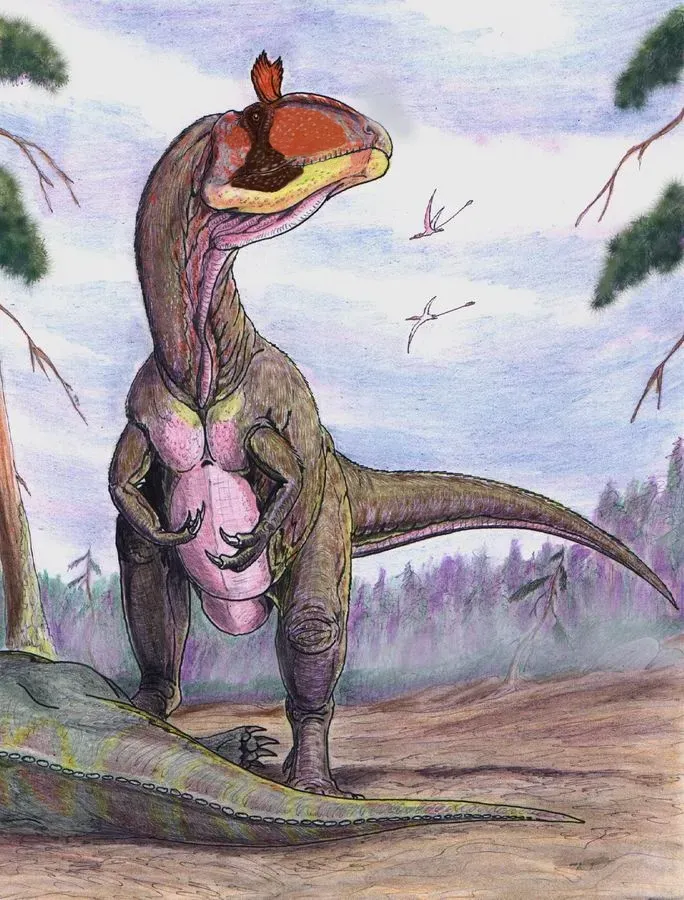
The presence of a big, active predator like Cryolophosaurus implies something crucial: its world was not an icy wasteland. Geological and fossil evidence from the same rock layers point to forests of tall conifers and tree ferns, soils that supported rich plant communities, and climates that were cool or temperate rather than brutally cold by our standards. It may still have been chilly compared to equatorial regions, but there was enough vegetation and prey for a carnivore to thrive.
This paints a completely different image of ancient Antarctica than the one many of us grew up with. Instead of permanent ice sheets, think of a remote, forested landscape with seasonal light extremes and dynamic ecosystems. That picture forces scientists to refine climate models for the Jurassic world, showing that polar regions could be surprisingly hospitable under high greenhouse gas levels and different ocean currents. Cryolophosaurus is, in a way, a spokesperson for an Antarctica that was alive, green, and complicated.
Rewriting Dinosaur Biogeography and Global Connections
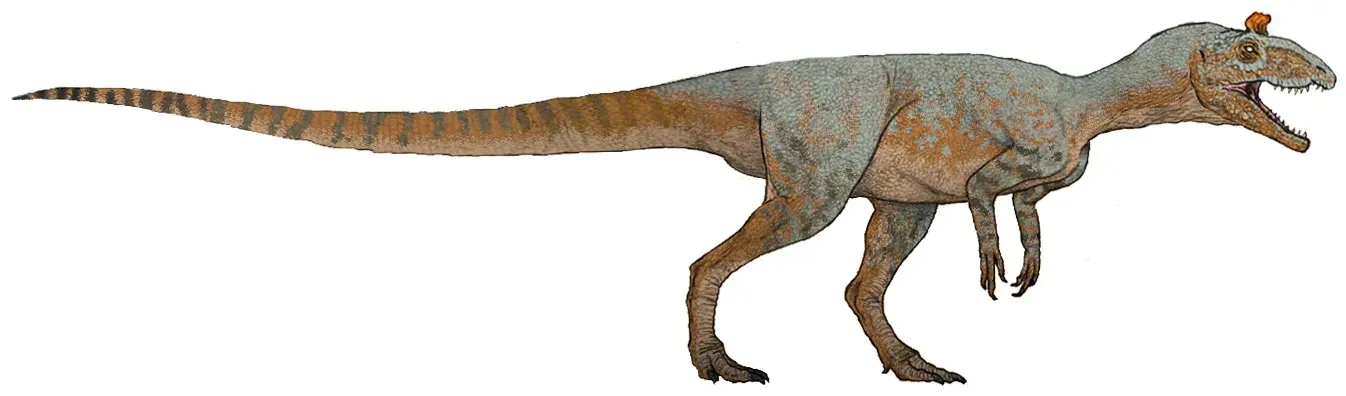
Before finds like Cryolophosaurus, a lot of the attention in dinosaur research focused on places like the American West, China, and Argentina. Antarctica, because of its ice cover and remoteness, was practically a blank space in dinosaur biogeography. This single discovery proved that large theropods roamed high‑latitude regions while the supercontinent Gondwana was still breaking apart, linking Antarctic faunas with those in South America, Africa, and possibly Australia.
What this means is that dinosaurs were far more widespread and flexible than earlier textbooks suggested. Cryolophosaurus helped confirm that high latitudes were not barriers, but corridors, connecting different landmasses as they drifted apart. That has real consequences for how we reconstruct dinosaur migrations, evolutionary relationships, and the timing of when different groups appeared and spread. It nudged paleontology away from a view of isolated regional faunas and toward a more integrated, global story.
Dinosaurs at the Edge: Surviving Polar Darkness and Seasonal Extremes
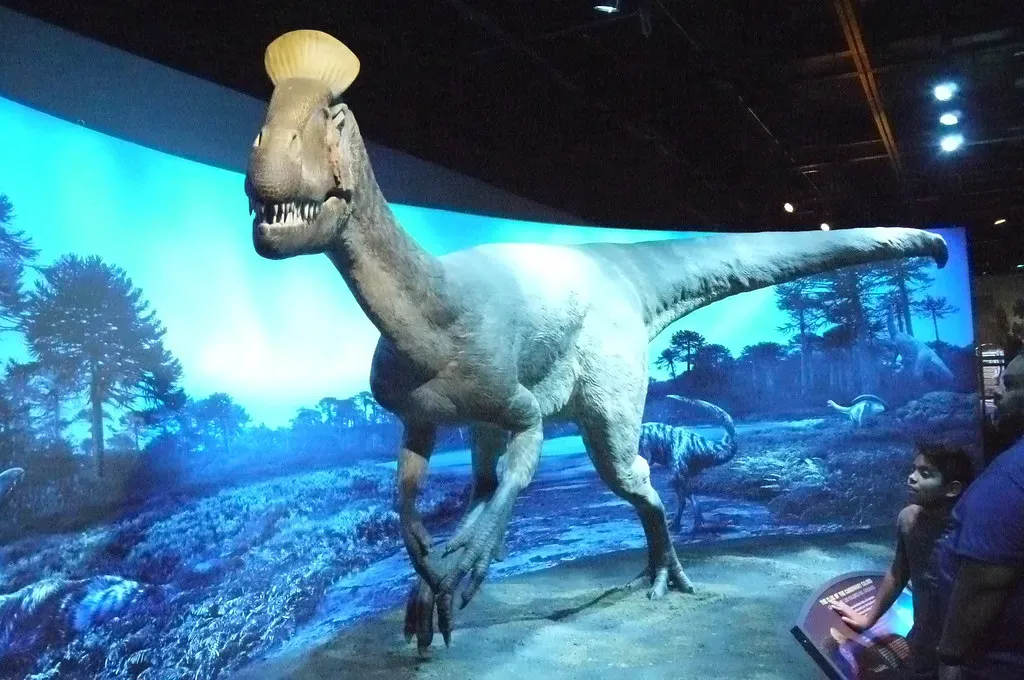
One of the most fascinating questions Cryolophosaurus raises is how dinosaurs coped with polar light cycles. Even if ancient Antarctica was warmer, its position on the globe meant long, dim winters and long, bright summers, with the sun hovering low on the horizon for months at a time. A large predator in that setting had to handle big seasonal swings in temperature, light, and probably food availability, which hints at sophisticated adaptations in behavior, physiology, or both.
This has opened the door to serious discussion about whether some dinosaurs were partially warm‑blooded, had insulating feathers or proto‑feathers, or maintained flexible metabolic strategies to ride out the lean seasons. While Cryolophosaurus itself is known mostly from bones, its very presence in those latitudes supports the idea that dinosaurs were more resilient and adaptable than the old, cold‑blooded reptile stereotype allowed. To me, that is one of the most exciting legacies of the find: it forces us to imagine dinosaurs not as lazy swamp creatures, but as tough survivors at the edge of the world.
Science at the Bottom of the World: Why Cryolophosaurus Still Matters
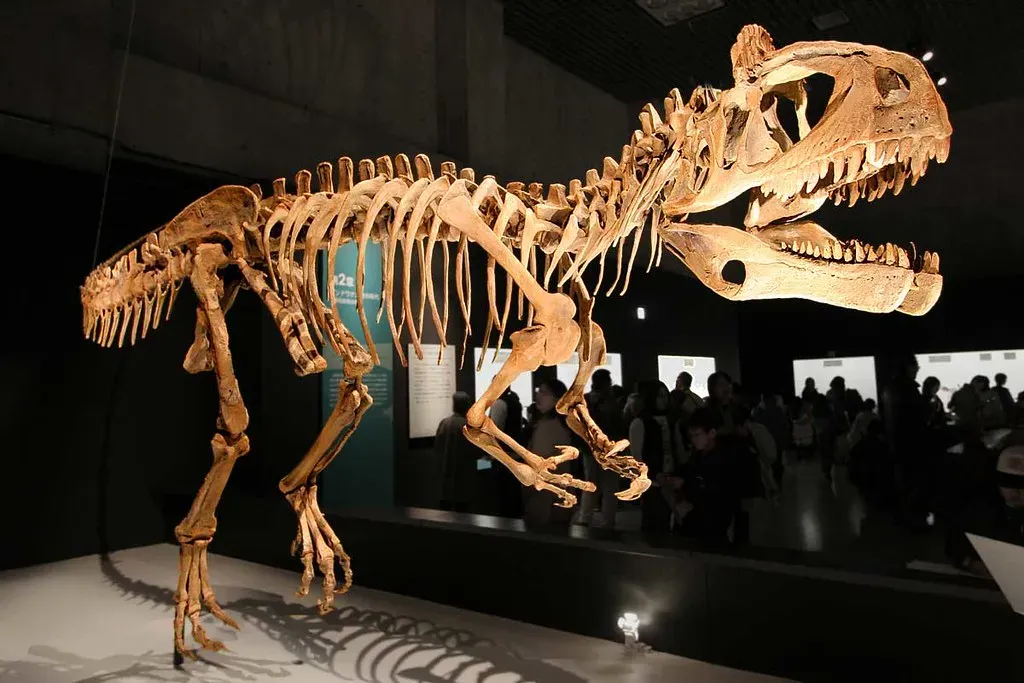
Recovering Cryolophosaurus was not a casual field trip; it was a grueling logistical operation involving helicopters, specialized gear, and teams working in dangerous, isolated conditions. That effort highlights just how committed researchers are to filling in the Antarctic chapter of Earth’s story. Every bone hauled off that mountain was a data point challenging decades of assumptions about where dinosaurs could live and what ancient climates looked like.
Today, the fossil continues to be reexamined with new techniques: better imaging, refined dating methods, and improved understanding of dinosaur anatomy. Each new study squeezes a bit more information out of the same bones, from growth patterns to muscle attachments and bite strength. If anything, Cryolophosaurus has become a symbol of how much we still do not know about Antarctica’s past, and how rewarding it can be to go after the hardest questions in the hardest places.
Conclusion: A Single Dinosaur That Shrunk the Distance Between Us and Antarctica
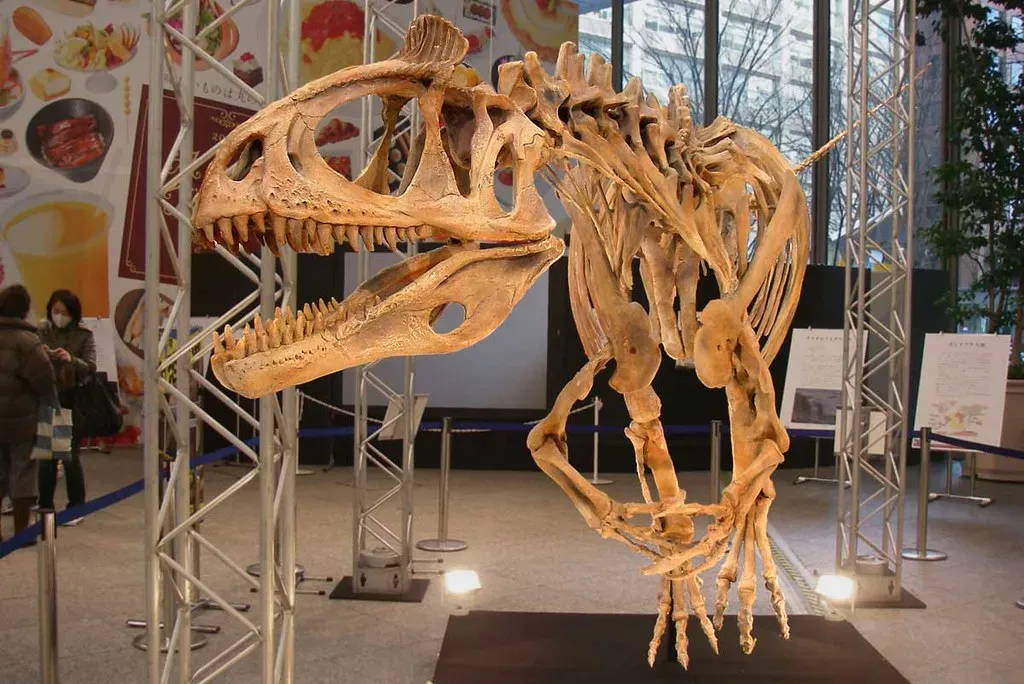
In my view, Cryolophosaurus did something rare in science: it made an untouched, almost mythical continent feel connected to the rest of Earth’s story. Before its discovery, it was easy to imagine Antarctica as a geological afterthought, frozen, distant, and historically quiet. Now, it is impossible to ignore that this place once echoed with the footsteps of a crested predator weaving through polar forests, under a sky that swung between endless day and endless night.
That change in perspective matters. It reminds us that our current climate, our ice sheets, even our coastlines are just temporary scenes in a very long film. A single Antarctic dinosaur showed that warmth can rule where cold reigns now, that life can flourish in places we think of as dead, and that the map we carry in our heads is often wrong or at least incomplete. The real question is not whether Antarctica can surprise us again, but how many more Cryolophosaurus‑style revelations are still locked under the ice, waiting to rewrite the story one fossil at a time – what would you guess?