
Humans like to think we’re the main characters of the planet, but for most of our story, we were just one group in a surprisingly crowded cast. Not that long ago in evolutionary terms, Earth hosted several different kinds of humans at the same time, sometimes living side by side, sometimes competing, sometimes interbreeding. If that image gives you a tiny shiver, it should: our family tree is less like a straight trunk and more like a wild, tangled bush. What fascinates me most is that every one of these species probably laughed, feared, loved, and argued in their own way. They saw the same moon we see, felt cold nights and warm fires, and worried about food and safety just as we do. We tend to picture them as movie cavemen, but the reality is messier, smarter, and much more human. Let’s walk through seven of the most intriguing this planet with us – and in a few cases, left traces in our very DNA.
1. Homo sapiens – The Last Survivors Standing
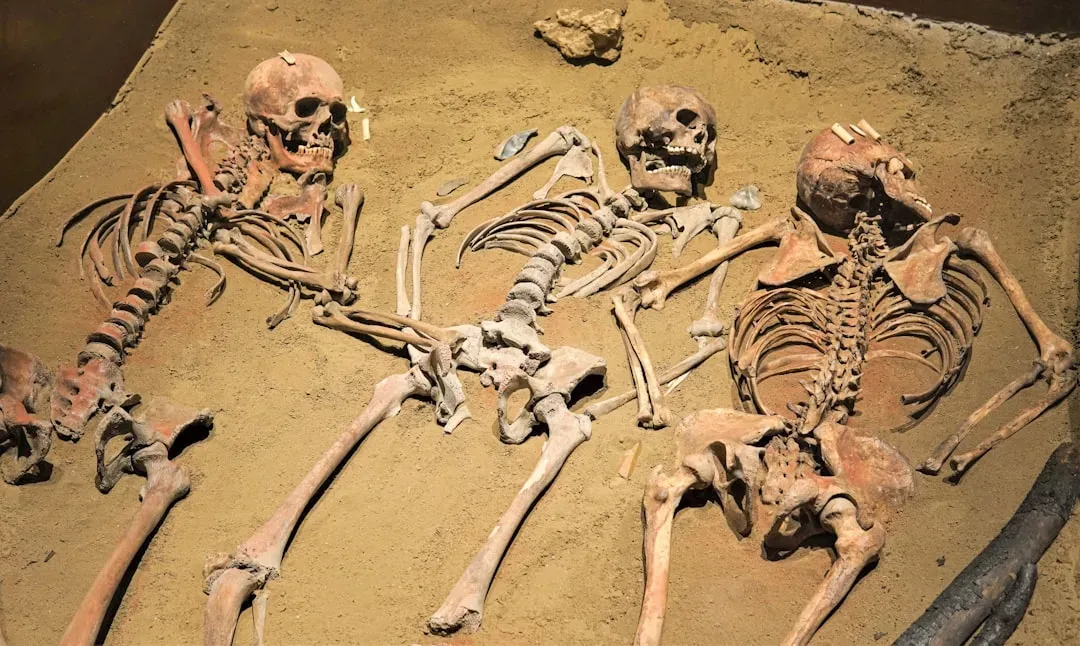
It almost feels like cheating to start with ourselves, but you can’t tell this story without Homo sapiens front and center. Anatomically modern humans appeared in Africa roughly a few hundred thousand years ago, and for a long time we were just one regional branch of the human family. We were not obviously destined to win; early sapiens had to navigate climate swings, scarce resources, and neighbors who were often stronger, stockier, and better adapted to the local cold.
What we did have was a strange, powerful combination of flexible brains, complex language, and social cooperation. Over time, our ancestors built bigger networks, shared ideas faster, and experimented with tools, art, and rituals in ways that seem to have snowballed. One theory I like is that our real superpower was gossip: being able to track who’s trustworthy, who’s dangerous, and who owes whom what may have been more valuable than any spear.
2. Neanderthals – The Close Cousins We Misjudged
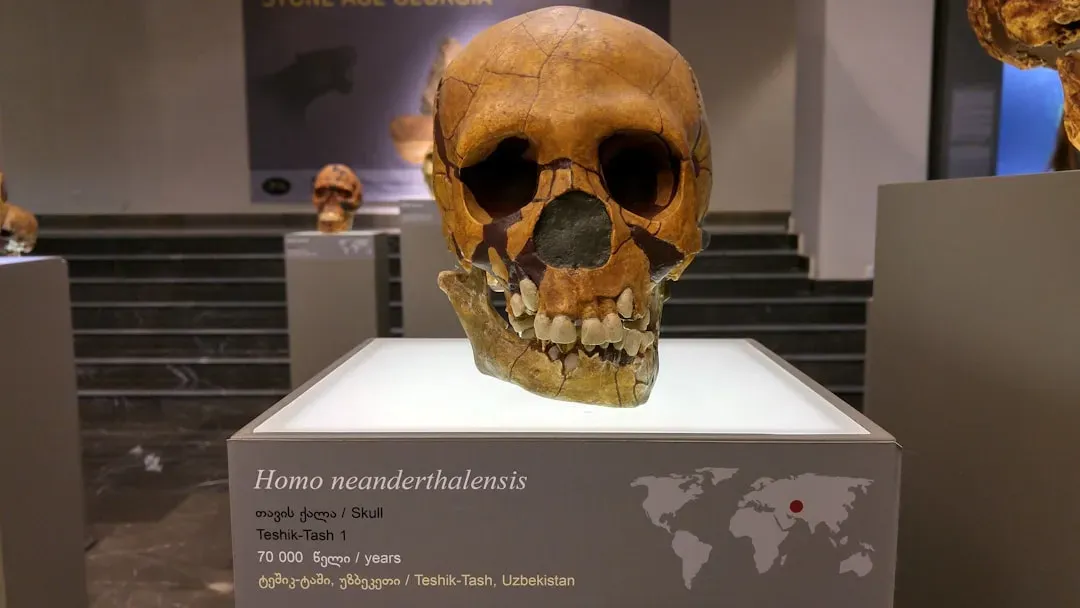
Neanderthals are probably the best-known of our extinct relatives, and also the most unfairly stereotyped. For decades, they were painted as brutal, dim-witted brutes, but modern research has shredded that cartoon. These humans had big brains, sophisticated stone tools, controlled fire, hunted large animals, made simple jewelry, and likely cared for their sick and injured. Far from being clumsy extras in our story, they were successful survivors of harsh Ice Age conditions for hundreds of thousands of years.
Genetics delivered the biggest plot twist: many people alive today, especially outside Africa, carry small amounts of Neanderthal DNA. That means our species not only met Neanderthals, we had children together often enough to leave lasting traces. Some of those inherited genes are linked to immune responses and even skin and hair traits. I find it strangely moving that, buried deep in our cells, there’s a quiet reminder that we are not pure anything; we are already a blend of different kinds of humans.
3. Denisovans – The Shadow People of Our DNA
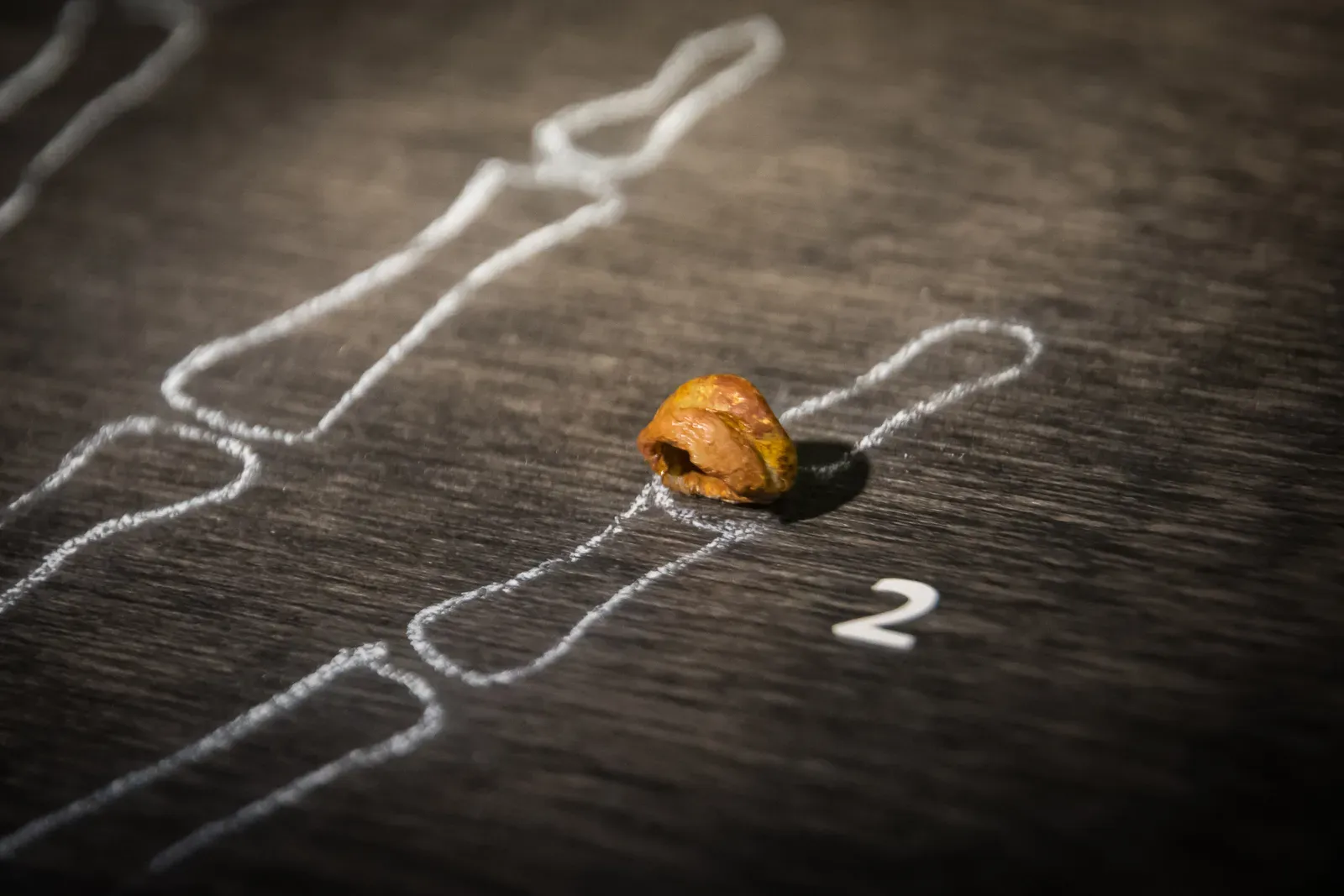
If Neanderthals are the misunderstood cousins, Denisovans are the mystery relatives who show up on a DNA test and make everyone ask questions. Discovered first from a tiny finger bone and a few teeth in a Siberian cave, they forced scientists to realize there had been another distinct human group living across parts of Asia. We still have almost no complete skeletons, which makes them weirdly ghostlike: we know they were there, we can study their genomes, but we barely know what they looked like.
What we do know is that Denisovans got seriously entangled with our ancestors. Some present-day populations, especially in parts of Oceania and Asia, carry noticeable chunks of Denisovan DNA. One famous example involves a genetic variant that helps people living at high altitudes cope with low oxygen, likely inherited from Denisovans and now common in Tibetan populations. Imagine that: a long-vanished human species still quietly helping modern people breathe on the roof of the world.
4. Homo floresiensis – The “Hobbits” of Flores
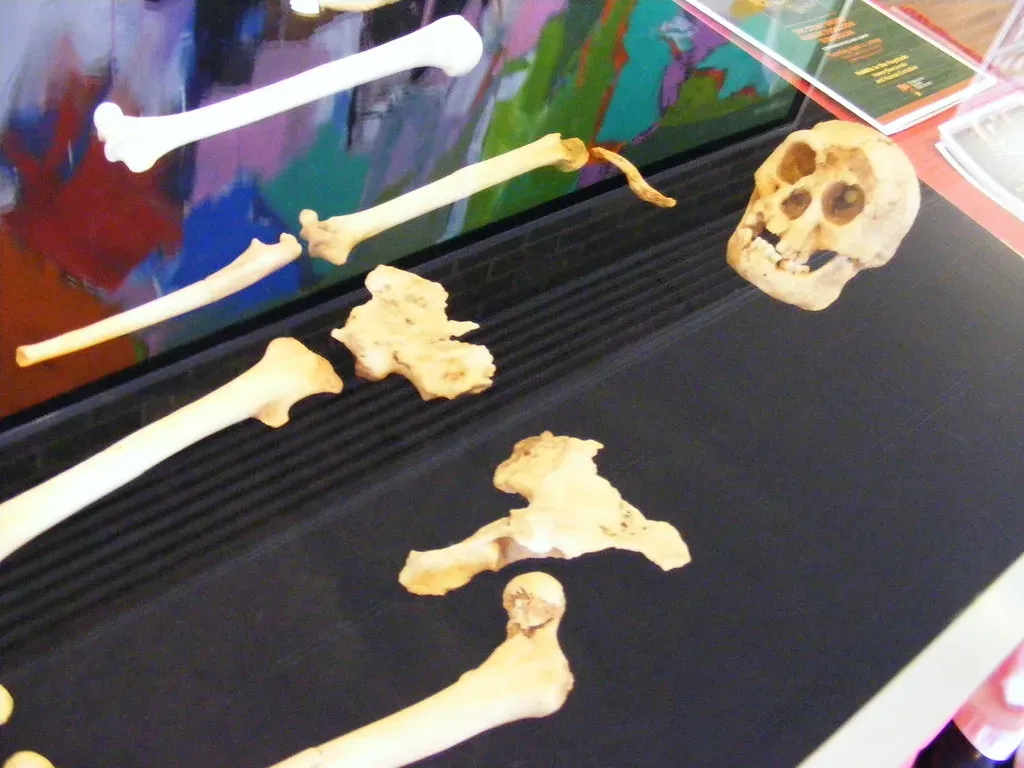
When tiny human bones were first found on the Indonesian island of Flores in the early 2000s, they sparked outright disbelief. Here was a species, later named Homo floresiensis, that stood only about as tall as a modern child but showed tool use and signs of hunting. The nickname “hobbits” stuck for obvious reasons, but what really blew minds was the possibility that they might have survived until surprisingly recent times, deep into the era of modern humans.
The leading idea is that Homo floresiensis descended from earlier humans who reached Flores and then shrank in size over many generations, a known evolutionary pattern on islands. They seem to have lived in a world of pygmy elephants, giant storks, and large reptiles, a setting that feels more like a fantasy novel than a scientific paper. Every time I read about them, I picture a small band of intelligent, resourceful people thriving in a lush, isolated pocket of the world, completely unaware that a new, global-minded species was rising elsewhere.
5. Homo luzonensis – The Puzzling People of the Philippines
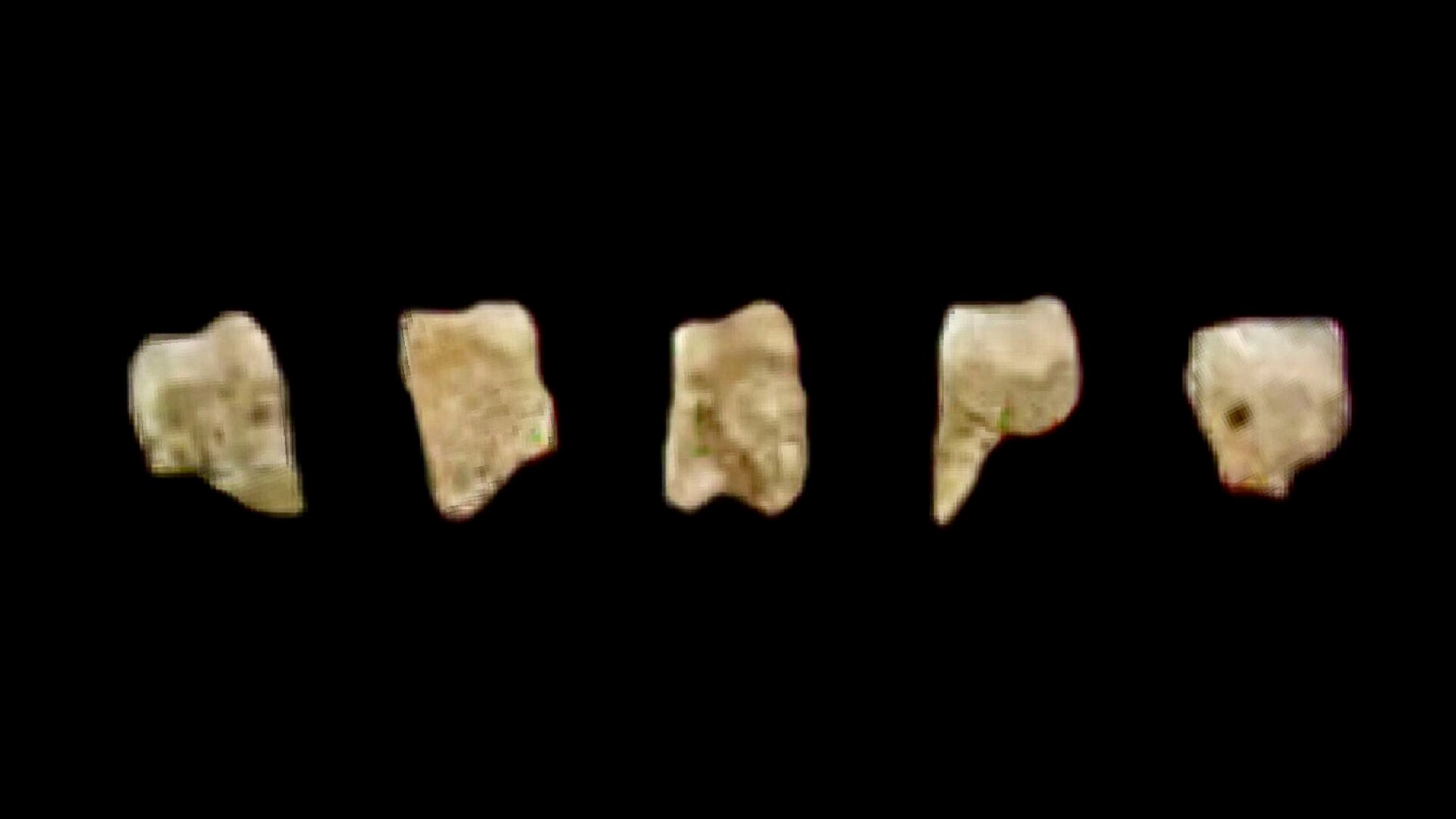
Homo luzonensis, identified from fossils found in Callao Cave in the Philippines, is one of the newest names on the human family roster. The remains are fragmentary – bits of teeth, fingers, and toes – but they show a strange mosaic of features: some parts look more like earlier, more primitive humans, while others resemble later species. That blend suggests evolution did not march in a straight, tidy line; different branches mixed old and new traits in surprising ways.
The fact that these humans lived on an island that required some form of water crossing to reach adds another intriguing layer. Whether they rafted by accident on storm-torn vegetation or used simple boats, the end result is the same: they managed to get there and stay there. To me, Homo luzonensis is a reminder that many small, localized human experiments were running in parallel across the globe, and we have probably only scratched the surface of how many of them existed.
6. Homo heidelbergensis – The Ancestral Bridge Builders
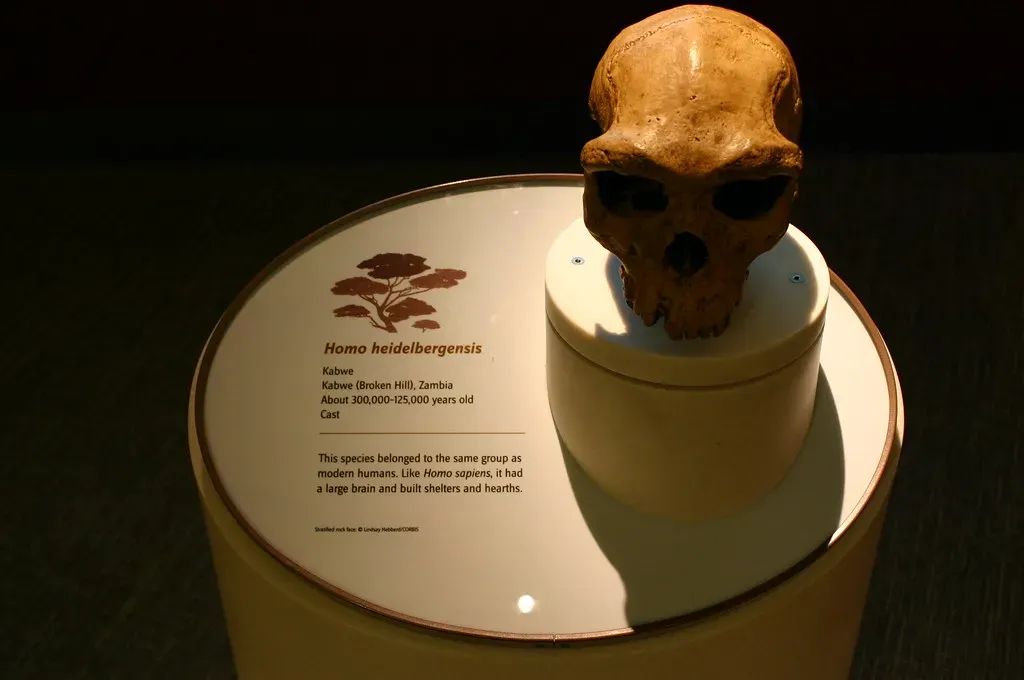
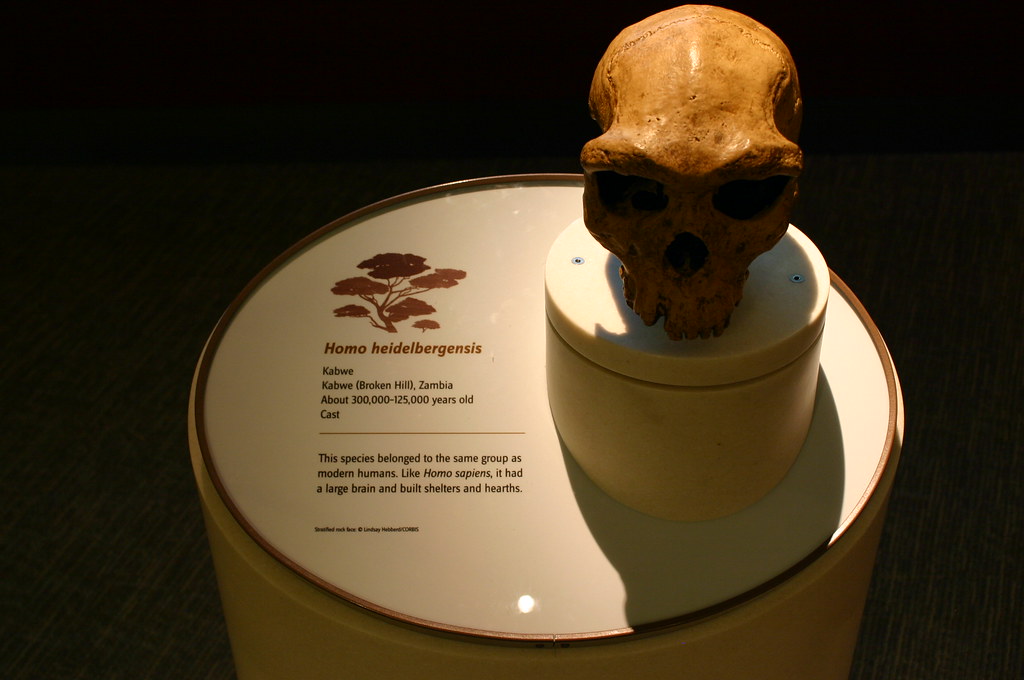
Homo heidelbergensis does not have the pop-culture appeal of Neanderthals or “hobbits,” but they are incredibly important as a bridge between older and newer humans. Living in Africa and Eurasia several hundred thousand years ago, they are widely considered a common ancestor of both Neanderthals in Europe and Homo sapiens in Africa. Think of them as a branching point where different regional adaptations and cultures began to diverge into separate species.
These humans were already capable hunters who used wooden and stone weapons, likely organized group hunts, and may have built simple shelters. There is evidence that they dealt with large animals like horses, deer, and even elephants, which would have required coordination and planning. When I imagine them, I see a species standing at a crossroads: their descendants would go on to become some of the most iconic humans in history, but they themselves have largely faded into the background, known mostly from a handful of skulls and bones.
7. Homo naledi – The Cave Dwellers Who Challenge Our Assumptions
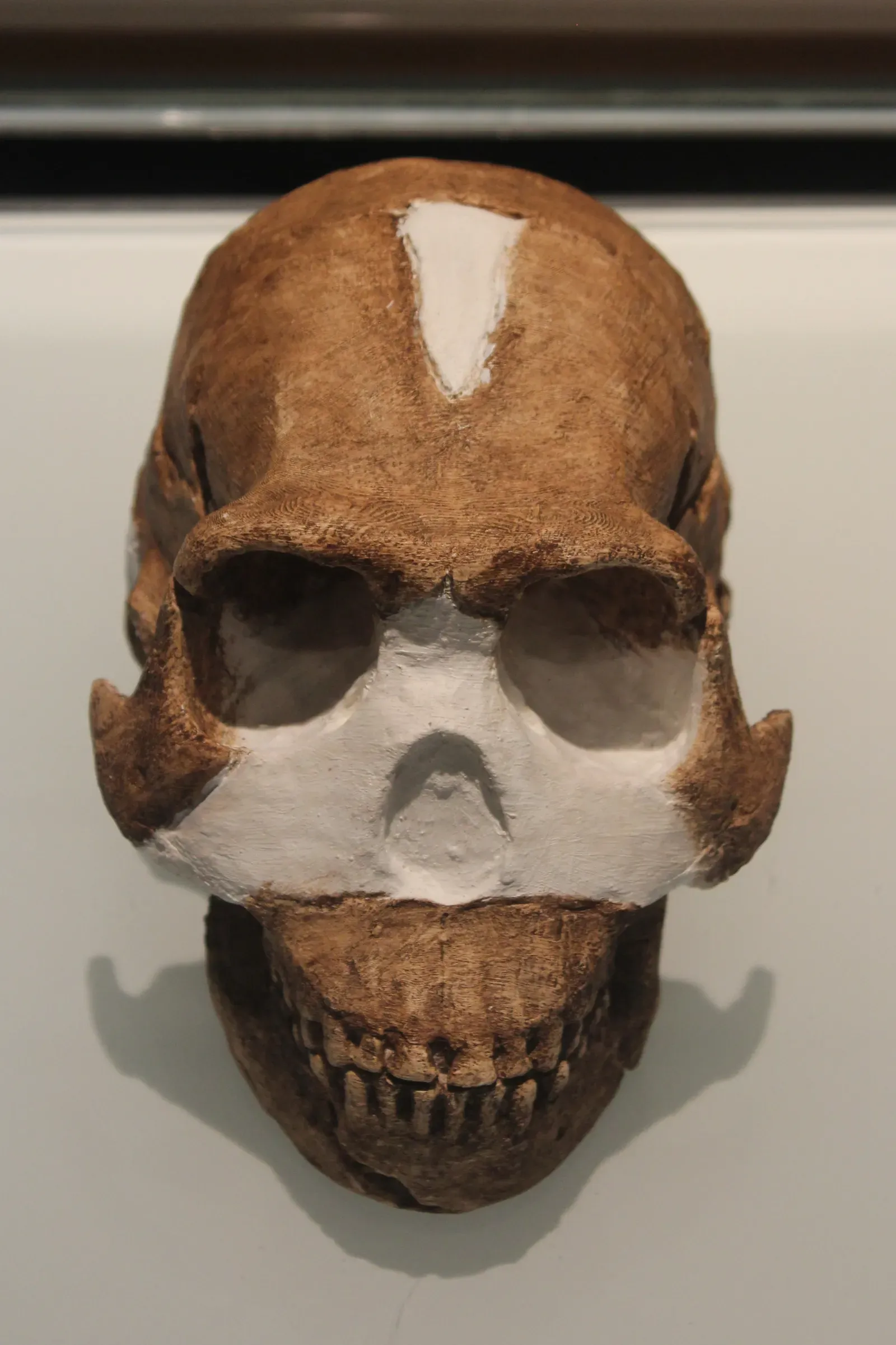
Homo naledi burst into the headlines with the discovery of an extraordinary collection of fossils deep inside a cave system in South Africa. The species has a strange mix of traits: a smaller brain and some primitive features in the shoulders and hands, combined with more modern aspects of the feet and legs. What really shook people, though, was the suggestion that these humans may have deliberately placed their dead in hard-to-reach chambers, hinting at some kind of ritual or symbolic thought.
The idea that a species with a relatively small brain might have engaged in complex behaviors forces us to rethink the simple equation of bigger brain equals more sophisticated mind. It suggests intelligence and culture are not one-size-fits-all and that different human species may have developed rich inner lives in their own ways. To me, Homo naledi feels like a quiet warning from the past: our picture of what counts as “advanced” is probably too narrow and too focused on ourselves.
Conclusion – A Crowded Past and a Lonely Present
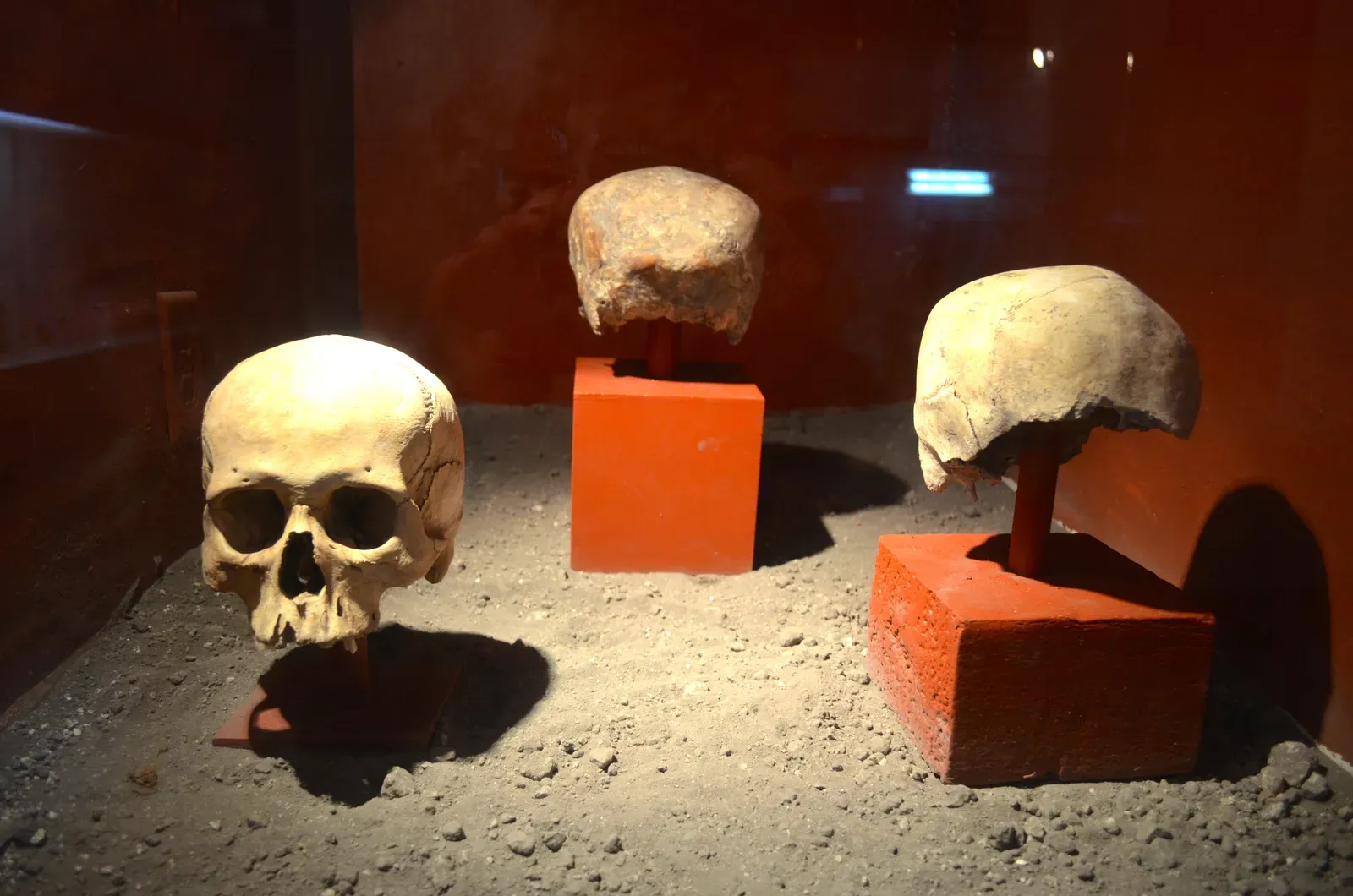
When you line up these seven species, what jumps out is how normal it used to be for multiple kinds of humans to share the planet. For most of our history, we were not alone; we had neighbors, rivals, and mates who were similar enough to us to have children, but different enough to leave distinct bones and genomes. Now, for the first time, only one human species remains, and I am not sure that is something we should automatically celebrate.
Our dominance has brought art, science, and breathtaking technology, but it has also come with extinctions, climate disruption, and a level of planetary control that no other human ever wielded. Personally, I find it humbling to remember that we are just the latest edition in a long-running series, not the final, flawless product. If anything, knowing we with so many other humans should make us both more curious and more cautious. The real question is: now that we are the only humans left, what kind of ancestors do we want to be?