
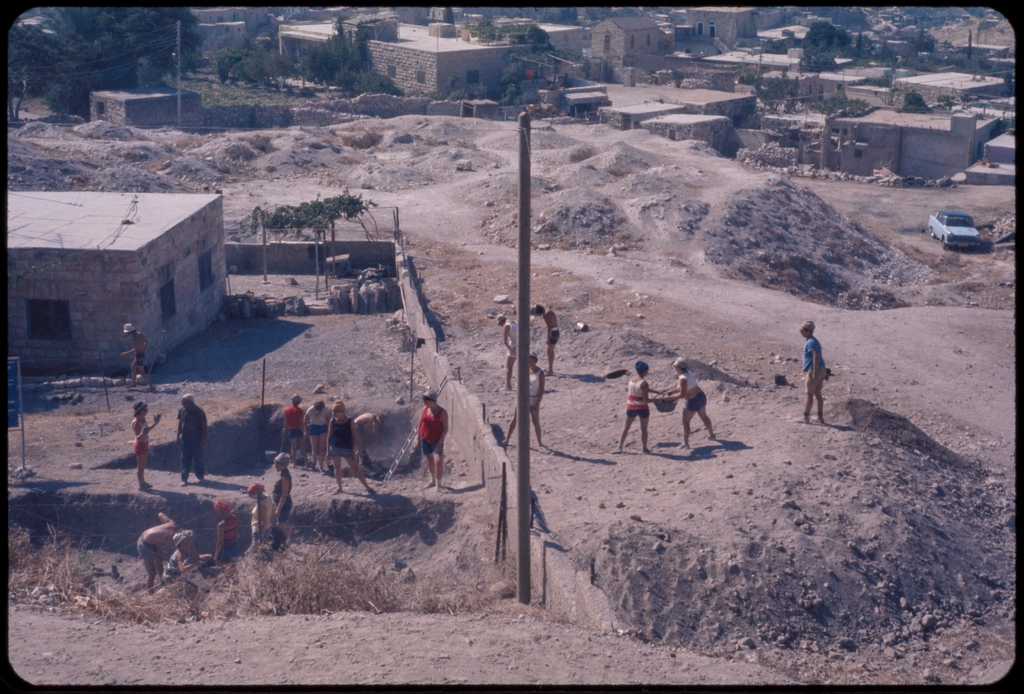
Every so often, a discovery in the dirt rewrites what we thought we knew about ourselves. A shattered tablet, a frozen body, a handful of bones in a cave – and suddenly entire chapters of have to be torn out and rewritten. That is the unnerving thrill of archaeology: the past is not a finished book, it is a draft that keeps getting edited.
What follows are eight finds that did exactly that. They did not just fill in gaps; they forced historians, scientists, and everyday people to admit that their mental picture of human was too small, too simple, or just plain wrong. Some of these finds are famous, others surprisingly under‑discussed, but all of them bent the arc of historical understanding in a new direction.
1. The Rosetta Stone: Cracking the Code of Ancient Egypt
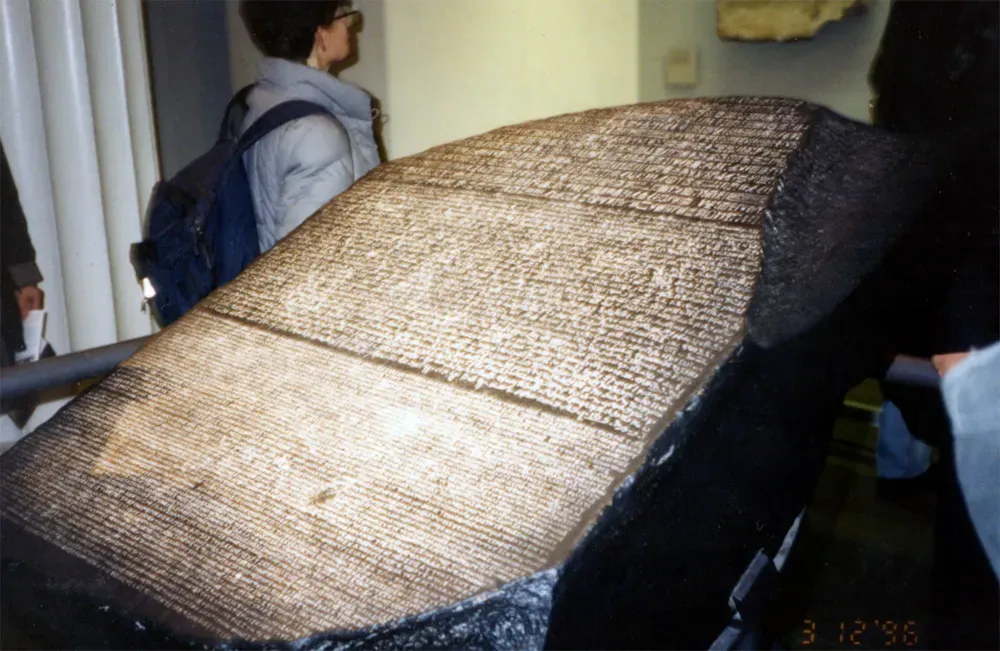
Imagine staring at the walls of a vast library where every single book is locked in a language no one can read. That was Egyptology before the Rosetta Stone. When this dark granodiorite slab was discovered in 1799, inscribed with the same decree in three scripts – hieroglyphic, demotic, and ancient Greek – it quietly became the master key to a lost civilization.
The real revolution came when scholars realized they could use the known Greek text to work backwards into the unknown hieroglyphs. Over time, that breakthrough transformed Egyptian hieroglyphs from mysterious symbols into a readable, expressive written language. My own opinion is that no single artifact has ever done more to turn “ancient Egypt” from a set of romantic images into a historical culture with voices, laws, receipts, love poems, and political arguments that we can actually read.
2. The Dead Sea Scrolls: Reframing the World of the Bible
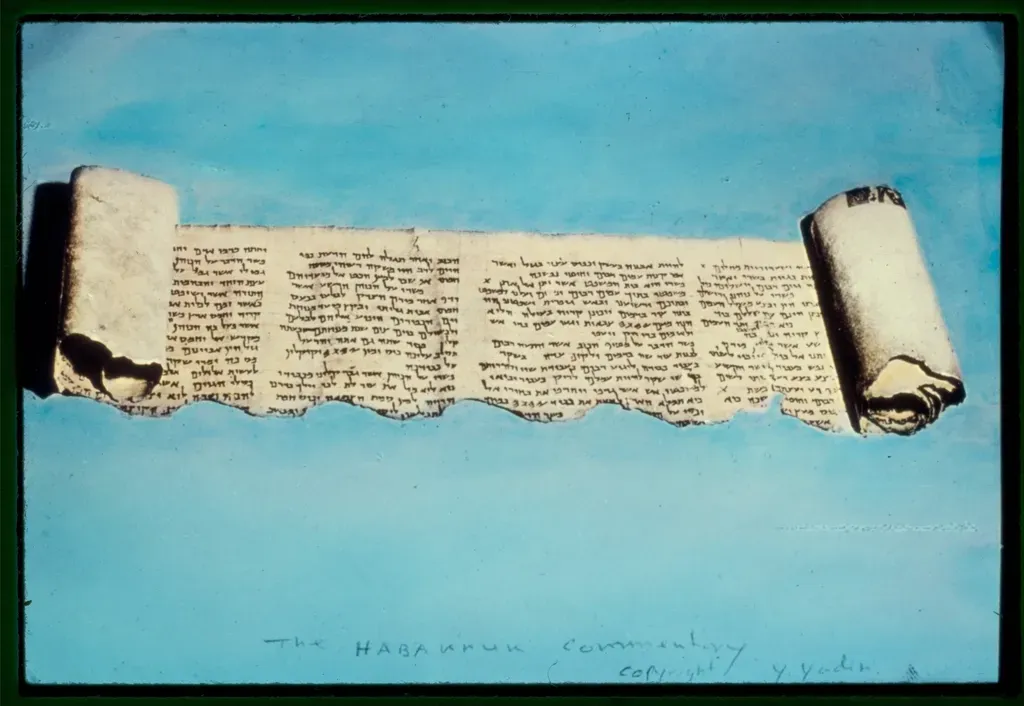
When a Bedouin herder tossed a stone into a cave in the Judean desert in the late nineteen forties and heard pottery shatter, he had no idea he had just shaken biblical studies for generations. The scrolls found in those caves turned out to be some of the oldest surviving manuscripts of texts later included in the Hebrew Bible, along with many other writings from Jewish groups of that era. Suddenly, scholars could compare much earlier versions of familiar texts with their later counterparts.
What makes the Dead Sea Scrolls so disruptive is not that they “prove” or “disprove” faith, but that they show a surprisingly diverse, argumentative, and changing religious world. They reveal alternative interpretations, competing communities, and a living, evolving scriptural tradition. Personally, I think their biggest impact is psychological: they force us to see religious texts not as monolithic, timeless blocks dropped from the sky, but as part of a messy human conversation stretching across centuries.
3. Pompeii and Herculaneum: Time Capsules of Everyday Life
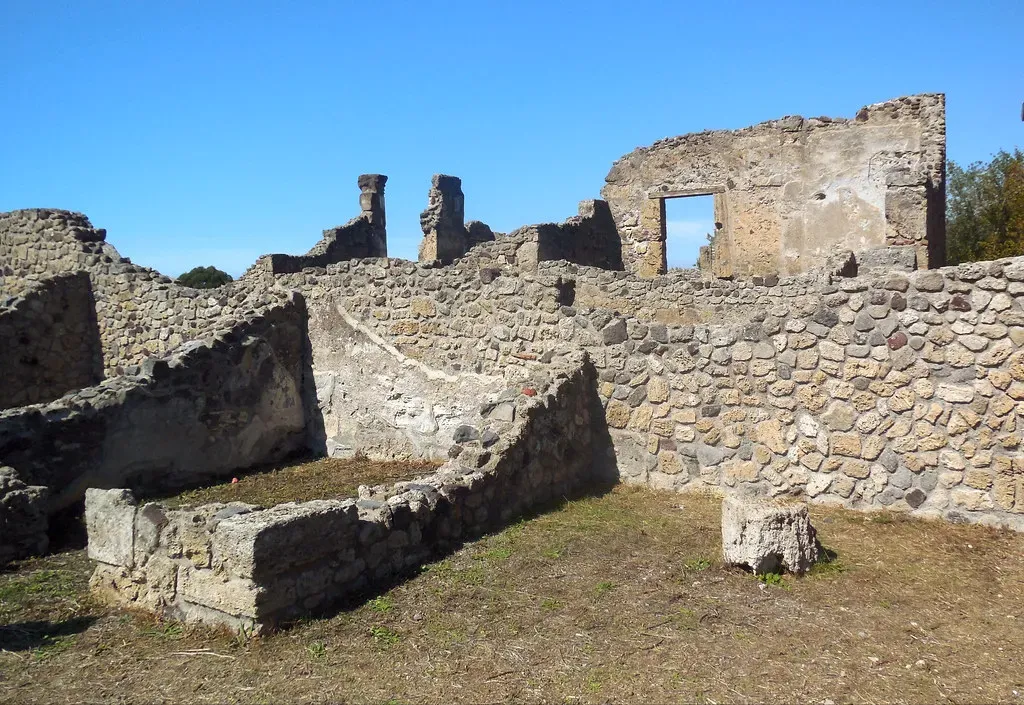
Most ancient cities come to us as ghosts – broken foundations, a few columns, some weathered statues. Pompeii and Herculaneum, buried by the eruption of Mount Vesuvius in the year seventy‑nine, are different. The volcanic ash and mud turned these Roman towns into eerie time capsules, preserving homes, graffiti, food, and human bodies in the exact moment disaster struck.
Because of that, historians got something they almost never have: a vivid snapshot of ordinary life. You can stand in a bakery where the bread was still in the oven or read casual scribbles on a wall that sound weirdly like modern social media posts. I find these sites so powerful because they pull Rome down from its marble pedestal and show it as a living city where people complained about their neighbors, worried about money, and tried to impress each other – just like we do.
4. Lucy and the Story of Human Origins
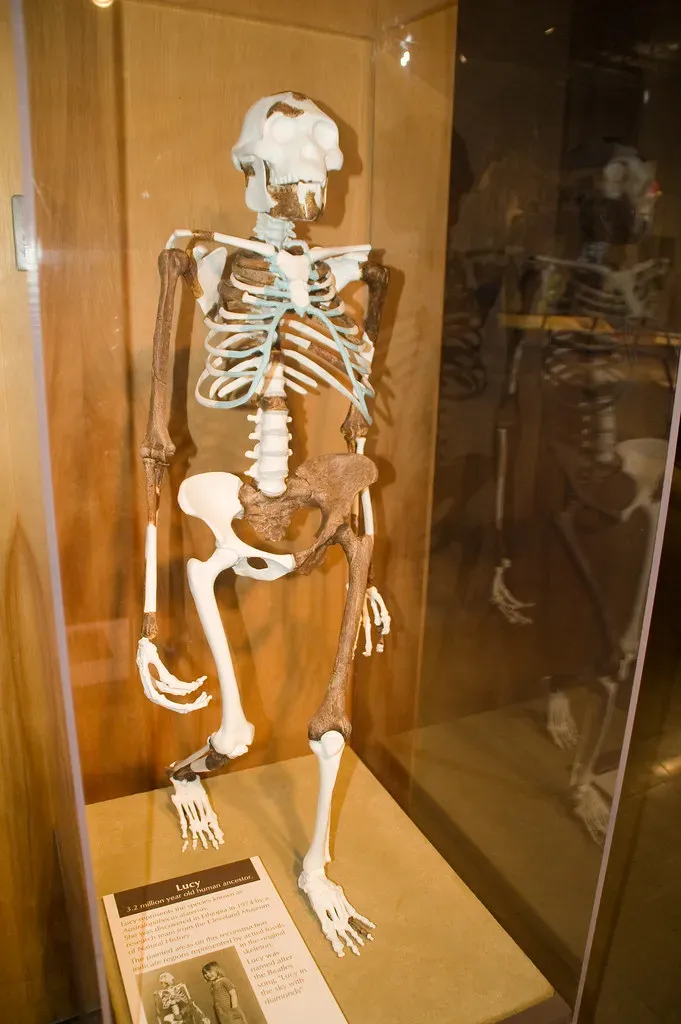
When the partial skeleton known as Lucy was found in Ethiopia in the nineteen seventies, she immediately became a celebrity of science. Classified as Australopithecus afarensis and dating to more than three million years ago, she walked upright on two legs while still possessing a small, ape‑like skull. That combination challenged simple, linear ideas of how humans evolved.
Lucy forced scientists and the public to accept that walking upright came long before big brains, and that human evolution was not a straight ladder but more like a tangled bush. For me, Lucy’s power is emotional as much as scientific: seeing that delicate, ancient skeleton in photos, you are reminded that our story stretches back unimaginably far, yet it is written in the bones of a single, small individual who once walked across a prehistoric landscape and left echoes in our skeletons today.
5. Tutankhamun’s Tomb: The Dark Side of Golden Splendor
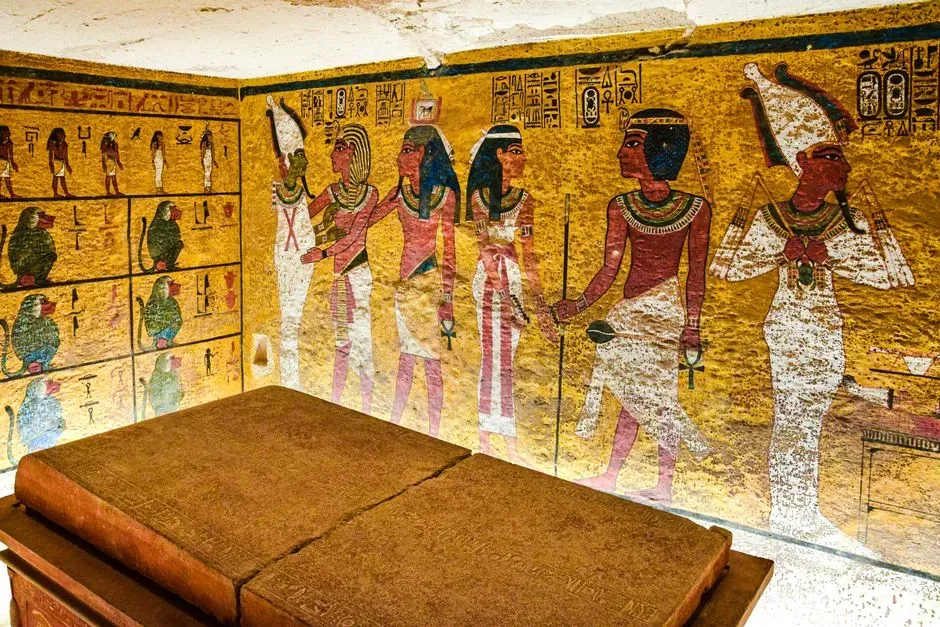
When Howard Carter peered into Tutankhamun’s almost intact tomb in the early nineteen twenties and saw “wonderful things,” the world went into an Egyptomania frenzy. The unrobbed chamber, packed with gold, furniture, chariots, and that now‑iconic funerary mask, instantly reset expectations for what royal burials could contain. Before this, pharaonic Egypt was fascinating; after it, it became a global cultural obsession.
Beneath the glitter, though, the tomb also changed how scholars understood Egyptian burial practices, royal succession, and even health and disease in ancient elites. The analysis of Tutankhamun’s mummy has fed ongoing debates about inbreeding, genetic disorders, and the medical realities behind the “boy king” legend. I think the real legacy of this tomb is that it showed the public that archaeology is not only about dusty shards; it can be about intimate, almost intrusive questions of how actual people lived, ruled, and died.
6. The Terracotta Army: Rethinking Early Empires
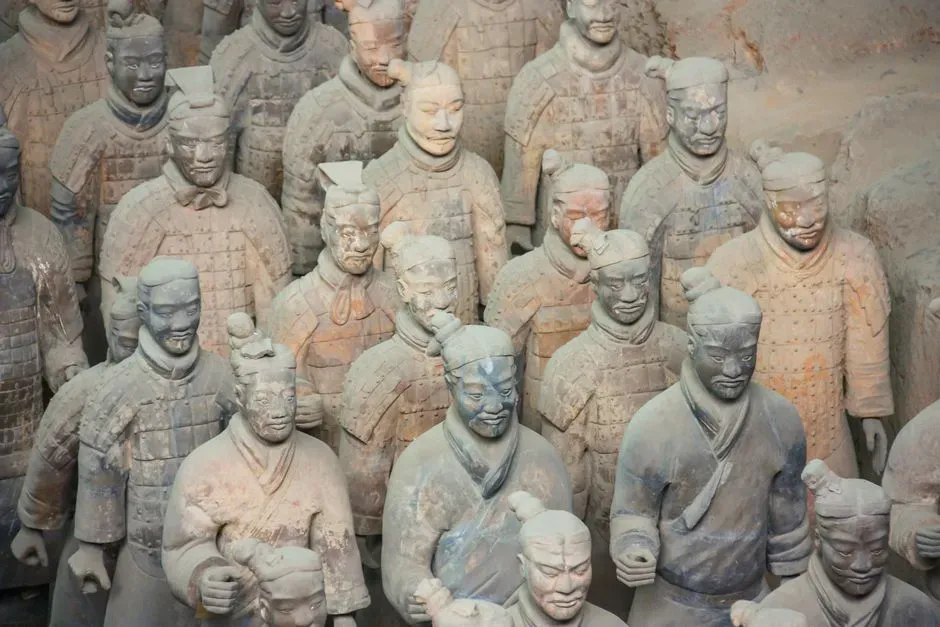
In the nineteen seventies, farmers digging a well in China stumbled onto what turned out to be part of a staggering underground complex: thousands of life‑sized clay soldiers, horses, and chariots guarding the tomb of the first Qin emperor. Each figure has unique facial features and details, an army frozen in place to serve its ruler in the afterlife. The sheer scale made it clear that early imperial China operated on a level of organization and central control that many in the West had underestimated.
The Terracotta Army also shifted how historians think about power, propaganda, and art in ancient states. This was not just a burial; it was a political statement in clay, declaring the emperor’s dominance even beyond death. To me, the most unsettling part is how modern it feels: the urge to project power through massive, carefully staged displays is something we still see today in parades, monuments, and even social media. The medium changed, but the instinct behind it looks very familiar.
7. Ötzi the Iceman: A Murder Mystery from the Copper Age
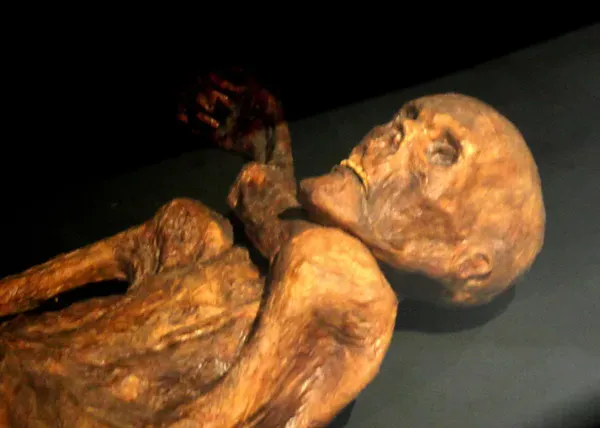
When hikers in the Alps found what they thought was a recent body emerging from melting ice in the early nineteen nineties, no one expected it to be a man who had died more than five thousand years ago. Ötzi, as he came to be known, is one of the best‑preserved natural mummies ever discovered. His skin, organs, clothing, tools, and even the contents of his stomach have been studied in microscopic detail.
Ötzi by putting a human face on Europe’s Copper Age. Instead of abstract timelines, we have one individual with tattoos, a complex toolkit, a carefully patched cloak, and evidence of a violent end that still feels like a cold case. My take is that Ötzi broke a barrier between us and “prehistory”: once you can analyze someone’s last meal and healed injuries, it becomes impossible to pretend that people in the deep past were simple or primitive. They were navigating danger, technology, and social tensions just as intensely as we are.
8. Göbekli Tepe: Temples Before Farming
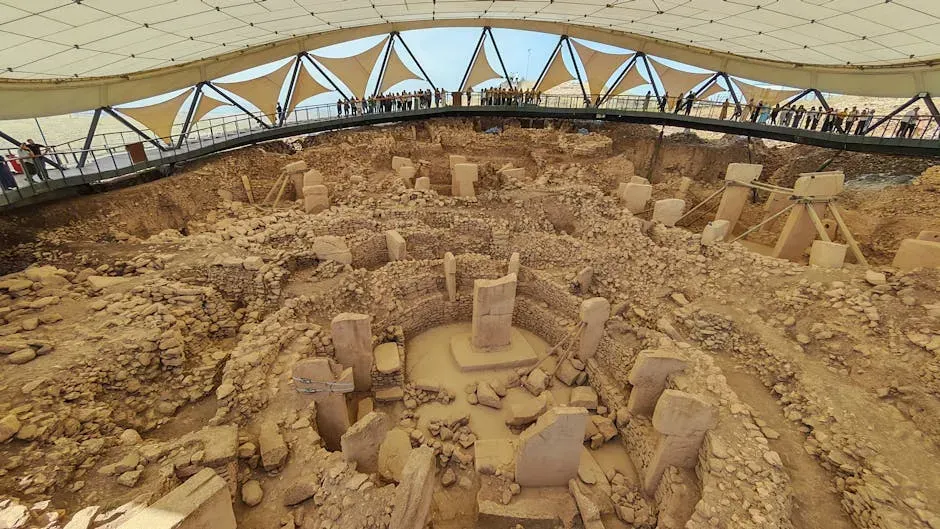
For decades, the standard story went like this: humans settled down, invented agriculture, formed villages, and only then started building complex religious monuments. Göbekli Tepe, discovered in modern‑day Türkiye and dating back more than eleven thousand years, blew that story apart. Massive stone pillars arranged in circular enclosures, covered in carvings of animals and abstract symbols, suggest organized ritual activity long before permanent farming communities took hold.
This site has forced archaeologists to ask whether shared belief and ritual gatherings actually helped drive the move toward settled life, instead of merely being a side effect of it. In my view, Göbekli Tepe is one of the most humbling finds of the last century because it hints that the human hunger for meaning, stories, and ceremony might be as powerful a force in history as the need for food and shelter. We did not just farm to survive; we may have settled down, at least in part, to worship together.
Conclusion: History Is Not Finished, And That Should Excite Us
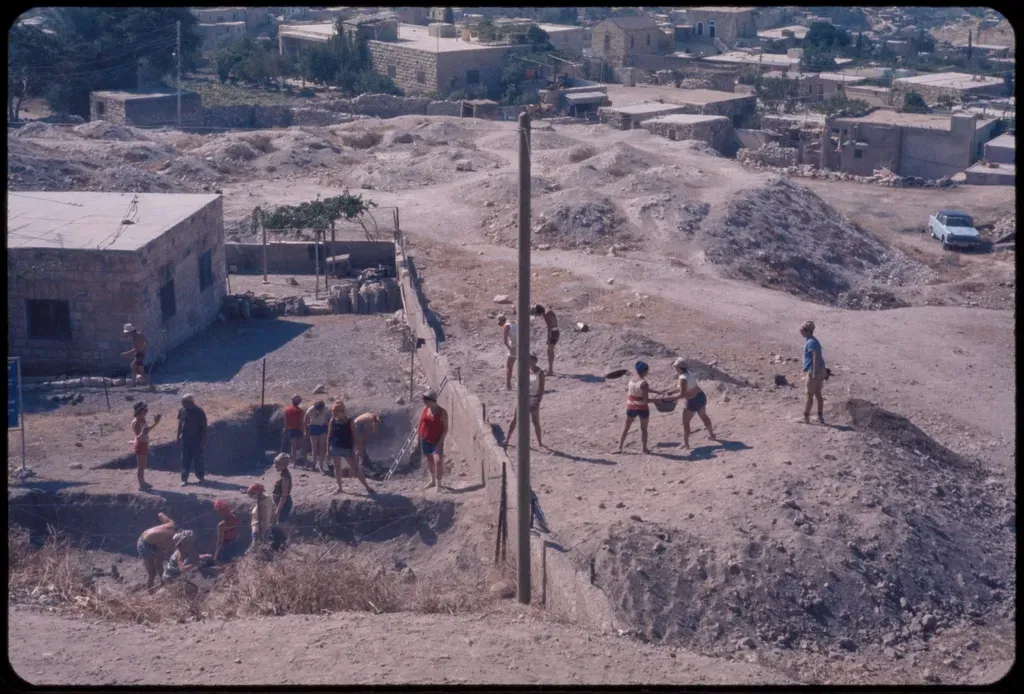
Looking across these eight discoveries, a pattern jumps out: whenever we feel too confident that we have history neatly mapped, the ground literally shifts under our feet. A stone that unlocks a language, a cave full of scrolls, a frozen body, or a buried temple can force us to admit that we underestimated our ancestors’ complexity, creativity, or brutality. That is uncomfortable, but it is also liberating, because it means our picture of the past is still alive and open to surprise.
My own opinion is that the biggest mistake we make is treating history like a finished Netflix series we have already watched, summarized, and ranked. In reality, it is more like a show that keeps dropping secret episodes in random places across the planet, and archaeologists are the people stumbling onto them. As climate, technology, and politics change where and how we dig, we are almost certain to uncover more finds that will force rewrites just as radical as the Rosetta Stone or Göbekli Tepe. Which chapter of history do you secretly hope the next big find will overturn?