
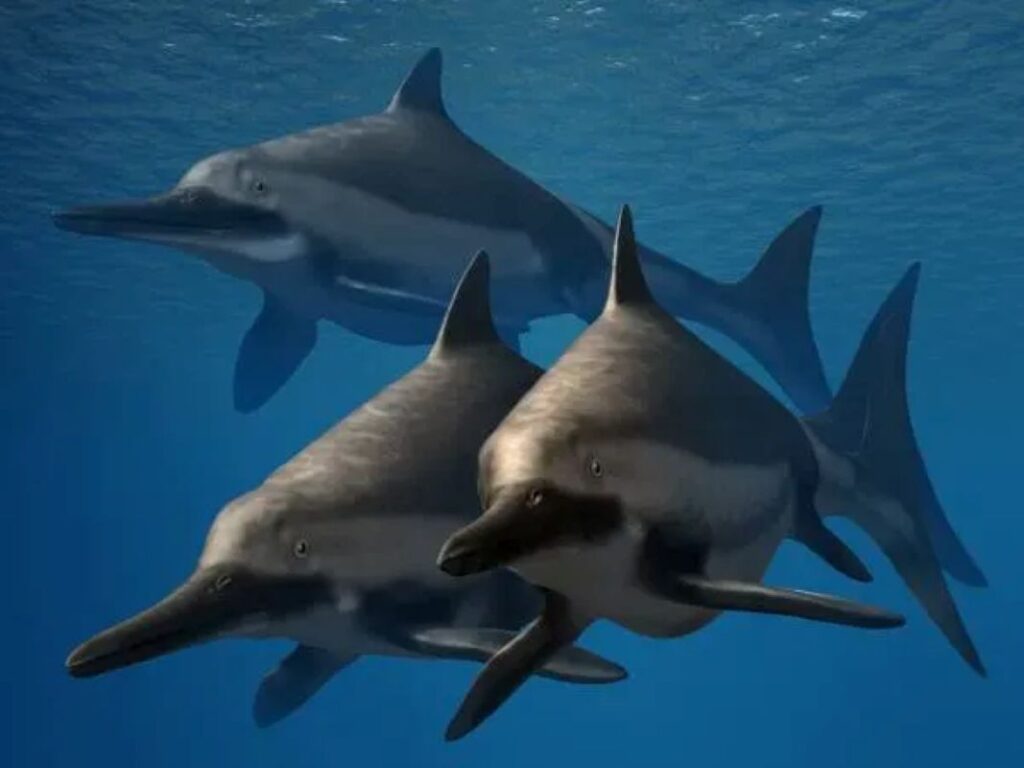
If you could time‑travel to the Jurassic seas, you’d probably swear you were looking at dolphins cutting through the water. Sleek bodies, torpedo shapes, long snouts, big eyes – everything about these hunters screams dolphin at first glance. But you’d be completely wrong. These were ichthyosaurs, marine reptiles that only looked like dolphins because evolution played the same trick twice.
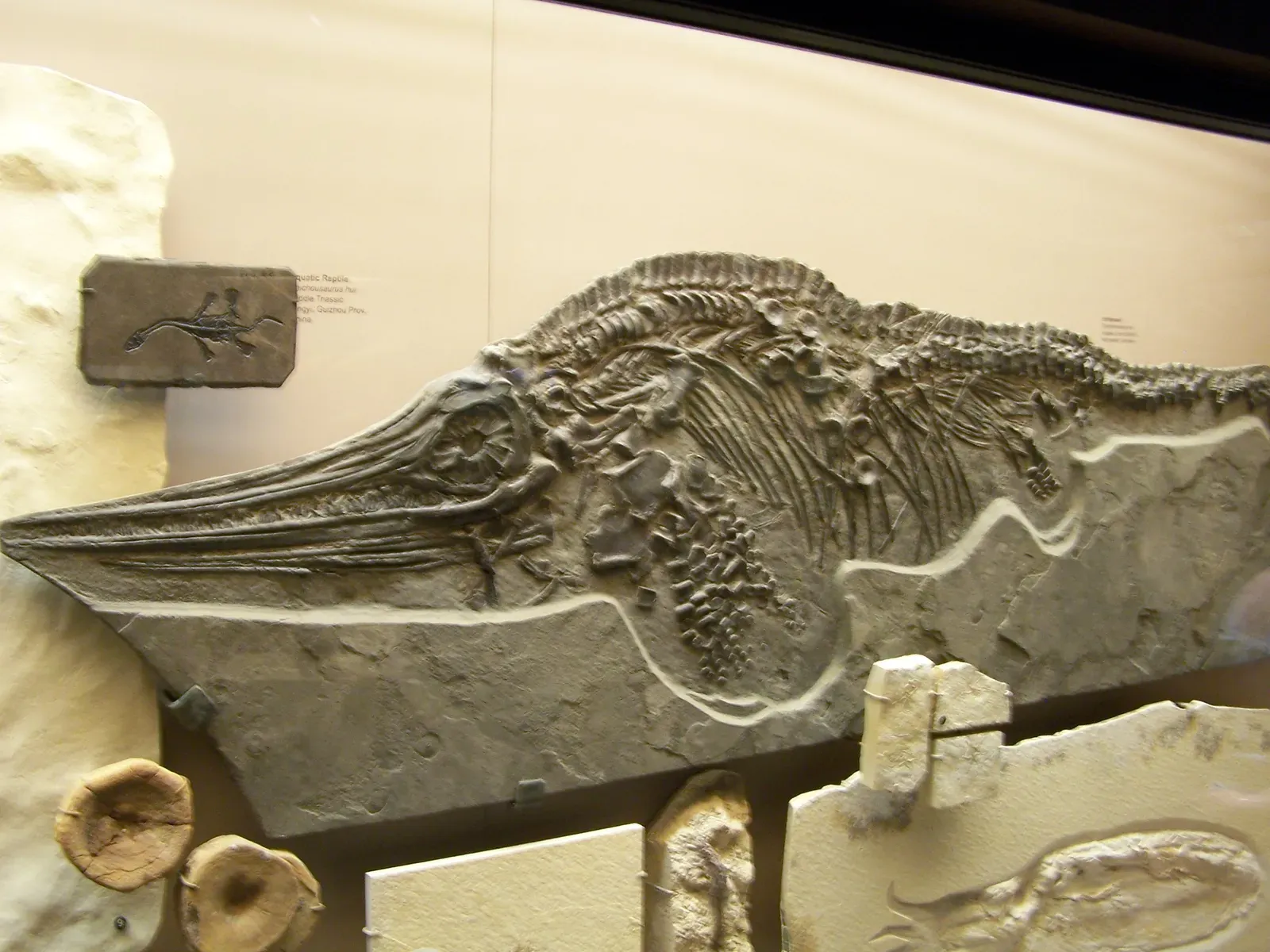
I still remember the first time I saw an ichthyosaur skeleton in a museum. My brain quietly filed it under “ancient dolphin” before I even read the plaque, and then I was floored to learn it was a reptile, more closely related to land-living creatures that walked on four legs than to any whale or dolphin. That shock – that sense that nature can arrive at the same design from totally different starting points – is exactly what makes ichthyosaurs so fascinating.
How a Reptile Ended Up Looking Like a Dolphin
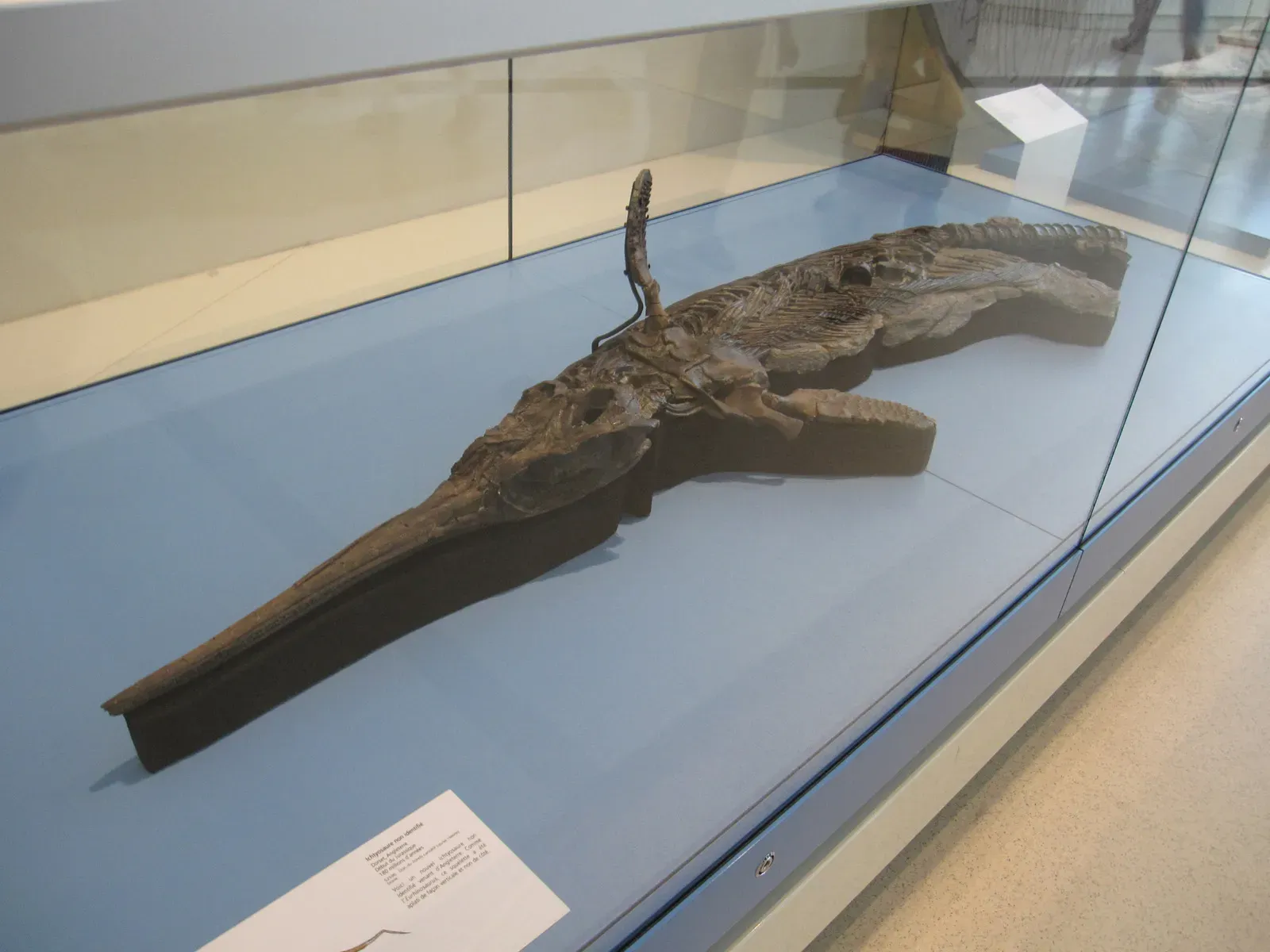
At first, the idea sounds absurd: how does a reptile end up with a body plan that looks almost copied from a modern dolphin? The answer lies in convergent evolution, where unrelated lineages face similar environmental pressures and stumble on similar solutions. Streamlined bodies, fins instead of legs, and powerful tails are simply what work best if you spend your life chasing fast prey in open water.
Ichthyosaurs evolved from land-dwelling reptiles that returned to the sea, just as the ancestors of dolphins and whales were hoofed mammals that also marched back into the ocean tens of millions of years later. From totally separate starting points – one from the reptile branch, one from the mammal branch – both lineages got squeezed toward the same basic shape, like clay pushed through the same mold. The resemblance is so strong that if you swapped the outline of an ichthyosaur with that of a dolphin, many people would not notice the difference at a glance.
Meet the Ichthyosaurs: The “Fish Lizards” of Deep Time
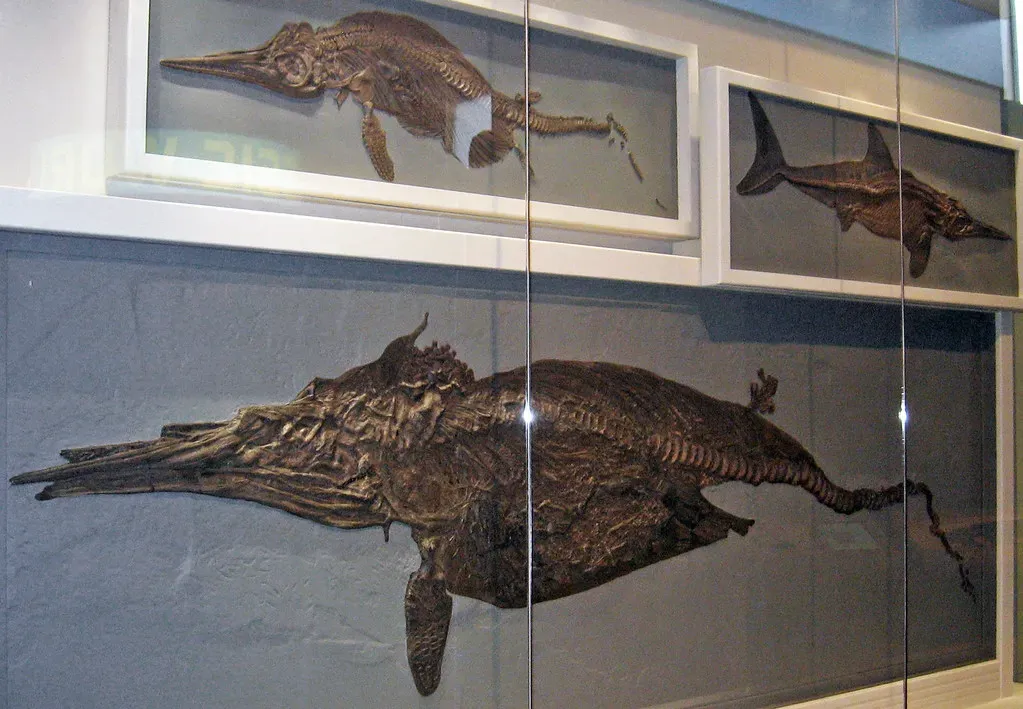
Ichthyosaurs get their name from Greek roots meaning “fish lizards,” which pretty much sums up the first impression they give. They roamed the oceans from the early Triassic into the Late Cretaceous, thriving for well over a hundred million years. Some species were the size of a human, while others stretched longer than a bus, with barrel-shaped bodies and massive eyes that made them look like something out of a science fiction movie.
Fossils show that ichthyosaurs had long, narrow jaws filled with sharp, conical teeth, perfect for grabbing slippery prey like fish and ancient squid. Their bodies were torpedo-shaped with rigid, paddle-like flippers and a tall, crescent-shaped tail fin that could drive them through the water at impressive speeds. If you picture a modern tuna, swordfish, or dolphin and then overlay reptilian bones and scales in your imagination, you’re getting close to the vibe these animals had.
Why They Weren’t Dolphins: Different Family Tree, Different Biology
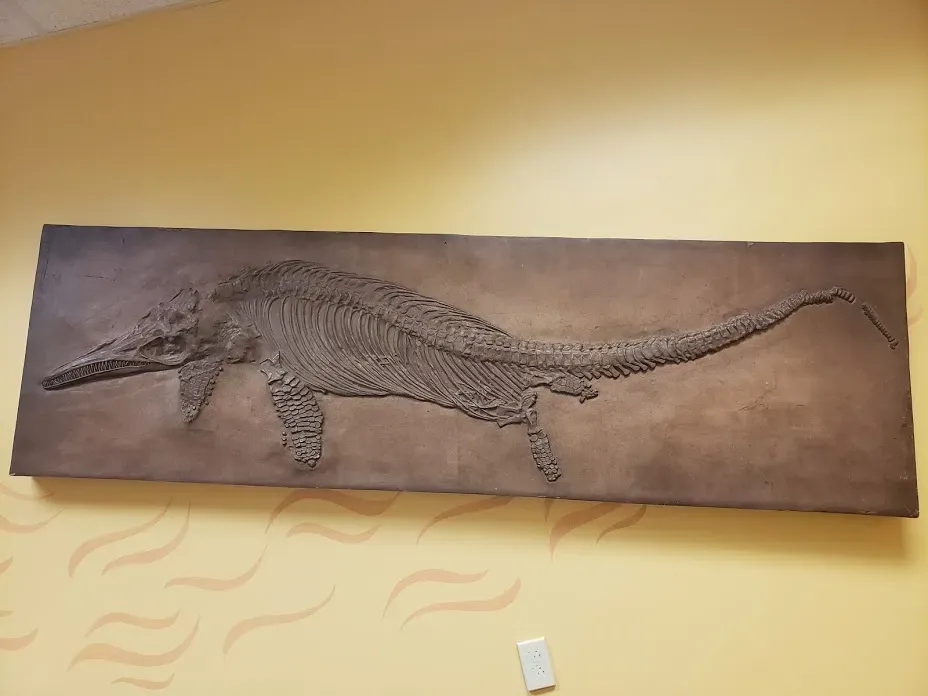
Despite the visual similarity, ichthyosaurs and dolphins sit on completely different branches of the tree of life. Dolphins are mammals: warm-blooded, air-breathing, with hair at some point in life and mothers that nurse their young with milk. Ichthyosaurs were reptiles, part of a broader group of diapsid reptiles that includes today’s lizards, snakes, and crocodiles, as well as many extinct lineages. Their ancestors laid eggs on land and had scaly skin, not fur.
Even the details of their skeletons give away this split. The way the skull bones fit together, the structure of the vertebrae, and the pattern of the limb bones all scream reptile rather than mammal to a trained eye. Dolphins have a backbone and rib arrangement derived from terrestrial mammals with four legs, and their flippers still show a very familiar finger pattern if you look at the bones. Ichthyosaur flippers, by contrast, often have extra little digits, more like a fan of tiny bones than a hand. Same overall shape on the outside, but fundamentally different blueprint underneath.
Super-Vision, Live Birth, and Life in the Ancient Seas
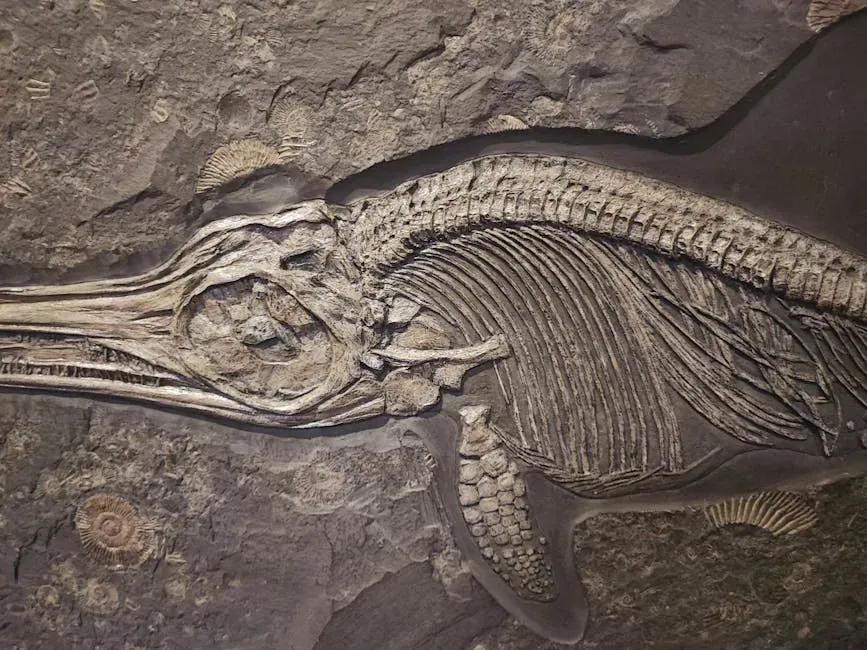
One of the most striking ichthyosaur features is their enormous eyes. Some species had eye sockets large enough to rival a dinner plate, protected by a ring of bony plates that probably helped withstand water pressure at depth. That suggests excellent vision, possibly in dim or murky waters, giving them an edge in hunting in twilight zones of the ocean where light starts to fade but prey is still abundant.
Fossil discoveries have also shown ichthyosaurs giving birth to fully formed young, preserved in the act of being born tail-first from the mother’s body. This is a huge clue that they gave live birth at sea rather than coming onto land to lay eggs. Tail-first birth makes sense for an air-breathing marine animal – it keeps the baby connected to the mother longer while still inside, reducing the risk of drowning. That detail eerily mirrors what we see in modern whales and dolphins, even though reptiles and mammals arrived at this behavior independently.
Convergent Evolution: Nature’s Favorite Magic Trick
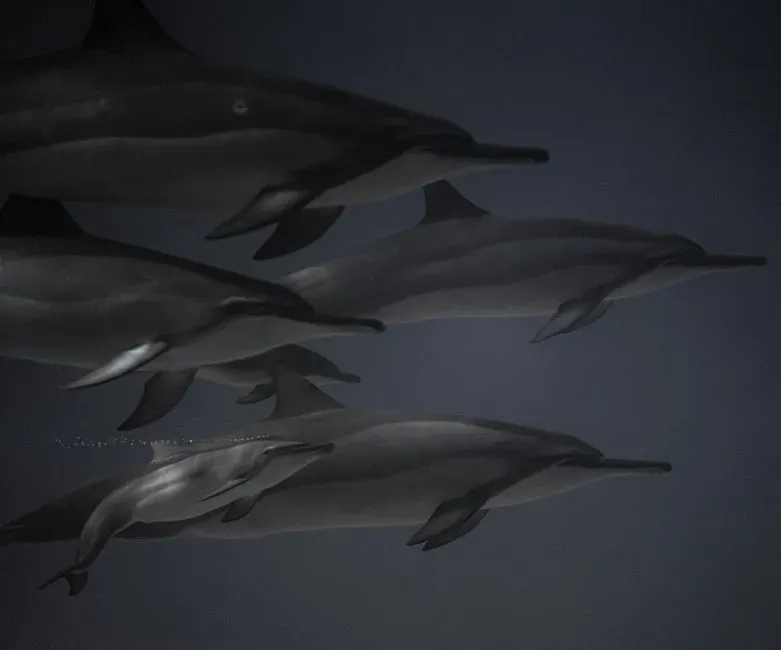
The ichthyosaur–dolphin resemblance is one of the best, most dramatic textbook examples of convergent evolution. Put simply, when very different animals face similar challenges – in this case, chasing fast prey in open water, needing to breathe air, and moving efficiently through dense water – evolution tends to “discover” the same solutions over and over. A streamlined torpedo shape, reduced neck, powerful tail fluke, and stabilizing fins are simply winning traits for that lifestyle.
We see similar patterns elsewhere too: marine reptiles called mosasaurs ended up with body shapes reminiscent of big predatory fish, and even birds like penguins have evolved flipper-like wings and bullet bodies that echo the same engineering logic. Ichthyosaurs and dolphins are like two strangers who show up at a party wearing almost the same outfit, not because they coordinated, but because the dress code (in this case, hydrodynamics) strongly nudged them toward the same style. It is less a cosmic coincidence and more a case of physics and biology teaming up to reduce the options.
What Killed the Ichthyosaurs While Dolphins Thrived Later?
One of the big puzzles is why ichthyosaurs, after ruling the oceans for so long, vanished millions of years before the asteroid that famously ended the age of dinosaurs. The leading ideas involve changing ocean conditions: shifting sea levels, cooling or warming trends, and changes in prey availability that may have favored other marine reptiles and fish. Ichthyosaurs seem to have been highly specialized open-ocean predators, and when their preferred prey or habitats changed, that specialization might have turned from an advantage into a trap.
In contrast, when mammals later moved into the water and gave rise to dolphins and whales, they did so in a very different world, with new ecosystems, new prey types, and no ichthyosaurs to compete with. In my view, their story is a quiet warning about how even the most perfectly adapted creatures are only perfectly adapted for as long as their environment stays within certain bounds. Once the seas changed, the ocean did what it always does: it picked new winners and let the old champions fade into the fossil record.
Why Ichthyosaurs Matter for How We See Evolution Today
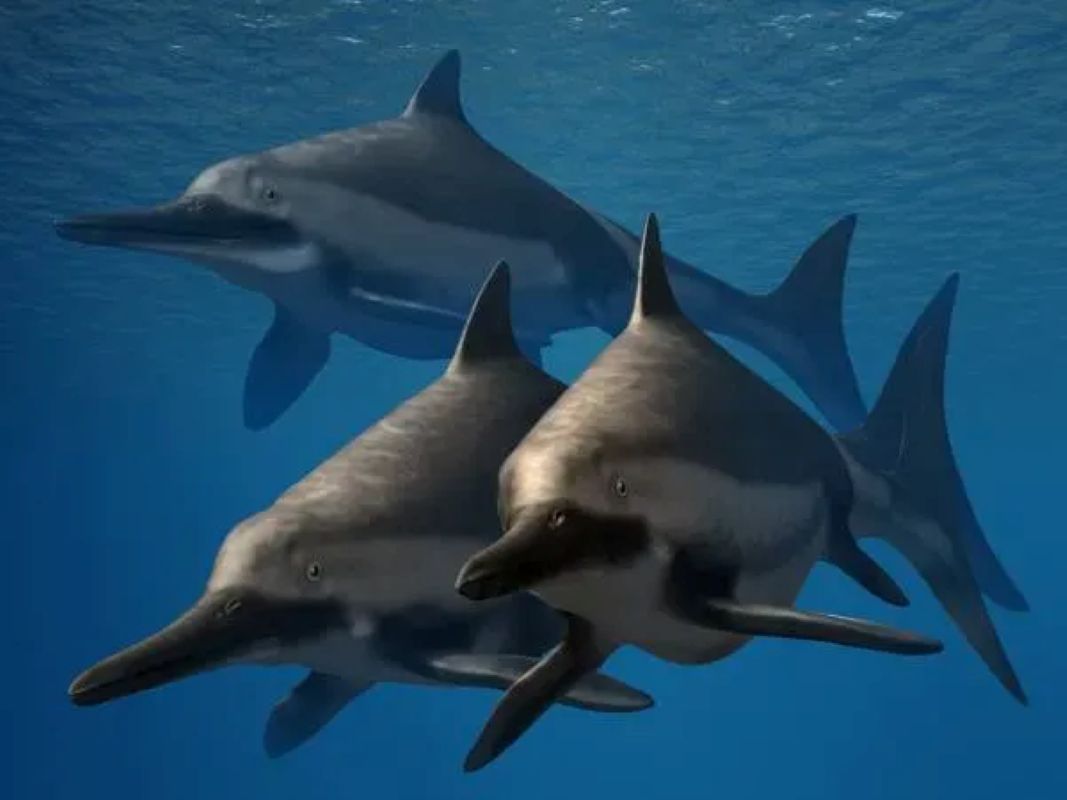
To me, ichthyosaurs are a humbling reminder that evolution is both more inventive and more constrained than we like to think. On the inventive side, it can turn land reptiles into streamlined torpedoes and land mammals into something eerily similar, separated by tens of millions of years. On the constrained side, it shows that if you give natural selection the puzzle of “how to move fast and efficiently in water,” the answer it hands back is going to look familiar, no matter which animals you start with.
In a world where debates about evolution can still get loud and emotional, ichthyosaurs are one of those quietly devastating counterarguments to the idea that life is random nonsense. The details are messy and contingent, but the broad patterns make a kind of rough, powerful sense. Personally, I think that is more awe-inspiring than any tidy story: different branches of life, different eras, same ocean, same physics, and yet again the sea writes the same shape into its predators. Next time you see a dolphin slice through the surf, it is worth asking yourself if, for just a second, you can also picture the ghost of a reptile that beat it to that design long before any mammals ever took the plunge.