
Imagine standing on a beach billions of years ago. The water lapping at your feet would still be salty, still cold, still familiar in some ways – but almost everything else about that ocean would be utterly alien. The color of the water, the chemistry in every drop, the things swimming (or not yet swimming) beneath the surface… it would feel like visiting another planet that just happens to share our name.
Ancient oceans were not just older versions of today’s seas. They went through wild, dramatic phases that modern oceans simply do not have anymore. Some of those features were so extreme that if they suddenly came back, they’d wipe us out in days. Others made life possible in the first place. Let’s dive into ten of the strangest, most mind‑bending things ancient oceans had that our modern oceans have long since lost.
1. Oxygen‑Free, Iron‑Rich “Blood Red” Seas
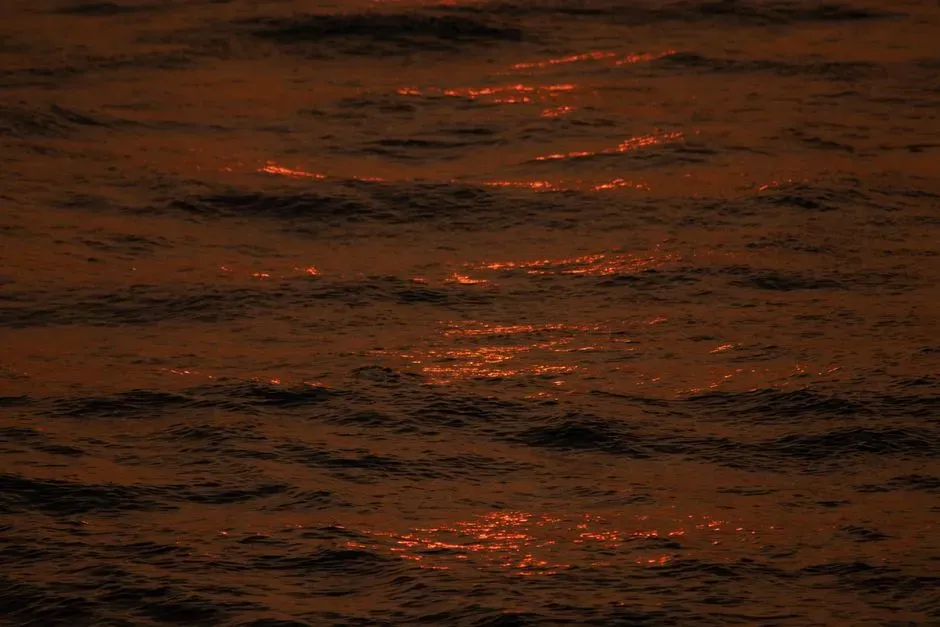
Picture the ocean not as blue, but as a murky reddish‑green soup. In Earth’s early history, for hundreds of millions of years, the oceans were almost entirely devoid of oxygen but loaded with dissolved iron. Without oxygen in the water, that iron did not rust the way we think of it today – instead, it stayed dissolved, giving the seas a dark, eerie appearance that would’ve looked more like thick tea than sparkling turquoise.
Back then, no fish could have survived, no crabs, no whales – nothing that depends on breathing oxygen. Microbes ruled these waters, feeding on chemicals and living in a world that would kill modern marine life almost instantly. Today’s oceans still hold some iron and low‑oxygen zones, but they’re only tiny pockets compared to the vast, oxygen‑free, iron‑rich seas that once wrapped around the entire planet.
2. Thick Green “Microbial Mats” Instead of Coral Reefs
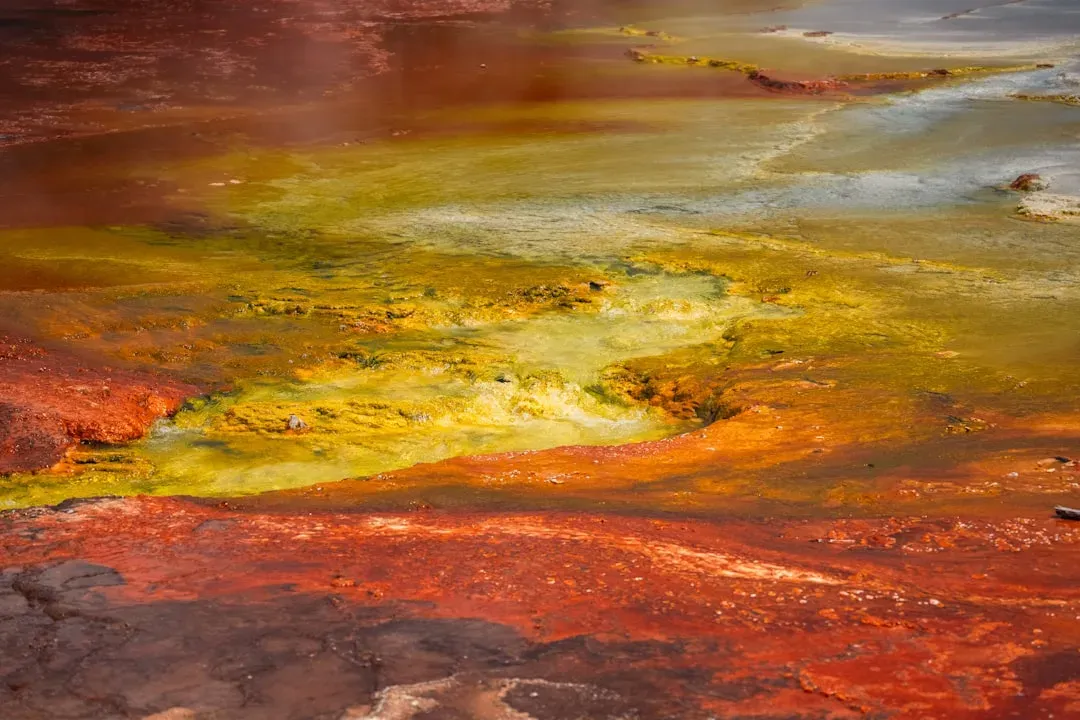
Before coral reefs built their bright, intricate cities of limestone, ancient oceans were dominated by microbial mats – dense, slimy layers of bacteria and other tiny organisms carpeting shallow seafloors. They looked like alien rugs: wrinkled, bubbly, sometimes forming mounded structures that fossilized into what we now call stromatolites. From a distance, shorelines would have looked more like a mossy swamp than a tropical paradise.
These mats were incredibly important. They were among the first major ecosystems on Earth, stabilizing sediments, recycling nutrients, and even helping shape the chemistry of the atmosphere and ocean. Today, microbial mats still exist, but they’re rare and mostly found in very specialized environments like hypersaline lagoons. The age when they dominated the coasts the way coral reefs do now is long gone.
3. Vast “Canfields” of Sulfur‑Rich, Stinking Water
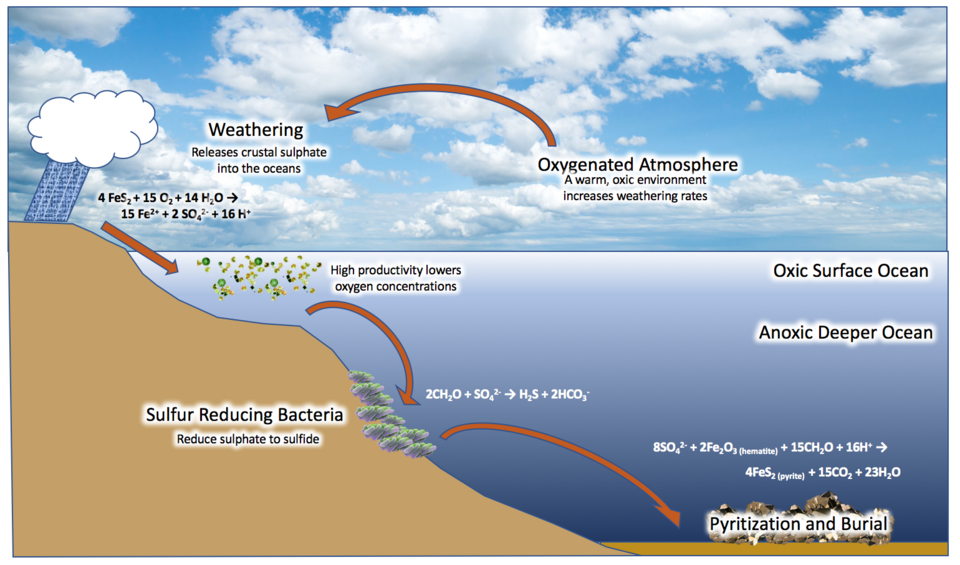
At certain times in Earth’s history, especially before and during the rise of oxygen, large parts of the ocean became what scientists call “sulfur‑rich” or euxinic. That’s a polite way of saying the water was loaded with hydrogen sulfide, the same gas that makes rotten eggs smell so awful. Imagine entire basins of the ocean suffocating under toxic, stinking water – not just little pockets around vents, but regions stretching for hundreds of kilometers.
In these ancient euxinic seas, purple and green sulfur bacteria thrived where sunlight could still reach, using sulfur instead of water in their version of photosynthesis. It’s a type of ocean chemistry that would be catastrophic for most modern marine animals. While today we do get small, localized dead zones and sulfide‑rich pockets, the planet no longer hosts those truly enormous, long‑lived sulfur seas that once threatened or even helped cause mass extinctions.
4. Global “Snowball Ocean” Ice Caps to the Equator
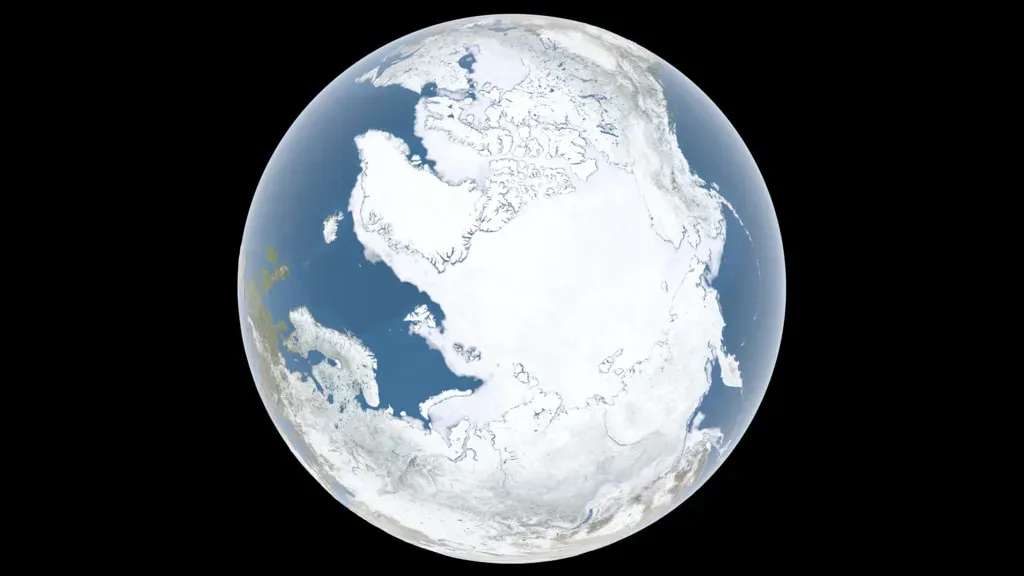
Modern oceans feel big and wild, but they have nothing on the times when Earth almost completely froze over. During at least a couple of ancient episodes nicknamed “Snowball Earth,” ice covered most of the planet’s oceans from pole to near‑equator. If you had stood at a tropical latitude back then, you might have looked out not on waves, but on a thick, unbroken shell of sea ice stretching to the horizon.
Under that ice, the ocean was still liquid, but light struggled to get through, and the entire marine ecosystem was pushed to the edge. Life likely survived in narrow refuges: cracks in the ice, geothermal hotspots, or regions where currents kept small zones of open water. Modern oceans get sea ice and big glaciations, sure – but they don’t lock up almost the entire planet for millions of years. That extreme, planet‑wide ice‑covered ocean is something we simply do not have anymore.
5. Monster Waves and Tides in a Faster‑Spinning World
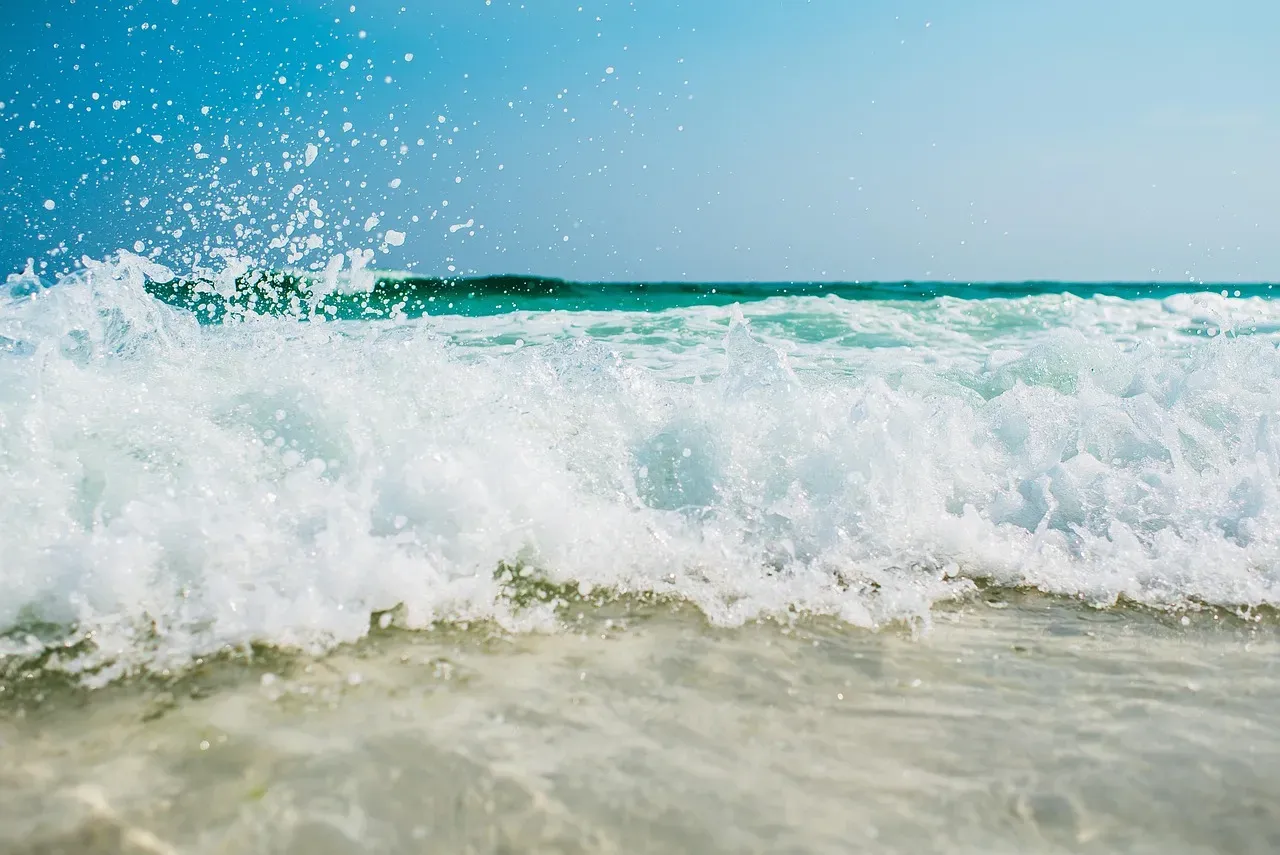
Ancient Earth spun faster, which means days were shorter and the Moon was closer. That combination likely made tides much stronger than what we see today. Imagine coasts where water surged in and out more dramatically, reshaping shorelines and stirring up sediments on a daily rhythm that felt more like a planetary heartbeat than a gentle rise and fall.
On top of that, the early atmosphere and lack of large continents in some eras may have allowed winds and storms to build waves on scales we rarely see now, except during the most extreme cyclones. I sometimes picture those ancient oceans as constantly restless, like they’d had too much caffeine. Today’s tides and storms can be powerful and dangerous, but in a faster‑spinning, closer‑Moon world, the oceans themselves would’ve felt more violent, more muscular, in a way that is hard for us to fully grasp.
6. Oddball Creatures With No Modern Equivalents
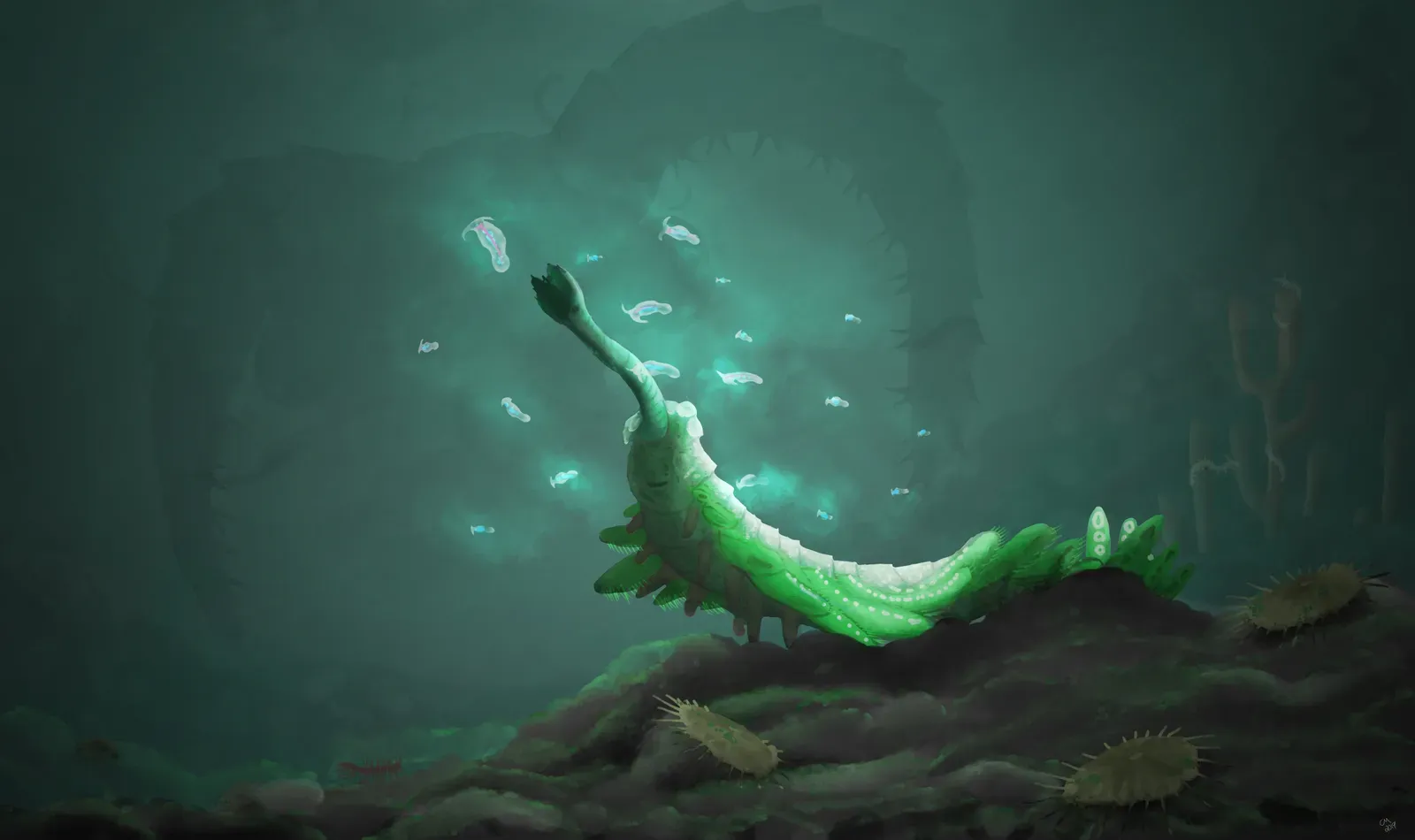
Modern oceans hold weird animals, no doubt – think of anglerfish or giant squid. But ancient oceans, especially during the Cambrian and early Paleozoic eras, were filled with creatures so strange they look like science‑fiction sketches. Many of them had body plans that never survived into the modern world: segmented arthropods with spines and flaps, soft‑bodied predators with circular jaws and rows of teeth, floating filter feeders shaped like abstract sculptures.
These animals were evolutionary experiments, trying out what it meant to have eyes, limbs, shells, and teeth in a mostly empty oceanic playing field. Today’s marine life descends from only a subset of those early body plans; the rest disappeared forever. When we say ancient oceans had things modern oceans do not, these vanished creatures are at the top of that list: entire ways of being alive that no longer exist anywhere on Earth.
7. Naturally Occurring Global Oil and Organic‑Rich “Black Shale” Factories
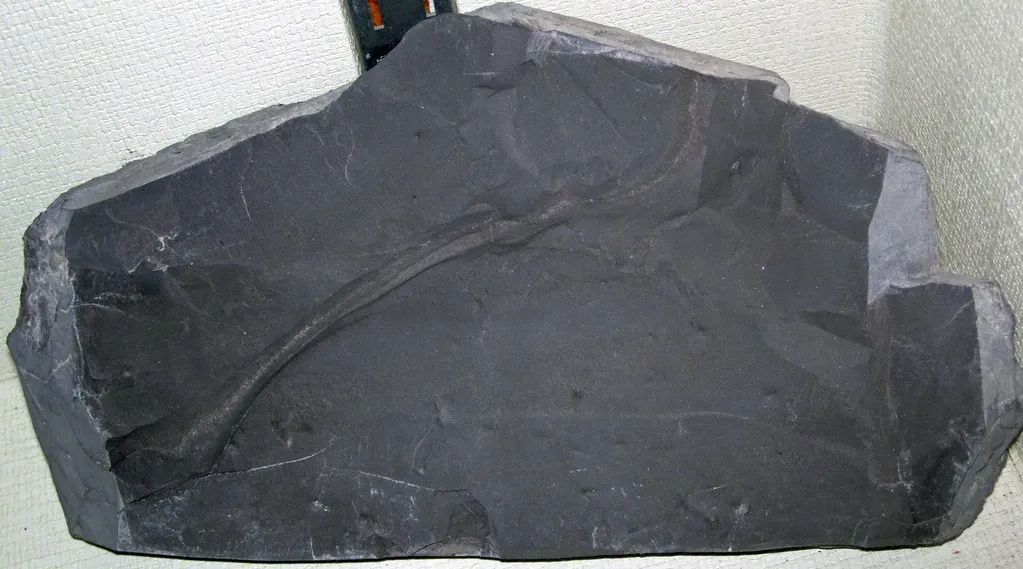
In certain ancient periods, large swaths of the ocean became perfect traps for organic matter. Warm waters, high nutrient levels, and widespread low‑oxygen conditions created massive zones where dead plankton and algae sank to the seafloor and did not fully decay. Over millions of years, those deposits were buried, cooked, and transformed into the oil and gas that our modern civilization now burns.
Today’s oceans still form some organic‑rich sediments, but we’re not currently in one of those truly legendary “black shale” ages that ancient Earth went through. Back then, entire basins acted like giant, slow‑motion refineries, quietly building the fossil fuel reserves we would eventually tap. Modern seas lack that same global scale and intensity of natural hydrocarbon factory conditions, and honestly, given what burning those fuels has done to the climate, that might be a good thing.
8. Super‑Concentrated Greenhouse Gas Oceans
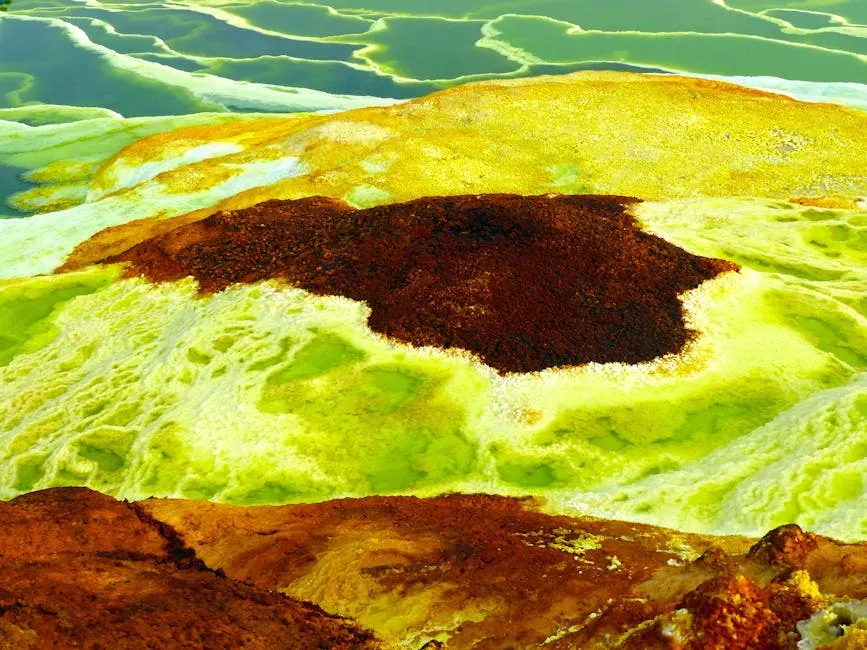
At different points in deep time, Earth’s atmosphere held far more carbon dioxide than today. The oceans, in turn, absorbed enormous amounts of that CO₂, becoming much more acidic and chemically different from our current seas. In some intervals, the water may have held so much dissolved carbon that it fundamentally shifted how minerals formed and how shells could or could not grow.
We are, disturbingly, nudging modern oceans in this direction again through human‑driven emissions, but we have not yet reached the extreme levels seen in some ancient hothouse worlds. Those old oceans were warmer from surface to deep, sometimes almost tropical at high latitudes, and they supported very different communities of organisms. The specific combinations of temperature, carbon, and chemistry they contained do not exist in our seas today – though if we are careless, we might partially recreate their more hostile aspects.
9. Totally Different Trace‑Metal “Menus” for Life
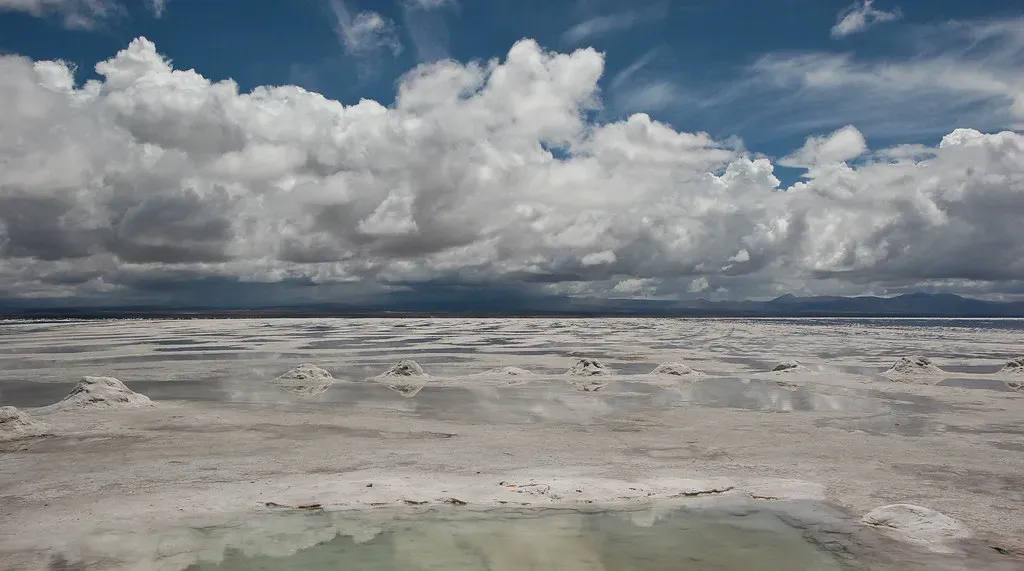
Life in the ocean depends on more than just carbon, nitrogen, and phosphorus. Tiny amounts of metals like iron, molybdenum, copper, and zinc quietly limit what microbes can do and which metabolisms thrive. In ancient oceans, the balance of these trace metals was completely different, shaped by low oxygen, abundant volcanic activity, and a very young crust still reacting with seawater in intense ways.
That meant early microbes had access to chemical “food” combinations that modern microbes rarely see, and they evolved metabolic tricks that made sense in that world but not in ours. Over time, as oxygen rose and continents changed, the metal menu shifted toward what we recognize in today’s oceans. Modern seawater simply does not carry the same cocktail of dissolved metals that ancient microbes relied on; the geochemical stage they evolved on has been dismantled and rebuilt into something new.
10. Oceans Without Fish, Coral Reefs, or Even Complex Plankton
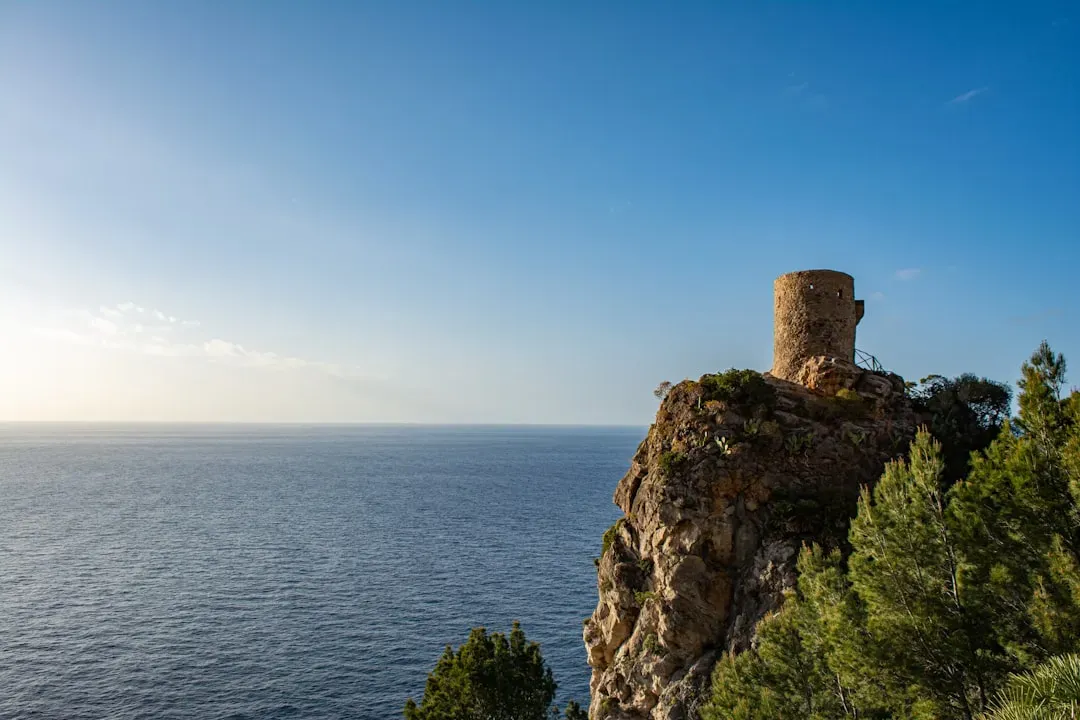
It is easy to forget just how recent many familiar ocean features are. For most of Earth’s history, there were no fish slicing through the water, no coral reefs dotting the shallows, and not even the kind of complex, shell‑bearing plankton that dominate today’s marine food webs. Early oceans were quiet in a way ours aren’t: fewer hunters, fewer fast swimmers, and long stretches of time where the most visible life forms were just mats, microbial films, and simple, soft‑bodied organisms.
Standing on the shore in those ages, you’d see waves and tides like we do, but the sea itself would feel empty of the drama we associate with oceans now – no shoals of glittering fish, no dolphins leaping, no reefs humming with color and movement. Instead, the action was mostly microscopic and chemical, happening in films and layers invisible to the naked eye. Modern oceans have their own problems, but the specific, almost eerie simplicity of those pre‑fish, pre‑reef, pre‑plankton seas is something we simply cannot experience anymore.
Conclusion: An Ocean That Keeps Reinventing Itself
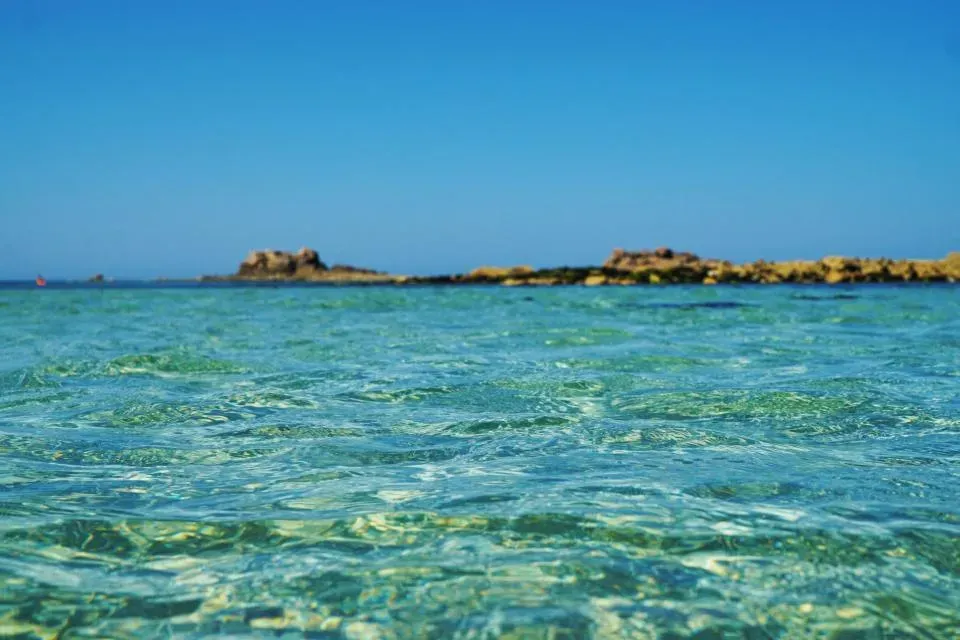
Looking back across deep time, the most striking thing is not just that ancient oceans had features ours do not – red iron seas, toxic sulfur basins, ice lids to the equator – but that the ocean has reinvented itself over and over. It has been a death trap and a cradle, a near‑frozen tomb and a steamy greenhouse, a world of slime mats and a world of coral gardens. When I think about that, I can’t help feeling that our modern oceans, rich as they are, are only one brief chapter in a wildly experimental story.
That perspective makes our current impact on the seas feel both humbling and urgent. Yes, the ocean has survived worse natural upheavals than anything we’ve thrown at it so far, but each transformation erased entire ways of life that never came back. Ancient oceans teach us that change is inevitable, but also that what we do now can decide which parts of today’s living ocean become tomorrow’s missing wonders. When you look at the waves next time, will you see just water, or a shapeshifting world that has already left countless lost oceans behind?