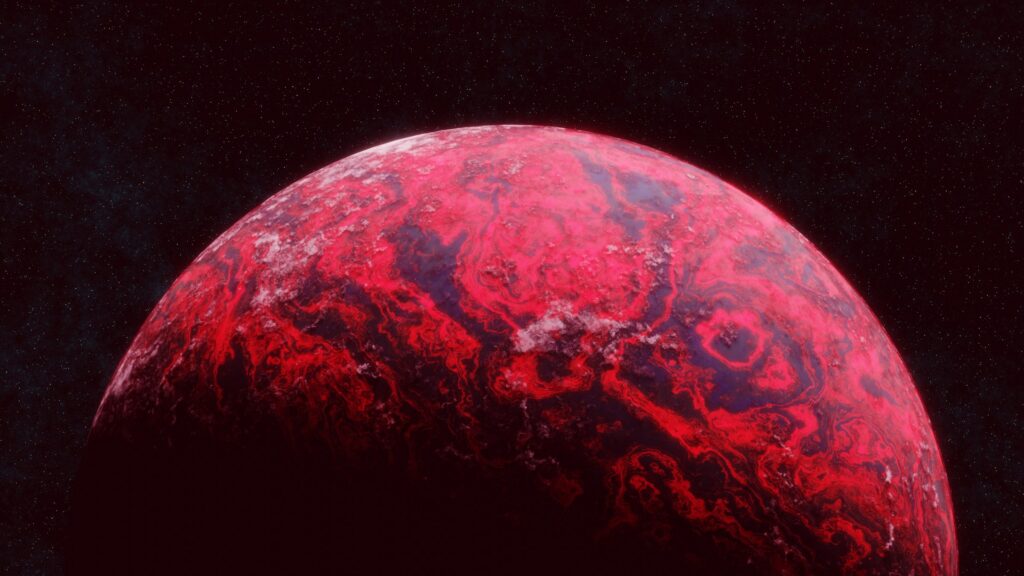
Every few hundred million years or so, Earth rolls the dice. Most of the time, life ambles along, evolving slowly, diversifying, filling forests, oceans, and skies. But every now and then, nature hits the reset button so hard that almost everything dies. Not from an evil plan, not from anything intentional, but from the raw, indifferent physics and chemistry of a restless planet orbiting a temperamental sun.
What blows my mind is this: we are here only because previous mass disasters were just shy of total. Life clung on in tiny pockets, in burrows and deep-sea vents and murky shallows, and then started over. In this article, we’ll walk through six times nature almost cleared the board entirely – events so brutal they make every modern crisis look like a rehearsal. And as we go, ask yourself: are we lucky passengers on a fragile ride, or the latest experiment in a universe that really does not care?
The Great Dying: The End-Permian Mass Extinction
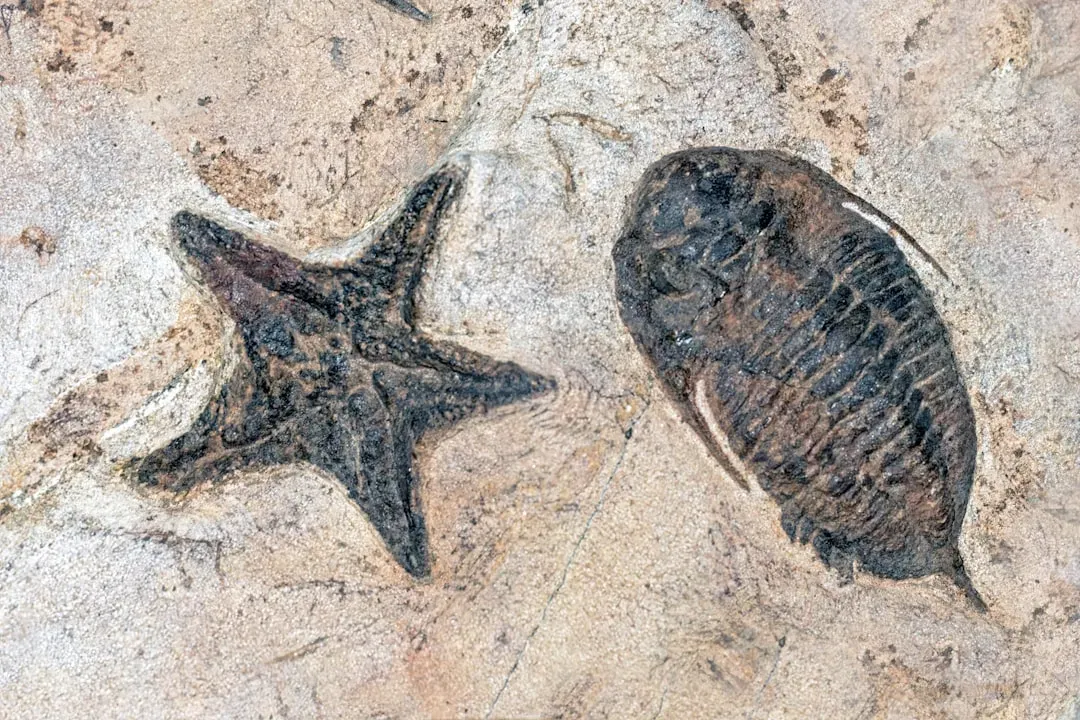
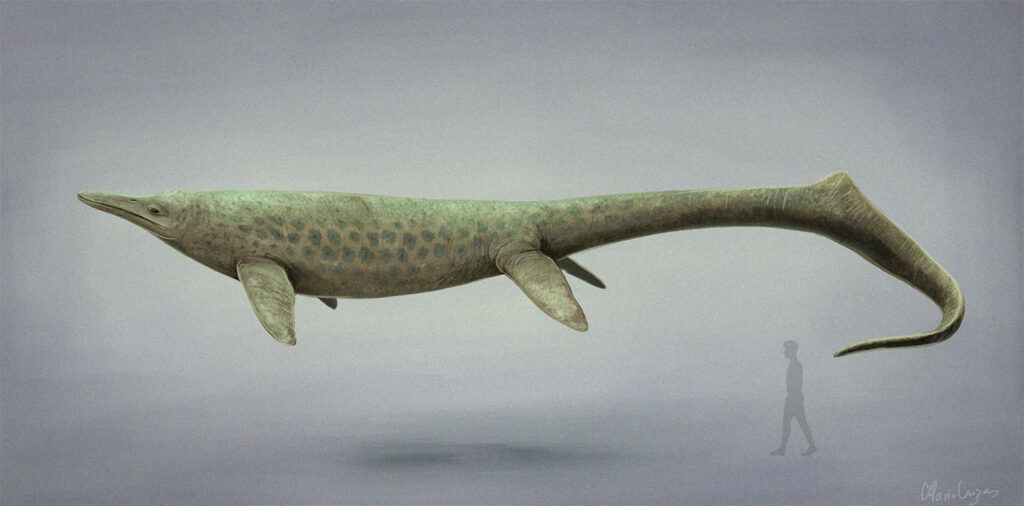
If Earth had a single closest call with total sterilization, it was the end-Permian mass extinction about 252 million years ago, often nicknamed the Great Dying. Scientists estimate that roughly about nineteen out of twenty marine species vanished, along with nearly three out of every four species on land. Imagine almost every forest, reef, and swamp on the planet turning into a graveyard within a geological blink.
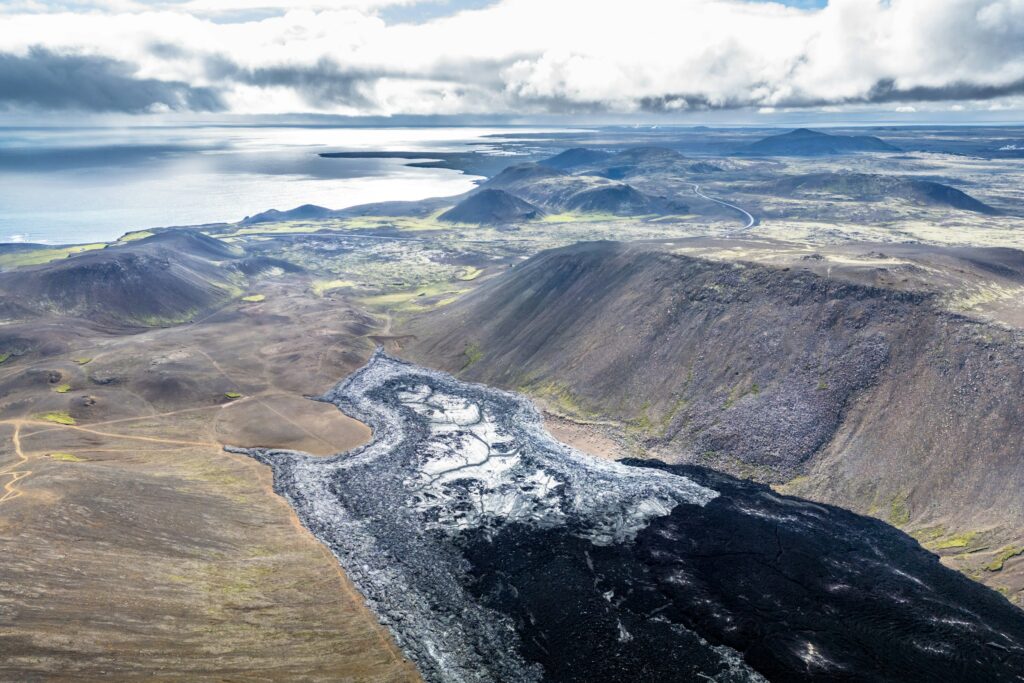
The leading explanation is a sequence of gigantic volcanic eruptions in what is now Siberia, releasing vast amounts of carbon dioxide and other gases into the atmosphere. That greenhouse overload heated the planet, likely disrupted ocean circulation, and may have driven the deep oceans toward toxicity, where dissolved oxygen plummeted and poisonous compounds like hydrogen sulfide built up. In a sense, Earth’s climate system went into runaway mode: oceans warmed, corals and shell-builders struggled in increasingly acidic water, and ecosystems collapsed like a row of dominoes tipped from afar.
The Dinosaur Killer: Chicxulub Impact at the End-Cretaceous
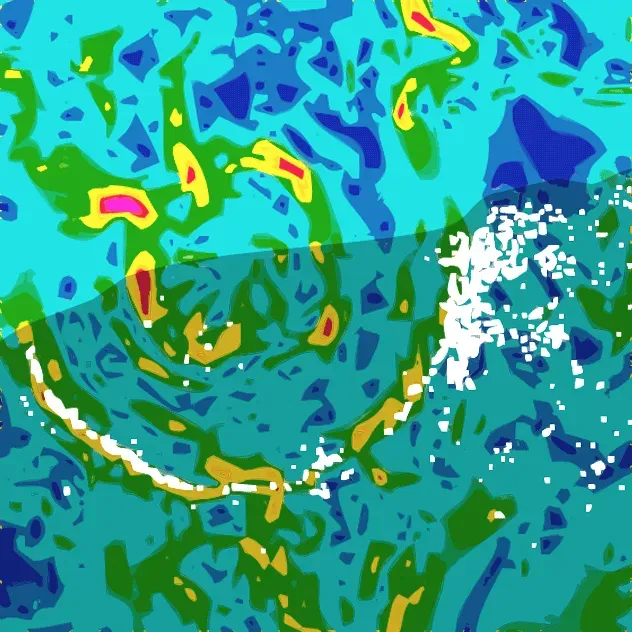
The most famous near-apocalypse is the one that ended the age of non-avian dinosaurs around 66 million years ago. A roughly city-sized asteroid slammed into what’s now the Yucatán Peninsula, excavating a crater about as wide as some small countries and instantly unleashing more energy than all nuclear weapons on Earth combined. For a terrifying few hours, everything within a huge radius simply burned, vaporized, or was blasted apart.
But the real killer was the aftermath: dust, soot, and sulfur aerosols hurled high into the atmosphere, blocking sunlight on a global scale. Photosynthesis stalled, food chains crashed, temperatures swung sharply, and acid rain hammered already stressed ecosystems. While not everything died, a huge fraction of large animals on land and in the seas disappeared, leaving birds as the only surviving dinosaurs. In a twist of cosmic irony, the same impact that nearly ended complex life on land cleared the ecological stage for mammals – and eventually, humans.
Snowball Earth: When the Planet Almost Froze Solid
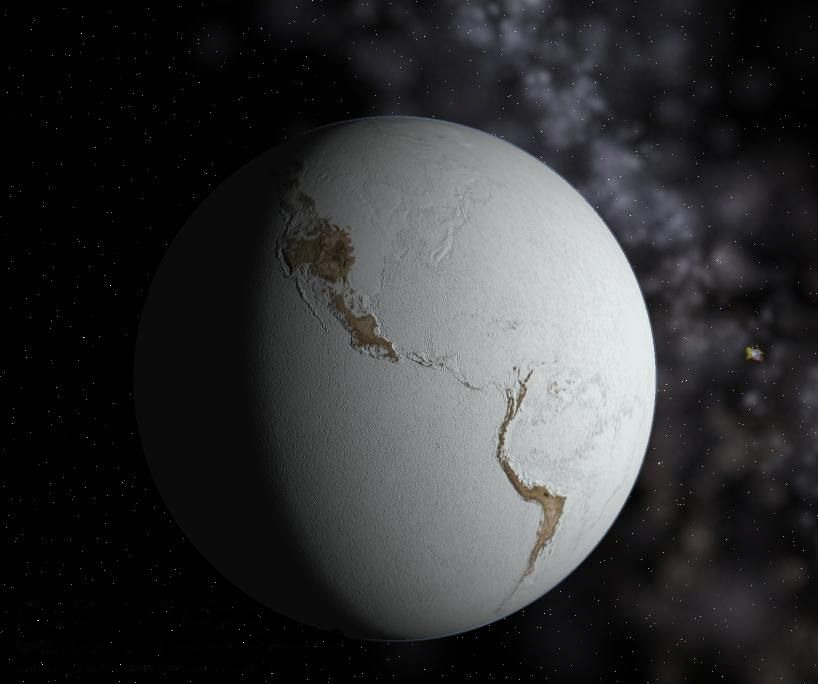
Now flip the script: instead of roasting, picture Earth turning into a giant white marble floating in space. During several episodes between roughly seven hundred and six hundred million years ago, our planet may have plunged into extreme glaciations often called Snowball Earth events. Glaciers appear to have reached near the equator, and ice sheets could have stretched from pole to pole, reflecting sunlight and locking the planet into a deep freeze.
In such a frozen world, open ocean would have been rare or restricted to thin cracks in the ice, and ecosystems would have been squeezed into tiny refuges – perhaps around volcano-heated waters or in spots where ice was thin enough for light to seep through. Yet life survived, likely as hardy microbes, algae, and simple multicellular organisms clinging on wherever liquid water and faint sunlight still existed. When volcanic carbon dioxide eventually built up in the atmosphere and melted the global ice, that brutal bottleneck may have helped set the stage for an explosion of complex life soon after.
The Late Devonian Crises: A Slow-Motion Collapse of Ancient Seas
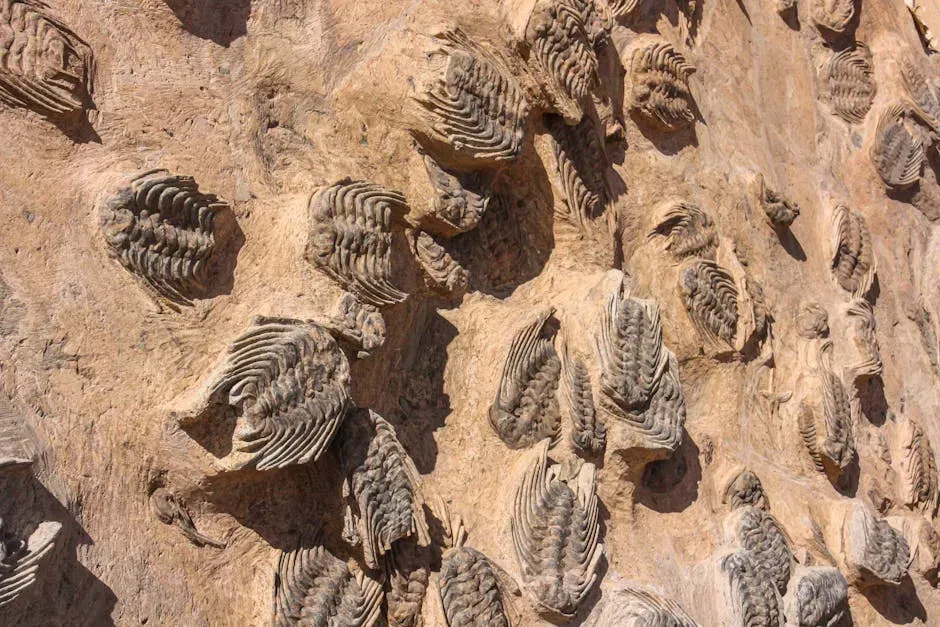
Not every near-death experience is a sudden impact or single cataclysm; some are long, grinding declines. Around three hundred seventy to three hundred sixty million years ago, during the Late Devonian period, Earth went through a series of extinction pulses that together wiped out a large share of marine life. Coral reef systems, which had flourished in warm, shallow seas, suffered especially badly and took tens of millions of years to truly recover.
Scientists have debated what exactly triggered this drawn-out disaster. Likely culprits include climate shifts, ocean anoxia where waters lost much of their oxygen, and nutrient runoff from the first large forests on land that may have fueled algal blooms. Whatever the precise mix, the story is a sobering one: you do not need a single instant catastrophe to edge life toward the brink. A chain of smaller but persistent stresses, building over millions of years, can hollow out biodiversity until only the hardiest or luckiest species remain.
The End-Triassic Upheaval: Volcanoes, Carbon, and Chaos
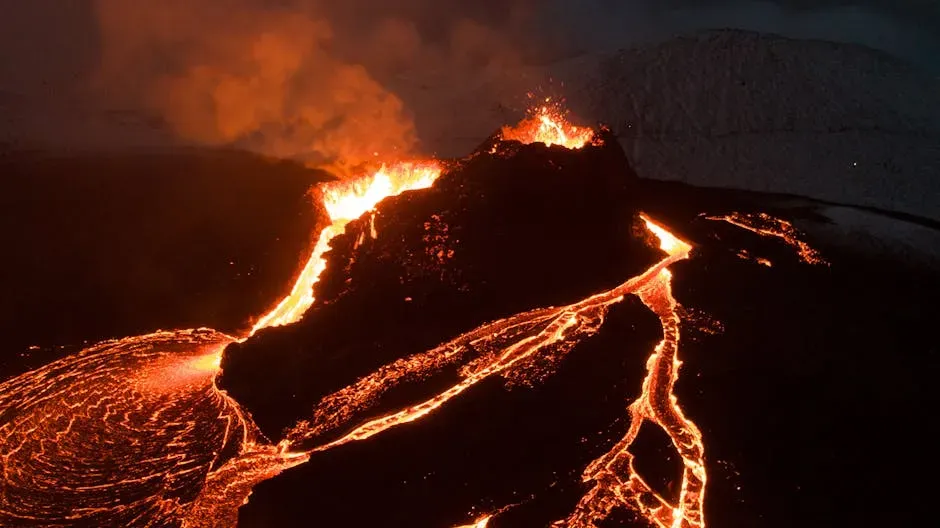
At the end of the Triassic period, around two hundred one million years ago, Earth once again hit a geological turbulence that reshaped life on land and in the oceans. This extinction event likely coincided with colossal volcanic eruptions associated with the initial rifting of the supercontinent Pangaea, as the crust began to tear and separate. The eruptions pumped huge amounts of carbon dioxide and other gases into the atmosphere over repeated bursts of activity.
The results sound uncomfortably familiar: rapid greenhouse warming, ocean acidification, and disruptions to climate patterns that many species simply could not track or tolerate. Many large reptiles and marine creatures vanished, while a few lineages were poised to take over the empty ecological seats. One of those lineages was the dinosaurs, which went from supporting cast to dominant land animals in the long wake of the disaster. In a way, the end-Triassic reminds us that mass extinctions are not just endings – they are brutally unfair auditions for the next rulers.
The Oxygen Catastrophe: When Air Itself Became Deadly
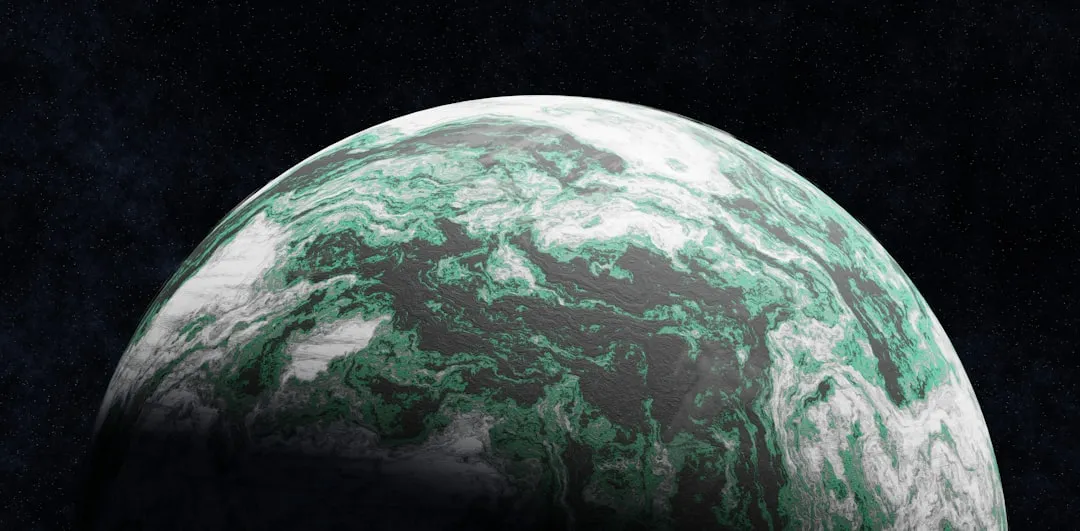
One of the strangest close calls happened long before animals, plants, or even complex multicellular life existed. More than two billion years ago, tiny microbes called cyanobacteria began releasing oxygen as a waste product of photosynthesis into Earth’s oceans and atmosphere. At first that might sound like a win – after all, we need oxygen to breathe. But for much of the early biosphere, free oxygen was a poisonous novelty that rusted minerals and disrupted ancient metabolic pathways.
This event, often called the Great Oxygenation or Oxygen Catastrophe, fundamentally rewired the planet’s chemistry. Vast amounts of previously dissolved iron in the oceans combined with the new oxygen, forming iron-rich rocks that still blanket parts of the world today and stripping the water of some key ingredients. Many anaerobic microorganisms that had thrived in low-oxygen conditions either retreated to hidden niches or died off altogether. From their perspective, nature almost ended life as they knew it – yet from ours, that same environmental revolution made complex, oxygen-breathing organisms like us possible in the long run.
Conclusion: A Planet That Survives by Changing, Not by Staying Safe
Looking across these six catastrophes, a harsh pattern emerges: nature does not protect stability, it enforces change. Asteroid impacts, mega-volcanoes, runaway ice, toxic air – each episode nearly erased the living world as it was, but also opened unexpected doors for whatever survived in the cracks. From one angle, that is comforting: life is stubborn, adaptable, and far tougher than we usually give it credit for. From another angle, it is terrifying, because there is no rule that says highly complex, large-brained primates will always be among the survivors.
My own opinion is that we tend to overestimate our control and underestimate our vulnerability. We argue about politics and gadgets while living on a world that has frozen solid, boiled its seas, choked its air, and shrugged off former dominant species like old skin. The lesson is not to live in constant fear, but to respect the thin margin that separates a thriving biosphere from catastrophe – and to stop acting like that margin is guaranteed. The planet will keep changing with or without us; the real question is whether our species chooses to be one more casualty of Earth’s brutal creativity, or a rare case that learns from its own precarious luck. What would you bet on?