Walk outside, pick up an unremarkable stone, and you might be holding something that saw the birth of dinosaurs, the rise of forests, or even the first animals to crawl out of the ocean. That sounds like science fiction, but it is exactly what modern geology keeps telling us: the ground beneath your feet is built from fragments of a story that began long before any living thing you have ever heard of. Long before dinosaurs, long before trees, even long before complex life, minerals were already crystallizing, breaking, melting, and recycling into the rock you just kicked down the sidewalk.
This idea feels almost offensive to our sense of importance. We obsess over our birthdays, family trees, and historic dates, yet the granite in your local park can casually be a hundred times older than the oldest redwood. Once you really feel that timescale in your gut, ordinary dirt stops being “just dirt” and turns into something closer to a library. Let’s walk through how we know this, what kinds of rocks are hiding in plain sight, and why your backyard is probably holding a deeper time machine than any museum fossil.
The Mind‑Bending Timeline: Life Is New, Rocks Are Ancient
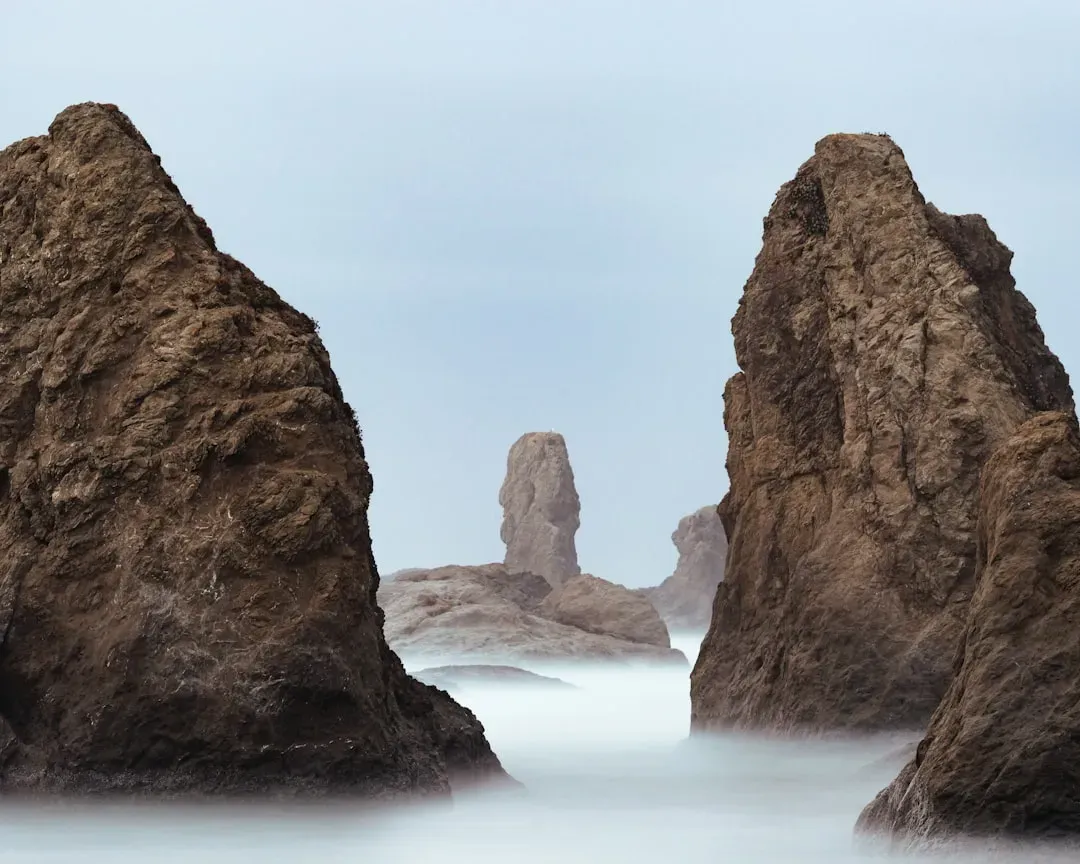
Here’s the shocking part: complex life is a very recent twist in Earth’s storyline. Our planet is roughly about four and a half billion years old, but recognizable animals with bones and shells show up only in the last half billion years or so, and dinosaurs don’t appear until around the last two hundred and fifty million. That means for most of Earth’s history, there were no dinosaurs, no mammals, no plants taller than a film of slime clinging to rocks in shallow seas.
Now compare that with rocks. Some crystals in Earth’s crust formed more than four billion years ago and then survived every catastrophe since. Even ordinary-looking bedrock in many regions clocks in at hundreds of millions, sometimes billions, of years old. When you put those numbers side by side, what jumps out is that almost any really old chunk of basement rock, if it happens to underlie your backyard, predates every animal, every tree, every dinosaur that ever walked the planet. Life is the late arrival at the party; the rocks were already there, waiting.
Why Backyard Rocks Can Be Older Than All Dinosaurs Combined
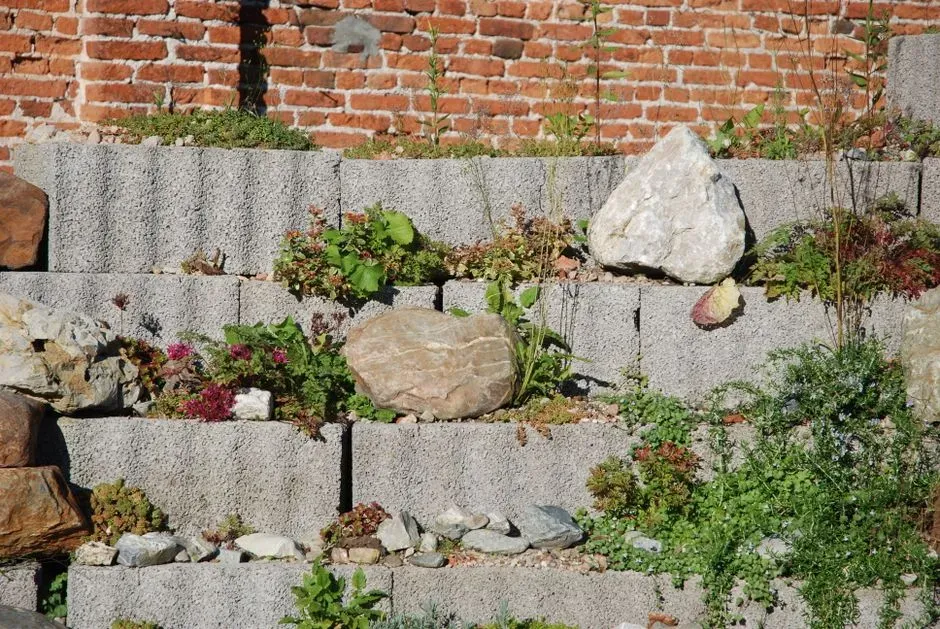
At first this feels impossible. You look outside and see a lawn, maybe a driveway, a few landscaping stones from the hardware store. How could any of that be older than all dinosaurs and every living thing alive now? The key is this: what matters is not where the rock sits today but when the minerals inside it first crystallized and solidified. That “birth date” can be absurdly old, even if the rock was moved, broken, or quarried last year.
Is your house in an area with exposed bedrock, hills, or old mountain ranges? There is a good chance those rocks solidified deep underground long before dinosaurs appeared. Even if you live on flat ground, the gravel in your driveway or the rock in your garden might have been quarried from ancient formations and trucked in from somewhere nearby. The landscape looks modern, but the raw material is deep time in disguise, quietly older than any fossilized T. rex you’ll see in a museum.
How Geologists Actually Measure Rock Ages (Not Just Guesswork)
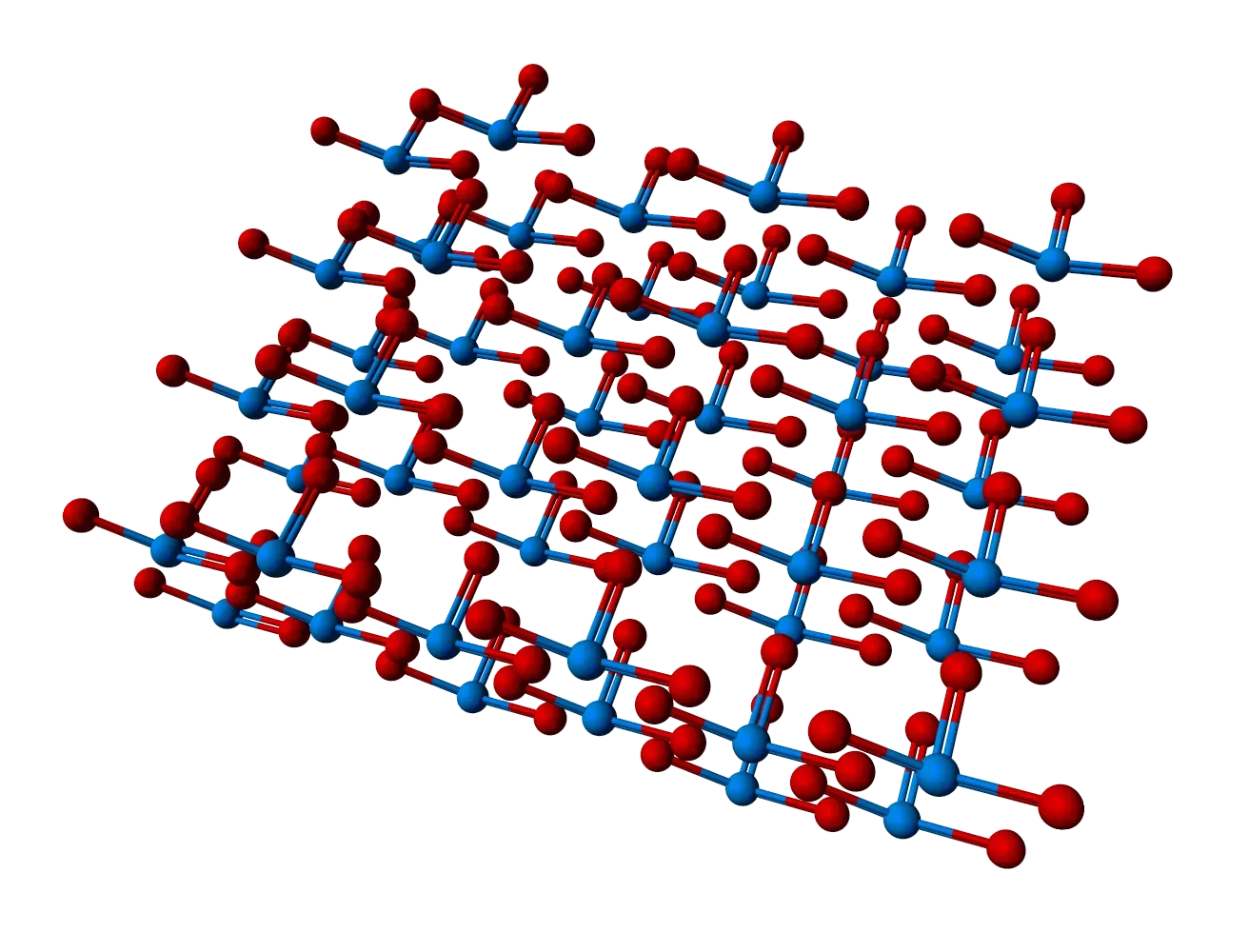
This is where geology gets very precise and a bit magical. Geologists do not just look at a rock and make a wild guess; they use radioactive elements, like uranium and potassium, locked inside crystals as tiny atomic clocks. These elements decay at steady, known rates over huge stretches of time, turning into different elements the way sand drains through an hourglass. By measuring the ratio of parent to daughter atoms, scientists can back-calculate how long that crystal has been sitting there since it cooled and solidified.
What makes this powerful is that these radioactive clocks are tuned to different time ranges. Some are perfect for dating very old rocks, ticking reliably over billions of years. Others are ideal for more “recent” events like volcanic eruptions within the last few million. When measurements from different minerals inside the same rock line up, it becomes almost impossible to argue with the date. That is how we know, not just suspect, that some of the rocks beneath neighborhoods, cities, and farms are far older than any organism alive today – or any dinosaur that ever lived.
Igneous and Metamorphic “Basement” Rocks: The Immortal Skeleton of Continents
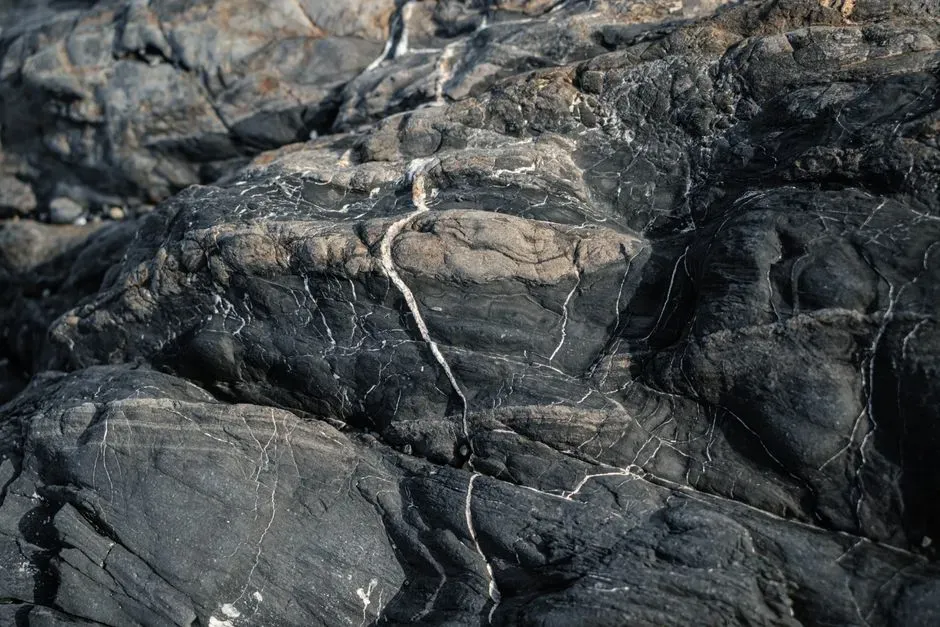
If your region sits on ancient continental crust, the true elders are usually igneous and metamorphic rocks buried just under the soil or exposed in cliffs, road cuts, and quarries. Igneous rocks form from cooled magma or lava, and some of these solidified when Earth’s crust was still young and scrambling, long before the first complex animals existed. Metamorphic rocks are the survivors that got cooked and squeezed deep underground during mountain-building, yet never fully melted, carrying original minerals and isotopic “memories” from fantastically long ago.
Geologists often refer to this deep, old package of igneous and metamorphic rocks as the “basement” because everything younger tends to rest on top of it, like paint layers on a very old wall. In many parts of the world, that basement is truly ancient – hundreds of millions to several billions of years old. Even if newer sediments or soils cover it now, when you drill a well, cut a basement, or expose a hillside, you may literally be staring at rock that predates every tree, insect, dinosaur, and mammal that has ever existed. It is the tough skeleton that continents are built on, and it almost always outlives whatever is walking around on the surface.
Even Sedimentary Rocks Can Hide Pre‑Dinosaur Grains
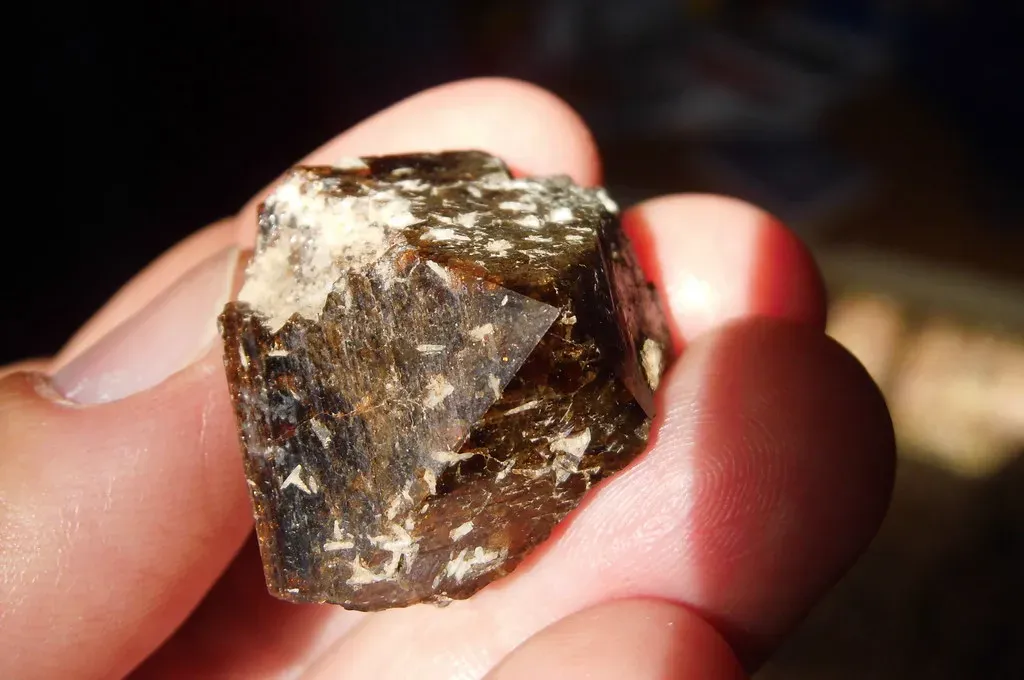
Sedimentary rocks, like sandstone and shale, seem younger and more delicate, because they form from sand, mud, and broken fragments laid down in rivers, lakes, or oceans. But here’s the twist: those grains themselves often come from older rocks that were weathered away. A sand grain in a sandstone layer that formed a few hundred million years ago might be a tiny piece of a billion‑year‑old granite. So even a “young” sedimentary rock can be built from ingredients that outdate the dinosaurs by a mind-boggling stretch.
Geologists sometimes find single zircon crystals inside sedimentary rocks that, when dated, turn out to be older than the rock that holds them – like a time-traveling relic. In everyday terms, that means a sandstone cliff beside your hiking trail or a piece of flagstone in your backyard patio can contain microscopic grains that formed near the dawn of Earth’s crust. You are looking at something that has lived several different lives: first as part of an ancient mountain, then as sand in a long-vanished river, and now as a stone tile under your feet.
Concrete, Bricks, and Countertops: Modern Stuff Built from Deep Time

You might be tempted to say that your urban backyard is different, that everything around you is human-made. But concrete, bricks, tiles, and even glossy kitchen countertops are all just reworked rock and minerals. Cement is made from limestone and clay heated together, gravel comes from quarries, sand from ancient deposits, and the pretty veins in your countertop were carved from truly old granites and marbles. The forms are modern; the ingredients are profoundly ancient.
So when you run your hand along a brick wall or lean on a concrete step outside your front door, you are touching altered rock that almost certainly includes material older than every living organism on Earth right now. It is easy to overlook because we see construction materials as products, not fossils of planetary history. But once you remember where they came from, a city block becomes a geology exhibit: skyscrapers resting on crust older than dinosaurs, built from gravel that once sat inside long-eroded mountain ranges.
Rocks Outlive Biodiversity Crashes, Supercontinents, and Mass Extinctions
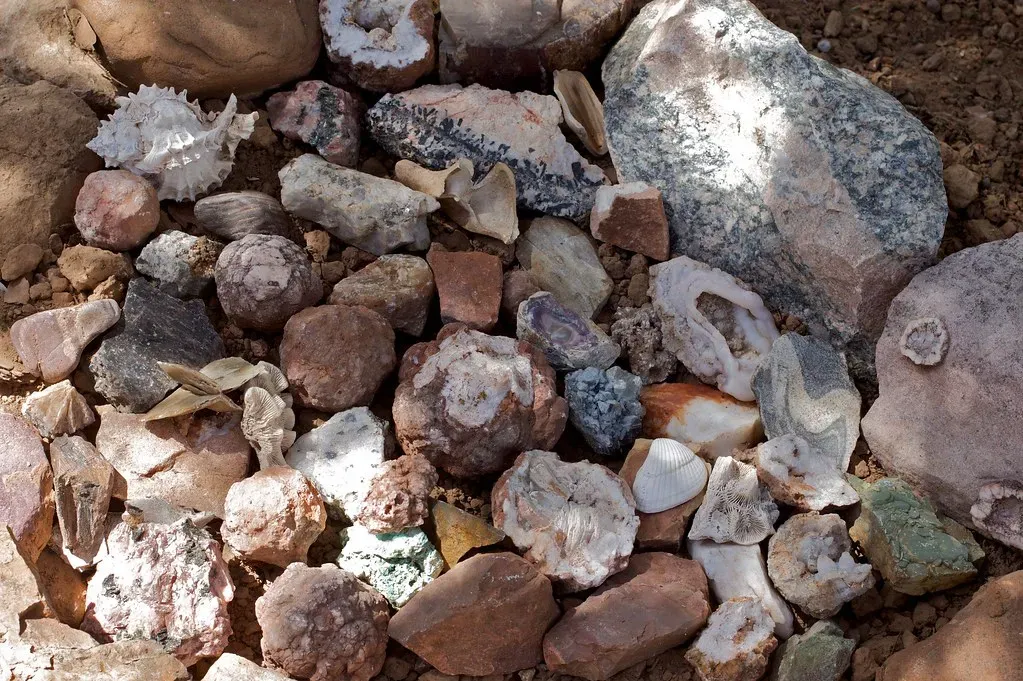
Another way to feel the age of rocks is to think about what they have survived. Over the last half billion years alone, there have been several mass extinctions where a large portion of species vanished in geological moments. Dinosaurs were wiped out at the end of the Cretaceous, but they were not the first victims; earlier extinctions killed off much of life in the oceans and on land. Through all of these biological roller coasters, large blocks of crust just kept rolling on, being uplifted, buried, and eroded, but still recognizably the same ancient rock.
On top of that, continents have slammed together and pulled apart more than once. Entire ocean basins have opened and closed while some old cratonic cores, the strong centers of continents, held on through each cycle. Imagine a single rock body standing still while continents reshape themselves and whole lineages appear and disappear on its surface. That is what makes the statement in the title not just dramatic but literally true: many rocks in your backyard have quietly watched entire worlds of living things come and go.
Seeing Your Yard as a Time Machine, Not Just a Patch of Ground
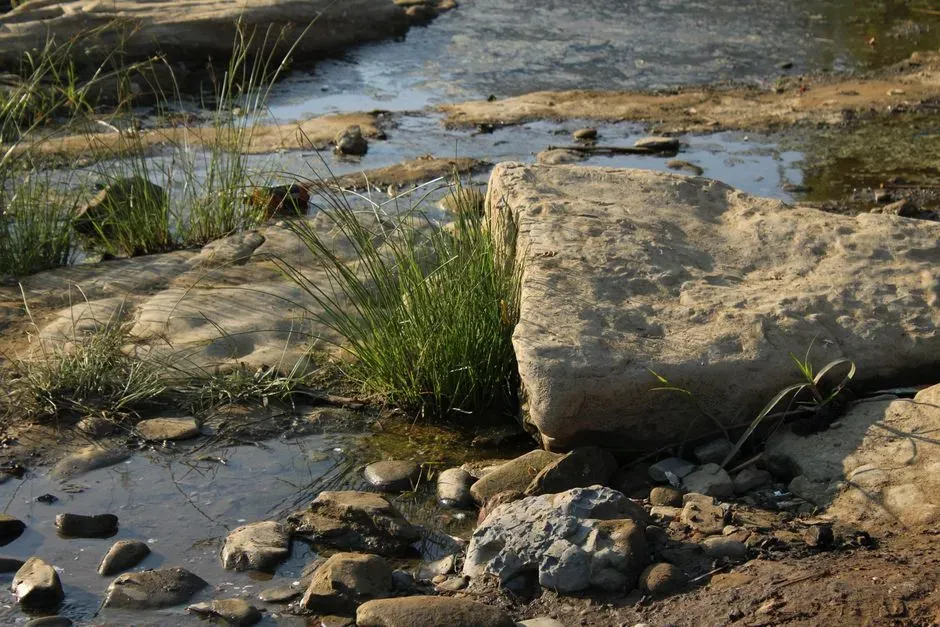
Once you grasp these timescales, your backyard stops being boring. The soil becomes a thin, fragile skin sitting on top of a vast, churning archive. Even if the visible stones look ordinary, their atoms have probably been through cycles of melting, crushing, and weathering that span spans of time our brains are not really built to handle. You do not have to be a professional geologist to feel that; you just have to pause and imagine how old “old” really is when you are talking about the Earth.
I still remember the first time a geologist friend casually mentioned that the dull gray bedrock near my childhood home was more than a billion years old. I had walked past it thousands of times and never once thought of it as extraordinary. Suddenly it felt like living on the cover of a history book that was printed long before history existed. Taking a quiet moment to really look at a rock in your yard is not corny; it is a way of reconnecting your short human story with the far older story that made your home possible.
Conclusion: Rocks Put Us in Our Place – and That’s a Good Thing
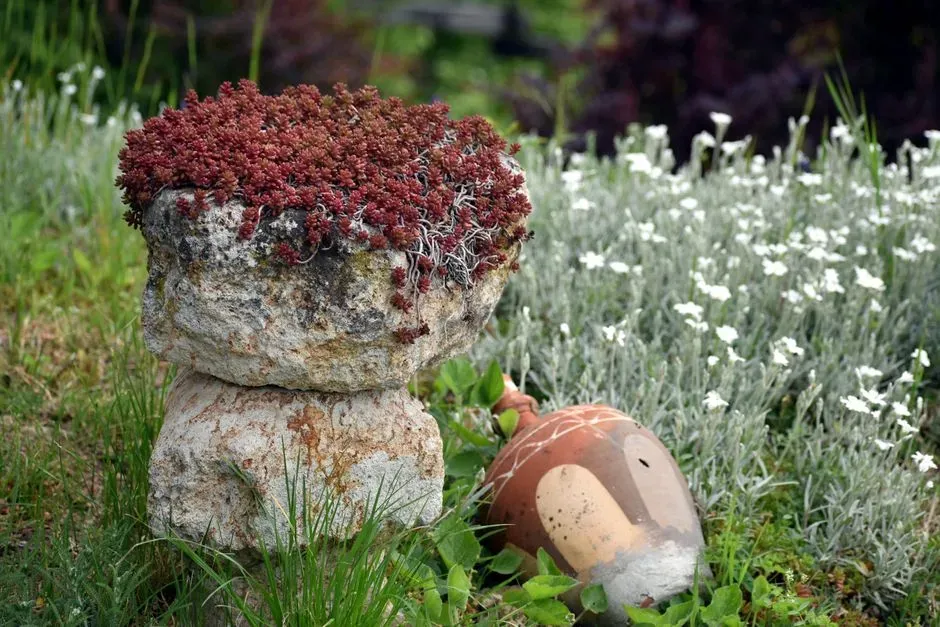
It is tempting to hear that there are rocks in your backyard older than every living thing on Earth and feel small, maybe even a bit irrelevant. Personally, I think the opposite is true. Knowing that the stones under my house predate dinosaurs and forests makes my life feel like a bright spark in a very long night, precious precisely because it is brief. Rocks do not care if we notice them, but once you do, they become a kind of quiet, humbling company, reminding you that your problems, while real, are not the center of the universe.
In a world obsessed with what is new – new apps, new trends, new headlines – geology gently taps us on the shoulder and says: look down. Those plain gray rocks have been here through more upheavals than we can count, and they will almost certainly be here long after today’s news cycle is forgotten. To me, that is not depressing; it is grounding. It means we get to write one brief, vivid chapter on top of this ancient foundation and maybe, if we are lucky, leave the rocks a little less scarred than we found them. Next time you step outside, will you still see just a yard – or a four‑billion‑year‑long story hiding in plain sight?