
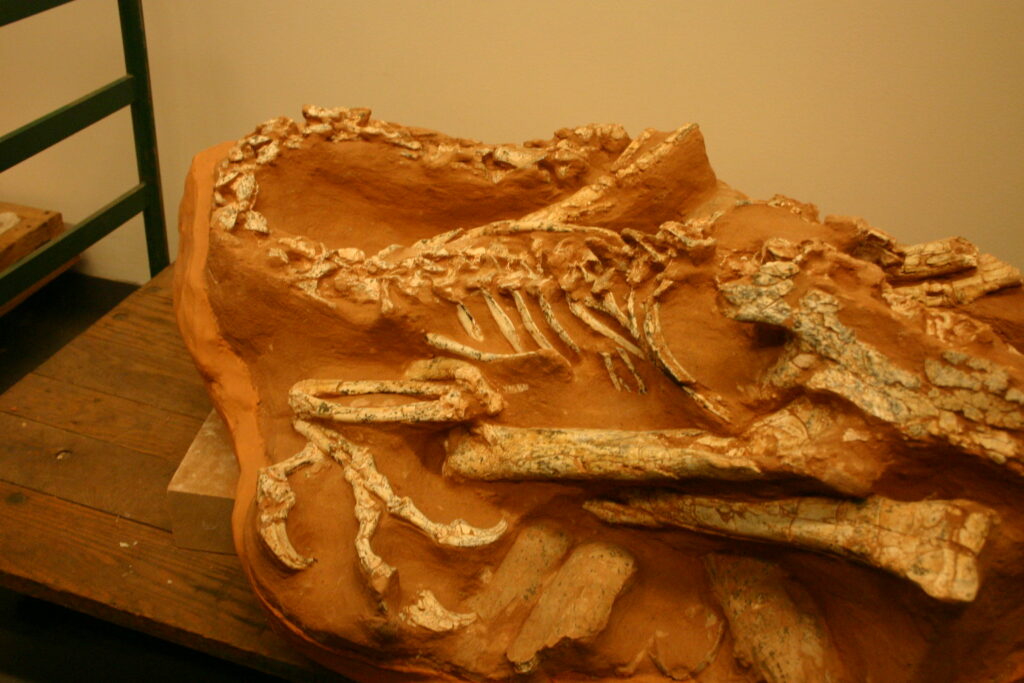
Imagine grabbing a coffee downtown and knowing that, hundreds of feet below your sneakers, there might be the remains of long‑necked dinosaurs, ancient reefs, or vanished oceans quietly sleeping in the dark. In a lot of the United States, that idea is more science fiction than science fact, because cities are often built on young sediments, glacial rubble, or heavily disturbed ground. But a handful of places really do sit right on top of rock layers and formations that geologists consider fossil powerhouses – the kind of strata museums drool over and researchers map in obsessive detail.
Here’s the twist: in many of these cities, the most fossil‑rich rocks are either covered by development or protected, so they’re far from being “dug out.” That makes them both incredibly promising and frustratingly out of reach. Below are five American cities where the local geology lines up with some of the richest, most scientifically important fossil deposits on the continent – and yet, a surprising amount of that record remains essentially untouched beneath the urban jungle.
Denver, Colorado – A metropolis on the edge of dinosaur country
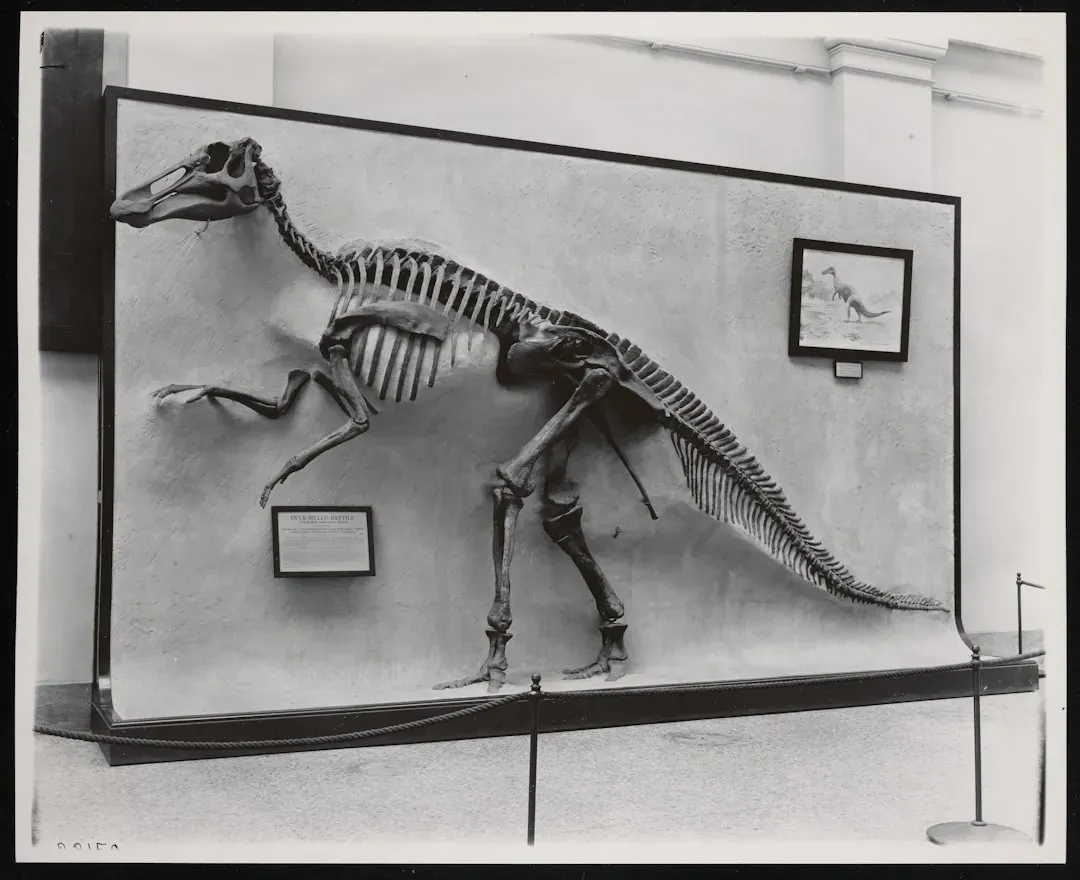
Walk around Denver today and it’s easy to think of it as a modern boomtown of glass towers and craft breweries, but geologically, the city is parked on the lip of one of North America’s most legendary dinosaur graveyards. Just to the west, the Cretaceous–Paleogene rocks that rim the Denver Basin have coughed up iconic fossils for more than a century: duck‑billed dinosaurs, horned dinosaurs, and the post‑extinction mammals that took over after the asteroid hit. Those same rock layers dip gently under the metro area, meaning the sediment under suburbs, highways, and light rail lines is often the exact same fossil‑bearing stuff you see spectacularly exposed at famous sites nearby.
The paradox is that the richest layers under Denver are largely sealed off by development. Paleontologists occasionally get rare windows into them when construction digs deep enough – a new foundation, a highway cut, a utility trench – and that’s when unexpected bones or plant fossils sometimes appear. In that sense, Denver is sitting over a kind of “fossil savings account”: vast, scientifically important deposits that we know extend under the city, but which remain mostly uncollected because nobody is going to strip‑mine a thriving metropolis just to chase dinosaur bones.
Dallas–Fort Worth, Texas – Urban sprawl over a Cretaceous seafloor
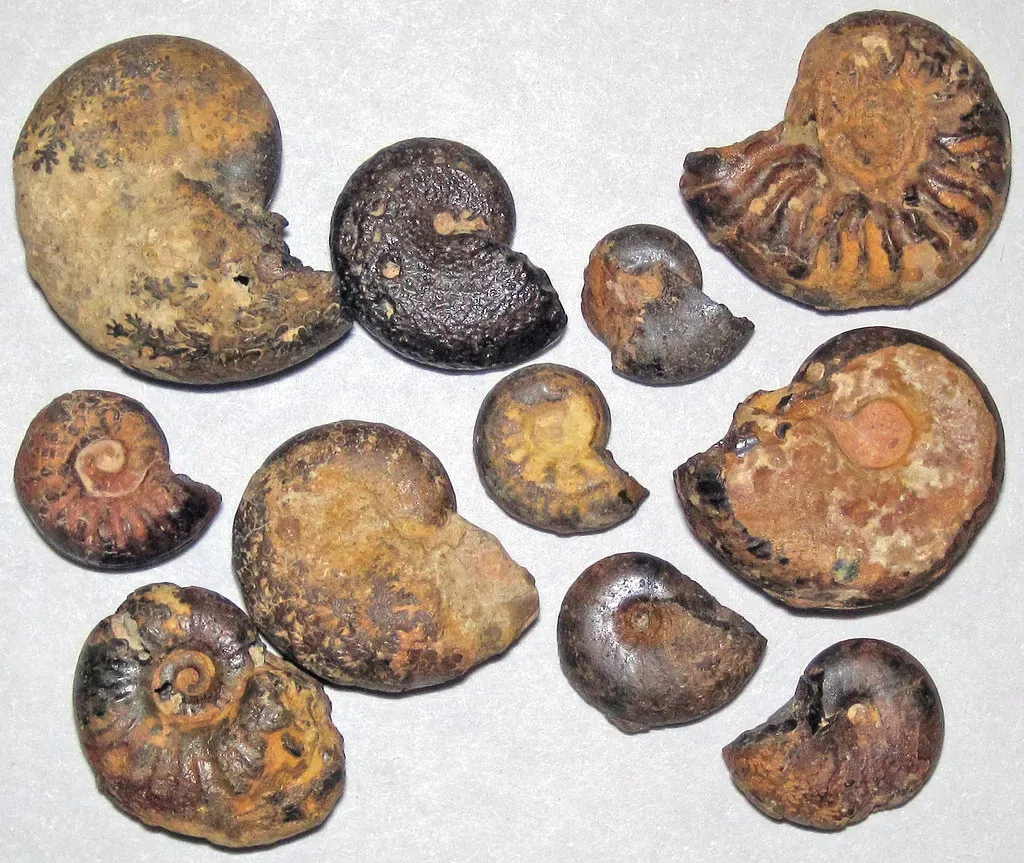
The Dallas–Fort Worth area is famous for booming suburbs and traffic, but the ground itself tells a much older story: this was once the bottom of a warm, shallow sea swarming with life. The chalks and limestones of the Cretaceous that ring North Texas are loaded with fossil ammonites, mosasaurs, marine turtles, and ancient fish, and those same formations extend right under the heart of the metroplex. When you hear about giant ammonites turning up in roadcuts or large marine reptiles found in nearby quarries, you are basically hearing about the edges of the same fossil‑rich package of rock that rolls beneath office parks and subdivisions.
Because so much of the region is paved, landscaped, or otherwise disturbed, large continuous outcrops are rare inside the densest parts of the cities. That is exactly why plenty of fossil material down there has never been seen or collected. Every new expansion project has the potential to peel back another slice of Cretaceous seafloor, and there have already been cases where construction has revealed teeth, shells, or even significant vertebrate remains. In a very real sense, Dallas–Fort Worth is a twenty‑first‑century metropolis built on a largely untouched Cretaceous fossil shelf that still has a lot to say about life in the Western Interior Seaway.
Chicago, Illinois – Skyscrapers above ancient tropical reefs
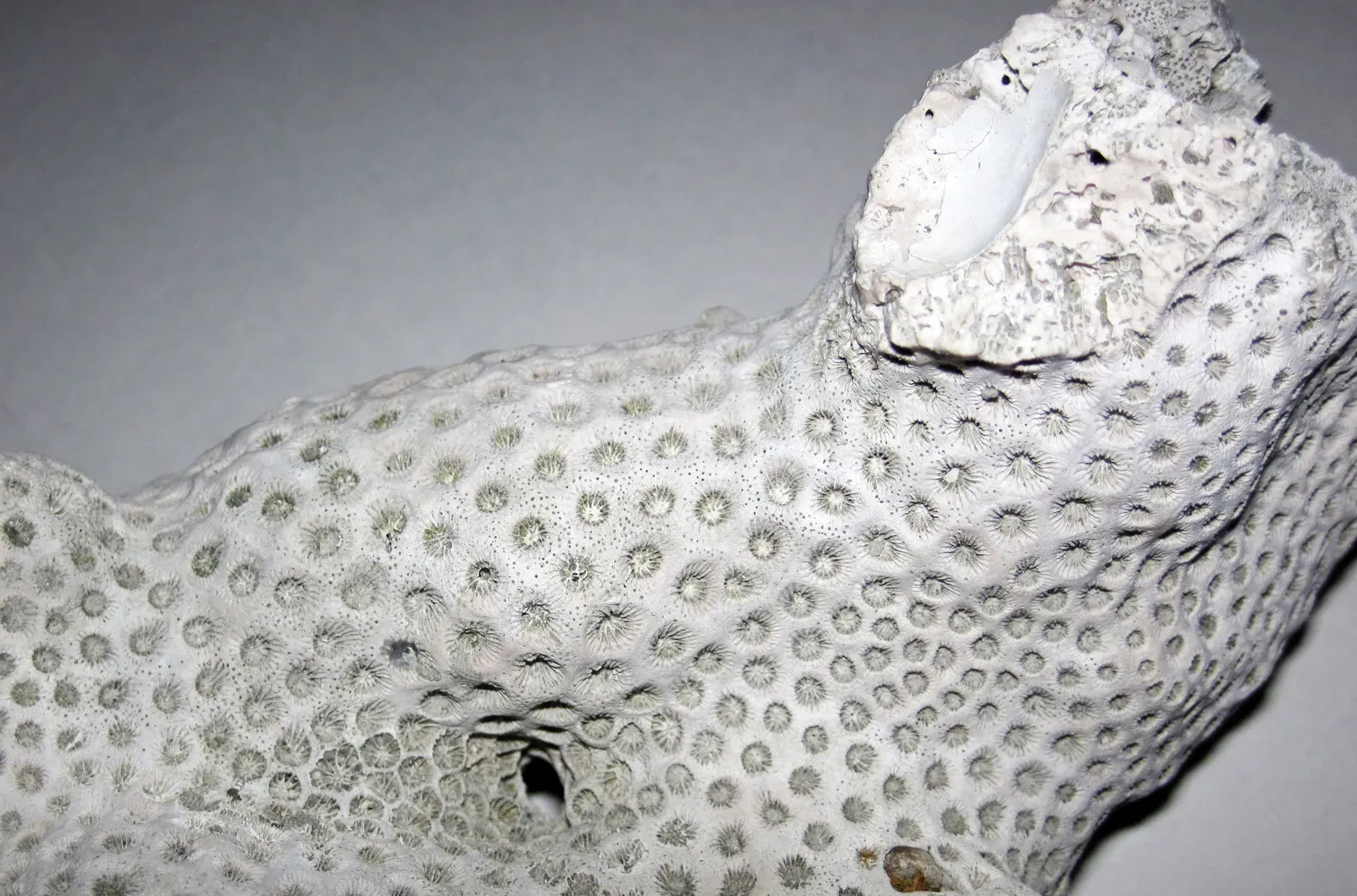
It surprises a lot of people to learn that the bedrock under Chicago records a world that looked more like the Bahamas than the Midwest. Beneath the fill, pavement, and lakefront engineering, the city rests on Paleozoic limestones and dolostones that formed in warm, shallow tropical seas during the Silurian and Devonian periods. In nearby quarries and natural exposures of the same formations, geologists have documented fossil coral reefs, brachiopods, crinoids, and other marine life in astonishing detail, showing that this corner of North America once hosted thriving reef ecosystems.
Most of those fossil‑rich rocks are invisible in the urban core because they are buried under artificial fill, glacial deposits, and the massive infrastructure of a major city. Yet structurally, those same formations continue under downtown high‑rises and neighborhoods, forming a thick, layered package of fossil‑bearing rock that has barely been sampled beneath the urban footprint. When major tunnels, deep basements, or transit projects go into the bedrock, they occasionally intercept fossiliferous layers – teasing researchers with glimpses of reef systems that could be mapped and studied much more fully if the city were not built directly on top of them.
Pittsburgh, Pennsylvania – Steel City atop a Carboniferous fossil forest
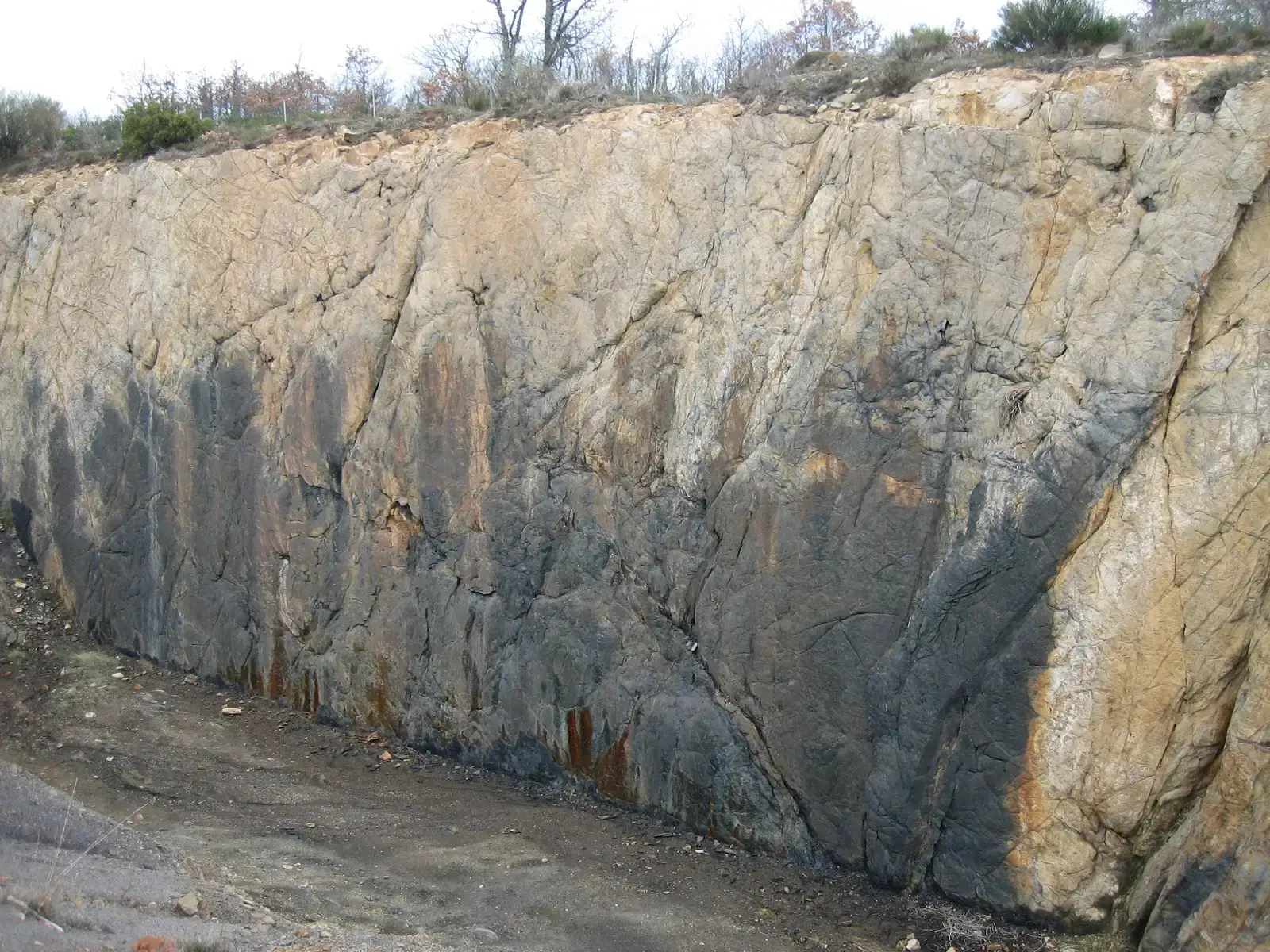
Pittsburgh is synonymous with hills, bridges, and rivers, but geologically it’s perched on one of the classic fossil landscapes in North America: the coal‑bearing strata of the Pennsylvanian period. Those rocks, which underlie the city and much of southwestern Pennsylvania, preserve enormous swamps and forests that eventually turned into coal seams, along with abundant fossils of giant ferns, scale‑bark trees, and early amphibians. In natural outcrops and historical mines just outside the urban area, paleobotanists have pieced together entire ancient ecosystems from exquisitely preserved leaves, bark impressions, and plant reproductive structures.
The same rock units extend under the city itself, but most of that fossil record is hidden beneath buildings, roads, and heavily modified slopes. Old mine workings tell us the coal and associated fossils are there, but large continuous exposures within city limits are scarce. That leaves a lot of untouched material in place, especially in deeper, less accessible intervals that modern construction rarely reaches. If you stripped Pittsburgh down to bare rock – not that anyone should – you’d reveal a dense archive of Carboniferous life that is currently known only in patches around the metro area, not in the heavily built‑up core.
Los Angeles, California – A megacity sitting on layered fossil time capsules
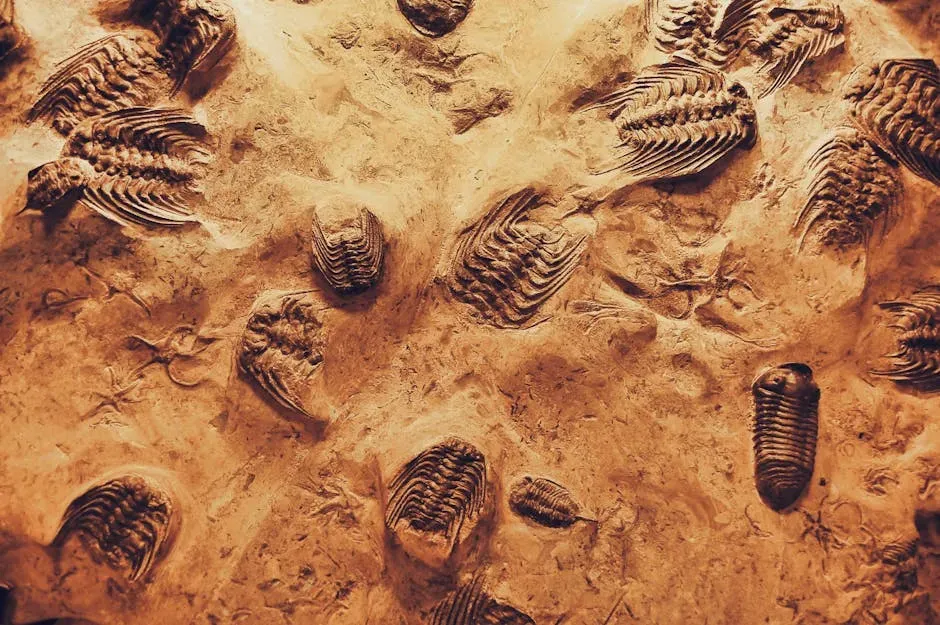
When people think of fossils in Los Angeles, they usually picture the dramatic Ice Age animals from the La Brea Tar Pits. Those are indeed spectacular, but they are only one chapter in a much thicker geological book. The Los Angeles Basin is filled with marine and terrestrial sediments from the Cenozoic era that, in surrounding hills and coastal cliffs, have yielded rich assemblages of marine mammals, shells, and microfossils, along with land mammals and plants. The same fossil‑bearing formations underlie large swaths of the basin, including places where there are now freeways, ports, and dense neighborhoods.
Oil drilling, subway construction, and big infrastructure projects have occasionally punched into these deeper layers and brought up fossils that show just how packed with life those rocks are. Yet compared with the overall volume of sediment under greater Los Angeles, only a small fraction has been systematically documented from a paleontological perspective. The basin functions as a stack of time capsules: Pleistocene tar deposits near the surface, older marine sediments below, and even older packages beneath that – all layered under a modern megacity where much of the fossil wealth remains literally locked in the subsurface.
Salt Lake City, Utah – A modern hub framed by fossil‑rich mountain fronts
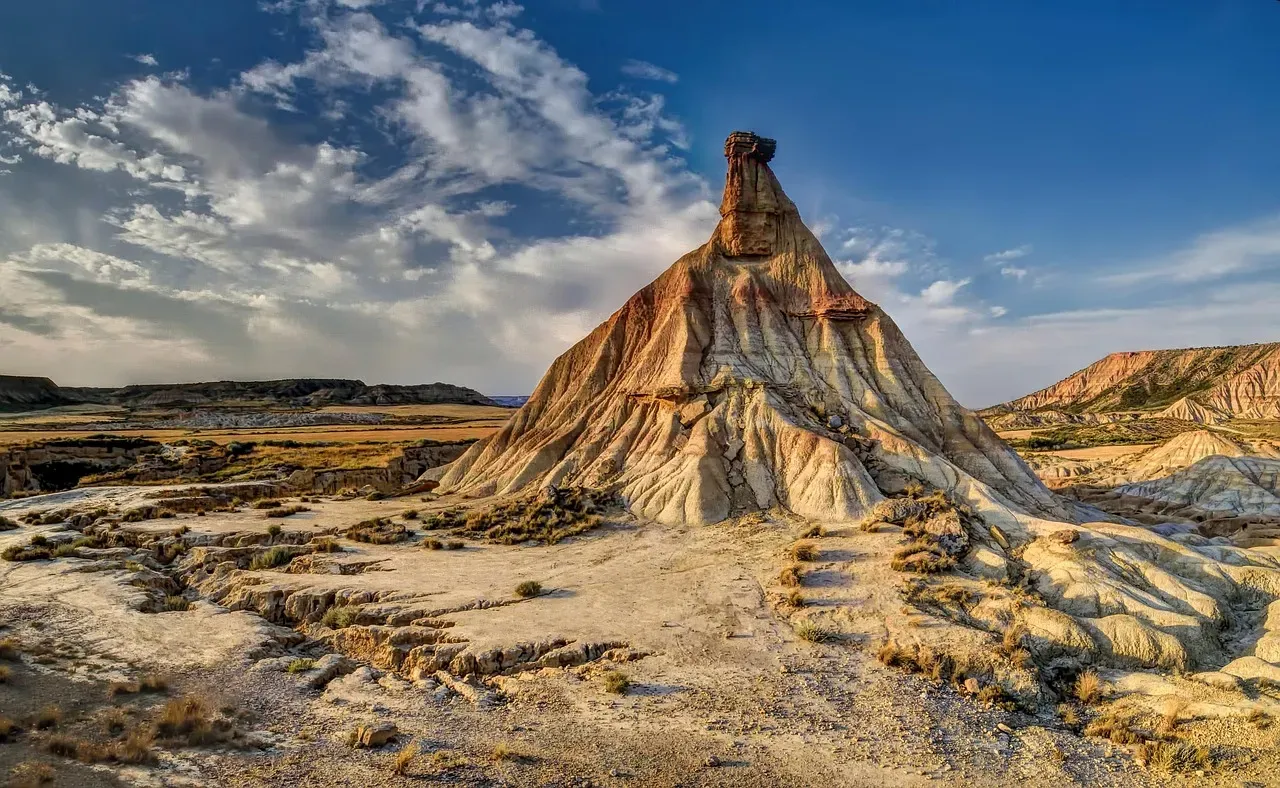
Salt Lake City might seem like an odd inclusion next to places like Denver or Los Angeles, but the geology here is quietly extraordinary. The city sits in the Wasatch Front, where basin‑and‑range faulting has tilted and exposed thick packages of Paleozoic and Mesozoic strata. Just outside the urban corridor, these rocks have produced important marine invertebrate fossils, early vertebrates, and, in nearby regions of Utah, world‑class dinosaur sites. The same formations commonly continue beneath the valley floor, dipping under the modern city as they descend along the basin margin.
The urban area itself covers large tracts of these fossiliferous units with fill, alluvium, and infrastructure, leaving many of the underlying deposits essentially untouched. Occasional roadcuts, quarries, and utility trenches at the margins of development reveal how fossil‑rich some of these beds can be, but there is no practical way – and no good reason – to excavate deeply beneath established neighborhoods just to chase fossils. That tension is what makes Salt Lake City so fascinating geologically: it is a thriving modern hub draped across the edge of rock layers that preserve huge chunks of North America’s deep history, most of which will probably remain undisturbed and unread.
Conclusion – A fossil jackpot we may never fully cash in
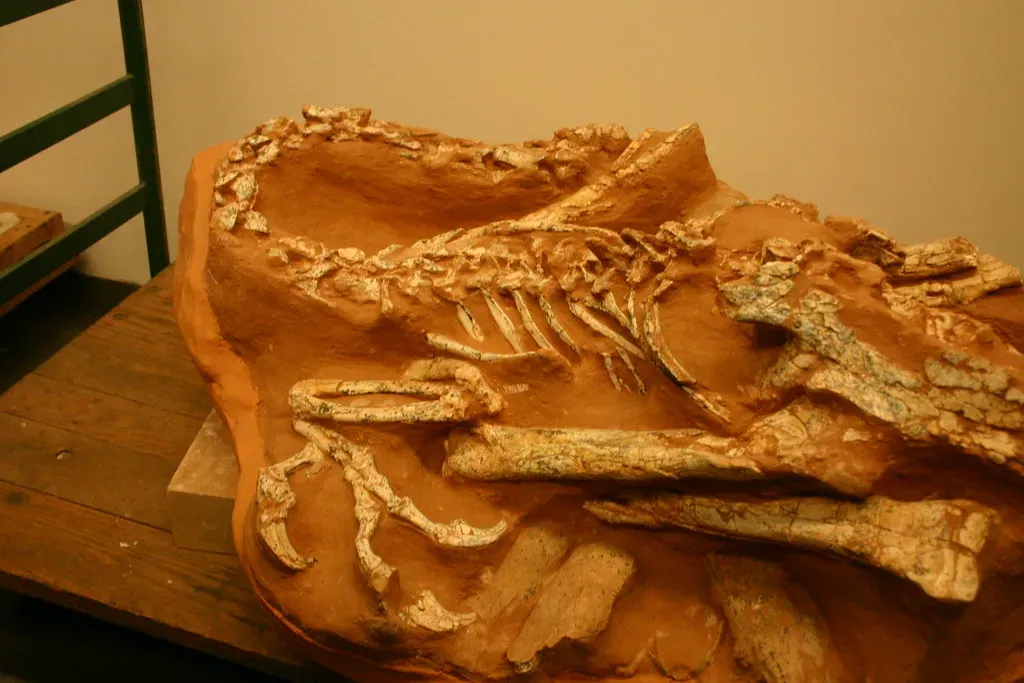
All five of these cities share the same slightly maddening truth: they sit over rock formations that rank among the continent’s great fossil archives, yet urban life almost guarantees that much of that record will stay in the ground. From dinosaur‑bearing basins to ancient reefs and coal‑age forests, the scientific potential is enormous, but it is locked beneath homes, highways, and high‑rises. As someone who loves both cities and deep time, I find that tension weirdly beautiful – it means we are literally living on top of stories we will never fully read.
In my view, that is not a loss so much as a reminder. It pushes us to protect the fossil sites we can access at the edges of these metro areas, to monitor big construction projects carefully, and to accept that some parts of Earth’s history are better left as quiet pages in the planet’s private diary. The ground under these cities is richer in untouched fossils than most people realize, but maybe the real value is knowing they are there at all, shaping how we see the place we call home. Next time you cross a downtown street, will you wonder what ancient world is still sleeping underneath your feet?