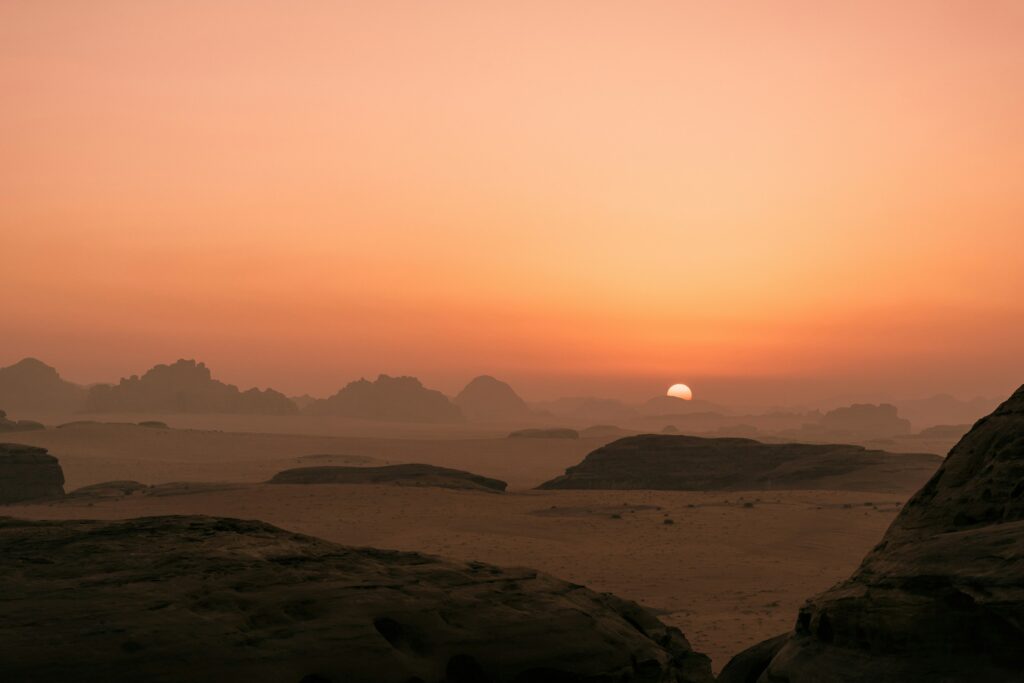
Try to picture a sunrise no human, animal, tree, or even microbe ever saw. The ground is still cooling from a hellish infancy, the oceans are just beginning to collect, and overhead hangs a young, faint Sun in a sky that would look utterly wrong to us. There is no birdsong, no wind in leaves, no blue dome brightening toward daylight – just a raw, alien world catching its first real light.
We can’t time-travel back to that morning, but physics and geology let us sketch the scene with surprising confidence. The first sunrise was not just a prettier version of today’s dawn; it was the opening act of a very different planet under a weaker star, wrapped in a thick, toxic atmosphere. Let’s walk through what that “wrong” sunrise probably looked and felt like – and why imagining it changes how we see every ordinary morning now.
A young, faint Sun: dimmer star, harsher world
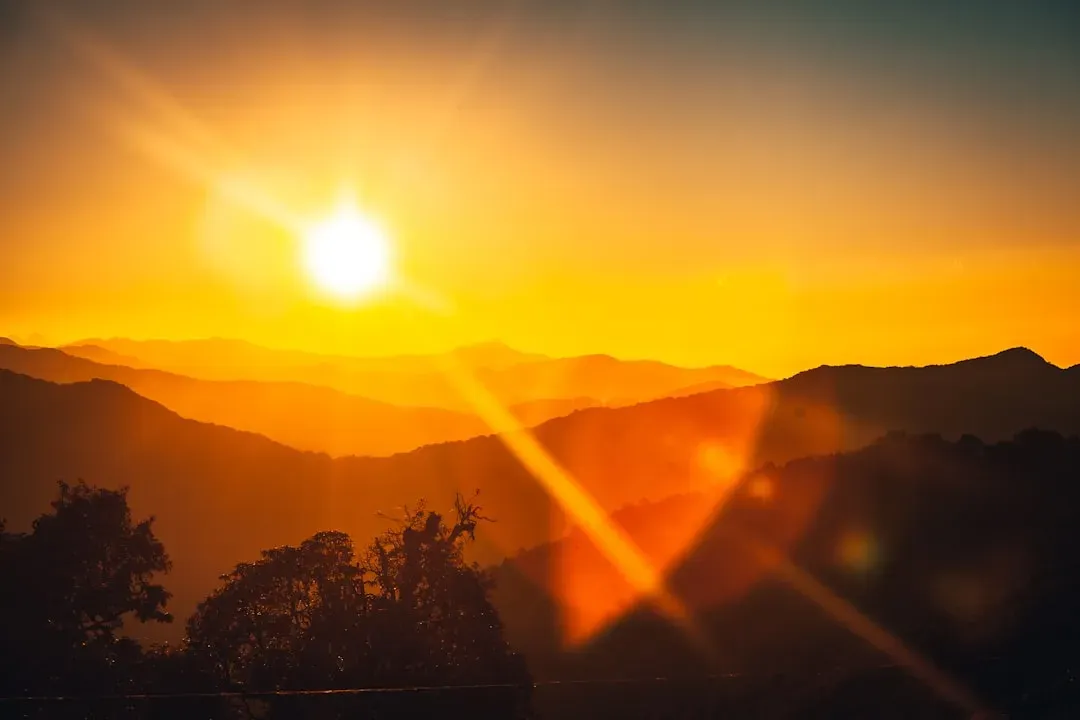
Four and a half billion years ago, the Sun was already a proper star, but it was not at full power yet. Stellar models show that young Sun‑like stars shine significantly less brightly in their early life, so our Sun probably put out only a little over two thirds of the energy it does today. That means the first sunrise would have looked softer and weaker, the disk less blindingly intense, more like a permanently hazy late afternoon than the fierce glare we know.
That softer look is wildly misleading, though. The early Earth was not a gentle place. Even under a dimmer Sun, the surface was brutally hot at first, heated by leftover formation energy, a churning molten interior, and relentless asteroid and comet impacts. So you’d have this paradoxical view: a relatively subdued, pale Sun climbing through the sky above a planet that was still behaving like a cosmic blast furnace.
The sky was the “wrong” colour: murky, hazy, and heavy
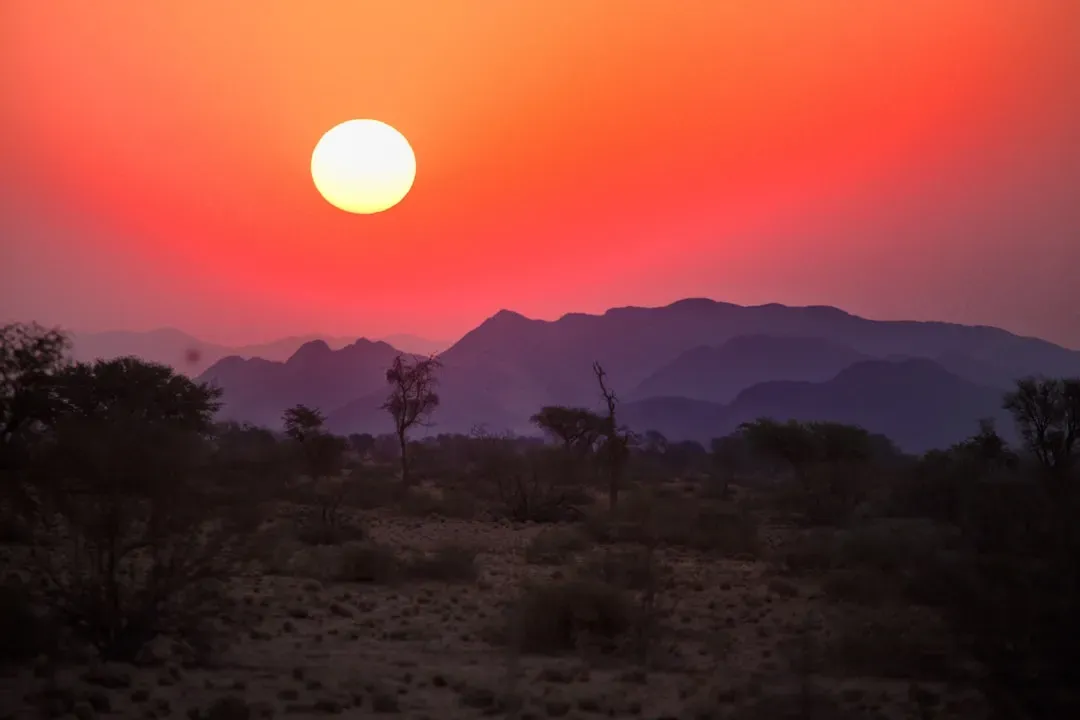
One of the biggest shocks about that first sunrise is the sky itself. Today we take it for granted that the sky fades from deep navy to soft blue as the Sun rises, thanks mainly to Rayleigh scattering in a relatively clean, nitrogen‑oxygen atmosphere. Early Earth’s air was nothing like that. It was packed with volcanic gases, including large amounts of carbon dioxide, water vapour, sulfur compounds, and probably a stew of haze‑forming molecules that would have made the sky look thick and dirty.
Instead of a crisp blue gradient, sunrise could have brought a more coppery or brownish gloom, with light struggling through layers of aerosols and steam. Think of the eerie, filtered sunlight you see during a major wildfire or heavy smog event – only this was the normal, everyday sky. The horizon might have glowed in muddy reds and deep oranges, not because of picturesque clouds, but because light was fighting its way through a heavy, chemically harsh atmosphere that would have stung any modern lungs instantly.
No clear horizon: clouds of rock, steam, and impact debris
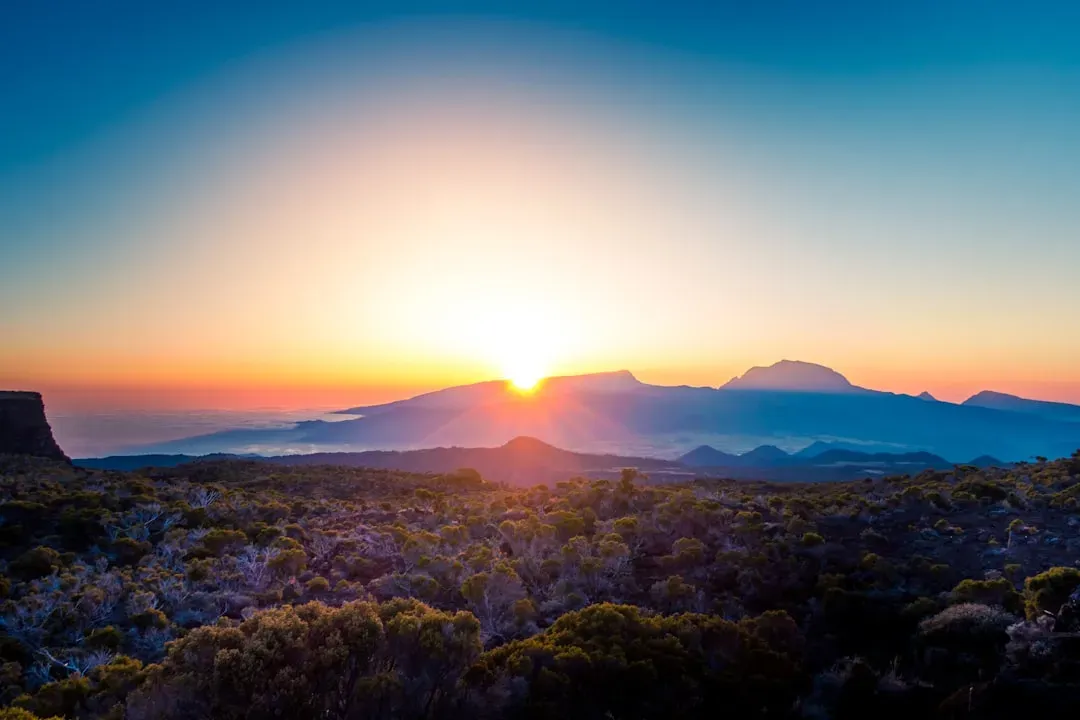
Another surprise: you might not even have seen a clean, sharp Sun on that very early morning. For a long stretch of Earth’s youth, the planet was being hammered by leftover debris from the birth of the Solar System. Massive impacts could throw colossal plumes of rock vapour and dust high into the atmosphere, turning the sky into a churning, opaque veil. The first “sunrise” many regions experienced might have been more like a gradual brightening of an orange‑grey ceiling than a neat orb peeking over a stable horizon.
On top of that, the planet was shedding heat through gigantic volcanic eruptions and global lava fields. Volcanic outgassing would have filled the lower atmosphere with steam and ash, producing towering cloud decks and endless storms. Imagine looking toward the edge of the world and seeing not a calm line where sky meets sea, but stacks of glowing clouds, thunderheads lit from behind by a dim young Sun, with flashes from lightning inside sulfur‑rich storms.
A restless surface: lava plains, newborn oceans, and no land life
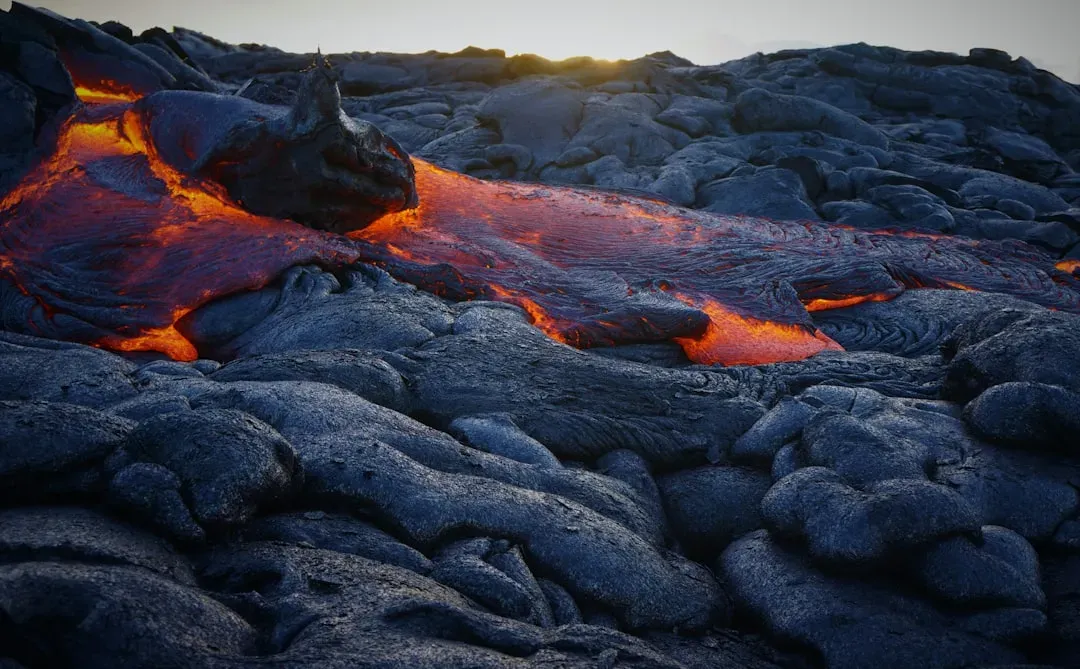
Even if the sunlight had cut through clearly, the landscape beneath it would have been almost unrecognizable. Instead of continents full of soil, forests, and cities, Earth’s surface was a shifting patchwork of cooling lava plains, unstable crust, and gradually forming ocean basins. Early tectonic plates were probably smaller, thinner, and more fragile, so coastlines would have been temporary, constantly reshaped by eruptions and impacts.
That first sunrise would have illuminated a planet without a single blade of grass or leaf to catch the light. No ecosystems, no colours of flowers or forests, probably not even microbial mats on rock yet at the very beginning. It was a world of raw elements: black basalt, red‑hot lava glows fading to dark crust, roiling steam rising from places where hot rock met condensing water. If you’ve ever watched the Sun come up over a barren lava field in Hawaii or Iceland, then strip away every hint of life and dial the violence way up in your imagination – you’re getting close.
The atmosphere that kept Earth warm – and deadly
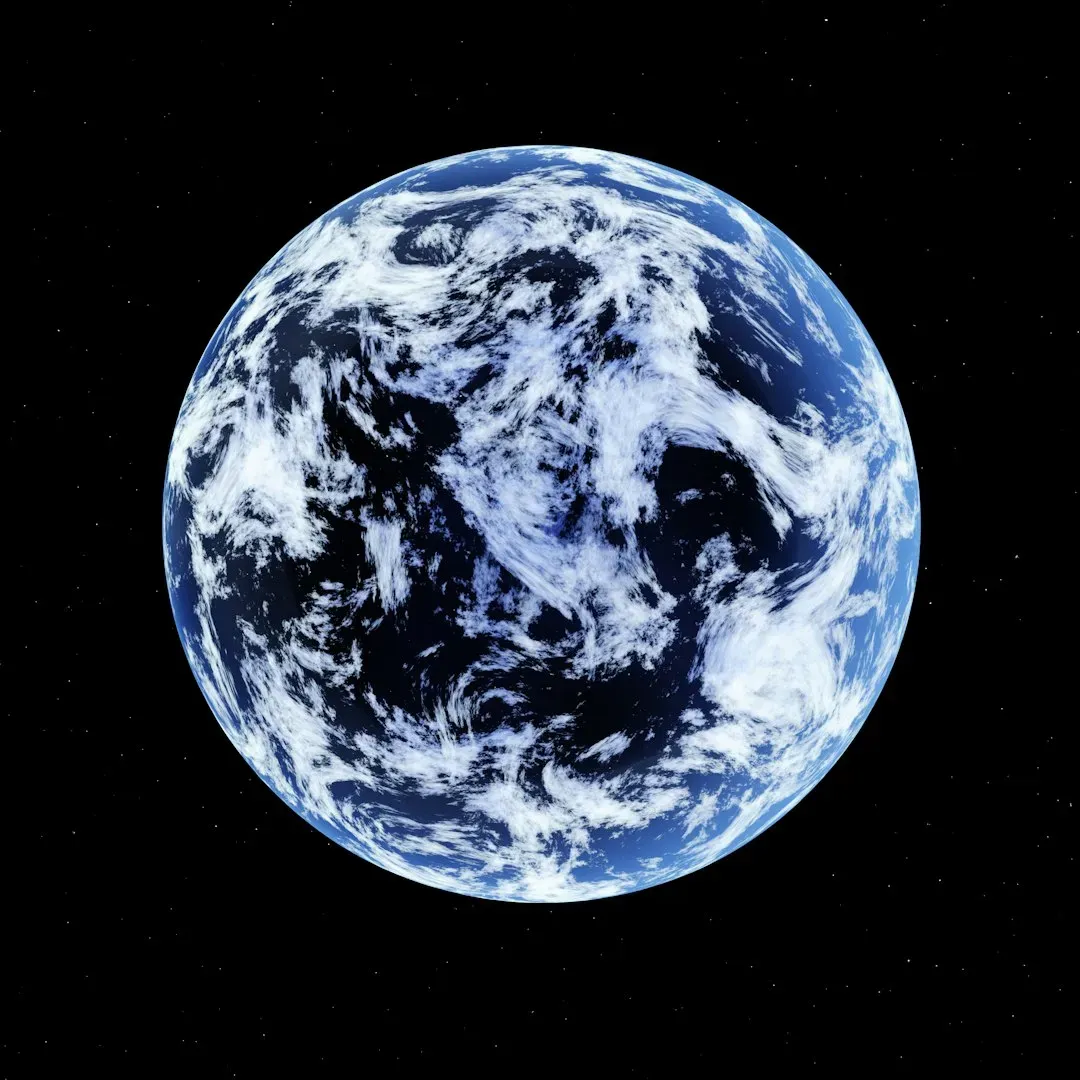
Here’s the puzzle that used to drive scientists crazy: if the Sun was so much dimmer, why didn’t Earth freeze solid? The answer, as far as current evidence points, lies in that thick, “wrong‑colour” sky. Early Earth’s atmosphere seems to have been loaded with powerful greenhouse gases like carbon dioxide and possibly methane, trapping heat very effectively. So even a faint sunrise carried enough energy, once filtered through that blanket, to keep surface temperatures high enough for liquid water to eventually exist.
Of course, this came with a steep price. The same gases that kept the planet from becoming an ice ball also made it utterly hostile to life as we know it. Oxygen was basically absent; there was no protective ozone layer to shield against high‑energy radiation; and the air itself would have been toxic to anything with lungs. That first sunrise, as beautiful as we might imagine it, was shining into an environment that could cook and sterilize the fragile molecules we now depend on.
No witnesses: a sunrise for rocks, not for eyes
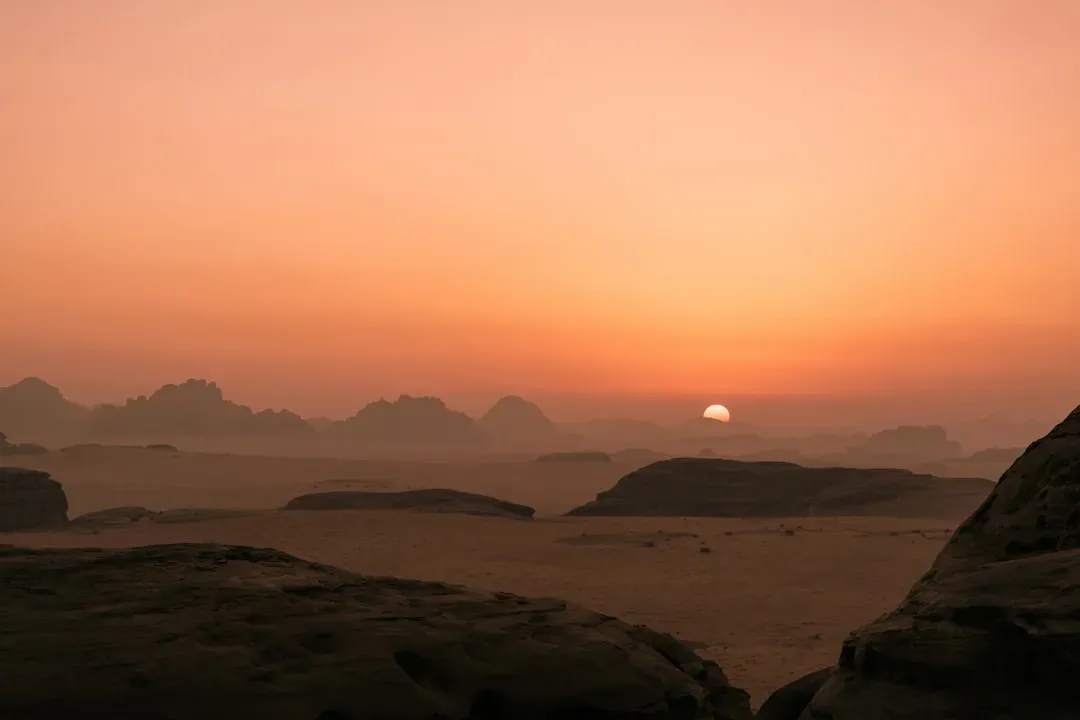
Maybe the most haunting fact of all is this: there were no observers. No eyes to squint against the glare, no cameras to capture it, no senses to feel anything at all. The first sunrise on Earth happened over silent rock, bubbling magma, and bare oceans. For a long time afterward, every dawn was an unnoticed event in a world without memory, a daily light show performed for an empty front row.
When life finally did emerge much later, it likely began deep underwater or in protected niches, shielded from UV radiation and surface chaos. Early microbes would not have been standing on a beach watching the Sun come up; they were busy surviving in chemical gradients, hydrothermal vents, or shallow seas. That means the planet practiced sunrises for hundreds of millions of years before anything living ever “saw” one, a bit like an orchestra rehearsing in an empty hall long before the audience arrives.
How imagining that sunrise changes our view of today
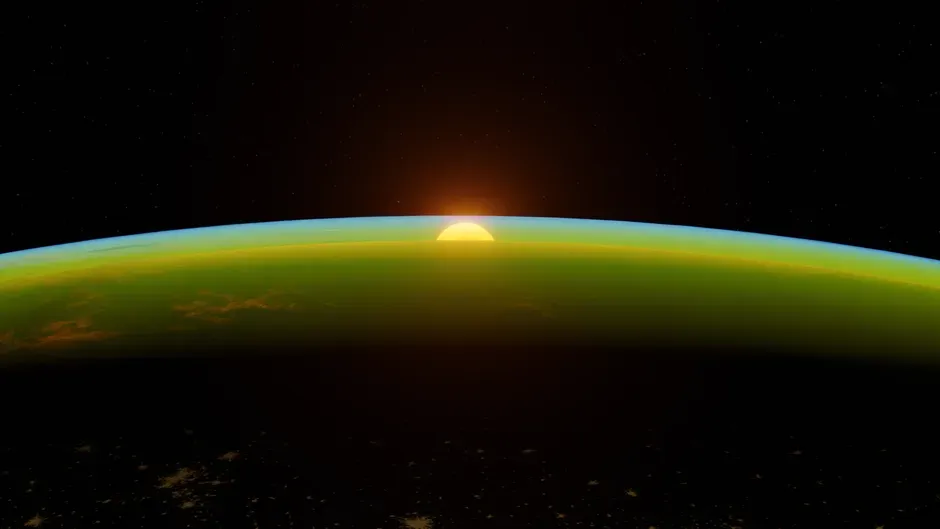
Thinking about this alien first sunrise is not just a neat mental exercise; it seriously shifts how we see our own place in the story. The fact that the sky was once the “wrong” colour and the Sun dimmer, yet somehow conditions slowly tuned themselves for life, makes today’s familiar blue dawn feel almost improbable. Every time we watch the horizon brighten, we’re seeing the outcome of billions of years of feedback between rock, air, water, and a steadily evolving star.
Personally, I find it humbling that the sunrise was here first, long before any witness and long before consciousness arrived to name it beautiful. It suggests that many other planets around distant stars might also be having their own unnoticed first dawns right now – alien skies glowing over lifeless rock, waiting for chemistry to stumble into biology. When you think about it that way, our ordinary morning suddenly feels like the latest chapter of a very long and very unlikely experiment, not just the start of another routine day.
Opinionated conclusion: the first sunrise was brutal, not romantic
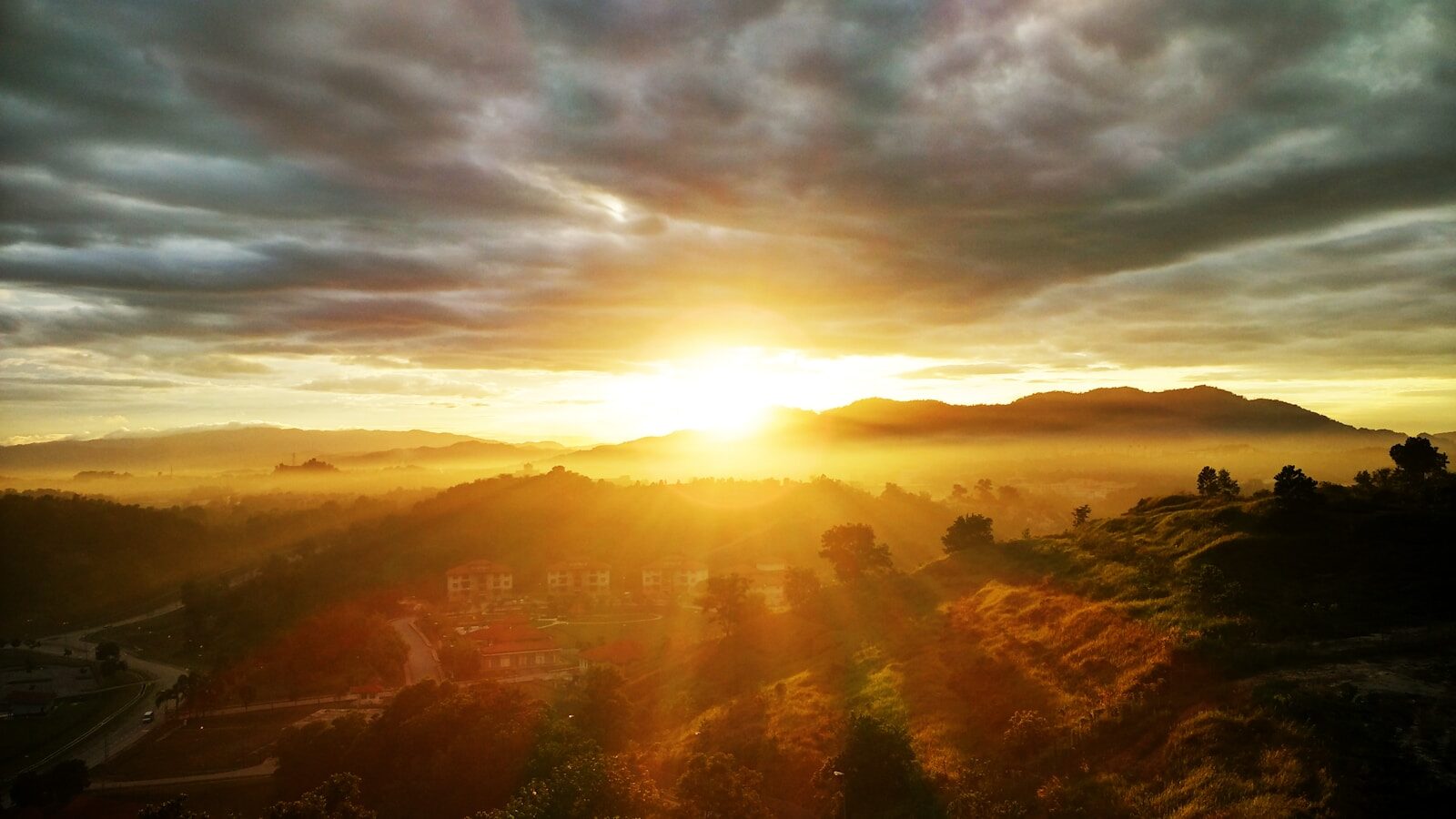
If you strip away the poetic temptation, that first sunrise was not some gentle, pastel moment full of quiet promise. It was harsh, filtered through toxic haze, shining on a violent world that would have killed anything remotely resembling us in an instant. In my view, that matters, because it undercuts the comforting myth that the universe is automatically friendly to life; clearly, it is not. Life has to claw its way into existence against fierce odds, and Earth’s early mornings are proof of that.
At the same time, the fact that our planet managed to transform that brutal, wrong‑coloured dawn into the blue, life‑soaked sky we know today is exactly what makes each sunrise worth noticing. You do not have to be sentimental to see it as a small daily miracle produced by absurdly long timescales and unforgiving physics. The first sunrise was indifferent; we are the ones who gave it meaning. Next time you watch the sky lighten, will you see just another morning, or the latest echo of a light that once shone on a completely empty world?