Picture this: not one CGI monster showdown, but entire ecosystems of real animals with teeth the size of your hand, claws like meat hooks, and brains constantly calculating eat or be eaten. The most intense prehistoric drama wasn’t a one‑on‑one “boss fight” the way movies like to show it. It was overlapping lives, shared hunting grounds, stolen kills, and unlucky juveniles stumbling into the wrong patch of forest or sea at exactly the wrong time.
What makes this even wilder is that many of these creatures really did cross paths in space and time. They left behind bones in the same rock layers, bite marks on each other’s skeletons, and even fossilized dung and footprints that tell a story more tense than anything on a cinema screen. Let’s dive into ten pairs (or groups) of prehistoric creatures that truly coexisted – and whose likely interactions were far more dramatic, messy, and complex than most films dare to show.
Tyrannosaurus rex and Triceratops: A high‑risk face‑off in the Late Cretaceous
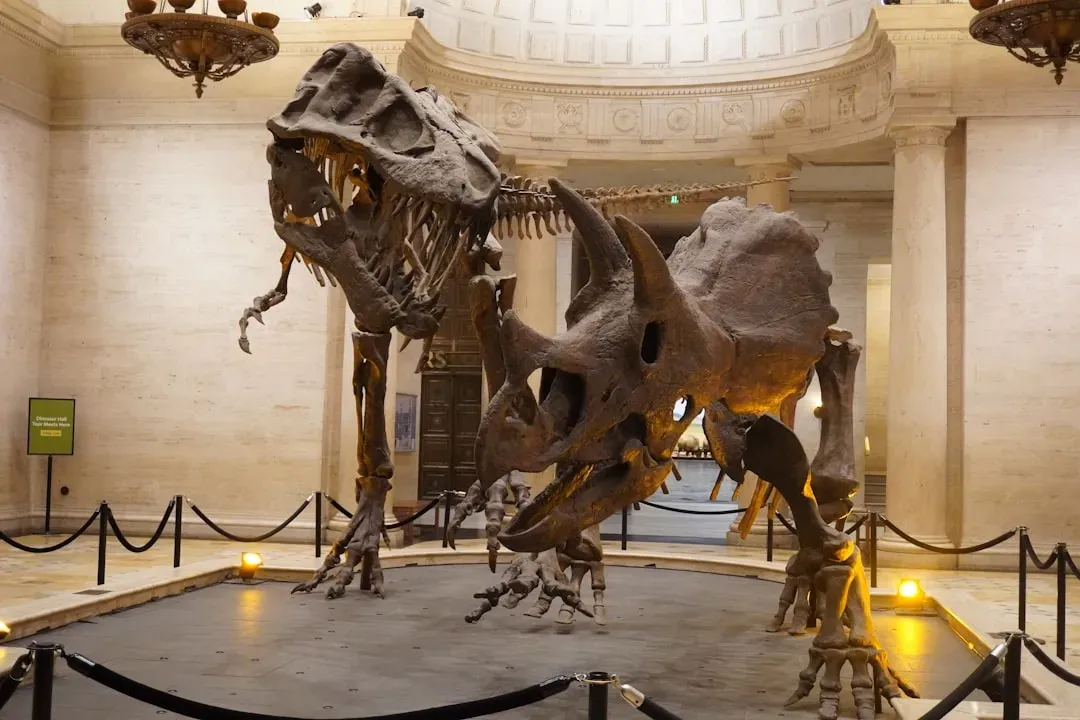
If there were ever two dinosaurs made for a dramatic showdown, it’s Tyrannosaurus rex and Triceratops. They lived in the same time and place in what’s now western North America during the very end of the Cretaceous, sharing floodplains and forests about sixty‑six million years ago. Instead of a simple “monster versus tank” brawl, their relationship was probably a constant game of risk calculation, with T. rex weighing the payoff of a huge meal against the very real danger of being gored.
Fossil evidence shows healed bite marks on Triceratops frills and brow horns that match T. rex teeth, hinting that these animals sometimes survived attacks and kept on walking with battle scars. Some Triceratops fossils also show signs of scavenging, so T. rex was likely both predator and opportunistic cleaner‑up of the dead. I sometimes imagine young T. rexes practicing on juveniles while adults stalked the outskirts of a herd, waiting for any sign of weakness – a limping Triceratops, a sickly juvenile – because one wrong lunge could end with a horn through a rib cage.
Velociraptor and Protoceratops: A desert struggle frozen in time
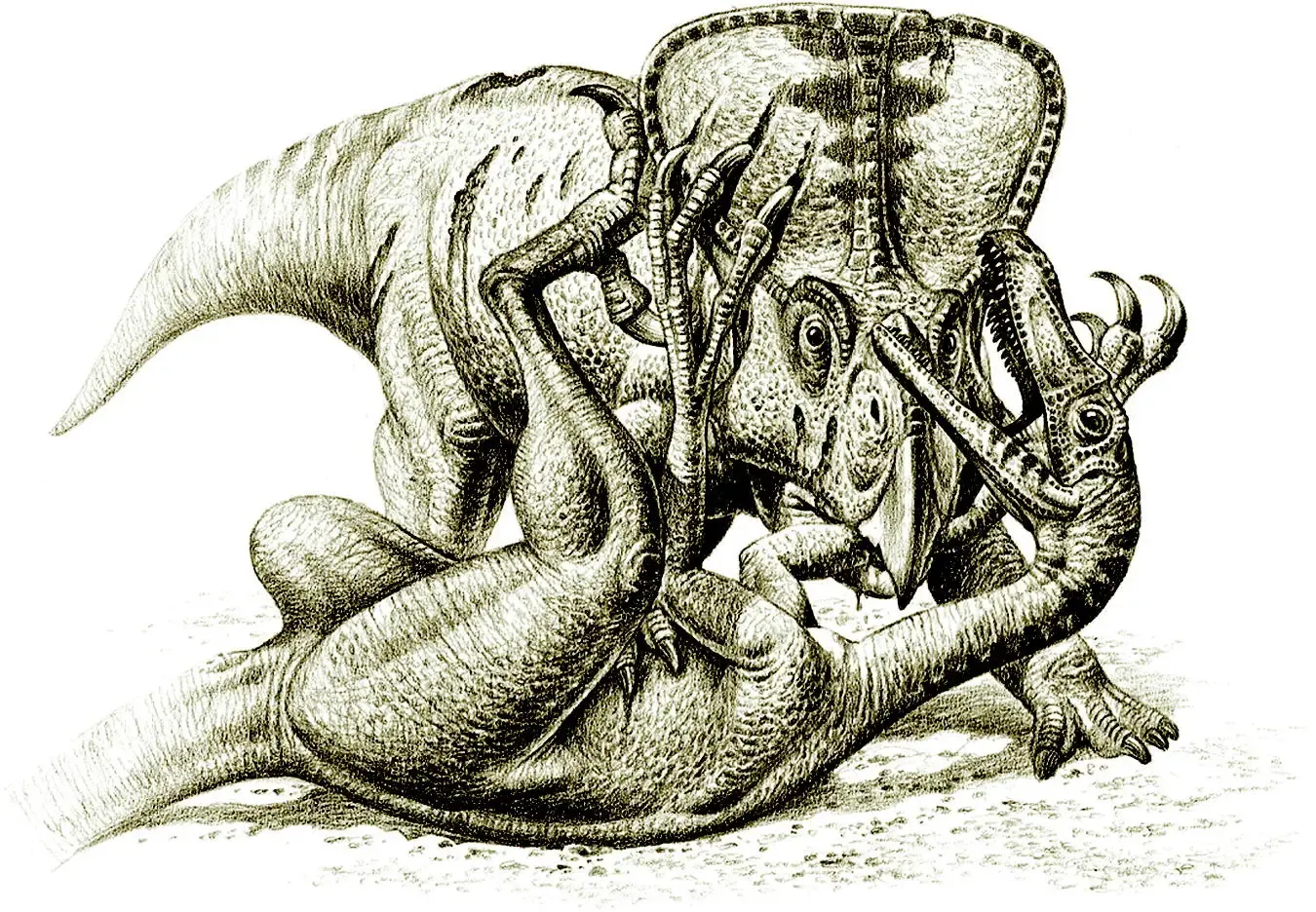
One of the most dramatic fossils ever found shows a Velociraptor locked in combat with a Protoceratops, both animals preserved mid‑battle as if someone hit pause on nature’s most brutal documentary. They lived together in the Late Cretaceous deserts of what is now Mongolia, in dusty dunes prone to sudden sandstorms and collapses. These weren’t jungle ninjas like in the movies, but tough, mid‑sized predators competing for survival in a harsh, dry environment.
The famous “fighting dinosaurs” specimen captures Protoceratops clamping its beak around the Velociraptor’s arm while the raptor’s sickle claw drives into the herbivore’s neck or belly. That fossil hints that these clashes were desperate and close‑quarters, more scrappy street fight than sleek ambush. It also suggests this sort of interaction wasn’t rare; predators and herbivores probably crossed paths constantly at water holes, nesting sites, and in shifting dunes, with many confrontations ending in stalemates, injuries, or double fatalities rather than clean, cinematic kills.
Spinosaurus, Carcharodontosaurus, and Ouranosaurus: A deadly Cretaceous triangle in North Africa
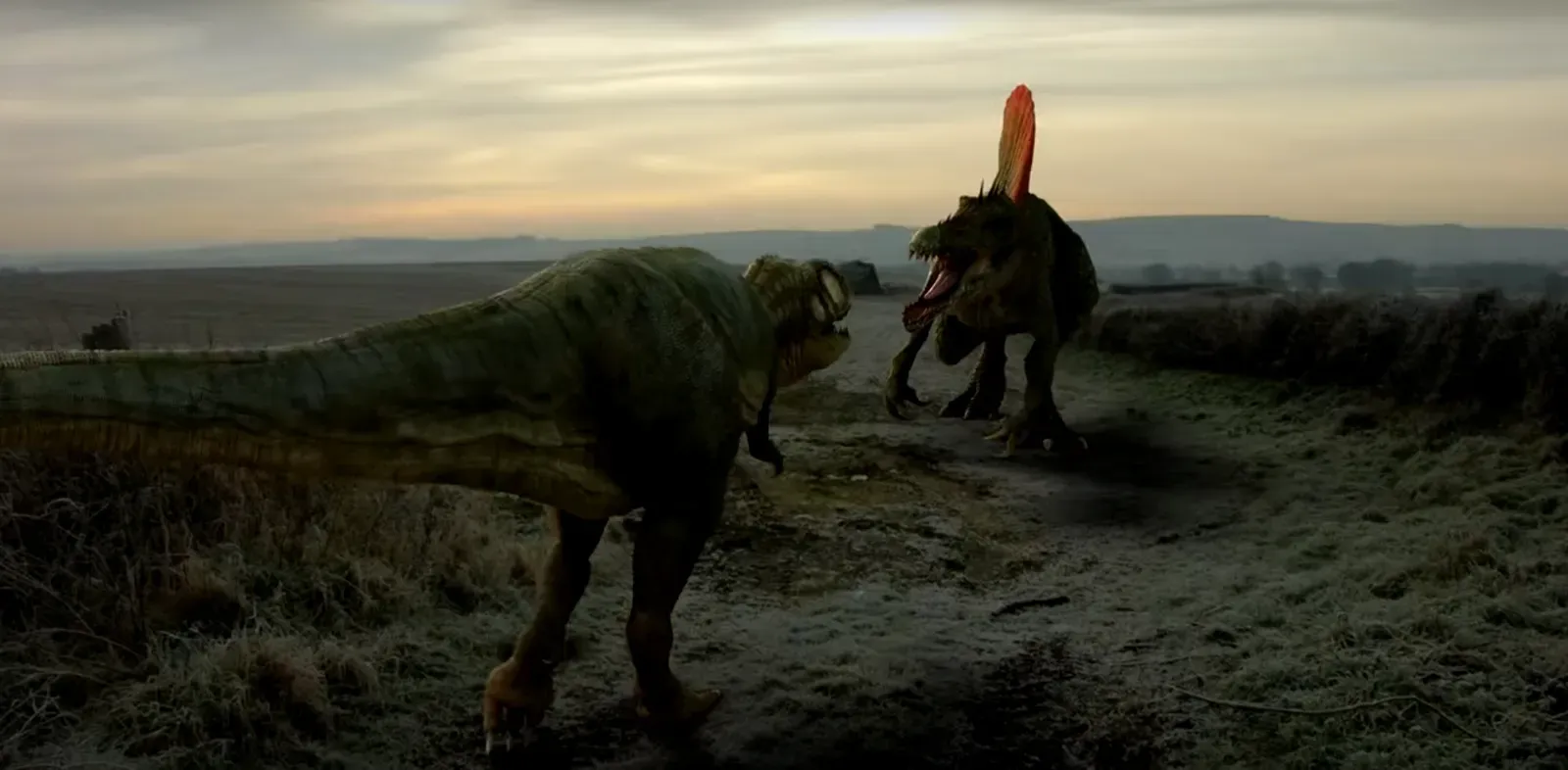
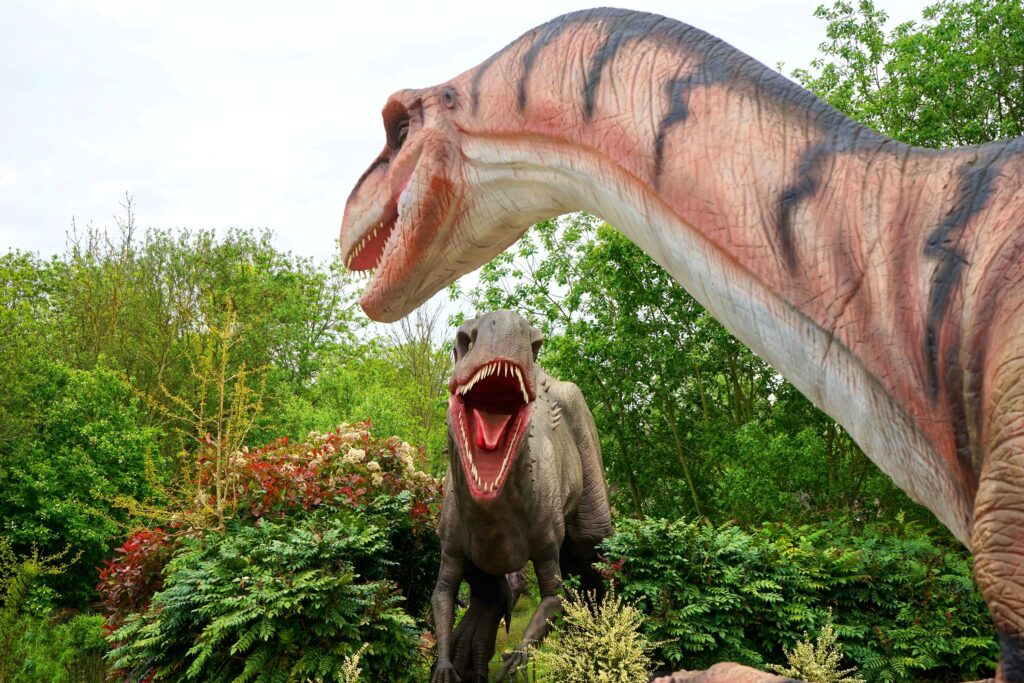
North Africa during the mid‑Cretaceous was basically the prehistoric equivalent of a high‑budget crossover movie: long‑snouted Spinosaurus, massive meat‑eater Carcharodontosaurus, and sail‑backed herbivores like Ouranosaurus all sharing river systems and floodplains. Surprisingly, Spinosaurus wasn’t just a land‑stalking killer; evidence points to a semi‑aquatic lifestyle, with adaptations for hunting fish in deep rivers and wetlands. That means it likely overlapped with more traditional big predators rather than replacing them.
Carcharodontosaurus, built more like a classic land‑based super‑predator, probably targeted large herbivores such as Ouranosaurus, whose tall back sail might have helped with display or temperature regulation but did nothing against a mouthful of blade‑like teeth. At the same time, both big carnivores would have scavenged whenever possible, very likely stealing carcasses from each other or clashing over a beached giant fish or drowned dinosaur. I like to imagine a dried‑season riverbank with a dead Ouranosaurus: one moment it’s Carcharodontosaurus’ prize, the next a wet, looming Spinosaurus hauls itself out of the shallows, turning an already grisly scene into a volatile standoff.
Megalodon and early baleen whales: A real‑life ocean horror story
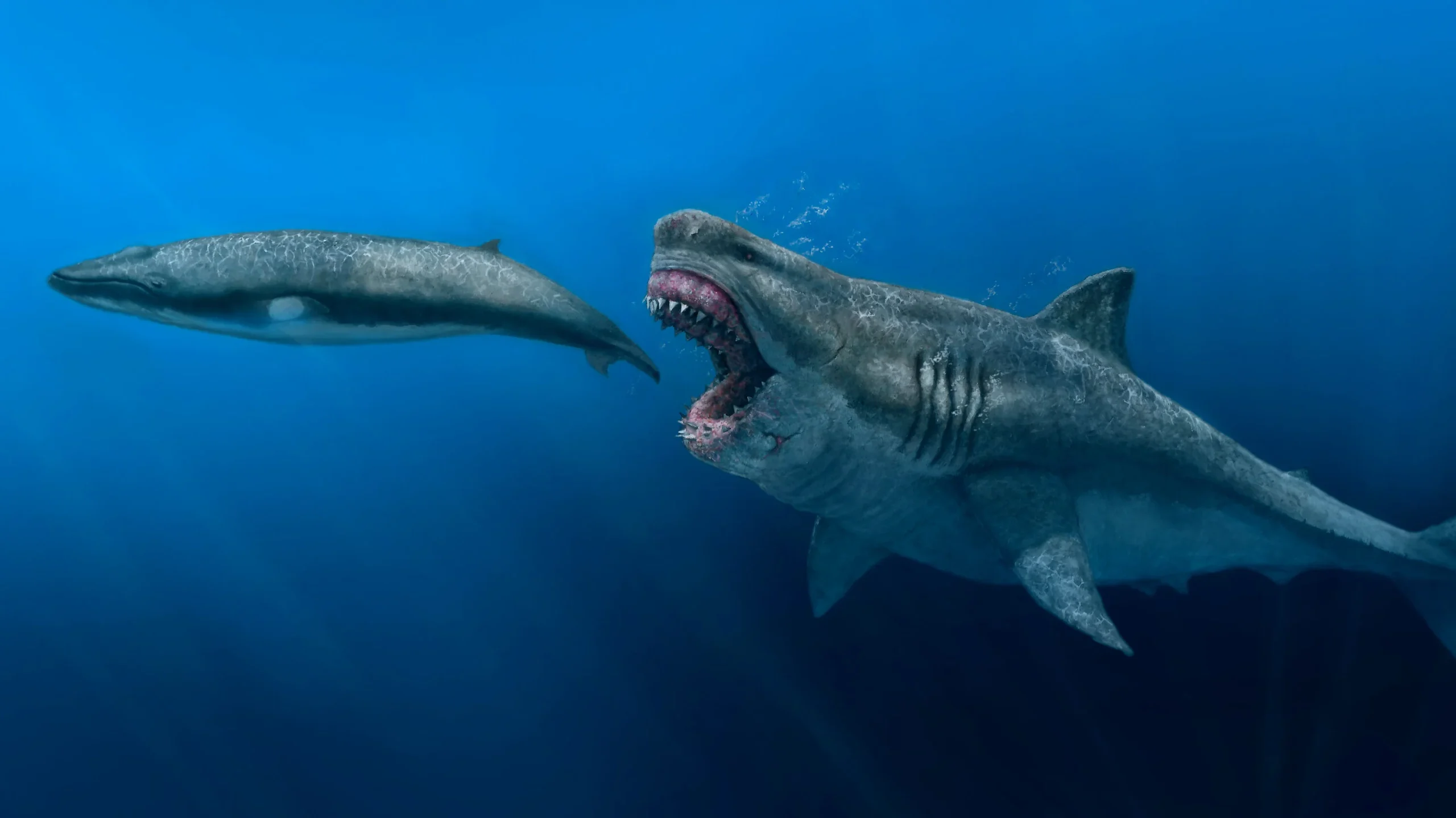
In the Miocene and Pliocene oceans, enormous sharks often called Megalodon cruised waters filled with early baleen whales and other marine mammals. These whales were not yet the super‑giants we picture today, and some fell squarely into the “ideal prey size” category for an adult Megalodon. Fossils of whale bones with deep, serrated bite marks that match Megalodon teeth suggest repeated attacks, with sharks targeting flippers, tails, and rib cages to immobilize or bleed out their victims.
Unlike film portrayals that show one shark terrorizing an empty ocean, the reality was likely more chaotic and social. Where one whale died, the scent of blood probably drew in multiple Megalodons and other scavengers, turning the site into a violent feeding event with animals jostling, ramming, and biting to get their share. I always picture it more like a frenzied street market gone wrong than a solitary horror scene: whales migrating, calves lagging behind, sharks shadowing the pods, and every miscalculation in navigation or health opening a door for a massive ambush from below.
Smilodon and giant ground sloths: Ambushes in the Pleistocene Americas
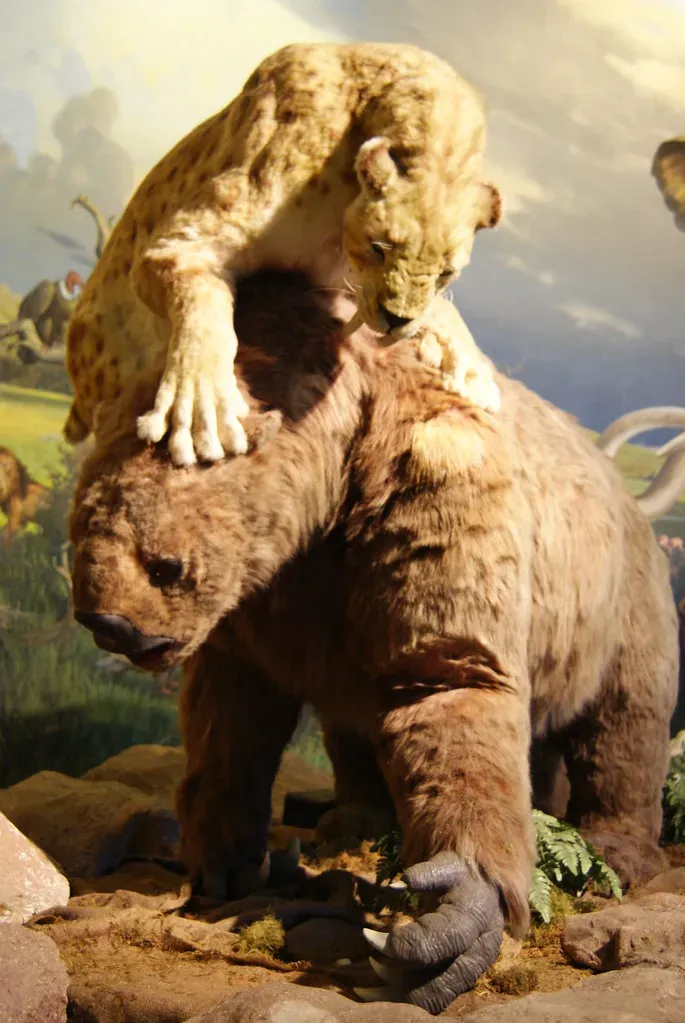
When people think of saber‑toothed cats, they often picture them hunting bison or horses, but they also shared their world with towering giant ground sloths in the Pleistocene of the Americas. These sloths, some as large as small elephants, were slow but heavily muscled, with long claws capable of inflicting serious damage. Smilodon, with its famously elongated canine teeth and stocky, powerful body, was likely an ambush specialist rather than a long‑distance runner.
Taking on a giant ground sloth would have been incredibly dangerous, more like trying to bring down a walking fortress than chasing a deer. Predators probably targeted juveniles or weakened individuals and relied on teamwork and surprise, striking from cover and trying to topple or destabilize the sloth before it could retaliate. I find it far more dramatic to imagine a tense, hidden approach in dense scrub or woodland, where one bad angle meant a cat could end up crushed or gutted by a swing of those massive claws.
Mammoths, cave lions, and early humans: A three‑way arms race
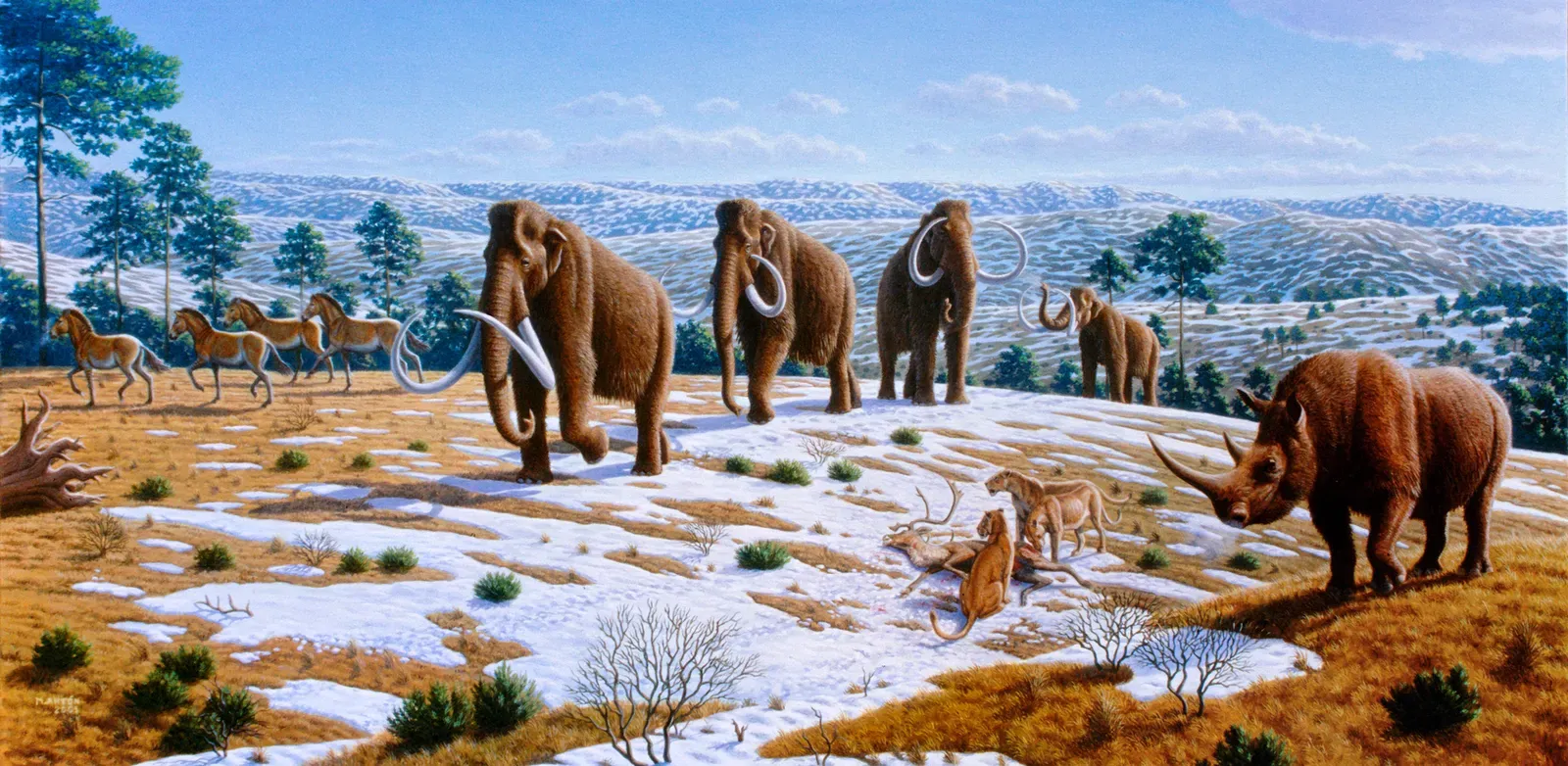
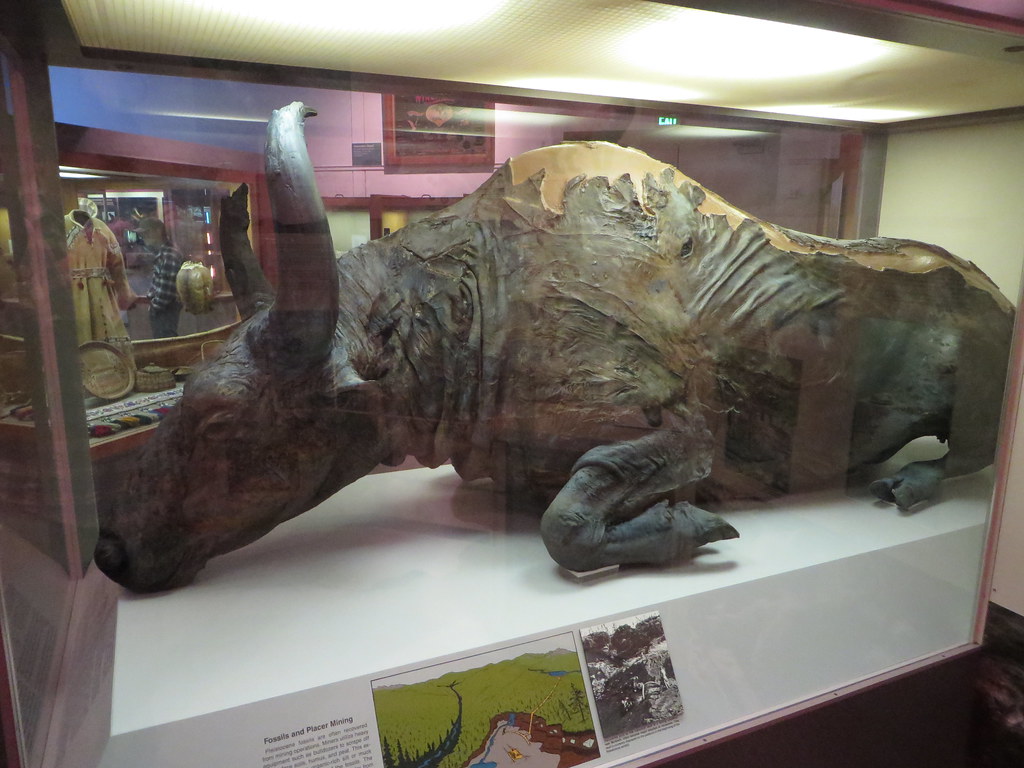
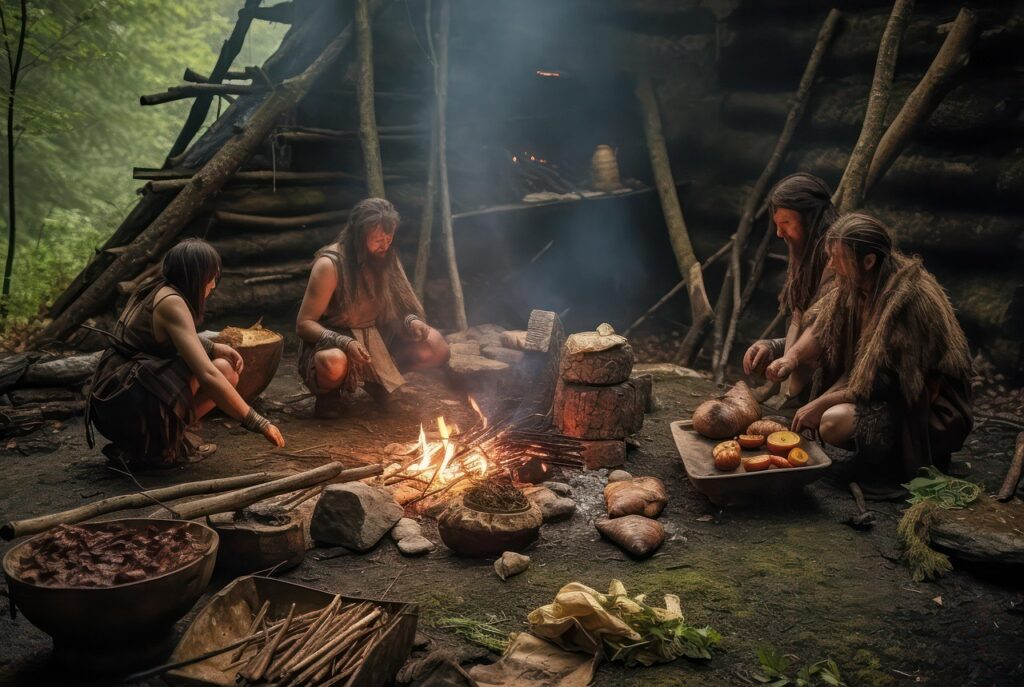
In the Ice Age landscapes of Eurasia, woolly mammoths, cave lions, and early humans all coexisted, creating an incredibly layered web of competition and opportunity. Mammoths moved in herds across cold steppe‑tundra, using tusks and size to challenge predators, while lions formed prides that may have hunted in groups, testing the edges of these massive herbivore defenses. At the same time, humans were learning how to use tools, strategy, and social cooperation to tip the balance in their favor.
This meant that interactions were not just predator and prey, but predator versus predator, and sometimes predator versus clever, tool‑wielding ape. Humans likely scavenged from lion kills and occasionally drove large cats away with fire, noise, and numbers, while both lions and people targeted vulnerable mammoth calves when the odds looked good. To me, this is one of the most cinematic periods nature ever staged: not a single dominant beast ruling the cold, but an uneasy triangle where every success for one side pushed the others to adapt or fail.
Ankylosaurus and Tyrannosaurus: Living tank versus bone‑crunching jaws
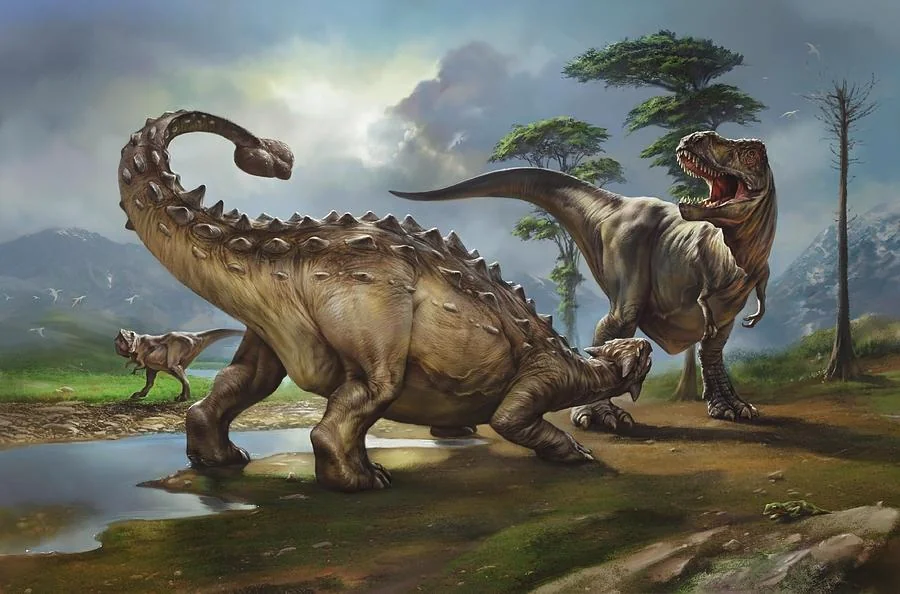
Late Cretaceous North America was not only the home of Triceratops and T. rex; it also hosted Ankylosaurus, a heavily armored dinosaur with a massive clubbed tail. This animal was essentially a low‑slung tank, covered in bony plates and knobs that would have made any predator think twice. Tyrannosaurus, on the other hand, had one of the most powerful bites of any land animal and a skull built to crush bone.
When these two crossed paths, it was probably less like a clean hero‑villain duel and more like a tense standoff. Ankylosaurus’ best defense was to keep its vulnerable underbelly away from T. rex and swing its tail at the predator’s legs or hips, where a well‑placed blow might shatter bone. T. rex would have tried to get in behind or above, looking for a weak point in the armor, and may often have decided an easier meal was better than gambling on a crippled leg. The drama here is in that constant weighing of odds: a predator with incredible power eyeing a prey animal that could, quite literally, break it in one lucky hit.
Quetzalcoatlus and hadrosaurs: Sky giants stalking dinosaur herds
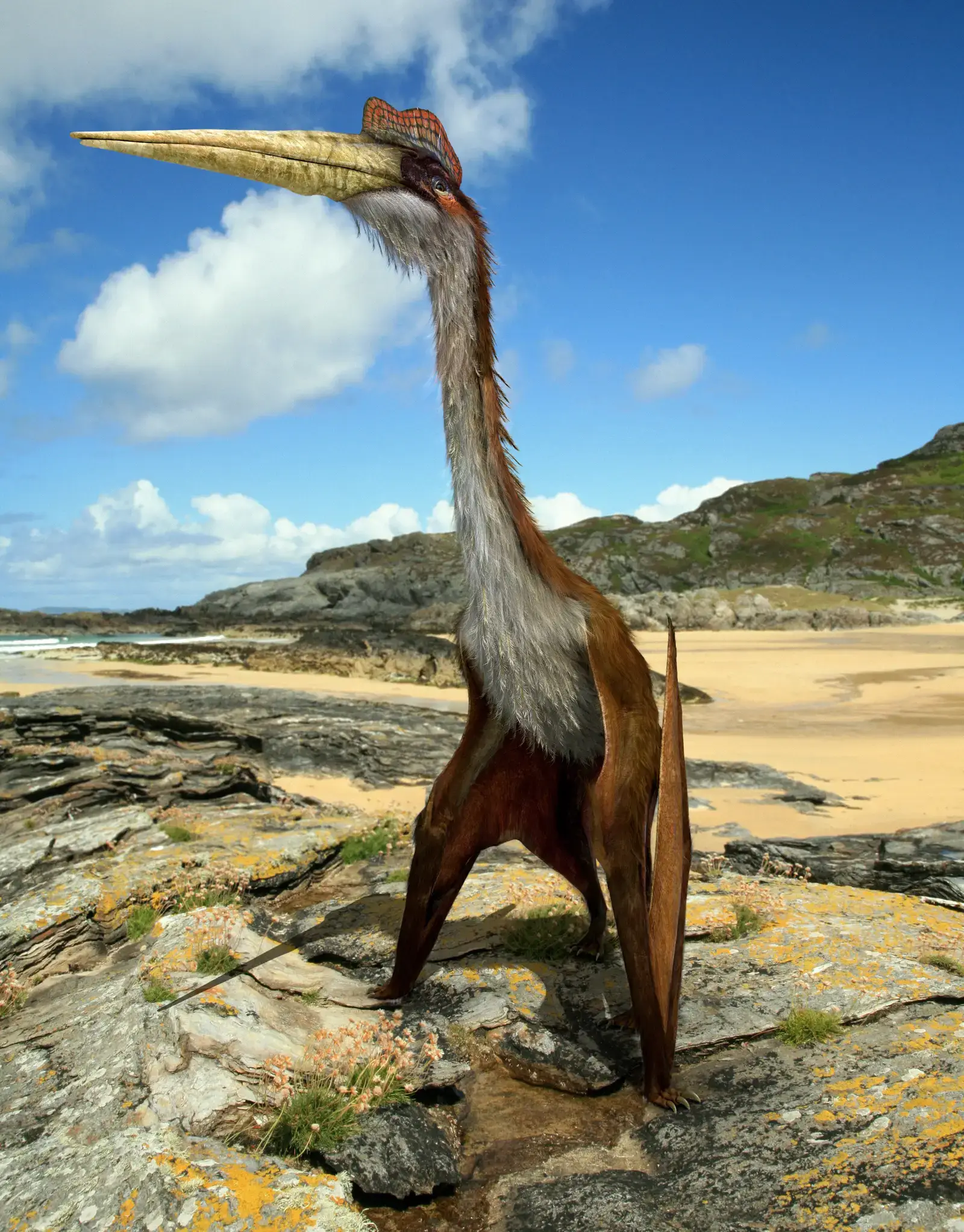
In the latest Cretaceous, enormous pterosaurs like Quetzalcoatlus soared over plains populated by hadrosaurs, the duck‑billed dinosaurs that often formed large herds. Quetzalcoatlus was roughly as tall as a giraffe when on the ground, with a huge wingspan that still boggles paleontologists today. Instead of being just a harmless sky ornament, it may have spent a lot of time stalking on land like a giant stork, picking off small animals and possibly vulnerable dinosaur hatchlings.
Hadrosaur nesting grounds, packed with eggs and tiny chicks, would have been tempting targets for such a powerful flyer. Picture a nesting colony: adults trumpeting and milling, juveniles darting around, while a few Quetzalcoatlus individuals cruise overhead, watching for a moment when a chick strays too far or a section of the colony thins out. Movies love to focus on big carnivorous dinosaurs, but a huge flying predator strolling through a nesting ground, snatching up the next generation, might have caused more daily dread than the occasional roaring theropod.
Deinonychus and Tenontosaurus: Pack tactics and desperate defenses
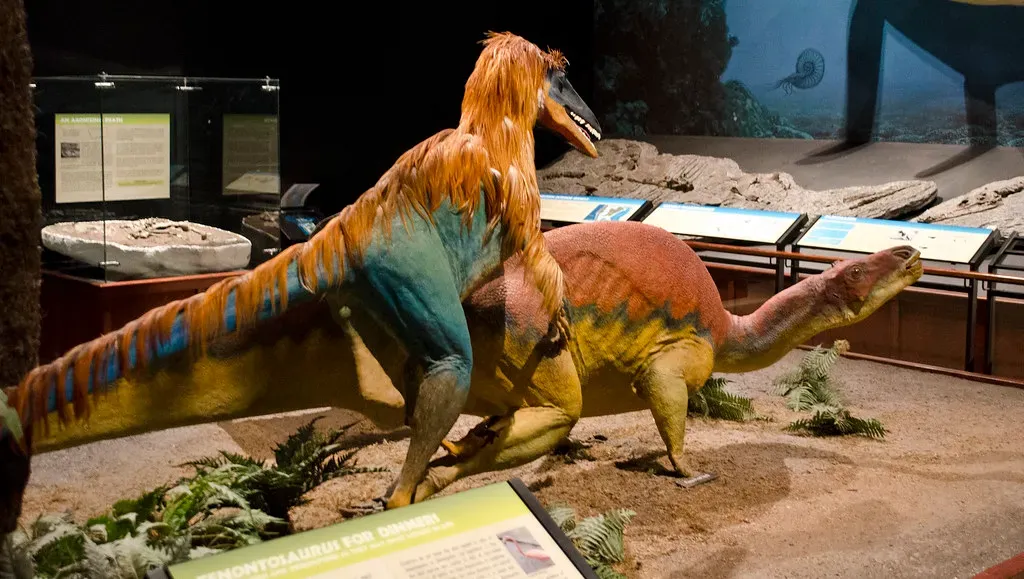
In Early Cretaceous North America, medium‑sized predators like Deinonychus lived alongside larger, plant‑eating dinosaurs such as Tenontosaurus. Several fossil sites preserve multiple Deinonychus individuals associated with a single Tenontosaurus carcass, which has led many researchers to suggest pack hunting or at least group feeding behavior. Even if they were more like rival scavengers than perfectly synchronized wolf packs, the sheer number of predators involved made every encounter more chaotic.
Tenontosaurus, while not as heavily armored as some later herbivores, was still a strong, muscular animal with a powerful tail that could be used to strike at attackers. A group of Deinonychus would likely have tried to harass from multiple sides, aiming for soft tissue and trying to wear down their prey over time. In my mind, these scenes look less like choreographed movie action and more like a messy, shouting match of claws, teeth, and flying dirt, where individuals sometimes pushed their luck too far and paid the price under a well‑timed kick or tail lash.
Dunkleosteus and early sharks: Armored terror in Devonian seas
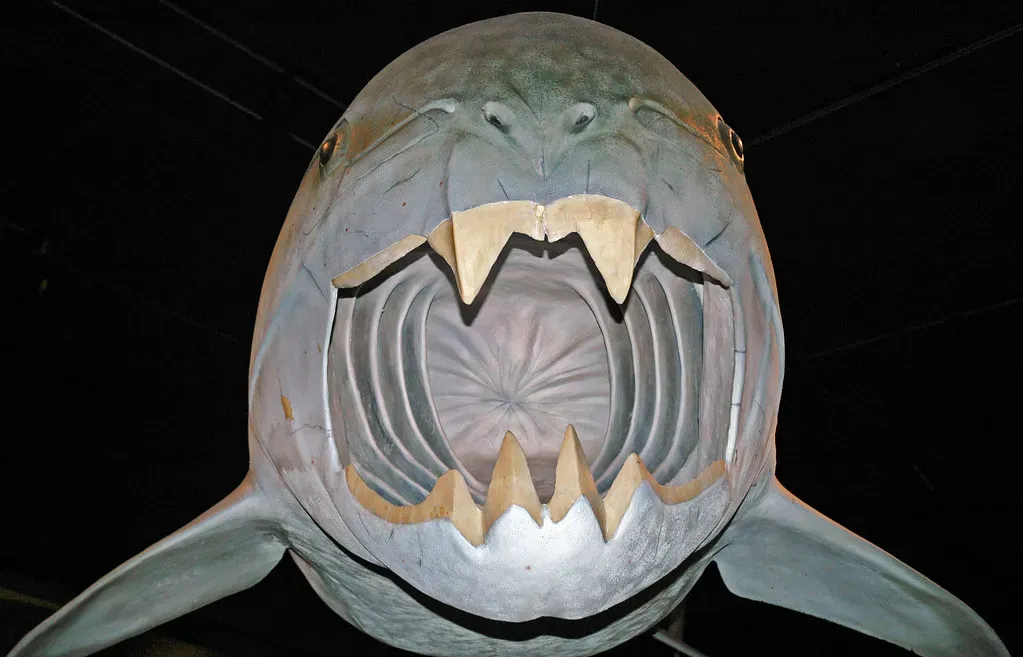
Travel even further back in time to the Devonian Period, and you’ll find seas ruled by armored fish like Dunkleosteus sharing the water with some of the earliest true sharks. Dunkleosteus was a massive, heavily plated predator with a jaw structure capable of generating crushing bite forces, using sharp bony plates instead of true teeth. Early sharks were smaller, less heavily built, and probably played more opportunistic roles, nipping at smaller prey and possibly scavenging leftovers.
When a Dunkleosteus attacked, the violence would have been sudden and decisive, but the aftermath might have been a magnet for smaller sharks and other scavengers. The presence of multiple predatory species in the same environment meant constant competition at carcasses and overlapping hunting ranges. I sometimes imagine a kill scene starting with one huge bite from Dunkleosteus, then devolving into a swirling mass of sleek, primitive sharks picking off scraps – a reminder that even the apex hunters rarely had their meals to themselves.
Conclusion: Nature’s original blockbusters were messier than the movies
When you look closely at these real prehistoric line‑ups, the first thing that stands out is how crowded and complicated their worlds really were. Predators did not live for dramatic one‑on‑one showdowns; they lived for marginal gains, stolen kills, injured rivals, and the constant search for an easier meal. Herbivores were not passive victims either, but armed with horns, armor, claws, intelligence, and sheer numbers that could turn an attack into a catastrophe for the hunter. To me, the actual fossil record paints something far grittier and more interesting than the clean, choreographed fights we get on screen.
Weaving these stories from bones and bite marks requires humility, because there’s still so much we do not know and might never fully see. But even with that caution, the evidence we do have suggests a world of relentless tension, evolving strategies, and everyday dramas that would make most action scripts feel tame. Maybe the real lesson is that nature never needed special effects; it already wrote the most intense show on Earth, one tooth mark and healed fracture at a time. When you picture these creatures now, do you still see movie monsters, or something even more astonishingly real?