
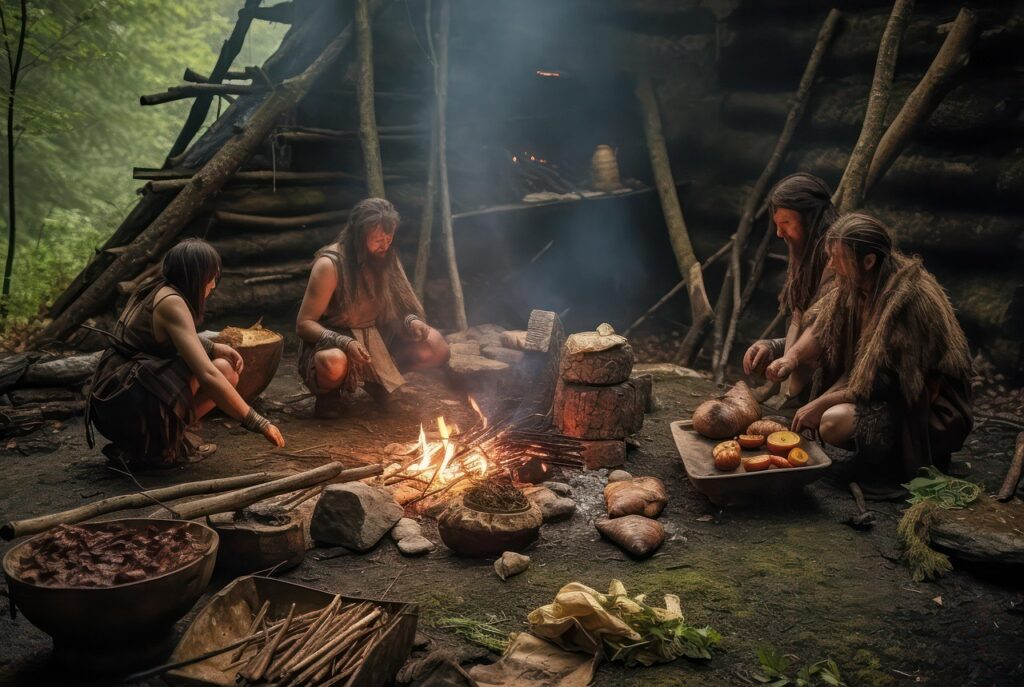
The Stone Age in cartoons looks like a never‑ending gag reel: pet dinosaurs as garbage disposals, bone-made cars, and cavemen yelling over giant slabs of meat. The real Stone Age was stranger, harsher, and in many ways far more impressive than anything that ever happened in Bedrock. If Fred Flintstone could time‑travel into actual prehistory, he wouldn’t crack jokes; he’d probably just stand there, stunned.
What really blows people’s minds is how sophisticated, emotional, and inventive Stone Age humans were. They were not half‑witted grunters waiting around to become “modern” – they were already problem‑solvers, artists, travelers, and survivors facing challenges most of us couldn’t handle for a single week. Let’s walk through eight facts that would absolutely drop Fred’s jaw to the floor.
1. Stone Age people were global travelers long before maps, cars, or compasses

Fred Flintstone drives his stone car down a single cartoony street; actual Stone Age people navigated whole continents and even crossed seas with nothing but their senses and simple tech. By the end of the last Ice Age, humans had spread from Africa into Europe, Asia, Australia, and the Americas, often using coastlines and rivers like prehistoric highways. That alone means they could plan routes, remember landmarks, and coordinate group movements over insane distances.
Archaeologists have found stone tools and human remains thousands of miles from their original homelands, which tells us people weren’t just wandering blindly; they were exploring, adapting, and sometimes returning to the same seasonal routes again and again. When I first really pictured this, it felt less like “cavemen” and more like a world of long‑distance hikers and open‑water sailors, except with no GPS, no gear shops, and no weather app to save them if they misjudged a storm.
2. Their tools evolved over tens of thousands of years – and some were incredibly specialized
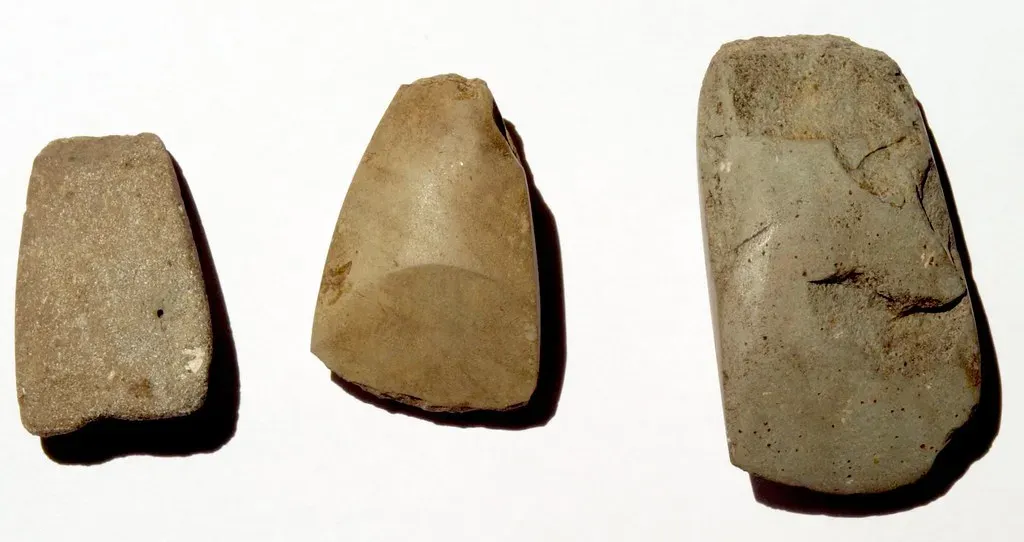
Cartoons show one generic “stone club” for everything, but in reality, Stone Age technology went through a very long and surprisingly sophisticated evolution. Early toolkits included chunky hand axes and simple flakes, but later cultures shaped spearpoints, tiny microliths that could be set into wooden shafts, bone needles for sewing, and even barbed harpoons for fishing. That is not “hit rock, make tool”; that is design, planning, and iteration over generations.
Think about how different a kitchen knife is from a scalpel or a saw; Stone Age people were making that kind of distinction with stone and bone. They adapted tools to specific jobs like piercing hides, scraping fat, drilling holes, or hunting different animals. The more you look at their gear, the more it feels like opening a packed toolbox in a mechanic’s shop – organized, purposeful, and clearly the product of trial, error, and shared knowledge.
3. The real “cave people” were artists and storytellers, not just hunters
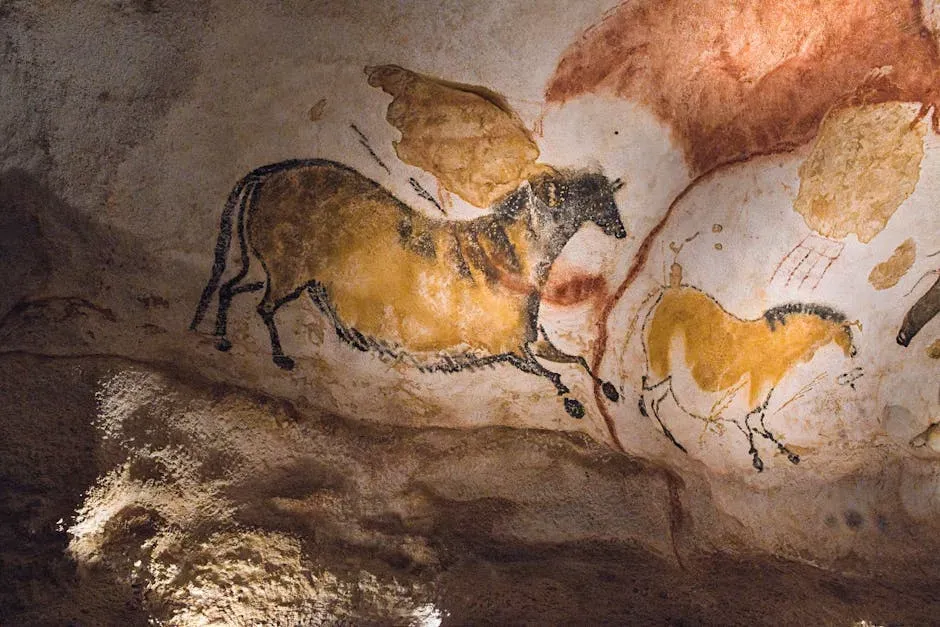
If Fred walked into an actual Ice Age cave, he’d probably stop mid‑catchphrase. Real Stone Age caves, especially in parts of Europe and Indonesia, are filled with detailed paintings of animals, hand stencils, abstract symbols, and possibly even early attempts at something like notation. These artworks often show movement and perspective, which means the artists were thinking visually in sophisticated ways, not just doodling for fun.
What hits me hardest is that many of these paintings are tucked deep inside dark caves where no one just casually wandered; people brought fire, pigments, and probably rituals into those spaces. That suggests storytelling, teaching, and shared ceremonies. Far from grunting at each other around a campfire, they were leaving messages on walls that have outlived entire civilizations, like ancient group posts meant for an audience thousands of years later – us.
4. Stone Age diets were far more varied (and clever) than giant cartoon drumsticks
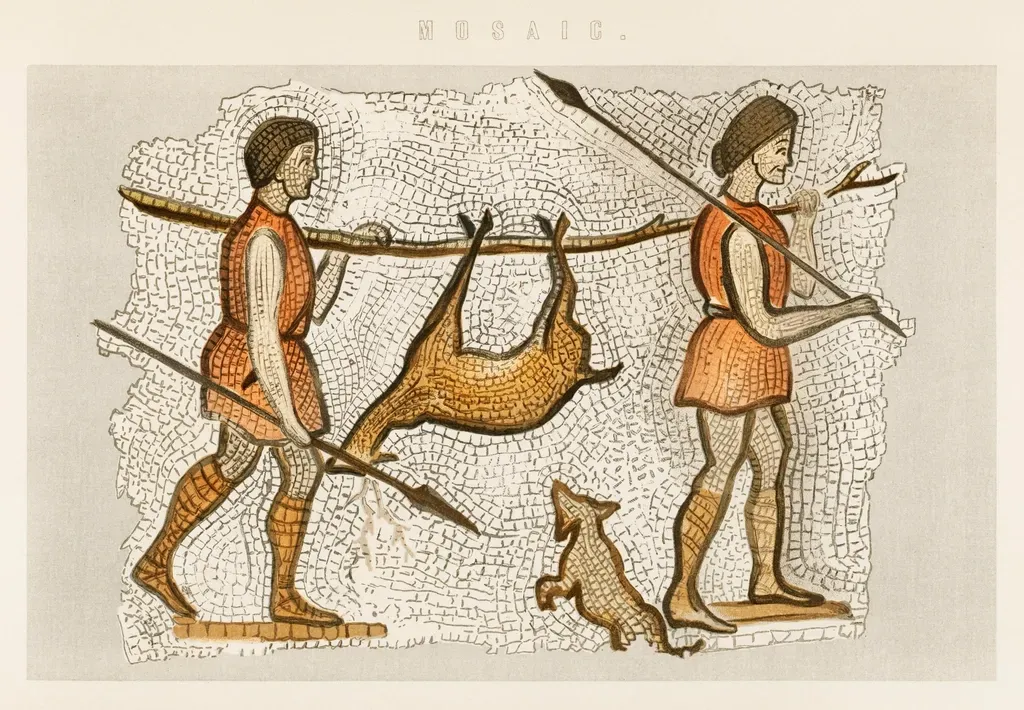
We love to imagine cavemen gnawing endlessly on cartoon‑sized ribs, but real Stone Age menus were shockingly diverse. Depending on where they lived, people ate everything from large game to fish, shellfish, birds, insects, nuts, roots, berries, and wild grains. In some places, plant foods may have made up a big chunk of the diet, which already shatters that simple idea of “meat all day, every day.”
Evidence from grinding stones and ancient dental tartar shows that people processed grains and cooked complex meals long before farming. They roasted, smoked, dried, pounded, soaked, and ground different foods to make them safer, tastier, and easier to digest. It’s a lot less like Fred attacking a single giant steak, and a lot more like a traveling pop‑up kitchen, constantly improvising recipes from whatever the landscape offered that season.
5. They survived climate swings and super‑predators we’d never cope with
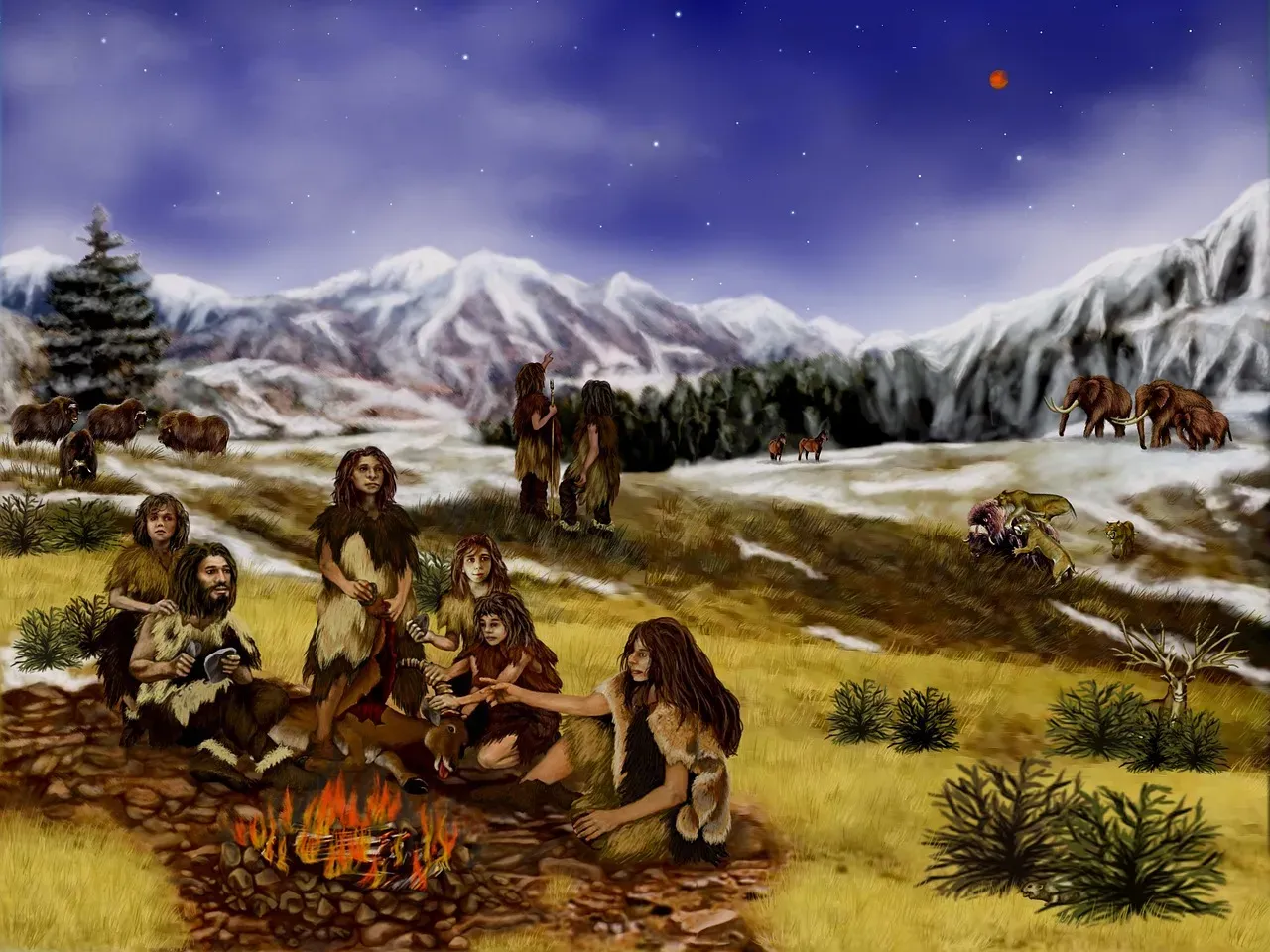
Fred’s biggest threats are falling rocks and slapstick accidents; Stone Age humans lived through ice sheets advancing and retreating, sea levels rising and falling, and ecosystems flipping like a switch. One generation might grow up in relatively mild conditions, while their grandchildren were forced to handle brutal cold or sudden droughts. Survival depended on reading the environment constantly and making adjustments before it was too late.
On top of that, they shared their world with big predators like saber‑toothed cats, giant hyenas, and enormous bears. Walking to the river for water wasn’t just a stroll; it could be a test of nerve, timing, and teamwork. The more I read about their world, the more modern life feels like playing the video game on easy mode, while they were permanently stuck on the hardest difficulty setting with no pause button and no extra lives.
6. Stone Age people cared for the sick and elderly, not just the strong

Cartoon cavemen usually toss aside anyone who can’t keep up, but the archaeological record shows something very different. Scientists have found skeletons of people who lived many years with severe injuries, disabilities, or illnesses that would have required help with everyday tasks. That means friends or family members fed them, protected them, and decided they were worth the extra effort even when resources were tight.
For me, this is one of the most powerful facts about the Stone Age: compassion is ancient. These groups were not just packs of ruthless survivors; they were communities with bonds strong enough to shelter the vulnerable. That tells us love, loyalty, and duty are not modern inventions at all. They might be some of the oldest technologies we have, as important as any spear or fire‑making kit when it came to keeping people alive.
7. Their brains and emotions were essentially like ours – and they grieved their dead
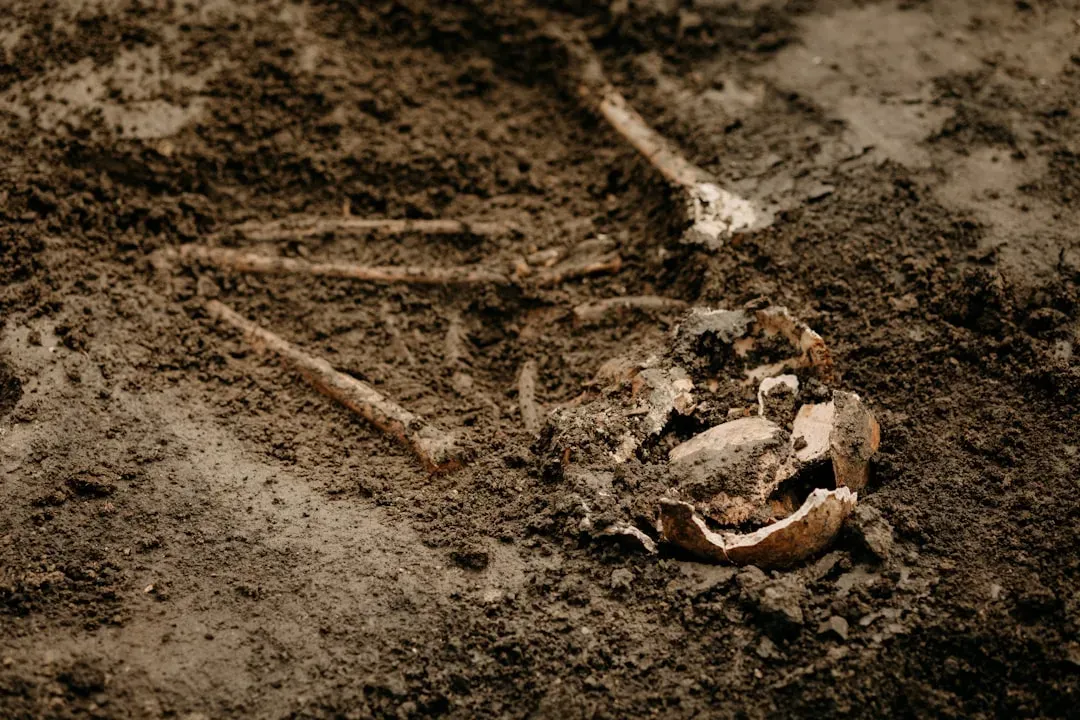
Fred Flintstone is written as basically a big kid with a club, but Stone Age humans of our own species had brains shaped like ours and probably shared the same emotional range: joy, jealousy, fear, hope, grief. Burial sites from tens of thousands of years ago show bodies carefully placed, sometimes with grave goods or sprinkled pigments, which hints at rituals and maybe beliefs about what happens after death. That is not a sign of simple minds; it is a sign of people wrestling with the same big questions we do.
When I imagine a small group mourning someone under a cold sky, placing their body gently and adding favorite objects, it suddenly collapses the distance between us and them. They were not just characters in a distant era; they were parents, siblings, and friends trying to make sense of loss. In a way, Fred might recognize that moment more than any stone car: love and sorrow are the most relatable technologies of all, no matter the time period.
8. The Stone Age didn’t end because people “got smarter” – it ended because materials changed
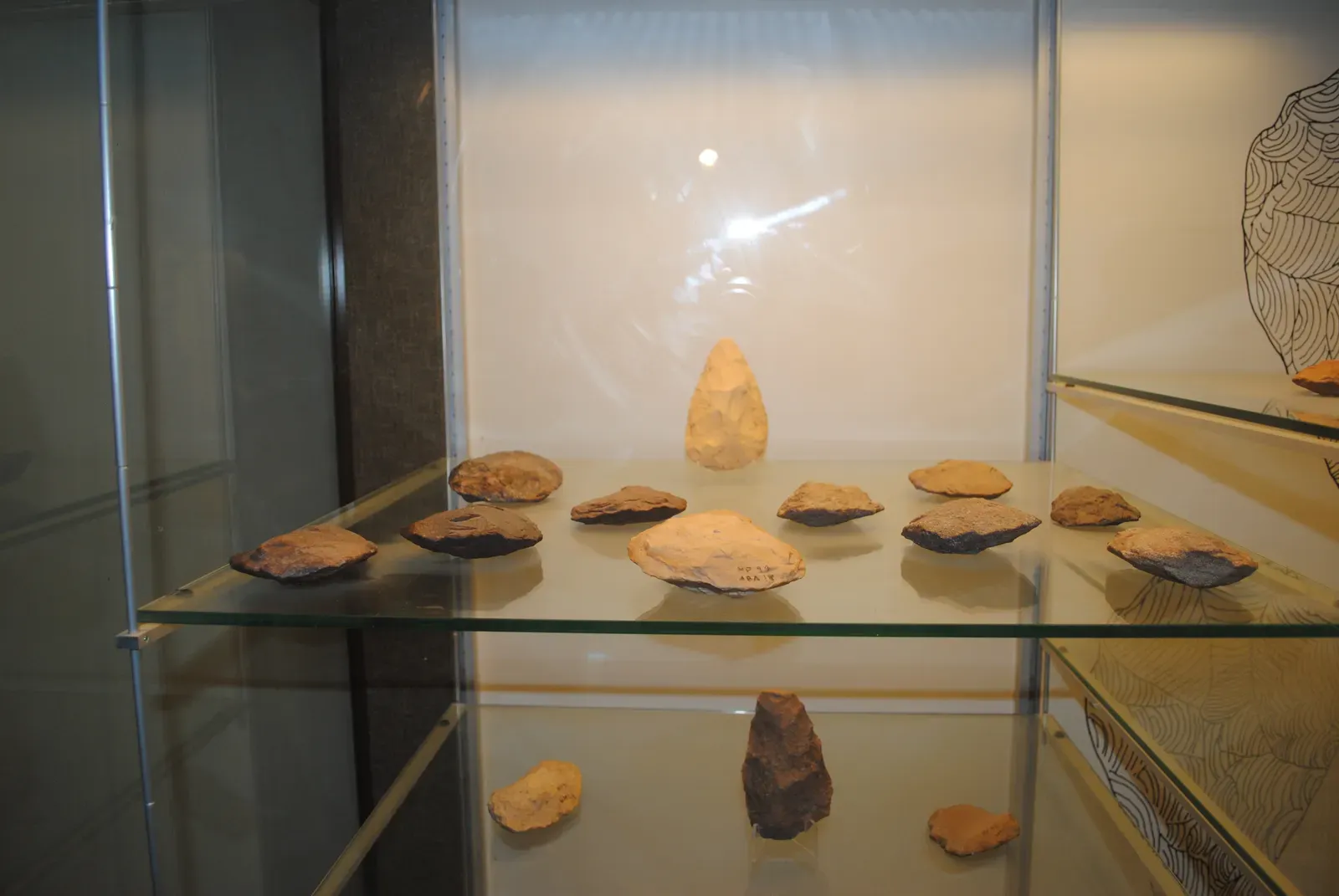
One of the biggest myths is that the Stone Age ended when humans finally became clever enough for something better. In reality, people who used stone tools were already smart; what changed was their access to new materials like metals and their shift into farming, settled villages, and eventually cities. The label “Stone Age” is something we invented later to describe a time when stone was the main raw material, not a time when people were half‑baked versions of us.
If Fred visited the last Stone Age communities, he might expect to see clueless cavemen, but he’d actually find fully capable humans who had already cracked fire, language, social rules, navigation, art, and engineering within the limits of rock, bone, and wood. In my opinion, we underestimate them partly because it makes us feel special. The uncomfortable truth is that if you swapped a newborn from then with a newborn from now, raised in the right environment, they could probably handle smartphones, exams, and rush‑hour traffic just as well as any of us.
Conclusion: The Stone Age was less “Yabba Dabba Doo” and more quiet brilliance under pressure
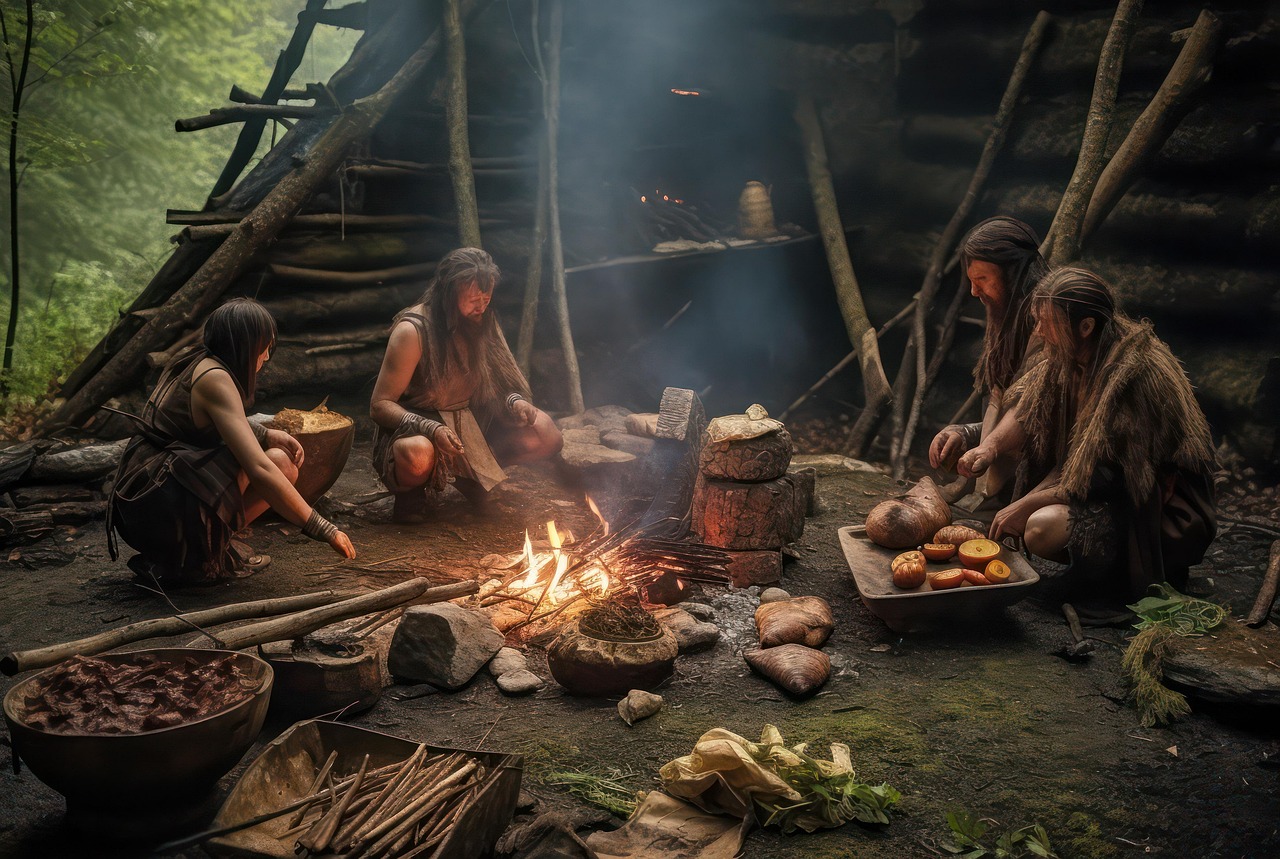
The more you look at the real Stone Age, the more the cartoon version feels like a parody of people who actually earned a lot more respect. These were global explorers, careful artists, inventive engineers, and devoted caregivers living on the edge of survival without any of the backups we rely on today. Calling them “primitive” is like calling a mountain climber under‑equipped because they don’t have an elevator to the summit; it completely misses the point of what they achieved with what they had.
If anything, I think the real shock is realizing how thin the line is between their world and ours: same species, same emotional hardware, just totally different environments and tools. Instead of seeing them as the punchline before history truly began, maybe we should treat them as the first long chapter of the same story we’re still writing. When you picture that, whose jaw should really be hitting the floor – Fred Flintstone’s, or ours?