If the Tyrannosaurus rex in Jurassic Park had acted anything like the animal scientists now think actually walked the Late Cretaceous, half the iconic scenes would fall apart instantly. The rain‑soaked car attack, the flares, the “don’t move, it can’t see us” moment – all of that hangs on an image of T. rex that paleontology has been quietly tearing down for years.
What we have today is a creature that’s stranger, smarter, and in many ways more unsettling than the movie monster. Some changes would make the T. rex less terrifying, others more unnerving in a slow, psychological way, but almost all of them would force a completely different script. Let’s walk through ten facts that, if they’d been known and respected in 1993, would have turned Jurassic Park into an entirely different film.
T. rex could probably see you just fine, even if you did not move
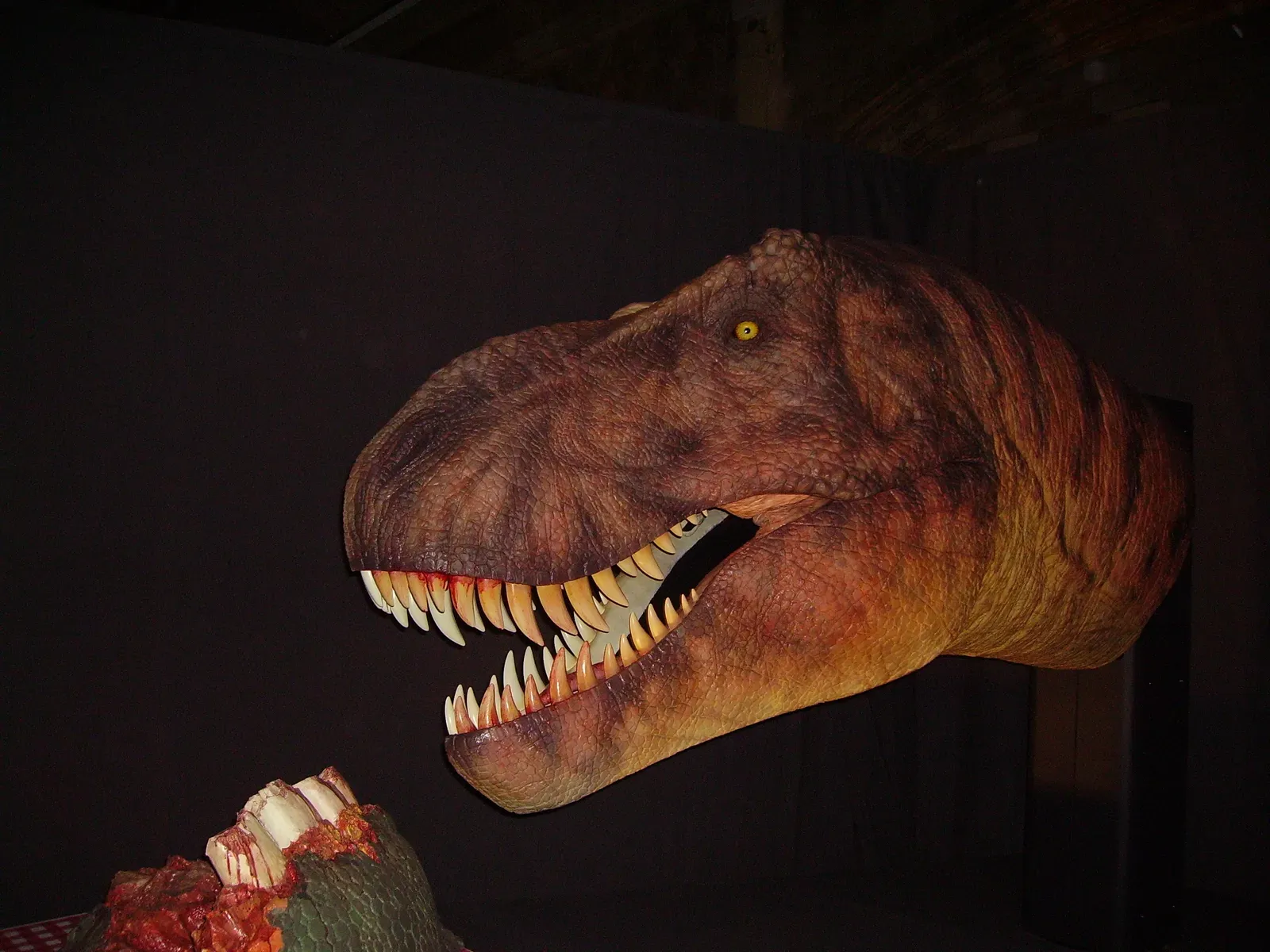
One of the most famous lines in Jurassic Park is the claim that T. rex vision is based on movement, which is why the characters freeze in terror as the animal sniffs around the car. In reality, the skull of T. rex shows forward‑facing eye sockets with a wide field of binocular vision and large optic lobes in the braincase, suggesting very good eyesight. Reconstructions of its visual abilities indicate depth perception and acuity that could rival or exceed that of large birds of prey, not some lumbering monster fooled by a statue‑still snack.
If the film had followed this, that quiet, statuesque moment in the rain would turn into instant horror. The kids huddled in the car would not get a pass for playing dead; they would be glowing outlines against the night, easy to track even in low visibility. The suspense would shift from “can we stay perfectly still?” to “how do we break its line of sight or confuse it long enough to escape?” – a much more tactical, almost heist‑like kind of tension.
Its sense of smell would make most hiding spots pointless
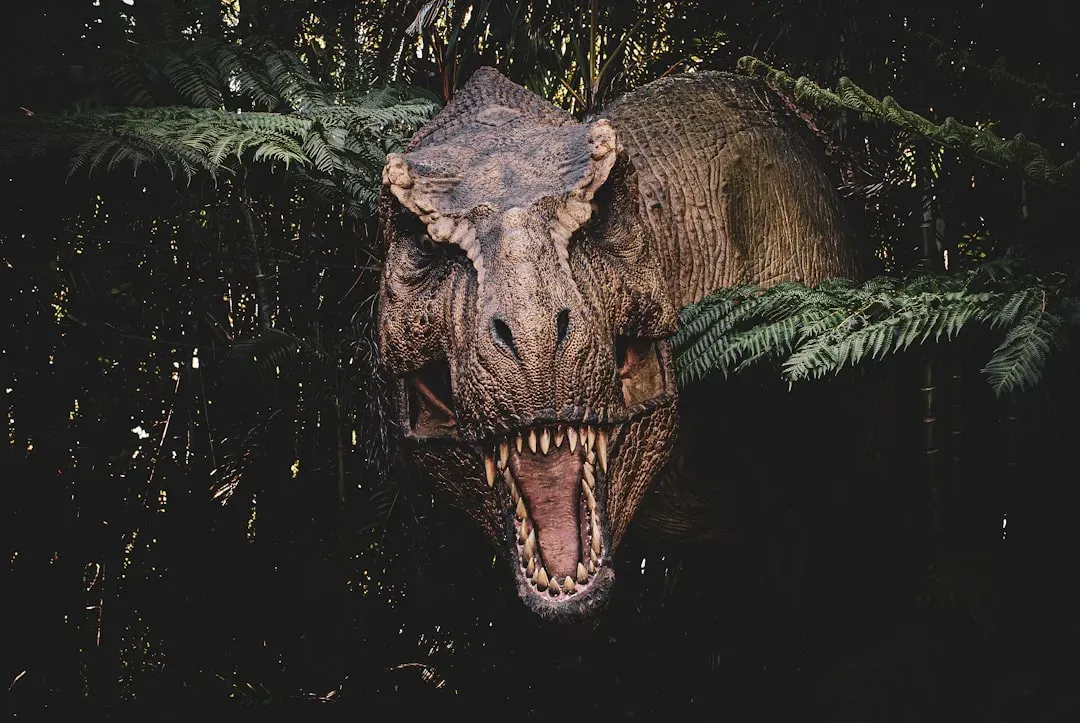
The real T. rex probably had an absurdly powerful sense of smell, thanks to an enlarged olfactory region in its brain. The bony structures in its skull and comparisons with modern animals suggest it could track carcasses or prey over long distances, the way vultures and some mammals can find food from far away. In other words, if you were anywhere upwind and even slightly sweaty, you were advertising your position like a neon sign.
In the film, characters repeatedly rely on ducking behind cars, hiding under branches, or slipping into buildings to lose the T. rex. A smell‑driven hunter would make that strategy basically worthless. The horror would feel more like being hunted by a bloodhound that weighs several tons – you could run, zigzag, slam doors, but this animal would keep looping back toward you, following invisible scent trails written across the landscape. That slow inevitability might be less jump‑scare and more psychological dread.
T. rex was likely partially feathered, not a scaly movie monster
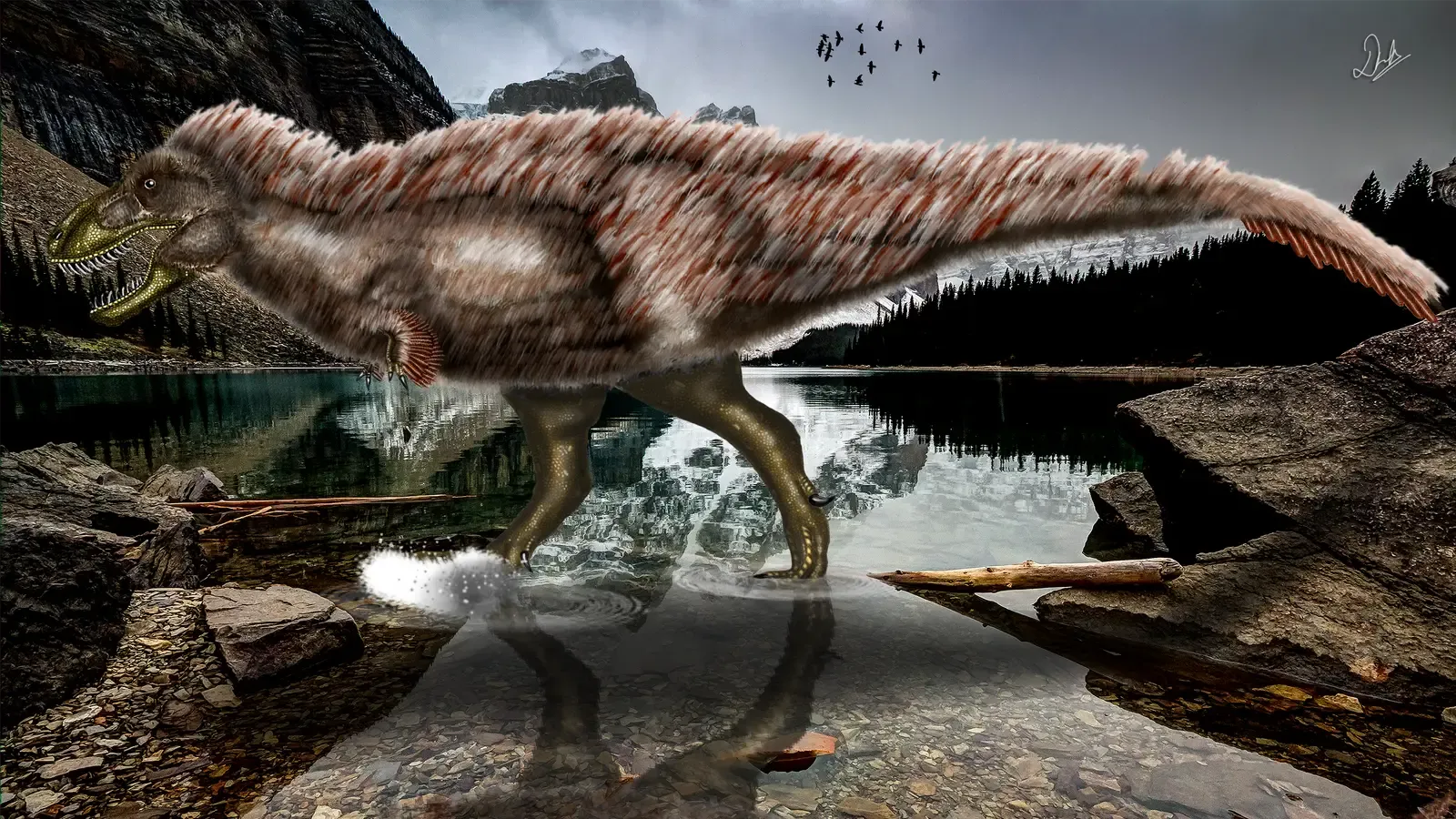
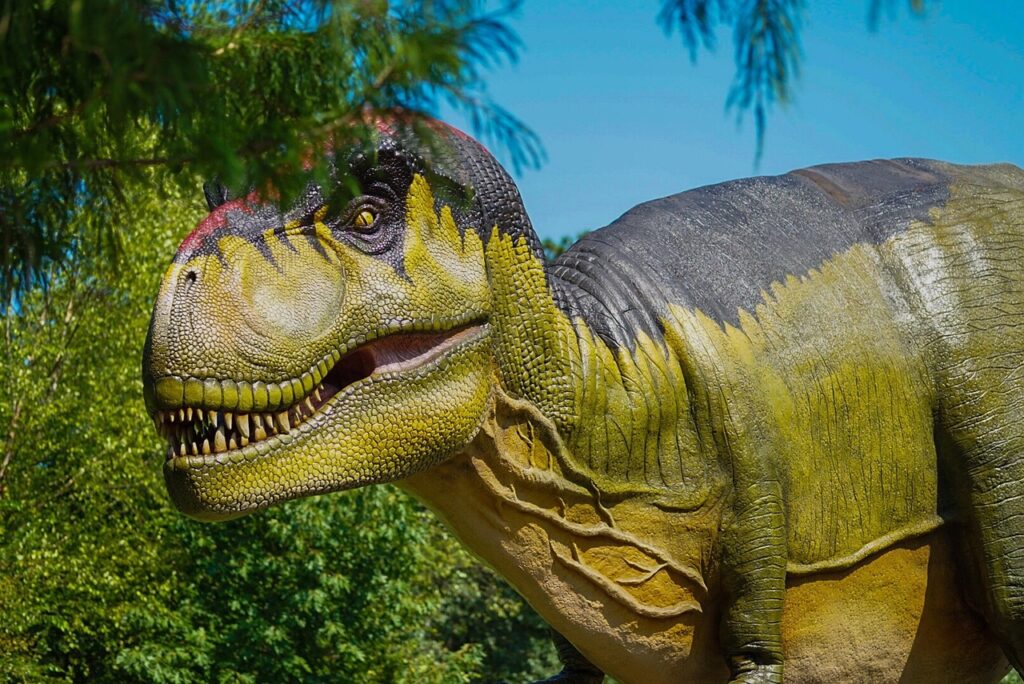
Jurassic Park’s T. rex is all dark scales and crocodile skin, a visual shorthand for “ancient reptile” that still dominates pop culture. Fossil evidence from relatives of T. rex, especially earlier tyrannosaurs, shows that many of them had feathers or feather‑like coverings. While we have not yet found a fully feathered T. rex fossil, the evolutionary pattern strongly suggests that at least juveniles, and maybe even adults on parts of their bodies, sported some type of feathering.
On screen, a feathered or partially feathered T. rex would be a shock. Instead of a uniform dark hide, you might see shaggy proto‑feathers along the arms, neck, or tail, giving it a more bird‑of‑prey vibe than lizard‑from‑hell. That would instantly change the cinematic language: you are no longer dealing with a living tank, but something that feels faster, more agile, and unsettlingly familiar – like a giant, murderous version of the birds raiding your backyard feeder. It might even make the animal scarier in a grounded, uncanny way.
It was not the lumbering, clumsy sprinter the film implies
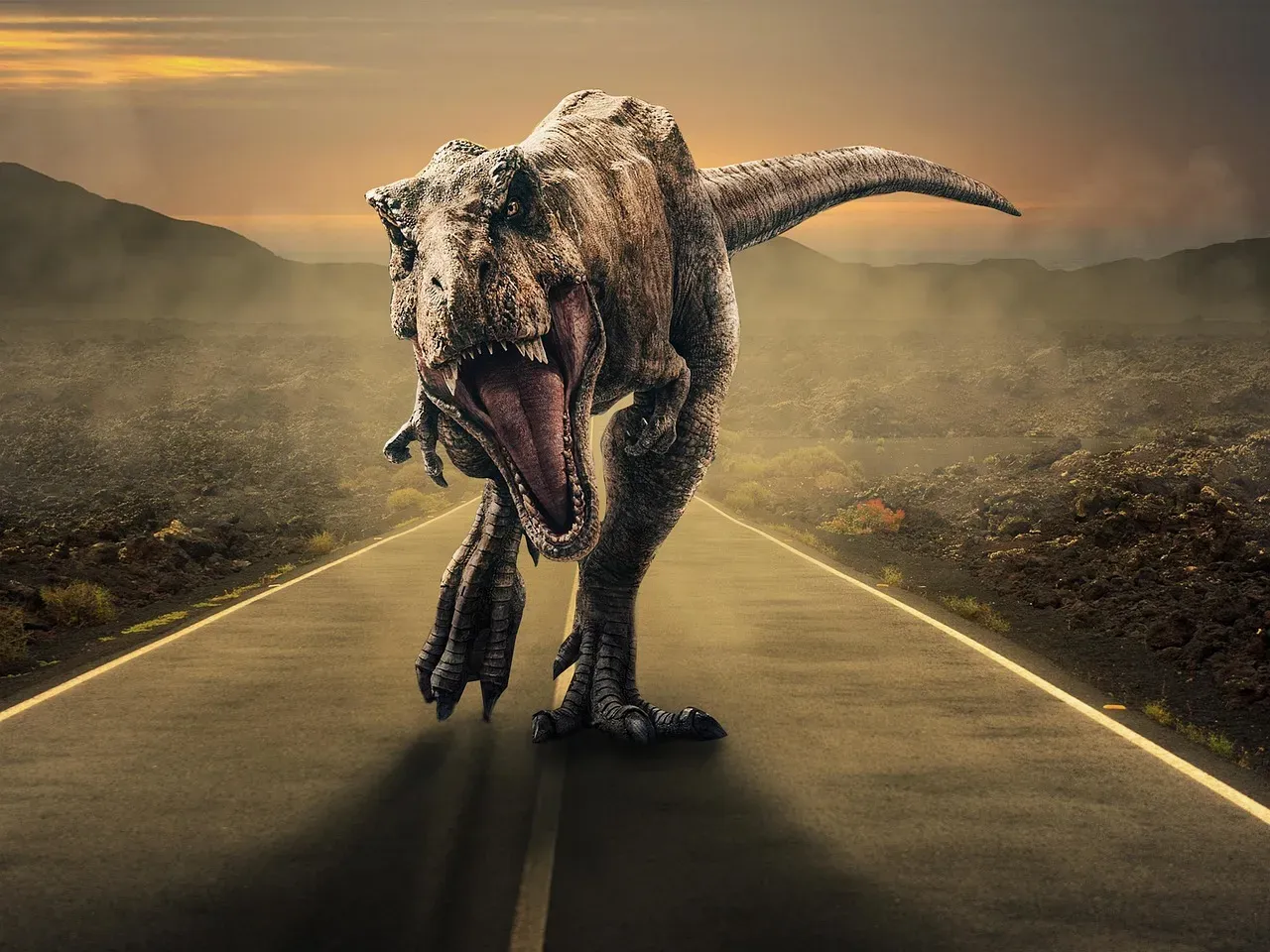
Jurassic Park loves the image of a T. rex thundering after a speeding Jeep, each footstep a mini‑earthquake. Modern biomechanics paints a more nuanced picture. Calculations based on bones, muscles, and stress on the skeleton suggest that T. rex was powerful and fast for its size but unlikely to reach highway speeds. It was probably more of a heavy, athletic power‑walker or moderate runner than a 40‑mile‑per‑hour sprinter.
If the film had embraced this, that chase scene would look different. Instead of a T. rex nearly keeping pace with a vehicle, you might see it using terrain, ambush points, or surprise rather than pure speed to get close enough to strike. The tension would come from not knowing where it would appear next – from the tree line, over a ridge, around a building – instead of simple footrace suspense. I actually think that kind of stealthy, strategic movement could have been far more unnerving.
It probably had a surprisingly strong bite but a less dramatic roar
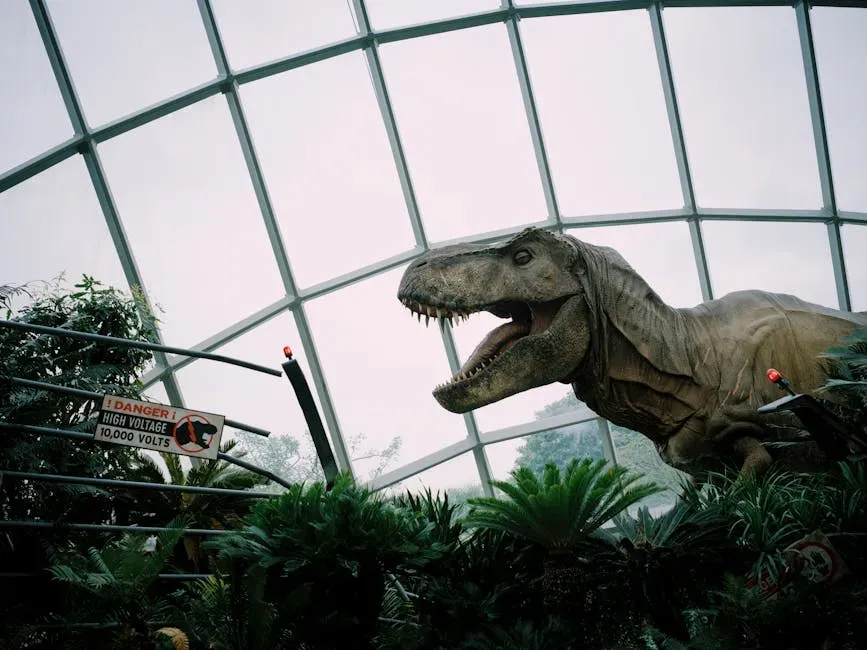
Scientifically, T. rex’s bite is one place the movie actually undershoots reality and overshoots it at the same time. Estimates suggest that T. rex had one of the most powerful bites of any land animal ever, easily crushing bone – which matches the idea of it snapping through cars and fences like toys. But when it comes to the sound of that iconic roar, there is no evidence it sounded anything like a lion mixed with a jet engine. Modern birds and crocodilians, its closest living relatives, produce lower, sometimes rumbling or hissing calls rather than theatrical roars.
Imagine Jurassic Park where the T. rex does not announce itself with a deafening roar every time it enters a scene. Instead, you might hear low, unsettling rumbles you feel in your chest more than your ears, or even near‑silence until it is frighteningly close. That would change the whole sound design of the film from “monster movie” to “creeping dread,” with the real horror being the sudden crunch of bone or metal when it finally commits to an attack. I honestly think audiences would have found that subtle approach deeply disturbing.
T. rex was not just a mindless killer – it had a relatively complex brain
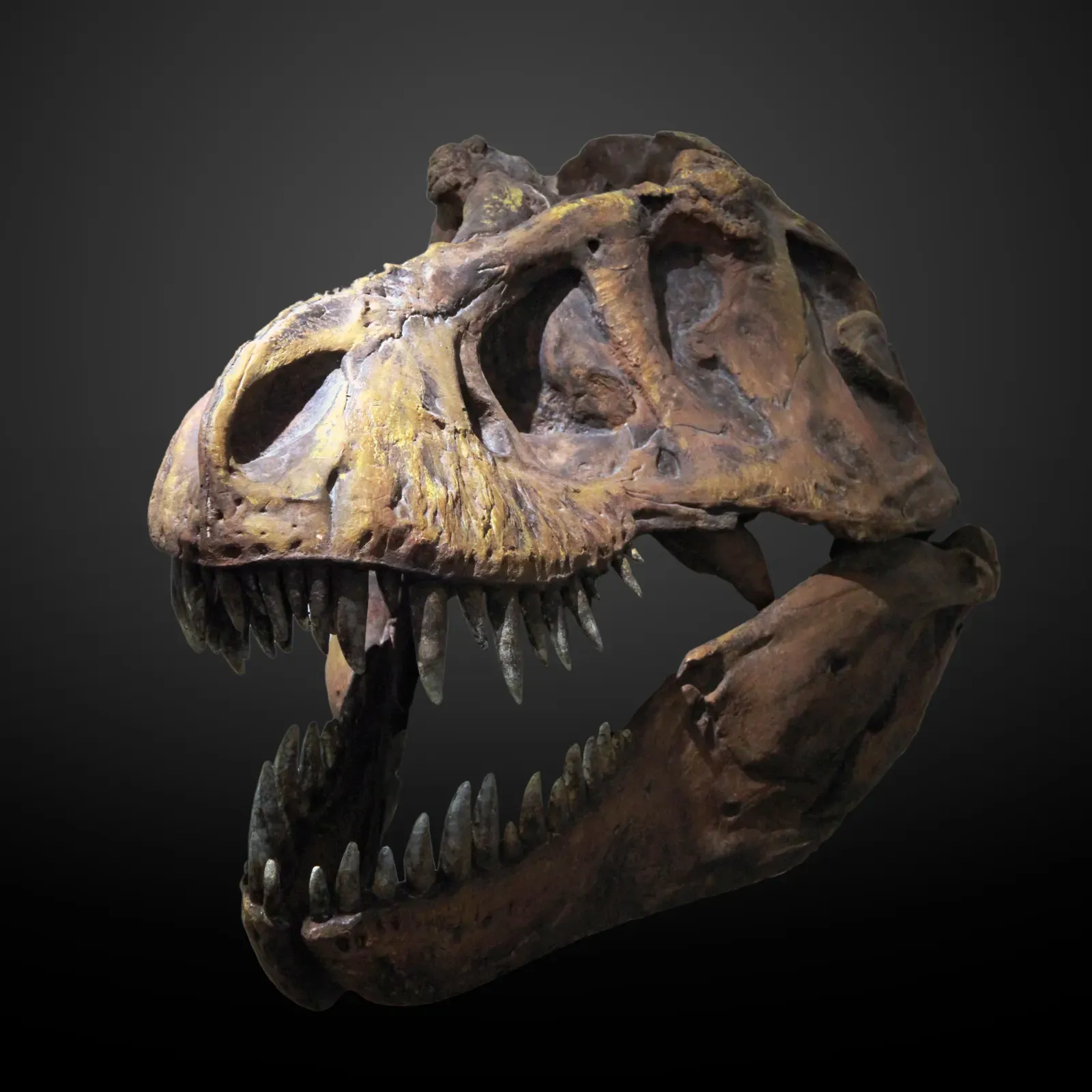
The movie treats T. rex as a kind of semi‑smart bulldozer: dangerous, reactive, but ultimately not very bright. However, fossil endocasts – essentially molds of the brain cavity – and comparisons with birds and crocodilians suggest that T. rex had a more developed brain than many people assume. It likely had decent problem‑solving skills, strong sensory integration, and the kind of basic cognition you would expect from a top predator that had to track, ambush, and test prey over long periods.
That means the real animal might have probed fences, explored obstacles, and even learned from failed attempts more than the film shows. A more realistic Jurassic Park would not just show T. rex smashing through everything; it might show it pacing a barrier, watching gates open and close, and testing weak points over time like a patient burglar. Instead of a series of random attacks, you would get a predator that seems to be adapting to the park itself – which is a much more chilling narrative thread.
It likely cared about food efficiency, not endless killing sprees
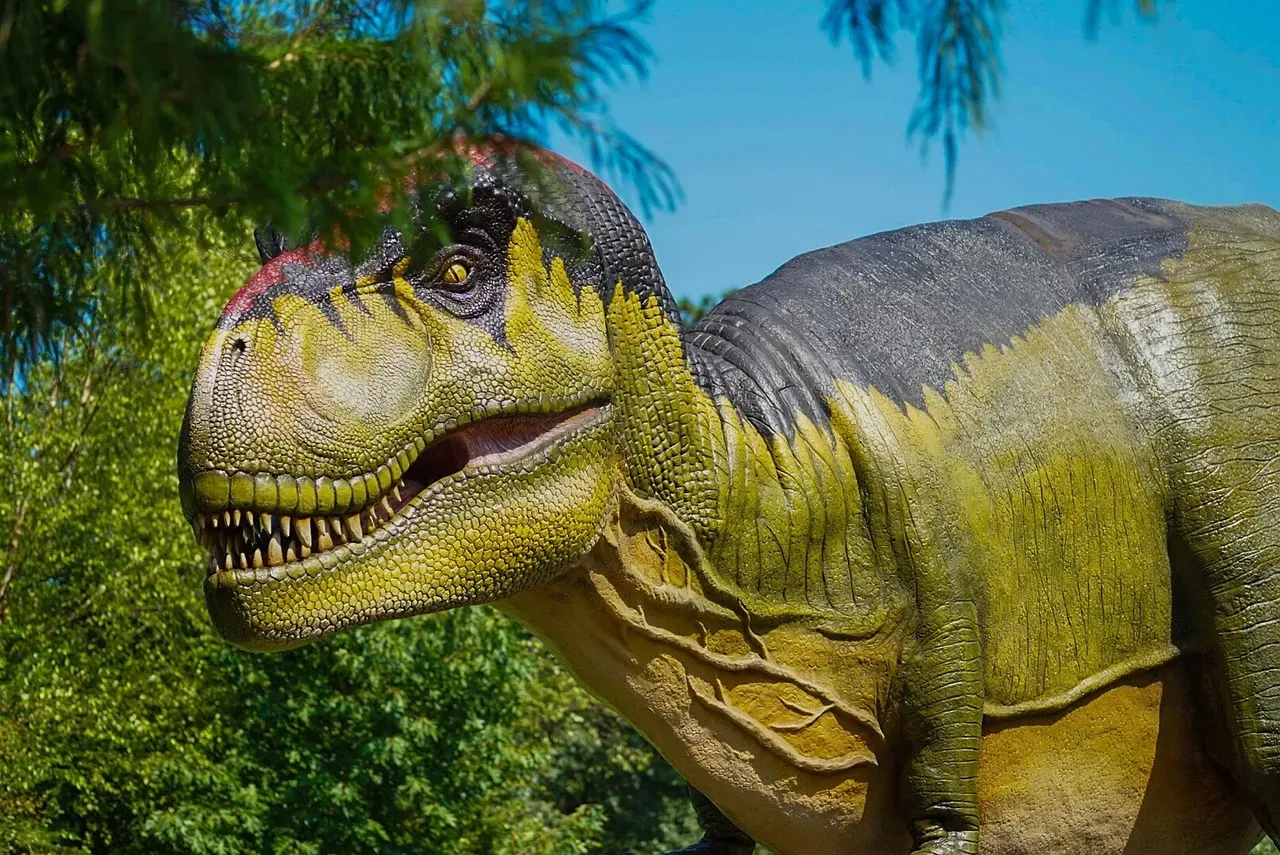
In the film, the T. rex behaves like a chaos engine: it attacks cars, chases people, flips over objects, and then wanders off to terrorize something else. Real animals, especially large predators, cannot waste energy like that for long. A full‑grown T. rex would have needed enormous amounts of food, and every chase, every missed bite, would be a serious energy gamble. It probably focused on the most efficient, safest opportunities to feed: injured animals, ambushes, or scavenging.
A more realistic portrayal would mean fewer random rampages and more targeted, opportunistic strikes. Instead of attacking just because something moved, the T. rex might ignore small, risky targets in favor of larger, easier payoffs – a downed dinosaur, a trapped herd, or a penned animal in a malfunctioning paddock. The movie would shift from a string of attacks to the rising dread of realizing the park has accidentally created perfect feeding situations for the rex, almost inviting it to cash in.
It probably lived in complex ecosystems, not as a lone superstar predator
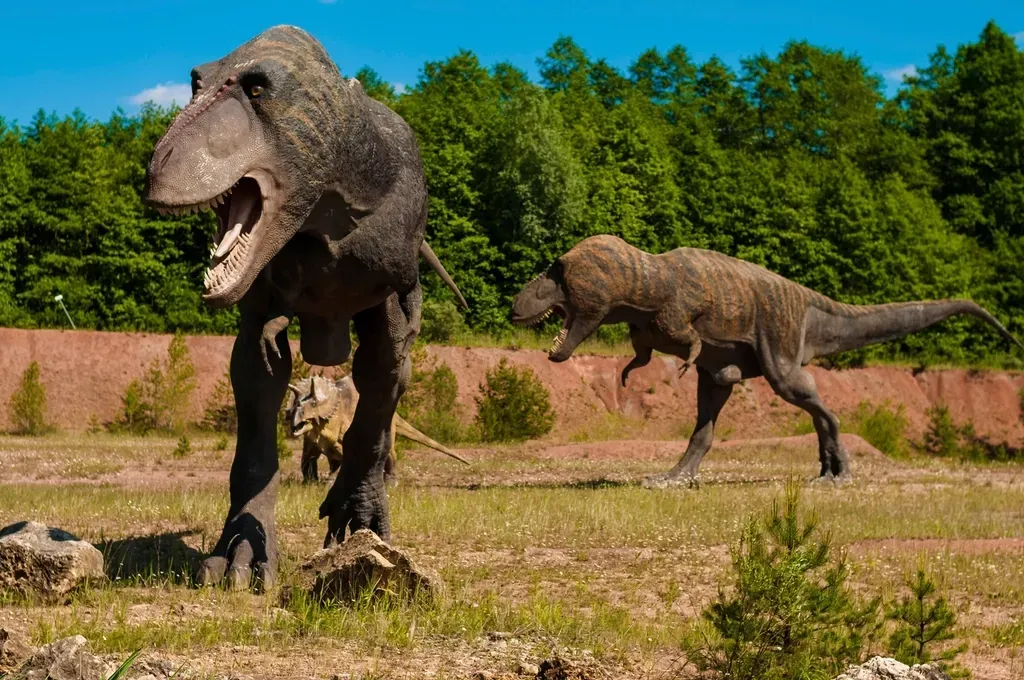
Jurassic Park frames T. rex as the uncontested king of a park that mostly exists to showcase it, with smaller dinosaurs scattered around like side characters. In reality, T. rex shared its Late Cretaceous environment with a whole cast of other large animals: horned dinosaurs, duck‑billed herbivores, smaller predators, and scavengers. Its behavior, movement patterns, and feeding probably all made sense only in that crowded ecological context.
If the film reflected this, the T. rex would not just pop in for solo boss fights. Its presence would ripple through the entire park: herbivores bunching up or migrating away from its paddock, smaller predators following in its wake for scraps, and the park’s infrastructure straining to simulate that web of interactions. The story could have leaned into the idea that you cannot resurrect just one apex predator without recreating at least pieces of its whole world – and that the park’s biggest failure is pretending you can isolate the king from its kingdom.
Juvenile T. rexes were probably very different from the adults
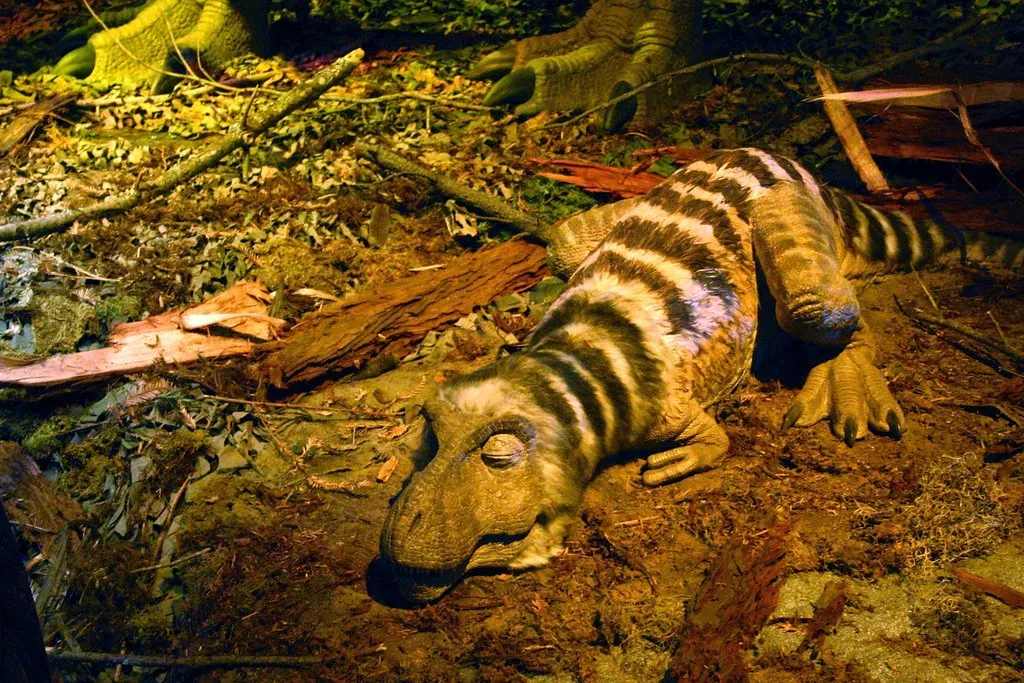
The film treats T. rex as a single, monolithic creature design, just scaled up or down. Fossil evidence suggests that juvenile T. rexes were more lightly built, with longer legs, and probably filled a different ecological role than the massive adults. Younger individuals may have been faster, more agile hunters, going after smaller prey while adults focused on big, slow‑moving animals and heavy carcasses.
This age‑based division of labor would open up wild storytelling possibilities. A realistic Jurassic Park might have a stealthy juvenile T. rex stalking the kids through the jungle, using speed and quickness instead of sheer bulk, while a distant adult’s footsteps echo somewhere far away. You would not just have “the T. rex paddock” – you would have a family dynamic, with park staff debating how to manage different age groups and audiences slowly realizing that losing track of a teenager rex is in some ways worse than losing the giant one.
T. rex likely played a major role as both hunter and scavenger
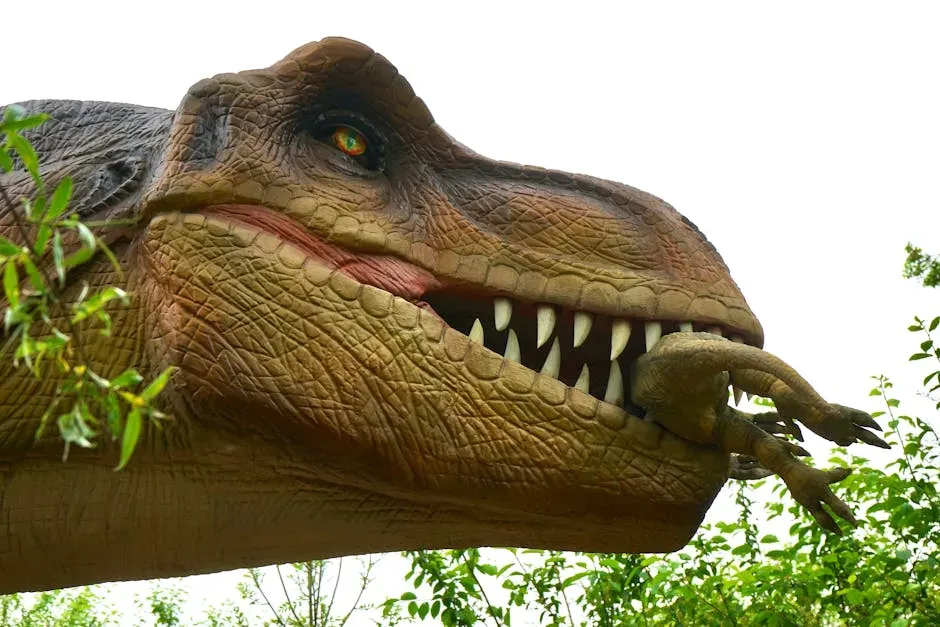
The original film leans heavily into the idea of T. rex as an almost purely active hunter, stalking moving cars, chasing running humans, and engaging in dramatic head‑to‑head battles. Modern research suggests a more blended picture: T. rex was fully capable of active predation but also very likely to scavenge when the opportunity presented itself. Its bone‑crushing bite and huge size made it extremely good at processing carcasses other predators could not fully exploit.
In a more scientifically grounded Jurassic Park, we might see the T. rex drawn first to the aftermath of chaos – failed fences, injured dinosaurs, and abandoned feeding stations – instead of randomly charging every moving object. Many of its appearances could be built around that eerie moment when people realize that the roaring in the distance is not a fresh attack, but a T. rex feeding on something that already died because of the park’s failures. The horror becomes less about a killer on the loose and more about a giant opportunist thriving on human mistakes.
Conclusion: A smarter, stranger T. rex would have made Jurassic Park even more unsettling
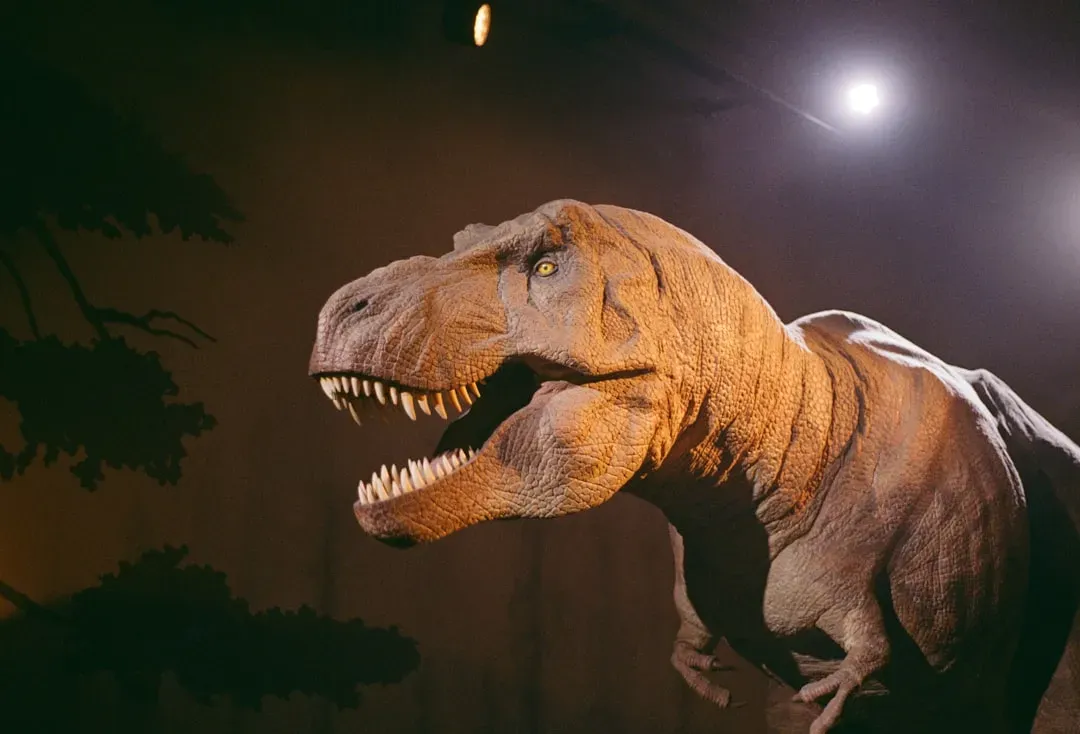
When you line up what we now think about T. rex against the version that roars across the screen in Jurassic Park, you realize the movie gave us a simpler, more theatrical monster. The real animal was probably quieter, smarter, more patient, partially feathered, and guided by senses that turned most Hollywood hiding spots into bad jokes. That is not a downgrade; it is a shift from jump‑scare horror to something slower and more haunting, where the predator feels like a thinking presence rather than a special effect.
Personally, I think a film that leaned into this weirder, more scientific T. rex would have been braver and maybe even scarier. It would force us to admit that nature does not produce villains or heroes, just organisms with brutally efficient ways of making a living. That version of Jurassic Park might have left audiences walking out of the theater less exhilarated and more uneasy, wondering what it really means to bring back something that powerful and that alien. If you had known all this before watching the movie, would you have seen the T. rex as a monster – or as a terrifyingly competent animal caught in our human disaster?