
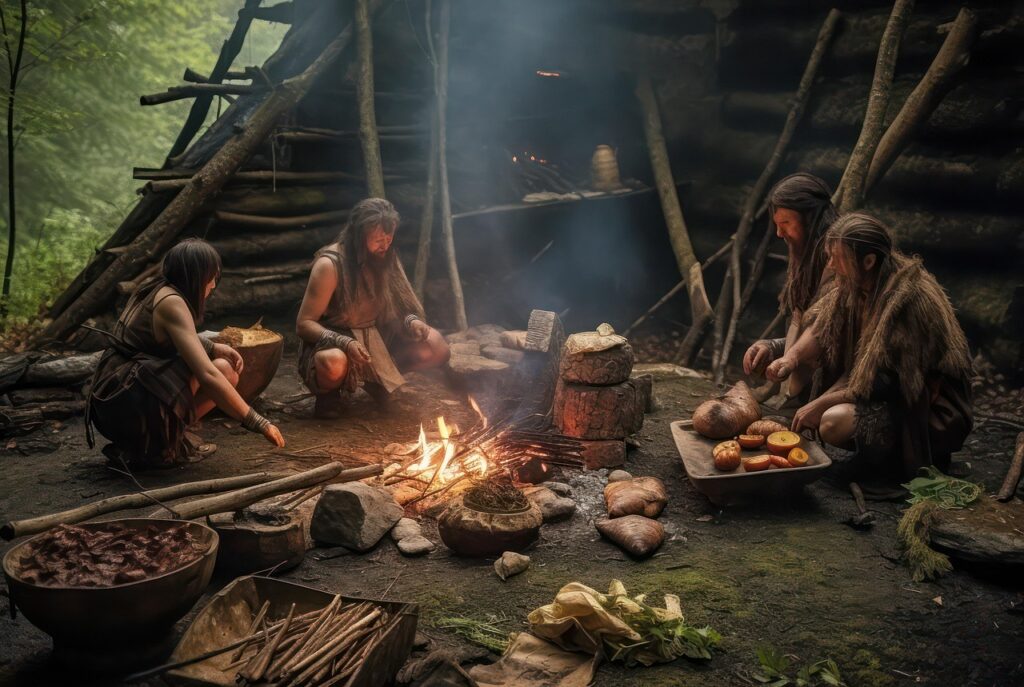
Imagine inviting a small group of prehistoric hunter‑gatherers to your sleek modern dinner party. You lay out sourdough, charcuterie, a roasted chicken, maybe a fancy dessert. They look around politely, then start telling you about the things they used to eat – and suddenly your truffle fries feel very, very tame. The deeper scientists dig into ancient sites, the clearer it becomes: our ancestors were far more adventurous, and often more efficient, eaters than most of us are today.
Prehistoric diets were not just about mammoth steaks and berries. They involved brain‑rich skull soups, nutrient‑dense insects, bone grease, and even partially rotted meat that would send most modern guests sprinting for the door. Some of it sounds disgusting; some of it sounds surprisingly logical once you understand the science. Let’s walk through seven foods we know (or have strong evidence) that prehistoric humans actually consumed – and think about how your friends would react if you served them at your next candlelit gathering.
1. Marrow and “bone grease” scraped from shattered bones
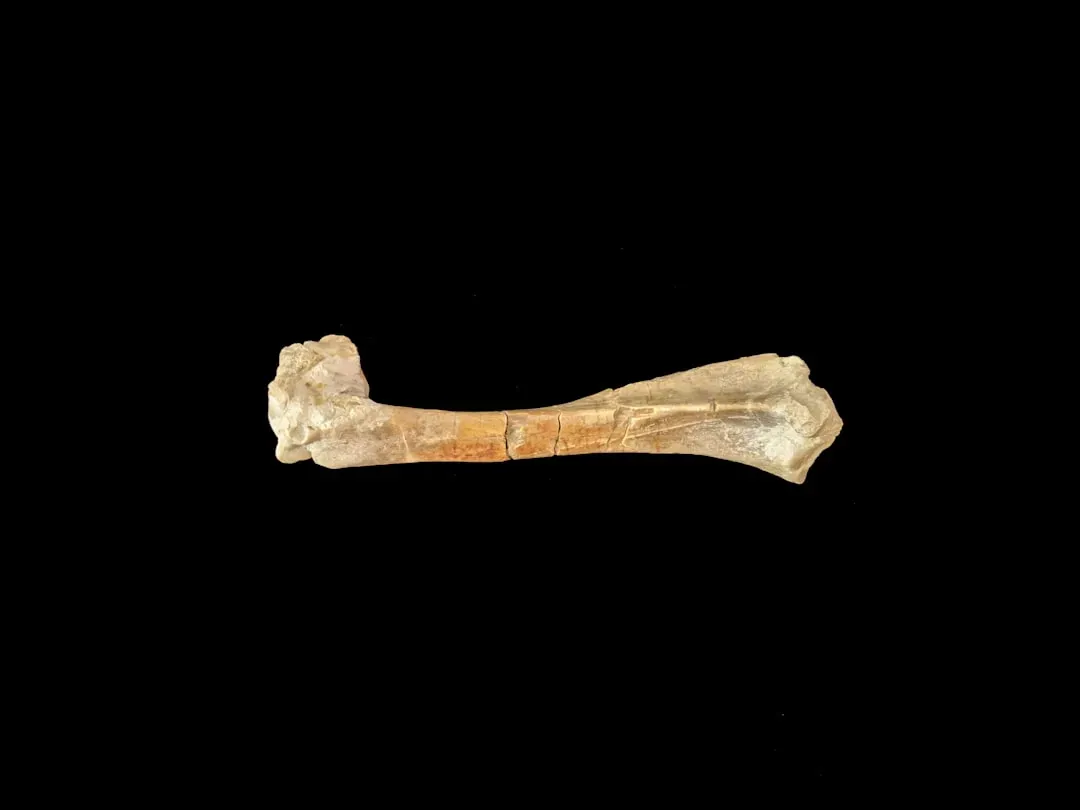
Here’s a slightly gory image: instead of a neat steak on a plate, picture long animal bones smashed open with stone tools, every fragment boiled or scraped to remove the last traces of fat. Archaeologists consistently find piles of broken bones at prehistoric sites, often fractured in a way that makes no sense unless people were deliberately cracking them to get at the marrow and the greasy residue locked inside. To our ancestors, that rich, fatty core was the real prize, more like the dessert than the starter.
From a nutritional point of view, they were absolutely right. Marrow and the so‑called bone grease are concentrated sources of calories, fat‑soluble vitamins, and energy critical for brains that were already unusually large and hungry compared to other animals. In cold or harsh environments, where plant foods were seasonal and unpredictable, leaving fat inside a bone would have been like leaving money on the ground. You can almost imagine a prehistoric family gathered around a fire, passing shards of bone like modern people pass a bowl of olives, sucking and scraping every last bit of life‑saving richness.
2. Brain and organ meats as first-choice delicacies
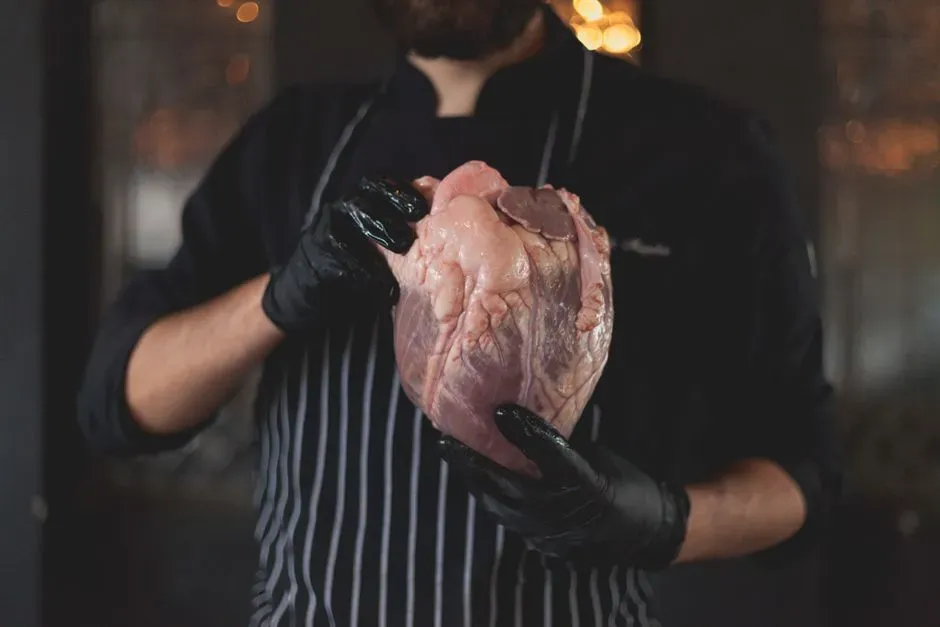
At a modern dinner party, serving brain or liver would be seen as edgy at best, and totally off‑putting at worst. For many prehistoric humans, these were not weird fringe foods; they were top‑tier delicacies and nutritional powerhouses. Cut marks on skulls and careful opening of crania in the fossil record suggest that people deliberately accessed the brain, not just the muscle meat. Likewise, patterns of butchery show that organs like liver, heart, and kidneys were quickly removed and consumed, often before less perishable cuts were processed.
Organs are incredibly dense in nutrients such as vitamin A, B vitamins, iron, and essential fats in a way that lean muscle simply isn’t. When you’re living without supplements, supermarkets, or the ability to toss a multivitamin into your cart, that matters. It is very likely that in many groups, the best hunters or most respected elders got first crack at these organs, making them both a status food and a survival strategy. Picture someone at your table gently moving aside the roast to ask whether you have any fresh kidney instead – that’s closer to how many prehistoric humans probably saw the hierarchy of animal foods.
3. Insects, grubs, and larvae gathered like high-protein trail mix
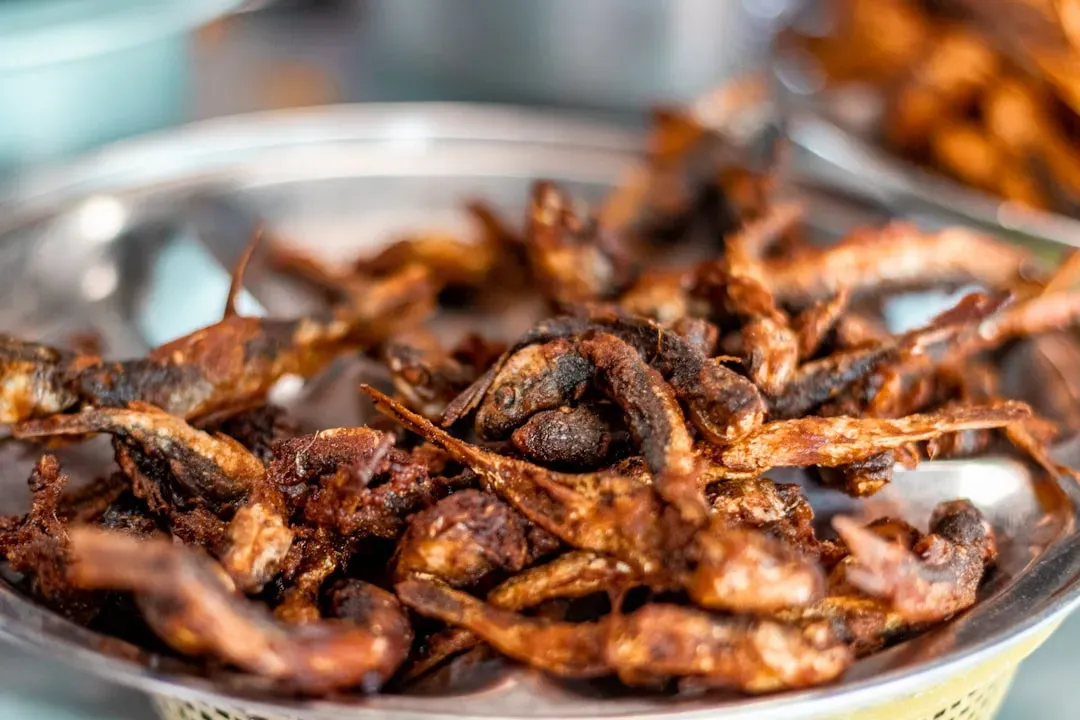
A bowl of roasted crickets in the center of the table would probably become the most polarizing part of any modern dinner party, yet for prehistoric humans in many regions, insects were a logical and efficient food. Evidence from ancient sites, combined with knowledge of modern hunter‑gatherer groups, suggests that people ate termites, ants, beetle larvae, caterpillars, and other invertebrates whenever they were abundant. These foods are relatively easy to gather in large quantities, require minimal tools, and provide serious protein, fat, and micronutrients in a compact package.
If you strip away cultural squeamishness, eating insects is one of the smartest things humans have ever done from an ecological perspective. They convert vegetation into protein far more efficiently than large mammals, and they can be dried, roasted, pounded into pastes, or eaten fresh, depending on the species and season. You can imagine kids scraping larvae from a rotting log while adults harvest termite mounds, everyone snacking as they walk, the way people today grab a handful of mixed nuts. Compared to that level of resourcefulness, our obsession with boneless, skinless chicken breasts starts to look oddly narrow and wasteful.
4. Partially rotten or fermented meat that would horrify a health inspector
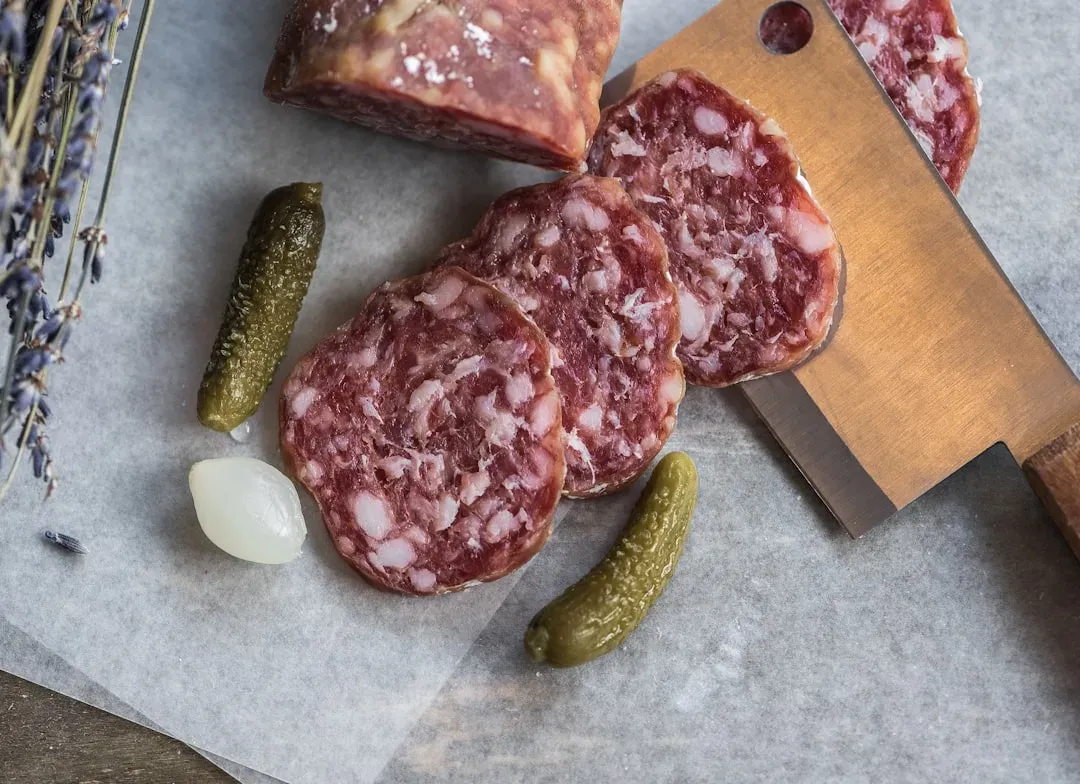
One of the most unsettling realities of prehistoric eating is that people often relied on meat that was not exactly fresh in the modern sense of the word. In cold climates especially, carcasses could sit for days or weeks, effectively “aging” or naturally fermenting as they froze, thawed slightly, and refroze. Scavenging from animals that had died earlier was sometimes better than dying of hunger, and there is evidence from cut marks and gnaw patterns that humans and other predators returned to the same carcass multiple times.
To a modern food‑safety mindset, this sounds reckless or suicidal, but prehistoric people were not ignorant of risk. They learned, by brutal trial and error, which conditions made meat relatively safe and which were deadly. Cold temperatures, smoke from fires, and partial drying could all slow bacterial growth, turning borderline meat into something more like a very rough ancestral version of cured food. If you served strips of slightly gamey, wind‑dried meat at a dinner party today and then admitted it hung outside for days, you’d probably be eating alone – but for many of our ancestors, that was simply winter storage.
5. Wild tubers and bitter roots packed with dirt and fiber
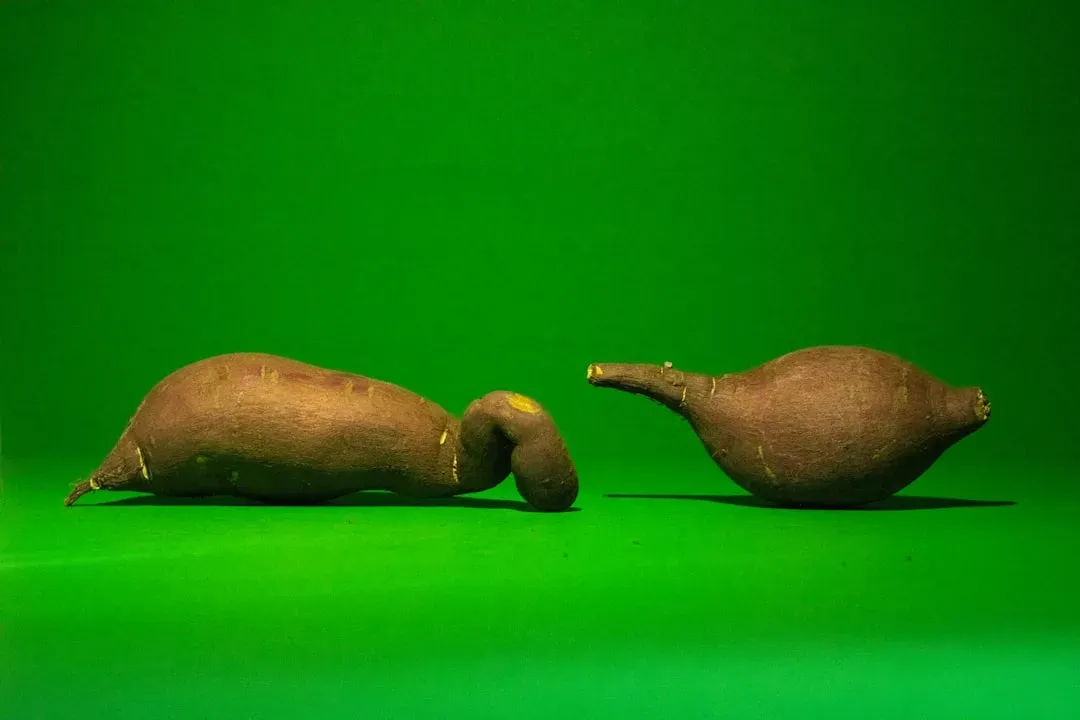
Forget the fluffy mashed potatoes or golden fries we adore today. Prehistoric humans were often digging up wild tubers and roots that were tough, fibrous, and sometimes bitter enough to make a modern diner wince. Microscopic wear patterns on ancient teeth, as well as residues found on prehistoric grinding stones, point to heavy reliance on starchy plant parts long before agriculture. These roots were often eaten roasted in the fire or ground into rough pastes, and they were rarely perfectly cleaned, which means people also swallowed a fair amount of soil and grit.
Oddly, that mix of stubborn fiber and micro‑dirt might have been a hidden advantage. Those tubers provided slow, steady energy, plus a kind of natural prebiotic load that nourished gut bacteria and kept digestion moving. Modern diets often strip out that level of roughage, leaving us to compensate with supplements and carefully marketed “gut health” products. Imagine setting down a platter of charred, knobbly roots, still dusted with ash and a hint of earth, and telling your guests: this is what your great‑great‑great‑grandparents actually evolved to chew on.
There’s also some evidence that people used clever techniques, like soaking or extended cooking, to make particularly bitter or mildly toxic roots safer and more palatable. That kind of patient, experimental cooking is the opposite of fast food; it’s more like slow, cautious chemistry around the fire. In a world without ingredient labels or poison hotlines, every bite of a new plant was an experiment, and the families that learned to tame tough roots were essentially conducting life‑or‑death food science in real time.
6. Tiny bones, cartilage, and connective tissue boiled into rich broths
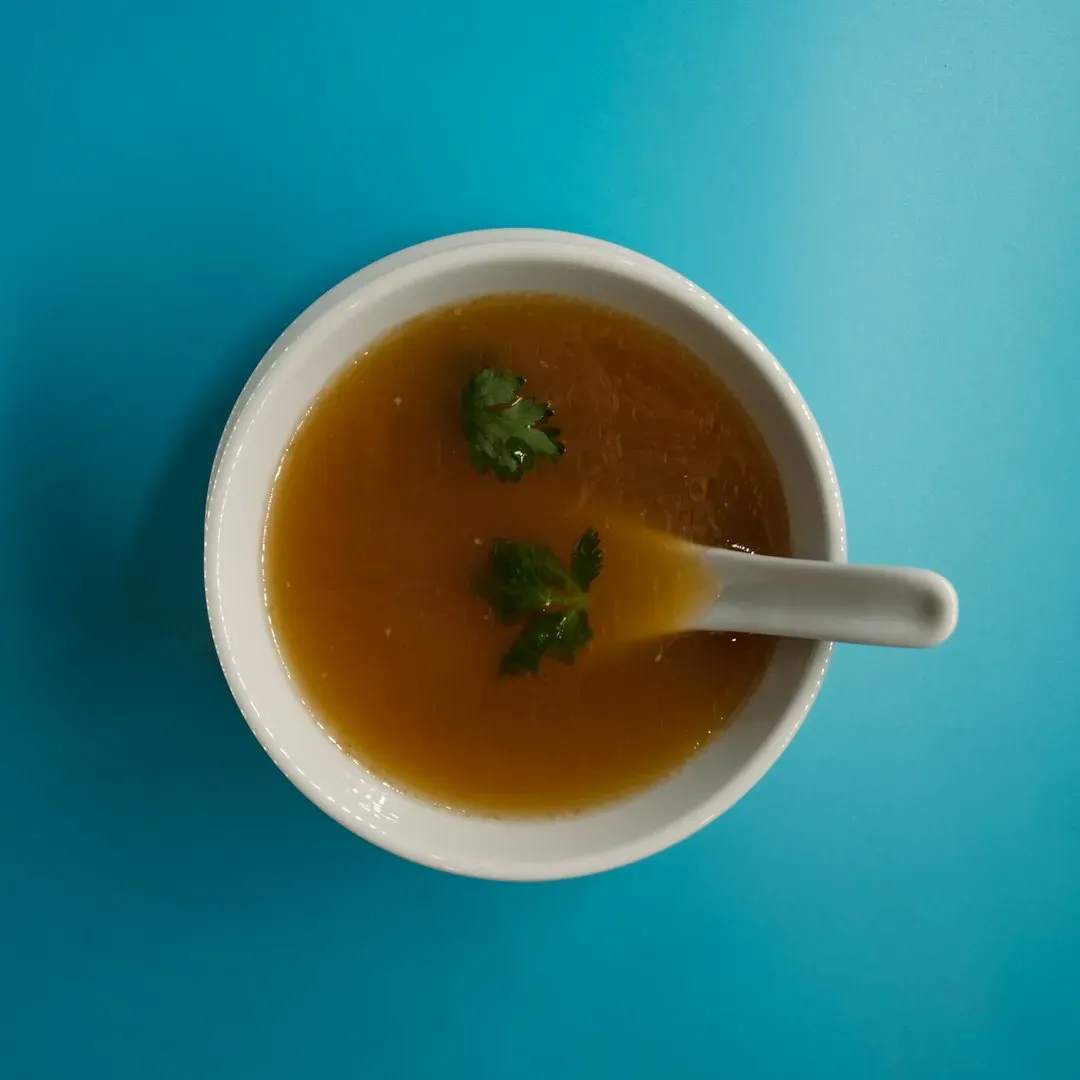
Ask most people today what they eat from an animal, and they’ll point to the classic cuts: steak, chops, drumsticks, maybe ribs. For many prehistoric humans, the answer would have been much more thorough. Once they had fire‑resistant containers such as carved wood, bark, or eventually pottery, people boiled piles of small bones, cartilage, and skin to extract every last trace of collagen, fat, and minerals. Think of a long‑simmered bone broth, but made from whatever fragments were left after the obvious meat was gone, with nothing wasted.
From a health standpoint, this nose‑to‑tail approach meant they weren’t just eating protein in isolation, but also gelatin, calcium, and trace minerals that support joints, connective tissue, and overall resilience. Ironically, modern wellness culture has swung back toward bone broth and collagen supplements as if this were a trendy new discovery, when in fact it is a refined echo of an ancient survival habit. At a modern dinner party, sipping a cloudy, fatty broth full of dissolved cartilage might seem rustic or even slightly gross, but for our ancestors, it was the logical final stage of honoring a kill and keeping the group nourished.
7. Charcoal, ash, and smoke flavor as unintentional side dishes
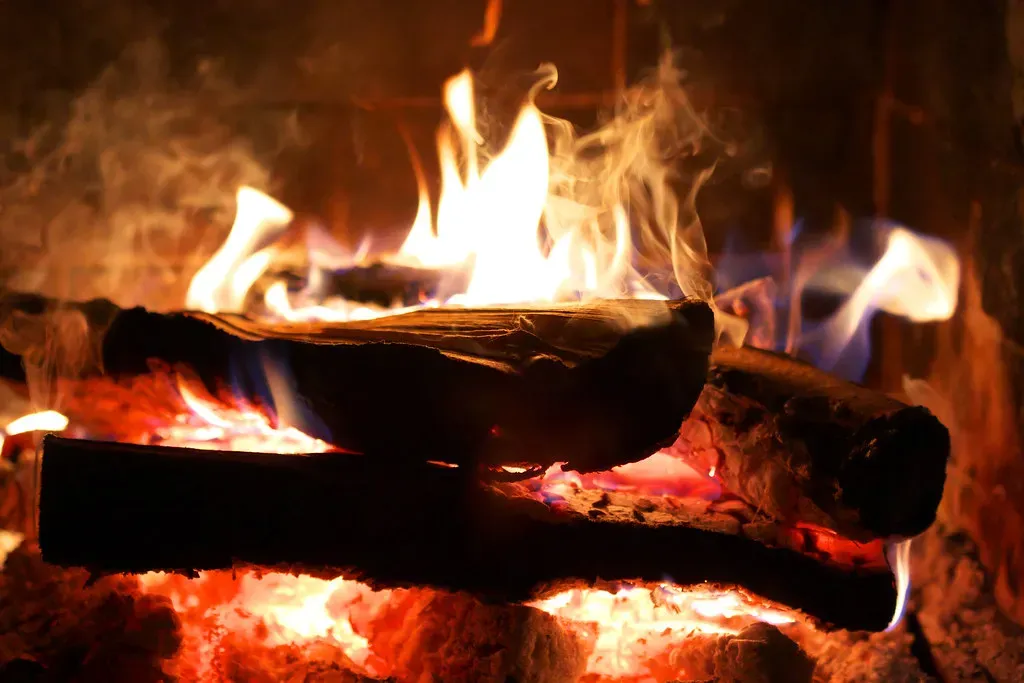
One of the quietest but most interesting differences between prehistoric and modern food is how much more ash, charcoal, and smoke they routinely ingested. When you cook directly over open fire, food inevitably gets singed, smoked, and coated in small amounts of ash. Archaeological evidence of charred plant remains, blackened bones, and soot patterns makes it clear that a lot of prehistoric meals were basically smoky, slightly burnt, and dusted with tiny bits of the hearth itself. For a modern host obsessing over perfect plating, that would feel like a disaster.
Yet cooking over fire did more than just add flavor; it made many foods safer and more digestible, even if it meant swallowing a bit of charcoal along the way. There are hints that small quantities of charcoal may even have had a mild protective effect in the gut by binding certain toxins, though that is not a magic shield against everything. In a way, your ancestors were micro‑dosing burnt toast long before anyone worried about it, simply because controlled fire was better than raw, risky food. If you served heavily smoked, ash‑dusted roots and meat today, it would seem like an extreme barbecue experiment, but for them it was everyday life around a smoky hearth.
Conclusion: Our ancestors ate “weird” food – and we’re the picky ones
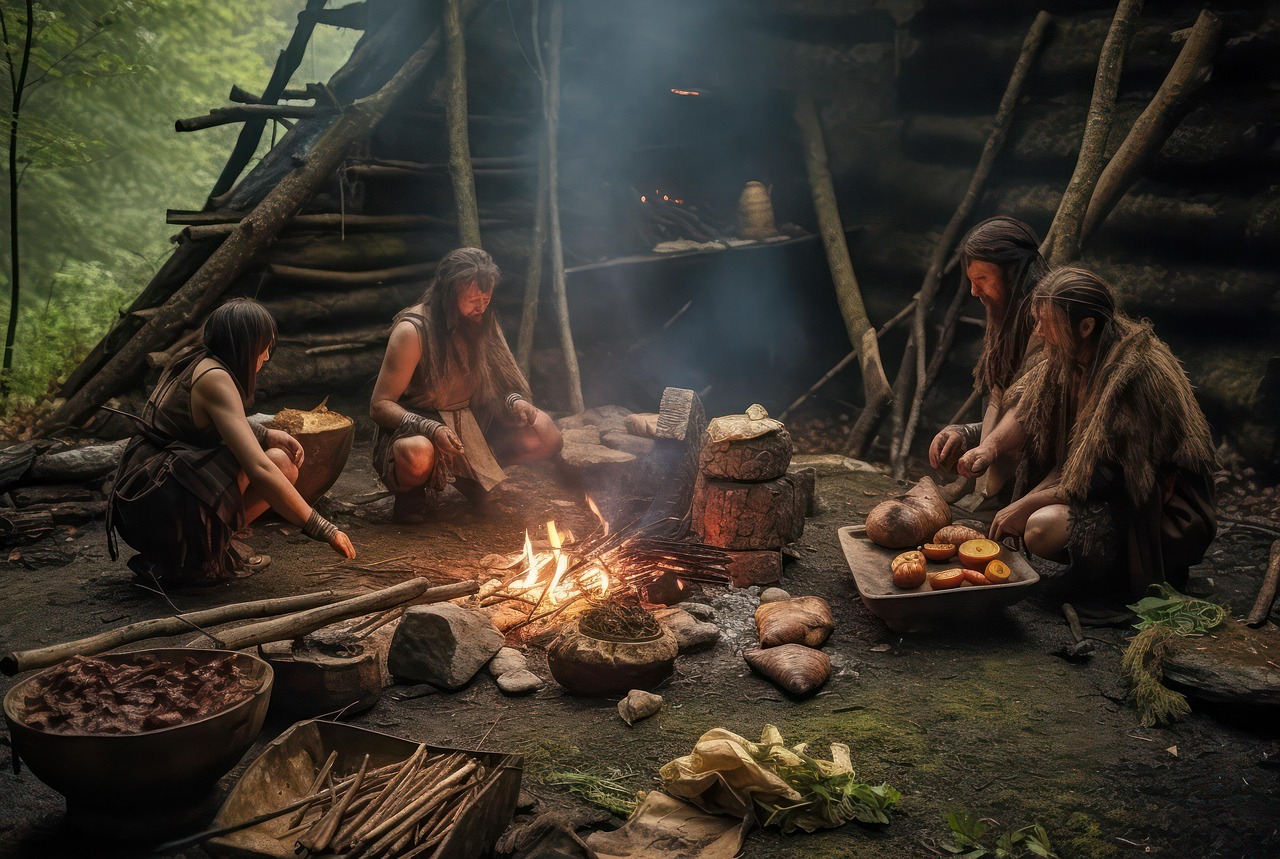
When you step back and look at this menu – marrow and bone grease, organs, insects, half‑fermented meat, dirty tubers, boiled cartilage, and ash‑kissed everything – it becomes hard to keep seeing prehistoric people as primitive or clueless about food. In many ways, they were brutally practical and astonishingly sophisticated, squeezing nutrition from every part of their environment while we reject anything that does not come trimmed, wrapped, and taste‑tested. The real shock is not that they ate these things but that we have become so narrow that a simple roasted cricket or piece of liver can send us into moral panic.
Personally, I think we have lost something by sanitizing and separating ourselves from this older, rougher way of eating. I’m not arguing we all need to gnaw on sun‑aged carcasses or chew clay‑coated roots, but there is a lot of wisdom in a diet that wastes little, honors the whole animal, and leans into diversity instead of uniformity. Maybe the next “shocking” food trend will not be lab‑grown meat or yet another superfood powder, but a quiet return to parts and practices our ancestors considered completely normal. If you looked at your own plate through their eyes, who do you think would be more surprised – them, or you?