Imagine an ordinary day in deep time: creatures hunting, plants thriving, oceans rolling like they always do. Then, in what is basically a geological heartbeat, everything changes. A continent catches fire, oceans suffocate, the skies turn toxic, and nearly all life is forced into a brutal reset. These were not just bad days for life on Earth – they were cosmic-scale plot twists that rewrote evolution from the ground up.
What follows are eight of the most shocking prehistoric disasters we know about, the kind that did not just kill a lot of species, but permanently shifted who would dominate the planet next. Some of them you’ve probably heard of; others are quieter, slower, and in some ways even more terrifying. Together, they explain why the world looks the way it does today – and why, in a strange way, you and I are here to talk about them at all.
The Great Oxidation Event: When Oxygen Was the Original Apocalypse
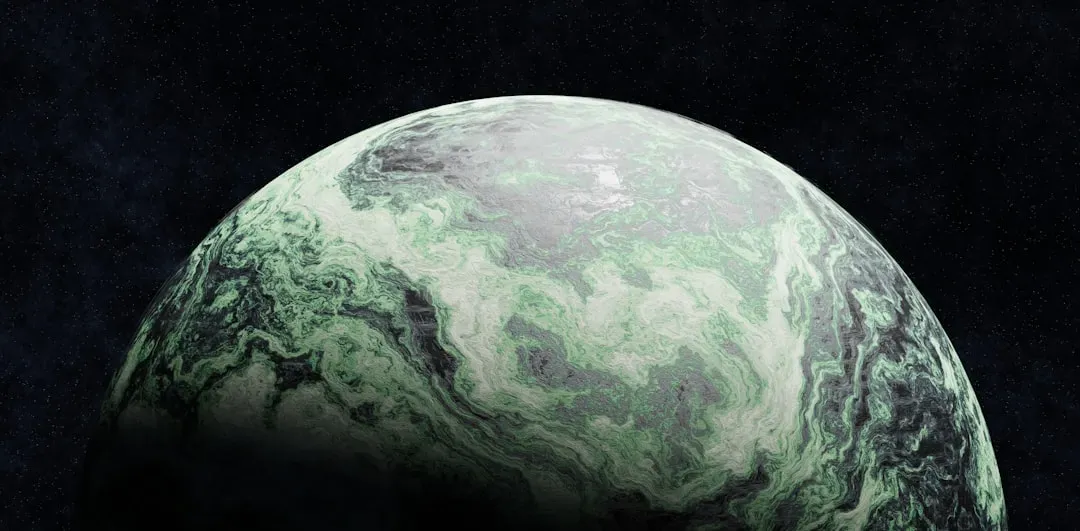
It sounds almost poetic: the day the air filled with oxygen. In reality, for most early life, it was a biochemical horror story. Over two billion years ago, tiny photosynthetic microbes started pumping out oxygen as a waste product, slowly transforming Earth’s atmosphere from oxygen-poor to oxygen-rich. For organisms adapted to an oxygen-free world, this new gas was toxic, ripping apart delicate cellular machinery and triggering massive die-offs in what many scientists see as one of the first true planetary-scale extinctions.
But this disaster also unlocked a new evolutionary superpower: efficient energy production. Oxygen allowed cells to extract far more energy from food, paving the way for complex, multicellular life. It is a wild paradox – the same change that likely wiped out most of the planet’s early inhabitants also set the stage for animals, plants, and eventually humans. I always think of it like the universe flipping the table in a board game, only to replace it with a far more complicated and interesting one.
Snowball Earth: When the Planet Almost Froze Solid
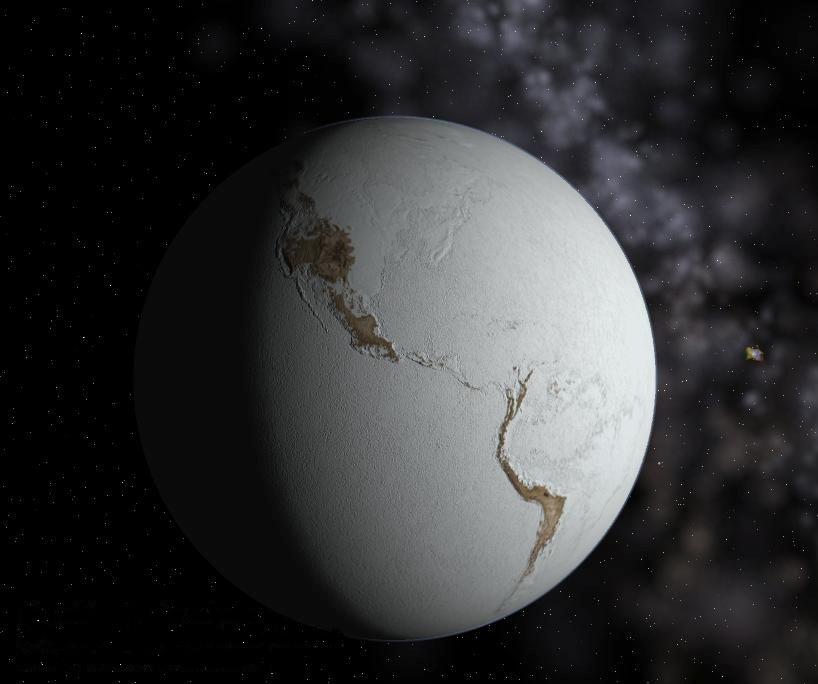
Picture Earth as a glittering white marble in space, oceans sealed under ice from pole to equator. During several episodes between roughly two and seven hundred million years ago, that may be close to what our planet looked like. Runaway cooling, possibly triggered by changes in atmospheric greenhouse gases and continental positions, seems to have allowed ice to spread so far that the usual climate feedbacks spiraled out of control. Life was squeezed into tiny, harsh refuges beneath the ice or near volcanic hotspots, clinging on in an almost unrecognizable world.
Yet when Snowball Earth finally thawed, things did not just go back to normal – they erupted into something new. Rapid warming, chemical weathering of rock, and nutrient surges into the oceans likely created an evolutionary pressure cooker. Some researchers think this post-freeze chaos helped set the stage for the later explosion of complex animal life. It is strangely comforting, and a little unsettling, to realize that the planet nearly becoming a cosmic ice cube may have been one of the key reasons animals like us evolved at all.
The Cambrian Explosion’s Dark Side: Ecological Arms Races and Extinctions
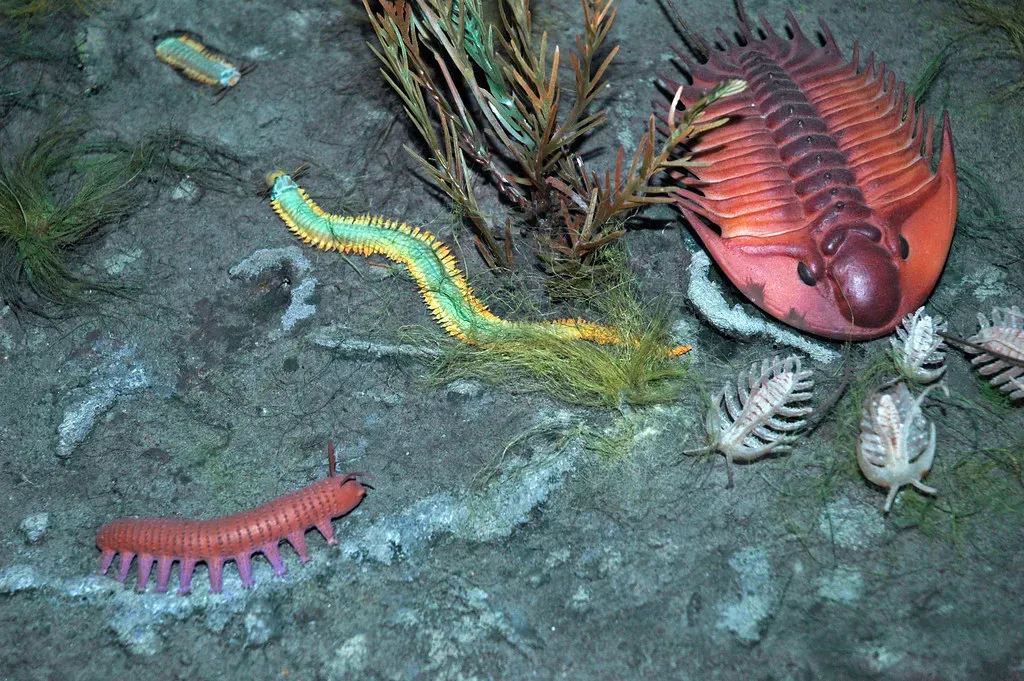
The Cambrian period is famous for a so-called explosion of animal diversity about five hundred and forty million years ago – but we rarely talk about the flip side. When predators evolved more complex eyes, limbs, and armor-piercing mouthparts, they kicked off an evolutionary arms race that left many older, simpler forms behind. Entire groups that had ruled the earlier seas suddenly found themselves outcompeted, eaten, or pushed into marginal niches they could barely survive in.
This was not a single meteor-style disaster, but a prolonged ecological upheaval that permanently reshaped the tree of life. The rise of burrowing animals, for instance, churned up seafloor sediments, altering oxygen levels and nutrient cycles in ways that made the environment hostile to some older species. To me, this is one of the most unsettling lessons from prehistory: sometimes the disaster is not a rock from space, but the success of your neighbors evolving just a little faster than you.
The Late Ordovician Mass Extinction: When the Seas Turned Against Their Own
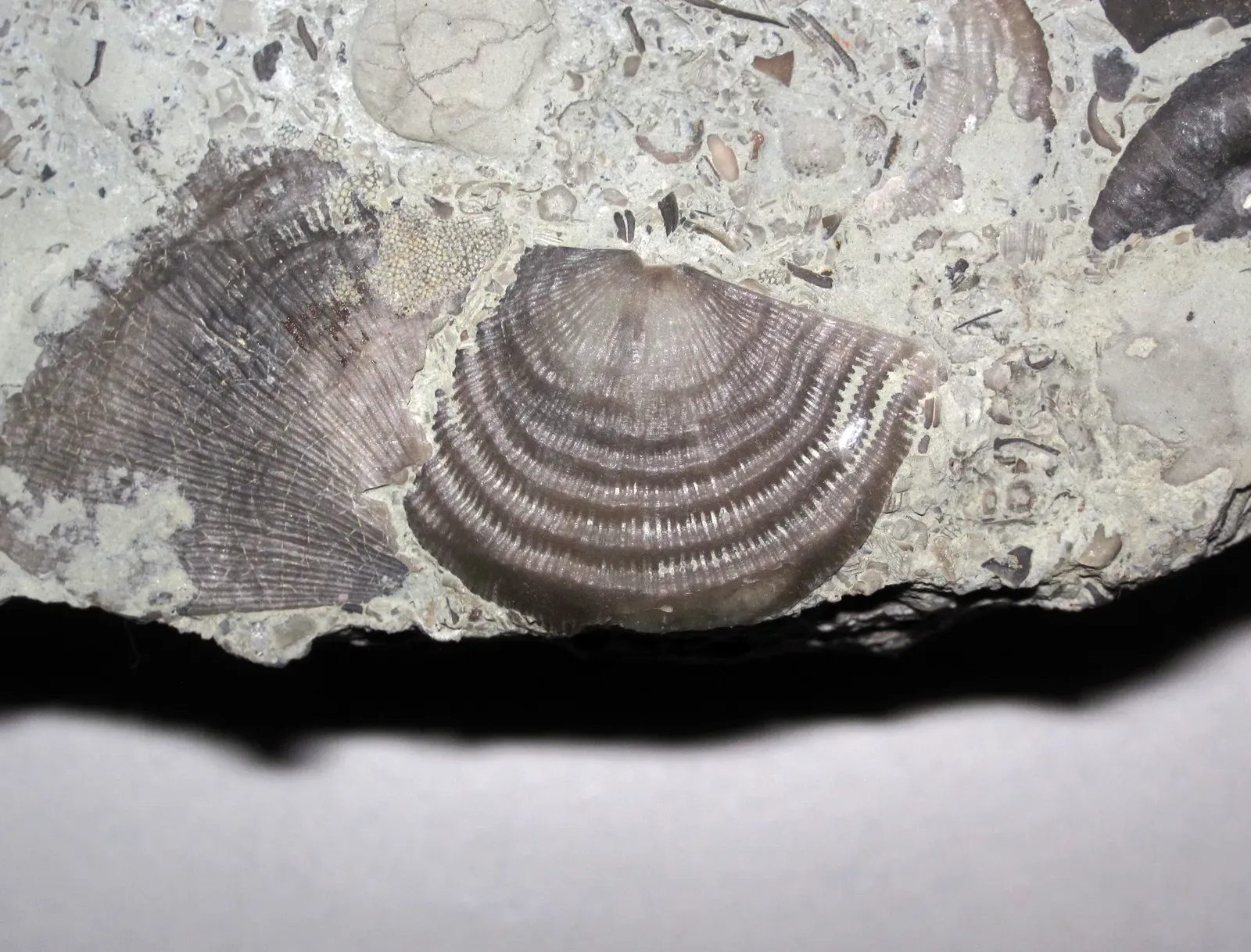
Roughly four hundred and forty million years ago, the oceans – home to almost all complex life at the time – became a graveyard. A major glaciation event appears to have dropped global temperatures, locked water into ice, and caused sea levels to fall dramatically. Shallow marine habitats, which had been lush, diverse ecosystems, were left high and dry or chilled beyond what many species could tolerate. A huge portion of marine life vanished in what ranks among the deadliest extinctions in Earth’s history.
Then, as the climate warmed again and ice melted, sea levels rose and environmental conditions shifted once more, hitting surviving ecosystems a second time. This one-two punch reshuffled marine communities, granting an edge to lineages that could handle rapid climate swings and changing water depths. Evolution does not hand out medals for fairness; it favors whoever can ride out the chaos. After the Ordovician crisis, the ocean’s cast of characters looked recognizably different, with new groups poised to diversify and dominate.
The Late Devonian Crisis: The Slow-Motion Collapse of Ancient Seas
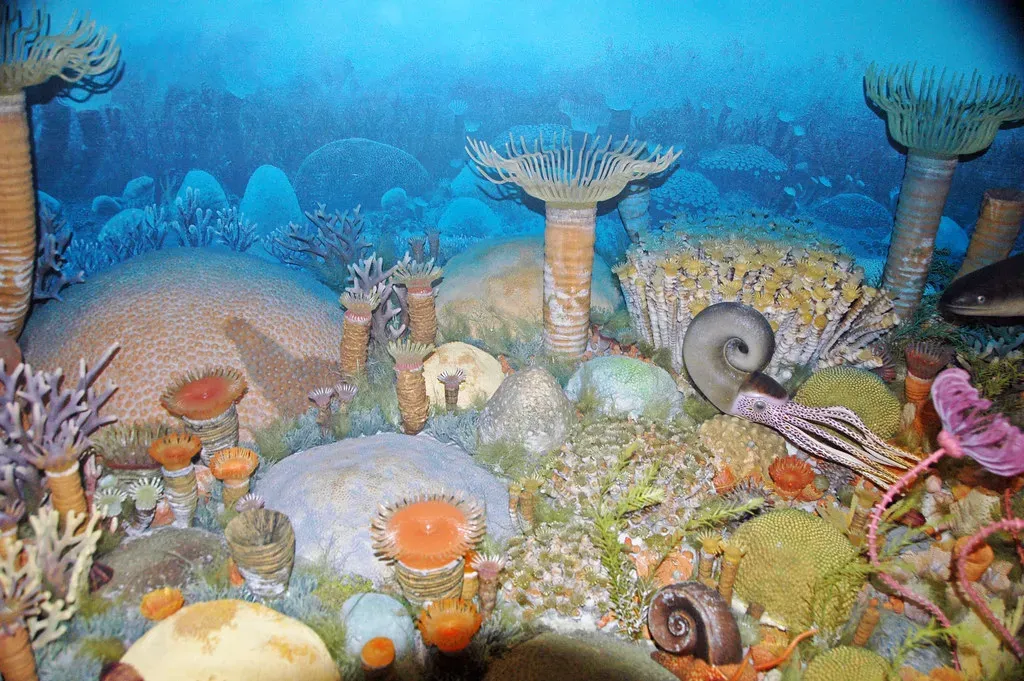
Unlike the sudden drama of an asteroid strike, the Late Devonian extinction was more like a drawn-out series of punches that kept landing for millions of years. Starting around three hundred and seventy million years ago, reef systems built by strange ancient organisms began to die off, and many marine species slipped into oblivion. Evidence points to a tangle of triggers: widespread anoxia (low oxygen waters), climate swings, changes in sea level, and possibly even the rise of land plants altering nutrient flows into the oceans.
The result was a prolonged ecological unraveling that thinned out entire branches of the evolutionary tree, especially among armored fish and reef dwellers. Yet at the same time, this crisis opened doors. The decline of dominant groups created space for new fish lineages and, notably, for early tetrapods – the first four-limbed vertebrates venturing onto land. I like to think of the Devonian as the messy, difficult adolescence of Earth’s ecosystems: painful and chaotic, but essential to becoming the world we recognize today.
The Permian–Triassic “Great Dying”: When Nearly Everything Almost Ended
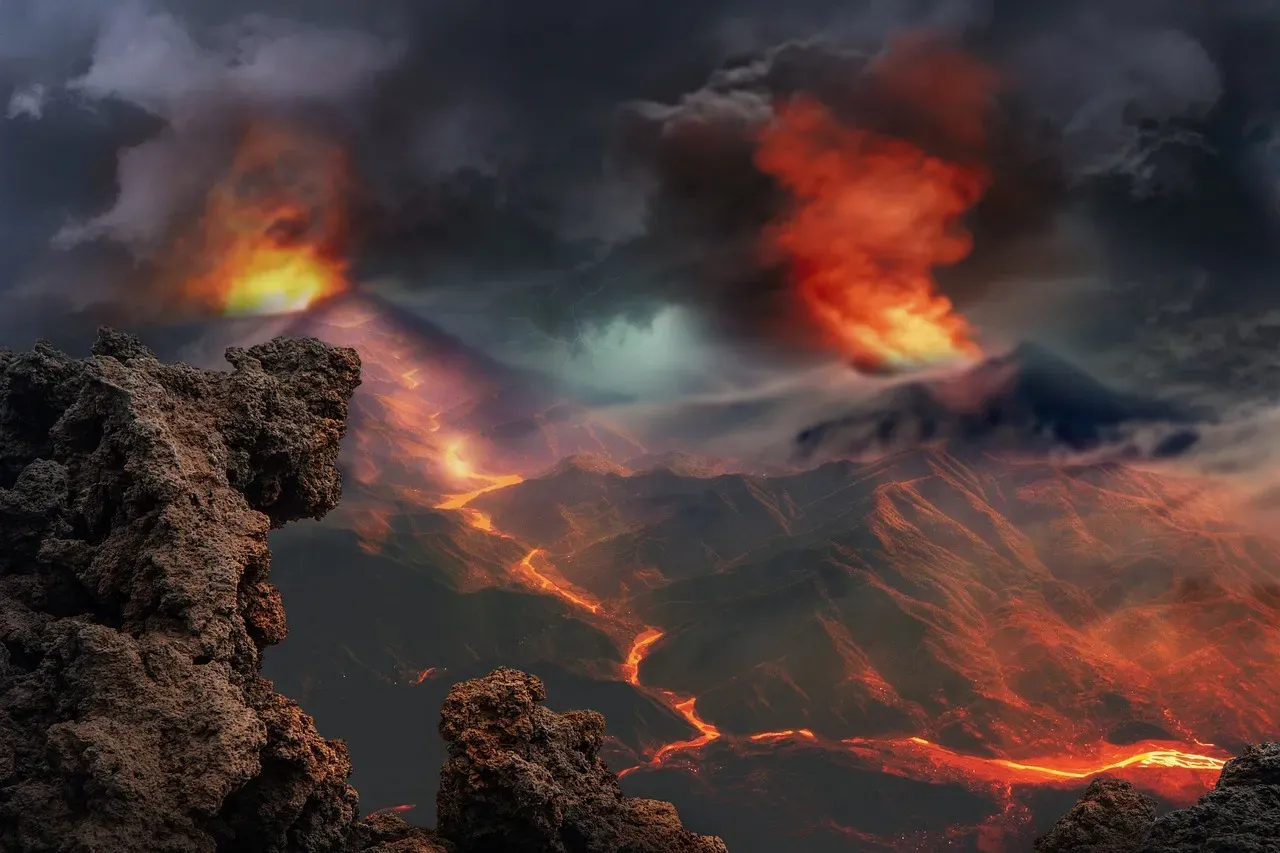
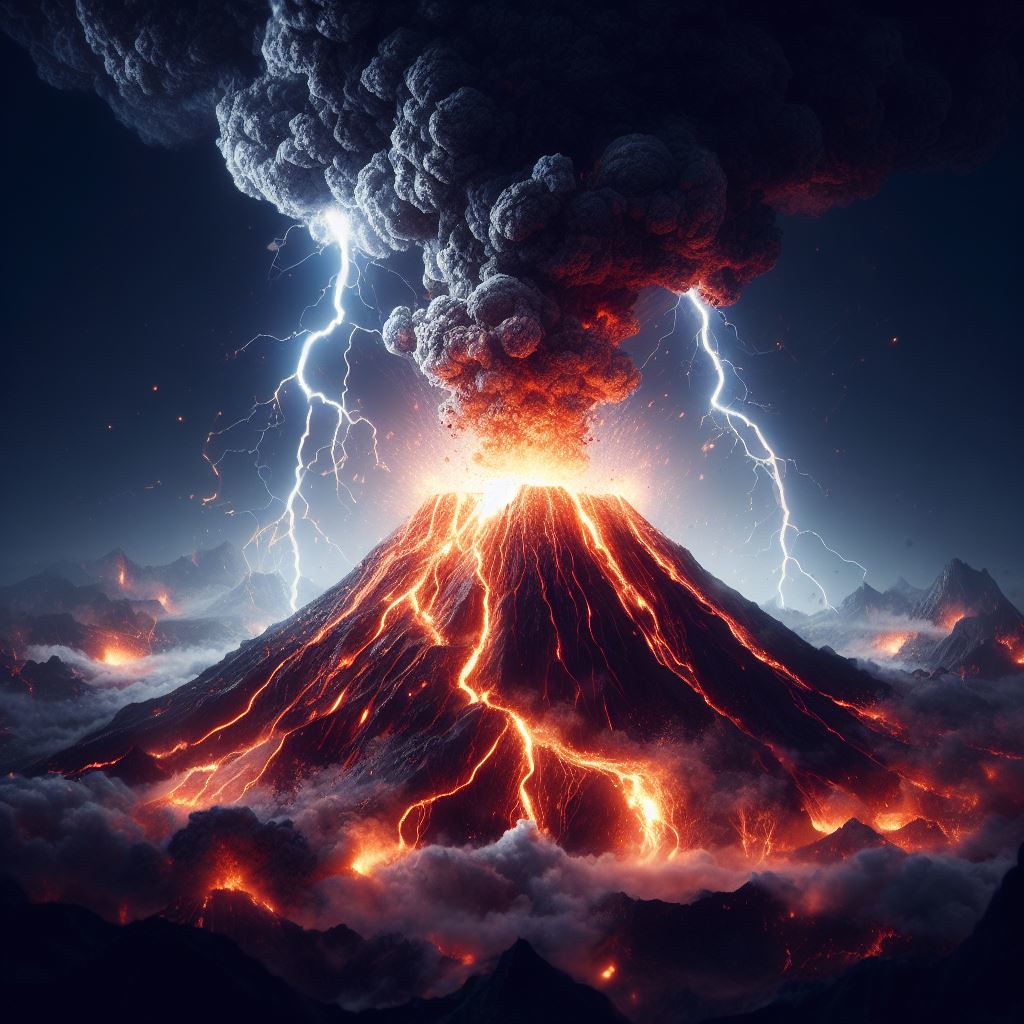
If Earth had a worst day (or more realistically, a worst few hundred thousand years), it was the Permian–Triassic extinction about two hundred and fifty-two million years ago. Driven largely by colossal volcanic eruptions in what is now Siberia, the planet was hammered by extreme greenhouse warming, ocean acidification, and widespread oxygen loss in the seas. On land, ecosystems collapsed under brutal heat and environmental stress. In the oceans, many complex food webs simply never recovered in their old form.
Estimates suggest that the vast majority of marine species and a huge fraction of land species were wiped out, turning Earth into something close to a biological blank slate. And yet, this catastrophe also cleared the stage for the age of the dinosaurs and, eventually, for mammals. I find the Great Dying uncomfortably relevant: it is a stark reminder of how quickly warming, habitat loss, and chemical disruption can push even a thriving biosphere to the brink. Our current changes are not identical, but the echoes are hard to ignore.
The End-Triassic Upheaval: Volcanic Firestorm That Opened the Door for Dinosaurs
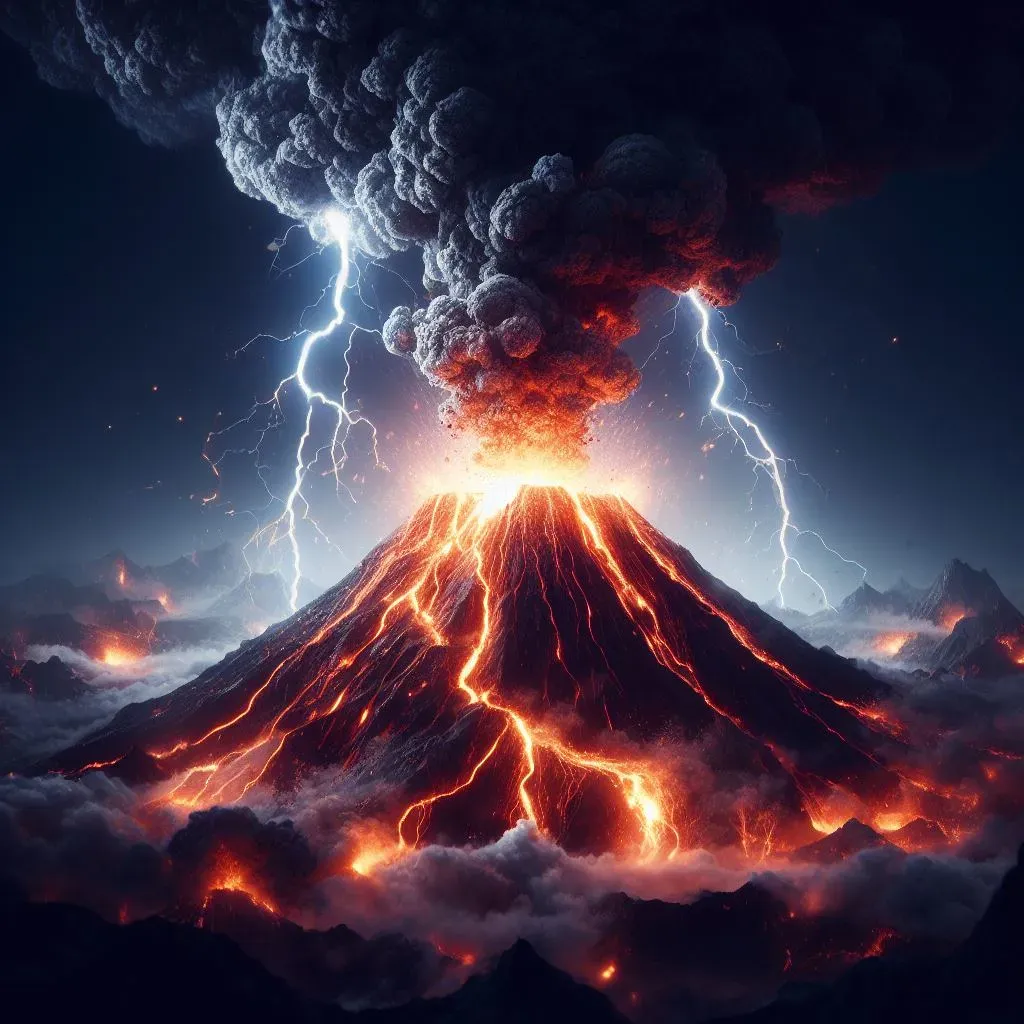
By the end of the Triassic period, Earth was already a land of strange reptiles and early dinosaurs – but they were not yet the undisputed rulers of the planet. Then came another volcanic catastrophe, this time tied to the breakup of the supercontinent Pangaea. Massive lava floods and the release of huge amounts of carbon dioxide drove rapid climate change and ocean stress, triggering yet another mass extinction roughly two hundred million years ago.
Many dominant reptile groups vanished, leaving ecological gaps everywhere from forests to coastlines. Dinosaurs, which had been just one group among several, were unusually well suited to the new, hotter, more variable world. They expanded into the empty niches and, over tens of millions of years, turned into the giants and oddities we think of today. If that volcanic chaos had not happened, it is entirely possible that dinosaurs would have remained bit players – and the history of vertebrate life might look completely different.
The End-Cretaceous Impact: The Day the Dinosaurs’ Luck Ran Out
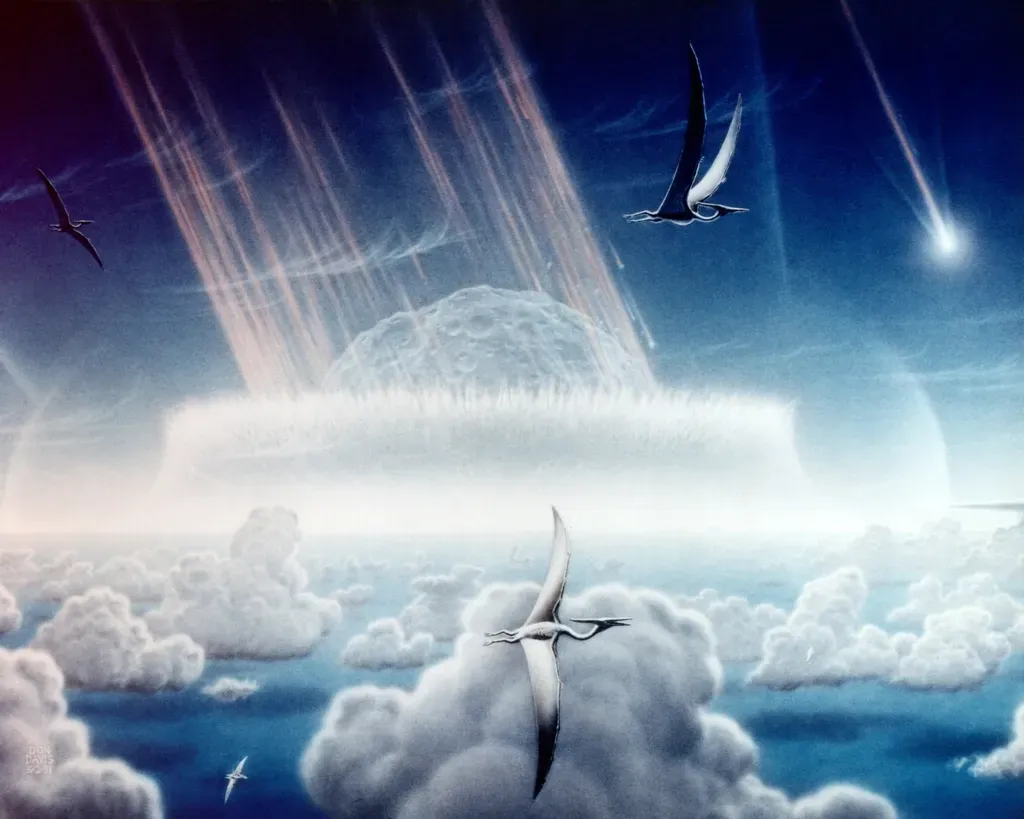
This is the prehistoric disaster everyone knows: a roughly city-sized asteroid slamming into what is now the Yucatán Peninsula about sixty-six million years ago. In minutes to hours, shockwaves, wildfires, tsunamis, and an atmosphere choked with dust and aerosols tore through the biosphere. Sunlight dimmed, photosynthesis stalled, food webs crumbled, and a large share of life – including all non-bird dinosaurs – disappeared in what must have been one of the most terrifying episodes any living thing has ever experienced.
And yet, that same catastrophe is the reason mammals, once small and mostly nocturnal, got their evolutionary opening. Freed from dinosaur competition, mammals radiated into new forms: huge grazers, swift predators, agile climbers, and eventually primates capable of complex thought. It is a strangely humbling thought that our own story starts with a piece of space rock ending someone else’s. If the asteroid had missed, the planet might still be a dinosaur’s world, and we would never have had the chance to ask what happened.
Conclusion: Evolution’s Harshest Teacher Is Catastrophe
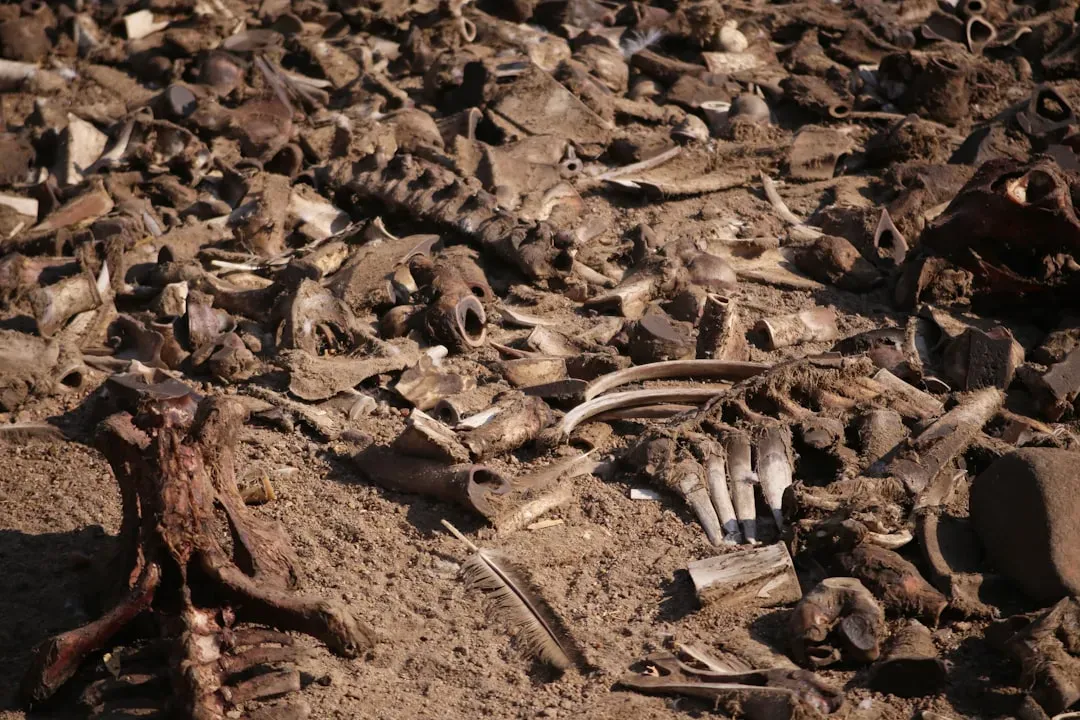
Looking across these eight disasters, a pattern jumps out: every time life gets slammed, it does not just rebuild the same world. It builds a new one. Toxic oxygen, global ice, dead oceans, volcanic infernos, and falling space rocks all tore existing ecosystems apart, but they also reset the rules and reshuffled who got to thrive. Evolution is not a gentle, linear march; it is more like a series of brutal cliff dives followed by wild, creative climbs back up.
Personally, I think that is both unsettling and strangely inspiring. It means our existence is balanced on the ruins of countless lost worlds, each wiped away by forces far bigger than any single species. It also means that stability is the exception, not the rule, and that our own actions now are part of a very old story of planetary upheaval. When you think about these ancient catastrophes, does it still feel like humanity’s impact on Earth is just a modern problem – or more like the next chapter in a long, dangerous tradition?