
Look around and it feels like the world is changing faster than ever. New phones every year, new trends every week, new slang every time you finally learn the old one. Yet quietly, in oceans, swamps, forests, and even your backyard, there are creatures that have barely changed at all since before humans, before dinosaurs vanished, before continents even looked like they do now.
These so‑called “living fossils” are not frozen in time, but they are shockingly similar to their ancient ancestors in body plan and lifestyle. Some watched the first dinosaurs appear, others survived multiple mass extinctions, and a few were crawling around long before any animal had even tried walking on land. Let’s meet 12 of these biological time travelers and see why evolution, in their case, hit pause instead of fast‑forward.
1. Horseshoe crabs – armored survivors from before the dinosaurs
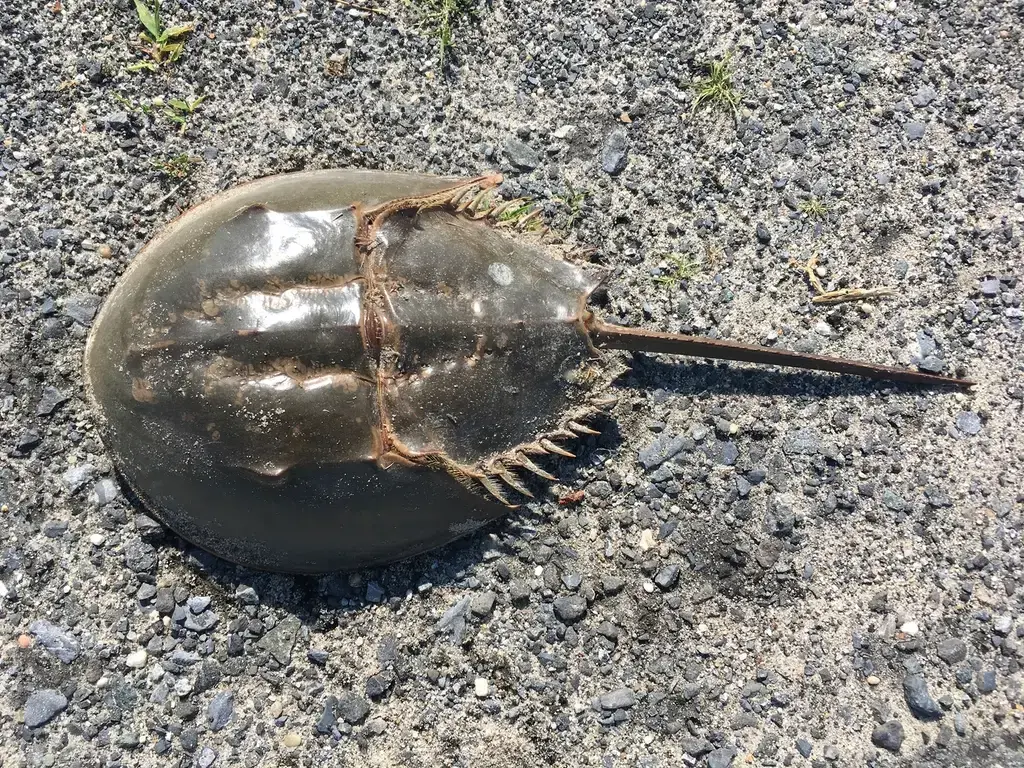
Imagine a helmet with a tail that decided to become an animal, and you’ve basically got a horseshoe crab. These strange, hard‑shelled creatures have been shuffling along the sea floor for more than four hundred million years, long before dinosaurs took their first steps. Fossils of ancient horseshoe crabs look so similar to modern ones that paleontologists can recognize them almost at a glance.
Part of their success comes from a simple but effective body plan: a tough shell, spiky tail, and legs tucked safely underneath. They eat just about anything they can find on the sea floor, from worms to small clams, which makes them generalists in an ever‑changing ocean. Their blue blood, packed with a special compound that clumps around bacteria, has also made them unexpectedly important in modern medicine, because it helps test the safety of vaccines and medical devices.
2. Coelacanths – the “extinct” fish that came back
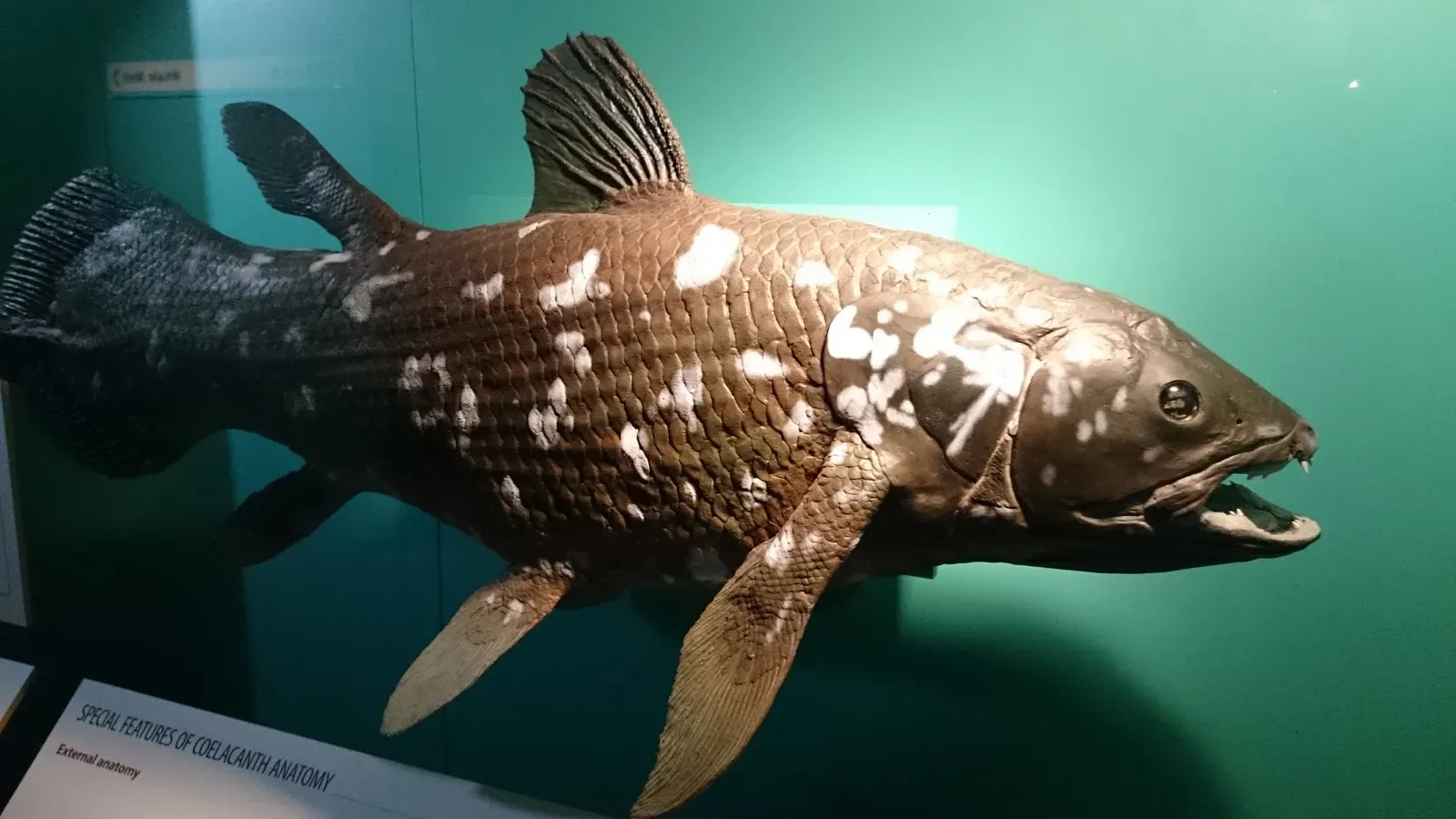
For most of the twentieth century, coelacanths were the poster child for extinct animals. Scientists thought they had disappeared about sixty‑six million years ago, right around the time the dinosaurs died out, based on what the fossils showed. Then in the late nineteen‑thirties, a living coelacanth was pulled up from the Indian Ocean, shocking the scientific world and proving this ancient lineage was still alive.
Modern coelacanths look stunningly similar to their fossil relatives, with lobe‑like fins that resemble early experiments in walking, thick scales, and a strange, three‑lobed tail. They live deep in dark underwater caves, moving slowly and conserving energy, which may help explain why they have changed so little over time. With long lifespans, slow reproduction, and a body plan that already works well in their niche, evolution seems to have found a stable solution and stuck with it.
3. Nautiluses – spiral‑shelled sailors from ancient seas
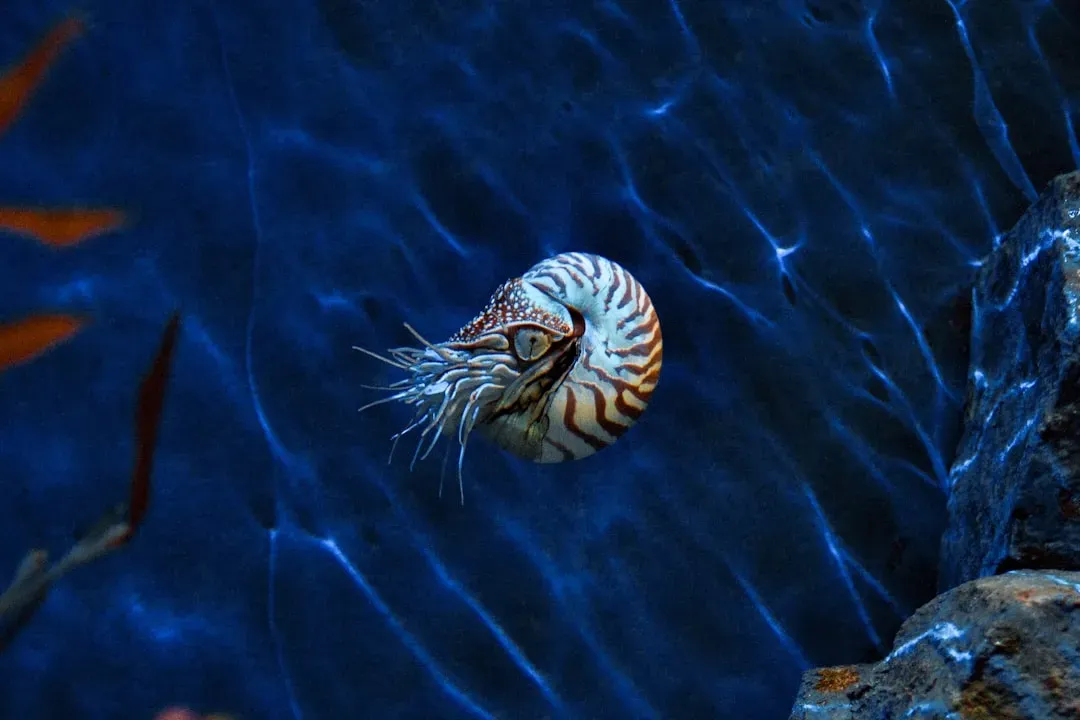
If you’ve ever seen a nautilus shell, with its perfect spiral and pearly interior, you’ve held a piece of design that predates most complex life on land. Nautiluses belong to a group of cephalopods whose ancestors were already cruising the oceans hundreds of millions of years ago. Fossils of ancient nautilus‑like creatures closely match the shape and structure of the shells we see today, a strong hint that their basic design has barely budged.
Unlike their flashier cousins, squids and octopuses, nautiluses are more conservative. They grow slowly, live for many years, and use a series of gas‑filled chambers in their shells to control buoyancy, like a natural submarine. Their slow, steady lifestyle, in deep reef slopes and offshore waters, seems to insulate them from the rapid changes that push other species to evolve new tricks, which is one reason their lineage feels like a direct line back to ancient oceans.
4. Crocodiles – modern echoes of Jurassic predators
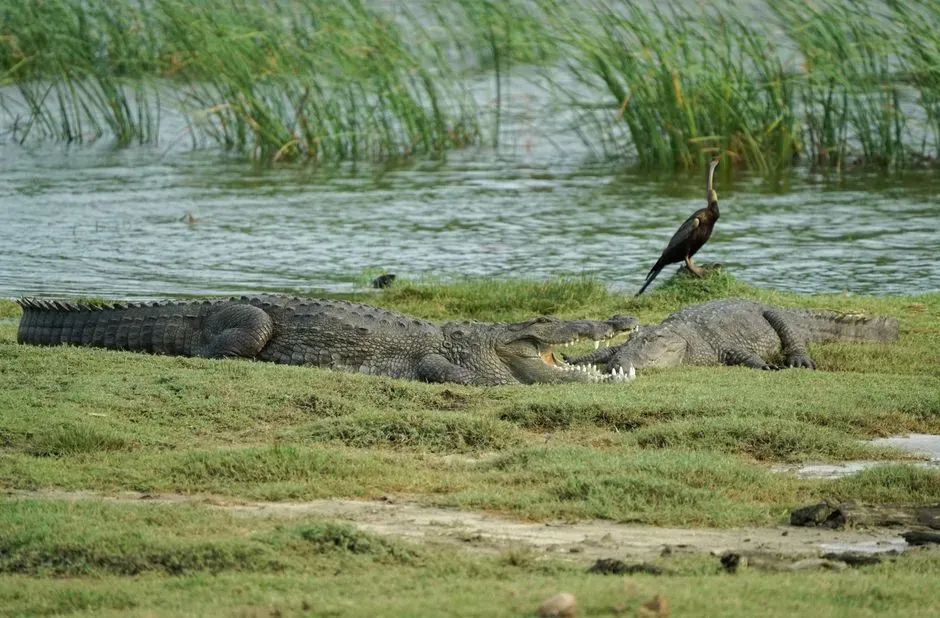
When you look at a crocodile lounging on a riverbank, it’s hard not to think of dinosaurs. That’s not an accident: crocodilians and dinosaurs share a common ancestor, and crocodile‑like creatures were sliding into the water back in the age of the dinosaurs. While there have been different crocodile forms over time, the classic long‑jawed, armored, semi‑aquatic body plan has been remarkably stable for tens of millions of years.
What makes crocodiles so enduring is not some supernatural toughness, but a versatile but simple strategy. They are ambush predators, able to go long periods without eating, and can live in a wide range of climates and waters. Their bodies are essentially perfect for lurking at the water’s edge, explosive lunges, and powerful bites. When evolution finds a toolkit that works as well as this, there’s not much incentive to redesign it from scratch.
5. Sharks – ancient rulers of the seas
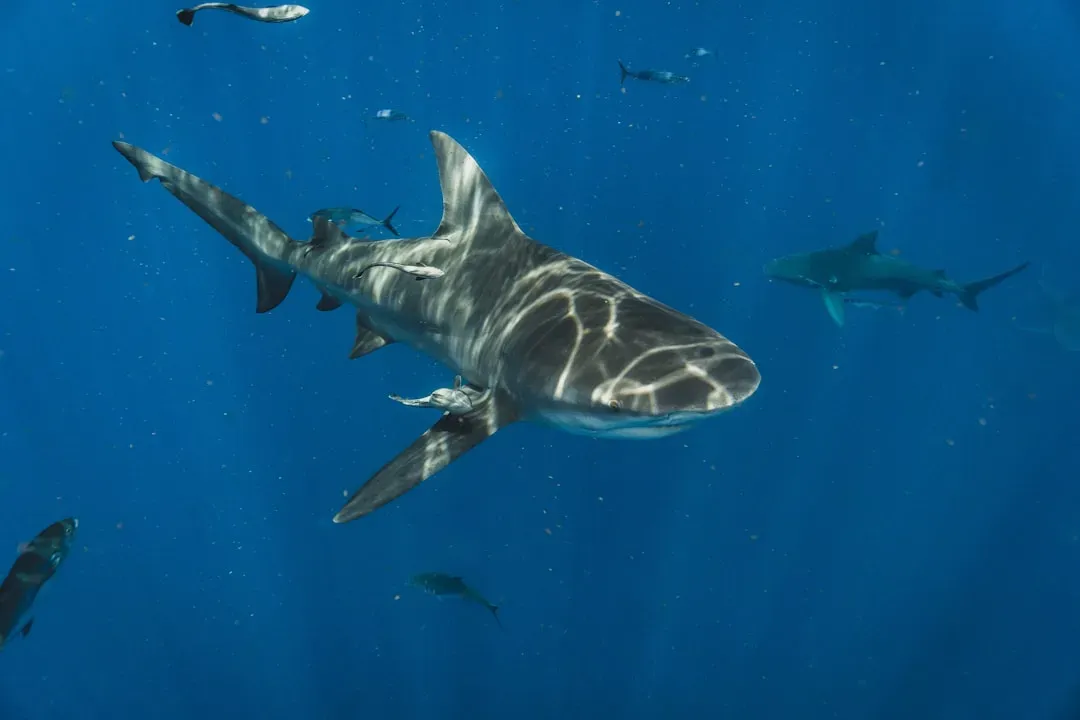
Sharks have been patrolling Earth’s oceans for more than four hundred million years, surviving multiple mass extinctions that wiped out countless other groups. While individual shark species have come and gone, the overall shark blueprint – a cartilaginous skeleton, streamlined body, rows of replaceable teeth, and keen senses – has barely changed compared with many of their fossil ancestors. If you placed some of the ancient shark silhouettes next to modern ones, the family resemblance would be obvious.
Part of the reason sharks change slowly is that they occupy such a dominant role as top predators. Their bodies are already highly optimized for speed, stealth, and efficient hunting in water. I remember snorkeling for the first time and seeing even a small reef shark glide past; it felt like watching a perfectly tuned machine, one that evolution finished a long time ago and has just kept fine‑tuning around the edges.
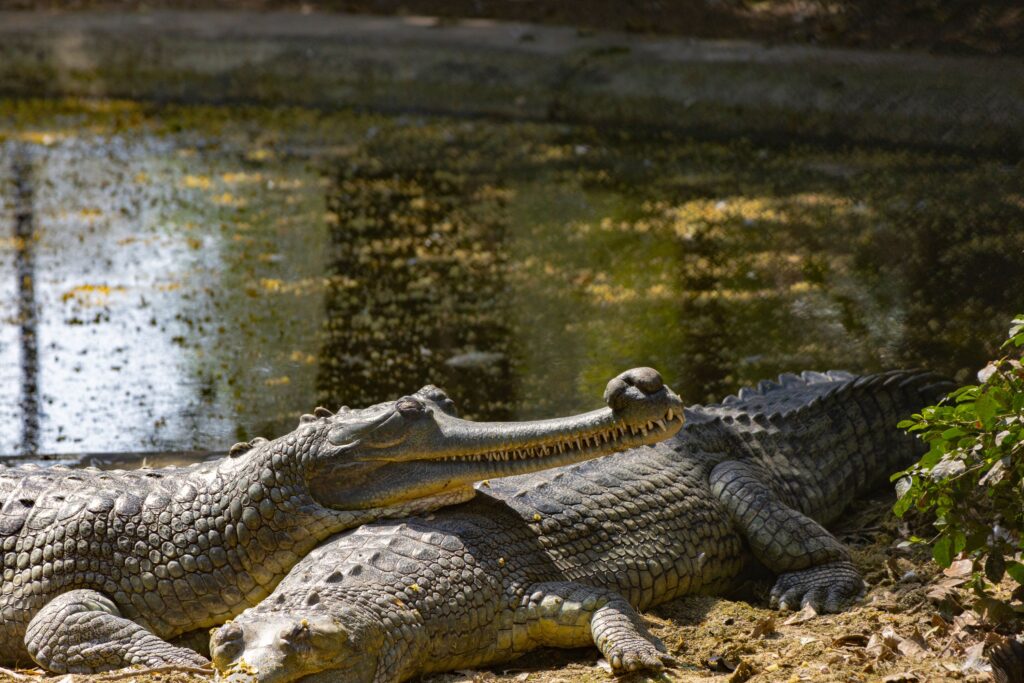
6. Gharials – long‑snouted throwbacks of the river
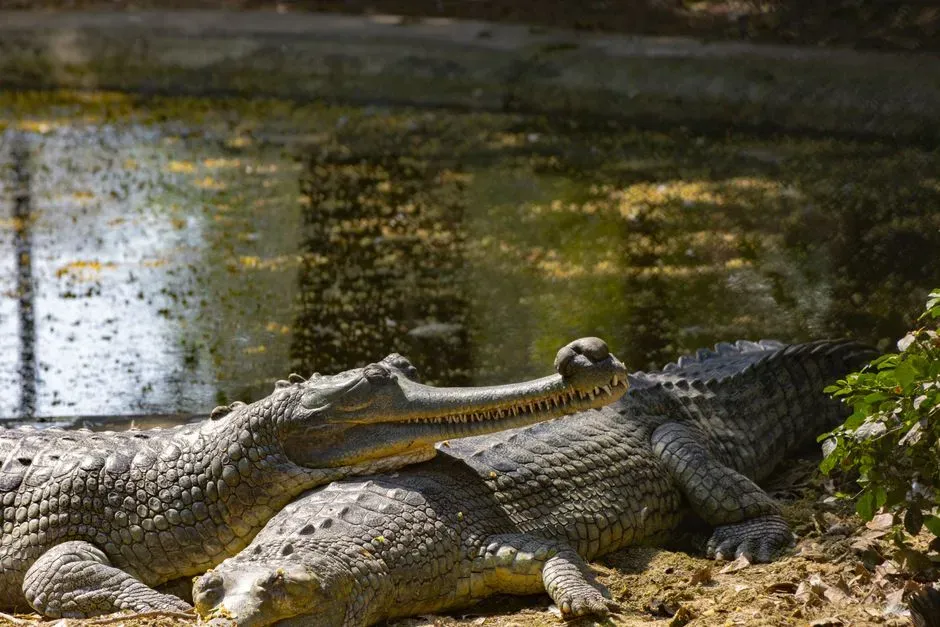
Gharials look like crocodiles that went a little wild with the nose slider in a character creator. Their snouts are long, thin, and lined with sharp teeth, perfectly shaped for snatching fish out of the water. Fossils of long‑snouted crocodilians from tens of millions of years ago are so similar that scientists consider modern gharials to be very conservative descendants of an ancient lineage.
They live mostly in rivers of the Indian subcontinent and are almost fully aquatic, with weak legs for land but strong tails for swimming. That extreme specialization for fish hunting has likely contributed to their evolutionary stability: once you’re that well‑tuned to a particular lifestyle, there may simply be less pressure to change dramatically. Sadly, their dependence on large, healthy rivers also makes them vulnerable today, even if they sailed relatively untouched through deep time.
7. Sturgeons – bony‑plated ghosts of prehistoric rivers
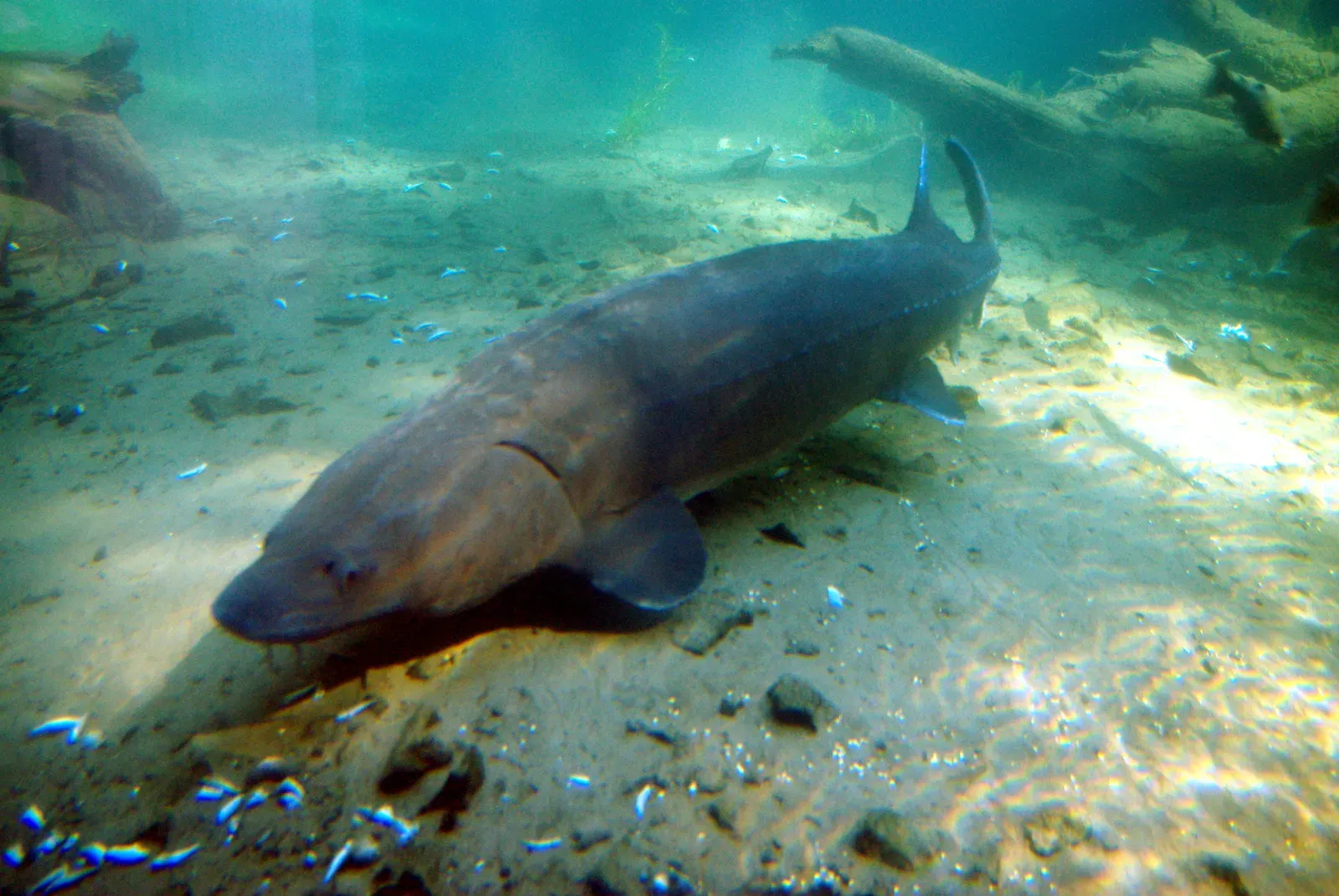
Sturgeons look part fish, part armored tank, with bony plates along their backs and long, whisker‑like barbels hanging from their snouts. This basic look shows up in fossils that are more than a hundred million years old, and many of those ancient sturgeons would not look out of place in a modern river. The group as a whole is one of the most ancient lineages of ray‑finned fishes still swimming today.
They tend to live long lives, grow slowly, and migrate great distances to spawn, often returning to the same rivers for generations. For a long time, nothing much disturbed that rhythm, allowing their ancient body plan to remain effective. The irony is painful: after surviving asteroid strikes and ice ages, many sturgeon species are now critically endangered due to overfishing and river damming, reminding us that even “unchanged” species are not invincible.
8. Lungfish – living links between water and land
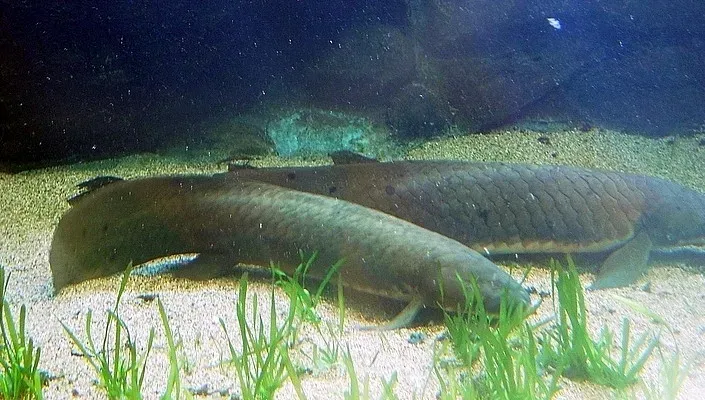
Lungfish are the weird cousins of the fish world, capable of breathing air thanks to lung‑like organs and, in some species, surviving in dried‑out mud for months. Their lineage stretches back to the Devonian period, hundreds of millions of years ago, when some of their relatives were experimenting with moving onto land. Modern lungfish share many key features with those early forms, such as limb‑like fins and simple lungs.
When scientists compare the skeletons and internal anatomy of lungfish fossils to living species, they see a continuity that is striking. The basic game plan – slow‑moving, bottom‑dwelling, able to endure harsh environments by switching to air breathing or dormant states – has worked across vast stretches of time. To me, lungfish are like the backup hard drive of evolution, preserving an early version of a design that eventually led to every amphibian, reptile, bird, and mammal.
9. Tuataras – the last of an ancient reptile line
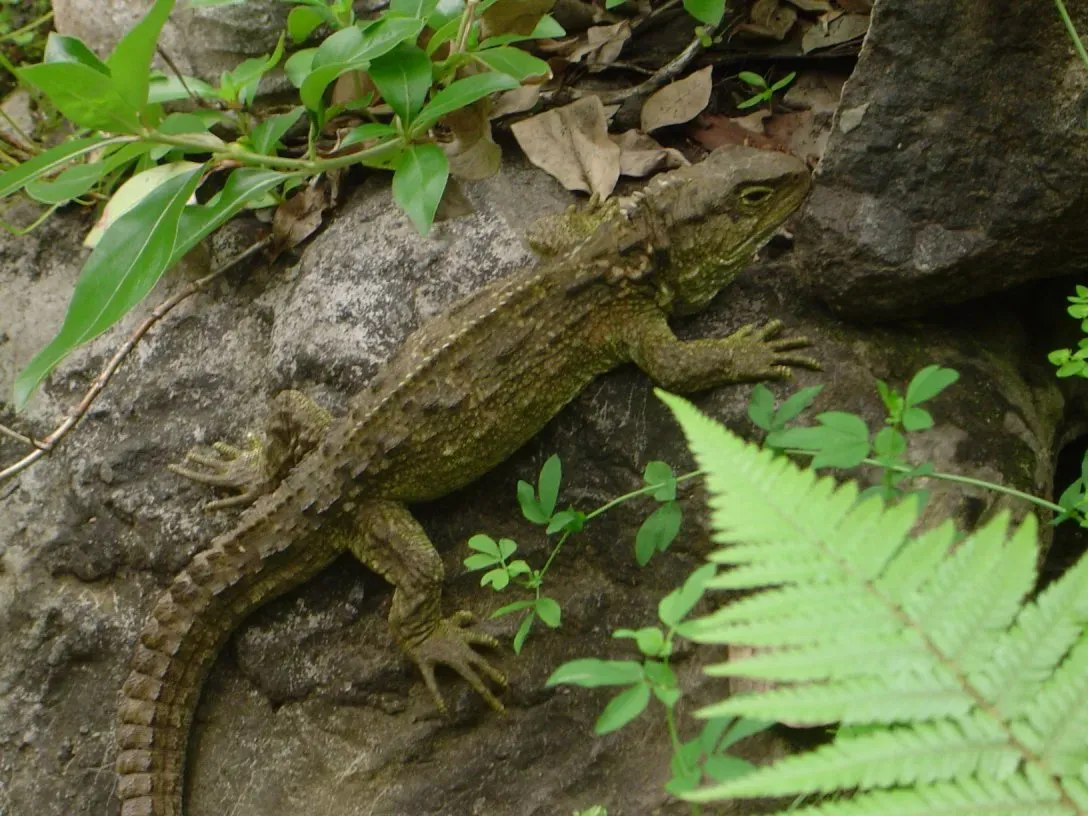
At first glance, a tuatara looks like just another lizard sitting on a rock in New Zealand. But genetically and anatomically, it belongs to its own ancient group of reptiles that dates back to the age of the dinosaurs. Fossils of its relatives from more than two hundred million years ago show skulls and features that line up eerily closely with the modern tuatara.
They grow slowly, live for many decades, and thrive in cool, temperate conditions that would challenge many lizards. That slow pace extends to their evolutionary history: with limited competition on isolated islands and a successful body plan, there has been little push to change radically. I love that an animal which looks so unassuming is, in reality, one of the deepest branches on the reptile family tree still holding on.
10. Goblin sharks – deep‑sea relics with a nightmare face
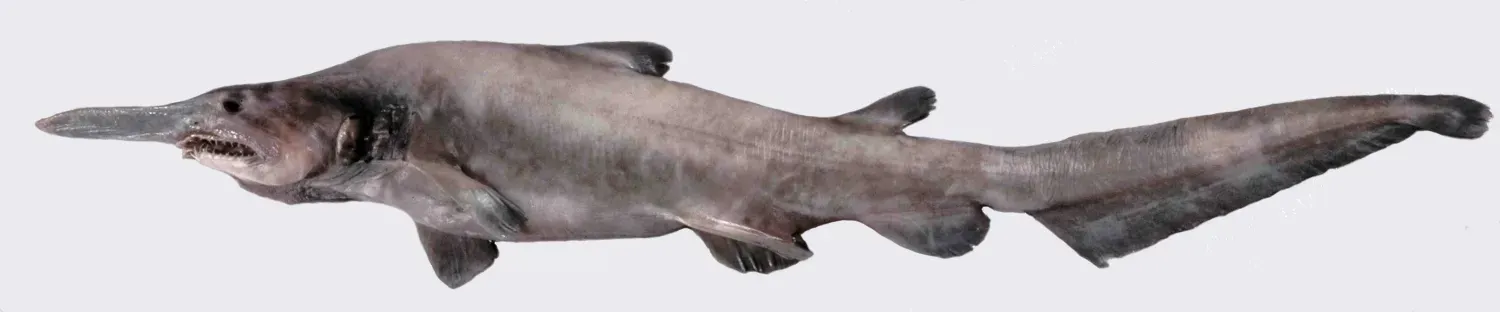
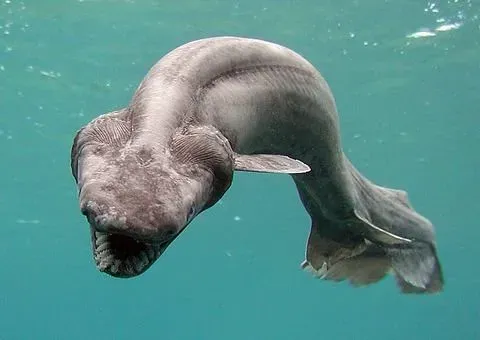
Goblin sharks look like something a special‑effects artist created after a bad dream: long, flattened snout, flabby body, and jaws that shoot forward to grab prey. They live in deep waters, far from sunlight and far from most human eyes, which is one reason they have remained mysterious. Their overall body shape and jaw mechanics echo very old shark lineages known from fossils, making them one of the more primitive‑looking modern sharks.
Life in the deep sea tends to move slowly, with low temperatures, limited food, and few major changes over long stretches of time. In that kind of environment, an odd but functional design can persist for millions of years with relatively little modification. Goblin sharks are a reminder that evolution is not always about sleek, perfect forms; sometimes the strange, slightly awkward model works so well in its niche that there is no reason to overhaul it.
11. Lampreys – jawless throwbacks to the dawn of vertebrates
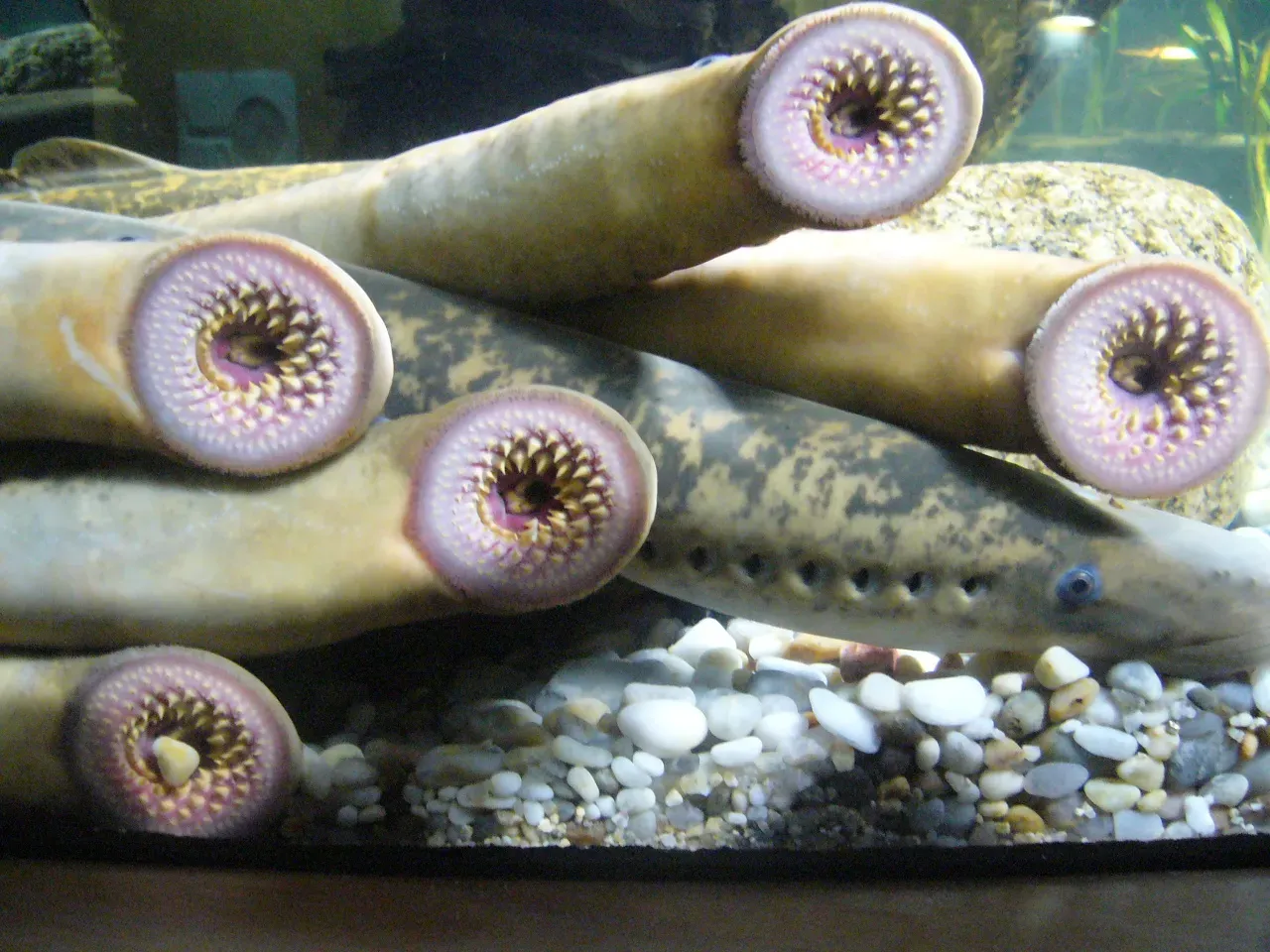
Lampreys are eel‑like creatures with circular, suction‑cup mouths filled with rings of tiny teeth, and no jaws in the way we usually think of them. Jawless vertebrates like them dominated the seas long before most modern fish groups even existed, and fossil jawless fishes from hundreds of millions of years ago share a lot of similarities with today’s lampreys. They may not be identical, but as a group they preserve an ancient blueprint.
Some lampreys live as parasites, attaching to other fish and rasping away at their flesh, while others feed only as larvae and stop eating altogether as adults. Their relatively simple bodies, long life cycles, and stable ecological roles have allowed this lineage to remain recognizable across deep time. Studying lampreys is like flicking through an old photo album of vertebrate evolution and finding a branch of the family that never felt the need to update its style.
12. Jellyfish – drifting echoes of Earth’s earliest animals
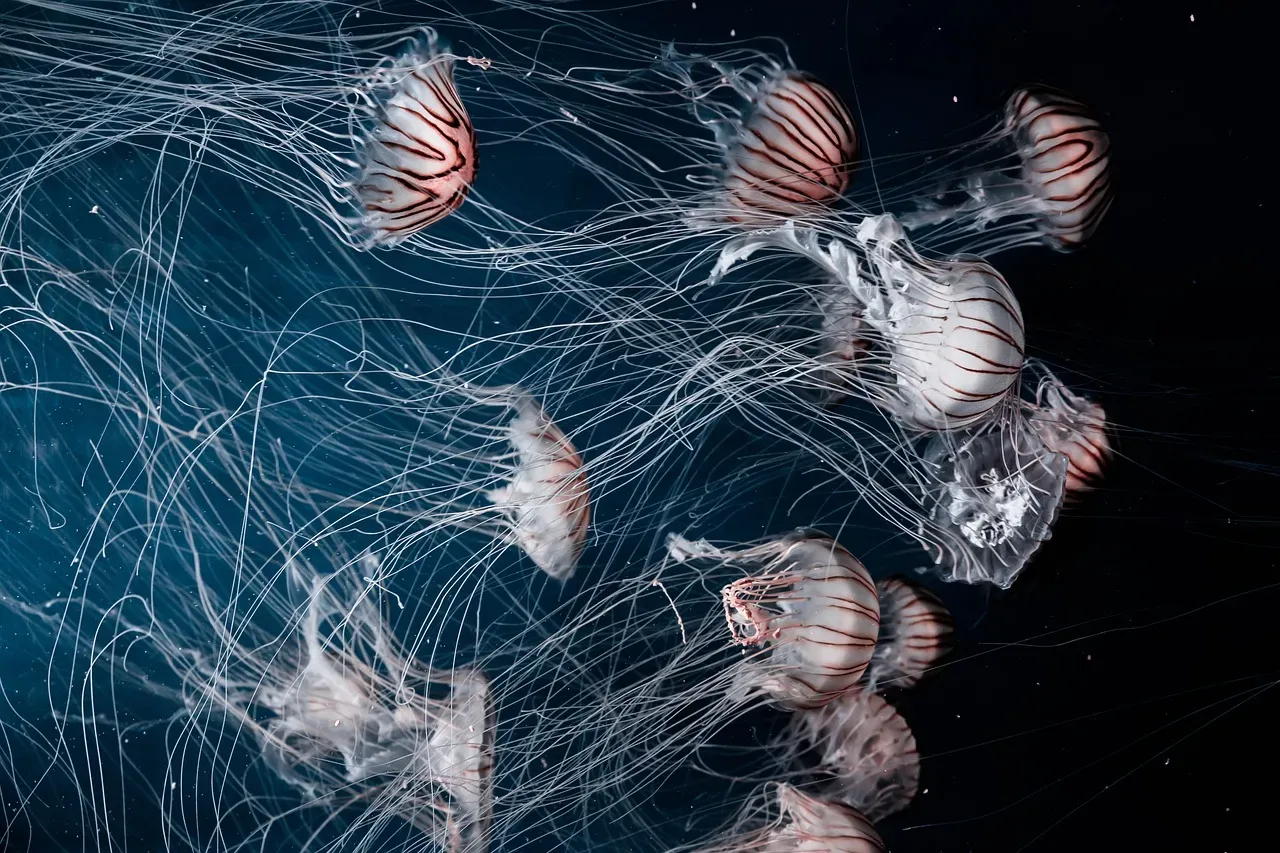
Jellyfish are among the simplest animals you can see with the naked eye: just a bell‑shaped body, tentacles, and a basic nerve net. Yet they’ve been pulsing through Earth’s oceans for more than five hundred million years, making them older than most complex animal groups. Fossils of ancient jellyfish show familiar bell shapes and radiating tentacles that match what we still see washing up on beaches today.
Because they are so simple and so widespread, jellyfish have weathered environmental shifts that wiped out far more complicated creatures. In some modern oceans, human‑driven changes like overfishing and warming waters may even be giving them an advantage, allowing blooms to grow larger and more frequent. It’s a bit unsettling to realize that if many present‑day species vanish, the ocean of the future might look suspiciously like the ocean of the very distant past: full of drifting, ancient jellies.
Conclusion – when “if it works, don’t fix it” becomes evolution’s rule
Looking across these 12 species, a pattern jumps out: evolution is not a constant race toward something flashier or smarter. When a body plan fits its environment almost perfectly – whether that’s a crocodile ambushing at the water’s edge or a nautilus floating in the dim deep – change slows to a crawl. In my view, that makes these animals more impressive, not less; they have quietly passed every test Earth has thrown at them while entire dynasties of other species rose and collapsed.
At the same time, their survival is no guarantee in the world we’re creating now. Many of these “unchanged” animals are under serious pressure from habitat loss, pollution, and overuse, threats that are arriving far faster than any natural shift they ever faced. If anything, their ancient roots should make us more protective, not complacent. After all, if a horseshoe crab or a tuatara can survive hundreds of millions of years and then disappear on our watch, what does that say about how quickly we’re rewriting the story of life on Earth – and which of these time travelers would you most want to see still here a million years from now?