
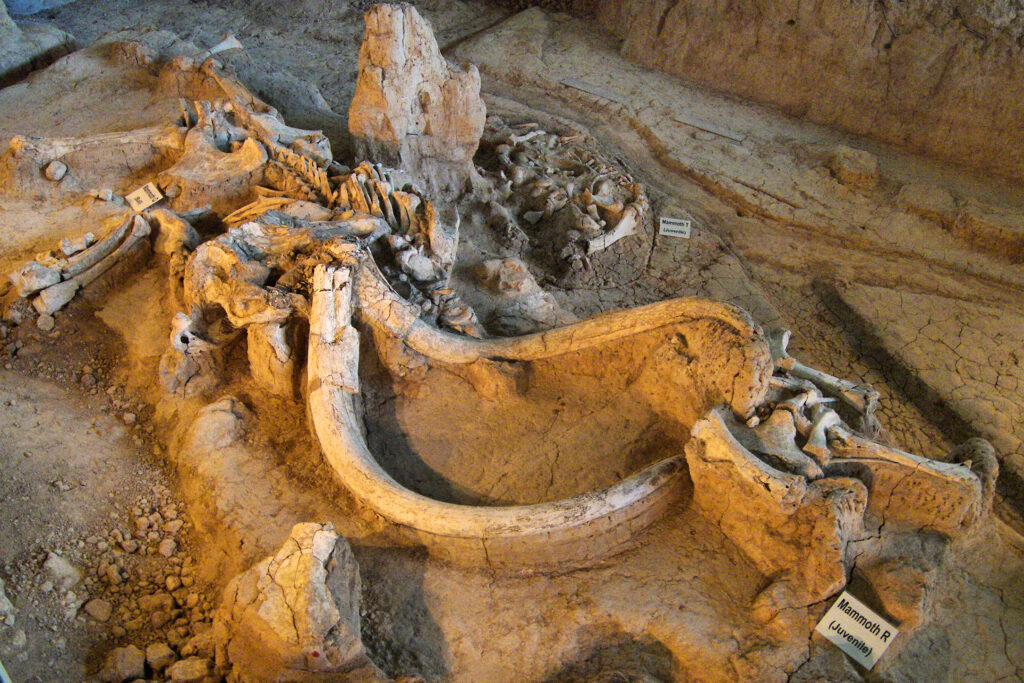
Long before museums, excavation permits, and Latin species names, ancient bones were already stirring human imagination across North America. For many Indigenous peoples, those enormous tusks and towering leg bones were not anonymous “fossils” lying mute in the ground; they were traces of powerful beings woven straight into living stories, ceremonies, and moral lessons. While European scientists were still arguing about whether extinction was even possible, Native communities were walking past eroding riverbanks, recognizing something uncanny in the earth, and fitting those discoveries into sophisticated worldviews.
What makes this history so gripping is not only that Indigenous nations encountered mammoth and mastodon remains centuries before Western science paid attention, but that they did something radically different with them. Rather than treating the bones as dead objects waiting to be measured, they read them as signs of relationships, as warnings, as proof that the world has changed before and will change again. Once you see how their stories line up with what paleontology now confirms, it is hard to pretend that “science” only began when Europeans showed up with notebooks and measuring tapes.
Mammoth bones in the homelands: more than just “fossils”
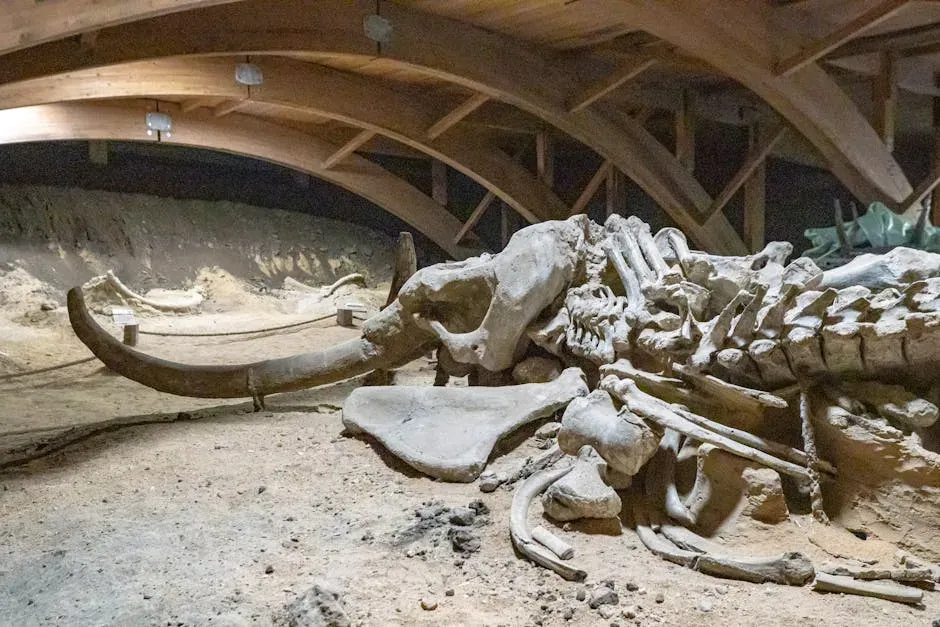
Imagine walking along a river after a flood and spotting a curved ivory tusk as long as your body jutting from the bank. For many Native communities, scenes like this were part of everyday life on the Great Plains, in the Ohio and Mississippi River valleys, and across parts of the Southwest. Enormous femurs, vertebrae, and tusks occasionally eroded out of bluffs, streambeds, and lake shores, and people did not need a European naturalist to tell them these belonged to something extraordinary.
Instead of filing these bones into a mental drawer labeled “geological curiosity,” Indigenous societies folded them into a larger understanding of a land alive with ancestors, spirits, and powerful nonhuman beings. The bones were physical evidence that the world had gone through earlier ages populated by creatures far larger and stranger than those around today. That perspective might sound mythic, but it is eerily close to the modern idea of deep time, only expressed with a moral and spiritual dimension that Western science largely stripped away.
Thunderbirds, water monsters, and Ice Age giants
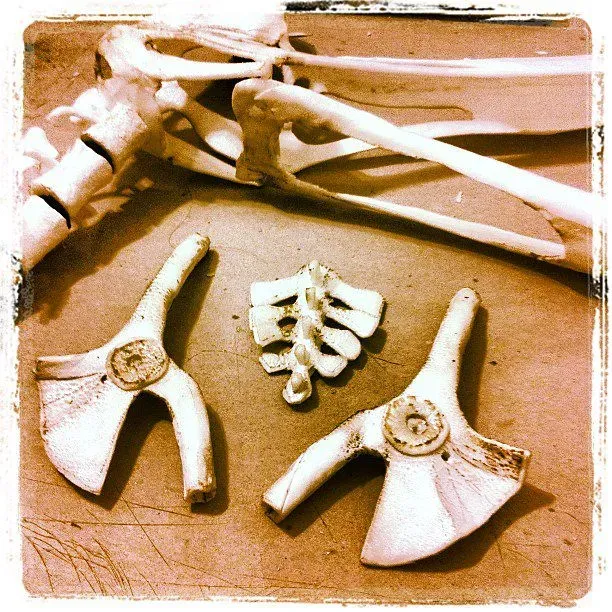
One of the most striking patterns is how often mammoth or mastodon bones seem to have been associated with beings of the sky and the water. Across parts of the Plains and Great Lakes regions, stories of thunderbirds and underwater monsters describe colossal clashes between sky-dwelling and water-dwelling powers. When Indigenous people later found massive ribs or tusks embedded near rivers or lakebeds, it was not a stretch to see them as the remains of those very monsters defeated in primeval battles.
From a modern lens, it is tempting to dismiss these stories as coincidence, but the geography undercuts that easy skepticism. Many of the places where such tales cluster are also rich in Pleistocene fossils, especially where rivers cut down into older sediments. To me, that overlap suggests not that people were confused, but that they were paying close attention. They saw real bones in specific places and preserved those observations inside a narrative framework that linked landforms, storms, floods, and creatures into a single, meaningful storyline.
Oral traditions as deep-time memory, not fantasy
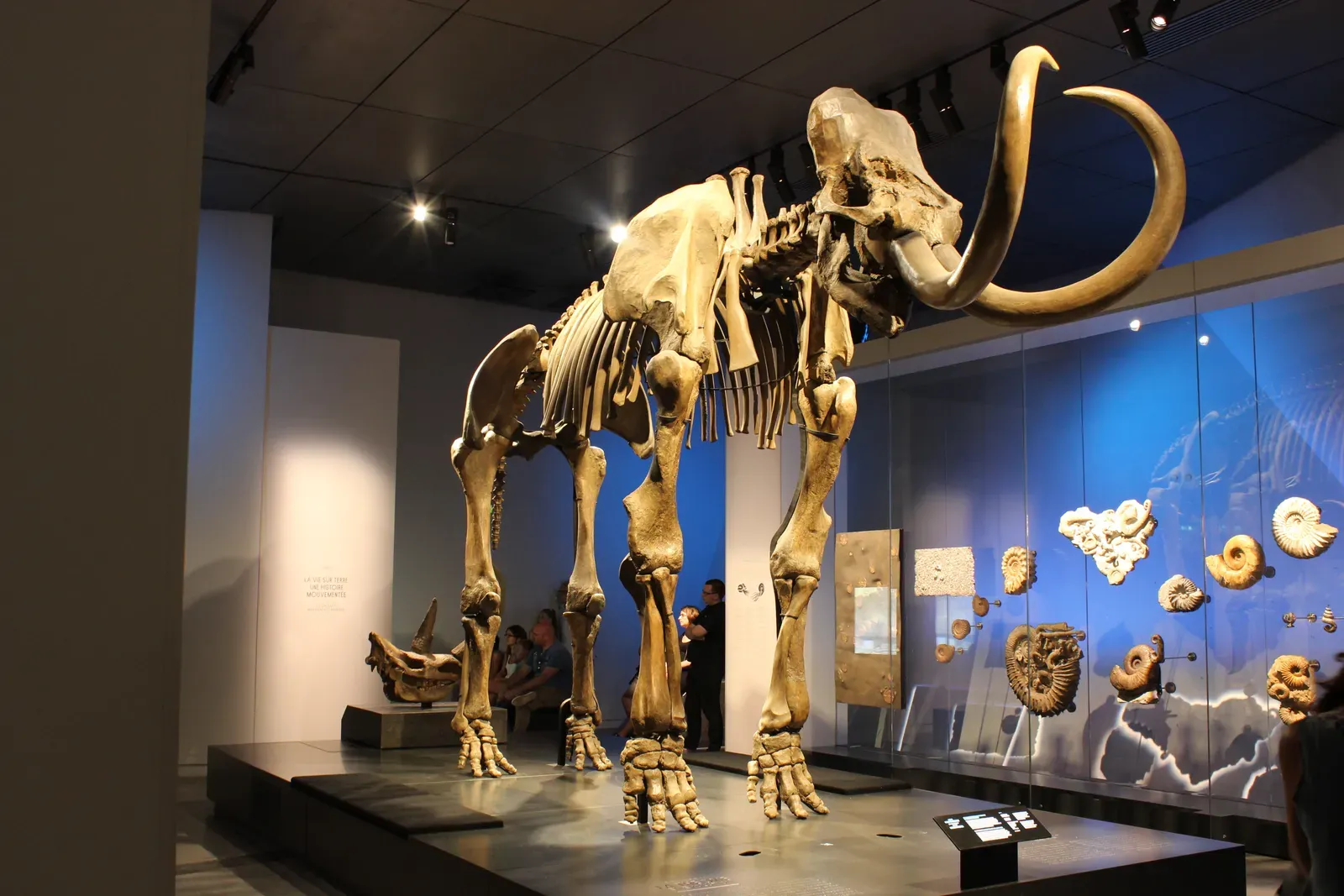
One of the most common mistakes people make is thinking that oral traditions are just loosely organized fairy tales floating free of reality. In many Native societies, oral histories function more like multi-layered archives that combine ethics, territorial knowledge, astronomy, and natural history. Stories about giant animals that once roamed, then vanished because of a great change or human wrongdoing, fit neatly into that pattern. They are cautionary narratives that also preserve the basic shape of extinction long before that word was coined in Europe.
Modern science now recognizes that mammoths, mastodons, and other Ice Age megafauna disappeared over the last several tens of thousands of years, with many North American species gone by the end of the last glacial period. For peoples whose ancestors had lived across the same landscapes for countless generations, it would have been hard not to notice that something huge once existed and no longer did. Oral tradition let them carry that recognition across centuries, not as a sterile fact but as a living reminder that abundance can vanish and that relationships between humans and other beings have consequences.
When Indigenous knowledge met European science
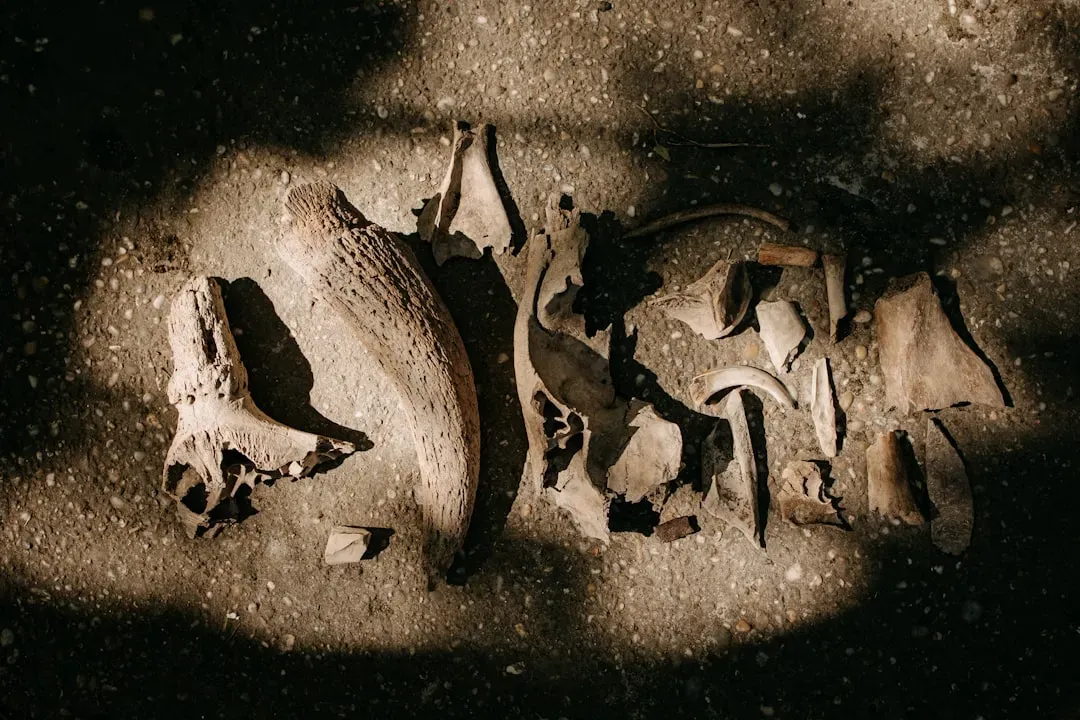
By the time European naturalists seriously turned their attention to North American fossils in the seventeen and eighteen hundreds, they were stepping into places where Native nations already had opinions about those bones. There are recorded instances where Indigenous guides showed colonists or early American scientists promising fossil outcrops, sometimes even interpreting the bones in ways that hinted at older beings swept away by floods or great changes in the earth. In other words, the earliest “discoveries” Europeans claimed often depended on Indigenous familiarity with the land.
Yet when those same bones arrived in cabinets and lecture halls, the oral traditions that had kept them meaningful for generations usually got stripped away. Scientists argued fiercely over whether these strange animals still existed somewhere else on the globe, or whether extinction was real at all, while Indigenous explanations of vanished beings were sidelined as superstition. Looking back, that dismissal feels less like objective skepticism and more like a refusal to admit that Native thinkers had already grasped something fundamental about deep time and loss that European science was reluctant to face.
Symbolism, ceremony, and the power of enormous bones
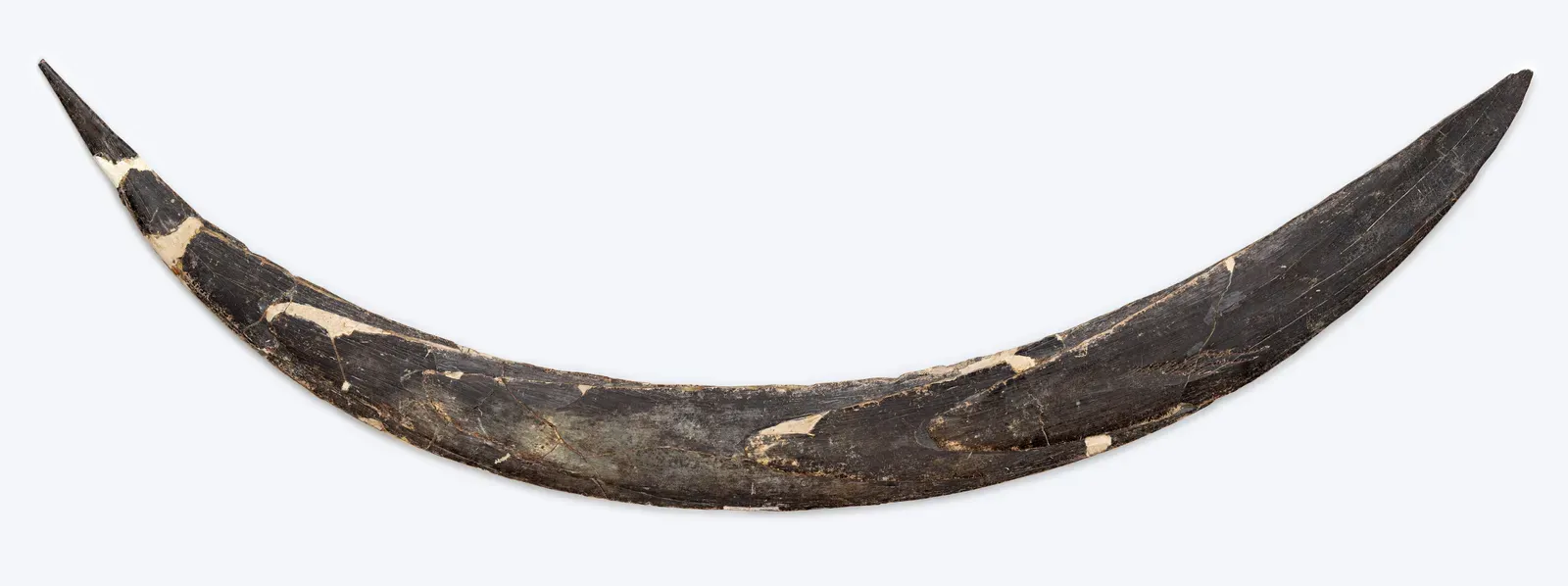
In many Indigenous worldviews, finding a massive bone was never just an opportunity to collect a specimen; it was an encounter with power. Some groups seem to have treated such remains as dangerous or sacred objects, to be approached carefully, perhaps used in ritual, or avoided altogether. Even when details are sparse in the written record, there are hints that ivory and fossil bone could enter into ceremonial life, not as generic “decorations,” but as embodiments of forces tied to storms, water, or the underworld.
From a modern angle, this kind of symbolism might sound like a barrier to scientific inquiry, but I think that gets it backwards. Treating a bone as spiritually potent encourages careful handling, observation, and storytelling continuity. It keeps the object embedded in social memory instead of letting it vanish into a private collection or crumble unremarked on the riverbank. In its own way, that reverence kept at least some of these ancient remains in cultural circulation, so that when scientists finally did show up, there were still stories to hear and sites to visit – if they had been willing to listen.
What the bones meant for identity and place
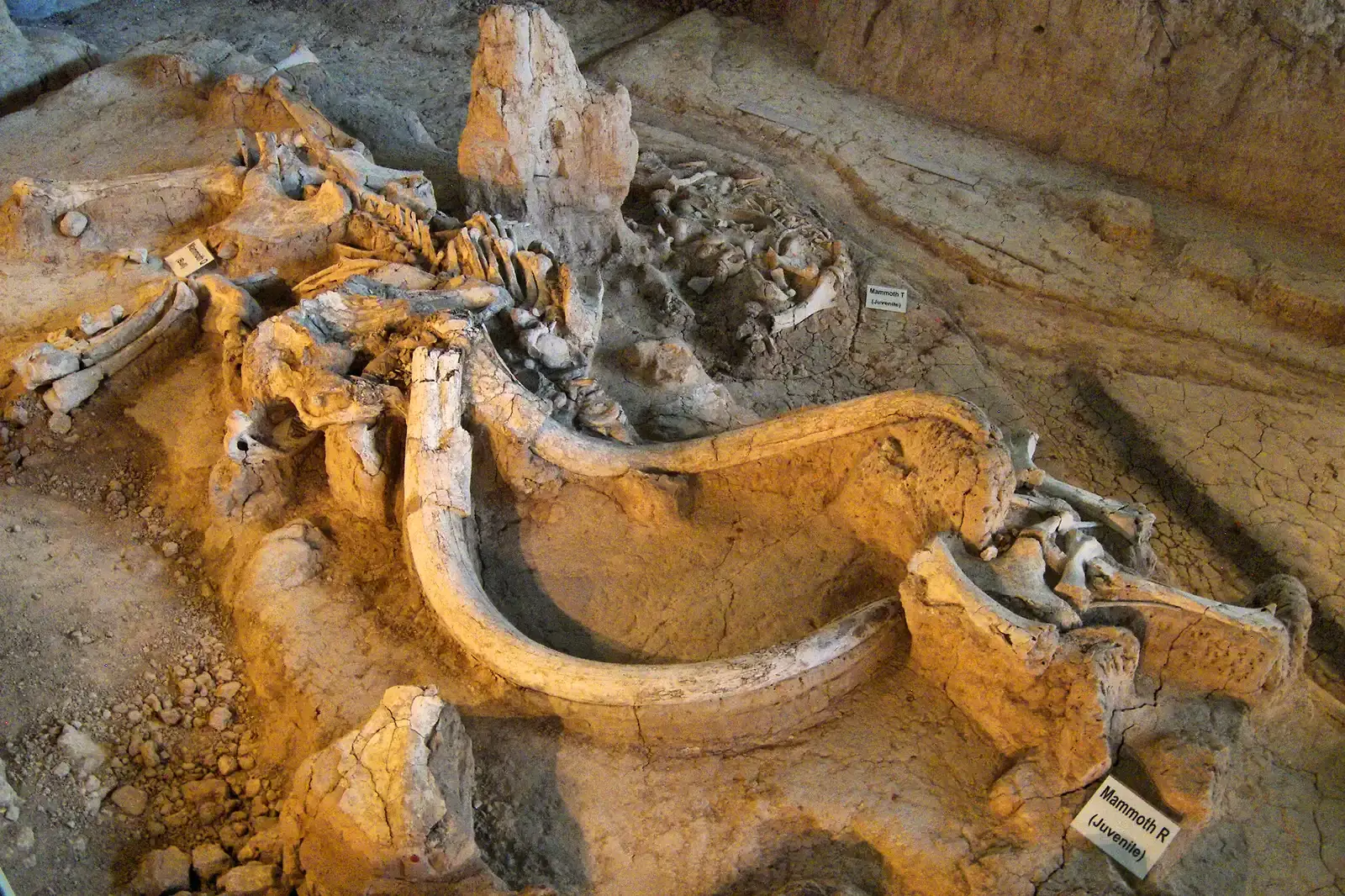
It is easy to forget that enormous fossils do not just reshape ideas about animals; they can reshape how people understand themselves. For some Native communities, stories of earlier ages filled with giant beings underscored the depth of their connection to a homeland. They lived in a place that had seen worlds come and go, and yet their own ancestors had remained, adapting through floods, ice, and extinction. That sense of belonging to a land with a deep geological and spiritual history is very different from the settler mindset that sees territory as blank space awaiting names and borders.
Seen this way, mammoth and mastodon bones were more than curiosities – they were proof that Indigenous nations were not recent arrivals to a static backdrop, but participants in long, unfolding dramas of climate, animals, and landscape. That has political resonance today, when debates about land rights, stewardship, and history still often ignore Indigenous timelines. When Native leaders say their peoples have been on certain lands since time immemorial, they are not being vague; they are gesturing at a memory horizon that comfortably reaches back to the age of megafauna, whether or not the listener is ready to accept that scale.
Why taking these traditions seriously changes the story of science
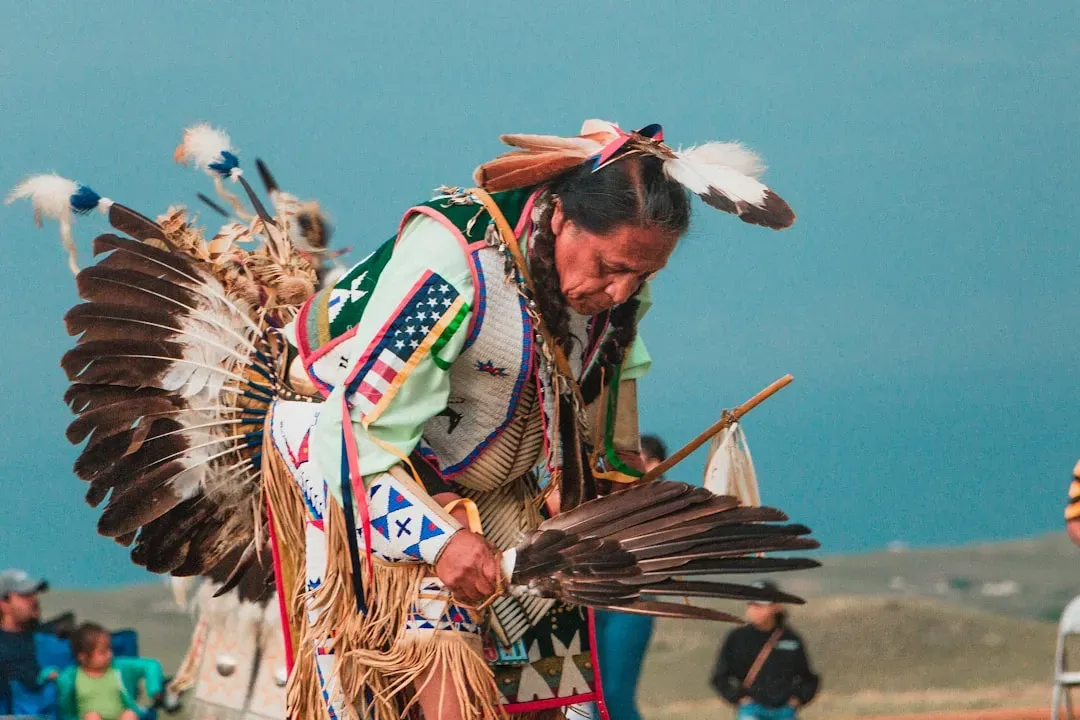
Once you acknowledge that Native communities were encountering and interpreting mammoth bones long before European scientists, it becomes hard to maintain the old story where paleontology springs fully formed from Western minds. The more honest version is messy and humbling: Indigenous observers noticed, remembered, and theorized about these remains in ways that parallel some core scientific ideas, even if they expressed them through narrative instead of formal hypotheses. Western science did eventually bring powerful tools – radiocarbon dating, comparative anatomy, genetics – but it arrived late to a conversation that was already underway.
For me, the uncomfortable truth is that a lot of what gets praised as scientific breakthrough also depended on ignoring or downgrading Indigenous knowledge. That habit still lingers in how textbooks talk about “discoveries” in lands where people have lived for thousands of years. If we took Native oral traditions about Ice Age giants as serious knowledge rather than colorful folklore, we would tell a very different origin story for paleontology in North America – one where Native nations are not supporting characters, but co-authors of humanity’s understanding of deep time. Maybe the real question is not whether those traditions count as science, but whether our definition of science has been too narrow all along.
Conclusion: The bones remember, even when we pretend not to
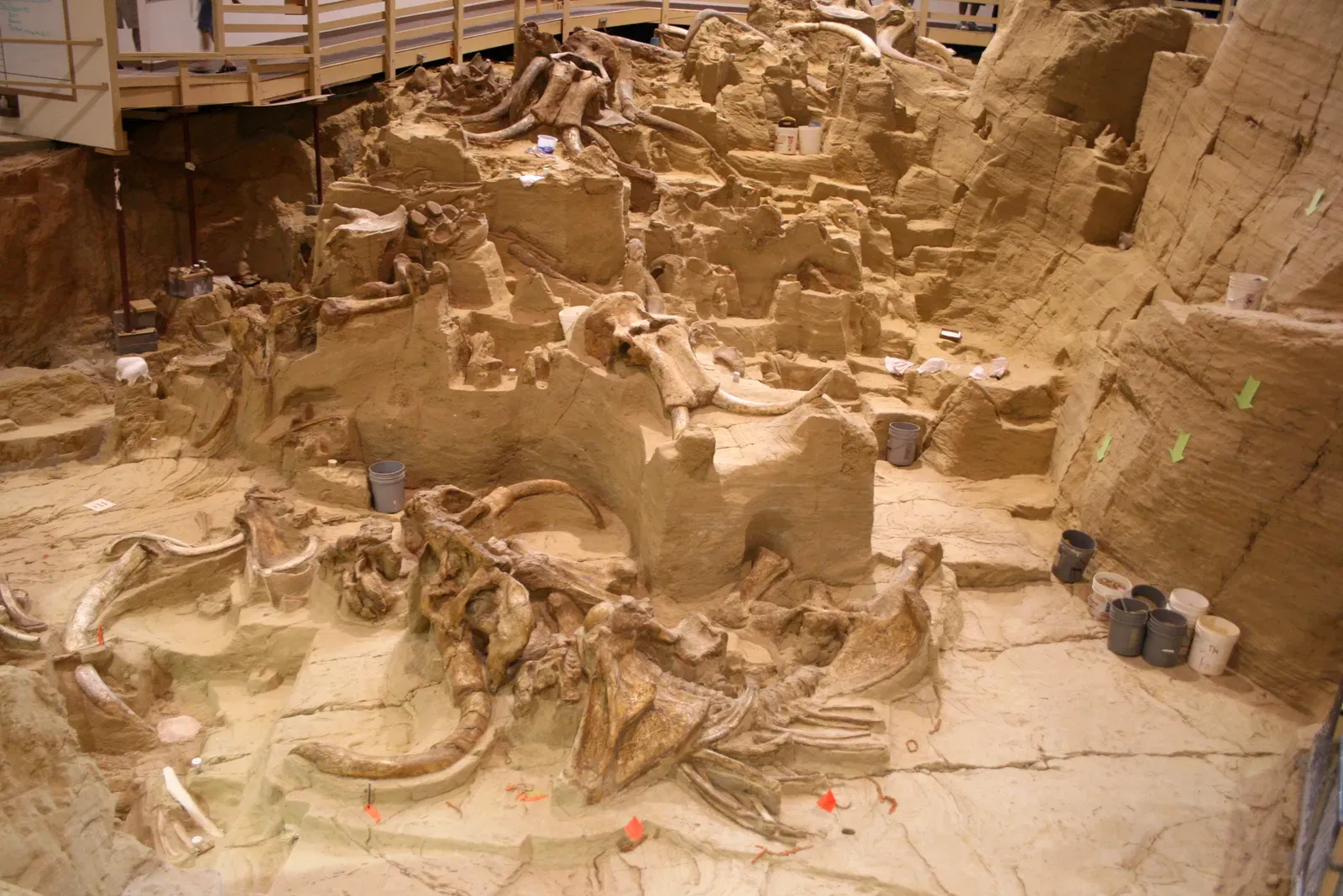
In the end, the story of mammoth and mastodon bones on Native lands is not a quaint side note to “real” science; it is a quiet indictment of how much knowledge can be overlooked when power decides whose stories matter. Indigenous peoples saw the same bones European naturalists later marveled over, but they did not need Latin names or museum labels to realize they were looking at the wreckage of other ages. They turned those encounters into layered oral traditions that spoke about change, responsibility, and the fragility of abundance, while European thinkers were still trying to argue extinct animals back into existence somewhere far away.
My own opinion is that Western science lost something vital when it refused to treat those traditions as serious partners in understanding the past. You can measure tusks and date sediments all you want, but if you ignore the communities who have been living with those bones for centuries, your picture of the world will always be shallow. The mammoths are gone, the megafauna age has ended, but the stories are still here, insisting that bones are not just data – they are relationships, warnings, and invitations to see ourselves differently. The real challenge now is simple and uncomfortable: are we finally ready to listen to what those stories have been saying all along?