
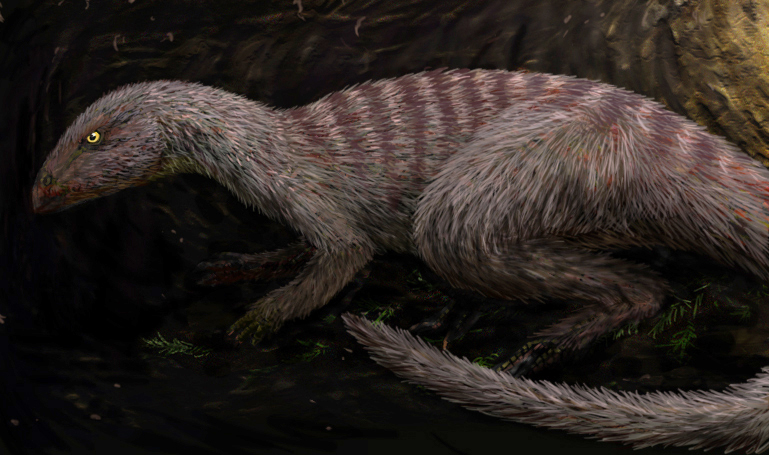
If you grew up thinking every dinosaur was the size of a bus and had the personality of an action-movie villain, you’re not alone. Pop culture has drilled into us the image of towering T. rexes and human‑sized raptors lurking in the jungle. But here’s the twist: some of the most fascinating dinosaurs to ever walk the planet were no bigger than a dog, a turkey, or even a crow.
Once you shrink dinosaurs down to their real proportions, the whole Mesozoic world starts to feel different. Forests were full of darting, feathered hunters the size of chickens, nervous plant‑eaters that would fit in your arms, and four‑winged gliders no larger than backyard birds. These six dinosaurs are a perfect reality check: proof that “dinosaur” never automatically meant “giant.”
1. Compsognathus: The “Chicken‑Sized” Carnivore
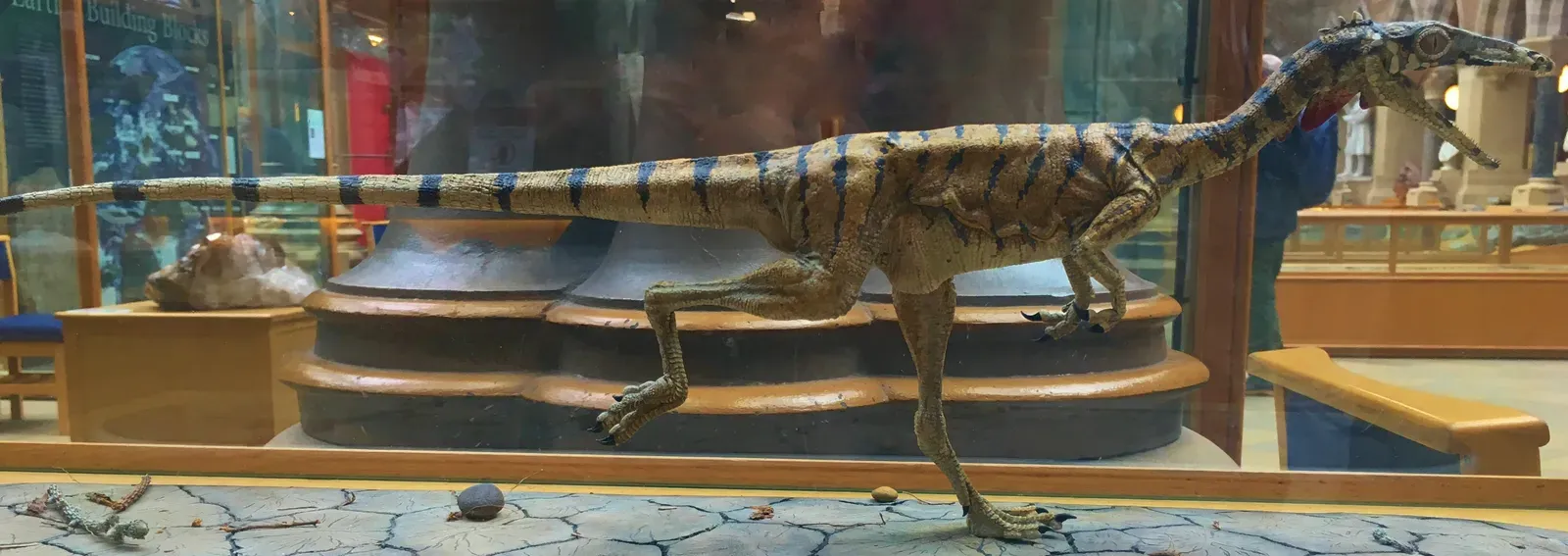
Let’s start with the classic “small dinosaur” that still shocks people when they see its real scale. Compsognathus was a slender, bipedal predator from the Late Jurassic of what is now Europe, and many reconstructions put it at roughly about one meter long from nose to tail, with much of that length being a whiplike tail rather than a bulky body. In everyday terms, that makes it more comparable to a chicken or a house cat than to anything from a monster movie.
Instead of brute force, Compsognathus relied on speed and agility, chasing down quick little prey like small lizards whose bones have been found preserved in its gut. Its head was , its arms were delicate, and its whole skeleton screams “lightweight sprinter” rather than “tank.” I like to imagine it darting through ferns like a nervous roadrunner, pausing just long enough to snap up a lizard before vanishing again into the undergrowth.
2. Microraptor: A Crow‑Sized Four‑Winged “Dragon”
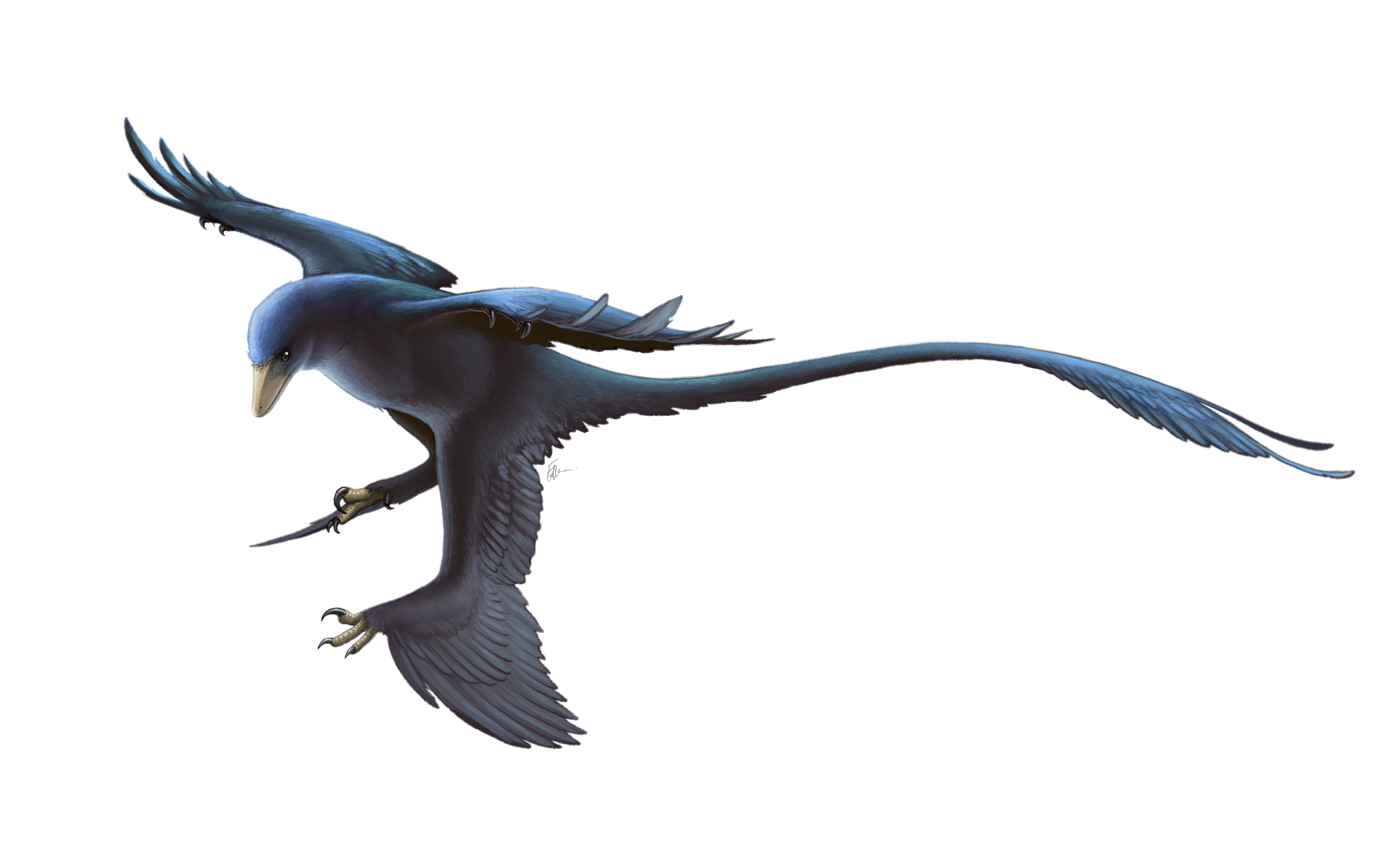
Microraptor is one of those dinosaurs that feels like it was designed specifically to blow up stereotypes. By dinosaur standards it was tiny, about the size of a modern crow, with a body light enough that researchers estimate wingspans on the order of around one meter in many specimens. That is a far cry from the airborne terror people often imagine when they hear “raptor,” yet Microraptor was a genuine, clawed, non‑bird dinosaur.
What makes it jaw‑dropping is its anatomy: long feathers on both arms and legs, effectively giving it four “wings.” This strange design suggests it could glide between trees, maybe a bit like a flying squirrel mixed with a magpie. Fossils even show that Microraptor ate fish, birds, and small vertebrates, which makes it more like a crow with serious talons and attitude than any lumbering movie monster. If you ever needed proof that dinosaurs overlapped visually with modern birds, Microraptor is Exhibit A.
3. Velociraptor: Turkey‑Sized, Not Monster‑Sized
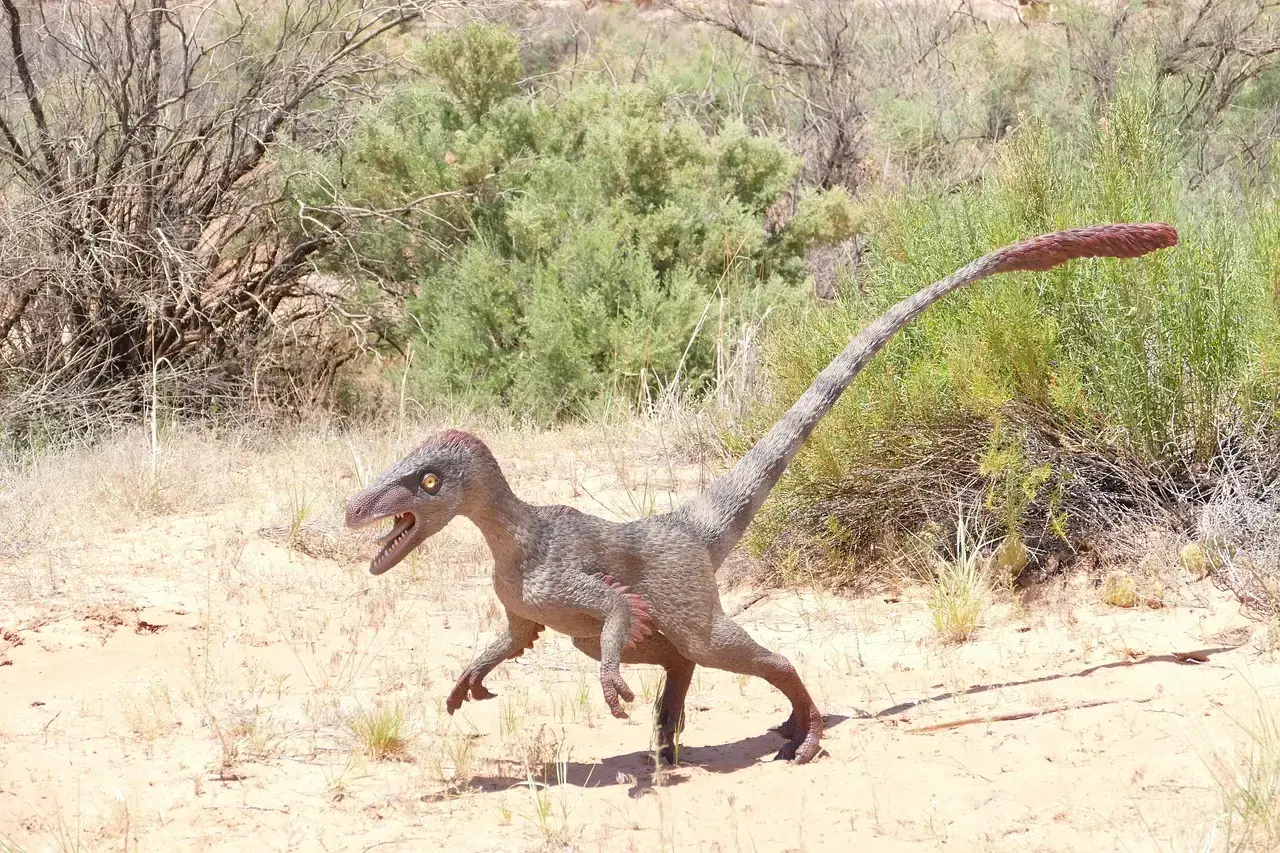
If there’s one dinosaur modern movies have completely misled people about, it’s Velociraptor. On screen it’s a man‑sized nightmare; in reality, the real animal from Late Cretaceous Mongolia was roughly the size of a large turkey, around two meters long from snout to tail but with a light, birdlike body and a weight probably under twenty kilograms. Again, most of that length was tail, not hulking flesh.
Small does not mean unimpressive, though. Velociraptor carried that famous curved sickle claw on each foot, had a relatively large brain for a dinosaur, and likely sported feathers, based on close relatives with beautifully preserved plumage. In my mind, the real Velociraptor is less a movie monster and more an oversized, hyper‑intense ground bird: think of a very angry cassowary crossed with a hawk, built to sprint, pounce, and wrestle small to medium prey rather than tackle adult humans.
4. Leaellynasaura: The Polar Dinosaur You Could Step Over
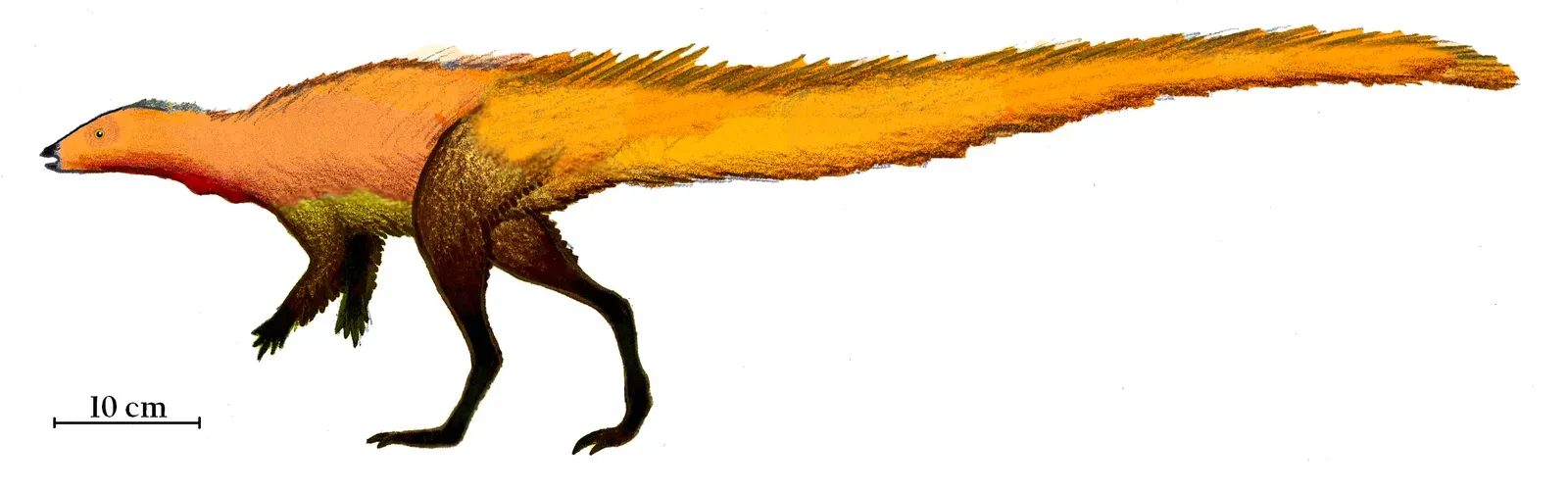
Leaellynasaura is one of those dinosaurs that quietly rewrites what we think we know about where dinosaurs could live and what they looked like. This small plant‑eater from Early Cretaceous Australia was only about a meter long, with estimates putting its hip height at less than half a meter. You could, quite literally, have stepped over it if you were walking through its ancient forest, though it probably would have bolted before you got close.
What it lacked in size, it made up for in weirdness. Leaellynasaura lived in polar regions that experienced long, dark winters, and its skull shows unusually large eye sockets, suggesting big eyes adapted to low light. It also had an extremely long tail, roughly several times the length of its body, which might have helped with balance or quick maneuvering in dense forest. Whenever I read about it, I picture a rabbit‑sized deer with the eyes of a lemur and the sprinting style of a tiny gazelle, picking at plants under shimmering polar lights.
5. Procompsognathus: A Slender, Early Dinosaur Lightweight
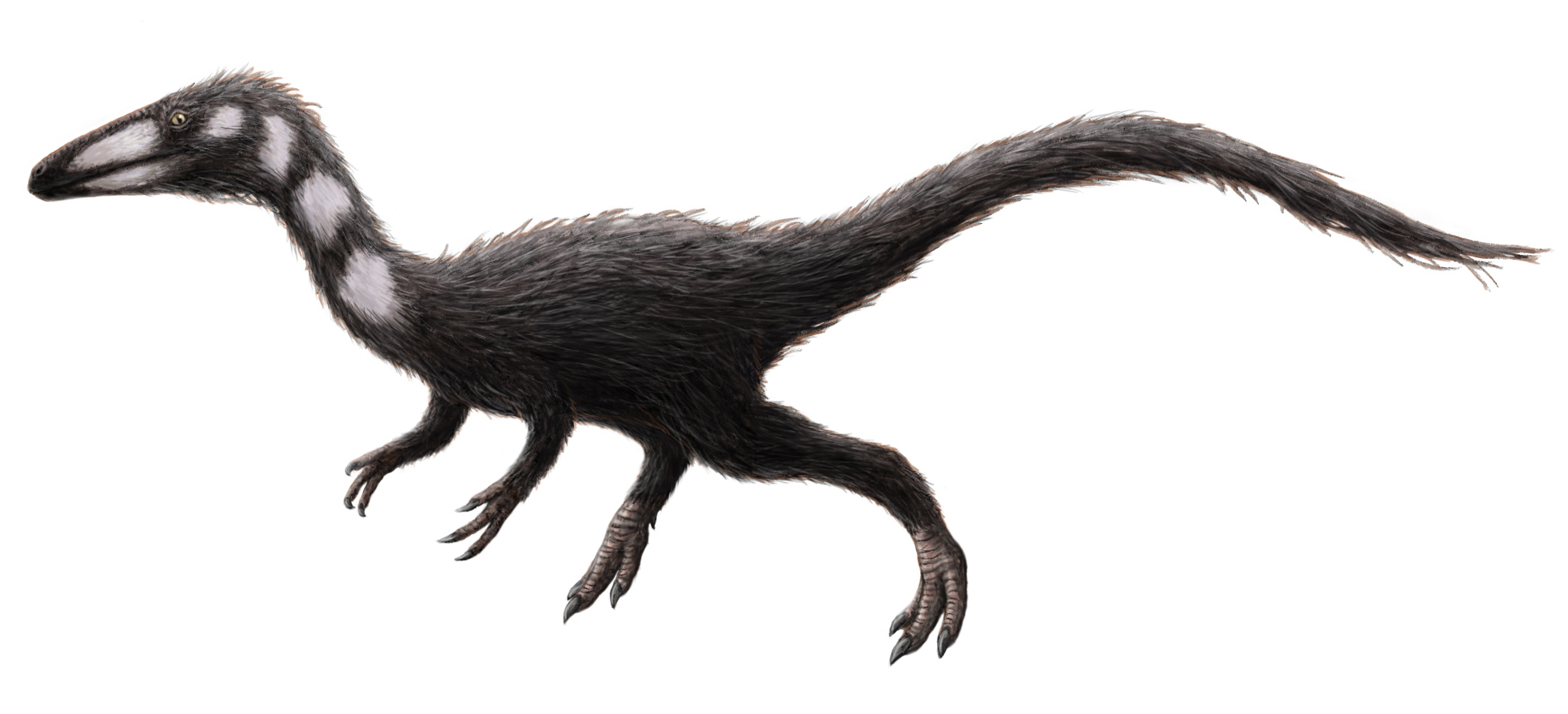
Long before the superstar giants like T. rex showed up, small dinosaurs like Procompsognathus were already darting around the Late Triassic landscapes of what is now Germany. Fossil material suggests this animal was around one meter in length, or possibly a bit shorter in some estimates, and once again that includes a long balancing tail. That puts its actual body bulk in the same emotional category as a medium house cat rather than a truck.
Procompsognathus was a lightly built, long‑legged carnivore with a narrow skull and slender jaws, probably chasing insects, small reptiles, and other tiny creatures rather than anything big. I think of it as one of those early experiments in the “small, fast predator” design that later lineages refined over millions of years. If you dropped one into a modern forest, it would probably vanish into the underbrush faster than you could say its name, more concerned with not becoming someone else’s meal than with terrorizing anything our size.
6. Small Ornithopods: Herding Plant‑Eaters Below Your Knees
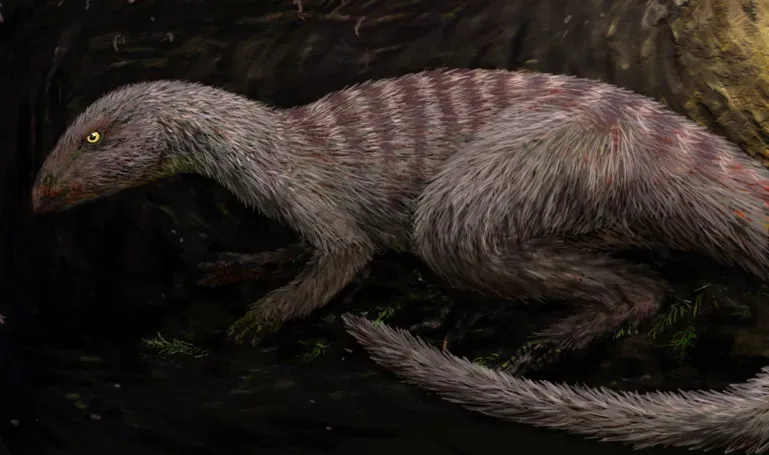
Many people know the big plant‑eaters like Triceratops and hadrosaurs, but their smaller cousins, the early ornithopods, rarely get the spotlight. Across the Jurassic and Cretaceous, this group included numerous species that topped out at around one or two meters in length, with hips often below knee height on an adult human. These were two‑legged, nimble herbivores, built for browsing low vegetation and sprinting away from danger rather than standing and fighting.
Dinosaurs such as Hypsilophodon and similar small ornithopods probably lived in groups, using sharp senses and speed to avoid predators, a bit like gazelles or wallabies do today. Their bones show patterns of fast early growth, hinting that getting out of the most vulnerable baby phase quickly was a matter of survival. They may not grab headlines the way the horned and plated giants do, but they were likely the everyday background wildlife of their ecosystems: small, busy, and everywhere.
Conclusion: Why Tiny Dinosaurs Matter More Than You Think
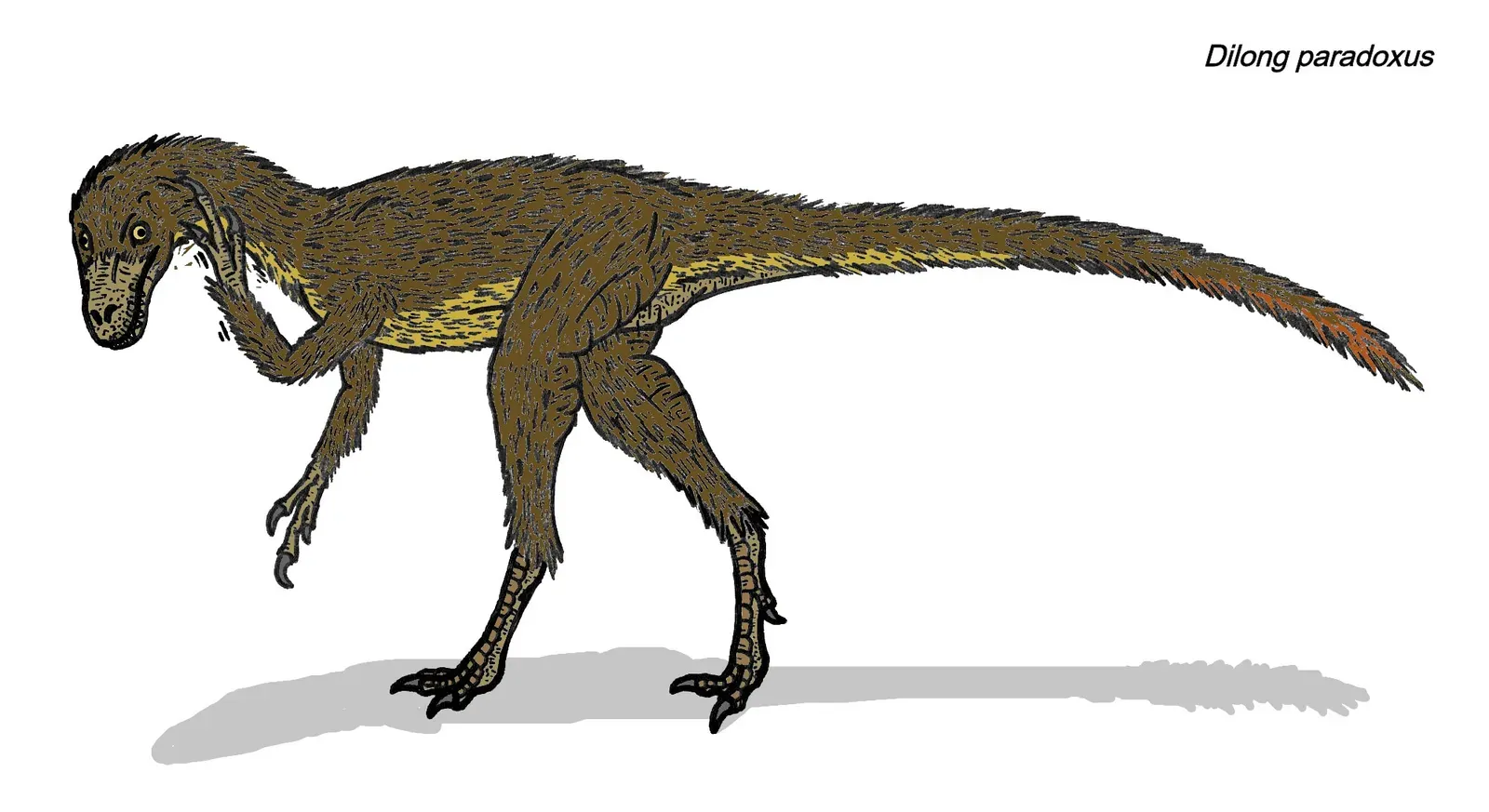
When we obsess over the biggest dinosaurs, we flatten an entire lost world into a parade of oversized monsters and miss what life was really like. These smaller species show us that the Age of Dinosaurs was not just an age of giants but a full, functioning ecosystem packed with nimble hunters, nervous grazers, and weird little specialists barely bigger than modern birds. To me, that makes their world feel more real and strangely more relatable, because it starts to look a lot like ours: dominated not by a few giants, but by countless small creatures doing the quiet work of staying alive.
I’ll be blunt: I think the tiny dinosaurs are more interesting than the celebrities. They force us to let go of the cartoon version of prehistory and accept something stranger and richer, where “dinosaur” can mean a crow‑sized glider, a chicken‑sized sprinter, or a rabbit‑height polar herbivore with enormous eyes. Next time someone says “dinosaur” and only pictures a skyscraper‑sized beast, it’s worth asking: are we fascinated by dinosaurs, or just by big things that roar?