
Imagine if your star sign had a prehistoric alter ego, a fossil that carried the same kind of energy you do. Not in a mystical “this fossil will predict your future” way, but in a fun, science‑meets‑personality sense: behavior, survival strategy, even dramatic flair. When you match the stories of ancient creatures with zodiac traits, some pairings feel almost suspiciously on point.
We are talking about real fossils here – dinosaurs, ancient mammals, deep‑sea nightmares – all grounded in what scientists actually know about them. But we’re going to read them a bit like characters in a cosmic soap opera. As someone who once spent an entire afternoon just staring at a trilobite in a museum because it felt weirdly relatable, I’m convinced our favorite fossils say a lot about how we see ourselves. Ready to find your prehistoric twin?
Aries – Tyrannosaurus rex, the unapologetic powerhouse
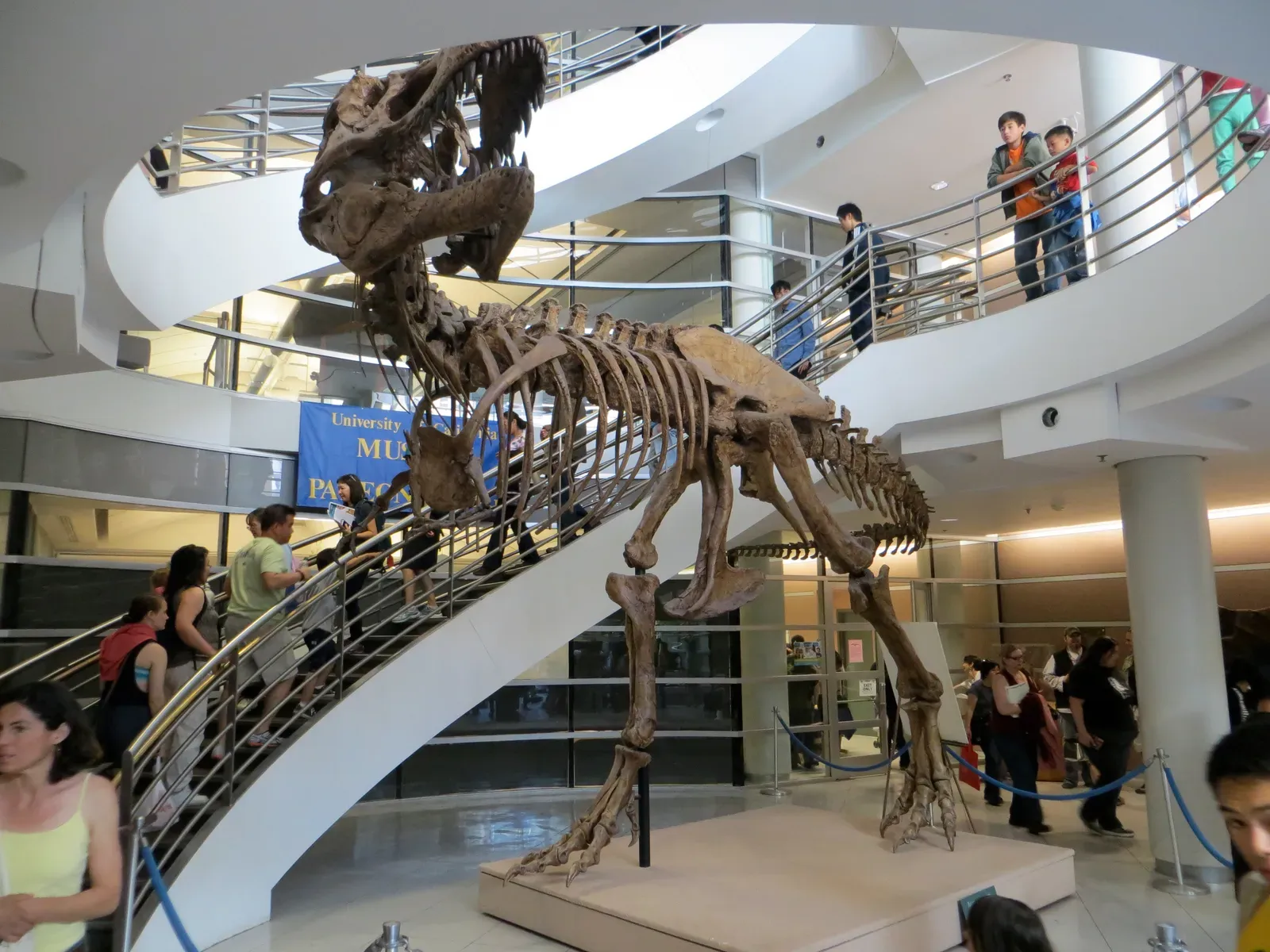
Aries is all about fire, bold moves, and charging first, asking questions later. Tyrannosaurus rex fits that vibe almost too perfectly: a towering apex predator with bone‑crushing bite force and a reputation for being the boss of its ecosystem. This is the fossil equivalent of kicking open a door and owning the room before anyone has time to decide if that’s allowed.
Like Aries, T. rex probably wasn’t wasting time on subtlety. Its massive head, forward‑facing eyes, and powerful legs suggest an animal designed for focused, high‑intensity action rather than quiet background work. If your life tends to swing between “too much” and “legendary,” T. rex is your fossil mirror: dramatic, decisive, and leaving footprints no one forgets.
Taurus – Woolly mammoth, the steady earth guardian
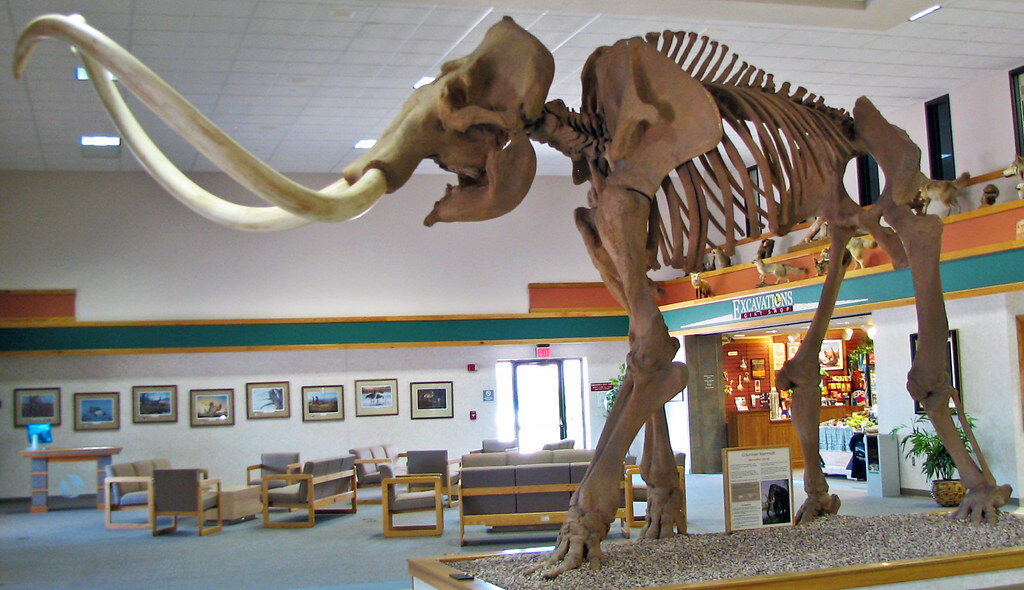
Taurus energy is slow, grounded, and deeply connected to comfort and the material world. The woolly mammoth, with its thick fur, curved tusks, and heavy presence in Ice Age grasslands, is pure Earth sign energy. It did not rely on speed or flash, but on resilience, size, and the ability to endure harsh conditions without losing its calm center.
Mammoth fossils show animals that lived in herds, grazed patiently, and shaped their landscapes one slow step at a time. If you’re a Taurus who loves cozy spaces, good food, and reliable routines, the mammoth is your prehistoric twin: steady, loyal to its group, and tough enough to weather long winters without abandoning its sense of home.
Gemini – Archaeopteryx, the curious in‑between
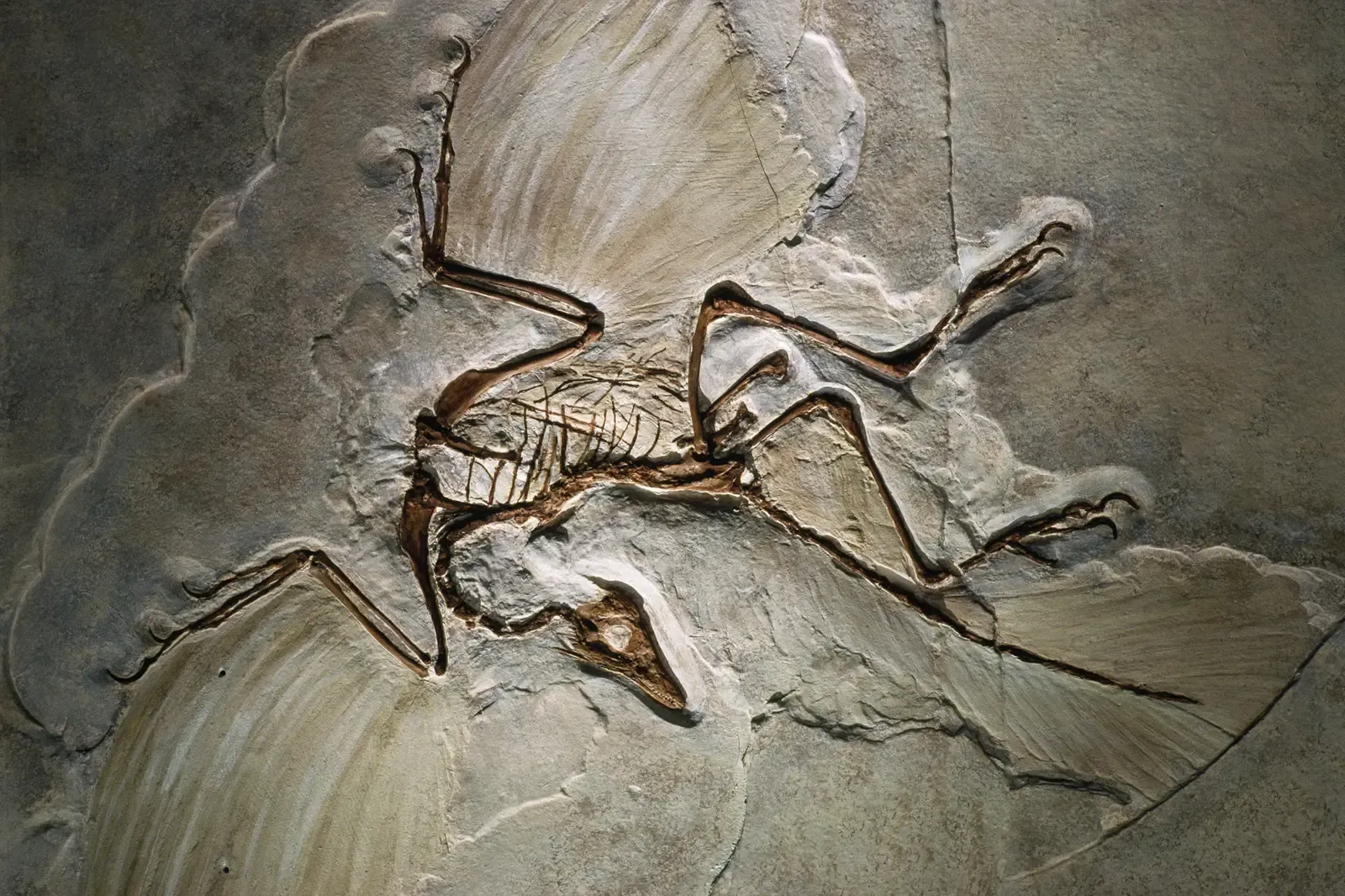
Gemini is the sign of duality, curiosity, and constant mental motion, and Archaeopteryx might be the most Gemini fossil ever found. It sits at the crossroads between dinosaurs and birds, with both teeth and feathers, claws on its wings, and a long bony tail. It is literally a creature of “both” rather than “either” – a walking, flying contradiction that reshaped how scientists saw evolution.
Just like Gemini jumps between ideas, Archaeopteryx embodies transition and experimentation in nature. It suggests an animal that could climb, glide, maybe fly short distances, testing multiple strategies instead of doing only one thing. If your brain is always toggling between interests, identities, and perspectives, this hybrid fossil is your cosmic counterpart, living proof that being in‑between can be the most interesting place to be.
Cancer – Trilobite, the ancient emotional armor
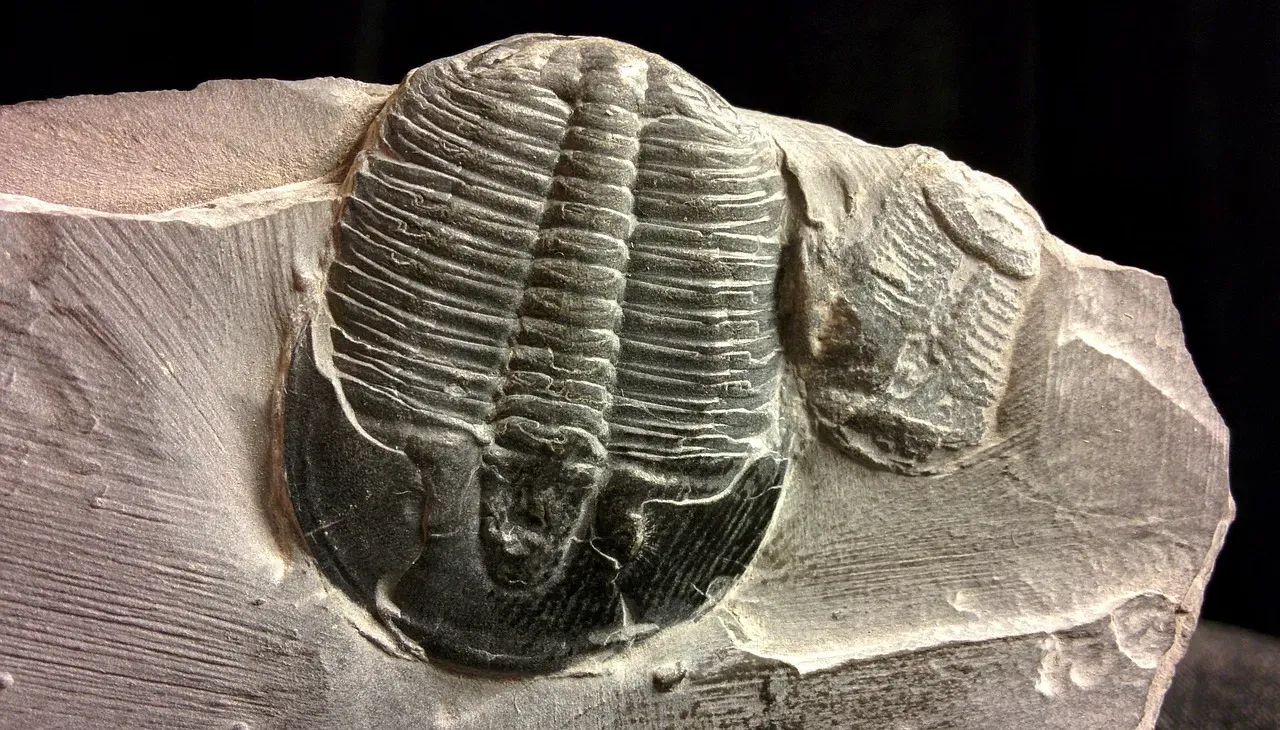
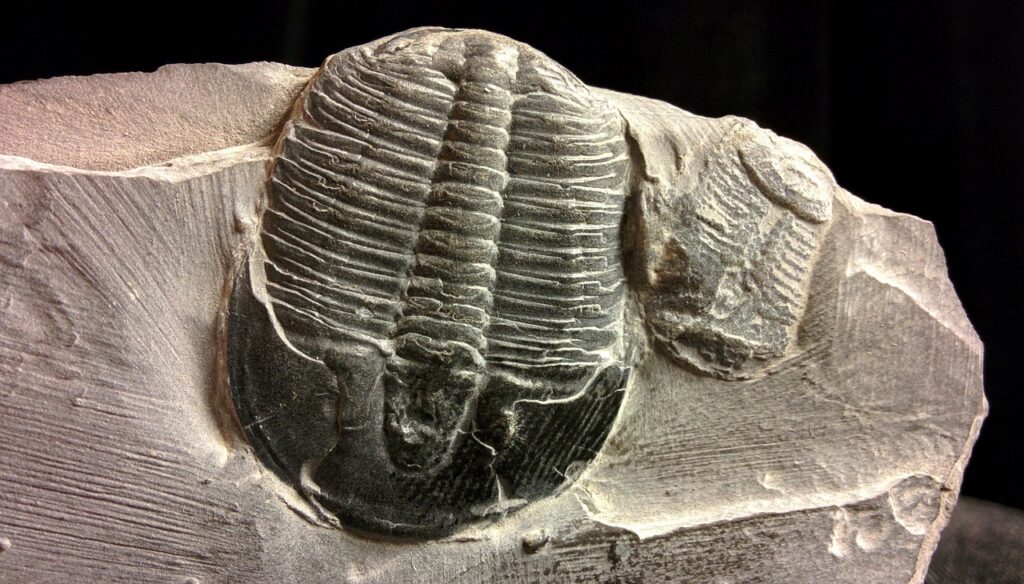
Cancer is sensitive, protective, and often wrapped in metaphorical armor, and trilobites might be the most literal version of that. These marine arthropods, among the earliest complex animals on Earth, carried tough exoskeletons divided into segments that could even let some of them roll up for safety. Their fossils are some of the most common and beloved, like little time capsules from ancient seas.
Trilobites thrived for hundreds of millions of years, adapting to changing environments by evolving countless shapes and lifestyles, often hugging the seafloor like cautious homebodies. For Cancer, who feels everything deeply but hides it under a protective shell, the trilobite is a perfect fossil match: guarded on the outside, complex within, and quietly resilient across unimaginable stretches of time.
Leo – Triceratops, the dramatic showstopper
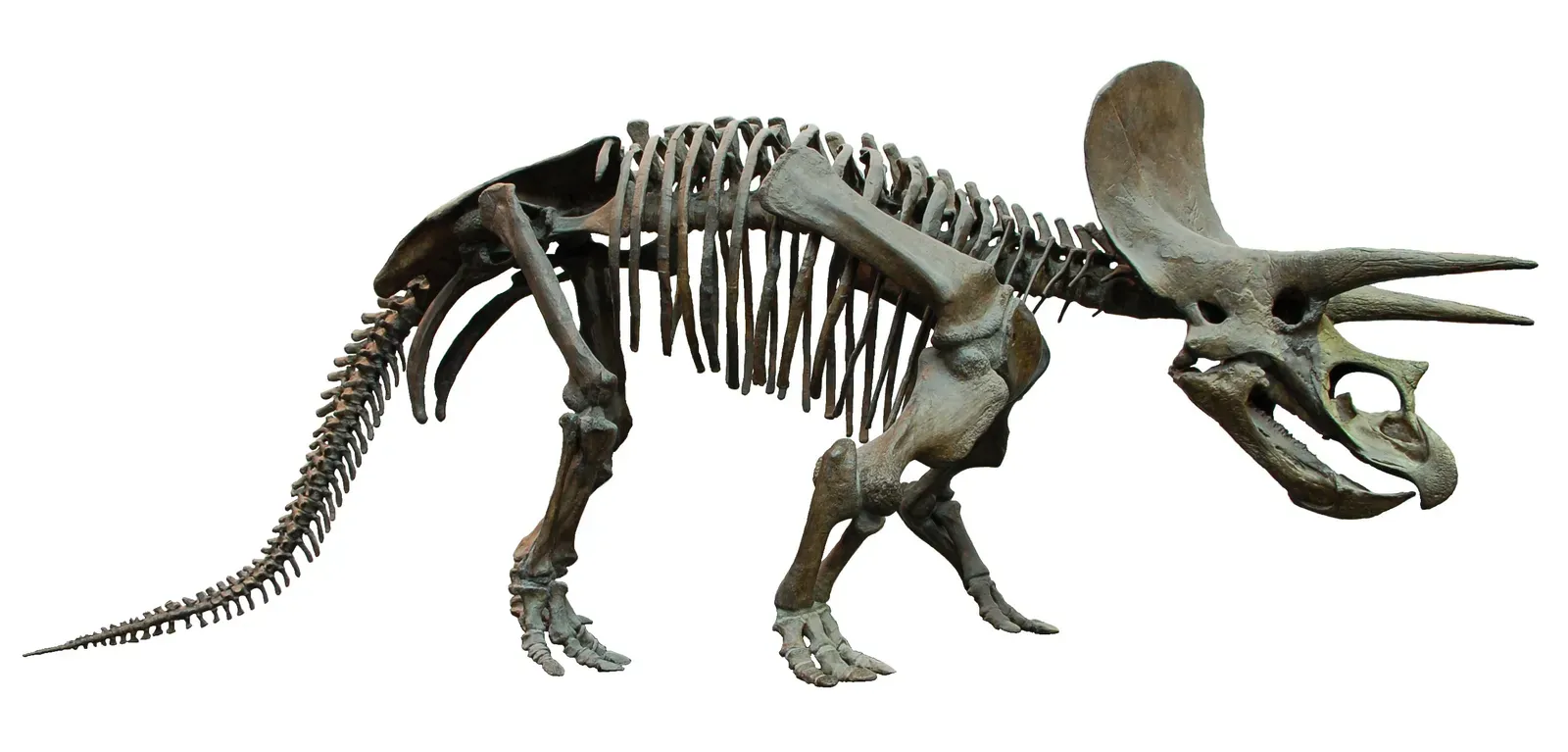
Leos are known for big entrances, big hair, and an unshakable sense that life is a stage, and Triceratops is exactly that sort of creature in fossil form. With its huge frill, three sharp horns, and massive body, it looks like it walked straight out of a prehistoric red carpet event. Paleontologists think its frill and horns were not just for defense, but also for display, signaling strength or attracting mates.
This is Leo energy all over: brave, visually striking, and absolutely uninterested in blending into the background. Triceratops fossils even show evidence of healed injuries that might have come from horn‑to‑horn clashes, like dramatic confrontations that make for great storytelling later. If you love being seen and standing your ground, Triceratops is your fossil royal, wearing its crown on its head instead of on a throne.
Virgo – Ammonite, the precise spiral perfectionist
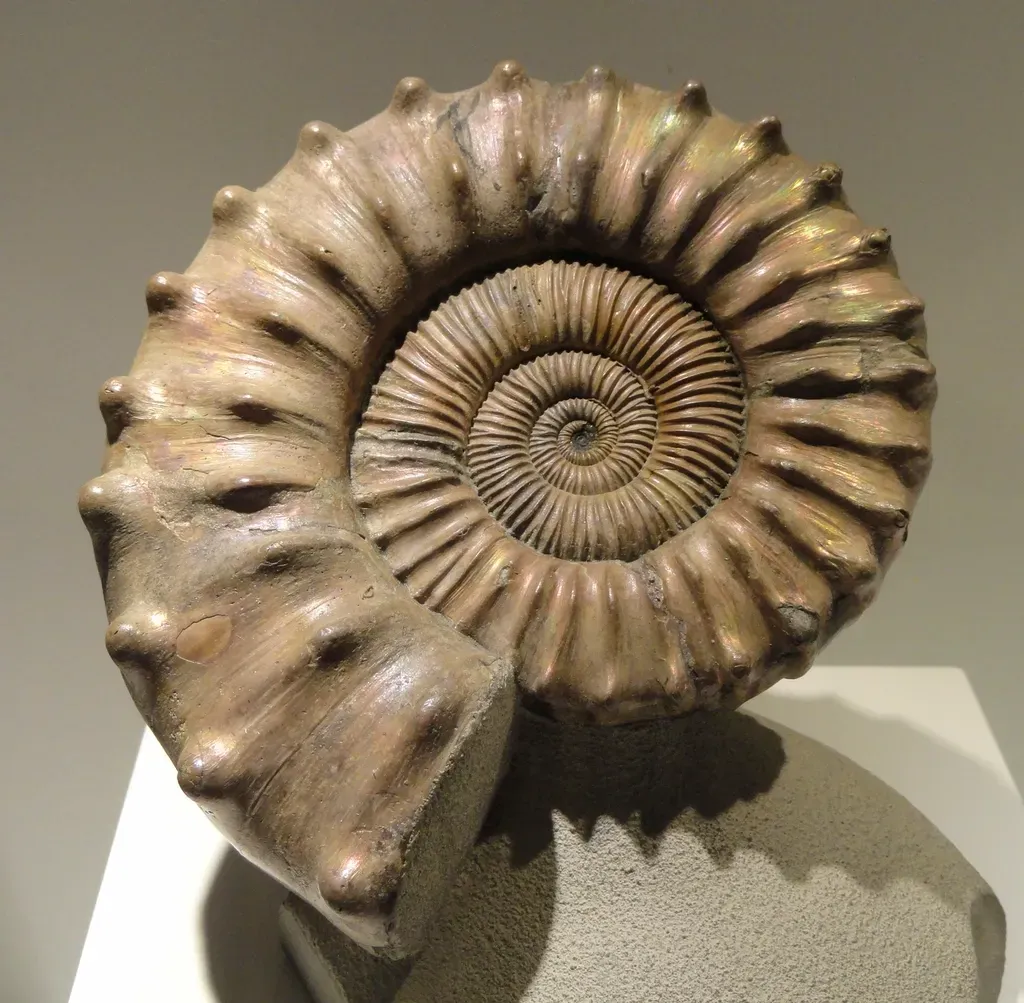
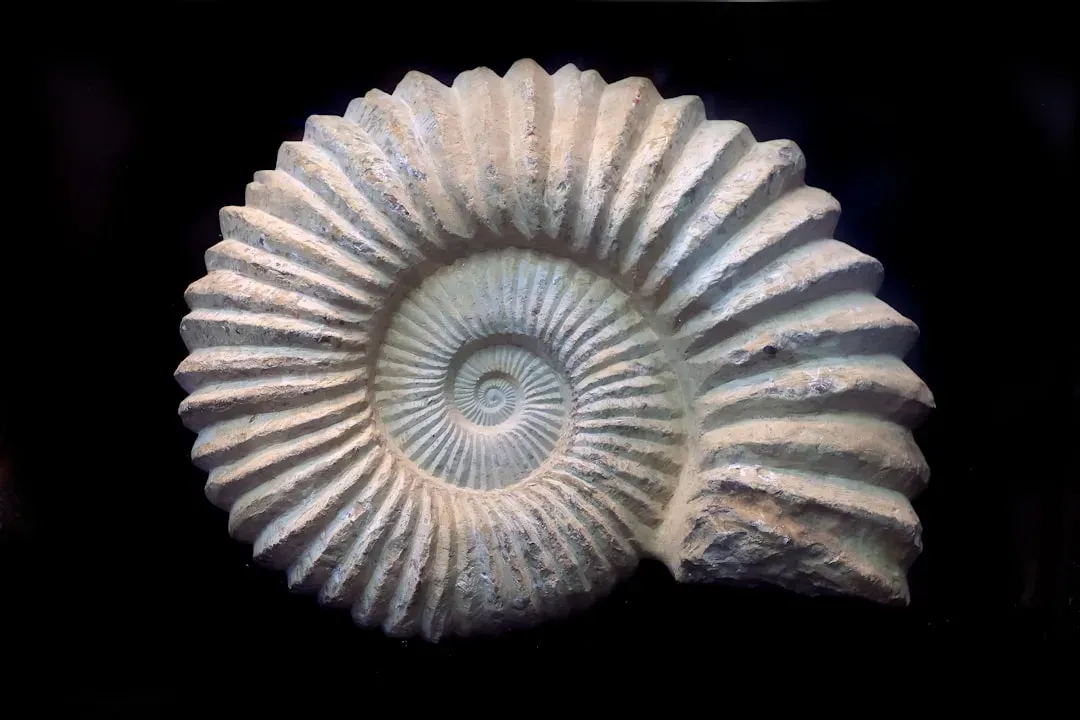
Virgo is meticulous, detail‑oriented, and quietly obsessed with making things work efficiently. Ammonites, those beautifully coiled marine mollusks, are like nature’s architectural blueprints: their shells grow in precise spirals that follow mathematical patterns, with chambers that once helped control buoyancy. Holding an ammonite fossil feels like holding a pocket‑sized masterpiece of practical design.
These creatures survived for a very long time by sticking to a successful structure while adapting in subtle ways, changing shell shapes and ornamentation to match the times. That is pure Virgo strategy: refine, optimize, and handle complexity with calm competence. If your comfort zone is getting the little things right and quietly fixing what everyone else overlooks, the ammonite spiral is your prehistoric reflection.
Libra – Pterosaur, the graceful sky dancer
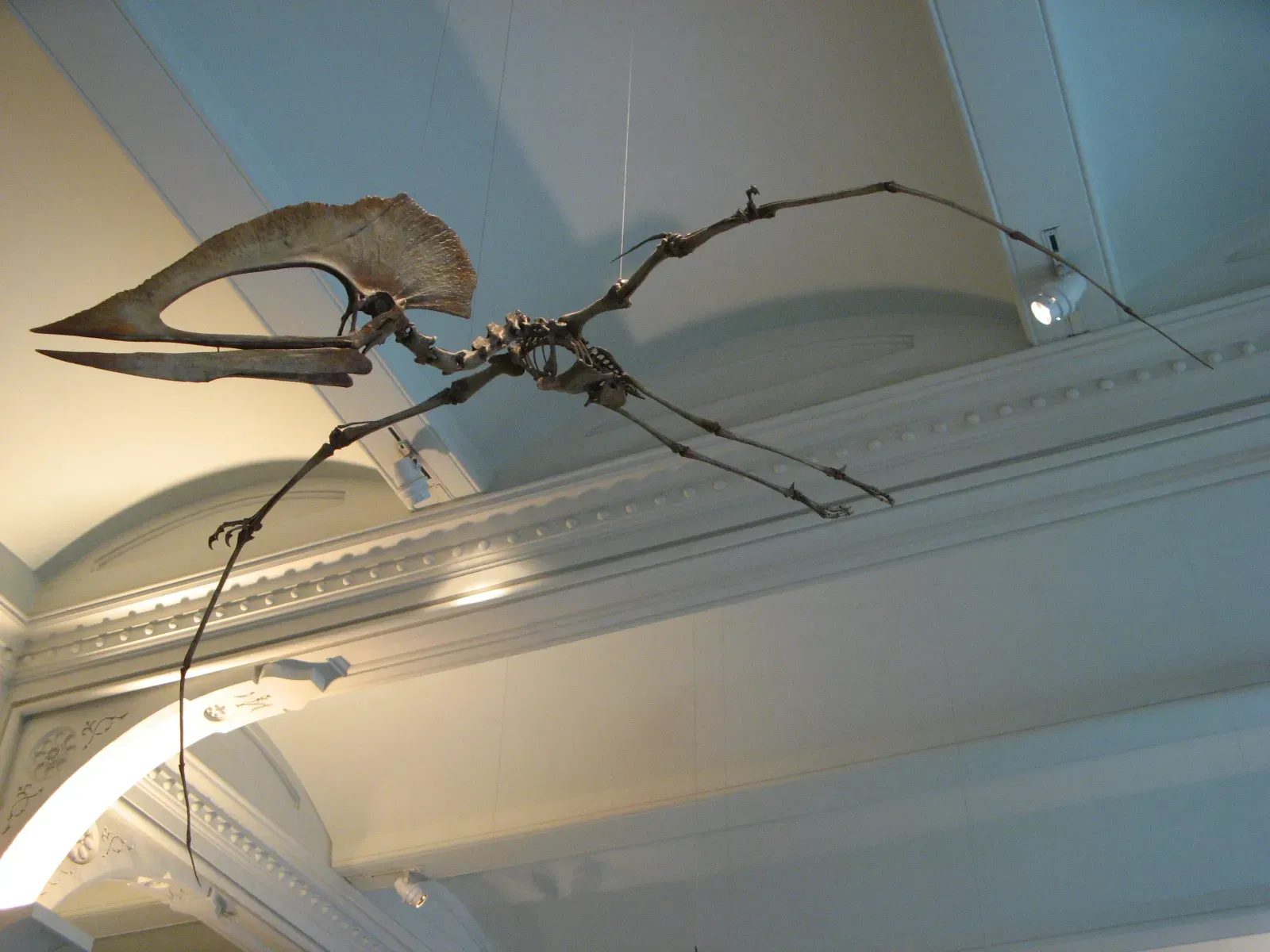
Libra loves balance, aesthetics, and movement that looks effortless, and pterosaurs, the flying reptiles of the Mesozoic, practically defined aerial elegance. Their fossils show lightweight bones, elongated wings, and often elaborate head crests that seem more about display than survival alone. In the sky of their time, they were the artists and acrobats, gliding with a kind of visual poetry.
Some pterosaurs reached enormous wingspans, yet still moved with apparent grace, using air currents rather than brute force to stay aloft. That fits Libra’s preference for diplomacy over confrontation, beauty over aggression, and harmony over chaos. If you love things that look and feel balanced, from your relationships to your living space, pterosaurs are your fossil soulmates, forever frozen mid‑flight in the rock record.
Scorpio – Smilodon, the intense Ice Age predator
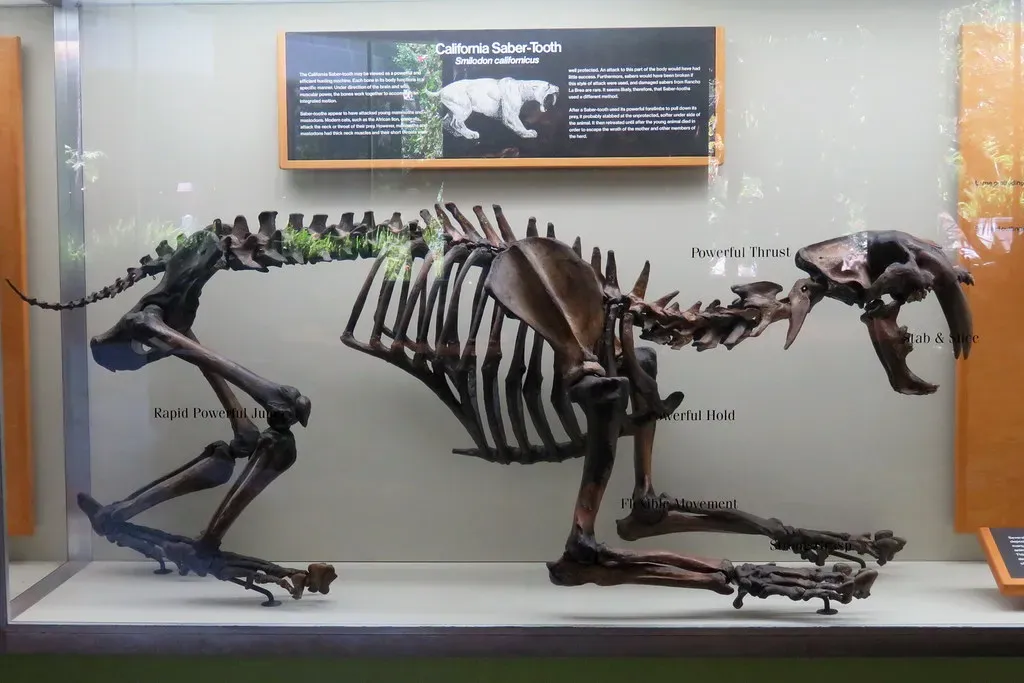
Scorpio runs on intensity, mystery, and unapologetic depth, and Smilodon – the so‑called saber‑toothed cat – embodies that dark magnetism. Its fossils reveal powerful forelimbs, robust bodies, and those famously elongated canine teeth that look like something from a myth. This was not a subtle animal; it carried its danger right on its face, and yet scientists think it may have relied on ambush and strategy, not just raw speed.
Scorpio energy is not about surface appearances but about what lies underneath, and Smilodon’s skulls and bones suggest complex social possibilities and specialized hunting methods. There is a sense of beautiful danger in its fossil remains, as if the creature was built to inspire awe and a bit of fear. If people sometimes misread your intensity as too much while you know it is your greatest strength, Smilodon is your prehistoric reflection in stone.
Sagittarius – Argentinosaurus, the wandering giant
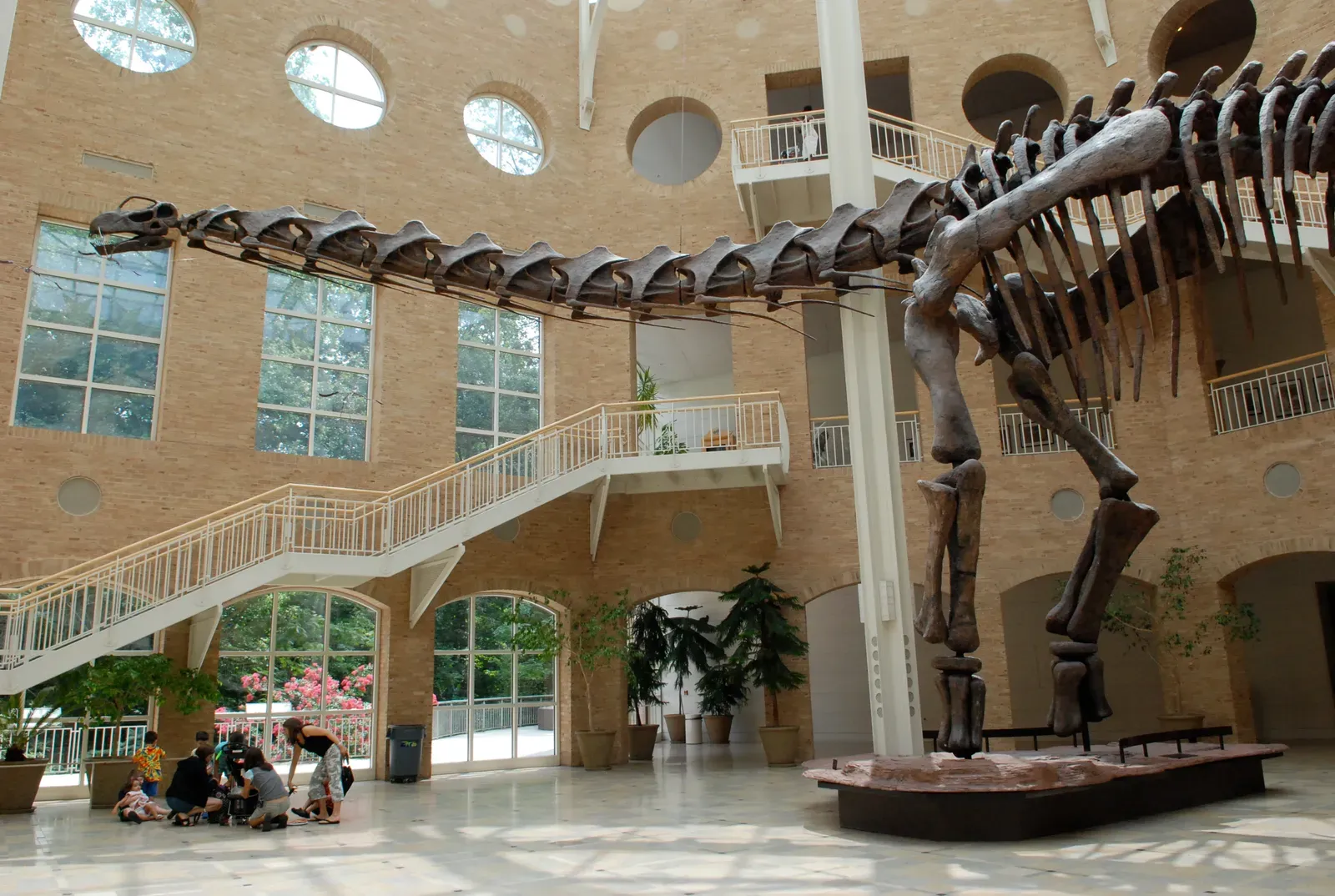
Sagittarius loves freedom, big horizons, and going further than anyone expects, and Argentinosaurus, one of the largest known land animals, fits that expansive theme perfectly. This enormous sauropod dinosaur carried a long neck and tail across ancient floodplains, likely needing huge ranges to find enough food. Its sheer scale feels like a physical expression of “go big or go home.”
Fossil evidence suggests slow‑moving, wide‑roaming herbivores that lived in herds and reshaped their environment just by existing, trampling paths and consuming vast amounts of plants. Sagittarius is similarly hard to ignore, turning every journey into a story and every landscape into a classroom. If you crave adventure, wide open spaces, and a life that never feels small, Argentinosaurus is your cosmic travel buddy from the Cretaceous.
Capricorn – Stegosaurus, the disciplined survivor
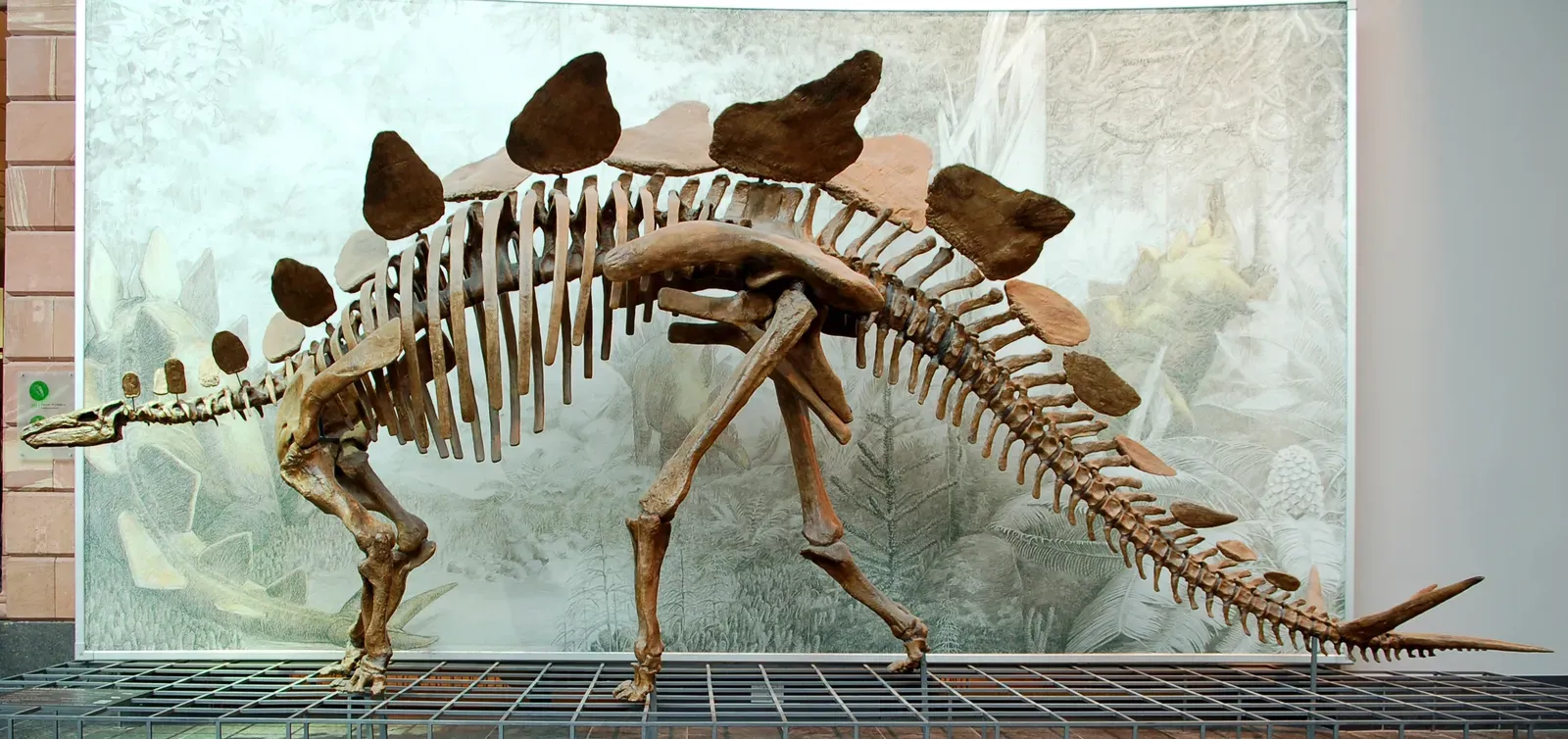
Capricorn is serious, determined, and often underestimated because they are more focused on results than noise. Stegosaurus, with its double row of plates along the back and spiked tail, is a perfect match for that quiet, practical strength. It was not the fastest or smartest dinosaur by our current estimates, but it carried an impressive set of defenses and a body built for steady, deliberate movement.
Those tail spikes, sometimes called the thagomizer, show evidence of use in defense, suggesting an animal that did not start fights but could certainly finish them. Capricorn is the same: patient, responsible, and not here for unnecessary drama, but absolutely prepared when life demands toughness. If you are the person others lean on when things get hard, Stegosaurus is your prehistoric counterpart, armored not for show but for survival.
Aquarius – Dunkleosteus, the radical rule‑breaker
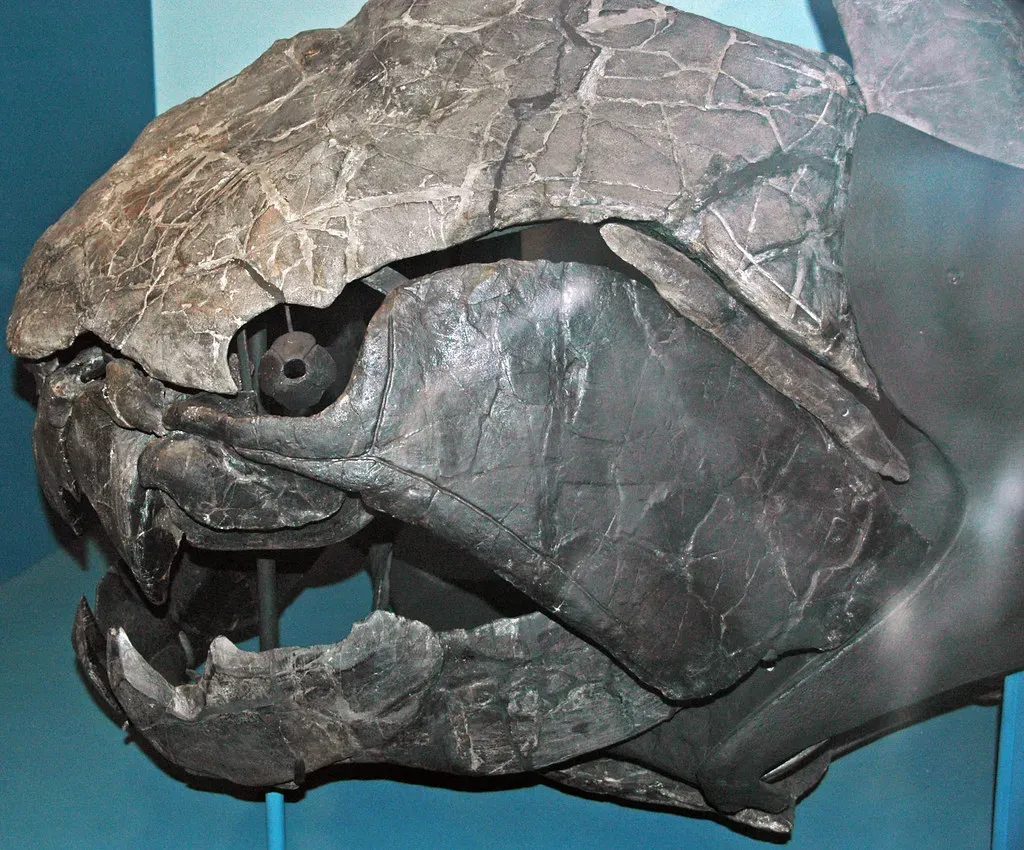
Aquarius is the rebel visionary, always a bit ahead of its time, and Dunkleosteus, a massive armored fish from the Devonian seas, feels exactly like that: strange, powerful, and unlike almost anything around it. Instead of typical teeth, it had sharp bony plates that formed slicing edges, and its skull was heavily armored like a futuristic helmet. It was a walking statement that evolution does not have to follow familiar rules.
Scientists think Dunkleosteus was one of the top predators of its era, an experimental design at a time when vertebrates were still figuring out how to dominate the water. That lines up with Aquarius energy: unconventional, disruptive, sometimes intimidating, but undeniably original. If you are drawn to the weird, the innovative, and the systems no one has quite seen before, this ancient fish is your fossil icon of radical possibility.
Pisces – Ichthyosaur, the dreamy ocean wanderer
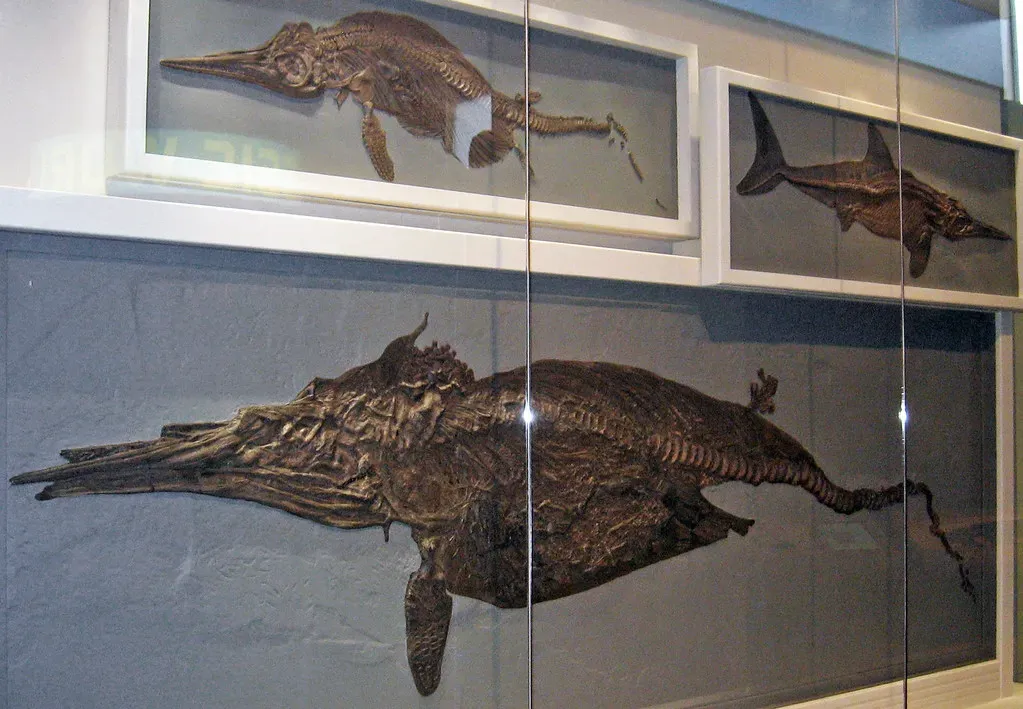
Pisces lives in the realm of emotion, imagination, and water, and ichthyosaurs are their natural fossil twins. These marine reptiles, shaped like streamlined dolphins with large eyes and powerful tails, spent their lives in ancient oceans, chasing fish and squid in deep, shifting blue. Their fossils often look almost eerily modern, as if they slipped between eras like Pisces slips between realities.
Some ichthyosaur fossils even preserve outlines of soft tissue or unborn young, hinting at live birth and complex life cycles that feel intimate and almost tender in the rock record. Pisces is drawn to stories of connection and mystery, and nothing is more haunting than an entire marine world buried in stone, still echoing with lost currents. If you feel most like yourself near water, in dreams, or in music that feels like waves, ichthyosaurs are your ancient reflection, forever swimming through time.
Conclusion – Why your fossil twin actually matters
Matching zodiac signs with fossils is not about pretending the stars dictate paleontology; it is about using personality as a lens to make deep time feel personal. When you see yourself in a tyrannosaur, a trilobite, or an ammonite spiral, the past stops being an abstract museum display and starts feeling like a story you are somehow part of. In a world that moves too fast, there is something grounding about remembering that countless creatures lived, loved their habitats in their own animal way, and vanished long before us.
Personally, I have always felt weirdly close to ammonites, maybe because their quiet, mathematical spirals feel like the inside of an overthinking brain. Whether your match makes you laugh, feel powerful, or oddly emotional, letting a fossil stand in for your zodiac sign is a reminder that you are both completely unique and part of something unimaginably old. So now that you have met your prehistoric twin, which one would you have guessed before you started reading?