
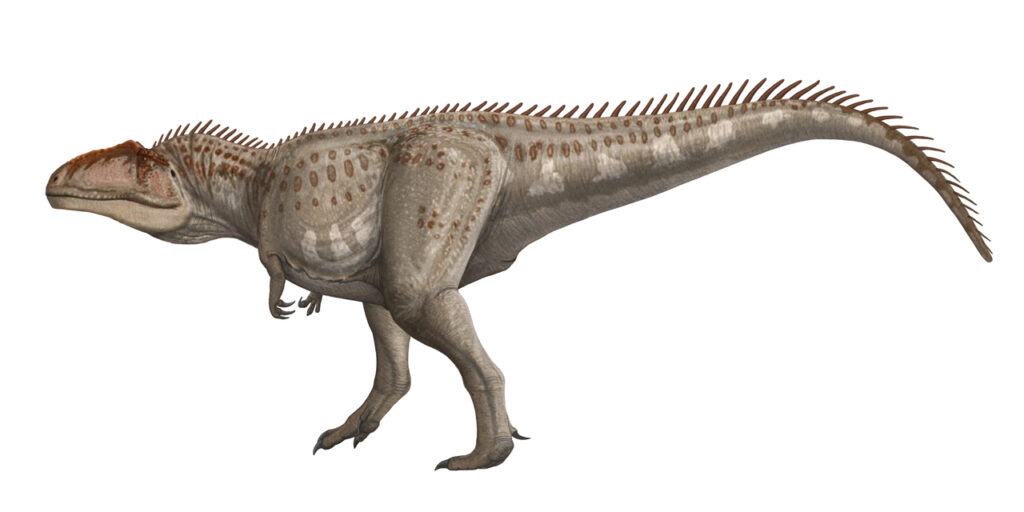
On screen, Giganotosaurus usually shows up as the oversized bully: huge jaws, loud roar, quick jump-scare, roll credits. But the real animal that walked across Cretaceous South America was something far stranger and, in several ways, much more unnerving. When you strip away the Hollywood drama and look at the bones, you find a predator that was not just big, but built for a very different style of killing than most people imagine.
What makes Giganotosaurus truly chilling is not one flashy feature, but how all the parts fit together: the head, the neck, the legs, even the environment it ruled. The more paleontologists learn about this dinosaur, the less it feels like a movie monster and the more it feels like an apex predator from a world with its own brutal rules. Let’s walk through what science actually suggests about this giant, and why the real Giganotosaurus may haunt your imagination long after the credits roll.
1. Its Skull Was Built More Like a Bone-Cracking Guillotine Than a Movie Monster Jaw
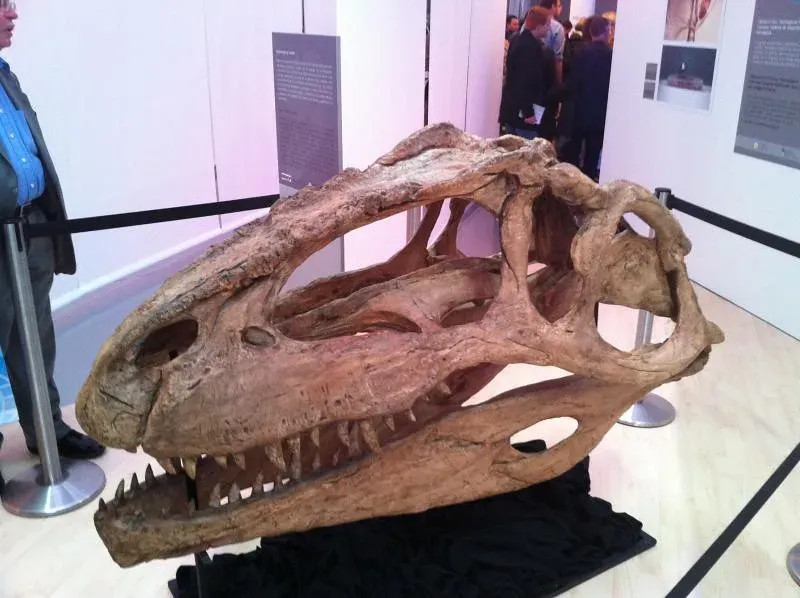
Many films show Giganotosaurus with a generic “big meat-eating dinosaur” head, not too different from a movie T. rex. In reality, its skull was long, low, and narrow, more like a serrated guillotine blade than a deep, blocky crusher. That shape hints at a very particular killing style: slicing and tearing with long, powerful sweeps of the head instead of relying on a single, crushing bite.
The teeth themselves were laterally flattened and serrated, more like a row of butcher’s knives than ice picks. Imagine a mouth that does not just clamp down, but drags backward, turning flesh into long, open wounds that would bleed heavily and weaken prey over time. This is less like a one-hit knockout and more like death by repeated, devastating cuts – arguably a much more horrifying way to be on the receiving end.
2. It Probably Couldn’t Bite as Hard as T. rex – But That Might Have Made It Scarier
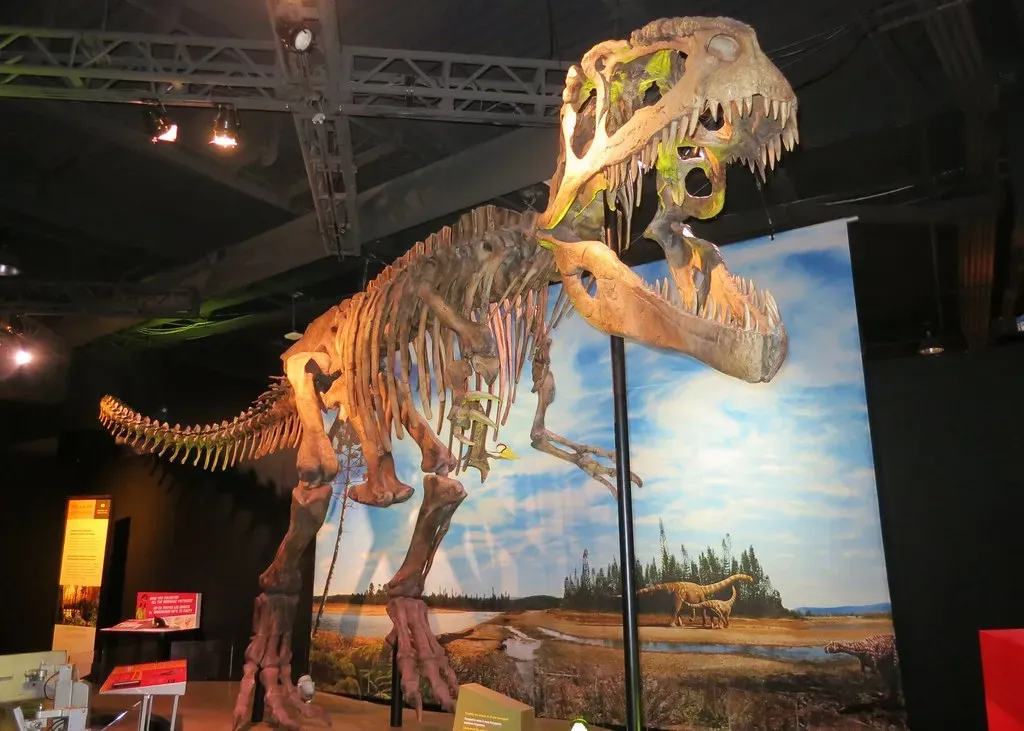
On paper, Giganotosaurus likely had a weaker bite force than the famously powerful T. rex. Movies often frame that as a downgrade, but the truth is a lot creepier: it suggests a predator adapted not for quick, crushing kills, but for prolonged, blood-loss-driven takedowns. Instead of shattering bones and ending things fast, it may have specialized in carving up large, living animals and tracking them as they weakened.
Think of it like the difference between a sledgehammer and a long, sharp machete. A sledgehammer ends the fight fast; a machete can carve someone up piece by piece. Giganotosaurus seems to lean toward the latter strategy, using slashing bites and perhaps repeated attacks to wear down colossal prey. A giant hunter that maims first and finishes later is, frankly, more disturbing than the cinematic “one-chomp and done” version.
3. It Hunted in a World of Giant Prey, Which Pushed It Toward Extreme Predatory Strategies
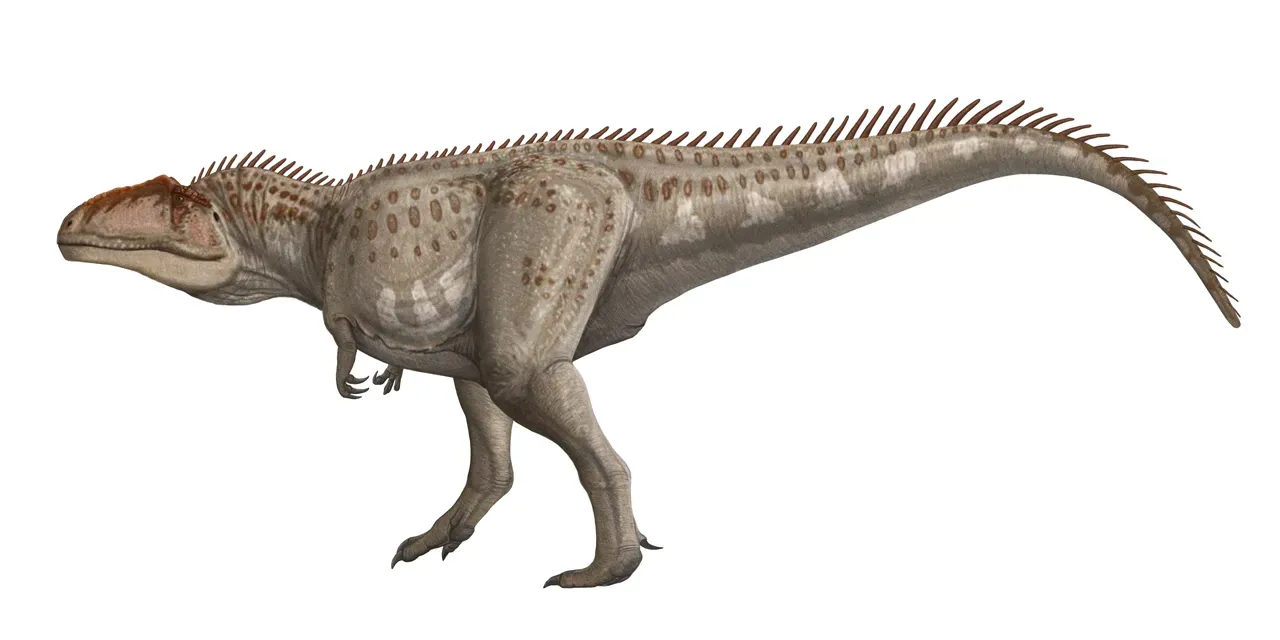
Giganotosaurus lived in what is now Patagonia during the Late Cretaceous, in an ecosystem full of super-sized herbivores. Some of its likely prey, such as enormous titanosaurs, were so massive that even a multi-ton carnivore would be dwarfed beside them. Hunting in that kind of environment is not like chasing deer; it is like trying to bring down living, moving skyscrapers.
When your potential meals weigh many times more than you do, you do not just rely on brute strength. You target soft tissue, exhaust the prey, and maybe even go after juveniles or injured individuals, using whatever edge you can get. The very existence of Giganotosaurus in such a world implies a predator already pushed to extremes by the size of its food source. That evolutionary pressure likely honed tactics and behaviors far more complex – and more ruthless – than what a two-minute movie fight scene can show.
4. Its Body Was Built for Speed Over Short Distances, Not Just Lumbering Power
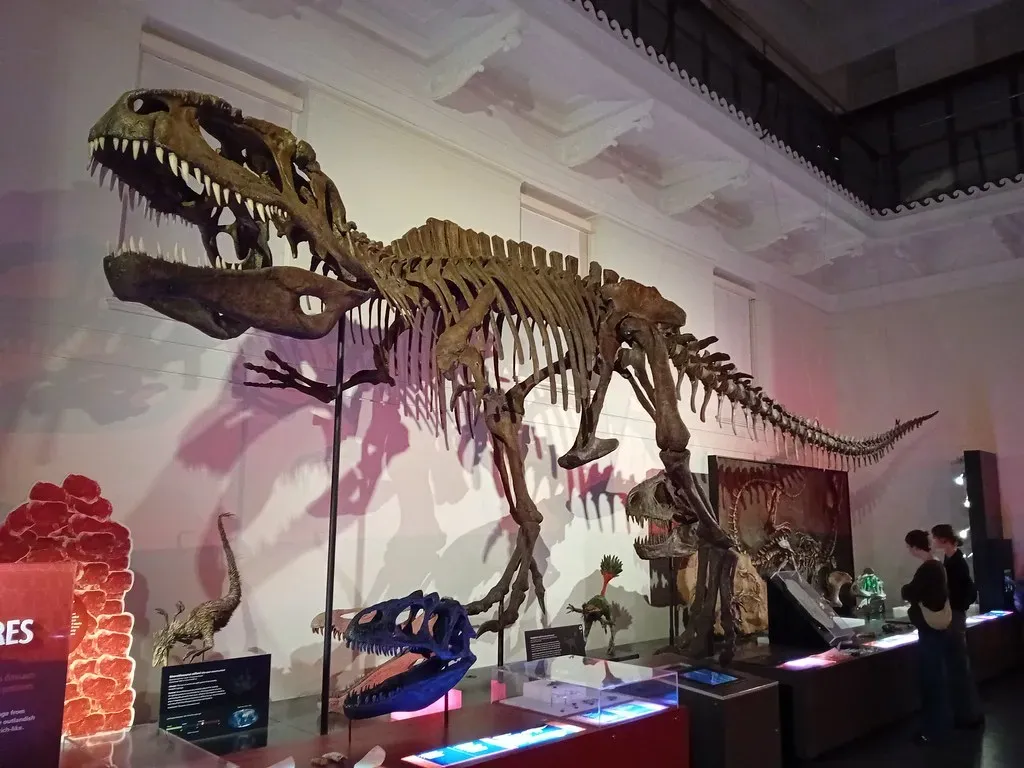
On screen, giant theropods are often shown half-lumbering, half-charging in an almost slow-motion way, like living bulldozers. Fossil limb proportions, however, suggest Giganotosaurus had relatively long, powerful legs for its size, hinting at an animal that was more capable of bursts of speed than people expect from something so massive. It was not a sprinter like a cheetah, but it likely moved faster than the “slow giant” stereotype.
That combination – huge size plus decent speed over short distances – is particularly terrifying. It means Giganotosaurus was probably good at closing the final gap on large prey that could not change direction quickly. Picture a bus-sized predator that can accelerate just enough to catch you if you misjudge your escape by a second or two. That margin of error is tiny, and in the Cretaceous, getting it wrong likely meant becoming dinner.
5. Its Senses and Brain Were Likely Good Enough to Make It a Calculating Hunter
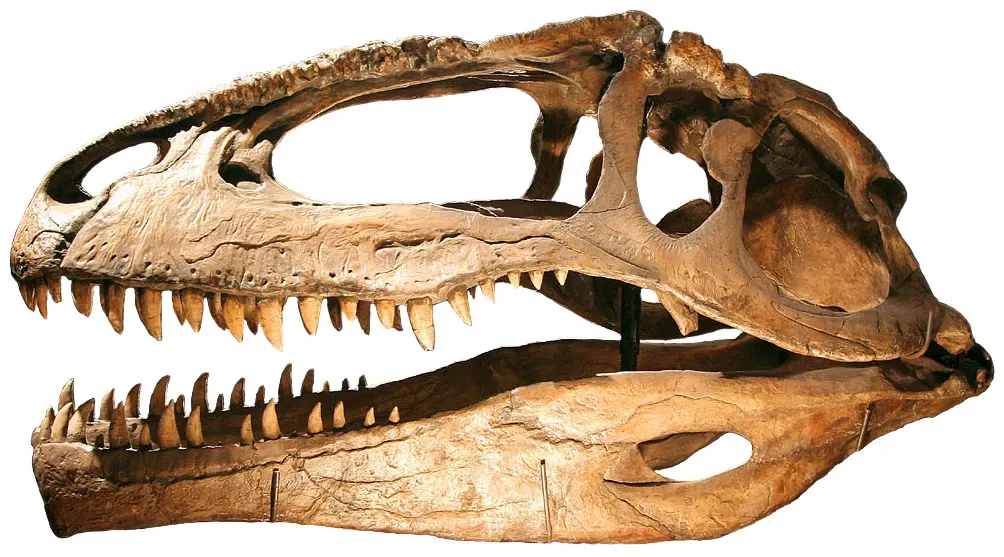
There is a lazy movie trope that big theropods are just roaring brutes, more muscle than mind. But skull interiors and comparisons with related species suggest that Giganotosaurus, like other large carnivorous dinosaurs, had reasonably well-developed sensory and motor regions in its brain. It was not a genius plotting complex schemes, but it was almost certainly not stupid. It had to navigate a dangerous world, find mates, and hunt huge, potentially dangerous prey.
Good sensory abilities – keen vision, a decent sense of smell, awareness of its surroundings – turn a giant predator from a random hazard into a calculating threat. Instead of charging blindly, it could assess a herd, pick out a weaker individual, and time its approach. To me, that is far more unnerving than the roaring, head-on attacks you see in films. A quiet, observant hunter that reads the situation first is the kind of danger you do not notice until it is far too late.
6. It Lived Alongside Other Huge Predators, Forcing It to Be Even More Aggressive
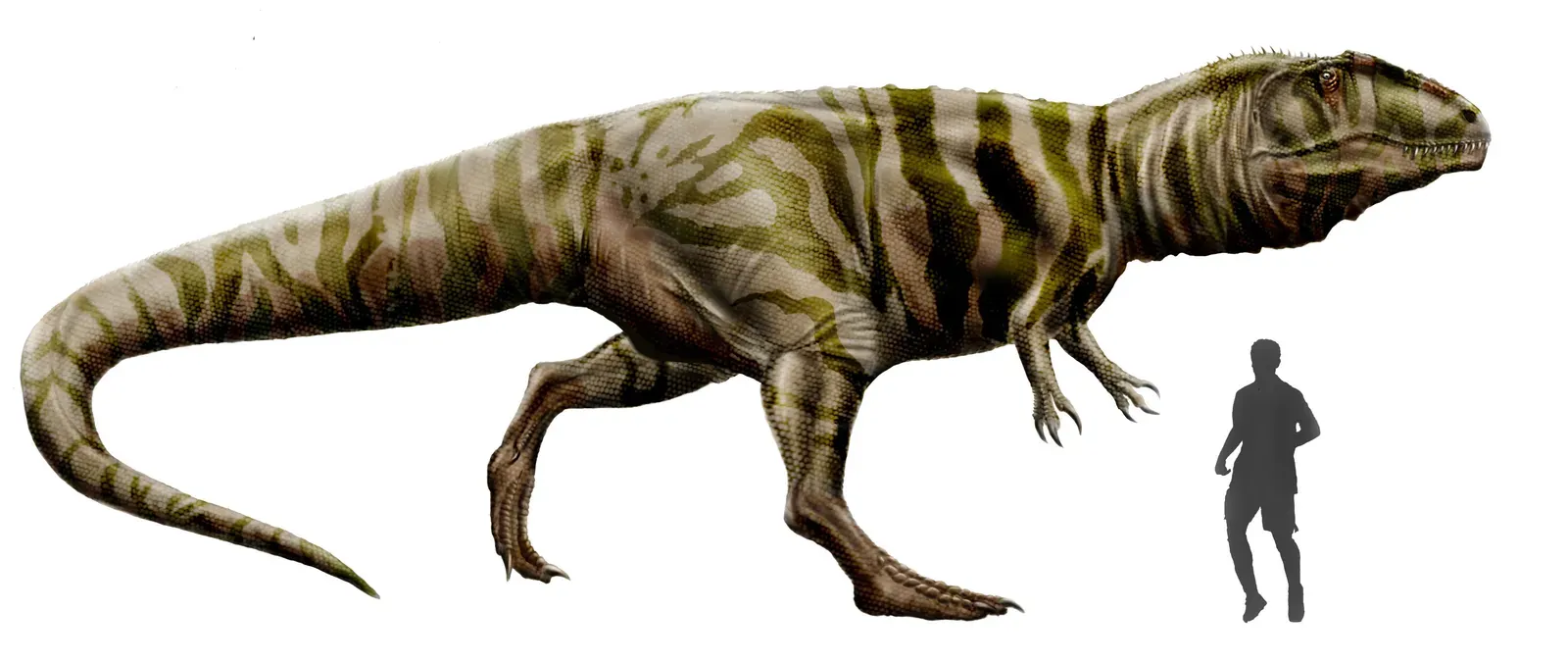
One thing movies almost never capture is how crowded some ancient ecosystems were with top-tier carnivores. Evidence from the region and time period where Giganotosaurus lived points to the presence of other large theropods and powerful croc-line predators in the same general landscapes. That means Giganotosaurus was not always the undisputed king; it had rivals, and that changes everything about how it behaved.
In a world with multiple giant predators, competition for food, territory, and carcasses would have been fierce. That can drive more aggressive behavior: stealing kills, confronting rivals, or taking greater risks to secure resources before another hunter gets there. The idea of Giganotosaurus as a lone, leisurely apex predator is comforting in a way; the reality of it as one of several giant killers in a constantly contested environment is far more intense – and likely far more violent.
7. Its Killing Style May Have Relied on Prolonged Blood Loss and Shock
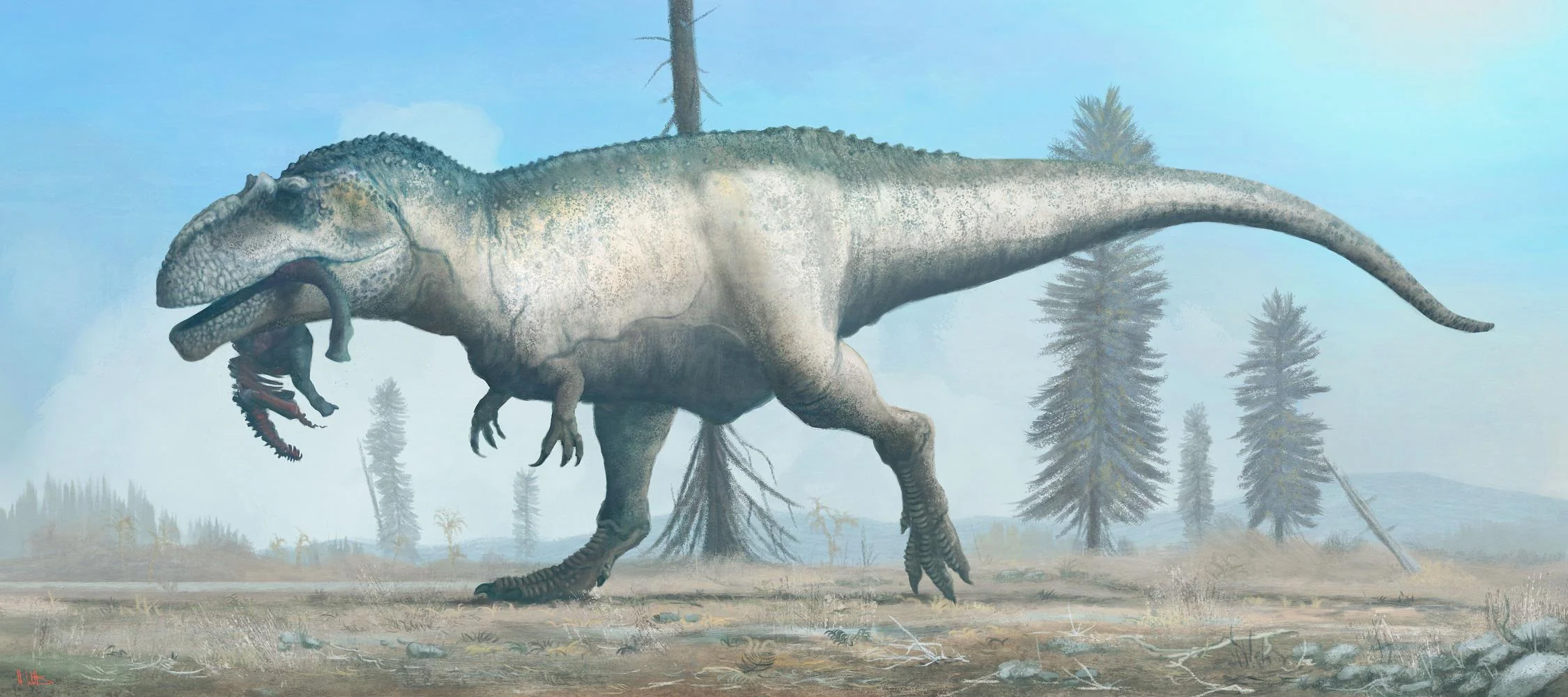
Many people imagine giant carnivorous dinosaurs killing with a single bite to the neck or head, like a big cat stopping its prey quickly. But with a relatively lower bite force and blade-like teeth, Giganotosaurus likely leaned heavily on causing massive blood loss. That means big, open wounds, multiple bites, and perhaps even hit-and-run tactics where the prey is allowed to stagger off, weakened, then attacked again later.
From a human perspective, that is a nightmare scenario. Instead of a predator that ends things in seconds, you have a hunter that turns the entire chase into a drawn-out, painful decline for its victim. Some modern predators, like certain sharks, use similar strategies, inflicting catastrophic injuries and then following the bleeding animal until it collapses. Scaling that up to the size and power of Giganotosaurus makes the reality behind the fossils feel far more brutal than the quick, cinematic showdowns we usually see.
8. Our Ignorance Makes It Scarier: The Gaps in the Fossil Record Are a Horror Story of Their Own
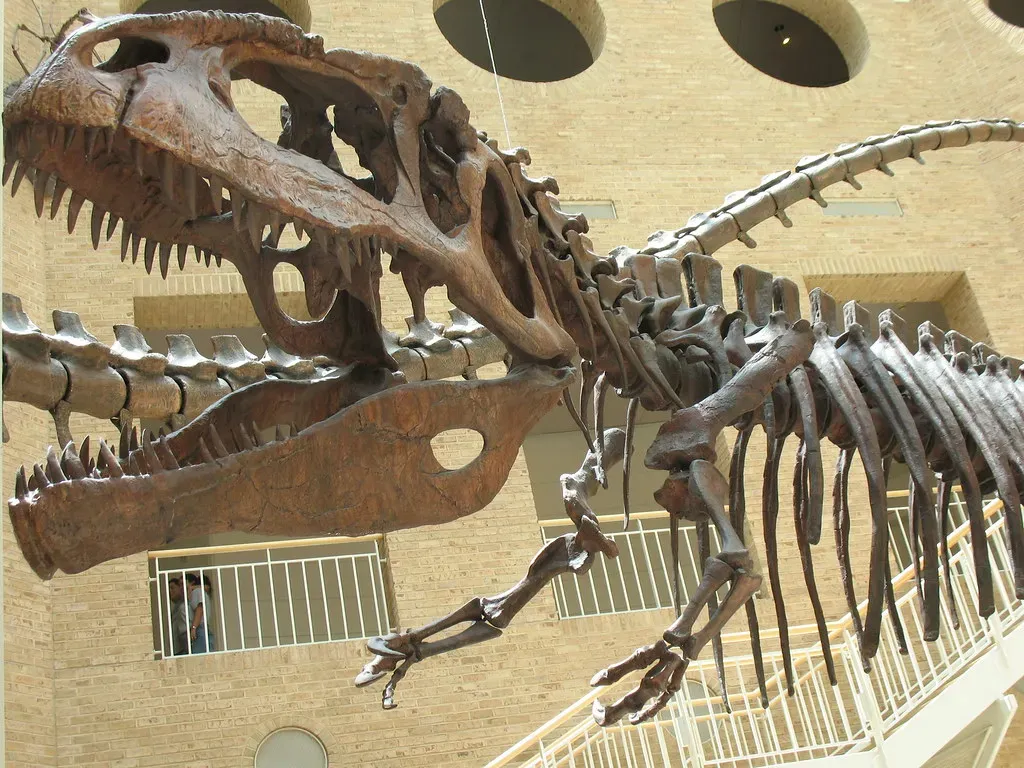
One thing movies never show is the blank space: all the things we still do not know. Giganotosaurus is known from incomplete remains, which means a lot of its life history – its behavior, social structure, vocalizations, even parts of its anatomy – are still uncertain. That scientific uncertainty is not a weakness of the story; it is part of what makes the real animal so unsettling. We have just enough evidence to know it was big, specialized, and deadly, and nowhere near enough to feel like we fully understand it.
For all we know, some of its behaviors would make even a hardened horror fan uncomfortable if we could somehow watch them play out. Did it scavenge as well as hunt? Did it interact aggressively with its own kind? Was it mostly a solitary stalker or did it tolerate loose groupings under certain conditions? Until more fossils turn up, those questions hang in the air – and that unknown, to me, is far more chilling than any neatly packaged movie version.
Conclusion: The Real Monster Is the One We Can Only Half See
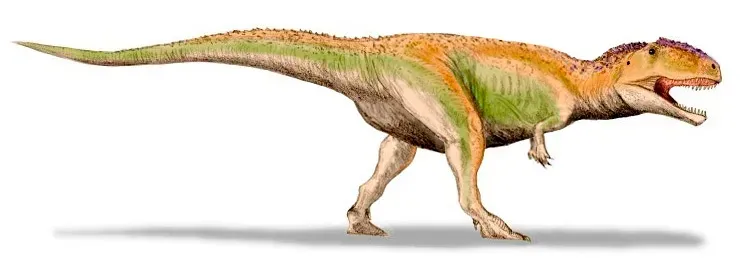
When you stack the evidence, the real Giganotosaurus was not just a bigger, meaner generic dinosaur; it was a specialized apex predator shaped by a world of colossal prey and fierce competition. Its slicing jaws, likely speed bursts, calculated hunting behavior, and brutal, blood-loss-based killing strategy paint a picture that is more disturbing and complex than the flat, roaring villain we get on screen. The movies give us a dramatic silhouette; paleontology gives us the quiet, methodical mechanics behind that silhouette.
Personally, I find that half-lit reality much more terrifying than any cleanly choreographed dinosaur battle. The fossil record shows the outline of a creature that was already extreme by the standards of its own era, and the missing pieces leave room for possibilities that might be even worse than what we can confidently describe. In the end, Giganotosaurus is scariest not because of how it looks in a blockbuster, but because of how much deadly power and mystery are still locked inside those bones. Knowing what you know now, which version feels more haunting to you – the loud movie monster, or the half-understood killer that once walked the Earth?