Let’s just say it out loud: the velociraptors you’ve seen on screen your whole life are basically dinosaur fan fiction. They’re thrilling, terrifying, unforgettable – and almost completely wrong. The wild part is that scientists have known for years that Hollywood’s raptors are way off, especially when it comes to size, and the film industry has mostly shrugged and kept doing it anyway.
Once you realize the gap between the real animal and the movie monster, it changes how you see every chase scene and kitchen stalk sequence. You start to notice just how oversized, over-muscled, and over-dramatized these creatures have become. And yet, there’s a fascinating reason the truth never fully replaced the myth – one that says as much about us as it does about dinosaurs.
The Real Velociraptor Was Basically a Turkey-Sized Assassin
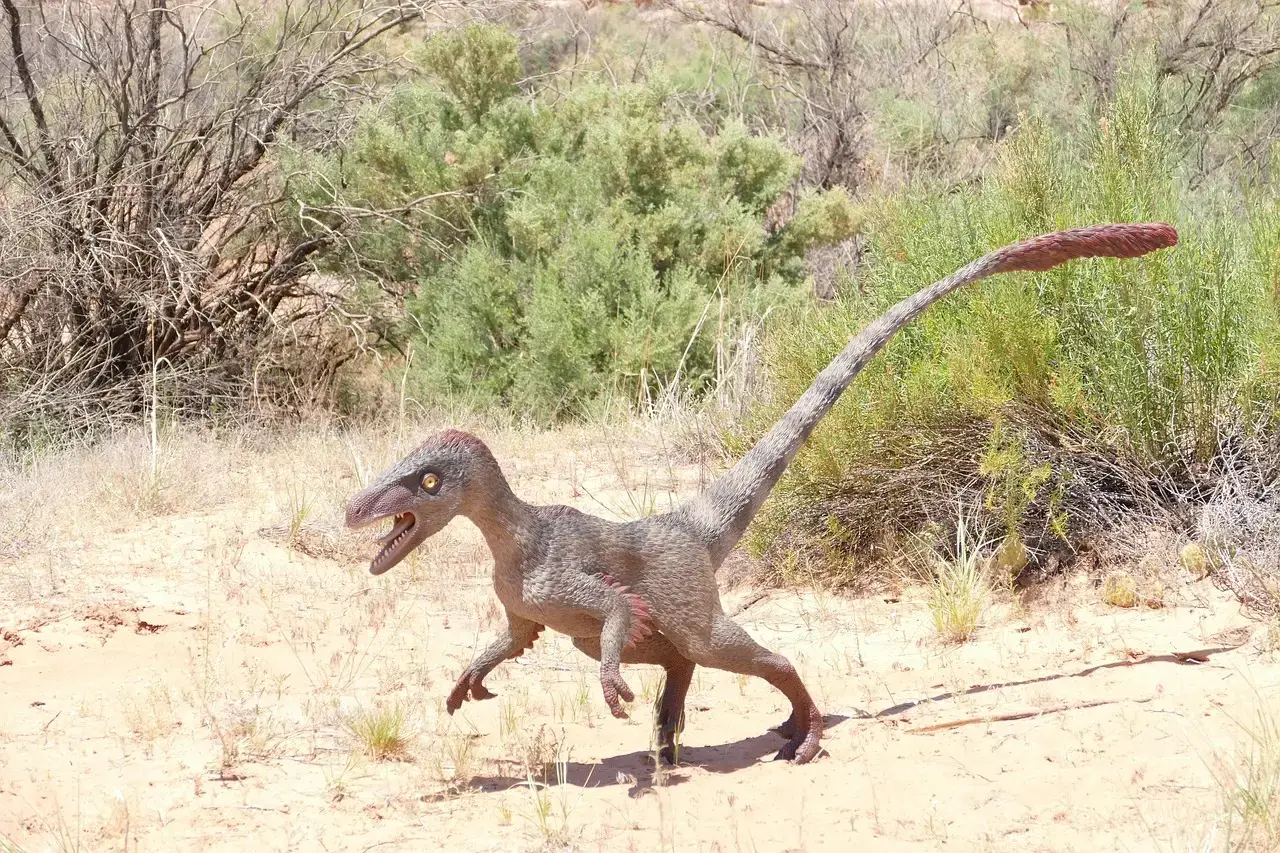
The first shocker: real Velociraptor was small. Not sort of small – actually small. The genuine animal, Velociraptor mongoliensis, was roughly the size of a large turkey, with a body length of about two meters including the long tail, but with hips only around knee height for an adult human. It was slender, light-boned, and built more like a long-legged bird of prey than a muscle-packed reptilian beast.
That famous sickle-shaped claw on the second toe was absolutely real and absolutely nasty, but it was strapped to an animal that weighed more like a big dog than a lion. Instead of towering over humans, a real Velociraptor would have been weaving around your legs, not glaring down at you from eye level. Once you picture a feathery, knee-high hunter instead of a six-foot-tall nightmare, you immediately see how far off the movie depictions really are.
Hollywood’s “Velociraptor” Is Basically a Misnamed Franken-Dinosaur
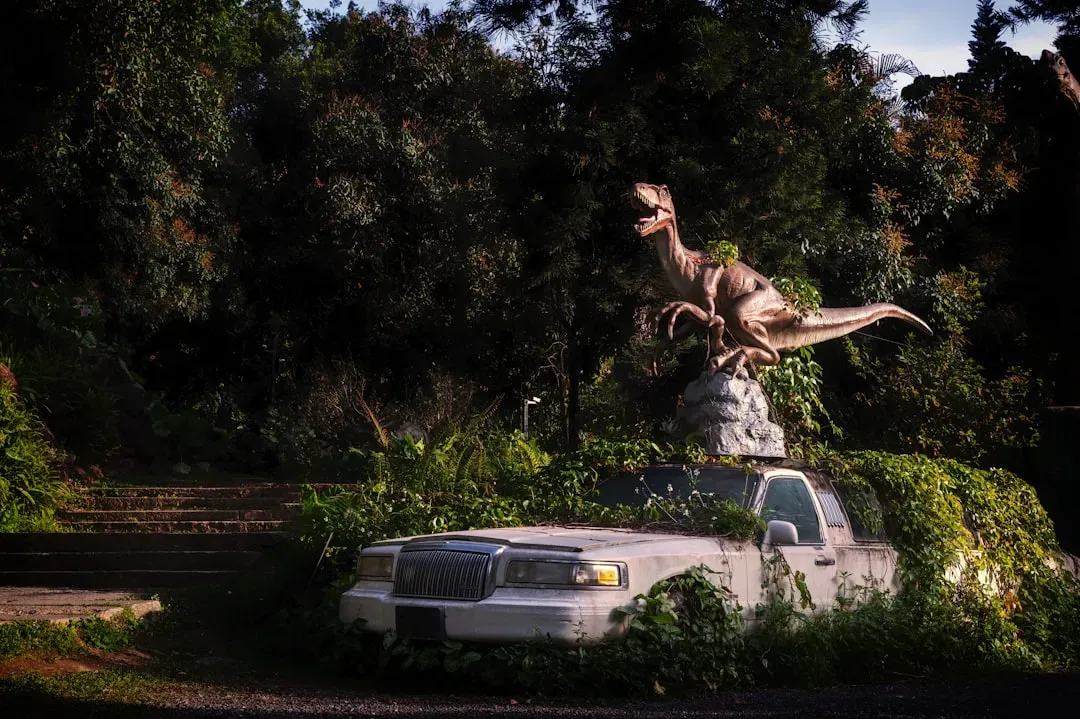
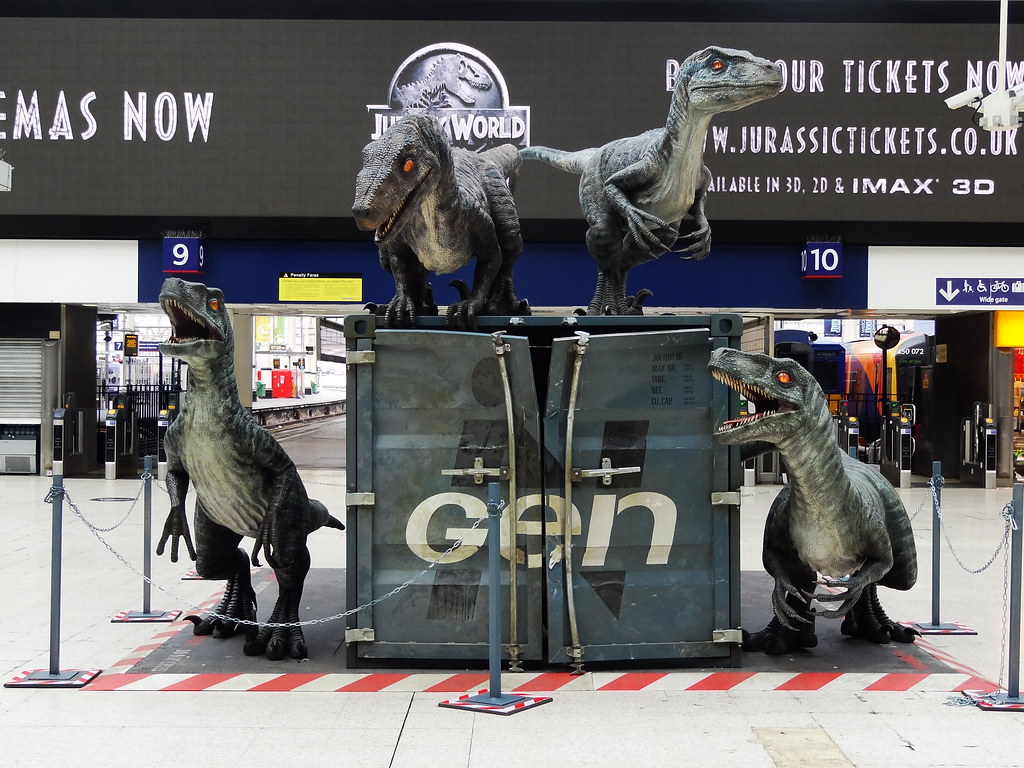
So why are movie raptors man-sized and terrifyingly tall? Because the iconic on-screen “Velociraptor” is really a mash-up of several dinosaurs, especially Deinonychus and, to a lesser degree, Utahraptor. Those animals were much larger, with Deinonychus roughly wolf-to-man-sized and Utahraptor approaching the scale of a small car. When filmmakers wanted a believable human-hunting predator, they lifted the size and overall build from these bigger cousins and simply slapped the cooler-sounding name Velociraptor on top.
It’s a bit like calling a house cat a “saber-toothed tiger” because it sounds better in the trailer. Scientifically, the proportions and height you see in many films line up much more with Deinonychus: long arms, sickle claws, roughly human-height when rearing up. Hollywood essentially created a brand-new pop-culture animal – a composite raptor – and then marketed it under the wrong label, even as paleontologists repeatedly pointed out the mismatch.
Paleontologists Told Filmmakers the Size Was Wrong – and They Went With It Anyway
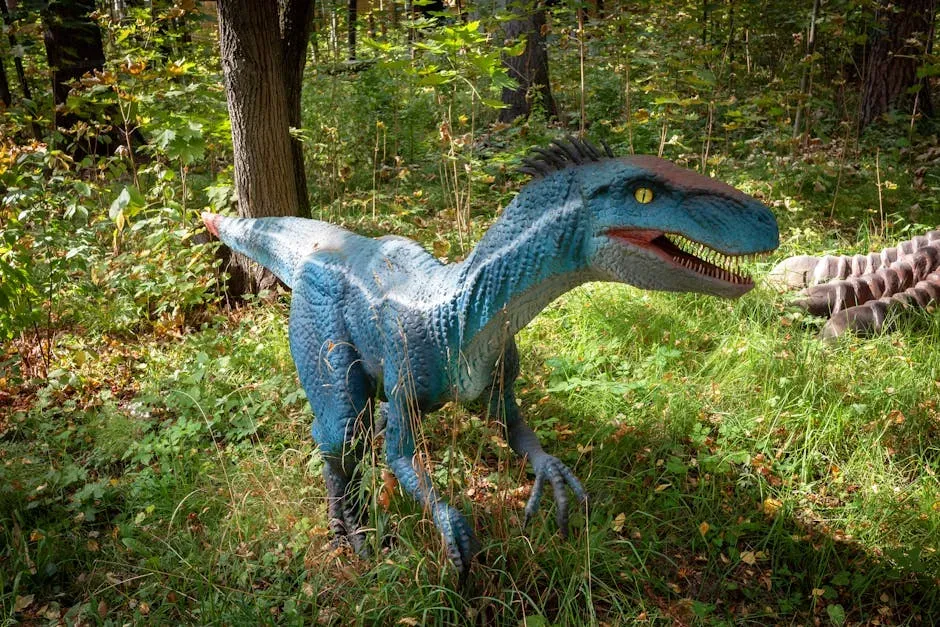
What makes this story juicy is that this was never a simple case of ignorance. Paleontologists have been consulted on major dinosaur films for decades, and they’ve consistently explained that Velociraptor was smaller and likely feathered. The size issue was crystal clear to the scientific advisors. Yet when it came time to choose between accuracy and spectacle, the decision usually went one way: big, scary, and wrong wins.
From a producer’s perspective, a knee-high predator may be fascinating on paper, but it’s harder to frame as a towering cinematic threat next to a six-foot human. Directors want close-ups of snarling jaws at eye level, not a low-angle leg-biter. So the scientifically correct animal was knowingly scaled up, reshaped, and rebranded into something audiences would instantly fear. The result is that the wrong Velociraptor became the right one for ticket sales, even if it made scientists grind their teeth.
Feathers, Not Scales: The Missing Piece That Would Change Everything
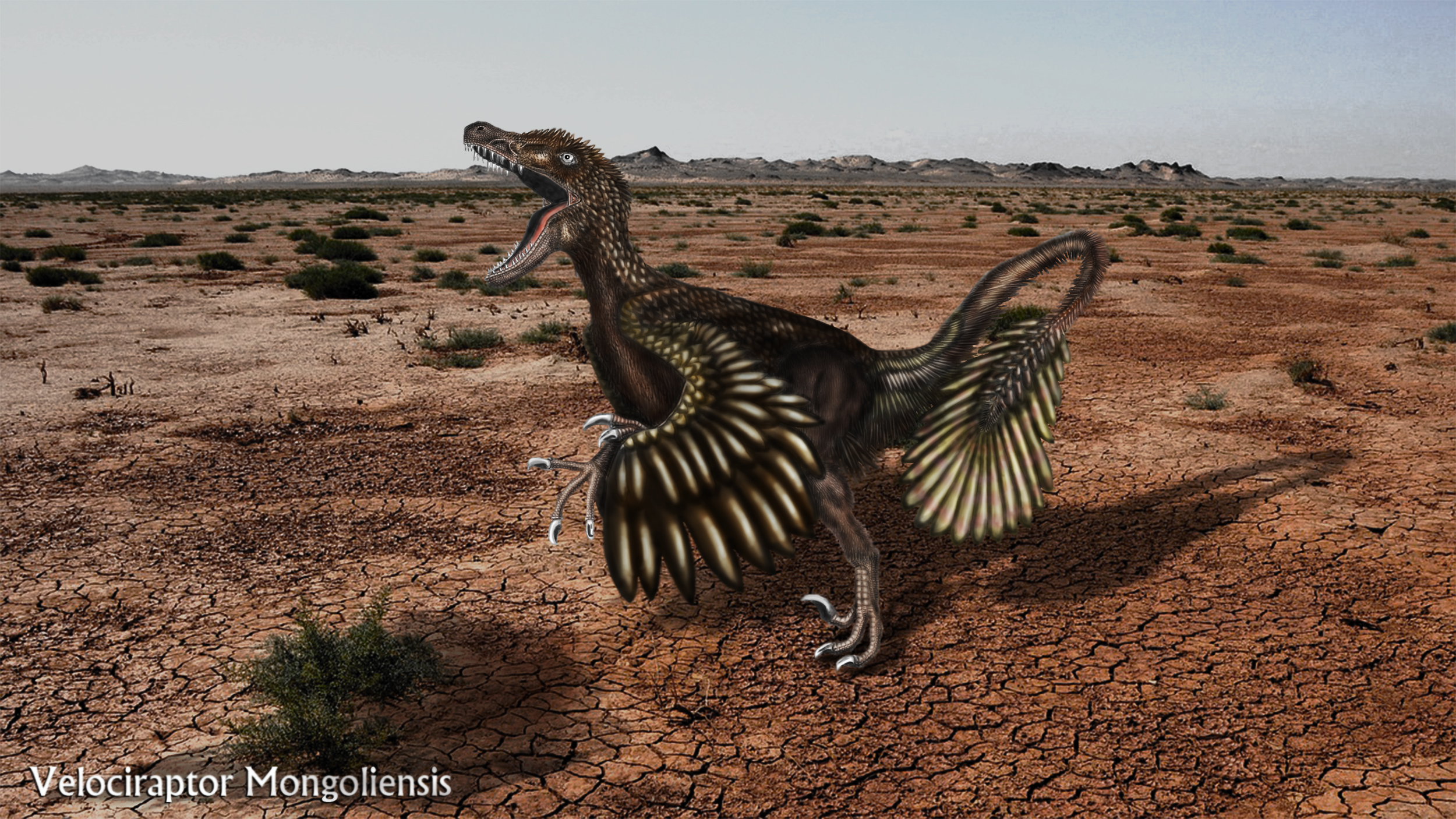
The other elephant – or bird – in the room is feathers. By the late twentieth and early twenty-first century, evidence for feathered dromaeosaurs, the group Velociraptor belongs to, had become overwhelming. Fossils from related species show clear feather impressions and quill knobs on the bones, strongly indicating that Velociraptor itself was at least partially feathered. In life, it probably looked more like a terrifying ground bird with a long tail than a naked, lizard-skinned reptile.
But feathered predators are a harder sell to an audience conditioned to equate “scaly and reptilian” with danger. So films mostly stuck with scaly, crocodile-like skin and oversized bodies, even as textbooks and museum exhibits quietly updated the image. If the real, smaller, feathered Velociraptor walked onto a modern movie set next to its on-screen counterpart, it would feel like a crossover episode between nature documentary and creature feature – two different worlds colliding.
Scaling Up the Fear: Why Size Matters So Much on Screen
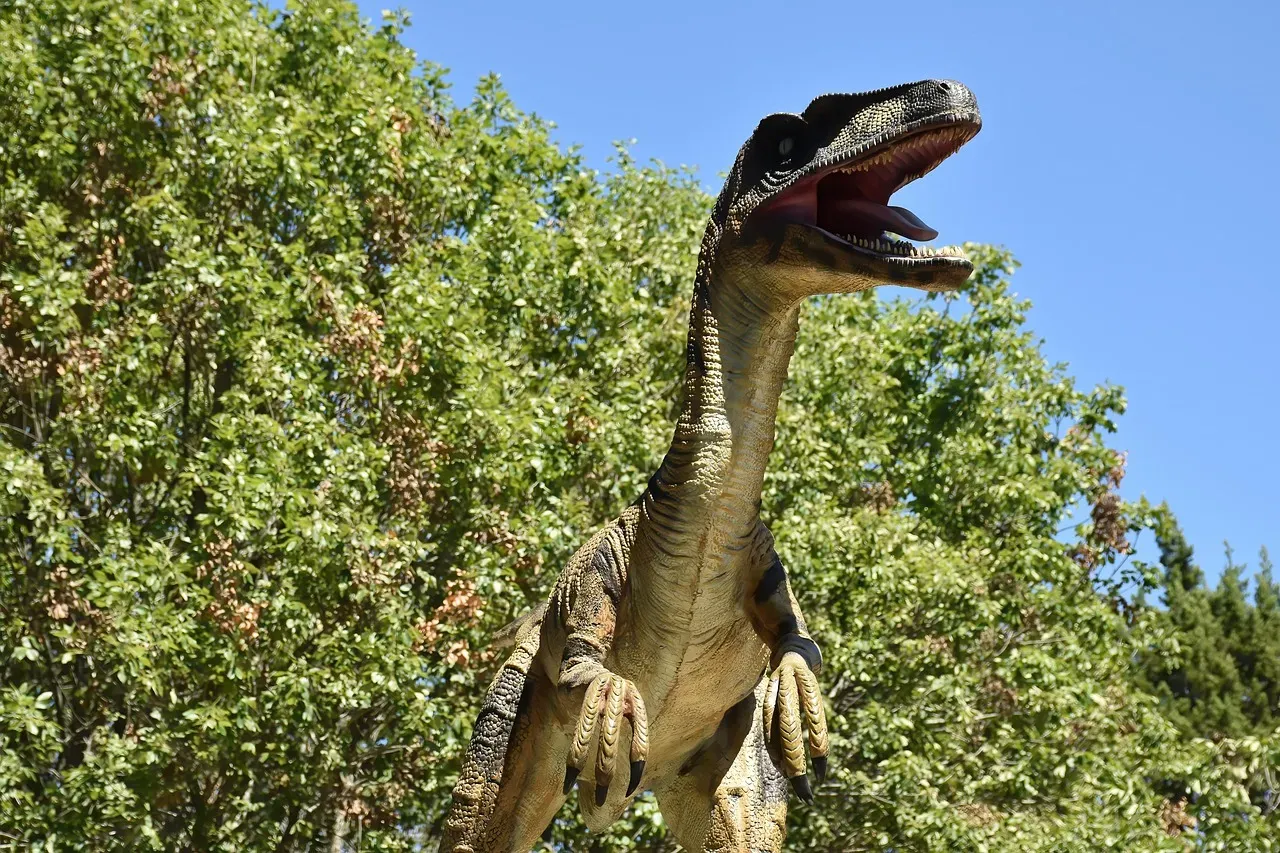
At some point, this stops being just a trivia issue and becomes a storytelling choice. Humans instinctively fear large predators that can tower over us, which is why sharks, big cats, and bears dominate our horror imagination. A turkey-sized assassin is scary in an intellectual way, but a human-sized, door-opening, pack-hunting monster hits a deeper emotional nerve. Filmmakers know this and design their creatures to exploit that instinct.
By inflating Velociraptor’s size, Hollywood turns a scientifically interesting mid-scale predator into a walking metaphor for human vulnerability. You are not looking down at nature; nature is looking you straight in the eyes. It is a deliberate choice to exaggerate the imbalance of power, and once that decision is locked in, accuracy becomes a secondary concern at best. The real animal is sacrificed so the story can hit harder, faster, and with fewer explanations.
Pop Culture Has Permanently Rewired What We Think a Velociraptor Is
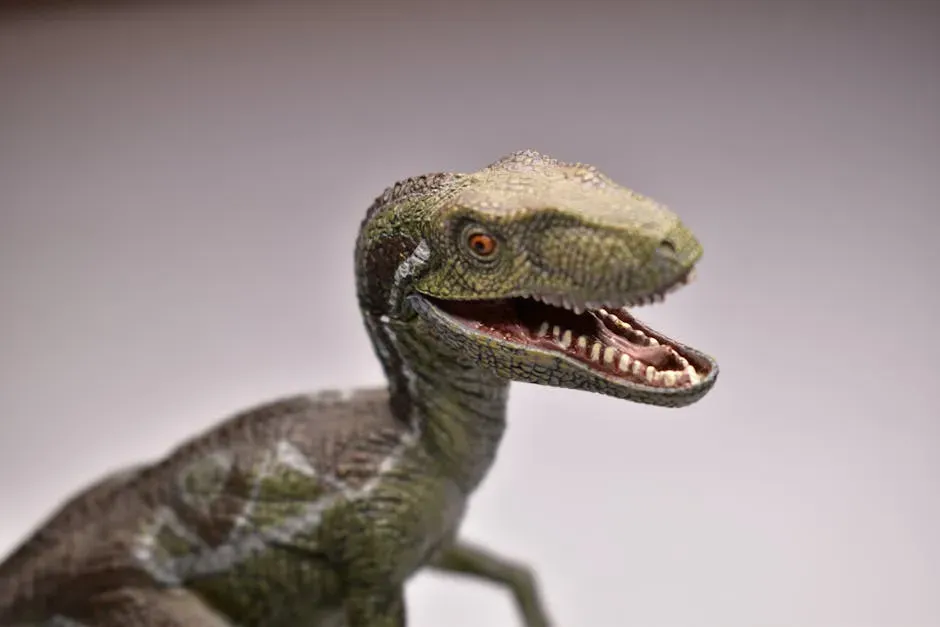
Here’s the uncomfortable truth: for most people, the movie version is now more real than the fossil record. Ask a random person on the street to draw a Velociraptor, and you’ll almost certainly get a human-height, scaly, hyper-smart predator, not a feathered, smaller hunter from Late Cretaceous Mongolia. Films, toys, video games, and theme parks have reinforced this image for so long that the incorrect version might as well be a separate species in the public mind.
Once a visual myth gets this embedded, it becomes incredibly hard to dislodge, even as museums and paleontologists patiently show the evidence. The cinematic Velociraptor has become a kind of modern dragon: inspired by real animals but no longer bound by them. Kids grow up emotionally attached to that version, and studios are terrified of radically changing a design that has become so iconic. Accuracy has to compete not just with profits, but with nostalgia.
Could Hollywood Ever Admit It and Show the Real Velociraptor?
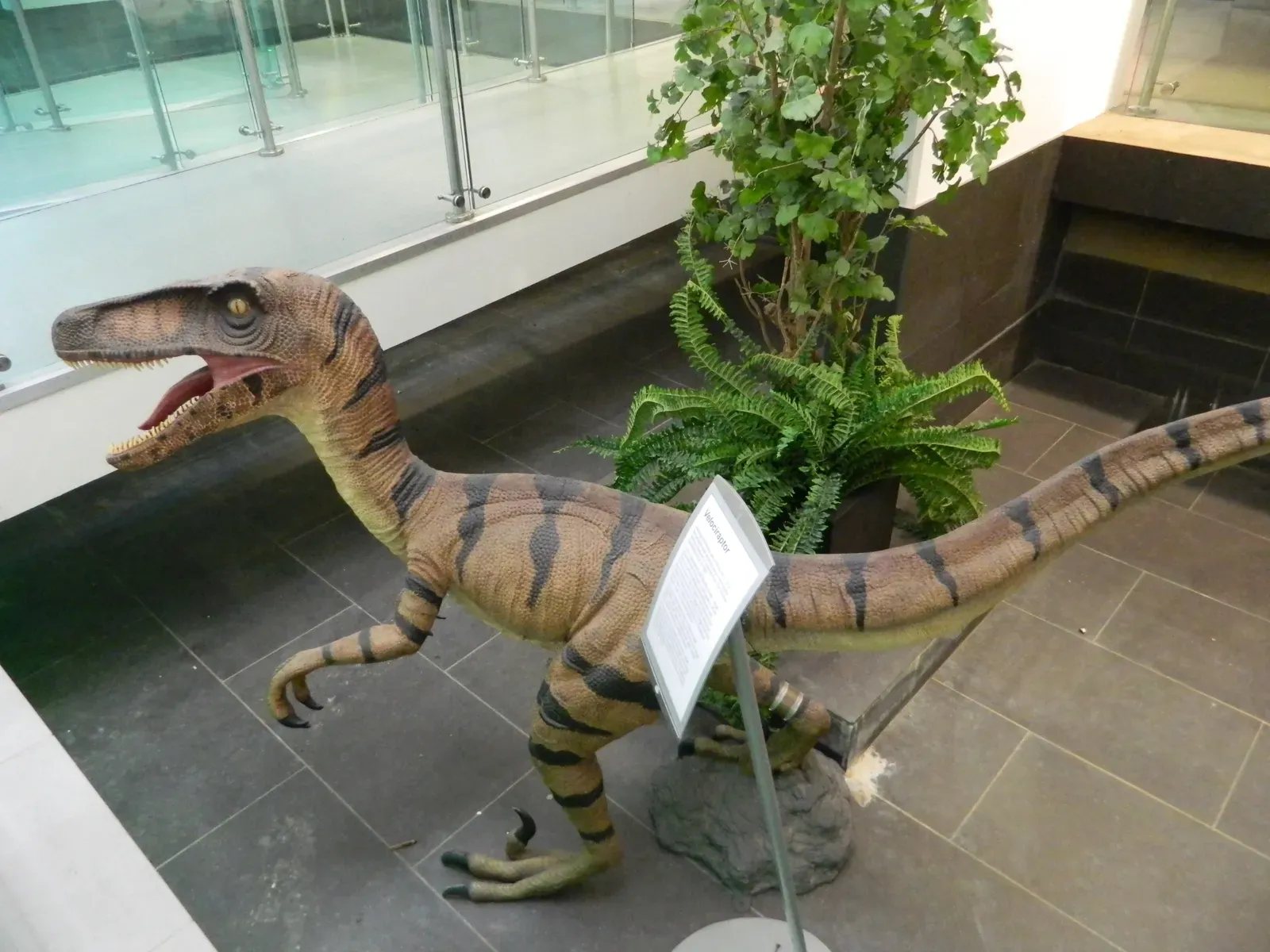
There is a strange, exciting possibility here: what if a major film fully leaned into the truth? Imagine a movie that openly says, yes, we know you’ve seen the oversized raptor for years, but here’s how the real one hunted, moved, and looked. A smaller, feathered Velociraptor darting through brush, attacking in bursts, and using agility instead of raw size could be even more unsettling, like a murderous bird of prey dialed up to eleven.
Personally, I think audiences are finally ready for that pivot. We’re in an era where people love behind-the-scenes realism and science-based storytelling. A director with enough courage could turn the “wrong-size raptor” problem into a selling point: come see the dinosaur Hollywood got wrong for decades. Until someone takes that risk, though, we’ll keep living with the oversized impostor on our screens, knowing deep down that the real animal was there all along, waiting under the rock dust.
Conclusion: The Raptor We Love Is a Lie – and I’m Weirdly Okay With That
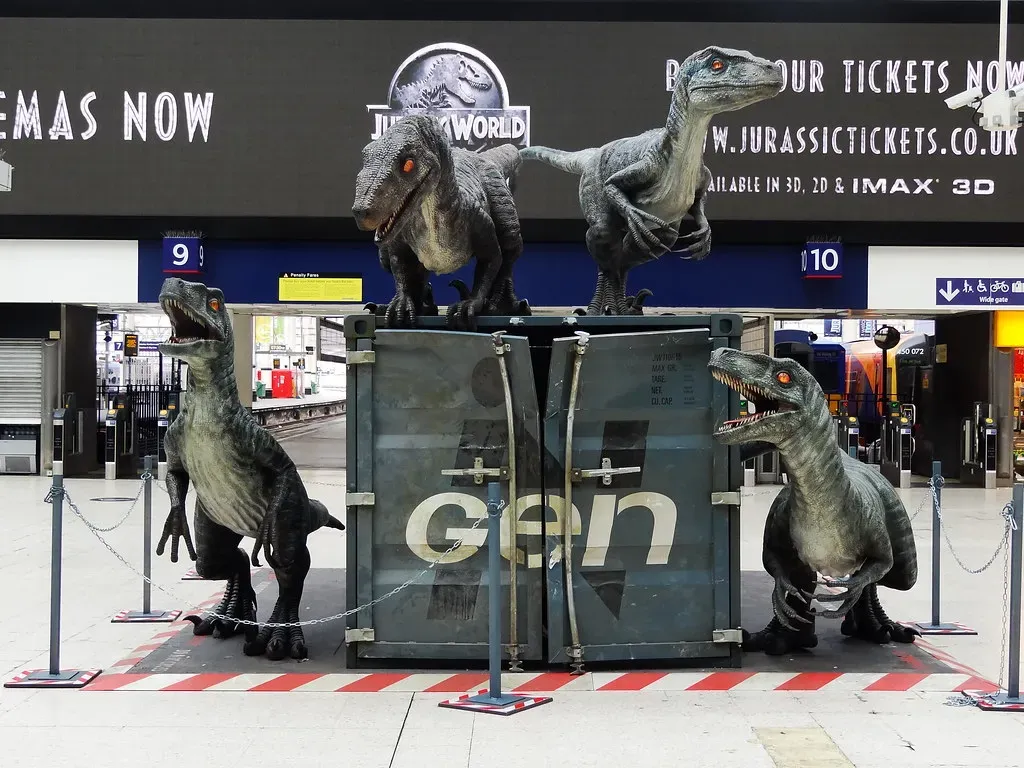
Here’s my blunt opinion: every big-screen Velociraptor you’ve ever seen is a beautiful lie, and I kind of love it, even while I wish we did better. The science is clear that the real animal was smaller, likely feathered, and very different from the tall, scaly killers stalking movie corridors. Hollywood has known this for a long time and mostly chosen spectacle over accuracy, creating a creature that never truly existed but now lives rent-free in our collective imagination.
At the same time, that myth has inspired countless kids to pick up dinosaur books, visit museums, and fall in love with paleontology – including, honestly, me. The ideal future is not to erase the wrong-size raptor, but to evolve past it: to let one version remain iconic while finally giving the real Velociraptor its moment on screen. When that happens, I suspect people will be shocked by how strange and wonderful the truth looks. After all this time, which version of the raptor do you think deserves to be remembered more – the legend or the animal?