If your mental image of a “pterodactyl” comes straight from a Jurassic Park–style sky full of leathery-winged monsters, you’re in good company… and you’re also way off. The real animals behind that name were weirder, more delicate, and in some ways far more impressive than the screeching movie beasts that dive-bomb people like oversized bats.
What we call “pterodactyls” sat at the edge of what life on Earth can even pull off: they were vertebrates that turned their entire fourth finger into a wing spar, some grew to the size of small airplanes, and they did it all with skeletons so thin they look like they would shatter in your hands. Once you start peeling away the myths, the truth is not just different from Hollywood – it’s stranger, smarter, and a lot more beautiful.
First Twist: Pterodactyls Were Not Dinosaurs At All
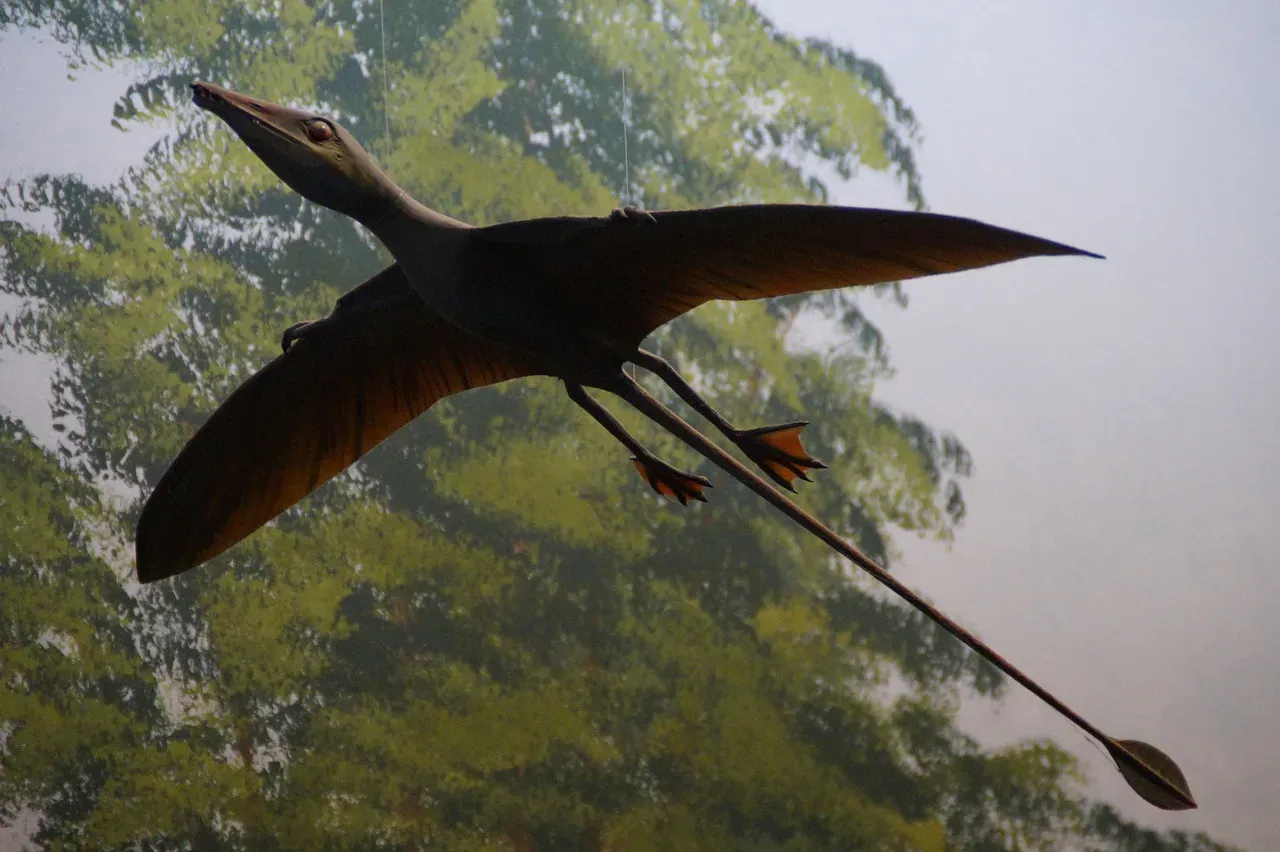
Here’s the first shocker: the animal you probably call a pterodactyl was not actually a dinosaur. Dinosaurs form their own branch of the reptile family tree, and pterosaurs – the broader group that includes “pterodactyls” – were their close cousins, not their siblings. Both belonged to the larger archosaur clan, which also includes crocodiles and, believe it or not, modern birds.
So when a movie lumpily advertises “flying dinosaurs,” it is already off on the wrong foot. Technically, no non-avian dinosaur ever evolved powered flight; that honor went to birds (which are dinosaurs) and to pterosaurs, which are dinosaur-adjacent but not inside the dinosaur group. It’s like calling your cool neighbor’s kid part of your family – close enough at a barbecue, but dead wrong on a family tree.
What “Pterodactyl” Really Means (And Why Paleontologists Wince When You Say It)
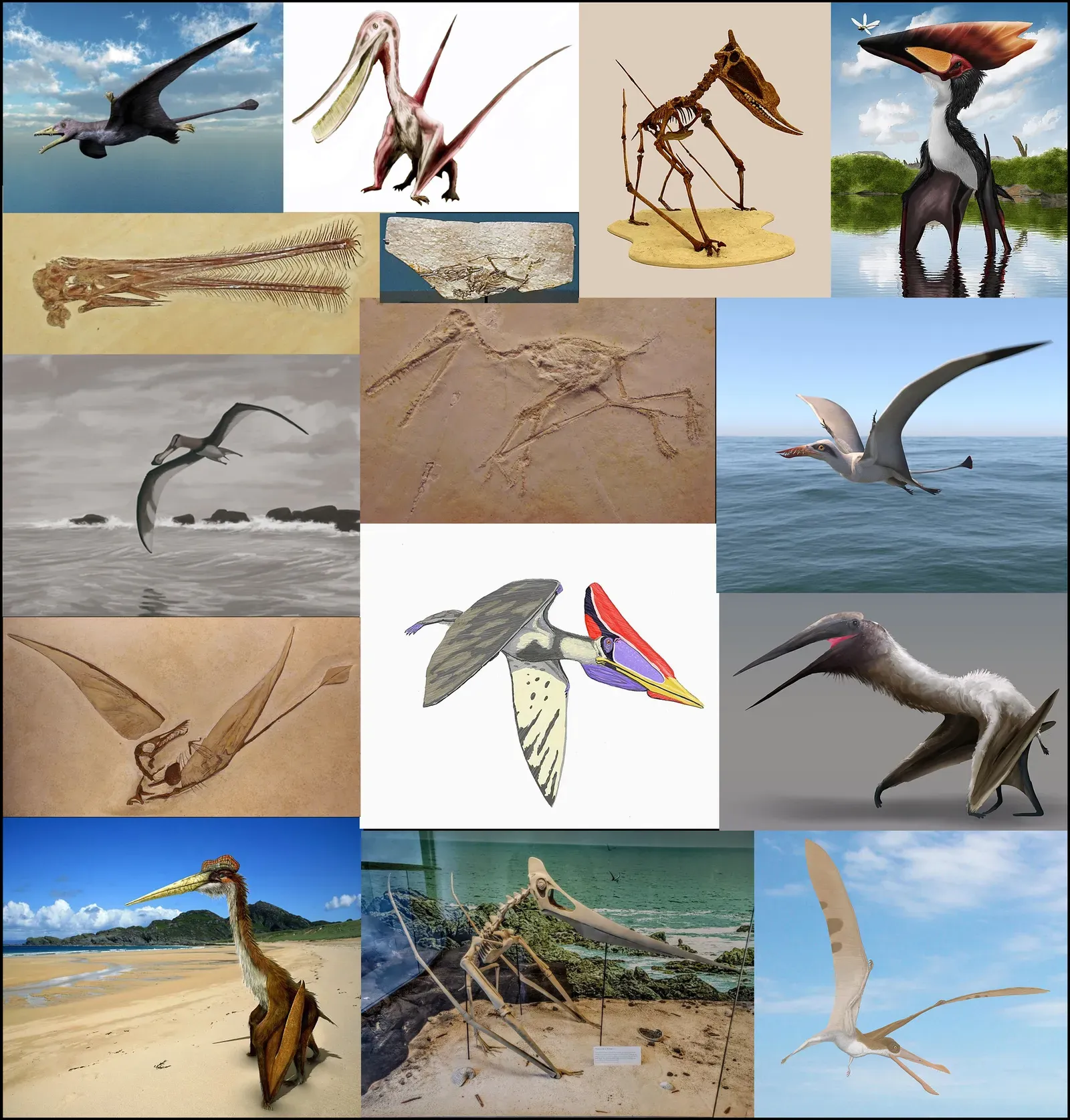
Another twist: scientists almost never say “pterodactyl” the way the public does. The animal people picture is usually anything from a small Jurassic pterosaur up to the massive azhdarchids like Quetzalcoatlus, but “Pterodactylus” is actually the name of one specific genus, a relatively small pterosaur described in the early nineteenth century. Over time, the word leaked into popular culture as a generic label for any winged reptile with a pointy beak.
Paleontologists today prefer the more accurate word “pterosaur” for the entire group, which covered a breathtaking range – from sparrow-sized insect hunters to long-necked giants with wingspans rivals of modern small aircraft. When experts hear “pterodactyl,” they mentally translate it, much the way a computer person quietly translates “the Internet is broken” into “the Wi‑Fi router needs rebooting.” They know what you mean, but the real story is more precise and far more interesting.
The Wing Design Hollywood Gets Wrong
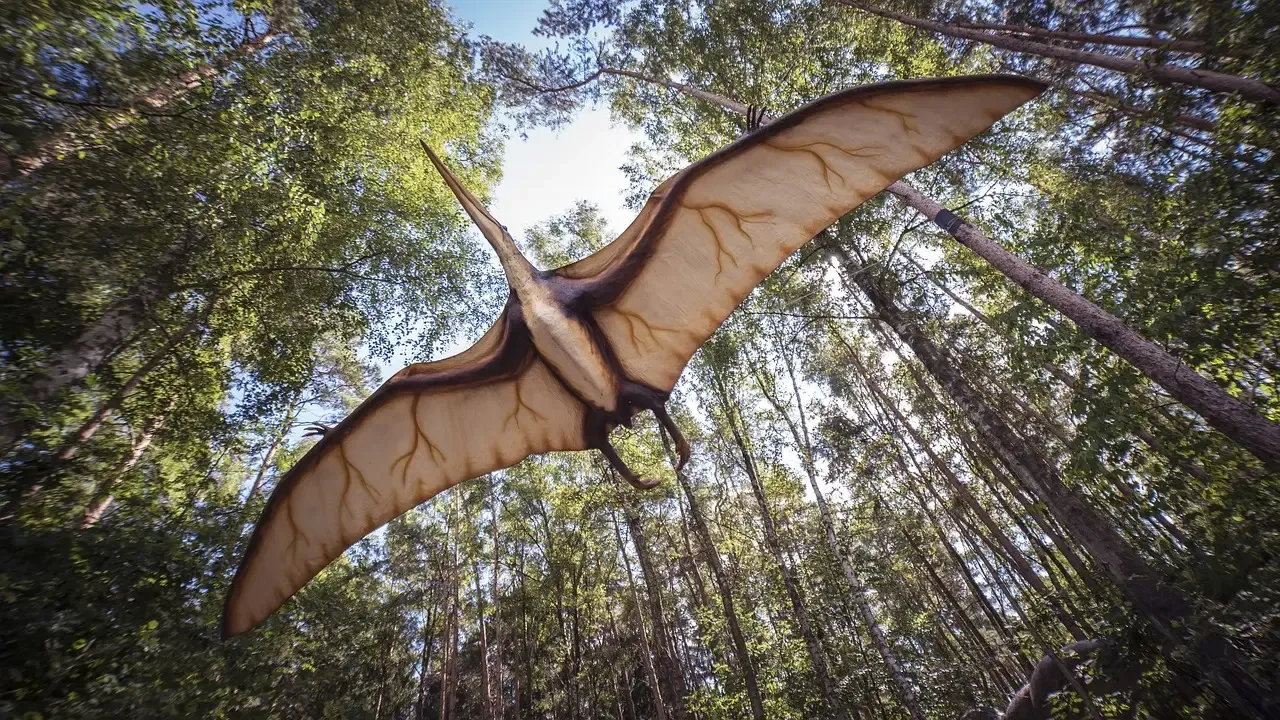
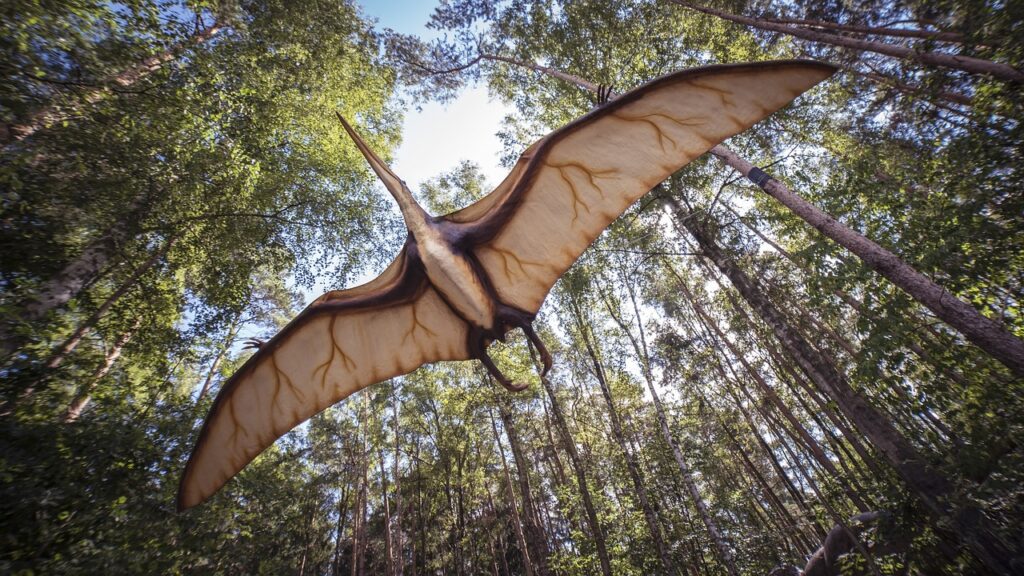
Most movies show pterosaurs flapping like demonic bats, with floppy, shredded-looking wings that can fold and twist in impossible ways. In reality, their wings were highly specialized, complex pieces of living engineering. Each wing stretched from the body to the tip of an enormously elongated fourth finger, supported by a membrane that likely contained muscle fibers, blood vessels, and stiffening structures that helped control shape and tension during flight.
Rather than being thin, torn sheets, those membranes probably looked more like well-tuned hang glider sails. Their structure suggests they could adjust camber and stiffness, giving them fine control in turbulent air and during takeoff and landing. If you imagine a modern paraglider with built-in smart supports instead of a ragged leather curtain, you’re much closer to how these animals actually flew across ancient skies.
How They Really Took Off, Glided, and Landed
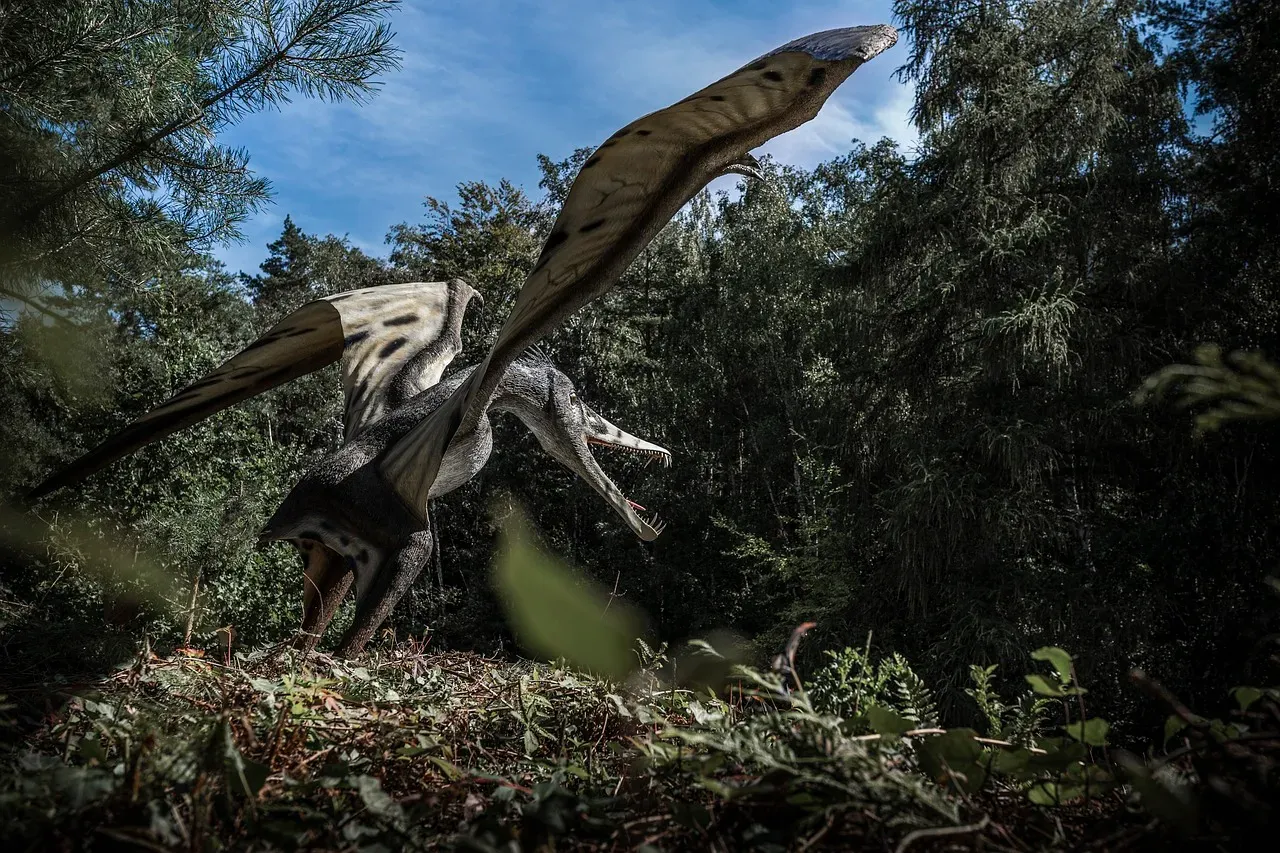
The classic Hollywood scene shows a pterosaur awkwardly launching like a bird, sprinting forward and flapping wildly from its back legs. Evidence from fossils and biomechanics studies tells a different tale: large pterosaurs were probably four-legged launchers. They likely used a powerful vault with both forelimbs and hindlimbs, almost like a pole-vaulter using their own arms as the pole to hurl themselves into the air in a single explosive move.
Once airborne, these animals were not random flappers. Many show features consistent with soaring and gliding, using rising air currents much like modern albatrosses or vultures. Their bones were incredibly light yet reinforced in clever ways, allowing long-distance flight with relatively low energy costs. Landing, too, was probably more controlled than the clumsy crash-into-a-tree visuals you see on screen – they would have adjusted wing angles and body posture to bleed off speed, then drop into a quadrupedal stance, ready to walk on all fours again.
In the movies, pterosaurs are usually depicted as shrieking, naked, bat-like reptiles with leathery, glossy skin. Fossils tell a more unexpected story: many pterosaurs had fuzz-like body coverings, sometimes called pycnofibers, that may have served as insulation and possibly even came in different textures across the body. This fuzzy layer pushes them visually closer to birds and mammals than to the shiny, scaly lizards most people picture.
There are also hints that pterosaurs were active, warm-blooded animals with relatively high metabolisms, which fits with a life spent in powered flight. That means their bodies were more like fine-tuned sports cars than slow, cold idling machines. Whenever I think about that, I picture the Hollywood version as a cheap rubber Halloween costume, and the real pterosaur as a custom-built racing drone with feathers of fuzz, thermal control, and aerodynamic finesse.
The Giants Were Real – And Even Stranger Than Their Movie Counterparts
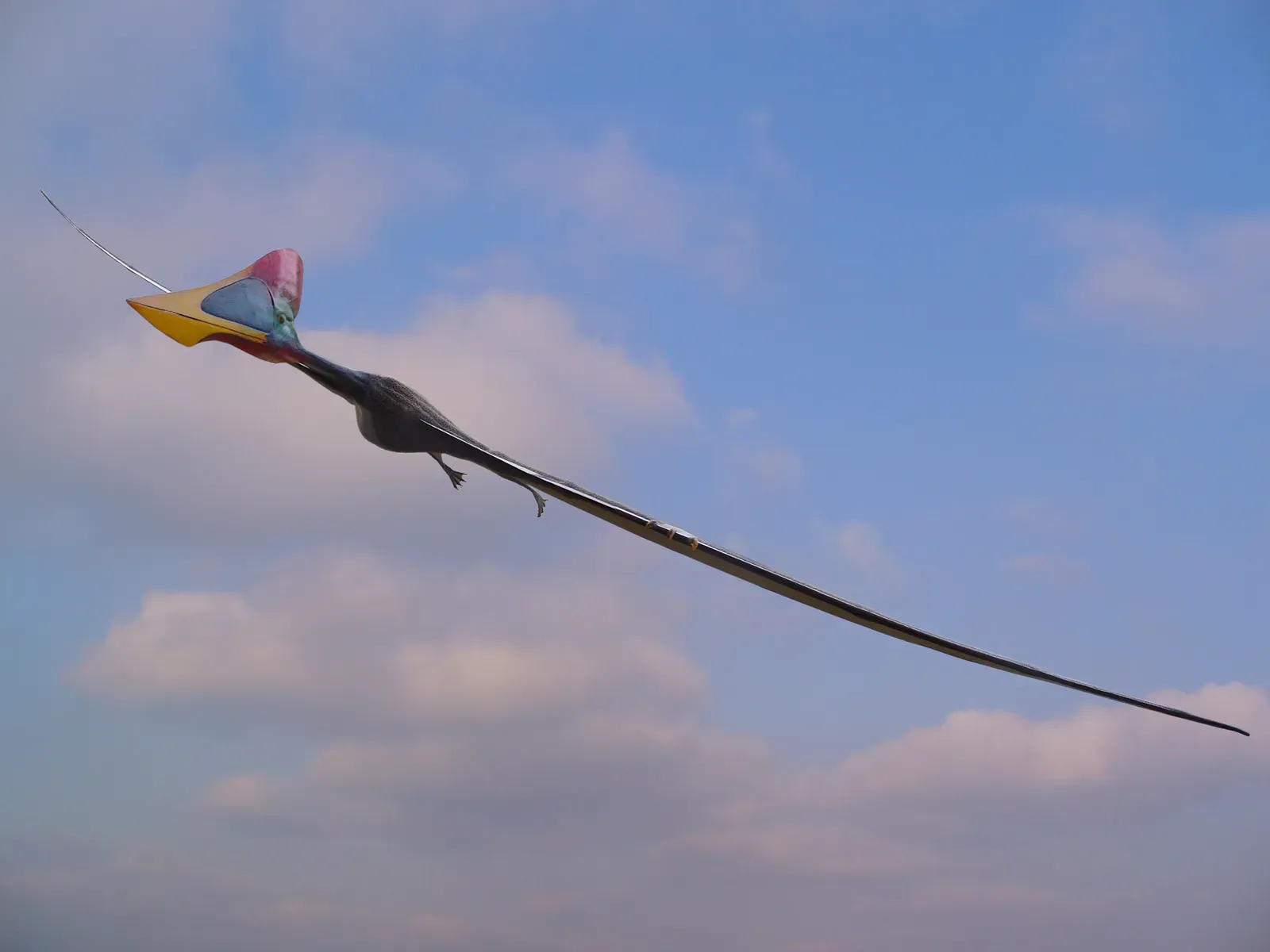
One of the wildest truths is that giant pterosaurs were not exaggerations invented for spectacle; some species really did reach airplane-like wingspans. Members of the azhdarchid group, such as Quetzalcoatlus, likely had wingspans similar to small propeller planes and stood roughly as tall as a giraffe when on the ground. Imagine walking through a Late Cretaceous floodplain and seeing a giraffe-sized animal, not browsing leaves, but preparing to vault into the air.
Yet these giants were not just oversized seagulls attacking people at the beach. Their skulls, necks, and limb proportions suggest lifestyles that may have involved stalking prey on the ground, probing shorelines, or cruising long distances between feeding grounds. This mix of towering terrestrial presence and efficient aerial prowess is far stranger and more unsettling than any simple man-eating movie monster; they were more like roaming, winged storks crossed with cranes and vultures, except even more extreme in nearly every dimension.
Why the Real Story Is Stranger – and More Satisfying – Than Hollywood
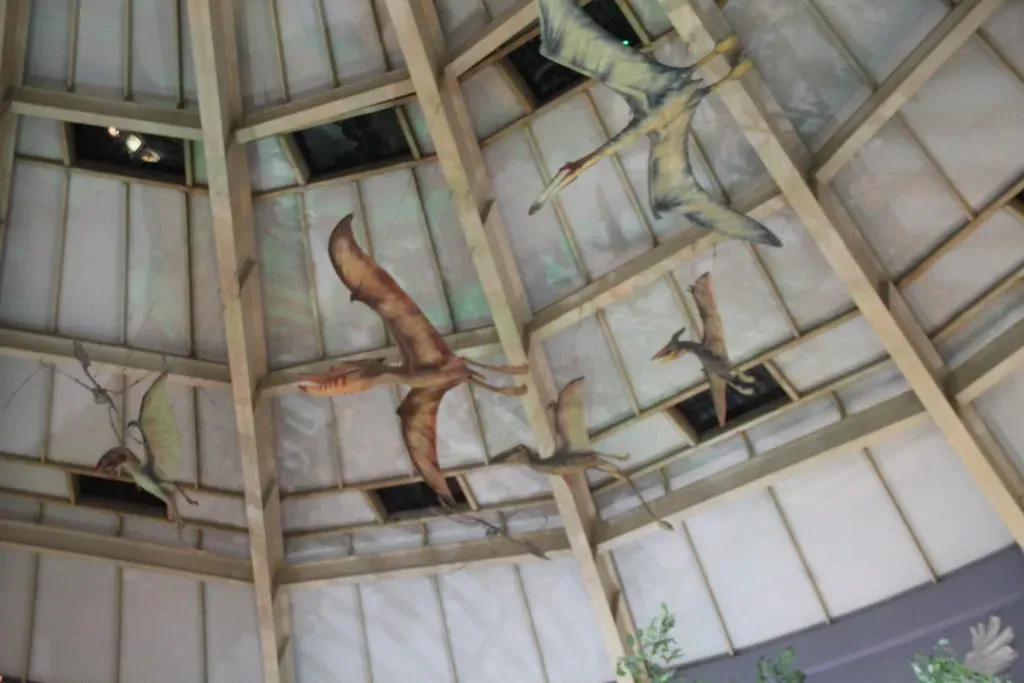
The more we learn about pterosaurs, the harder it is to be satisfied with the flat, roaring caricatures on screen. The truth is that evolution produced a whole spectrum of these animals, from tiny, insect-snatching dynamo fliers to continent-crossing giants that pushed the limits of physics. They were not just dangerous flying reptiles; they were an entire experiment in vertebrate flight that ran parallel to birds and bats and then vanished at the end of the Cretaceous.
To me, the strangest part isn’t their size or their weird finger-wings; it’s the fact that for tens of millions of years, skies all over the planet were filled with creatures that we still struggle to reconstruct correctly, even with fossils in hand. Hollywood prefers a single, scary stereotype, but the real pterosaurs were diverse, fuzzy, warm-blooded aeronauts with engineering tricks that would make an aerospace designer jealous. Next time a movie shows a leathery “pterodactyl” dive-bombing its prey, it’s worth asking yourself: isn’t the reality – a sky once ruled by warm, fuzzy, giraffe-tall gliders with wing-fingers – far stranger and more thrilling than anything the scriptwriters dared to imagine?