I remember walking out of Jurassic World Dominion with my brain doing a weird split-screen. On one side, I’d just watched giant dinosaurs charge through city streets and a feathered predator stalk a frozen lake. On the other, the science part of my brain was quietly screaming. It was like watching a history documentary where someone casually slips in a scene of Napoleon riding a jet ski – entertaining, sure, but painfully wrong.
That tension, between fun spectacle and scientific nonsense, is exactly why so many paleontologists reacted so strongly to Dominion. Not just with mild annoyance, but with genuine frustration, saying the movie pushed public understanding of dinosaurs backwards after years of progress. If that sounds dramatic, it’s because people who devote their lives to understanding ancient life are watching their work get steamrolled by Hollywood myths repeated to millions. Let’s dig into why this film, in particular, hit such a nerve.
The Franchise Once Lifted Science Up – Then Dominion Slammed It Back Down
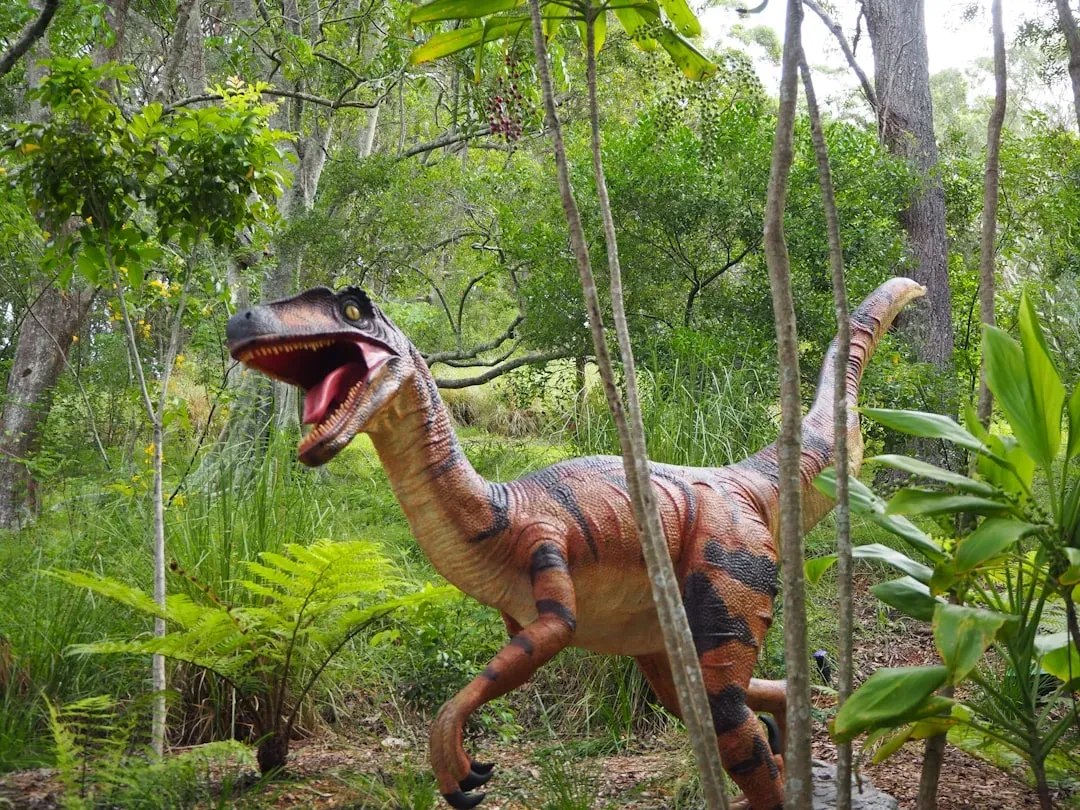
Here’s the twist that stings most for scientists: the original Jurassic Park actually helped public education. For its time, it did a surprisingly decent job of showing dinosaurs as active, dynamic animals instead of slow, tail-dragging monsters. Kids walked out wanting to be paleontologists, not just monster hunters, and the film nudged everyday people toward a more modern view of dinosaur behavior and biology. It got details wrong, but the overall direction was forward.
Dominion feels like the opposite swing. Instead of building on three decades of new discoveries, it clings to outdated designs and movie-logic biology. When paleontologists say it set public education back years, they’re really saying this: that the public image of dinosaurs froze sometime in the 1990s and the film chose nostalgia over accuracy. Imagine spending your career updating the world’s mental picture of dinosaurs, only to watch a blockbuster lock everyone back into a comfortable, wrong version.
The Iconic Dinosaurs Still Ignore Decades of Feather and Anatomy Research
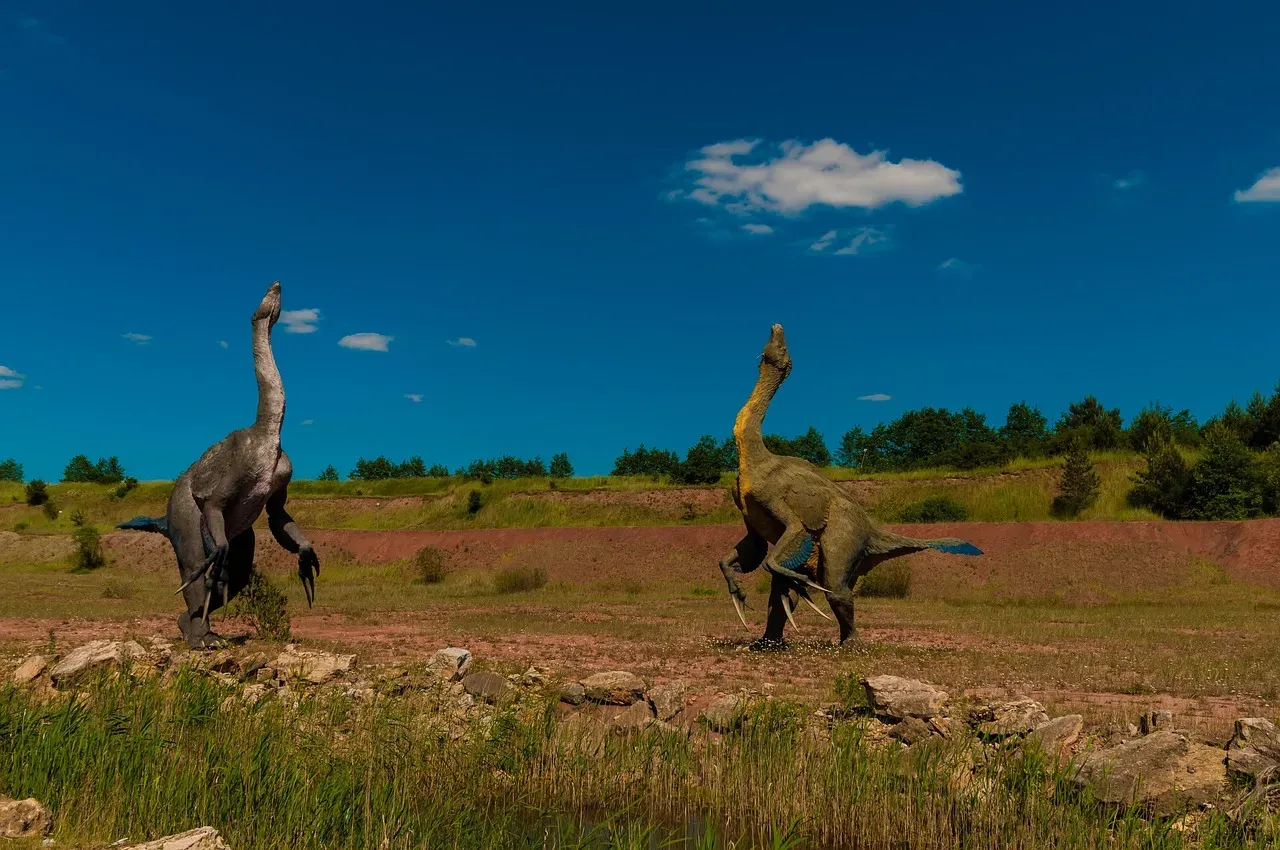
One of the most glaring issues is how many of the classic species still look like 1980s museum models rather than animals informed by modern research. We now know many theropods, especially those closely related to birds, likely had feathers or at least filamentous coverings. Instead, Dominion leans hard into scaly, lizard-like skin for fan favorites, treating feathers as a special effect for a few “new” creatures rather than a fundamental part of dinosaur biology. It’s like insisting every ancient human wore armor, then giving one guy a T-shirt as a quirky twist.
The shapes are off too. Some skulls, proportions, and postures clash with what’s been published in the last couple of decades. Limbs are bulkier than evidence suggests, tails move in snake-like ways they simply could not in life, and certain animals are scaled up or shrunk down to whatever looks dramatic on screen. To a casual viewer, it just looks cool. To anyone who has stared at fossil reconstructions, it’s like hearing a favorite song played in the wrong key, on the wrong instrument, at the wrong tempo – and being told this is the definitive version.
New “Scientific” Additions Look Smart but Quietly Undercut Real Paleontology
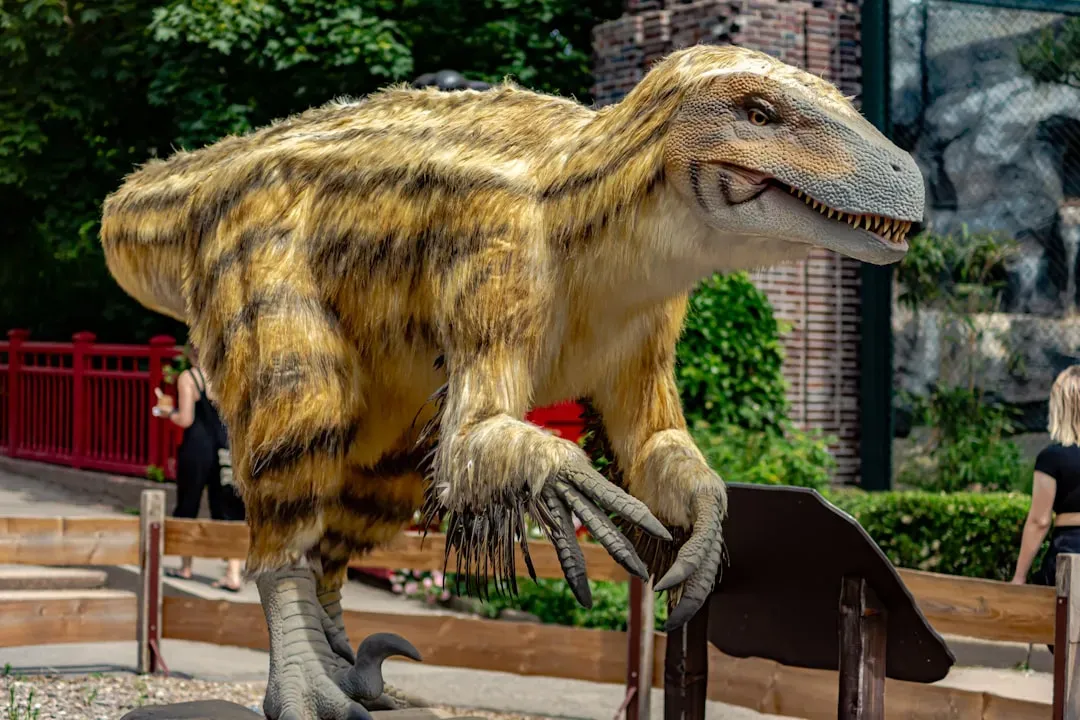
Dominion tries to signal that it’s up to date by sprinkling in feathered dinosaurs and more obscure species. On the surface, that looks like progress. You see a predator with a shaggy coat on a frozen lake and think, finally, feathers! The problem is that the surrounding context is still built around old tropes: hyper-aggressive killing machines, exaggerated sizes, and movements that defy basic anatomy. The new designs end up feeling like cosmetic upgrades slapped onto the same old monster-movie skeleton.
This is where it gets sneaky from an education standpoint. When a film adopts bits of accurate detail but keeps the underlying logic wrong, it becomes harder for people to separate fact from spectacle. Viewers walk away thinking they have seen the cutting edge of paleontology, when they have really seen a stylish remix of familiar errors. For scientists, that’s a nightmare, because now you’re not just correcting simple misconceptions – you’re untangling a mess of half-truths wrapped in the aura of “scientifically updated.”
Behavior and Ecology Turn Dinosaurs into Supervillains, Not Animals
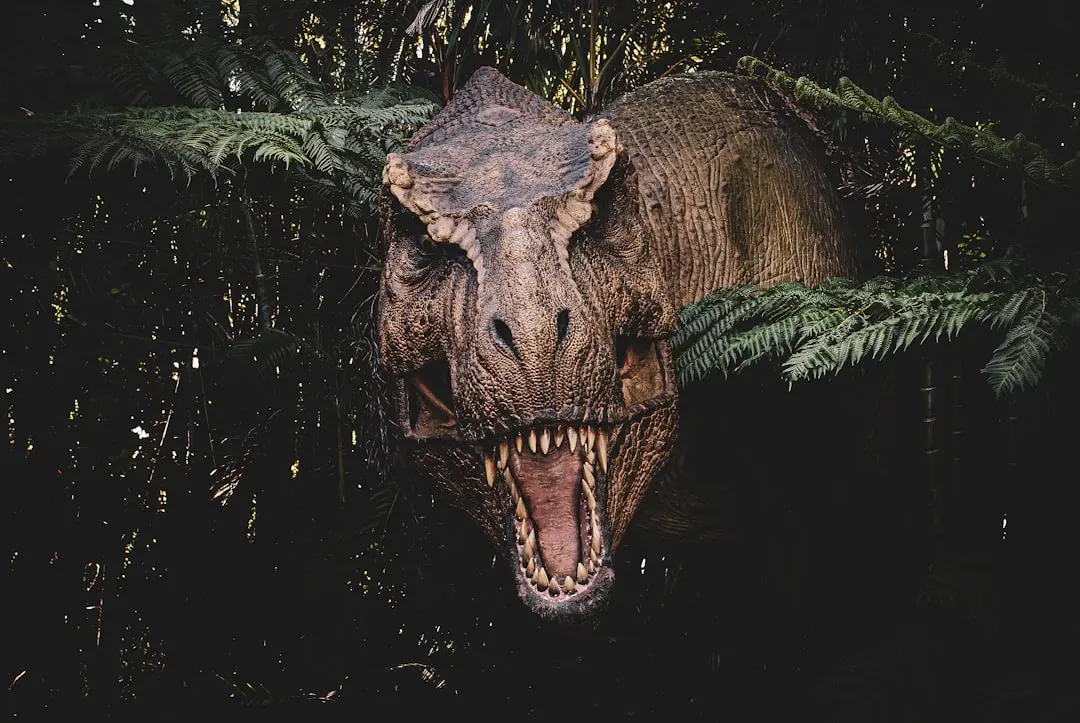
Even when Dominion gets a body shape sort of close, it often throws realism out the window in how these animals act. Dinosaurs repeatedly behave like horror-movie stalkers, obsessively chasing human characters through landscapes they’d never realistically navigate that way. They burst through buildings, track people with laser-focused intent, and operate almost like scripted villains rather than wild animals responding to basic instincts like hunger, fear, or curiosity. It’s entertaining, but it’s about as naturalistic as a superhero fight scene in space.
Real ecosystems are messy, with animals conserving energy, avoiding unnecessary risk, and responding to subtle environmental cues. Dominion flattens all of that into nonstop aggression and chaos. The idea that predators would relentlessly pursue humans through cities or complicated industrial environments, instead of avoiding noise, lights, and unfamiliar terrain, clashes with everything we know about how large animals behave today. When paleontologists complain the movie is regressive, they’re not just nitpicking appearance; they’re watching the very concept of dinosaurs-as-animals get shoved aside for dinosaurs-as-indestructible monsters.
DNA, De-Extinction, and Evolution Are Handled Like Magic Tricks
One reason scientists bristle at these films is the way genetics is treated as a convenient magic wand. Dominion takes the already shaky science of cloning dinosaurs from ancient DNA and pushes it into even wilder territory, with gene edits and control schemes that ignore what we actually know about genomes, development, and evolutionary history. Ancient DNA degrades over time, and resurrecting complex organisms is wildly more difficult than the film’s casual lab montages imply. Yet millions of people see this oversimplified version and absorb it as vaguely plausible.
There’s also a subtle issue in how the film treats evolution itself. Dominion often frames genetic changes and hybrid creations as quick, precision edits, implying that nature can be steered like code if you have the right tech. In reality, evolution is a slow, messy, and deeply constrained process. By skipping over that, the movie unintentionally reinforces the idea that biology bends easily to human will – a view that clashes with everything from medical research to conservation biology. From an education standpoint, that’s deeply unhelpful in a world where people already struggle to grasp how evolution actually works.
Why Paleontologists Say This Hurts Public Education, Not Just Their Feelings
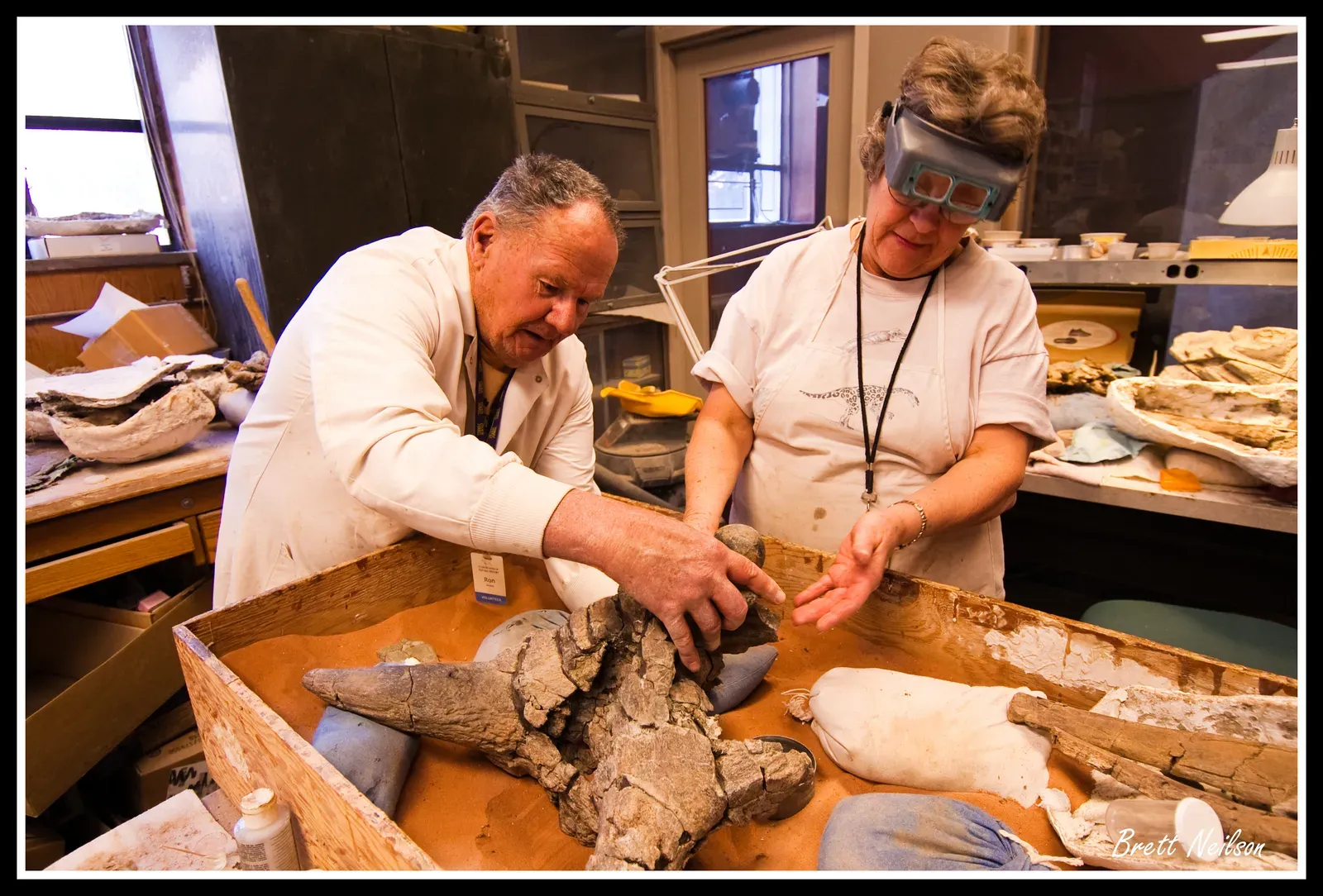
It’s easy to roll your eyes and say, it’s just a movie, who cares? But here’s the uncomfortable reality: for a huge portion of the public, Jurassic World is their primary source of dinosaur “knowledge.” Kids bring these images into classrooms. Adults repeat them in casual conversations and on social media. When enough people share the same wrong idea, teachers and communicators have to spend time undoing those myths before they can even start building accurate understanding. That’s time lost, over and over again, every time another film cements the same errors.
I’ve seen this firsthand in conversations with friends’ kids who can tell you every named monster in Dominion but have never heard that most dinosaurs were likely feathered, or that many were small, nimble, and closer to birds than reptiles in lifestyle. The film world and the scientific world have completely different casts of characters. Paleontologists who spoke out were not trying to ruin anyone’s fun; they were reacting to the reality that these blockbusters shape how entire generations picture prehistoric life. When the images stay stuck in the past, public understanding does too.
Dominion Proves We’re Still Choosing Nostalgia Over Truth – And That Should Bother Us
For me, the most unsettling part of all this is not that Dominion got things wrong, but that it seemed almost afraid to truly embrace what we now know. The filmmakers clearly understood that feathers, new species, and updated designs are a thing, but they kept those changes at arm’s length, like a risky fashion trend they did not want to commit to. That choice says something uncomfortable: we would rather keep our familiar movie monsters than meet the real, stranger, more fascinating animals science has uncovered. In that sense, the film is not just scientifically off; it is emotionally conservative.
As an opinion, I think that is why paleontologists’ criticism hit so hard. Dominion was a missed chance to pull one of the world’s biggest franchises into the twenty-first century of dinosaur science, and it blinked. Instead of letting audiences fall in love with the weird, birdlike, feathered, diverse dinosaurs the fossil record is revealing, it mostly doubled down on old myths with a fresh coat of CGI. If our most influential stories about the past keep choosing comfort over truth, what else are we quietly lowering our expectations for without noticing?