Imagine stepping outside and realising, in a single terrified heartbeat, that nothing matches the world you know. The map in your head is useless, the air feels wrong in your lungs, the sky looks strangely off, and the sounds around you belong to another planet. That is roughly what it would feel like to wake up on Earth during the Cretaceous period, without any warning or preparation.
We like to think of Earth as stable, like a familiar house that just gets a new coat of paint every so often. But during the Cretaceous, the planet was being remodelled from the foundations up. Continents were drifting, oceans were reshaping, plants were reinventing the atmosphere, and the creatures dominating the land were absolutely not mammals binge‑watching shows on a couch. From a modern human’s point of view, this would be less like time travel and more like an accidental visit to an alien world that only happens to share our planet’s name.
A Planet With a Completely Different Map
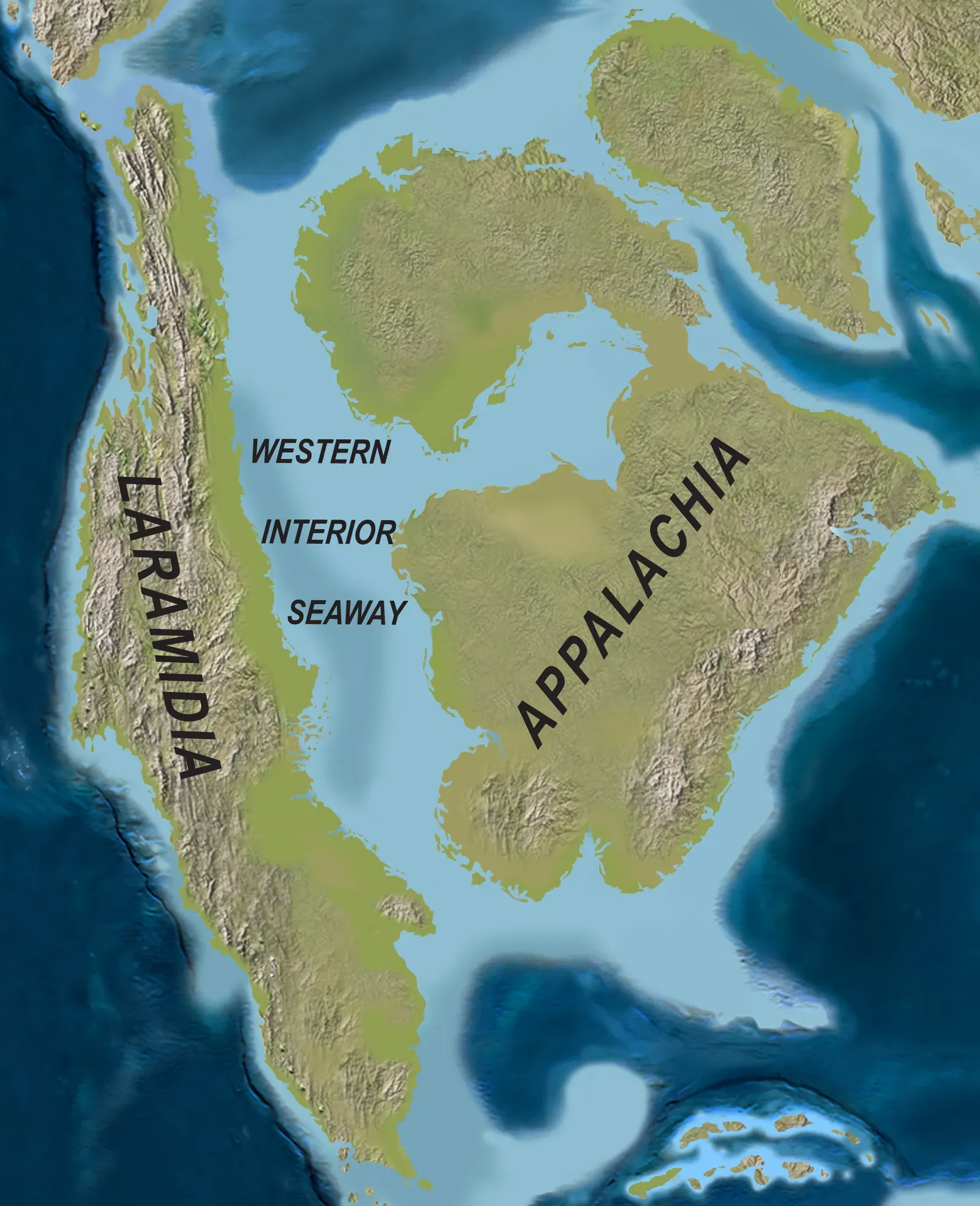
If you were dropped into the Cretaceous with a modern world map in your backpack, it would be about as helpful as a subway map on a sailing ship. The continents you know were in totally different positions, still drifting away from the broken remains of the earlier supercontinent. The Atlantic Ocean was narrower or just opening in many areas, some modern landmasses were partly underwater, and huge shallow seas spilled across what are now dry continents.
North America, for example, was sliced by an enormous inland sea that turned the middle of the continent into a warm, tropical marine world full of marine reptiles and strange fish. Europe looked more like a scattering of islands than a proper continent, and India was not yet smashed into Asia but racing northward across the ocean like a runaway raft. You might recognise nothing – no familiar coastlines, no landmarks, nothing you could point to and say, this is home.
Oceans Everywhere and Seas Where Cities Now Stand
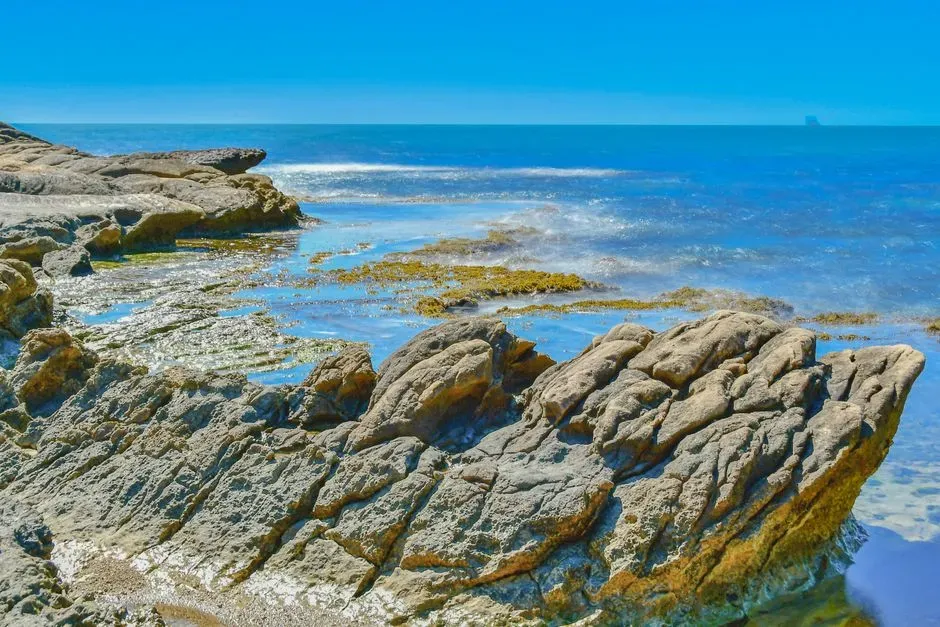
One of the most jarring shocks for a time‑traveling human would be how much of today’s land was drowned beneath shallow, warm seas. Places where people now live in huge inland cities could have been submerged under clear, sunlit waters full of ammonites, mosasaurs, and plankton blooms. The line between land and sea was far more fluid, shifting with higher sea levels and long‑term geological changes.
These shallow seas were not just pretty snorkeling spots; they were huge chemical factories that shaped climate and life. Thick layers of marine sediments were quietly building up, eventually turning into the rocks and fossil fuel deposits we drill into today. So if you were hoping to stand on the exact spot of your modern hometown, there’s a decent chance you might instead be treading water over a Cretaceous seafloor, watching ancient creatures glide past where highways and skyscrapers will someday rise.
A Sky That Looked the Same but Felt Very Different
At a glance, the Cretaceous sky would still be blue, clouds would still float, and the sun would still trace a familiar path. That part is comforting. But the invisible chemistry of the air would be unsettlingly different, even if your eyes could not see it directly. Estimates suggest that carbon dioxide levels were many times higher than today, feeding a greenhouse climate that kept the planet warmer almost everywhere.
Seasonal changes would still exist, but you would not see the sweeping freeze‑thaw cycles that shape so much of our modern temperate landscapes. Polar regions, for example, likely had milder, almost forest‑friendly climates instead of vast ice sheets. Breathing the air might technically be possible for a healthy modern human, but it would not necessarily feel the same; your body evolved in a cooler, lower‑carbon world, and this thick, heat‑trapping atmosphere would make the planet feel like it was permanently turned a few notches higher on the thermostat.
Oxygen Levels: Not the Air Your Lungs Trained For
The oxygen level during the Cretaceous was not a simple on‑off switch compared to today; it changed over time within the period. In some intervals, oxygen may have been a bit higher than modern levels, and in others somewhat lower, but what really matters for a human suddenly arriving there is that the entire balance between oxygen, carbon dioxide, and global temperature was different enough to strain expectations. Your body is tuned to a modern atmospheric recipe, and even moderate changes can affect how easily you breathe, how you tolerate heat, and how intense physical exertion feels.
Personally, I suspect that the combination of warmth, humidity, and altered oxygen balance would make a Cretaceous afternoon feel almost oppressive, like stepping off a plane into a tropical city in mid‑summer and then turning the dial even further. You might not drop to the ground gasping, but you’d likely feel heavy, overheated, and strangely out of sync, the way you do at high altitude or in a crowded, stuffy room. That constant low‑grade physical stress is part of why this world would feel so alien, even though you are technically still on Earth.
Greenhouse Earth: A Planet Without Polar Ice Caps
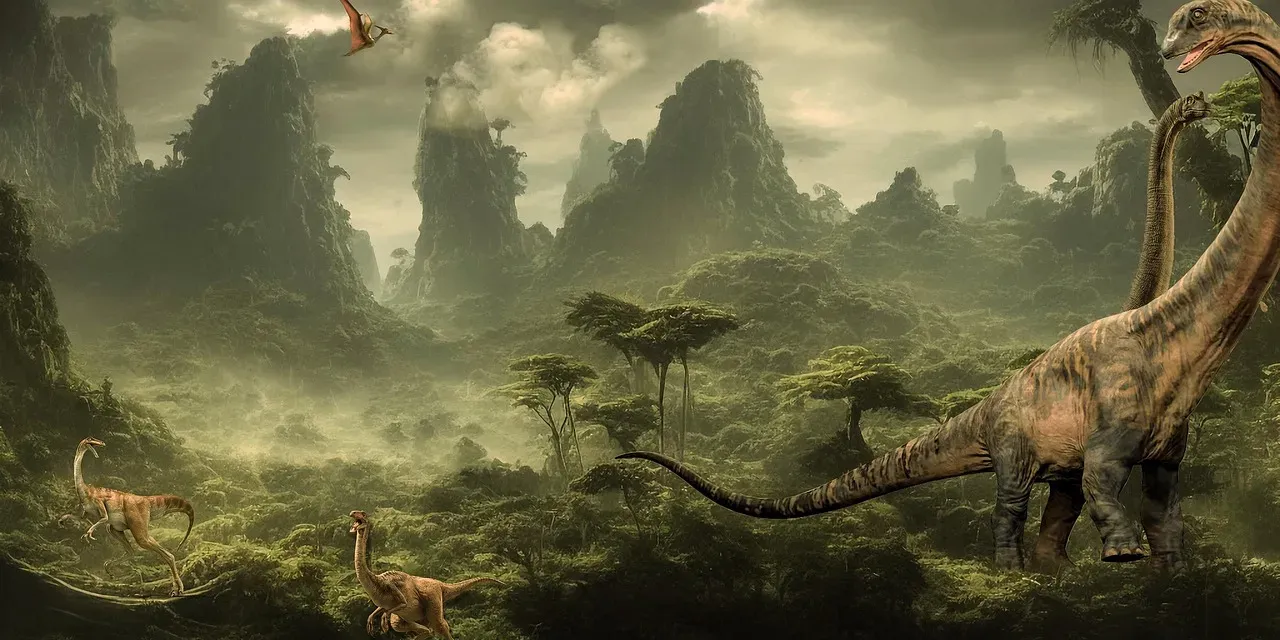
One of the most shocking large‑scale differences is that during much of the Cretaceous, there were no permanent polar ice caps like the ones we know today. That alone changes everything – sea level, climate, and the way heat moves across the globe. Instead of vast white ice sheets, polar regions could host forests and thriving ecosystems, with long dark winters but not the deep‑freeze we associate with high latitudes now.
For a modern human, it would feel as if someone turned the whole planet into a greenhouse and then left it running for millions of years. Storm tracks, rainfall patterns, and ocean currents would all operate under this warmer background state. Walking through a high‑latitude forest in gentle, cool air instead of crunching over snow and ice would be deeply disorienting. It would drive home the point that our current icy poles are not the normal state of Earth, just the one we happened to be born into.
Alien Forests, Giant Reptiles, and a Soundscape From Another World
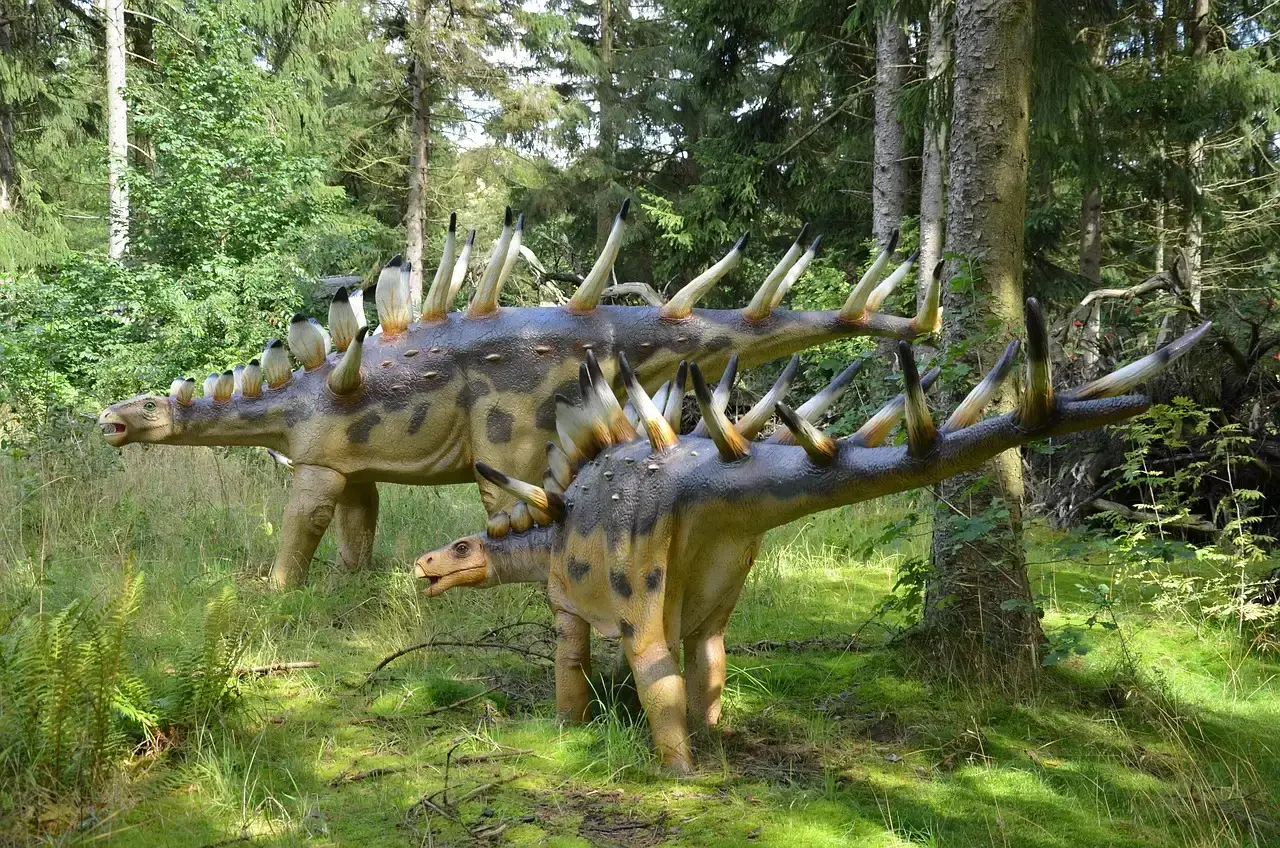
Even if you tried to ignore the geography and the air, the living world would refuse to let you pretend you were anywhere familiar. Flowering plants were spreading widely during the Cretaceous, but the mix of vegetation would still look wrong to modern eyes, with dense conifer forests, giant ferns, cycads, and strange early flowering plants shaping landscapes. There would be no grass‑covered plains like the ones we see in so many nature documentaries; that entire style of ecosystem was just getting started or not yet dominant.
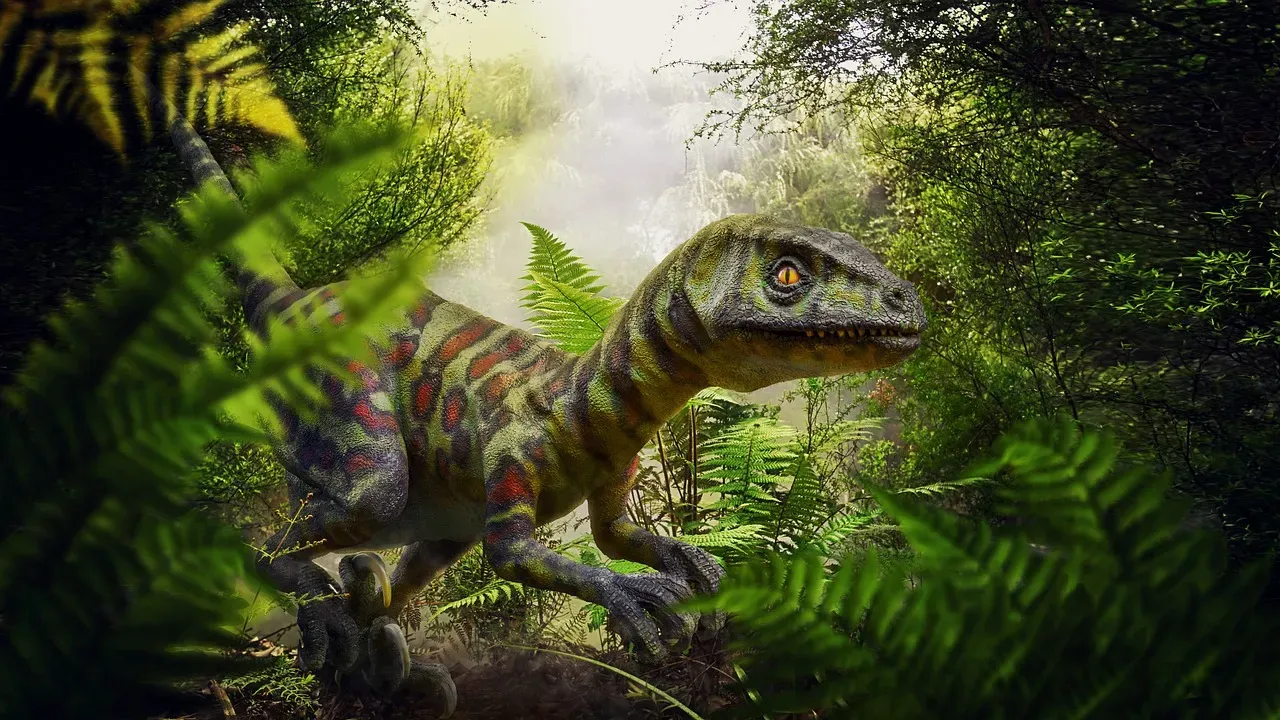
Then there are the animals. Dinosaurs, large and small, dominated the land, alongside flying reptiles in the skies and huge marine reptiles in the seas. The soundscape alone would be unnerving: unfamiliar calls, insect drones in thick warm air, the splash of enormous creatures in inland seas, and the constant presence of animals that are simply gone from our time. You could not walk anywhere without being reminded, at a gut level, that this is their world, not yours, and that your species is millions of years away from even existing.
No Cities, No Ice, No Humans: Psychological Whiplash
Beyond the scientific differences, there is a quieter, more unsettling shock that would hit a time‑traveler: the absolute lack of anything human. No lights on the horizon at night, no contrails in the sky, no distant traffic noise, no straight lines carved into the landscape. Our species is so used to seeing its own fingerprints everywhere that being in a version of Earth with zero human presence would feel emotionally raw, almost like waking up after the end of the world.
It might even feel lonelier than being on another planet, because the rocks, the gravity, the sun, and the general look of the sky all whisper that this is home, while every living and non‑living detail screams that you do not belong here. I think that mismatch – the familiarity of the basic physics and the total absence of human culture – is what would break people the quickest. You would not just fail to recognise the continents, the sky, or the air; you would fail to recognise your place in the story of this planet.
Why This Alien Past Should Change How We See Our Present
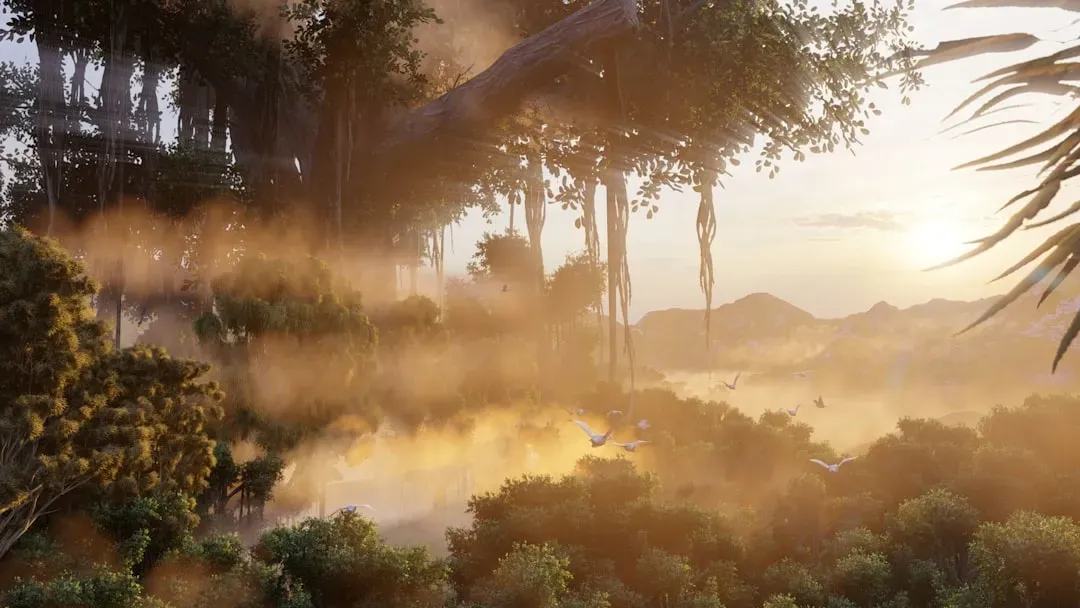
When you realise how wildly different Earth was during the Cretaceous, it becomes impossible to see our current world as fixed or guaranteed. The continents are still drifting, the climate is still capable of huge swings, and the atmosphere is not locked into some permanent, comfortable state. From that perspective, our modern maps, climate, and oxygen balance are all just one chapter in a very long, very chaotic book. We are living on a moving, breathing, restless planet that has no obligation to stay the way we like it.
My opinion is that we seriously underestimate how fragile our comfort zone is. The Cretaceous is a reminder that Earth does just fine under wildly different conditions; it is our particular civilisation that would not. A human suddenly dropped into that time would be lost and gasping, not because Earth is hostile in some absolute sense, but because we are finely tuned to a moment that is geologically brief. The real question is not whether this planet can change – it obviously can – but whether we are willing to act like creatures who understand just how temporary our version of normal really is. Did you expect the most alien world you could visit to be an earlier version of our own?