Imagine standing anywhere on Earth and seeing nothing but ice stretching to the horizon in every direction. No forests, no oceans, no open sky reflected in blue water – just a frozen, blindingly white planet turning slowly in the dark of space. It sounds like a scene from a science fiction movie, but a growing body of research suggests this may actually have happened, more than once, in our own planet’s deep past.
Even stranger, what melted that global ice shell did more than warm the world back up. It seems to have rewired the planet’s chemistry and pushed life into a new era, changing what was possible for organisms on Earth. The story of Snowball Earth is not just about climate gone wild; it is about how a near-death experience for the planet may have turbocharged life itself.
A Planet Frozen From Pole to Pole: What Is “Snowball Earth”?
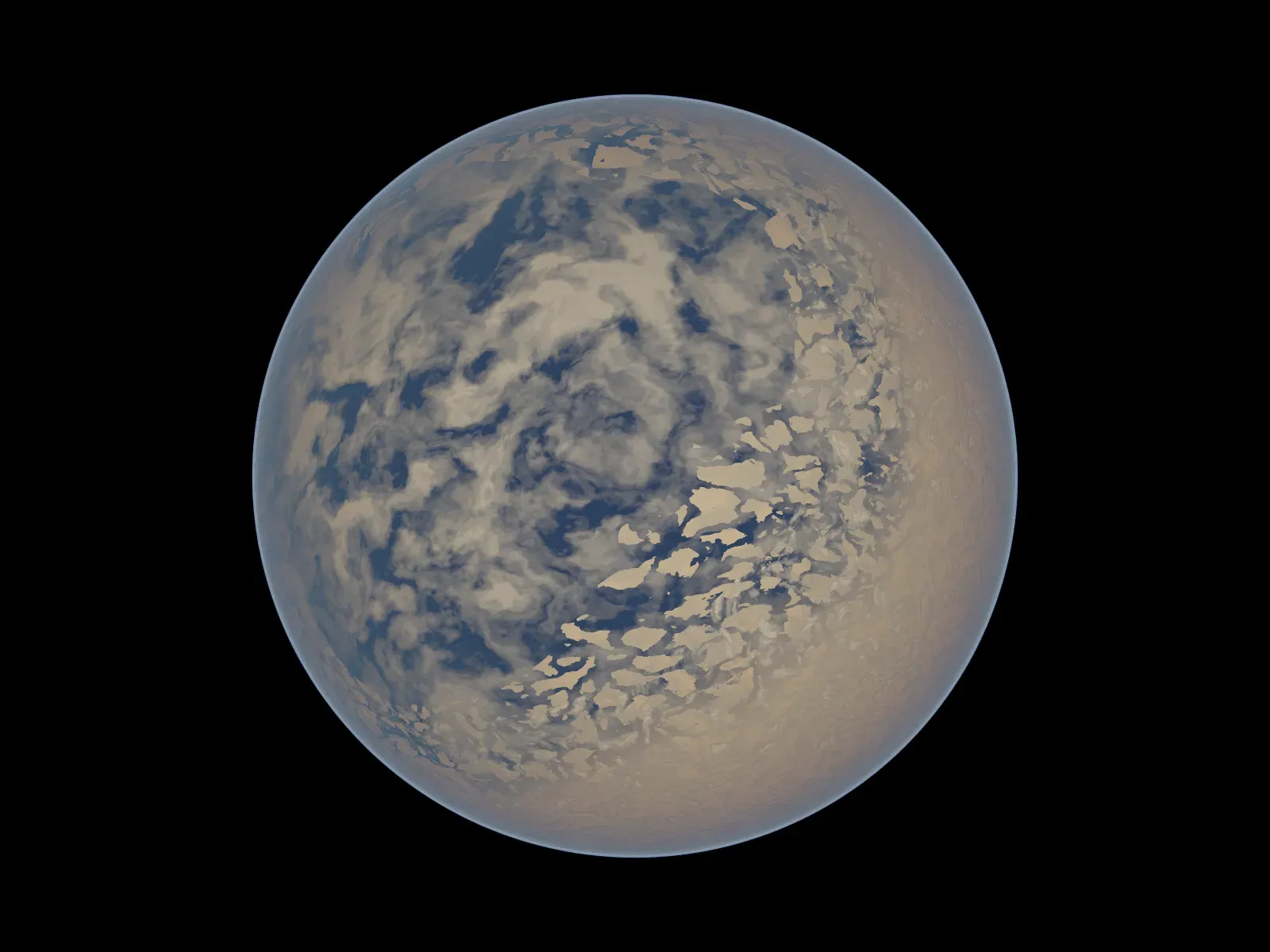
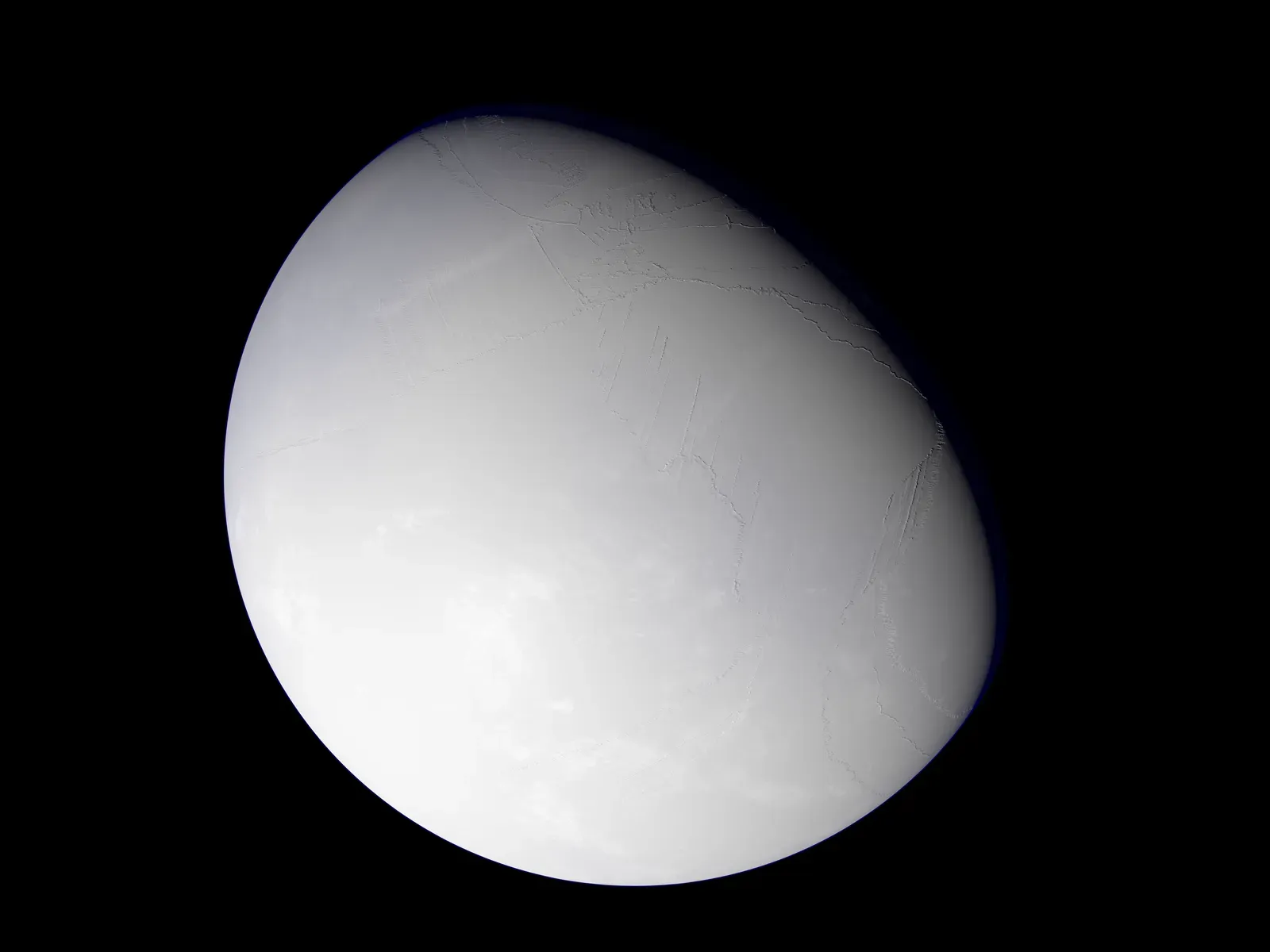
At the heart of this idea is a bold claim: during parts of the Neoproterozoic Era, roughly between about seven hundred twenty million and about six hundred thirty million years ago, Earth may have been almost entirely covered in ice. Not just at the poles, but even in the tropics, right down to sea level. Geological evidence from ancient rocks found in places that used to lie near the equator shows signs of glaciation where, under normal conditions, you’d expect warm, tropical seas, not grinding ice.
Scientists call these episodes Snowball Earth events because in some versions of the hypothesis, the oceans are capped by thick ice and even the lower latitudes are frozen, turning our planet into something like a shiny, white snowball in space. In slightly more moderate versions, the ice might not have sealed everything completely; there could have been small pockets of open water, sometimes nicknamed a “Slushball Earth.” Either way, the image is shocking: a world where ice and darkness ruled for millions of years, and yet life did not disappear – it persisted, adapted, and eventually found ways to flourish.
The Evidence Written in Stone: Glacial Debris in the Tropics
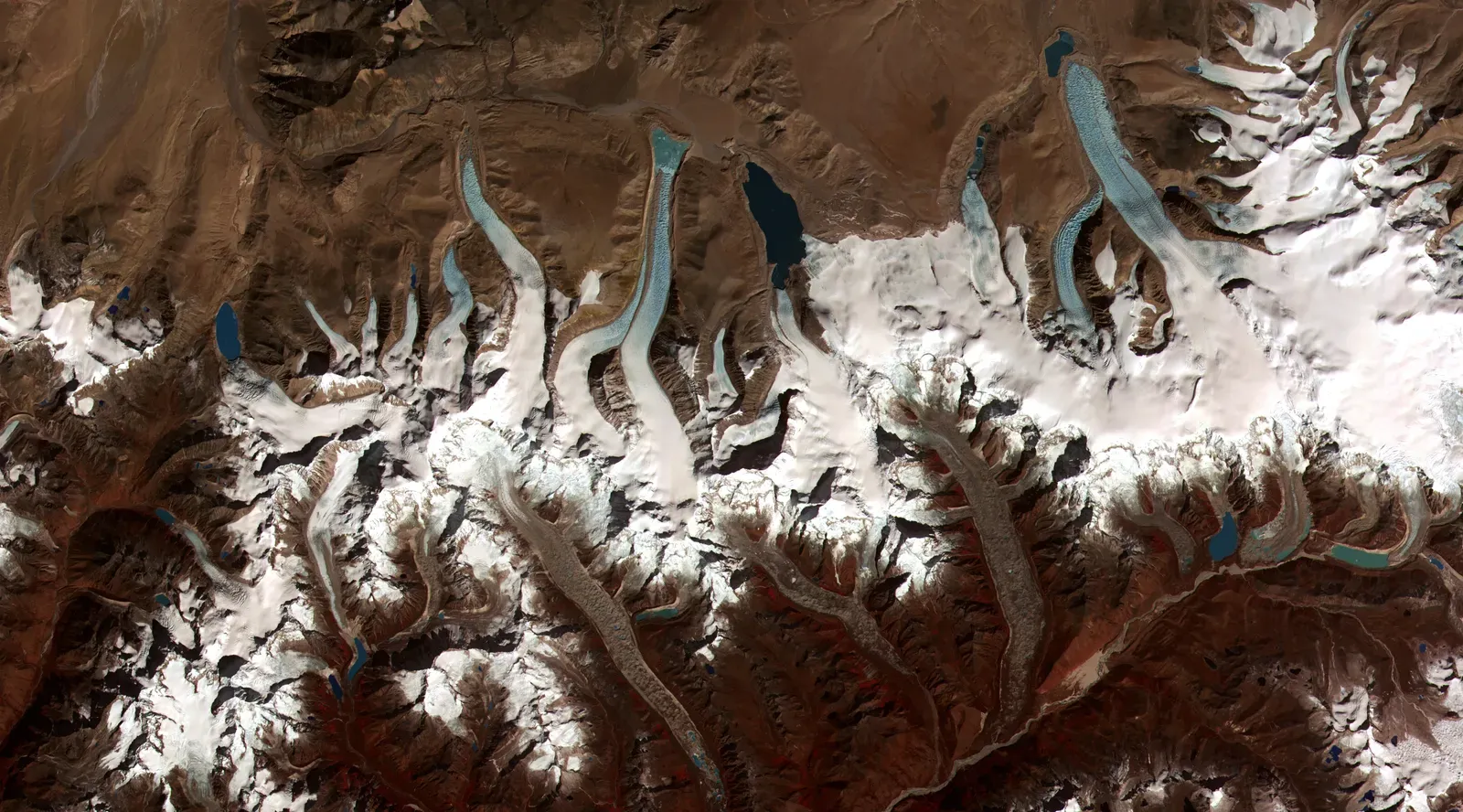
If you want to know whether Earth was once frozen, you do not look for old photographs; you look for rocks. One of the most compelling lines of evidence for Snowball Earth comes from layers of rock known as tillites – basically ancient glacial debris – found in regions that, based on plate tectonics and paleomagnetic data, were once located near the equator. Finding rocks scraped and dumped by glaciers in what used to be tropical zones is like finding ski tracks across a beach: something extreme must have happened.
Beneath and above these glacial layers, scientists often find a peculiar pattern. Glacial deposits lie directly on older rocks, suggesting powerful ice sheets bulldozed everything in their path. Then, right above them, you see thick layers of carbonate rocks that seem to have formed suddenly in warm, shallow seas. This jarring shift – from evidence of massive ice to signs of hot, chemically rich oceans – is part of what tipped researchers off that they were not dealing with ordinary ice ages but with something much more dramatic and global.
How the Planet Froze: Feedback Loops and a Runaway Ice Age
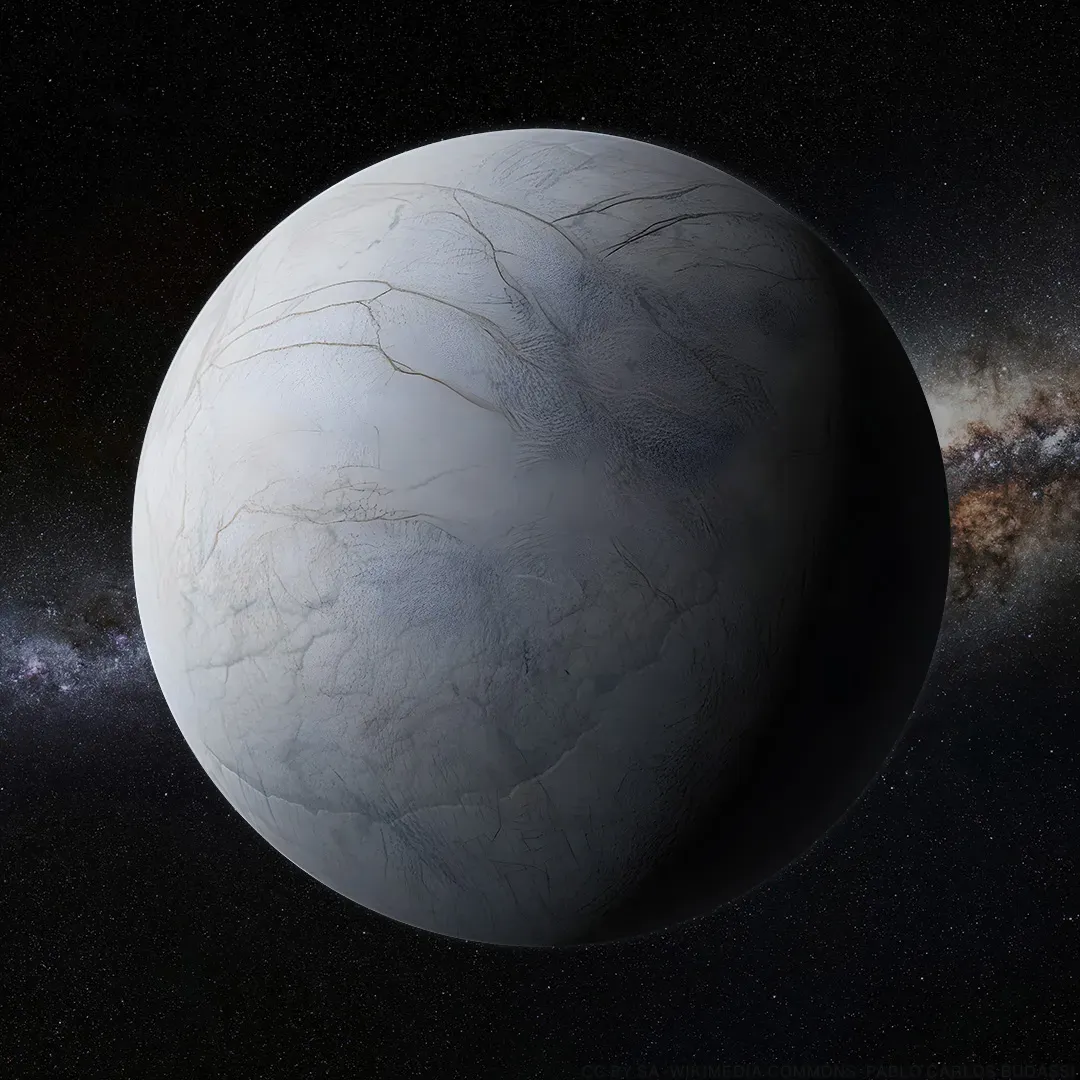
So how does a planet that starts out with liquid oceans slide into a state where even the tropics may freeze? The leading explanation involves powerful climate feedback loops. If something causes a bit of cooling – for example, a drop in greenhouse gases like carbon dioxide, or shifts in the amount of sunlight reaching the surface – ice can start to grow. Ice, in turn, reflects much more sunlight than dark ocean or land. The more ice spreads, the more sunlight gets bounced back to space, and the colder the planet becomes.
Cross a certain tipping point and this feedback can snowball, literally, until vast parts of the planet are locked in ice. During the Neoproterozoic, continents were arranged differently and may have been clustered in ways that made it easier for reflective surfaces like ice and bright rocks to cool the climate more efficiently. Intense weathering of fresh rock might also have pulled down huge amounts of carbon dioxide from the atmosphere, weakening the greenhouse effect. Once enough of these factors lined up, Earth appears to have tumbled into one of the most extreme climate states in its history.
Life Under the Ice: How Organisms Survived a Frozen World
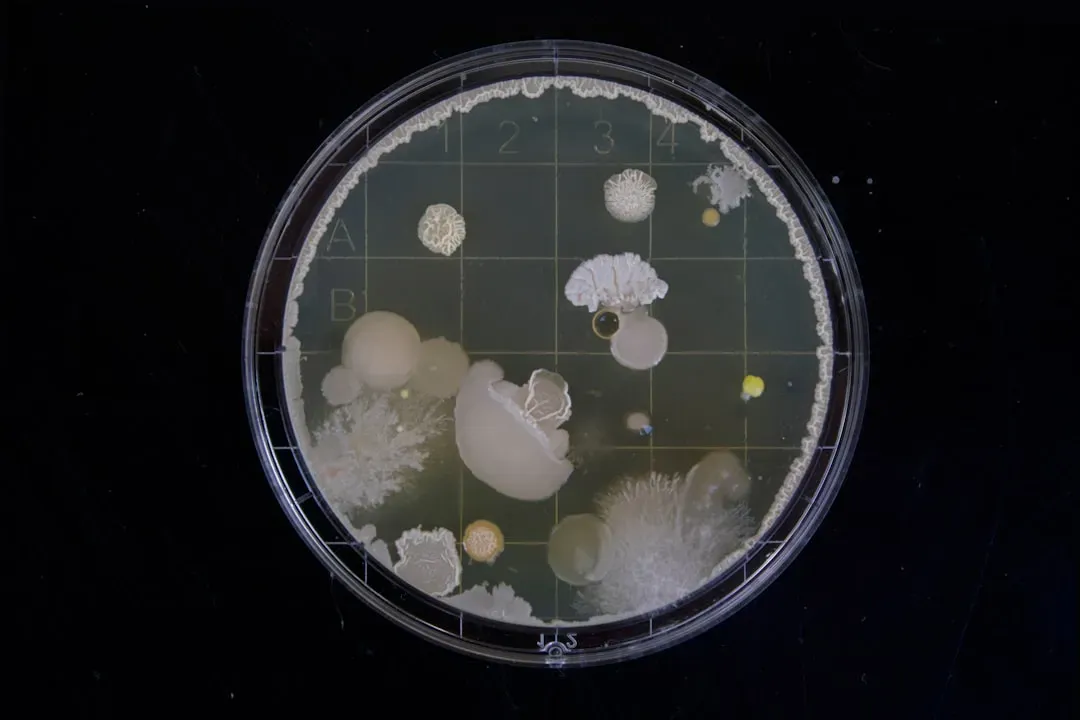
Here’s the part that always amazes me: even in this nightmare scenario of near-global ice cover, life did not wink out. It hung on in surprising ways. Microbes could have survived in pockets of liquid water beneath sea ice, in cracks within glaciers, around hydrothermal vents on the seafloor, or in briny refuges where salt kept water from freezing solid. Think of modern organisms that live under Antarctic ice or inside frozen lakes; Snowball Earth was harsh, but not incompatible with hardy, resourceful life.
Algae, bacteria, and other simple organisms likely adapted to low-light or no-light conditions, slowed their metabolism, or relied on chemical energy instead of sunlight. These environments would have been stressful filters, wiping out many lineages and favoring those that could handle severe cold, nutrient scarcity, and long intervals of darkness. In a way, Snowball Earth acted like an evolutionary boot camp: brutal, but potentially setting the stage for more complex ecosystems once conditions improved.
The Great Thaw: Volcanoes, Greenhouse Gases, and a Sudden Melt
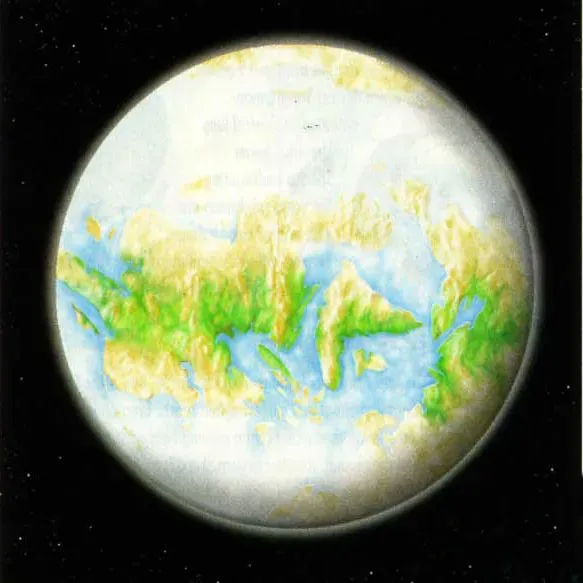
What ended these frozen episodes is arguably even more dramatic than how they started. Even when the surface is frozen, the inside of the planet is still hot and restless. Volcanoes do not care about ice; they keep pumping out carbon dioxide and other gases from Earth’s interior. Under normal conditions, this carbon dioxide gets balanced by weathering of rocks and by the carbon cycle in the oceans and atmosphere. But during Snowball Earth, thick ice would have shut down most of that weathering, allowing volcanic carbon dioxide to build up over millions of years.
As the greenhouse gases slowly accumulated, they trapped more and more heat, until finally the balance tipped the other way. At some point, the atmosphere could have become so rich in carbon dioxide that the greenhouse effect overwhelmed the reflectivity of all that ice. When the thaw began, it likely accelerated quickly: darker ocean water reappeared, absorbed more sunlight, and helped melt even more ice in a runaway warming phase. The transition out of Snowball Earth may have been incredibly fast in geological terms, turning a frozen planet into a hothouse world in a relatively short span of time.
Oceans on Overdrive: How the Thaw Reshaped Earth’s Chemistry
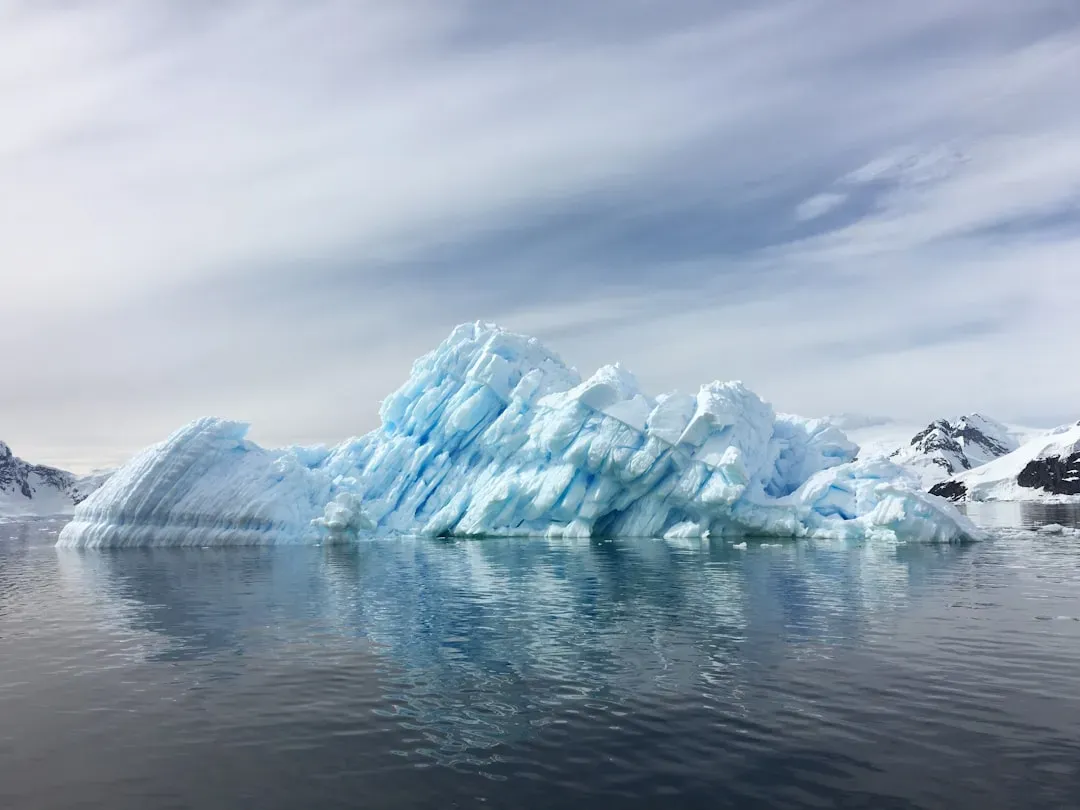
The real plot twist is what happened to Earth’s oceans and atmosphere as this global thaw unleashed stored-up forces. When the ice melted, huge amounts of carbon dioxide dissolved into the oceans, turning them more acidic at first, then driving intense chemical reactions with rocks and sediments. At the same time, massive erosion from retreating glaciers would have dumped nutrients like phosphorus and iron into the seas, almost like fertilizing an enormous, long-starved garden all at once.
This chemical upheaval likely reordered the cycling of key elements such as carbon, sulfur, nitrogen, and phosphorus. You can see clues in unusual isotopic fingerprints preserved in rocks from this time: signals that the rules of the global chemical game suddenly changed. In my view, this is where Snowball Earth stops being just a wild climate story and becomes a turning point in the history of life. The planet’s chemistry was not just nudged; it was jolted, and living organisms had to respond – or be left behind.
From Microbes to Multicellular Life: A Catalyst for Complexity
One of the most intriguing connections scientists are exploring is the timing: Snowball Earth events seem to line up roughly with a surge in more complex, multicellular life in the late Neoproterozoic, just before the famous explosion of animal diversity in the Cambrian Period. After the ice retreats and the oceans get flooded with nutrients and carbon, you suddenly see rock records hinting at bigger, more intricate organisms, including some of the earliest known large multicellular forms. It is tempting, and I think reasonable, to see cause as well as coincidence here.
All those freshly fertilized oceans would have fed giant blooms of photosynthetic organisms, pumping more oxygen into the atmosphere and deep waters. More oxygen means more energy is available for complex metabolisms, which is exactly what multicellular animals need. The brutal stress of Snowball Earth, followed by an era of chemical abundance and rising oxygen, might have acted as both a filter and a springboard. Life that survived the freeze walked out into a chemically transformed world that suddenly made complexity not just possible, but advantageous.
Why Snowball Earth Still Matters – And What It Says About Our Future
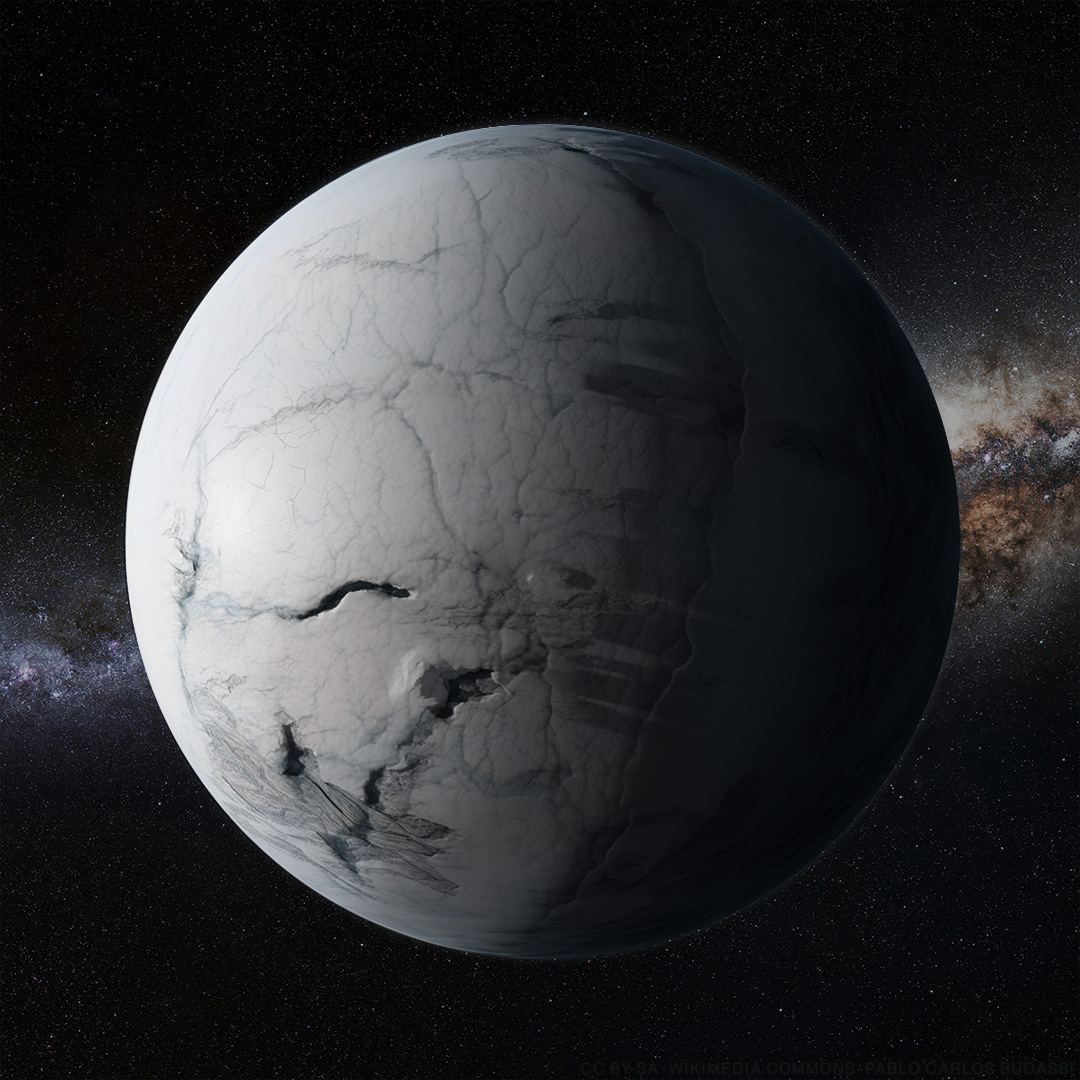
Snowball Earth might sound like ancient history, but it is a powerful reminder that our planet’s climate and chemistry are not fixed; they can swing between extremes when pushed hard enough. The same feedbacks that likely helped trigger global glaciation – ice reflecting sunlight, greenhouse gases rising and falling, continents drifting into unlucky positions – are still in play today. We are obviously not heading for a frozen planet right now; if anything, we are rapidly driving it the other way. But the lesson is that Earth’s system has tipping points, and once you cross them, the ride can get wild very fast.
I also find Snowball Earth oddly humbling. Our comfortable, relatively mild climate is not the default state of the planet; it is just the current chapter in a much stranger story. A world that once nearly froze solid is now hosting smartphones, cities, and streaming video. The same physical rules that almost turned Earth into an ice-locked marble also helped create the chemical playground that made complex life, and eventually us, possible. To me, that makes our moment feel more precarious, but also more precious.
Conclusion: A Near-Death Experience That Rewired Life’s Possibilities
When you step back, the Snowball Earth hypothesis is more than a quirky geological idea; it is a radical reframe of what kind of planet we live on. The notion that Earth once locked itself into an almost fully frozen state, then roared back with supercharged chemistry that may have fueled the rise of complex life, paints our world as risk-taking and volatile, not calm and preordained. I think we should take seriously the implication that life’s big leaps might come not in times of gentle stability, but in the aftermath of crisis, when the rules get rewritten and new niches suddenly appear.
Personally, I side with the view that Snowball Earth was not a minor background event but one of the great turning points in the story of life. The idea that a global catastrophe could ultimately open the door to animals, ecosystems, and eventually human consciousness is both unsettling and strangely hopeful. It suggests that our planet has survived drastic, world-altering shocks before – but also that every shock leaves a permanent chemical and biological legacy. Knowing that, the real question is not just how Earth once escaped a frozen fate, but what kind of imprint our own rapid changes will leave on the chemistry of life to come. What kind of future “chapter” do you think we are writing right now?