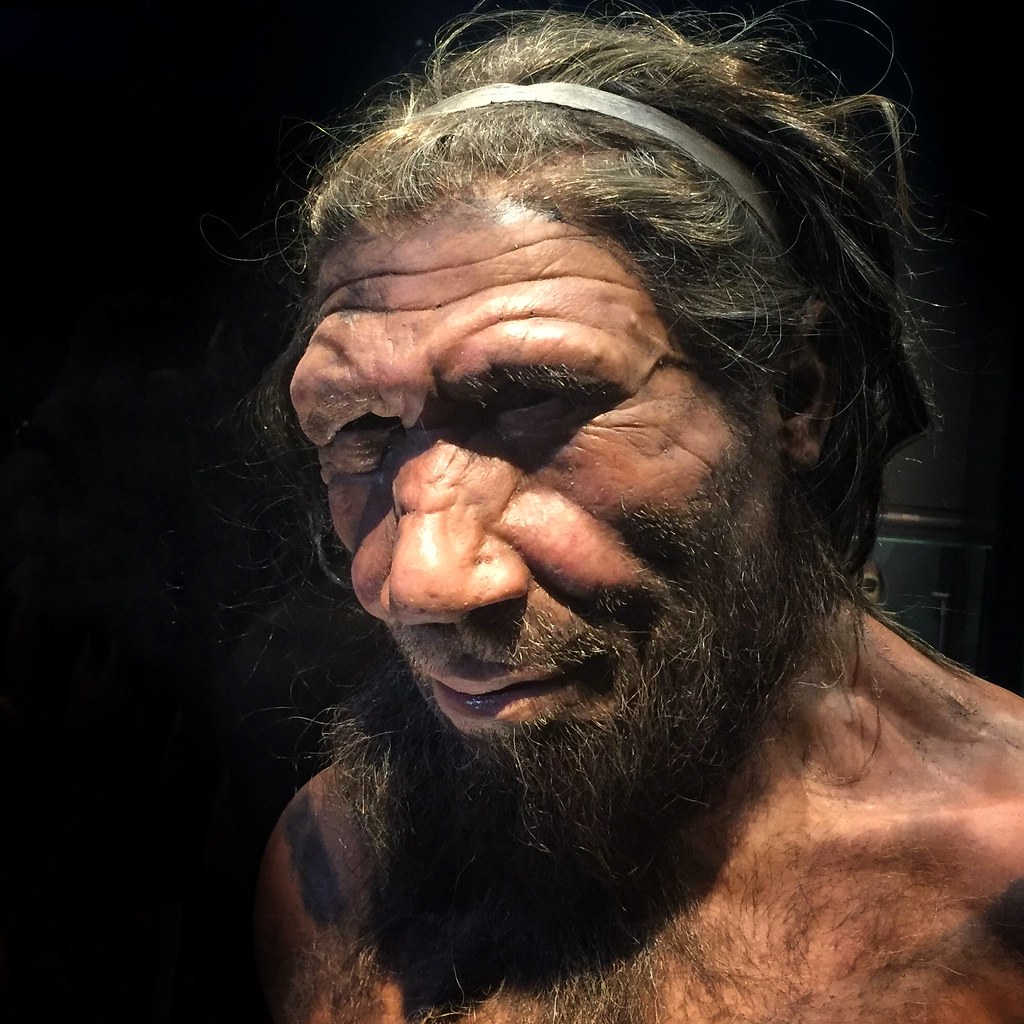
For a long time, Neanderthals were painted as the clumsy side branch of humanity: heavy brows, crude tools, and not much going on upstairs. That old stereotype is crumbling fast. With every new discovery, they look less like distant cavemen and more like strange, familiar cousins who shared far more with us than anyone expected.
When you zoom in on the evidence, the story flips from “almost human” to “shockingly modern.” They buried their dead, made jewelry, may have painted caves, and probably told stories by firelight. The line we like to draw between “us” and “them” gets blurrier the closer you look, and that blur is exactly where things get fascinating.
1. Creating Symbolic Art And Personal Ornaments
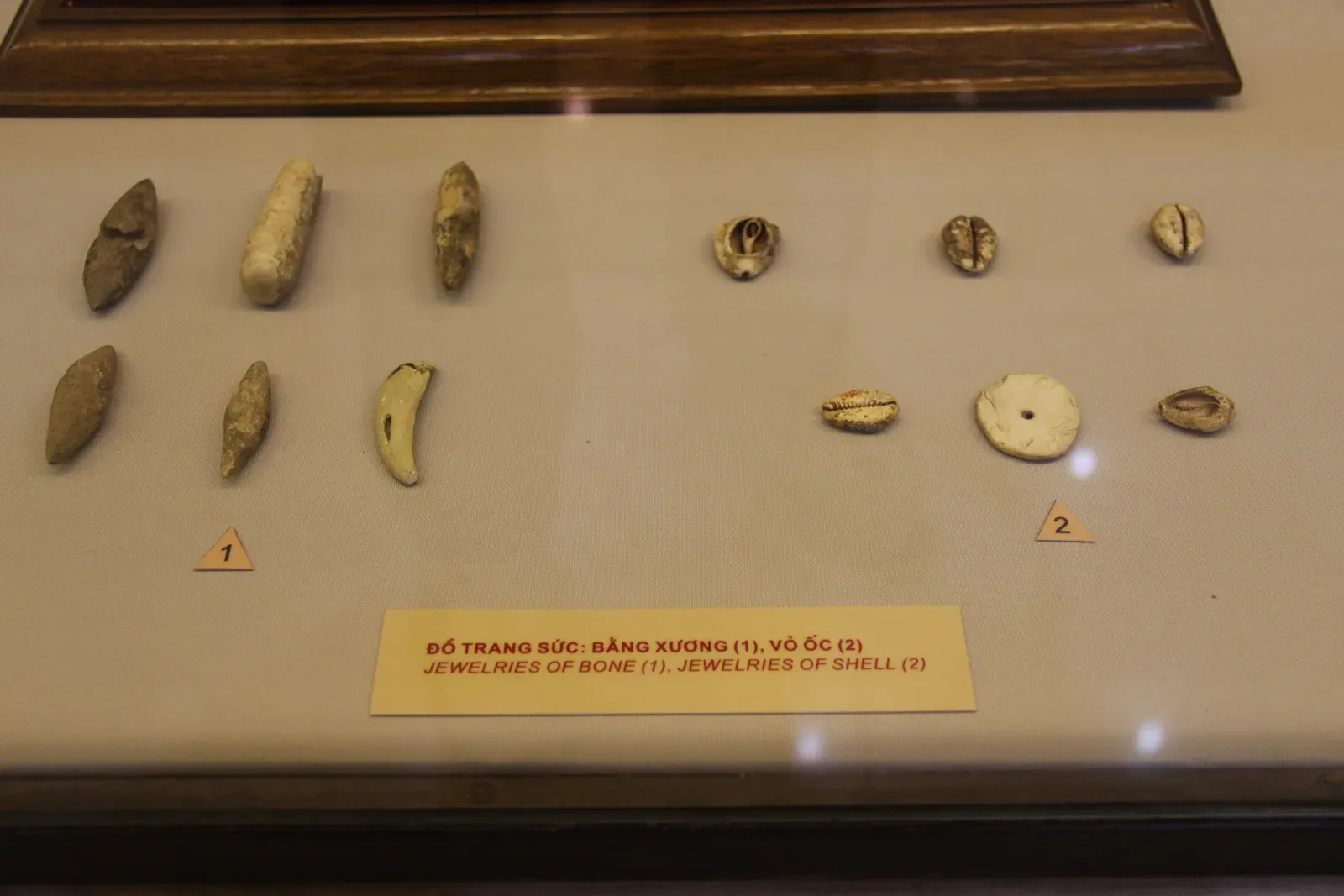
Not long ago, symbolic art was treated as the signature move of modern Homo sapiens. Then archaeologists started turning up pierced animal teeth, shells stained with pigments, and carved objects at Neanderthal sites. These were not random trinkets; they were objects selected, modified, and sometimes colored in ways that make sense only if appearance and meaning actually mattered.
In plain language, they liked to decorate themselves. Imagine a Neanderthal with a necklace of animal teeth, or a shell dabbed with red pigment hanging from a thong of sinew. That is not just survival, that is style. It suggests identity, group belonging, maybe even status or personal taste, in a way that looks uncomfortably close to the bracelets and pendants sitting in your own drawer.
2. Using Pigments And Possibly Painting On A Grand Scale
Red ochre and black manganese chunks show up again and again in Neanderthal layers, often shaped or scraped in ways that suggest deliberate use. These pigments did nothing to feed or clothe them, which makes it hard to explain them as purely practical. The simplest reading is that color itself was valuable: for the body, for objects, maybe for hides or tools that mattered socially as well as functionally.
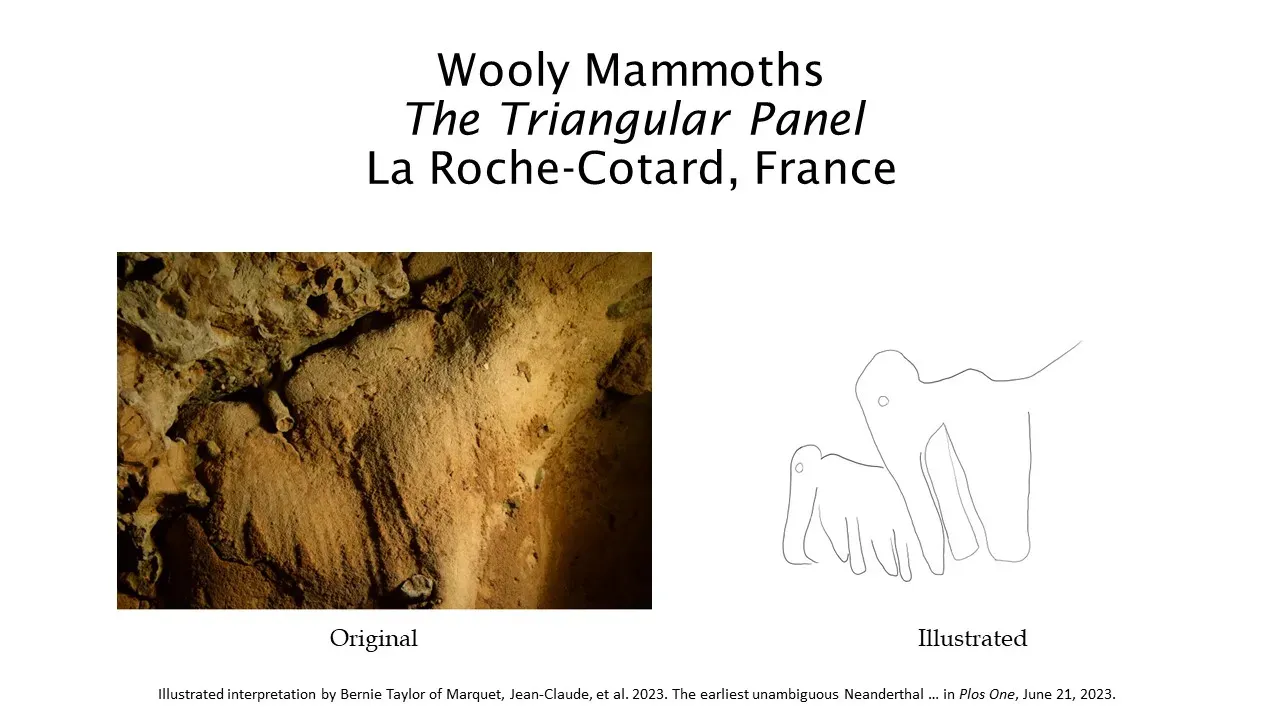
On top of that, some cave markings and painted panels in Europe appear to predate the arrival of modern humans, which means Neanderthals may have been responsible for at least some of them. The evidence is still debated and scientists are cautious, but the possibility alone is startling. Big, dramatic cave art was supposed to be our thing, like a prehistoric Instagram feed, and suddenly our Neanderthal cousins might have been posting too.
3. Caring For Sick, Injured, And Elderly Group Members
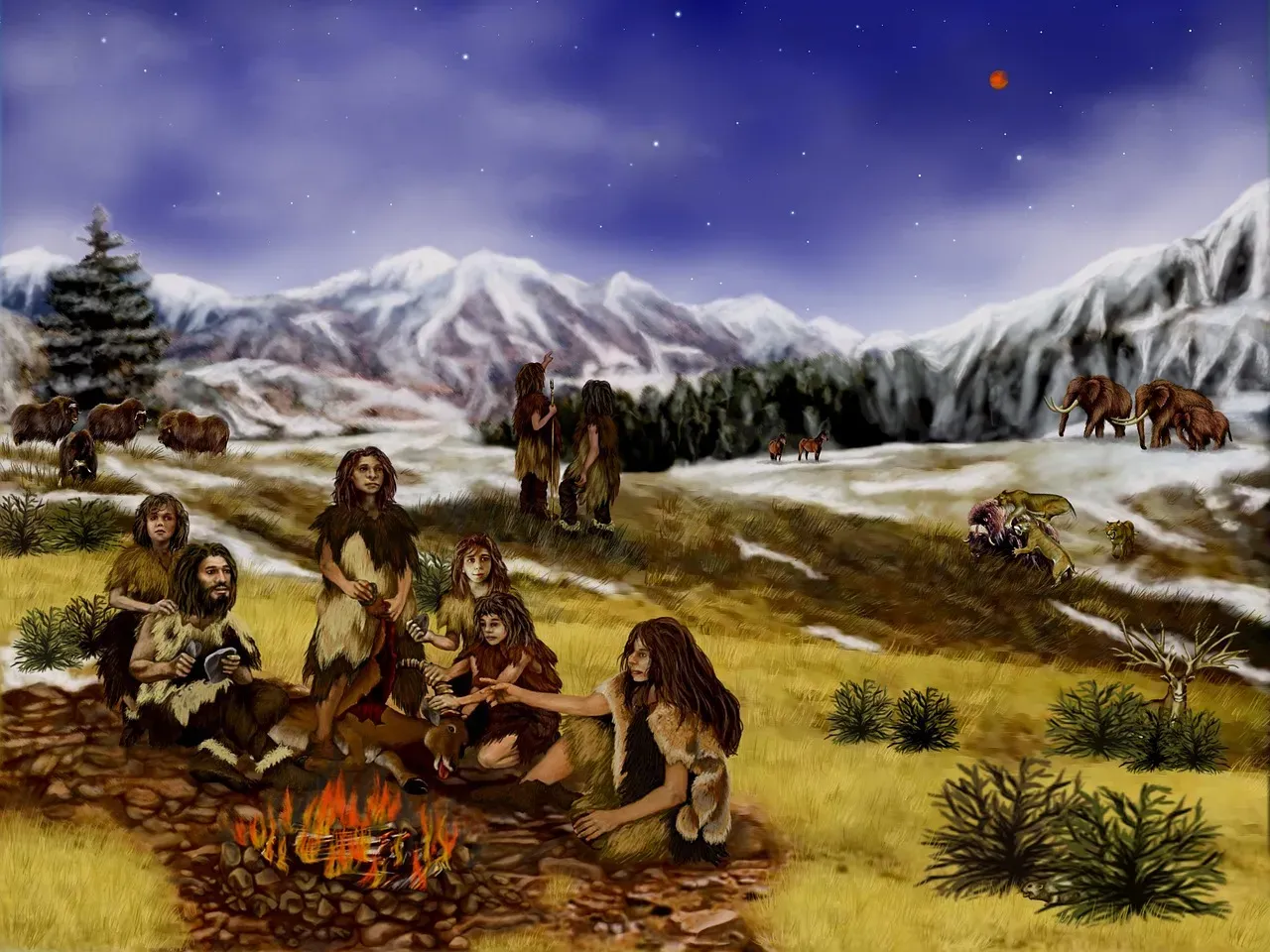
In several Neanderthal skeletons, researchers have found serious injuries and degenerative conditions that would have made independent survival nearly impossible. Yet these individuals lived for years after their injuries. That strongly implies others were helping them: sharing food, slowing down to their pace, maybe tending wounds or at least adjusting group activities so they could keep up.
This kind of long-term care goes way beyond instinctive parental protection. It suggests emotional bonds, a sense of responsibility, and some ability to plan ahead. If you have ever helped a sick friend get to the bathroom or rearranged your weekend to look after a parent, you have something in common with Neanderthal caregivers. They were not just tough; they were connected, in ways we recognize immediately as deeply human.
4. Deliberately Burying Their Dead
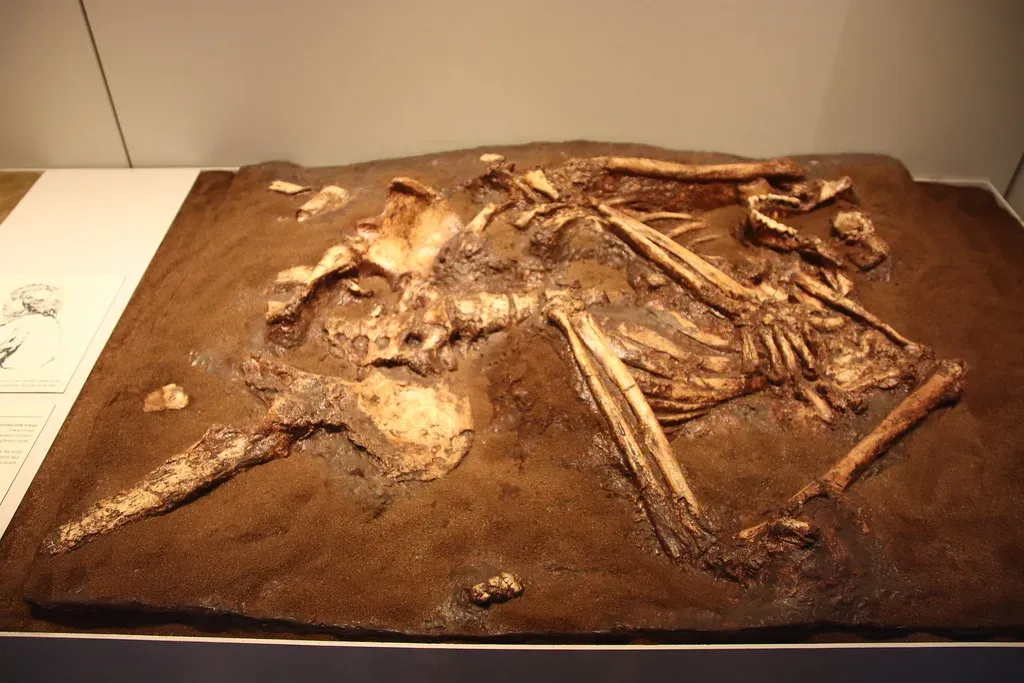
A number of Neanderthal remains appear in pits or depressions that look intentional rather than accidental, sometimes with the body placed in a particular position. In some cases, there is little disturbance from scavengers, suggesting the dead were covered quickly. While scientists argue over individual sites, the overall pattern hints at deliberate burial rather than bodies just being abandoned to the elements.
Burial matters because it shows thought about what happens after death, both physically and perhaps emotionally. Even without adding imaginary rituals, simply placing a body carefully and covering it is a powerful act. It means they noticed the difference between life and death, they reacted to it, and they treated that change with a kind of respect that feels strikingly familiar to anyone who has ever stood by a grave.
5. Building Complex Tools And Using Sophisticated Techniques
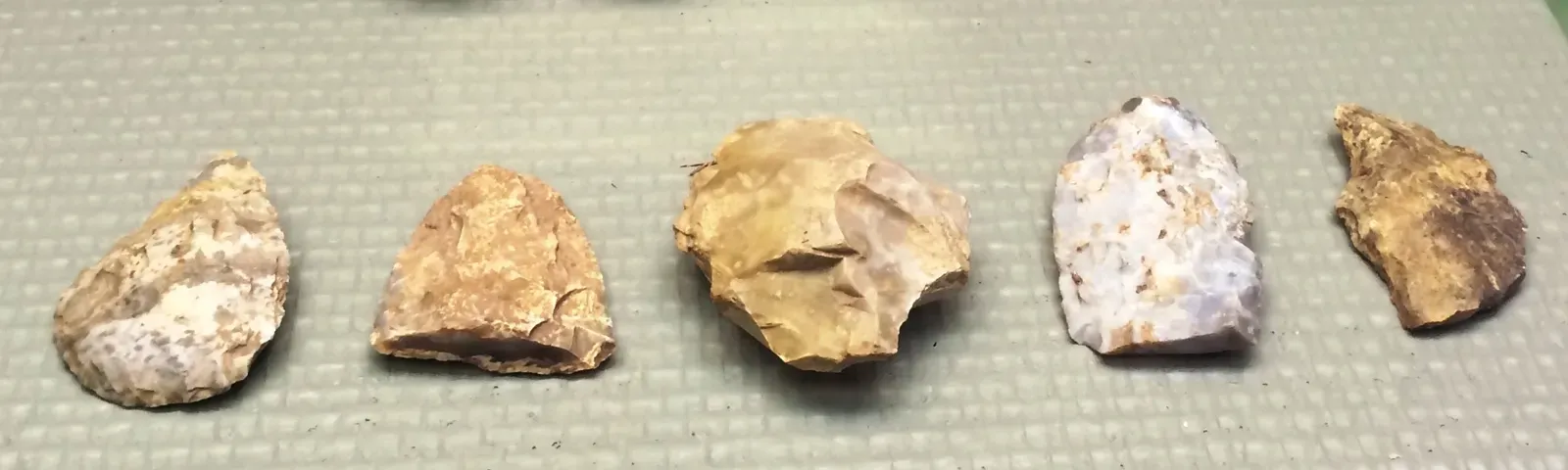
Neanderthals did not just knock rocks together and hope for the best. They used planned techniques to shape stone, often preparing a core in specific ways so sharp flakes could be removed efficiently when needed. Some of their tools, like carefully shaped points and scrapers, required several steps and a mental picture of the end result before they even started working the stone.
They also used materials like bone, wood, and sometimes adhesives such as birch tar to attach stone points to handles or shafts. That means they understood how to transform raw materials into composite tools with multiple parts working together. If you think about how you mentally plan out assembling a piece of furniture, that kind of forward thinking is not so different from what a Neanderthal did while building a hunting spear.
6. Exploiting Diverse Environments With Flexible Strategies
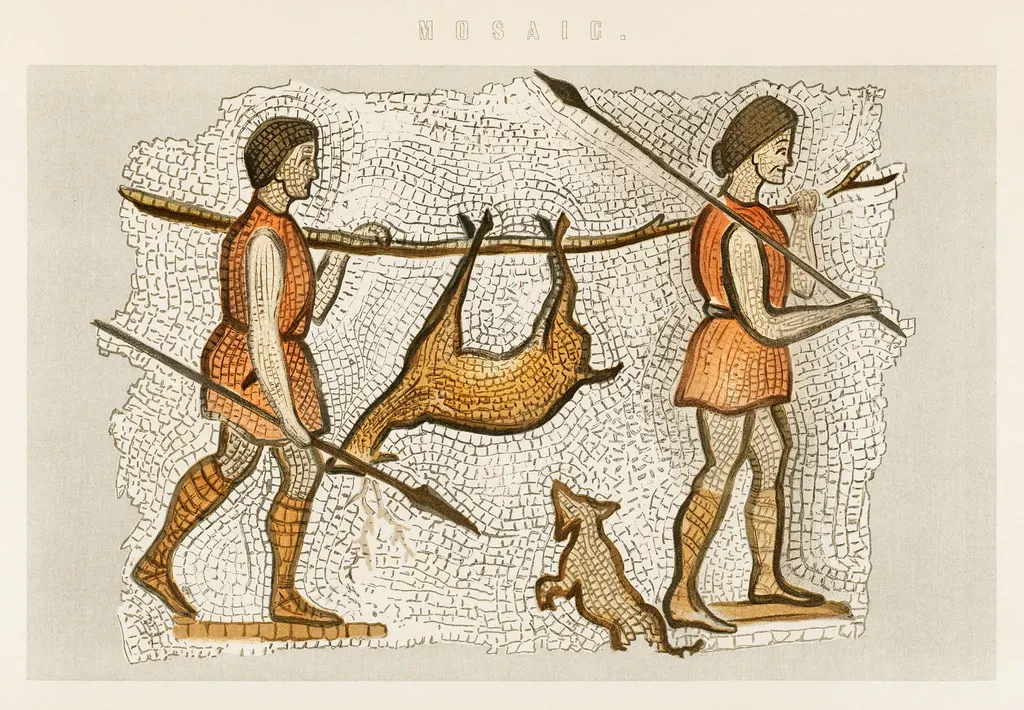
Far from being locked into one narrow way of life, Neanderthals lived across a huge range of habitats: cold steppe, forested valleys, coastal regions, and rugged mountains. Their tools and animal remains show that they adjusted to local resources, hunting large game in some areas, but also gathering plants, shellfish, and small animals when conditions made that smart. This kind of flexibility is exactly what we tend to celebrate as modern human adaptability.
They built shelters, used fire, and likely timed their movements to migration routes and seasonal changes. None of that sounds like a clumsy improvisation. It sounds like people reading their environment, passing along knowledge, and tweaking strategies from one generation to the next. In a very real sense, they were doing an Ice Age version of what we call “figuring life out” today.
7. Sharing Knowledge, Culture, And Even Genes With Us
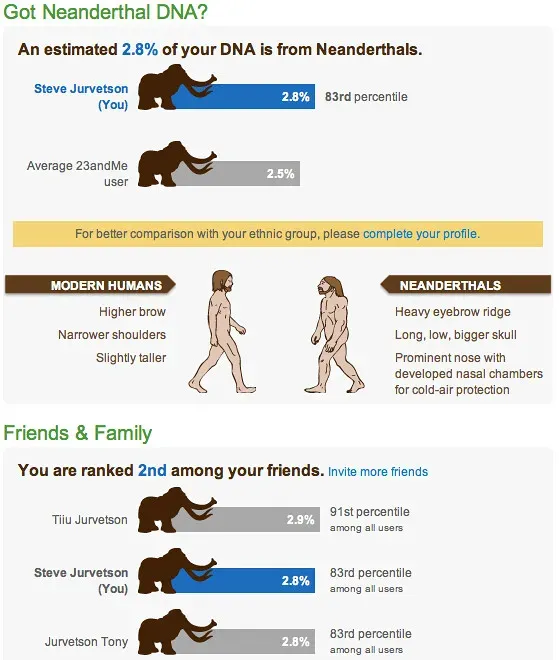
Many modern humans today carry a small but real amount of Neanderthal DNA, proof that our two groups met and interbred rather than living in completely separate worlds. That alone forces a rethink: they were close enough to us in behavior and social life that intimate relationships happened, not just fleeting encounters. The boundary between “them” and “us” turns out to have been porous, not a brick wall.
On top of the genetic mixing, tool styles and technologies sometimes appear to overlap where Neanderthals and modern humans lived near each other. That is a strong hint that ideas, not just genes, were moving between groups. Culture was not a one-way gift from “superior” humans to “primitive” Neanderthals; it looks more like a tangled exchange, the kind of messy, human interaction we still see whenever cultures meet today.
Conclusion: Rethinking Who Counts As Fully Human
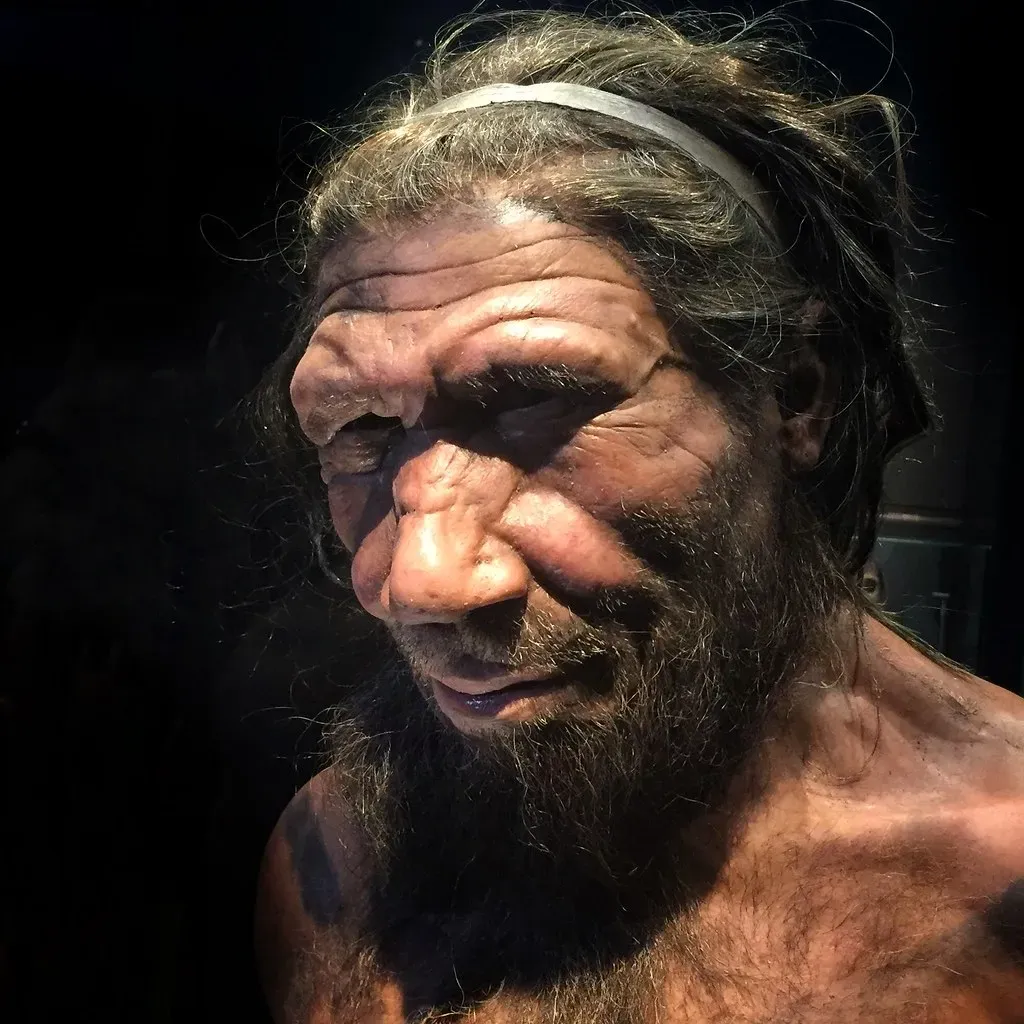
To me, the most striking thing about all this evidence is how stubbornly it refuses to let Neanderthals stay in the role we once gave them. They decorated themselves, cared for each other, buried their dead, made complex tools, and adapted to harsh, changing worlds. Those are not side notes; those are the very behaviors we have long used to draw a thick line around what we call “modern.”
If anything, the real lesson is that humanity has never been a single, tidy thing owned by one species at one moment in time. Instead, it has always been a shared, evolving set of abilities and feelings that several human groups explored in parallel. When you realize that, Neanderthals stop being the punchline of an old joke and start looking like co-authors of the human story. Does it change how you see yourself, knowing that some of the most “modern” things we do today may have deep roots in minds that disappeared tens of thousands of years ago?