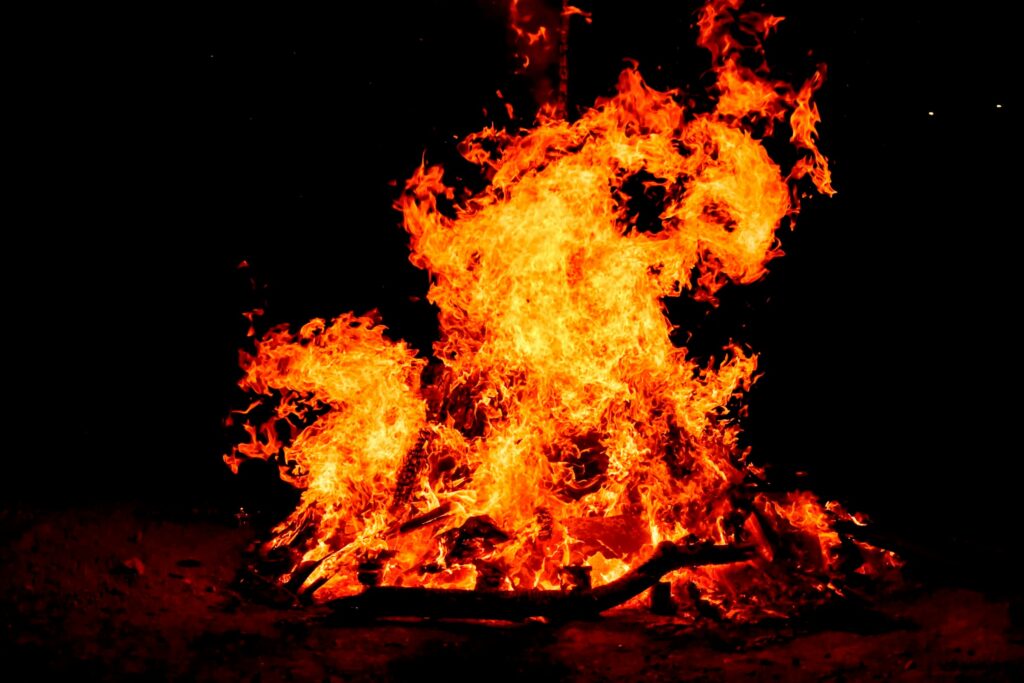
Imagine the first time a human ancestor stepped close to a crackling fire, not running away in fear but edging forward, eyes wide, feeling both terror and fascination. That moment was more than a camping scene from prehistory; it was the start of a biological makeover that would ripple through our bodies, our brains, and even how we think about time and each other. Fire did not just warm us. It rewired us.
We usually talk about fire as a tool, like a stone knife or a spear. But fire is different. Once our ancestors learned to control it, flames became an invisible partner in our evolution, quietly reshaping digestion, sleep, social life, and brainpower. When you sit by a stove, scroll your phone by lamplight, or eat a cooked dinner, you are living with the long-term upgrades fire forced on our species.
1. Fire Supercharged Our Guts and Freed Up Energy for the Brain
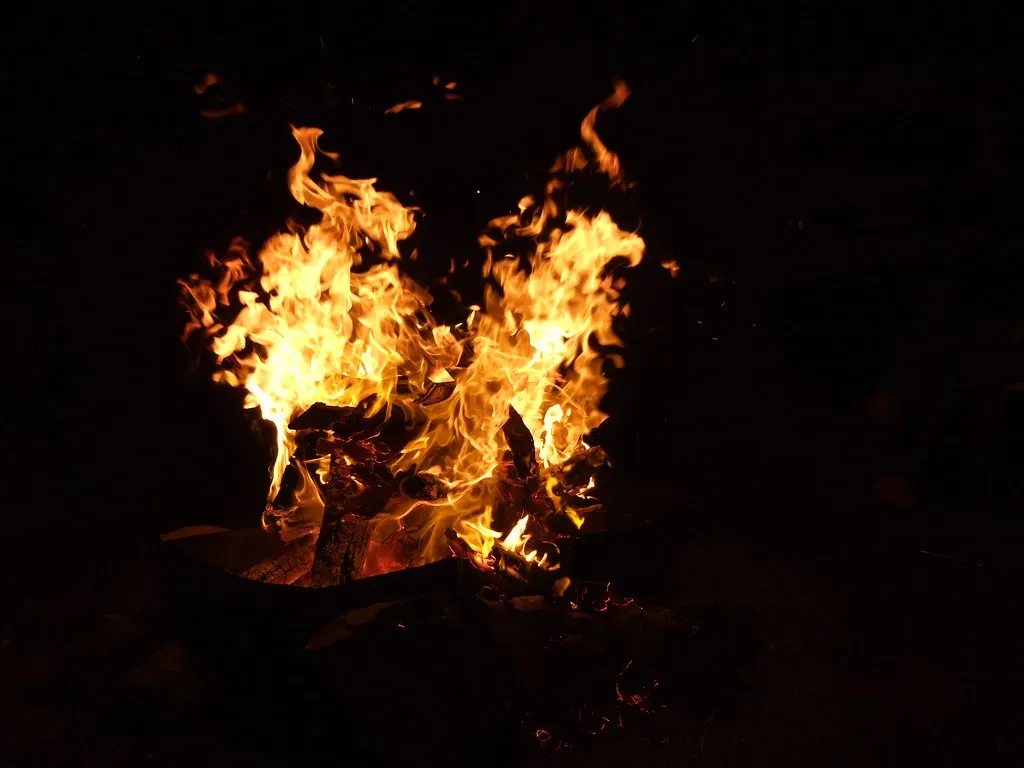
Here is a wild thought: your brain’s power may literally come from your grandmother’s campfire. Cooked food is softer and easier to chew, and it breaks down more completely in the gut. That means our ancestors could pull more calories and nutrients out of the same amount of food compared to eating everything raw. Over thousands of generations, this extra energy became a game-changer.
One leading idea in evolutionary biology is that cooking allowed our guts to shrink while our brains expanded. Raw diets require large, long intestines and massive chewing muscles, like you see in gorillas, who spend huge chunks of the day just eating. Humans went the opposite way: smaller jaws and shorter digestive tracts, paired with a huge, energy-hungry brain. Fire, by pre-digesting food outside the body, acted like an external stomach, letting us redirect energy to thinking rather than grinding and digesting endlessly.
2. Our Jaws, Teeth, and Faces Became Smaller and More Delicate
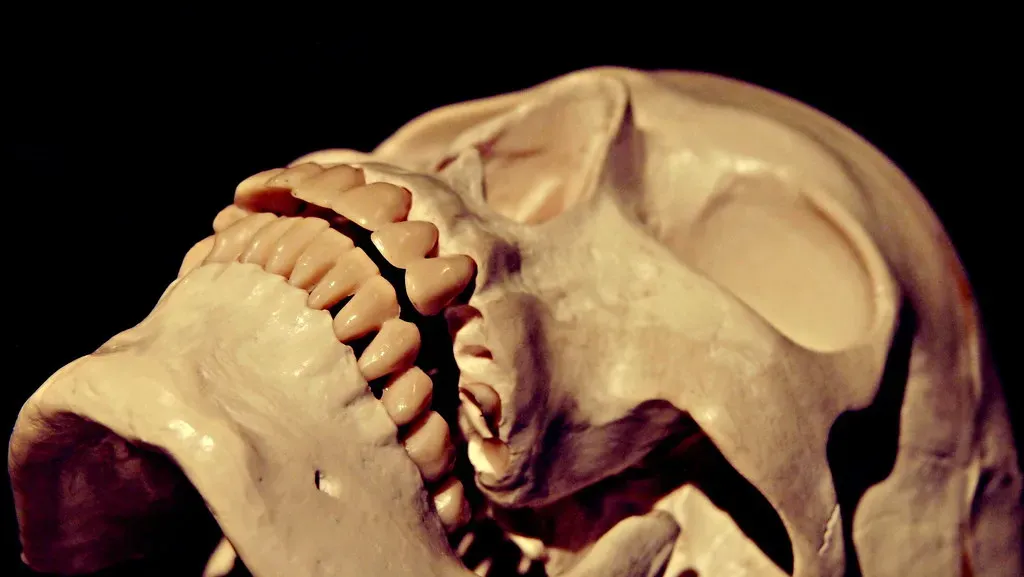
If you compare a human skull to that of an early hominin or a chimp, one thing jumps out immediately: our faces are flatter and our jaws are much less powerful. That is not an accident. Once cooked roots, grains, and meats replaced constantly chewing on raw, fibrous plants and sinewy flesh, we simply did not need the same heavy-duty bite force. Over time, smaller jaws and teeth were no longer a disadvantage, and they likely became the new normal.
This shift had a visual and functional impact. Our reduced jaws and shorter faces may have allowed for finer control of the mouth and tongue, which some researchers suggest could have supported more complex speech. There is debate about how direct that link is, but it is compelling to think that softer, cooked food, enabled by fire, may have indirectly opened the door to a richer spoken language. When I see someone effortlessly bite through a soft sandwich, I sometimes imagine an ancestor spending hours ripping raw roots apart with thick, aching jaw muscles and think, they would be amazed by how “lazy” our faces are now.
3. Fire Helped Us Sleep Differently and Tamed the Night
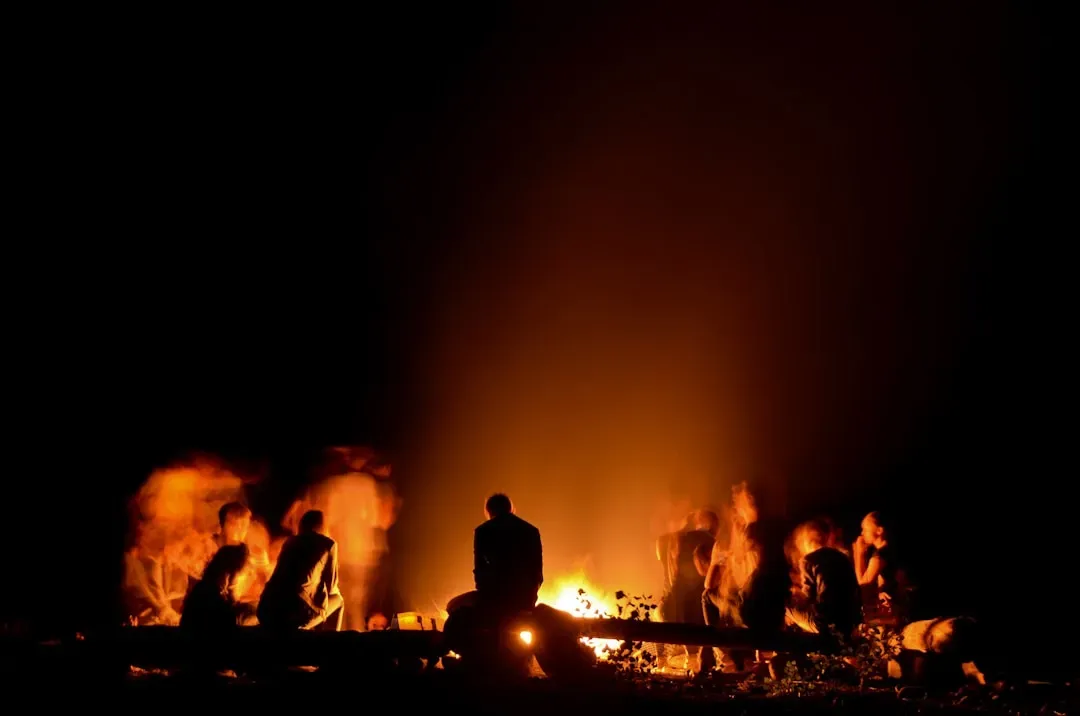
Before controlled fire, night was mostly something to endure: cold, dark, and full of predators. A stable campfire changed that equation, and with it, probably changed how humans slept. Light from flames extended the usable hours of the day, pushed back complete darkness, and gave small groups a safer hub at night. It is easy to imagine that this led to more segmented nights, with phases of light-based activity, conversation, and watchfulness around the fire, instead of a single, long, deep sleep like many people picture.
Our bodies still carry clues of this nighttime transformation. Humans have unusually flexible sleep patterns compared to many other mammals, and we tolerate fragmented sleep better than we might expect. Our visual system is also tuned for low-light conditions better than a strictly daytime animal, but not as well as a purely nocturnal one. Firelight might have eased the transition into a twilight-oriented rhythm, where some people slept, some watched the fire, and others quietly worked or told stories, shifting us into a more social, shared approach to the night.
4. We Became Less Hairy and Better Built for Heat and Distance
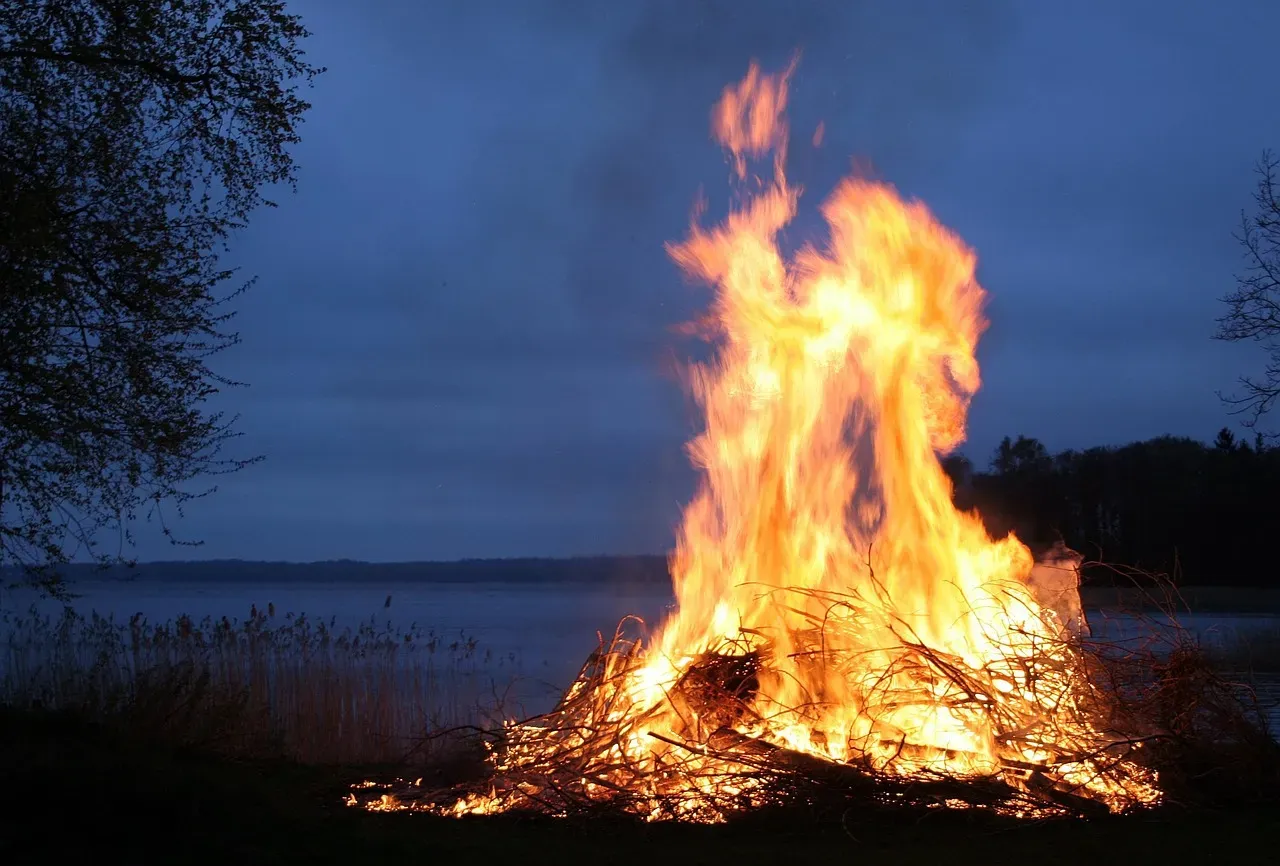
There is a long-running debate about exactly when and why humans lost most of their body hair, but one factor that likely mattered was our new relationship with temperature. Fire allowed our ancestors to stay warm at night and in colder regions, while clothing and shelters slowly followed. If cold could be managed externally, there was less evolutionary pressure to maintain a thick, insulating fur coat. Combined with our highly efficient sweat-based cooling, we ended up as the weird, mostly naked primate that can jog all afternoon.
Fire also made it possible to thrive in climates our bodies were not originally built for. Instead of growing fur or drastically thickening body fat to handle cold, humans used fire to create microclimates: warm caves, heated huts, glowing hearths. This external warmth may have allowed a more consistent, streamlined body plan: relatively hairless skin that can handle both intense sun and fire-warmed cold. In a way, fire let our biology focus on endurance and mobility, while warmth became a “plug-in” feature we could summon with a pile of wood and a spark.
5. Fire’s Dangers Shaped Our Fear Circuits and Learning
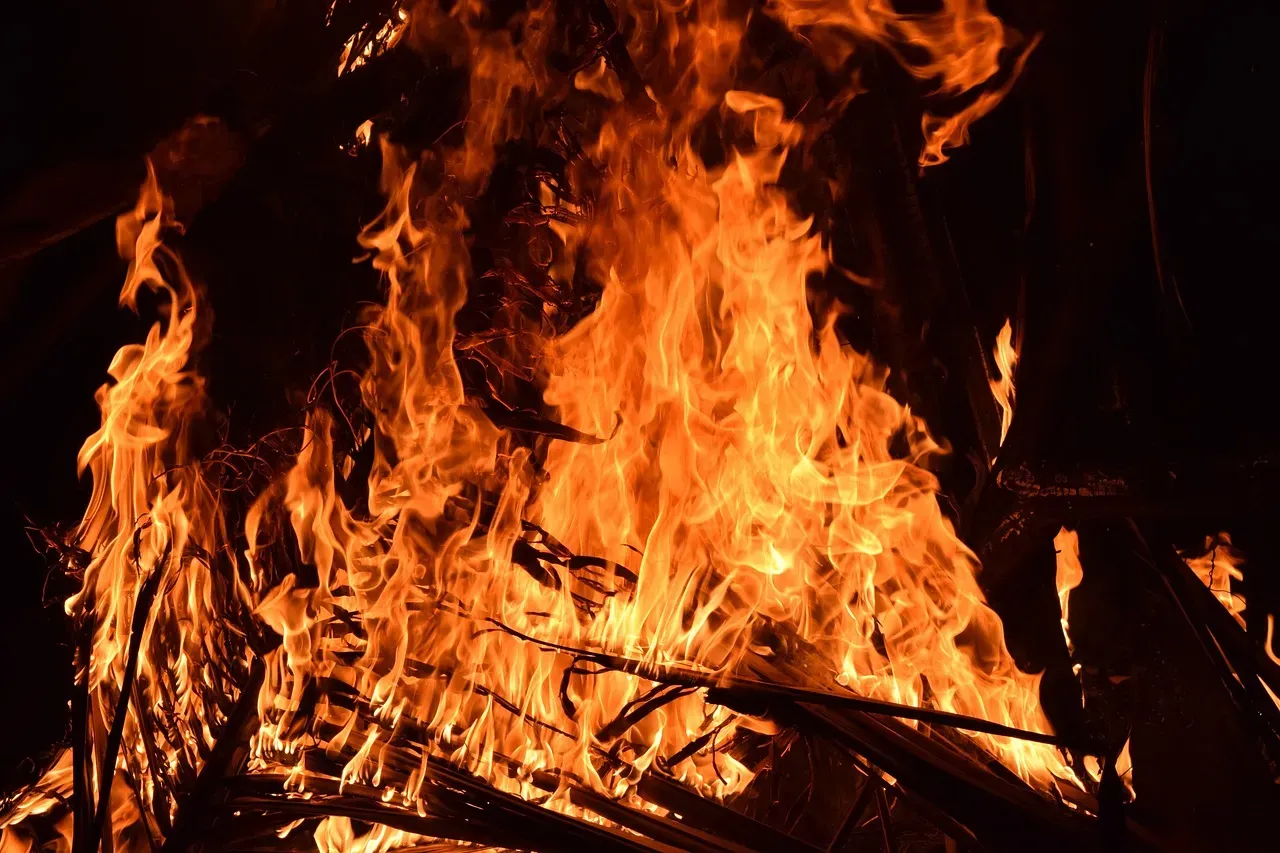
Fire is beautiful, but it is not gentle. Burns, smoke inhalation, and uncontrolled wildfires would have been constant risks for early humans experimenting with flame. Over time, this dual nature of fire likely tuned our brains to be both drawn to and wary of it. Children today are often fascinated by candles or campfires, yet instinctively pull back from intense heat; that kind of mixed reaction feels baked into us, like an ancient negotiation between curiosity and survival.
This push-pull dynamic may have strengthened certain learning circuits in the brain. To use fire well, you have to remember subtle rules: how close is too close, which materials burn safely, how wind changes sparks. Those who learned from early mistakes and paid close attention to elders likely survived better. That means fire use did not just reward brute strength; it rewarded careful observation, memory, and social learning. You can see echoes of that today whenever someone teaches a child to handle a stove or a grill, layering caution, demonstration, and trust into the lesson.
6. Cooking Altered Our Nutrition, Immunity, and Disease Risks
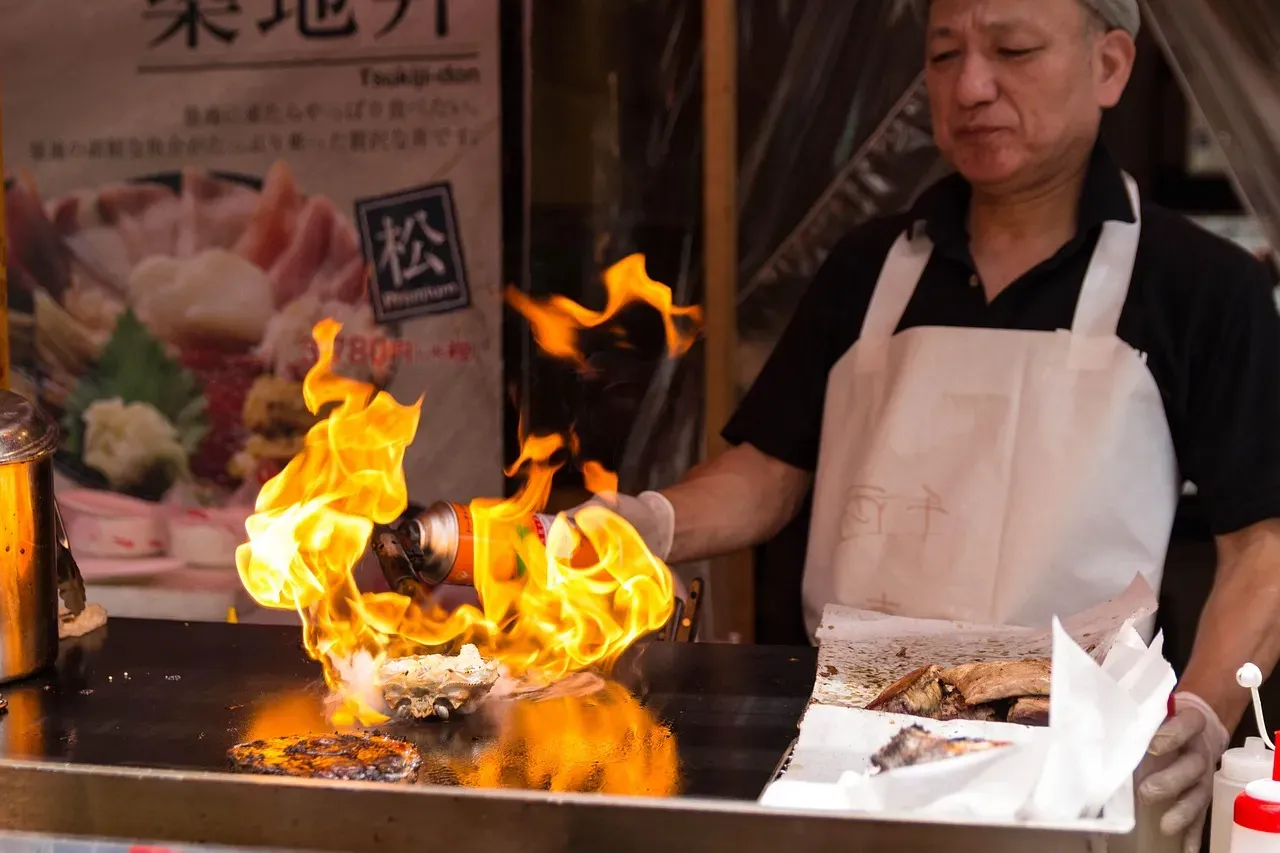
Cooking does not just soften food; it transforms it chemically. Heat breaks down tough plant cell walls, denatures proteins, and can neutralize many harmful microbes and parasites. For early humans, that likely meant fewer infections from raw meat and contaminated water, better access to key nutrients from roots and grains, and a more reliable caloric intake. Over generations, our bodies adapted to and depended on this new menu, which changed our nutritional baselines.
At the same time, the fire revolution also brought new kinds of exposure. Smoke inhalation, charred surfaces, and certain cooking methods can create substances that are harsh on lungs or potentially damaging over very long periods. The balance is still heavily in favor of cooked food in terms of safety and nutrition, but our immune systems and detox pathways have probably been influenced by constantly living with smoke and heat. There is something oddly poetic about the idea that our immune defenses learned to navigate a world full of both roasted meat and drifting ash, always balancing benefit and cost.
7. Hearths Rewired Our Social Brains and Storytelling Instincts
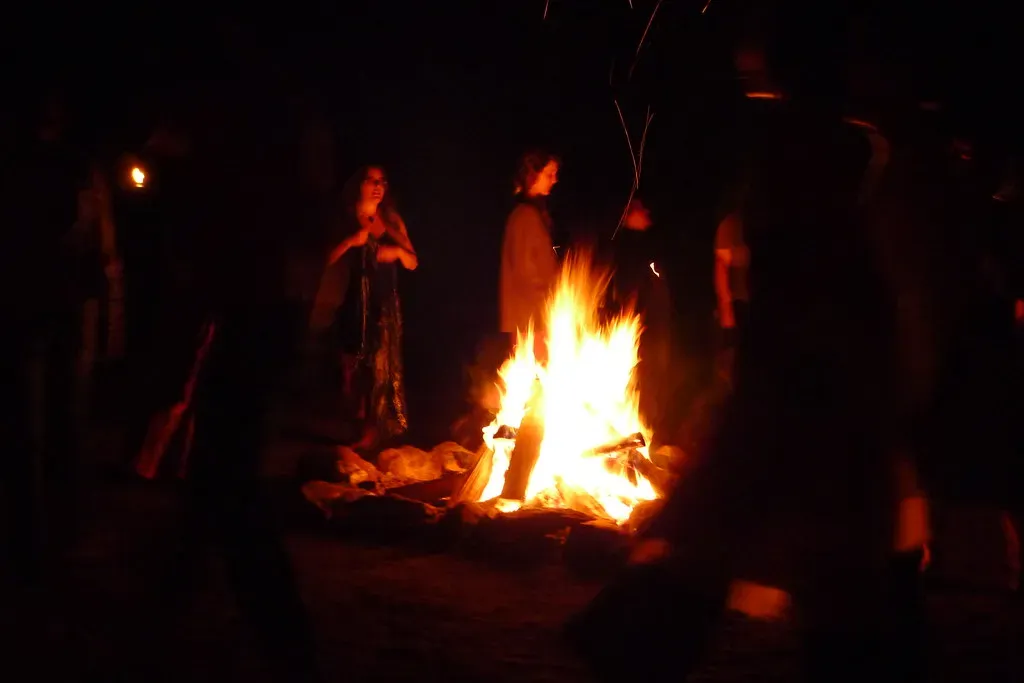
Picture a circle of faces lit by flickering firelight, shadows dancing on the rocks behind them. That scene is almost cliché now, but it became cliché because it has likely been repeated for tens of thousands of years. Fire created a natural gathering point, a shared resource that encouraged people to sit together in one place, night after night. In that glow, language, music, planning, gossip, and storytelling all had space to grow and become richer.
Our social brains may have been reshaped by this new nightly ritual. Around the hearth, individuals could trade information about dangers, teach skills, negotiate alliances, and even explore imaginary worlds through stories. This kind of repeated, focused social time supports theory of mind, empathy, and long-term memory, since the stories told had to be remembered and retold. Personally, I suspect that some of our deepest need for “evening talk” or late-night streaming shows is just a modern echo of that ancient fire-circle rhythm, where our brains learned that the day is for doing and the night is for sharing what it all meant.
8. Fire Expanded Our Territory and Pushed Our Cognitive Limits
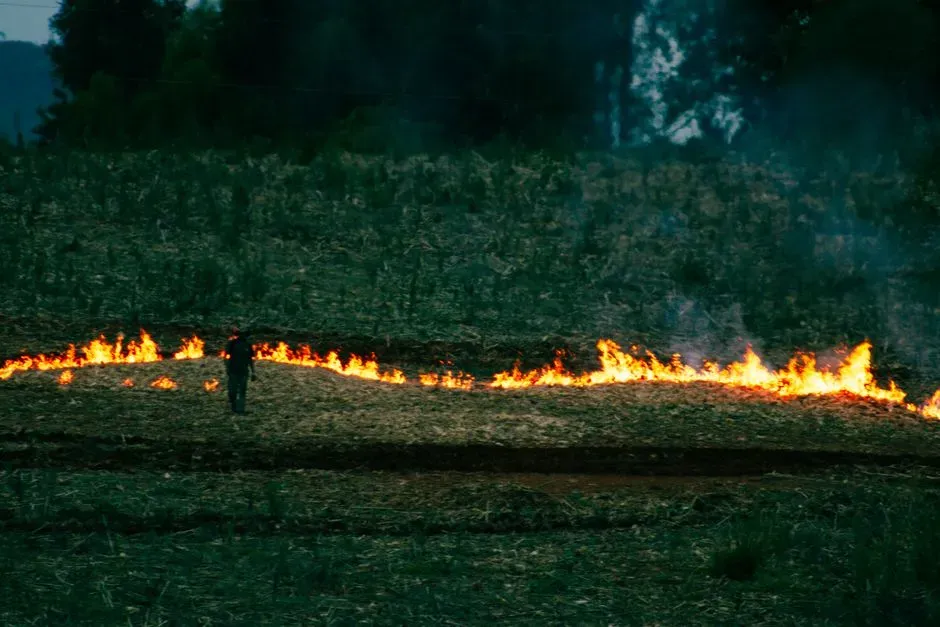
With fire in hand, humans stopped being limited to only warm, forgiving environments. They could move into colder regions, higher altitudes, and more variable landscapes, using flames to stay warm, cook local foods, and keep predators at bay. This geographic expansion exposed our bodies to new diets, new pathogens, and new physical demands, which all fed back into our biology. Different populations adapted in different ways, but fire was the common enabler, a passport that allowed our species to test the edges of the map.
The mental load of all this was huge. Managing fire requires planning: gathering fuel ahead of time, protecting embers, timing cooking, and organizing group behavior around a volatile, dangerous resource. That kind of complexity pushes working memory, foresight, and cooperation. It is not a stretch to say that fire helped train our brains to think further into the future and to coordinate more closely with others. When you step back, you realize that a simple flame did not just warm our ancestors’ hands; it forced them to build the cognitive toolkit we now use for everything from climate modeling to planning a weekend.
Conclusion: Fire as the First Technology That Rewrote Our Biology
When you look at all these threads together, fire stops being just “a tool we learned to use” and starts looking like a partner that rewrote our operating system. It helped slim our guts, shrink our jaws, and feed our oversized brains. It reshaped our nights, nudged our bodies toward hairlessness and endurance, and carved deep grooves in our fear circuits and learning habits. It wrapped our social lives around shared flames, pulled stories from our mouths, and gave us the courage and capacity to wander into new lands we had no right to survive in.
In my view, we often underestimate just how radical that transformation was. Without fire, we might still be clever primates with decent tools; with fire, we became something else entirely: a species that offloads its digestion, warmth, and light into the environment, then uses the freed-up energy to think, imagine, and build. That is a powerful and slightly unsettling thought, especially in an age where we are now playing with nuclear fire and global energy systems. If one simple, ancient flame could shape our bodies and brains this much, what will the fires we are lighting today do to the humans who come after us?