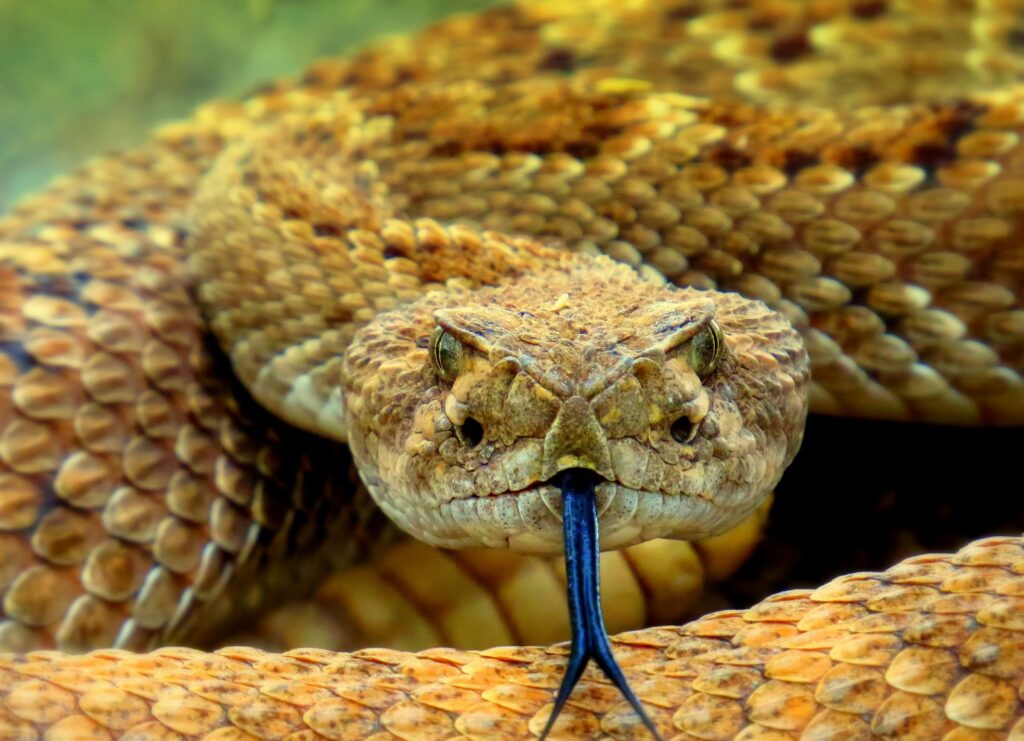
Snakes live rent‑free in the human brain. You can scroll past car crash headlines, swipe away climate news, and ignore a weird ache in your back, but one photo of a snake on your screen and your body reacts before you even finish blinking. Your heart jumps, your stomach tightens, and a tiny, ancient part of you whispers: danger. That reaction is not just drama or phobia; it is biology, history, and psychology braided together. We do not just dislike snakes; we are wired to notice them fast, file them as important, and sometimes panic even when we objectively know we are safe. Let’s unpack why snakes still trigger our fear response quicker than many other modern threats that are objectively more likely to harm us.
1. The Brain Has A Built‑In “Snake Detector”
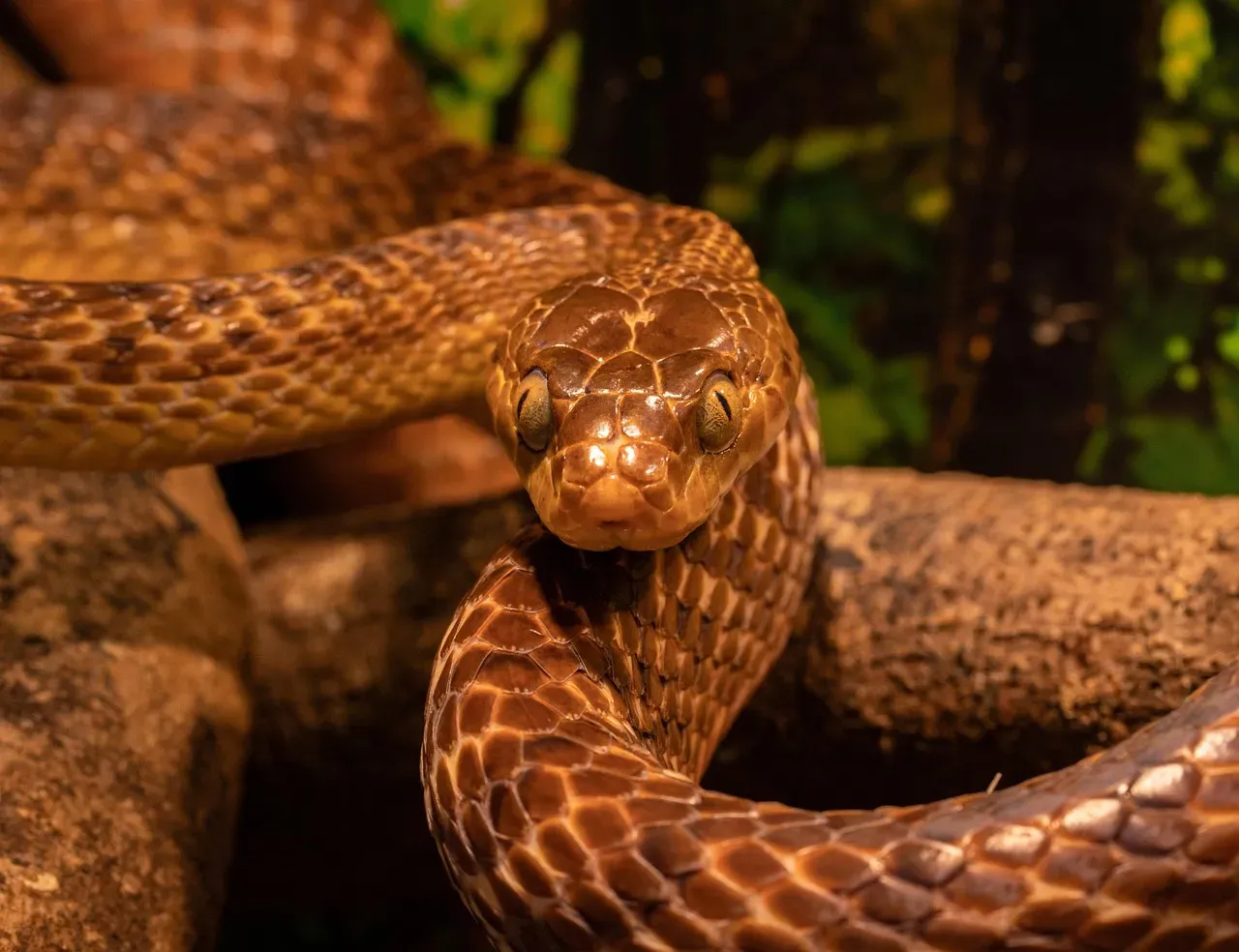
Here is the wild part: your brain can react to snakes before you consciously realize what you are looking at. Research using brain imaging and reaction‑time tests suggests that specific regions of the visual system, especially in and around the amygdala, are unusually tuned to pick up snake‑like shapes and patterns almost instantly. Even when snakes are shown very briefly or partially hidden among other objects, people tend to detect them faster than neutral items like flowers, birds, or tools.
Think of it like a software patch in your visual system, installed over millions of years, that flags “snake” as a priority file. You do not politely decide whether to be cautious; the alert pops up automatically, and only afterwards does the rational part of your brain come in and say, “Relax, it’s a photo on your phone.” That speed difference is exactly why a picture of a snake can make you jump in your chair, while a picture of a handgun or a car usually does not hit you quite as fast on a gut level.
2. Evolution Rewarded People Who Spotted Snakes Early
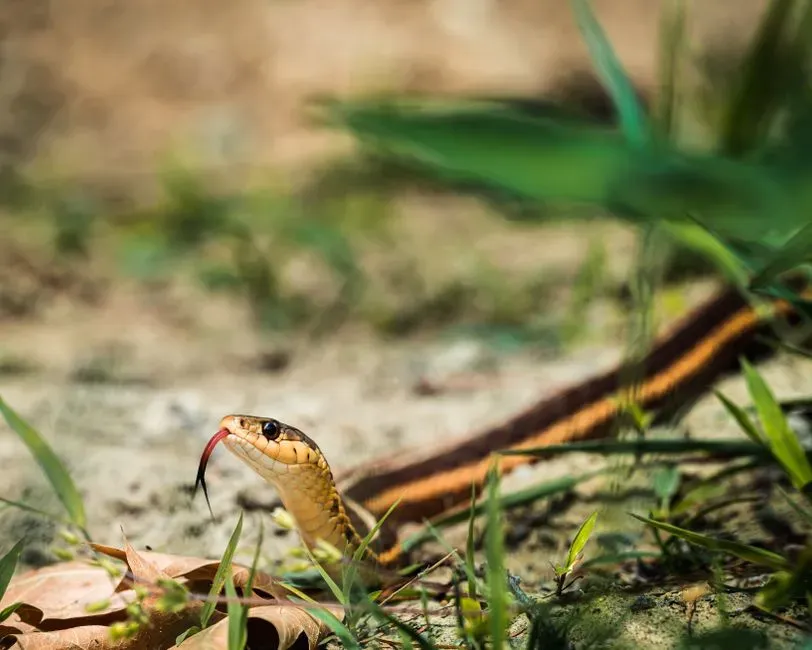
For most of human history, snakes were not content in terrariums behind glass; they were in the grass, in trees, near water, and sometimes near where people slept. Venomous species could kill or severely injure with a single bite. In that kind of world, the people who spotted snakes a split second earlier had a real survival edge: they could step away, warn others, or avoid dangerous areas entirely. Over unimaginable stretches of time, that edge adds up, and traits that promote fast snake detection and fear become more common in the population.
It is not that evolution cared about truth or fairness; it cared about “good enough to keep you alive and reproducing.” A system that overreacts a little to sticks that look like snakes is still better, in survival terms, than a system that underreacts and occasionally steps on an actual viper. That bias toward false alarms is one reason we can be more afraid of a harmless garden snake than of driving forty minutes on a rainy highway, even though the highway is statistically far more dangerous.
3. Our Vision Is Weirdly Good At Spotting Snake‑Like Shapes
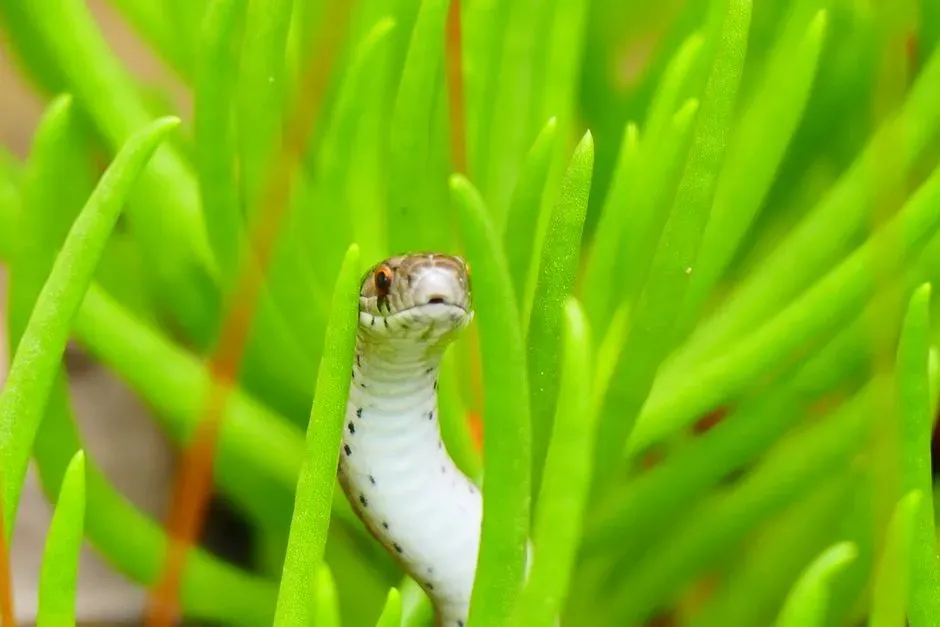
Snakes are not bright neon warning signs, yet our eyes seem uncannily good at picking them out from cluttered backgrounds. Studies that show people grids of pictures or arrays of shapes consistently find that snake images “pop out” more quickly than most other animals or objects. Even children who have not had much real‑life experience with snakes often show this speed advantage, which suggests it is not just learning or culture but something more baked in to how visual processing works.
Part of the reason seems to be that snakes have a distinctive combination of curves, edges, and patterns that trigger rapid detection in our visual cortex. Your brain is doing a kind of rough, parallel scan of the scene, looking for certain configurations that historically meant danger: long, narrow, sinuous forms, scales, or coiled shapes. It is like having a built‑in “find the snake” filter running in the background of everything you see. That filter does not run as strongly for modern threats like electrical outlets, speeding trucks, or loose extension cords, because those objects simply have not been around long enough for our biology to prioritize them in the same way.
4. Venom, Death, And Pain Leave A Deep Psychological Imprint
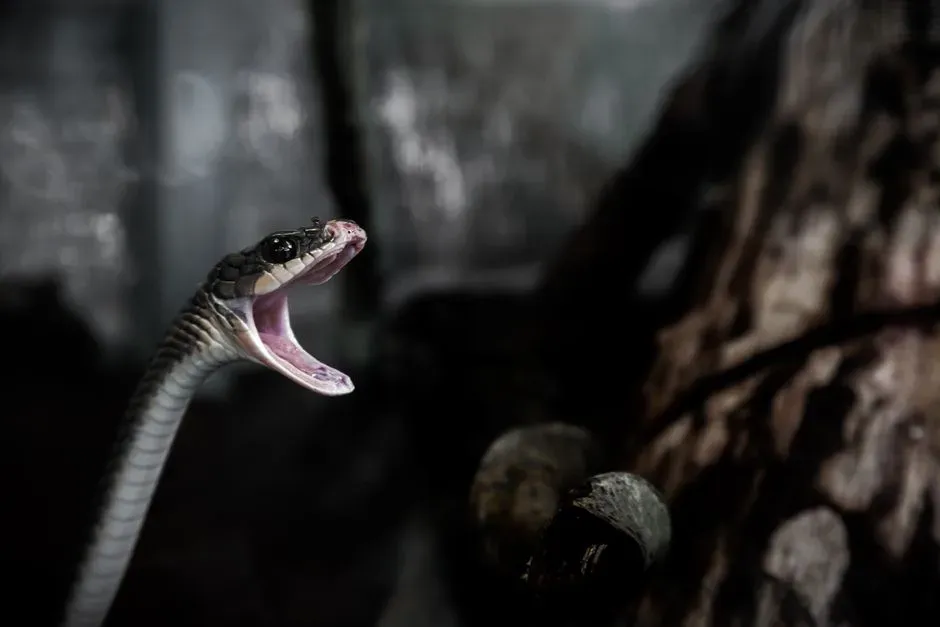
Humans fear a lot of things, but threats that involve sudden, unpredictable pain and the possibility of agonizing death tend to hit harder. Venomous snakes embody that perfectly: a fast strike, small puncture wounds, and then potentially hours of swelling, paralysis, bleeding, or organ damage. Even if you have never seen that in real life, many people have heard stories from relatives, movies, or folklore about tragic snakebites that seem to come out of nowhere.
Psychologically, our fear system gives extra weight to threats that feel mysterious and uncontrollable. You can see a storm rolling in. You can hear a large predator crashing through leaves. But a snake can be totally silent, perfectly camouflaged, and then suddenly very close. That uncertainty amplifies fear in a way that something like an exposed wire or a swimming pool drain usually does not, even though those modern hazards also kill people every year. The story of a snakebite is simple, vivid, and emotionally sticky, so it lodges in the mind and keeps the fear circuits on high alert.
5. Stories, Myths, And Media Keep Snakes In The Spotlight

On top of biology, culture pours gasoline on the fire. Snakes have been cast for centuries as villains, tricksters, or symbols of evil and betrayal in myths, religious stories, and folklore around the world. When a creature is repeatedly framed as sneaky, poisonous, or cursed, people learn to view it through that lens, even if they have never had a bad personal experience. Children pick up on the adult reactions around them: a parent screams, a friend freaks out, or a movie shows a snake as monstrous, and the association is reinforced.
Modern media definitely does not help. Snakes are visually striking and easy to dramatize, so they appear again and again in horror movies, viral videos, and sensational news segments. Bites from dogs, wasps, or even contaminated food might be more common, but “huge snake attacks family” grabs more attention and spreads faster. Over time, that constant repetition makes the fear feel justified and normal. Your brain learns that snakes are important because everyone seems to talk about them when something goes wrong, while other risks quietly stay in the background.
6. Personal Experience And Learned Fear Strengthen The Reflex
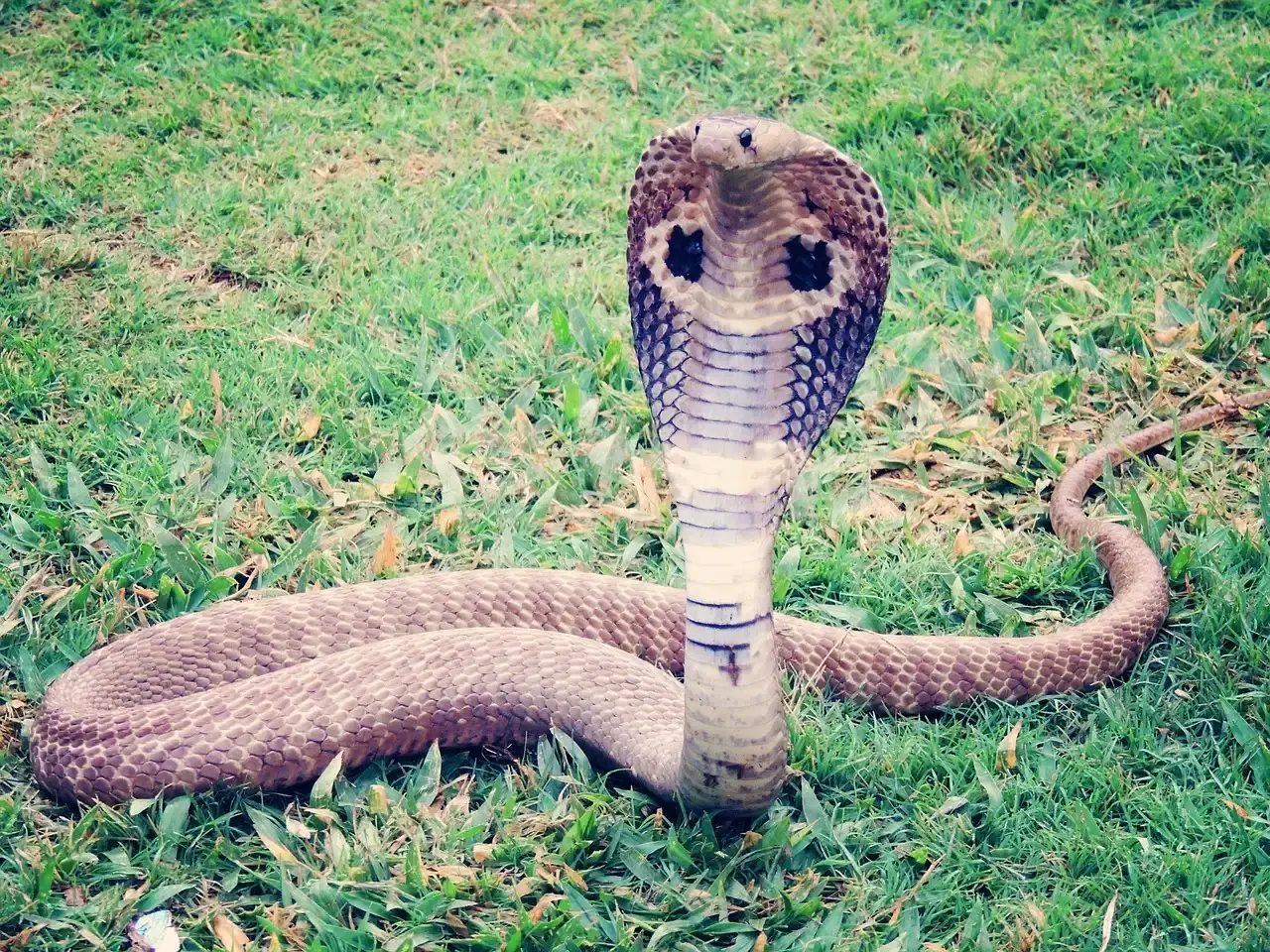
Not all fear of snakes is hard‑wired; a lot of it is learned, sometimes very quickly. If someone has even one scary encounter – a surprise snake in the garden, a sudden strike on a hiking trail, or a childhood memory of adults panicking – that moment can pair snakes with intense fear forever. The emotional part of the brain is good at forming these strong associations, especially when a situation feels out of control. Later, just the sight or thought of a snake can bring back that rush of adrenaline and make the person react almost instantly.
What is striking is how easily this fear can be transmitted second‑hand. You do not need to be bitten yourself; watching a sibling cry, hearing repeated warnings, or seeing graphic images online can be enough. On the flip side, calm, positive exposure – like visiting a reptile center with a knowledgeable guide or seeing a non‑venomous snake handled safely – can soften that reflex over time. That contrast shows that snake fear is not destiny; it is a conversation between what your brain is prepared to do and what your life teaches it to expect.
7. Modern Threats Are Deadlier, But Feel Less “Real” To Our Instincts
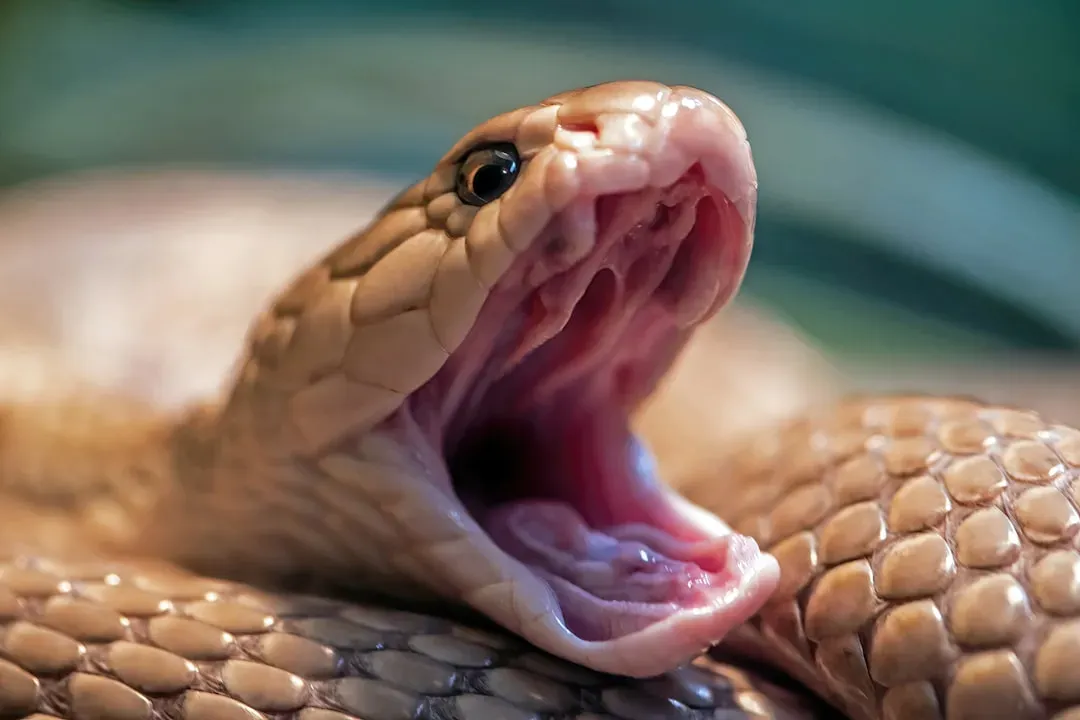
Here is the uncomfortable truth: in many parts of the world today, you are far more likely to be injured or killed by a car, an unhealthy lifestyle, pollution, or even your own furniture than by a snake. Yet very few people feel a jolt of primal terror while sitting in the passenger seat or scrolling through food delivery options. Those risks are abstract, slow‑burn, or socially normalized, so they slip past the ancient alarm systems that live in our brains. We know they are dangerous in a logical sense, but the fear feels distant.
Snakes, in contrast, feel like danger made visible. They move in a way that seems alien, strike faster than we can track, and often show up in places we think of as “natural,” where we expect to be able to relax. The mismatch between actual risk and felt fear says more about how our instincts were shaped in the distant past than about the realities of life in 2026. Our bodies are still calibrated for a world of sudden, physical threats, not slow, statistical ones. From that perspective, it makes perfect sense that your heart races at the sight of a small snake, while barely flinching at the idea of years of sedentary living.
Conclusion: Our Snake Fear Is Ancient, Powerful – And Worth Questioning
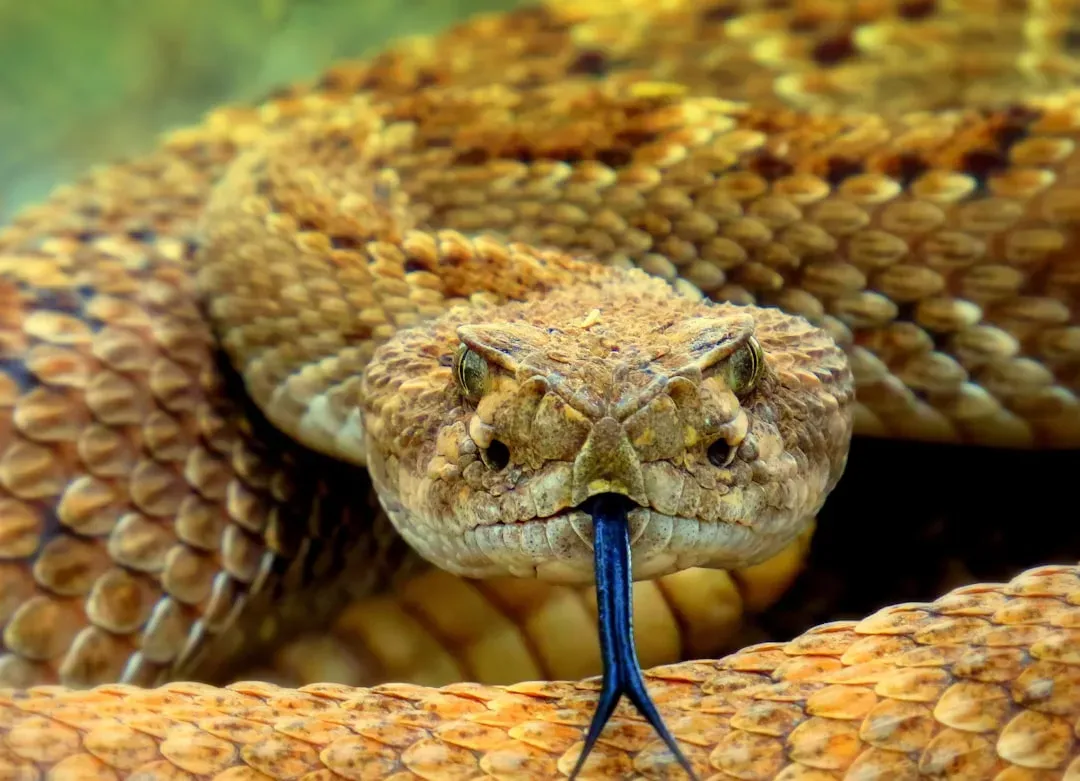
I will admit it: I know the statistics, I have read the research, and I still jump a little when I see something snake‑shaped in the corner of my eye on a trail. That flicker of fear feels older than language, like an echo from ancestors who really did have to worry about what was hiding in the grass. In that sense, our fast, almost unfair fear of snakes is not a flaw; it is proof that our brains remember the kinds of dangers that used to matter most, even if the world around us has changed dramatically.
But just because the fear is understandable does not mean it should rule us. When we turn every snake into a villain, we ignore the reality that most are harmless and many play a crucial role in controlling pests and keeping ecosystems balanced. Learning the difference between real risk and reflexive panic lets us respect snakes without demonizing them, and update our instincts with better information. Maybe the more honest question is not why we fear snakes so much, but why we still let ancient alarms drown out modern wisdom – if your brain is still on high alert for fangs, what quieter dangers might you be missing?