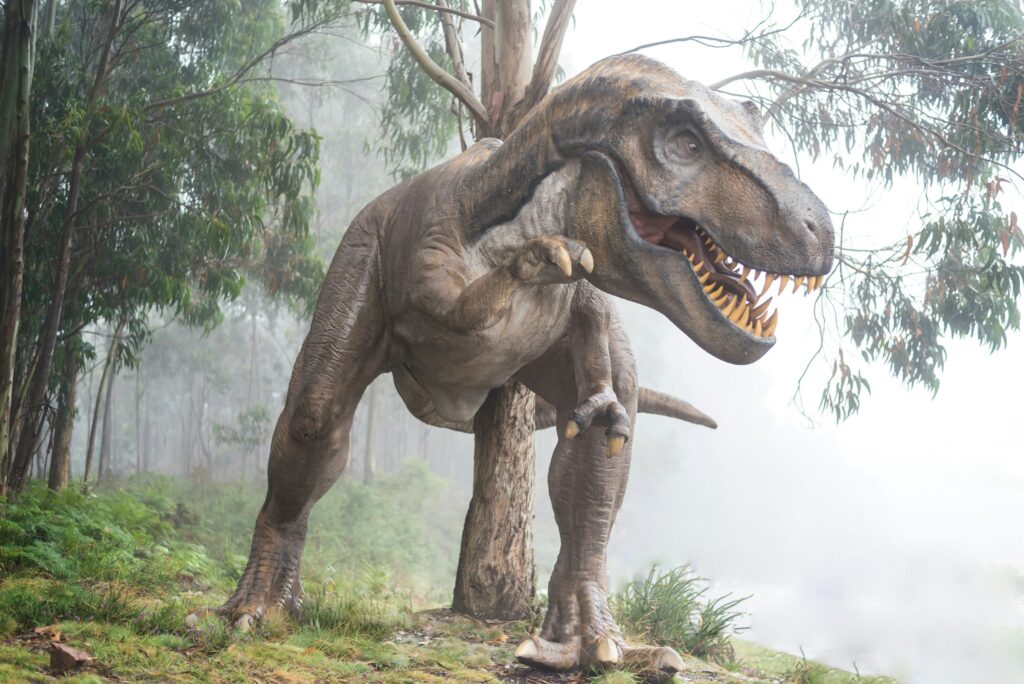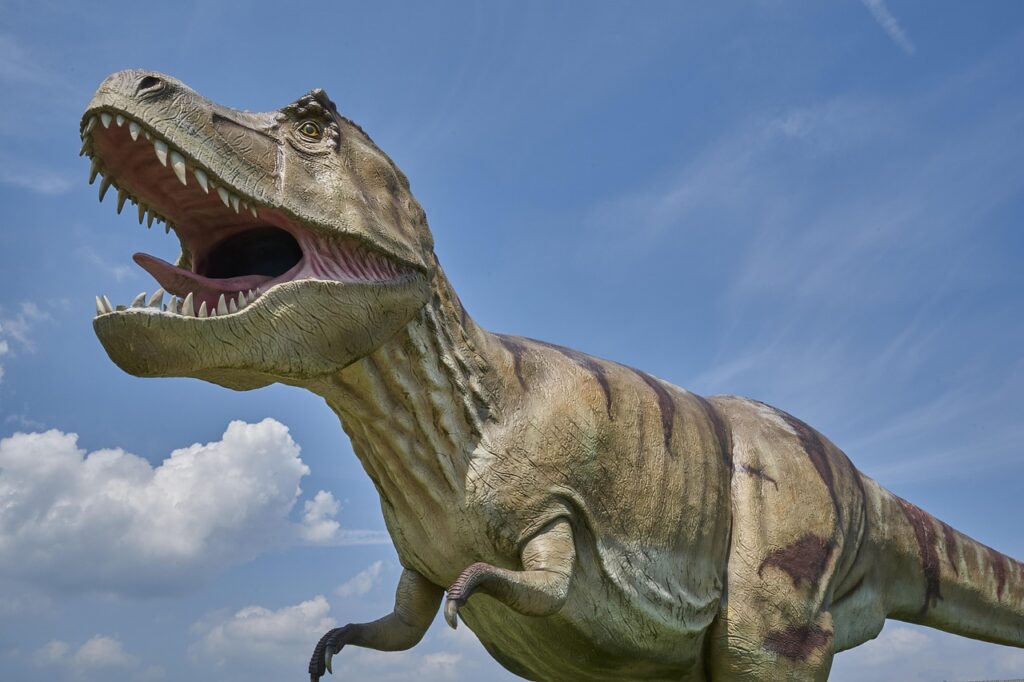
Everyone born after 1993 carries the same mental image of Tyrannosaurus rex: lips peeled back over railroad-spike teeth, sprinting through the jungle fast enough to catch a jeep, ruling completely alone at the top of the food chain. That picture has been the default for thirty straight years. And in just the last few, paleontologists have quietly taken a wrecking ball to almost every piece of it.
There was no big press conference, no dramatic headline day. Just a slow drip of bone scans, growth-ring studies, and computer models that forced museums to rewrite their exhibit signs without much fanfare. Some of these corrections are almost funny. Others are the kind that make you wonder if we ever really knew this animal at all. Here’s what the fossil record actually says now – starting with the mouth everyone got wrong.
#10 – It Never Actually Had Exposed, Snarling Teeth
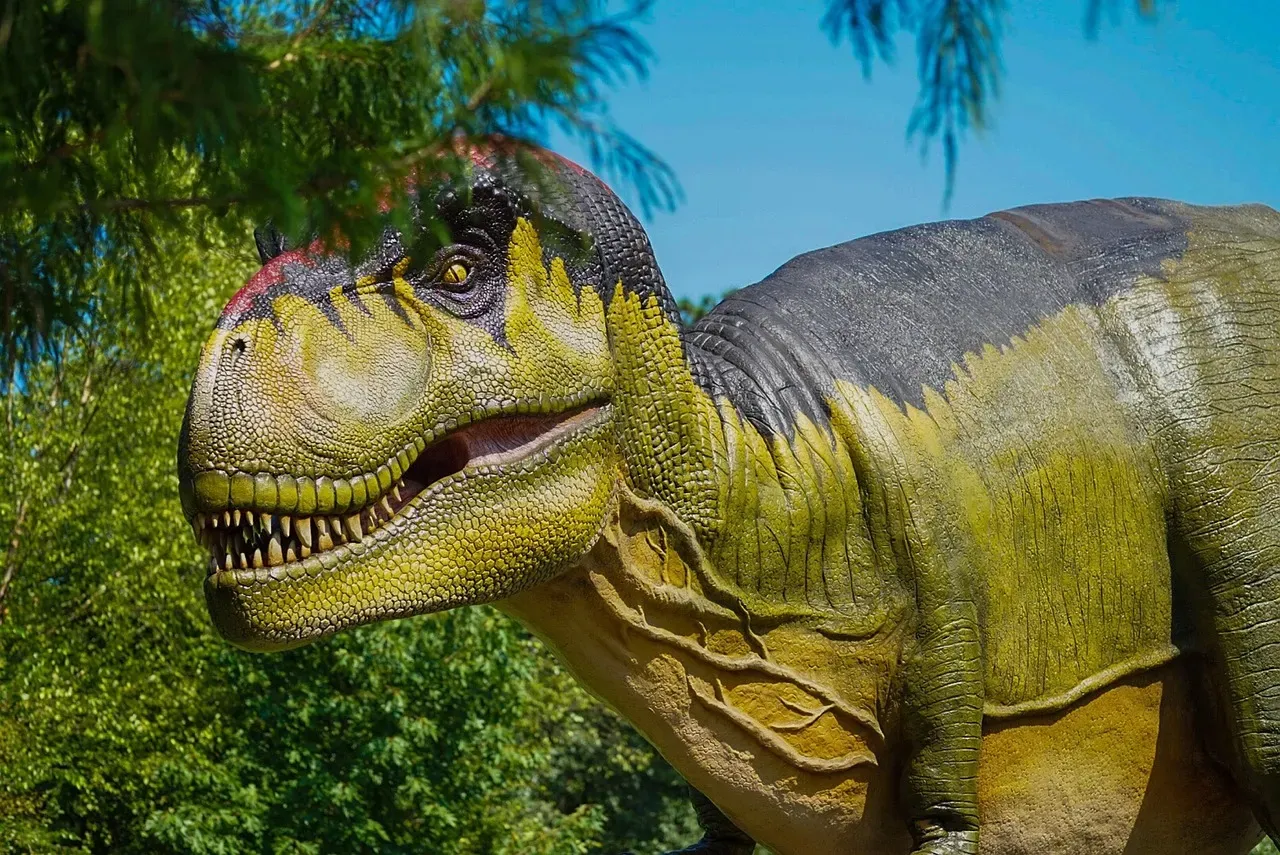
For thirty years, every T. rex model on Earth was built with a mouth full of permanently bared fangs. It turns out that image was simply wrong.
A 2023 study in the journal Science concluded that T. rex and other big theropods likely had scaly lips covering their teeth, meaning the teeth didn’t stick out at all when the mouth was closed – and even mid-bite, you’d probably only catch the tips. Researchers compared skull and tooth measurements across more than 20 theropod species and living reptiles like Komodo dragons, and the math simply didn’t support Hollywood’s exposed-fang look.
The most convincing evidence came from tooth wear and replacement rates. T. rex needed roughly two years to replace a single tooth, while an unprotected crocodile’s teeth wear out constantly – an American alligator can burn through some 3,000 teeth in its lifetime. That kind of slow-motion preservation only makes sense if lips were shielding the enamel the whole time.
That correction is almost cute compared to what happened to its skin.
#9 – Its Skin Wasn’t the Feathery “Big Chicken” Everyone Hoped For
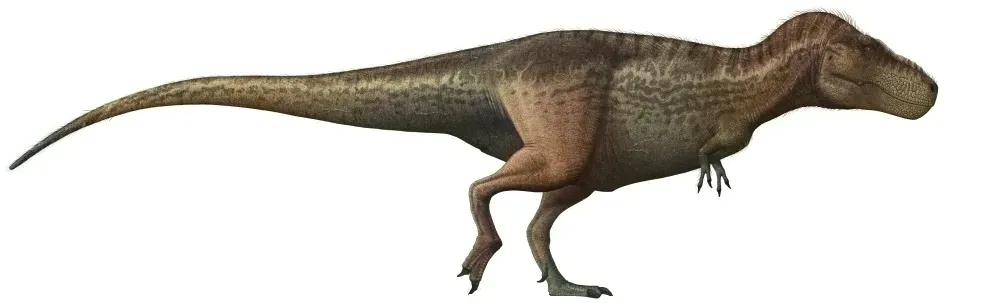
Dinosaur nerds spent a decade dreaming of a fluffy, feathered tyrant king. Then the actual skin fossils showed up and ruined the party.
When scientists finally examined the only known patches of preserved T. rex skin – pulled from the neck, pelvis, and tail of a specimen nicknamed Wyrex – they found no sign of feathers, just smooth, scaly skin. They cross-checked the finding against skin impressions from close relatives like Albertosaurus and Gorgosaurus, and the pattern held up across the board.
Here’s the part almost nobody agrees on: the debate isn’t actually settled. Paleontologist Steve Brusatte pushed back hard, arguing that scaly skin on a few fossils doesn’t prove T. rex had no feathers at all, since it takes almost impossibly good luck to preserve feathers in the fossil record in the first place. Scientists corrected the record, then immediately started arguing about the correction.
Quick Compare
- T. rex (Wyrex specimen): smooth, scaly skin on neck, pelvis, and tail – no feather traces
- Albertosaurus: skin impressions confirm the same scaly pattern
- Gorgosaurus: matching scaly texture across close relatives
- Open question: feather-friendly regions may simply not have fossilized yet
That disagreement is nothing compared to what the speed data did to T. rex’s whole reputation.
#8 – It Couldn’t Actually Chase Anything Down
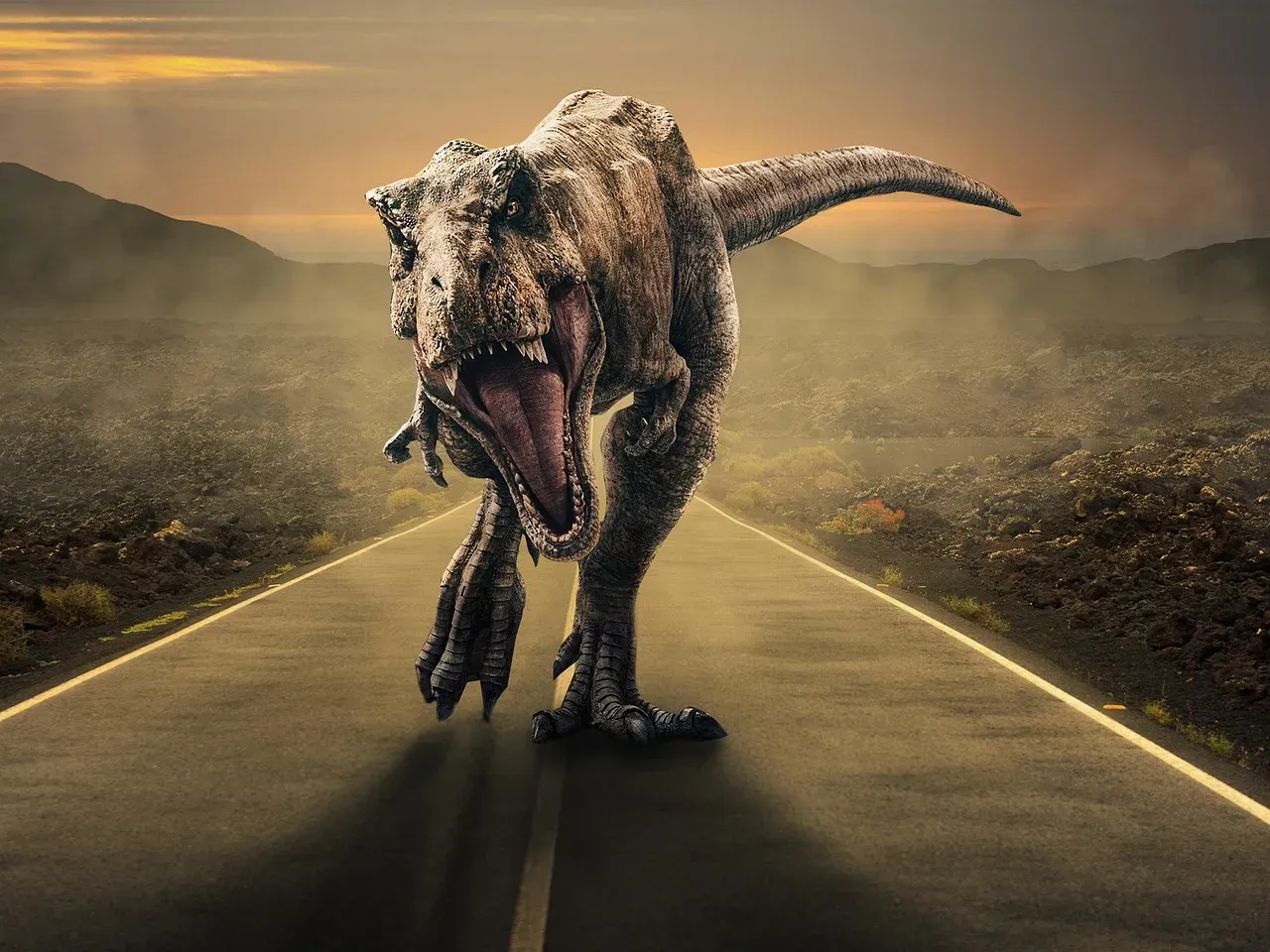
The single most-repeated T. rex “fact” – that it could outrun a speeding jeep – has been dead for years, and most casual fans never got the memo.
A biomechanical study out of the University of Manchester built a full computer simulation of T. rex’s skeleton, muscles, and bone stress. Their conclusion was blunt: T. rex could not run. It most likely moved at a brisk walking pace, picking off slow, plodding sauropods rather than chasing down anything fast. Earlier estimates had clocked it at a Hollywood-friendly 45 mph; the real number was closer to a jog.
The reason is almost comically simple: its own skeleton couldn’t survive the stress. Researchers found that if T. rex had actually tried to sprint, it would have buckled under its own weight and shattered its legs. A 6-ton animal sprinting on two legs was never mechanically possible, no matter how badly the movie scripts needed it to be.
That discovery quietly dragged an old, mocked theory back from the dead.
#7 – The “Scavenger” Theory Wasn’t as Crazy as Everyone Mocked It For Being
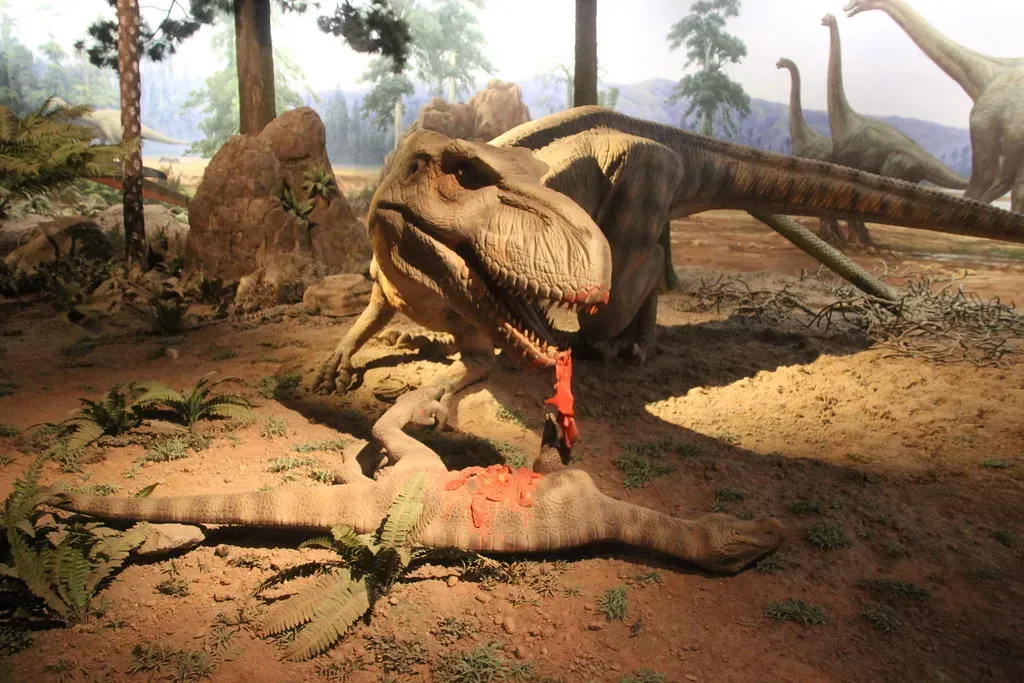
Every dinosaur documentary in the 2000s treated the “T. rex was mostly a scavenger” idea as a punchline. New speed data quietly forced scientists to take it seriously again.
Once researchers confirmed T. rex physically couldn’t run down prey, the entire hunting playbook needed a rewrite. Study lead Bill Sellers put it plainly: an animal that couldn’t sprint certainly wouldn’t have been able to run down faster-moving prey, which meant it had to lean on ambush tactics or opportunistic feeding instead of a high-speed chase.
That’s a genuinely uncomfortable idea for anyone who grew up loving the unstoppable-killer version of T. rex. Sellers went further, saying it leaves ambush hunting – and even the long-mocked scavenger theory – back on the table for serious reconsideration. Most paleontologists still think T. rex hunted plenty; its bone-crushing bite force makes that obvious. But the sprinting-killer story is functionally dead.
Its growth chart just got rewritten too, and it’s stranger than you’d expect.
#6 – Its Entire Growth Timeline Got a Rewrite
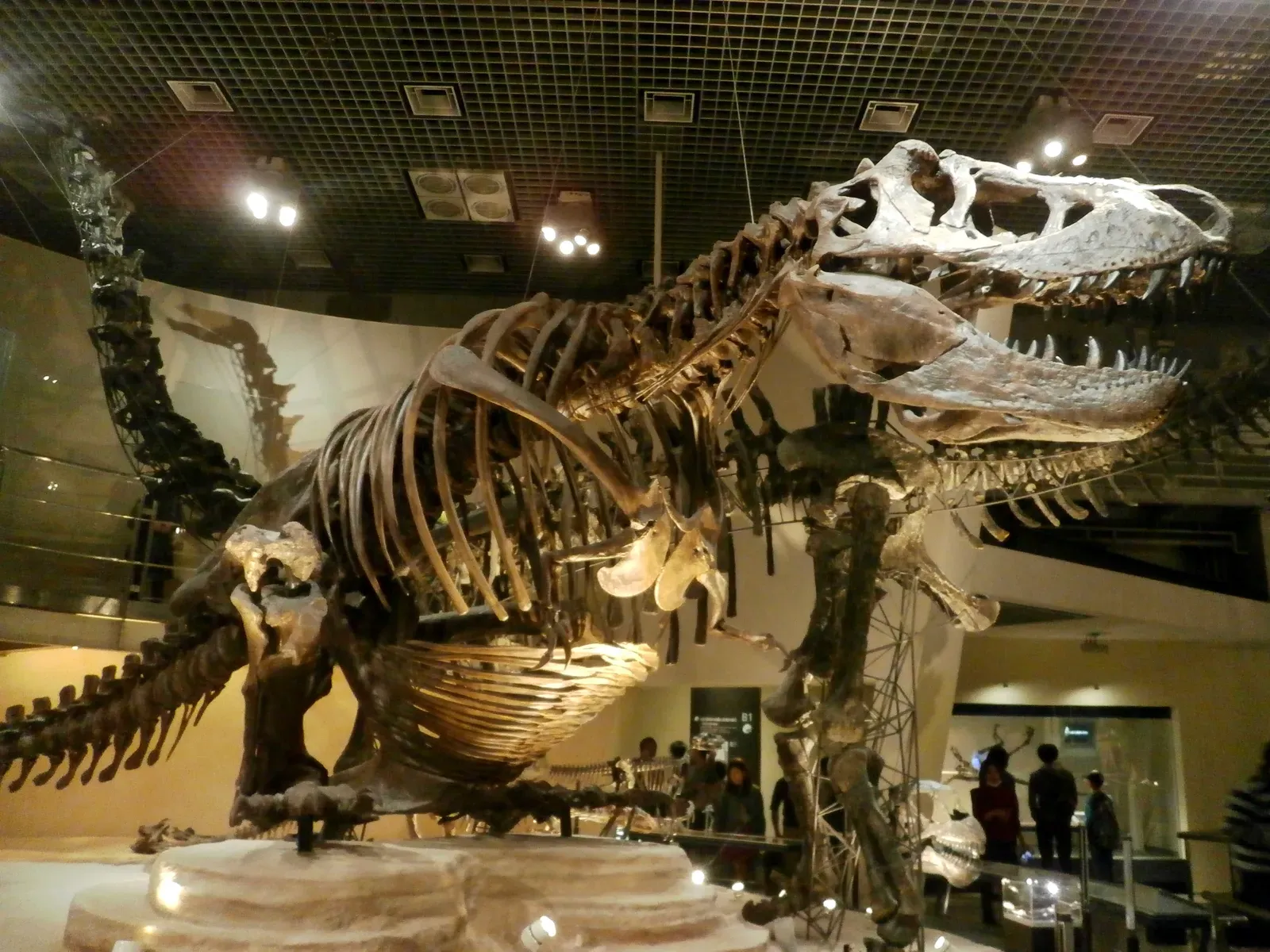
T. rex wasn’t born a monster. New life-history modeling shows it spent most of its short life as an awkward, mid-sized teenager before anything close to “king of the dinosaurs” ever kicked in.
A major 2021 population study crunched the numbers on T. rex life history, and the timeline is almost jarring. These animals lived into their late twenties at most and hit sexual maturity around age 15.5 – barely more than a decade to go from gawky juvenile to apex predator. That’s a startlingly compressed adolescence for an animal that eventually topped 8 tons; most of its explosive size gain happened in one brutal teenage growth spurt, not a slow climb across decades.
The energy math is arguably the wildest part. Scientists calculated that a T. rex needed roughly the same daily energy as a Komodo dragon or a lion, despite being dramatically larger than either animal. That single detail quietly reshaped how paleontologists model dinosaur metabolism across the board.
Fast Facts
- Sexual maturity: around age 15.5
- Maximum lifespan: late twenties
- Growth pattern: one explosive teenage spurt, not steady decades-long growth
- Daily energy needs: comparable to a Komodo dragon or a lion
And if you think that’s a plot twist, wait until you see how big it might have actually gotten.
#5 – It Might Have Been Way Bigger Than Any Fossil We’ve Found
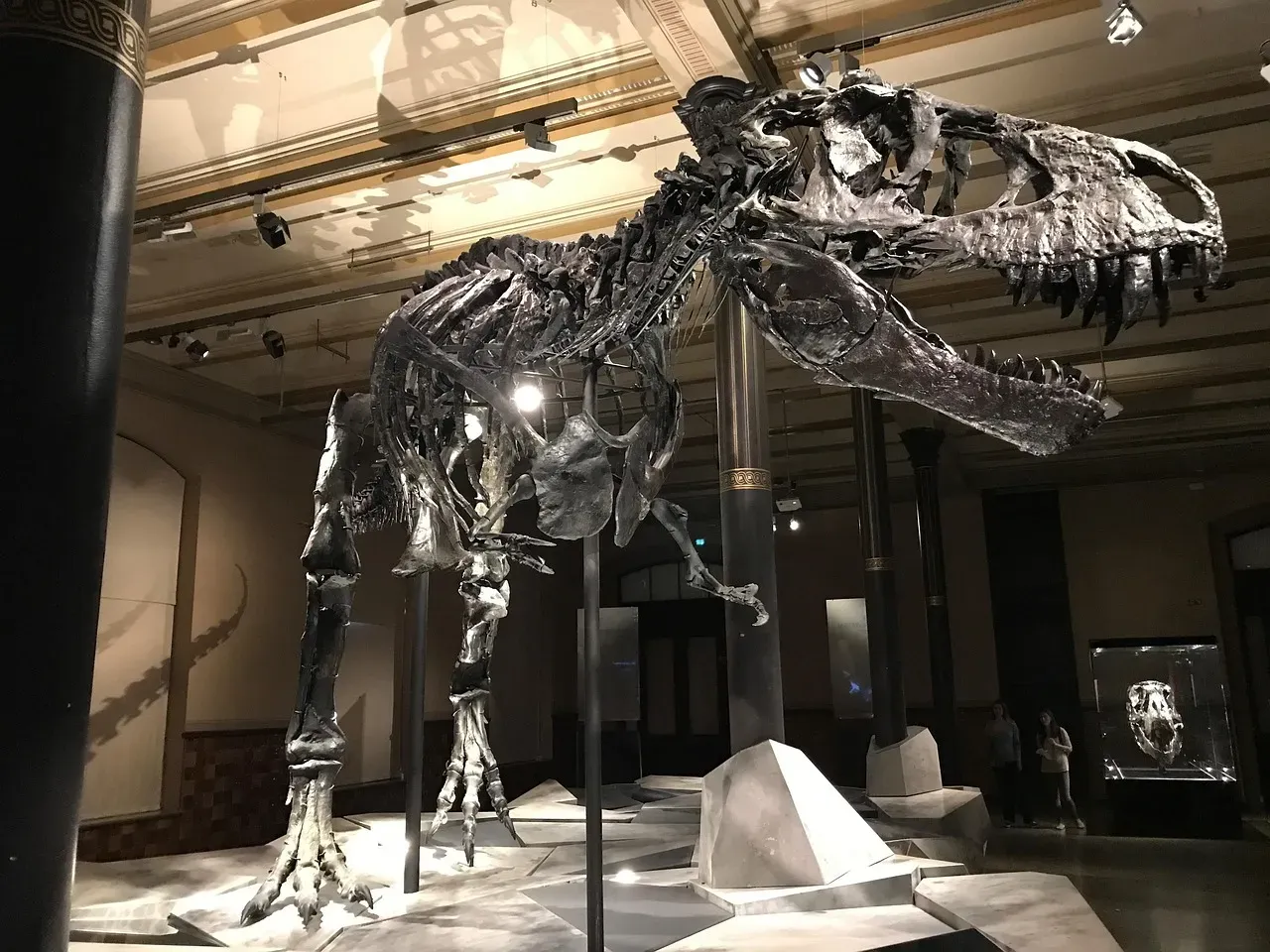
Every “biggest T. rex ever” headline is based on the biggest bones we happen to have dug up. New modeling suggests that number isn’t close to the real ceiling.
A 2024 study used population and growth-rate modeling to ask a simple question: how big could the largest, oldest, luckiest individual T. rex have realistically gotten? The answer stunned even the researchers involved: T. rex may have grown up to 70% more massive than the largest fossil ever found.
We may simply have never found the biggest ones. That means the largest T. rex fossil currently on display – the specimen nicknamed “Scotty” – may not be anywhere near the species’ actual size limit. Given how tiny a fraction of individuals ever fossilize in the first place, the true record-holder is statistically still buried somewhere, or was destroyed by erosion millions of years ago.
That’s nothing compared to how little of the species we’ve actually found overall.
#4 – Almost Every T. Rex That Ever Lived Left Zero Trace
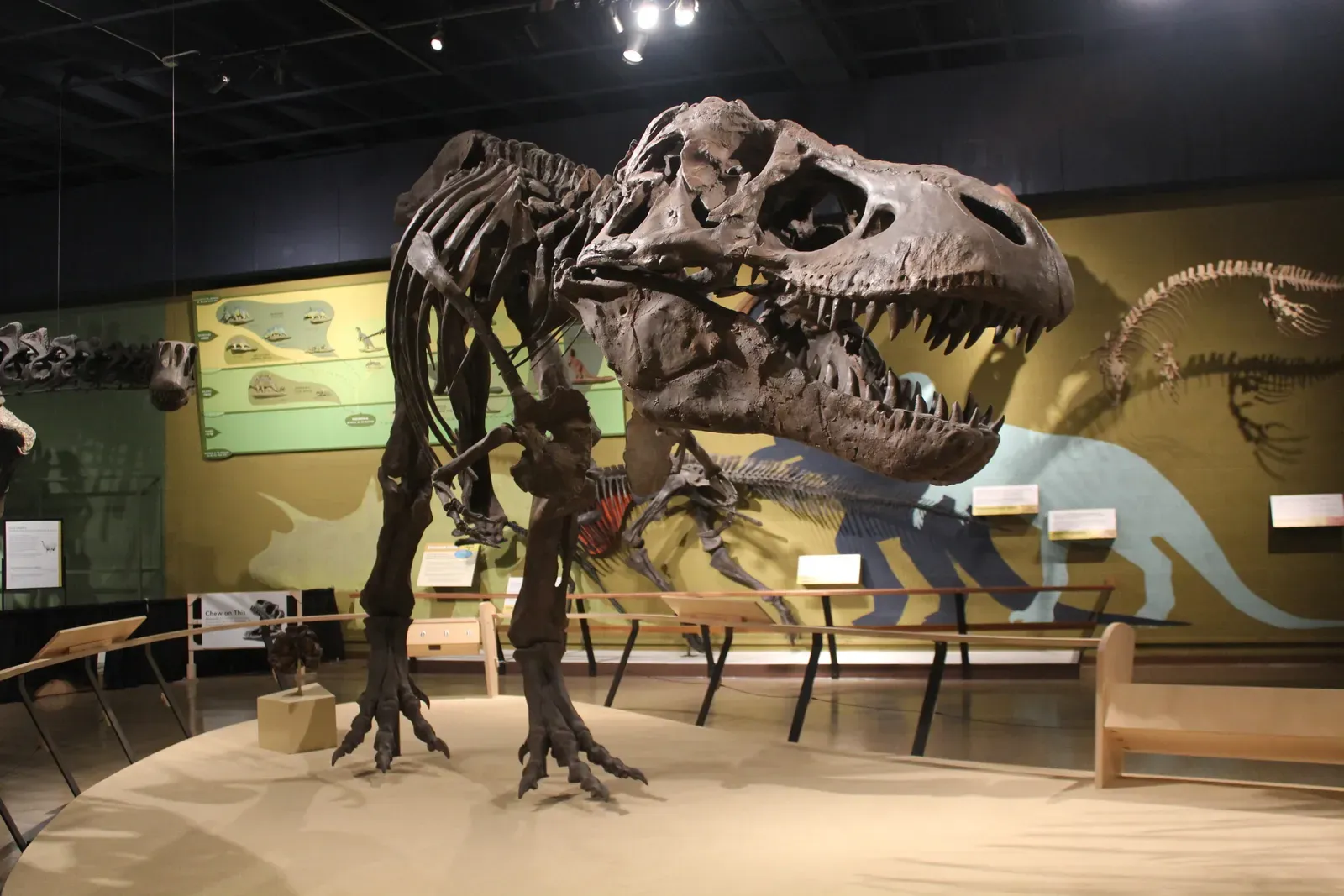
Here’s an uncomfortable thought for anyone who assumes museums have a solid handle on T. rex: the fossil record represents a laughably tiny sliver of the actual population.
Researchers cross-referencing population models against known fossil counts arrived at a staggering ratio: roughly one out of every 80 million T. rex that ever lived has actually been discovered. Even in fossil-rich hotspots like Montana’s Hell Creek Formation, the odds only improve to about one in 16,000.
That statistic alone should terrify anyone confident about “settled” T. rex science. Every skeleton in every museum is an extreme statistical outlier, not a representative sample. Entire behaviors, color patterns, even additional species could be sitting quietly in the 99.999999% of the population that left absolutely nothing behind.
At a Glance
- Global discovery odds: about 1 in 80 million individuals ever found
- Fossil hotspot odds (Hell Creek Formation): about 1 in 16,000
- Every museum skeleton represents an extreme statistical outlier, not the average animal
And that scarcity gets even weirder once you look at how many were alive at any one time.
#3 – There Were Never That Many of Them Alive at Once
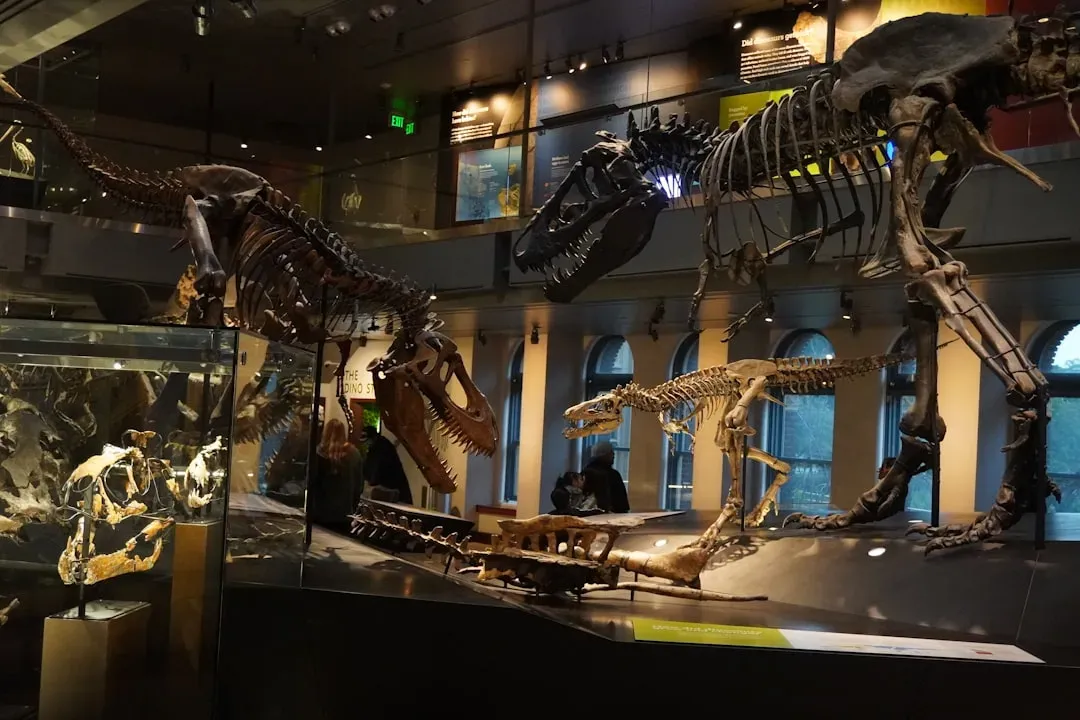
It’s easy to picture Late Cretaceous North America crawling with T. rex around every river bend. The math says otherwise, and it’s almost disappointing.
A landmark 2021 population study in Science estimated the total T. rex population across the species’ entire run on Earth at 2.5 billion individuals. That sounds enormous, until you realize how thin it was spread across roughly two million years. At any given moment, the study estimated, only about 20,000 T. rex were alive on the entire planet.
Put in real terms, that’s shockingly sparse. Researchers calculated that only about two T. rexes would occupy an area the size of Washington, D.C., or roughly 3,800 would roam a space the size of California. You could have walked for days across prehistoric Montana and never crossed paths with one.
That’s nothing compared to the identity crisis waiting in the next correction.
#2 – Half the “Juvenile T. Rex” Fossils Were a Different Animal Entirely
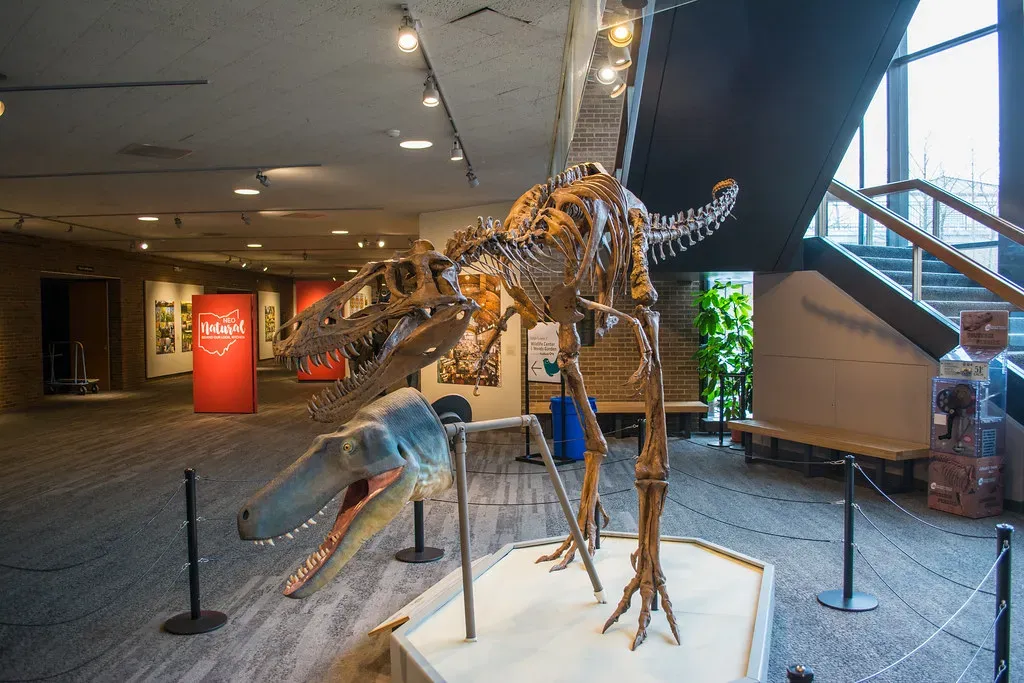
This is the correction that should embarrass an entire generation of dinosaur books: many of the “baby T. rex” skeletons displayed for decades weren’t babies at all.
A 2024 growth-ring analysis dug back into fossils that had been filed away for years as young, still-growing Tyrannosaurus. The results were unambiguous – these weren’t juveniles. They were full-grown adults of an entirely different, smaller tyrannosaur, with narrower jaws, longer legs, and bigger arms than T. rex ever had. The species even got its old name back, Nanotyrannus lancensis, after decades of being dismissed as an awkward T. rex teenage phase.
Bone microscopy is what finally cracked the case. Researchers found the growth rings in these animals were tightly packed near the bone’s outer edge – the telltale sign of an animal that had already stopped growing, not one mid-growth-spurt.
It’s amazing to think how much we still don’t know about the most famous of all the dinosaurs.
Nick Longrich
That embarrassment set up the biggest reversal on this entire list.
#1 – A Single New Skeleton Just Ended a 40-Year Argument
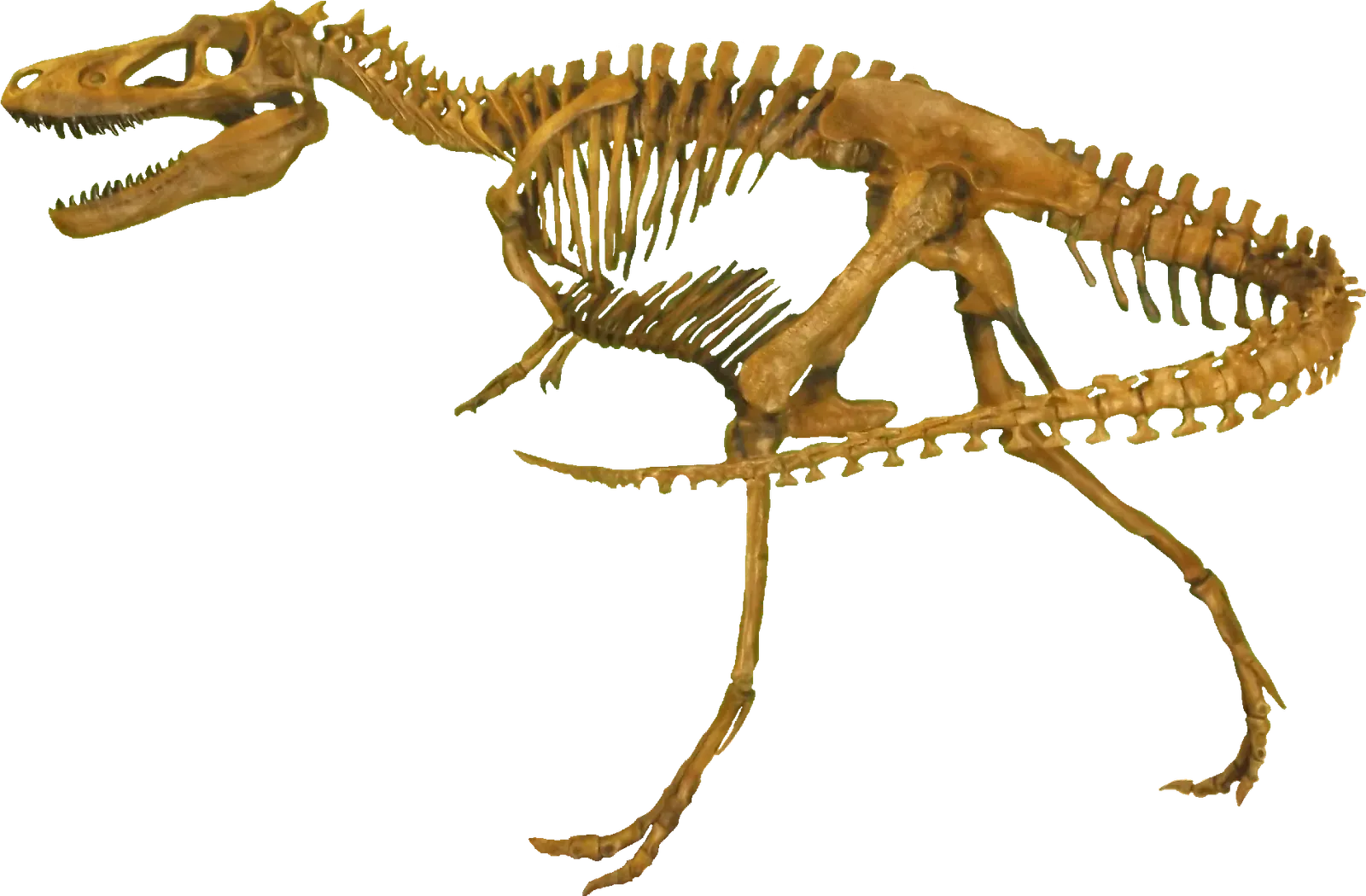
This is the correction that changes everything else on this list: T. rex was never alone at the top of the food chain, and scientists just got definitive proof of it.
For decades, the “is Nanotyrannus real” debate dragged on without resolution – until an exceptionally complete skeleton, nicknamed one of the “Dueling Dinosaurs,” gave researchers everything they needed. As one research summary put it, this specimen is the most complete Nanotyrannus lancensis skeleton ever found, and it categorically ends the debate: Nanotyrannus is not a juvenile T. rex. It belongs to a separate genus entirely, one far more distantly related than anyone assumed. Multiple independent teams, publishing separately in Nature and Science, reached the same conclusion within weeks of each other.
The ecosystem implications are the real bombshell here. This isn’t just a naming dispute – it completely reframes the idea that T. rex ruled alone. We now know multiple tyrannosaur species coexisted in the final million years before the asteroid hit, pointing to a richer, more competitive ecosystem than anyone pictured. Every documentary that showed T. rex ruling an empty landscape by itself was, quite simply, wrong.
Why It Stands Out
- Backed by the most complete Nanotyrannus lancensis skeleton ever discovered
- Confirmed independently by separate teams publishing in both Nature and Science
- Closes a debate that had dragged on for roughly 40 years
- Reveals multiple tyrannosaur species sharing the same ecosystem right up until the asteroid impact
The Bottom Line
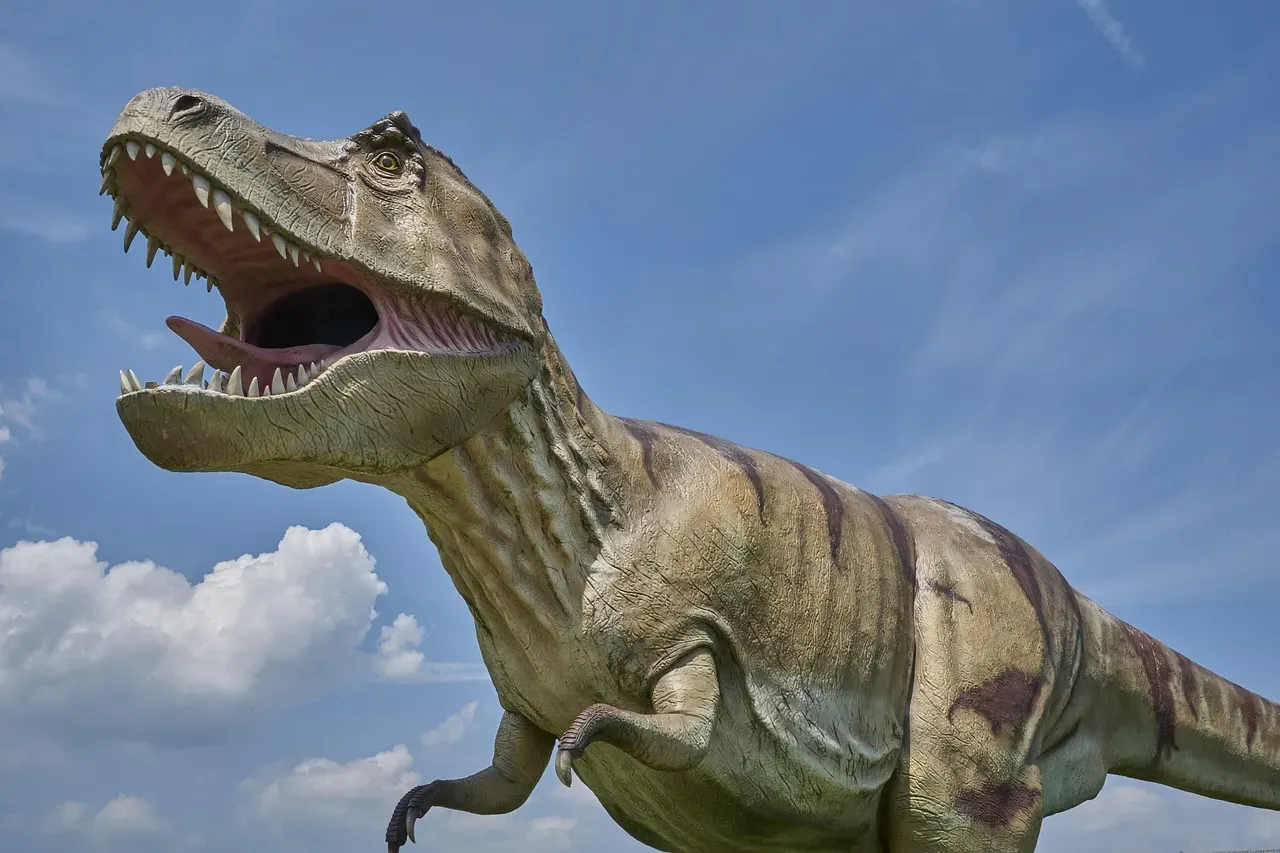
The pattern here isn’t subtle. Nearly every “iconic” T. rex fact – the sprinting speed, the exposed fangs, the solo reign at the top of the food chain – has quietly collapsed under modern bone scans and biomechanical modeling.
And honestly, that’s a good thing. Science that never gets corrected isn’t science, it’s mythology with a museum plaque. The real T. rex was slower, lippier, statistically rarer, and shared its world with a smaller rival predator nobody saw coming until a single skeleton forced the issue.
That’s a far stranger, far more interesting animal than Hollywood ever gave us credit for – and if paleontologists keep finding cracks this big every few years, don’t be surprised if half of what you just read gets corrected again before the decade is out.