Every time you doom-scroll social media at midnight or find yourself weirdly obsessed with office gossip, you’re bumping into something ancient: a brain that evolved for hunting, gathering, and surviving in small bands, not for notifications and spreadsheets. Our world has changed at breakneck speed, but our neural wiring is still largely Stone Age. That mismatch explains a lot of what feels strange, exhausting, or addictive about modern life.
Once you start seeing the hunter-gatherer brain underneath your daily habits, it becomes hard to unsee. Why is junk food irresistible? Why is sitting in long meetings so painful? Why are we so anxious about what others think of us? Underneath it all is a brain built for tracking prey, reading subtle social cues, and managing real physical threats – not emails. Let’s walk through eight powerful ways that Paleolithic life still shapes your thoughts, feelings, and behavior today.
The Ancient Brain Loves Sugar, Salt, and Fat

If you have ever opened a family-size bag of chips and suddenly realized it is mysteriously empty, you have just met your inner forager. In hunter-gatherer environments, calorie-dense foods like honey, fatty meat, and ripe fruit were rare treasures, not everyday options. The brain evolved to reward you fiercely for finding and consuming them, because a little extra stored fat could mean surviving a lean season.
Now, you can walk into any convenience store and hit that ancient reward circuit in seconds with candy, fries, and ultra-processed snacks. The same neural circuits that once nudged people to seek out energy for survival now drive cravings and overeating in a world of abundance. It is not that modern humans are suddenly weak; it is that our nutritional environment has flipped faster than biology can keep up.
We Are Wired for Constant Scanning and Distraction

That urge to check your phone every few minutes is not purely a tech problem; it is also a forager’s brain on overdrive. Hunter-gatherers needed to scan the environment for subtle changes – movement in the bushes, a shift in birdsong, a rival band approaching. Being slightly jumpy and easily distracted could literally save your life when threats were physical and immediate.
Today, this same alertness latches onto pings, alerts, and endless streams of information. Your attention system was built to rapidly shift focus, not to stare calmly at a glowing rectangle for eight hours. That is why deep work is so hard and notifications feel impossible to ignore: your brain treats new information the way it once treated rustling grass, as something that might matter for survival.
Social Status Still Feels Like Life or Death

In small bands of foragers, getting excluded could mean no protection, no food sharing, and no mating opportunities. Social belonging and status were not abstract concepts; they were tightly linked to survival and reproduction. So the brain evolved to treat rejection and humiliation as serious threats and to reward acceptance and respect with deep satisfaction.
Fast forward to modern life, and those same circuits fire when someone leaves you on read, you are left out of a group chat, or your boss criticizes you in a meeting. Rationally, you might know your life is not at risk, but your nervous system does not fully believe that. That is why social pain can feel so physically intense and why people sometimes go to absurd lengths to protect their image, even when the stakes seem silly on paper.
We Crave Small, Tight-Knit Groups

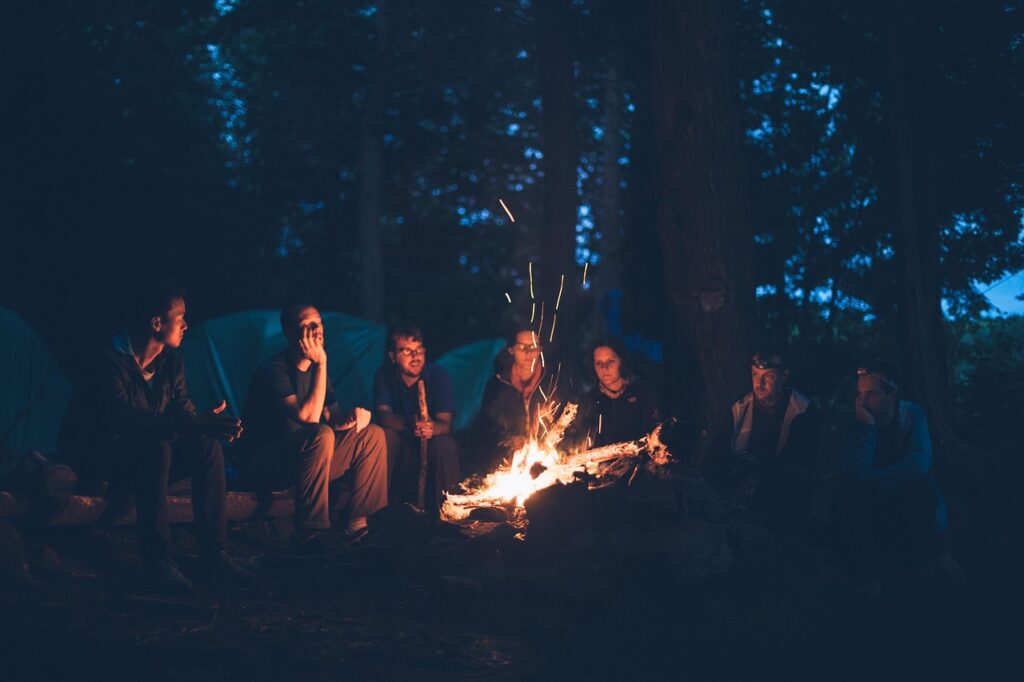
Most hunter-gatherer bands were relatively small, with people who knew one another extremely well over years. The human brain became very good at tracking the emotions, alliances, and reputations of a manageable number of individuals. This intimate social environment gave a clear sense of identity, purpose, and mutual obligation.
Modern life, however, throws us into giant offices, anonymous cities, and online networks with thousands of weak ties. Many people feel strangely lonely even while surrounded by others, because the brain still expects that core group of trusted allies. That is part of why close friend circles, small group hobbies, and tight-knit online communities feel so nourishing – they mimic the social structure our brains were originally expecting.
Our Stress System Is Built for Short-Term Survival, Not Chronic Worry

The stress response that makes your heart race and palms sweat was originally designed for immediate, physical challenges: a charging animal, a sudden storm, or a nearby threat from another group. A spike of stress hormones prepared your muscles, sharpened your senses, and helped you survive, after which your system could calm back down once the danger passed.
Today, most of our threats are long-term and abstract: debt, career uncertainty, global events, or social comparison. Your Stone Age stress system still responds as if a tiger is in the room, even when the “threat” is an email or a bill that will not be due for weeks. Instead of short bursts of stress followed by recovery, many people live in a low-grade survival state for months or years, which the ancient brain was never meant to handle.
We Learn Best Through Movement and Hands-On Experience
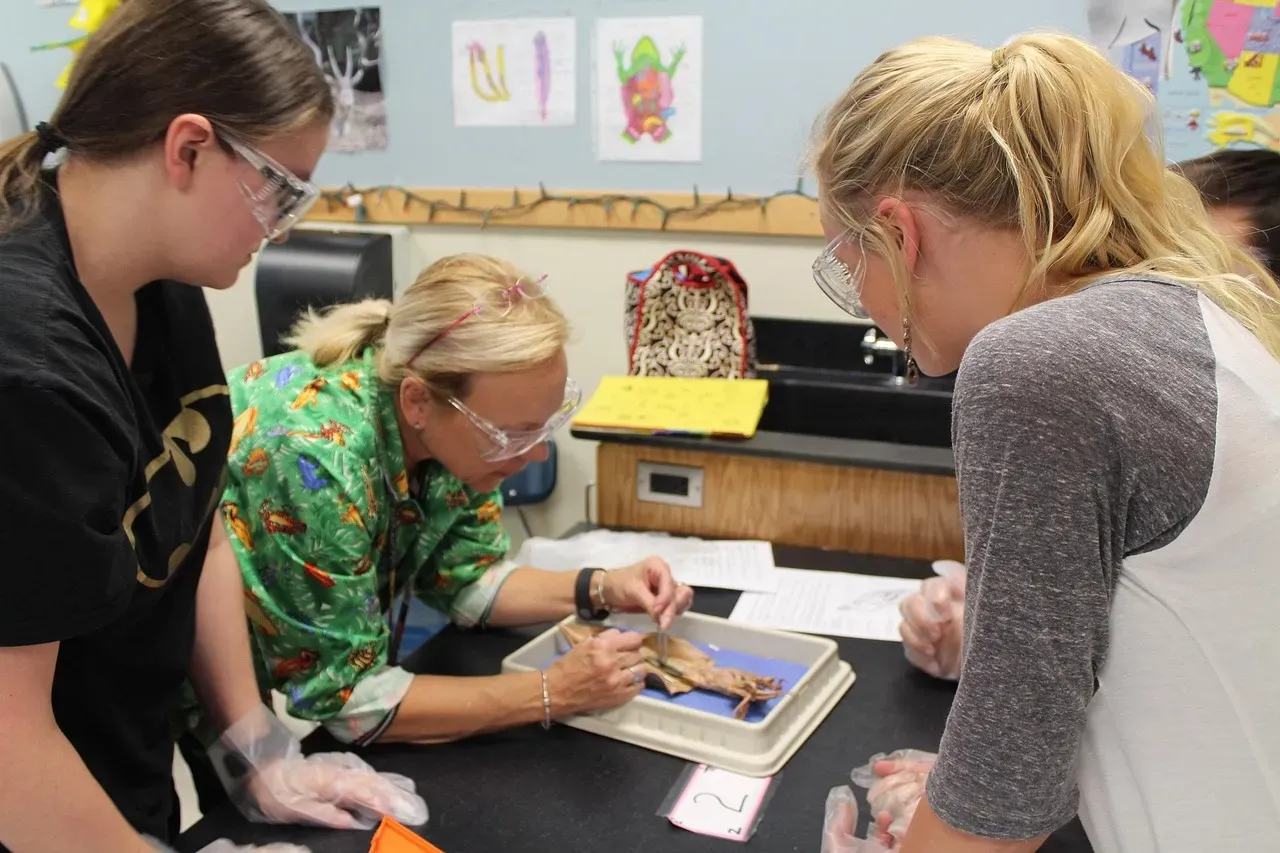
Hunter-gatherer life was intensely physical. Learning happened by doing: tracking footprints, throwing spears, climbing, digging, recognizing plants in the wild. The brain evolved in a context where movement and learning were tightly intertwined, and where knowledge was embedded in the body as much as in words.
Now, we ask children and adults to sit still for long hours while trying to absorb abstract information from screens and books. When focus crumbles and restlessness takes over, it is tempting to blame willpower, but the deeper issue is that a forager brain expects learning to be active, sensory, and socially embedded. That is why walking while thinking can unlock ideas, and why hands-on projects or simulations tend to stick in memory better than passive listening.
Stories and Gossip Are Our Favorite “Data Format”

In small bands, crucial knowledge about who could be trusted, which paths were dangerous, and how conflicts played out was shared through stories and everyday conversation. Human memory is especially tuned to narratives with characters, motives, conflict, and resolution. Gossip, for all its reputation, was one way groups enforced norms and tracked reputations without writing anything down.
Modern brains still find stories more compelling than dry statistics or bullet points. That is why people binge dramas, get hooked on online drama, and remember a single vivid anecdote far better than a long report. When you find yourself deeply drawn into a friend’s long story about work politics, you are using the same neural machinery that once helped your ancestors navigate campfire alliances and conflicts.
We Are Pattern-Seekers in a Chaotic World

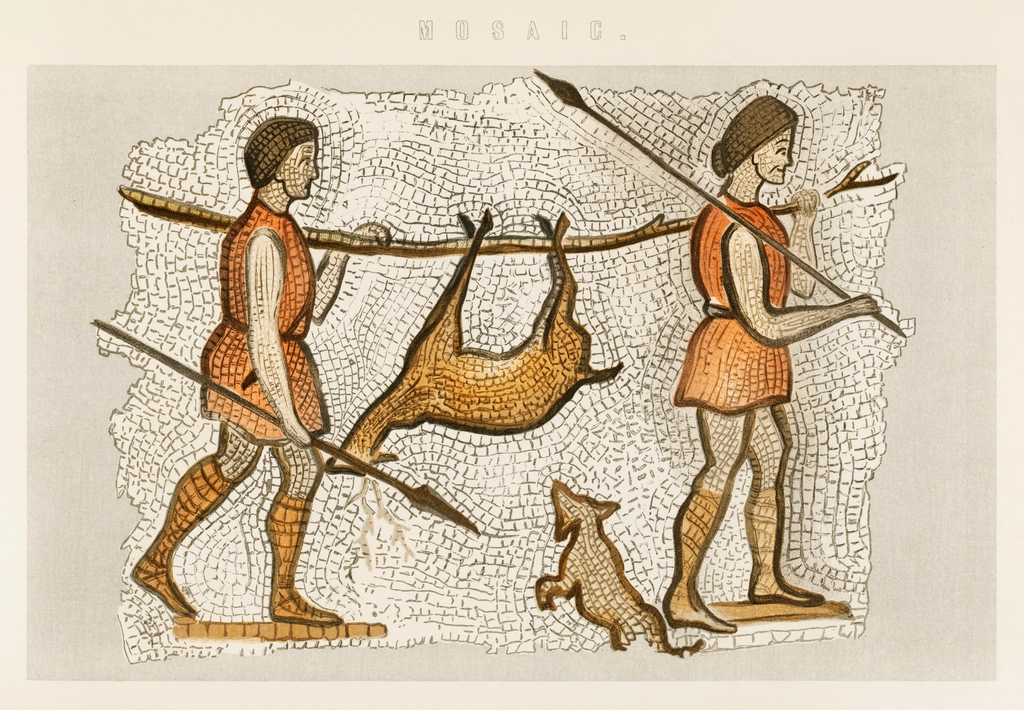
For a hunter-gatherer, seeing patterns early – like seasonal changes, animal migration routes, or signs that a neighboring band was preparing for conflict – offered a huge advantage. The brain evolved to connect dots quickly, sometimes even when the evidence was thin, because missing a real pattern could be far more costly than occasionally seeing one that was not there.
Today, that pattern-hungry brain tries to make sense of stock markets, social trends, and chaotic news cycles. It can lead to remarkable creativity and insight, but also to overinterpreting coincidences and chasing misleading narratives. When you notice faces in clouds, search for “signs” in random events, or feel convinced there is a hidden storyline behind unrelated happenings, you are watching an ancient survival tool spill over into a modern, noisy world.
Conclusion: Living Stone Age Minds in a Digital Age
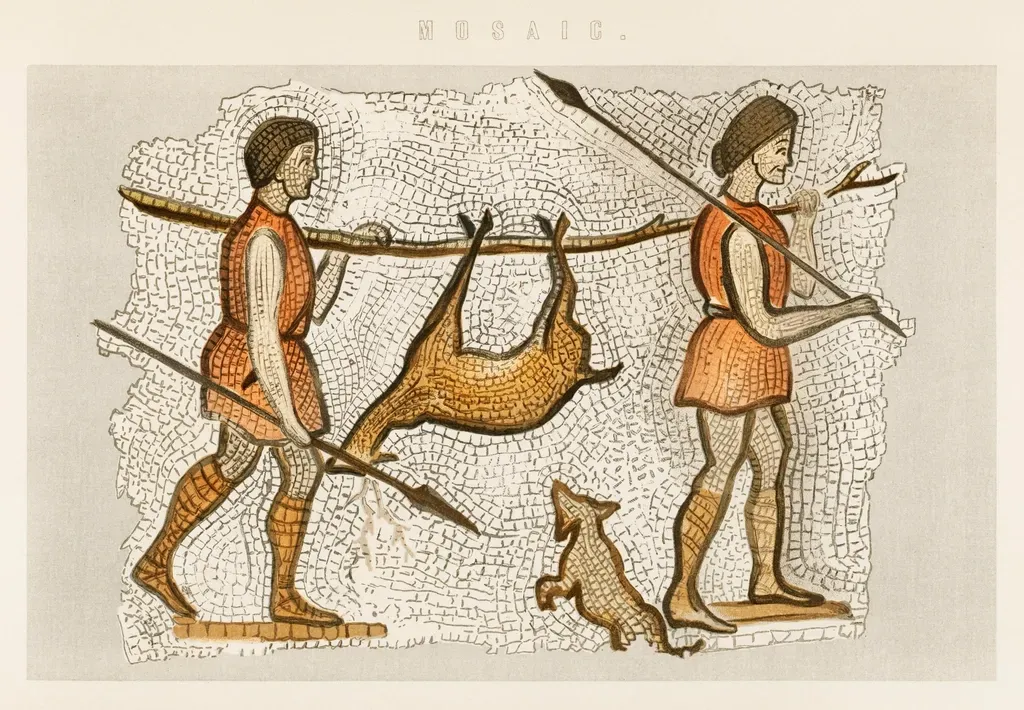
The modern brain is not broken; it is just running very old software on incredibly new hardware. Once you see that your cravings, anxieties, and distractions are rooted in a hunter-gatherer past, they feel a bit less like personal failures and more like predictable side effects of an environment that changed faster than biology could keep up. In my own life, the moments I have felt most grounded were not when I tried to out-muscle these instincts, but when I designed my habits with them in mind – more walks, fewer notifications, smaller circles, and food that does not constantly hijack ancient reward circuits.
We will not be going back to the savanna, and honestly, most of us would not want to. But we can nudge our modern world a little closer to what our brains were built for: real movement, real people, real stories, and real rest after real stress. The choice is not between living like a caveman or surrendering to digital overload; it is about understanding the animal inside the hoodie and giving it a fighting chance to feel at home. Knowing that your mind is still, in many ways, a clever hunter-gatherer, how will you choose to shape the world it has to live in every day?