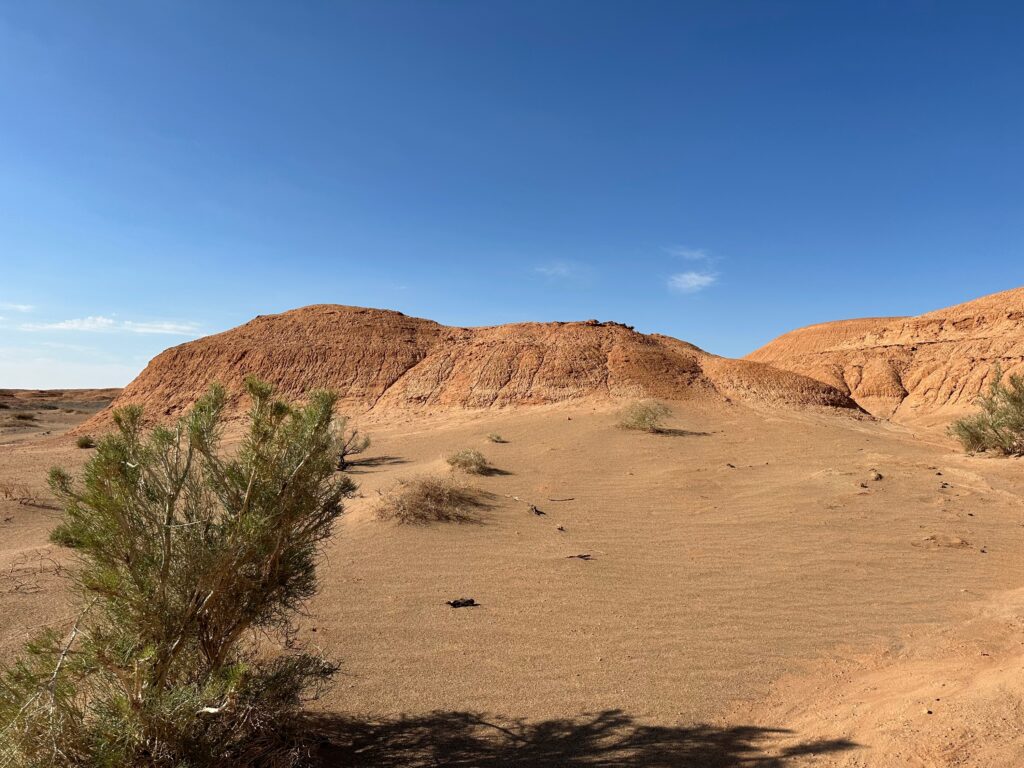
If you picture the Gobi Desert as just an endless, empty sandbox, you’re wildly underestimating it. This is a place where winter air can bite harder than many Arctic cities, where sand and stone hide skeletons from a lost world, and where two modern nations quietly share one of the harshest, most scientifically important landscapes on Earth.
The Gobi is a strange paradox: brutally cold yet called a desert, remote yet central to dinosaur science, barren at first glance yet full of stories written in rock. Once you start digging into what makes the Gobi special, it stops being background scenery and becomes one of the most unforgettable places on the planet.
A Desert That Belongs to Both China and Mongolia
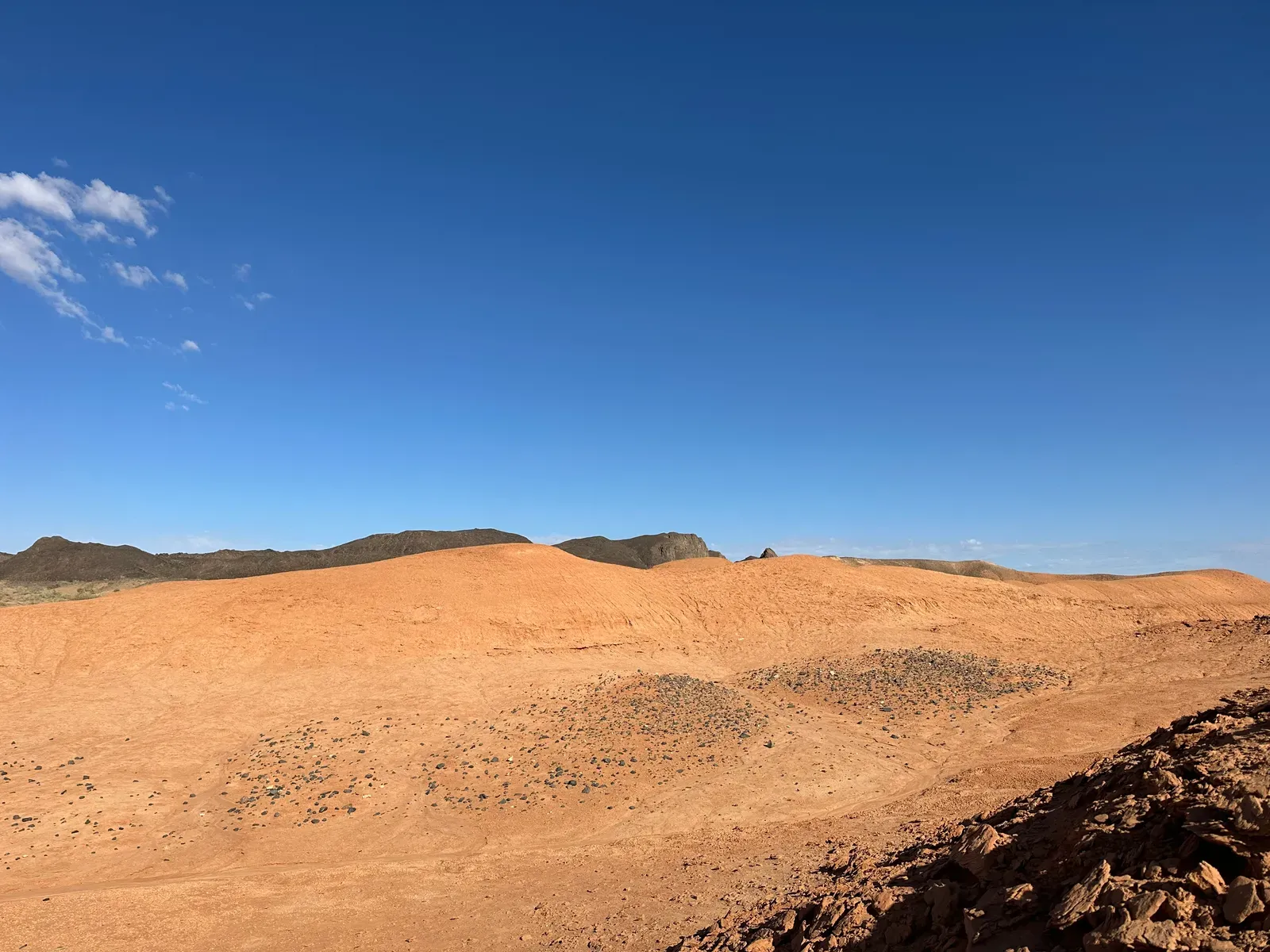
One of the most surprising things about the Gobi is that it is not owned by a single country. Sprawling across a huge swath of East Asia, the Gobi stretches from northern China up into southern Mongolia, ignoring human borders the way only landscapes can. In both countries it is intertwined with national identity, history, and modern policy, but the ecosystem itself does not care which side of the line it sits on.
Because it lies in two nations, the Gobi ends up being a kind of shared responsibility, and sometimes a shared problem. Decisions about mining, grazing, conservation, and tourism in one part of the desert can affect dust storms, wildlife, and even climate patterns across the border. In a way, the Gobi quietly forces China and Mongolia to think beyond politics and face the reality that the environment is a single, continuous system.
Cold Enough to Shock: Winters of Minus 40
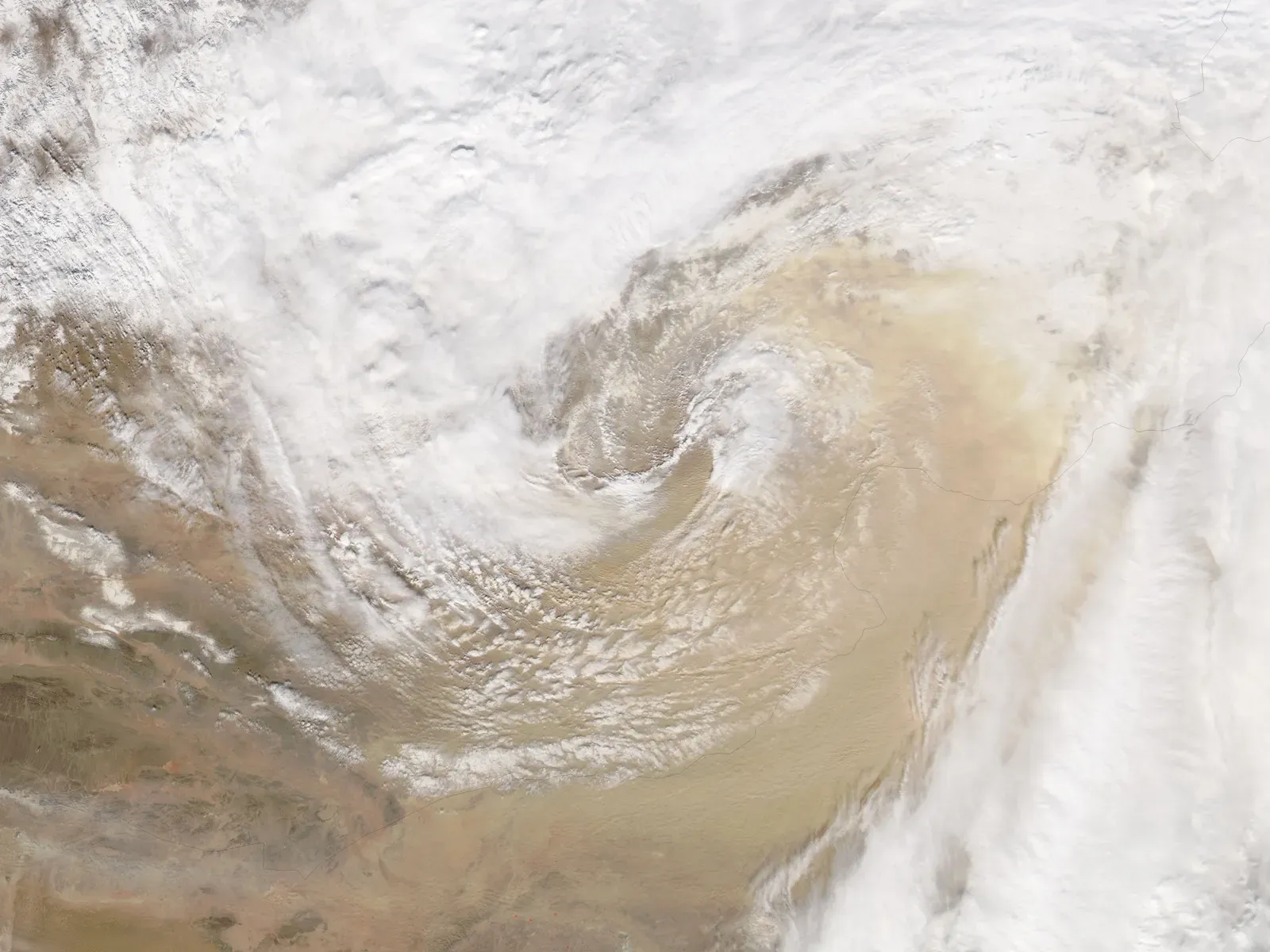
Most people hear the word desert and immediately think of scorching heat, but the Gobi loves to break that stereotype. In winter, temperatures can plunge to around minus forty degrees, cold enough that metal burns bare skin and the air feels like broken glass. That number is so extreme that the Celsius and Fahrenheit scales meet at the same point, which tells you just how vicious those nights can be.
In that kind of cold, survival is not just uncomfortable, it is a full-time job. Nomadic herders have to protect their animals from deadly blizzards, and even modern vehicles and equipment can fail when fluids freeze and batteries give up. The Gobi’s winters remind you that deserts are defined by dryness, not heat, and that some of the toughest conditions on Earth are found where sand meets snow.
From Ancient Seas to Fossil Treasure Chest
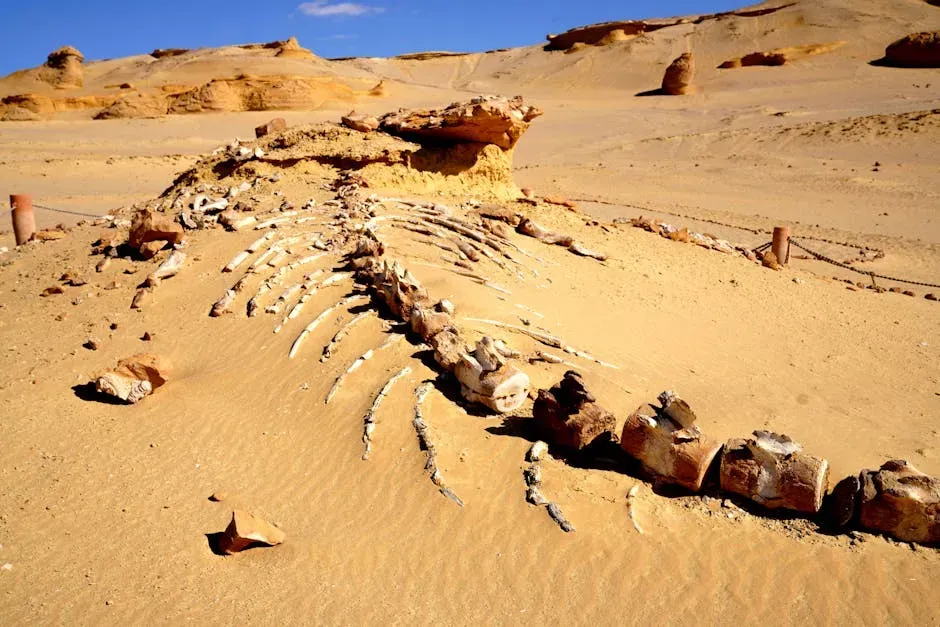
Long before it was a cold desert, the region that is now the Gobi passed through very different worlds. Over millions of years, shifting climates, seas, rivers, and volcanic landscapes laid down layers of rock that turned into a natural archive. Later, as conditions dried and erosion stripped away softer material, those layers were slowly peeled open like pages in a book.
That geologic history is exactly why the Gobi is such a fossil gold mine. Sediments that were once muddy floodplains, shifting dunes, and shallow basins became perfect storage vaults for bones, eggs, and even delicate impressions. Today, when paleontologists walk across the badlands of the Gobi, they are quite literally walking on the remains of vanished ecosystems that the desert has been quietly guarding for tens of millions of years.
Perfectly Preserved Dinosaur Fossils: Time Capsules in the Sand
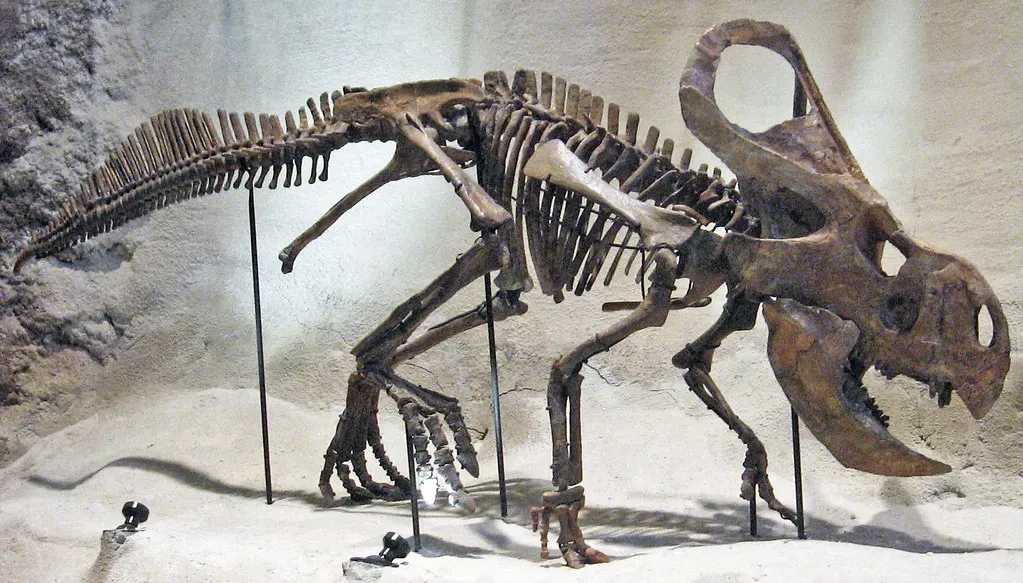
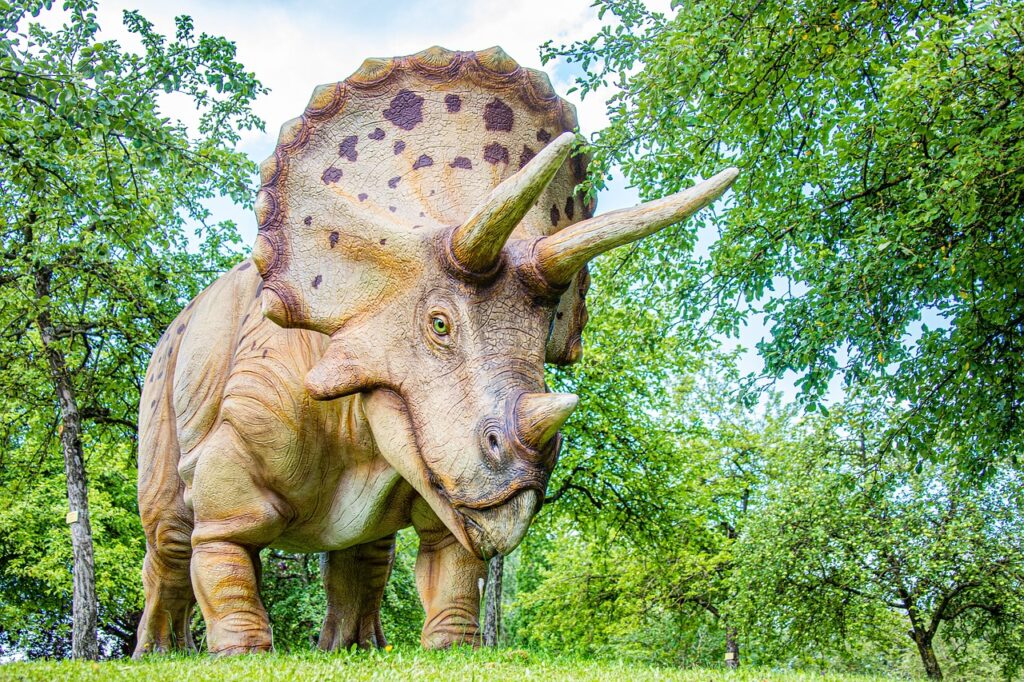
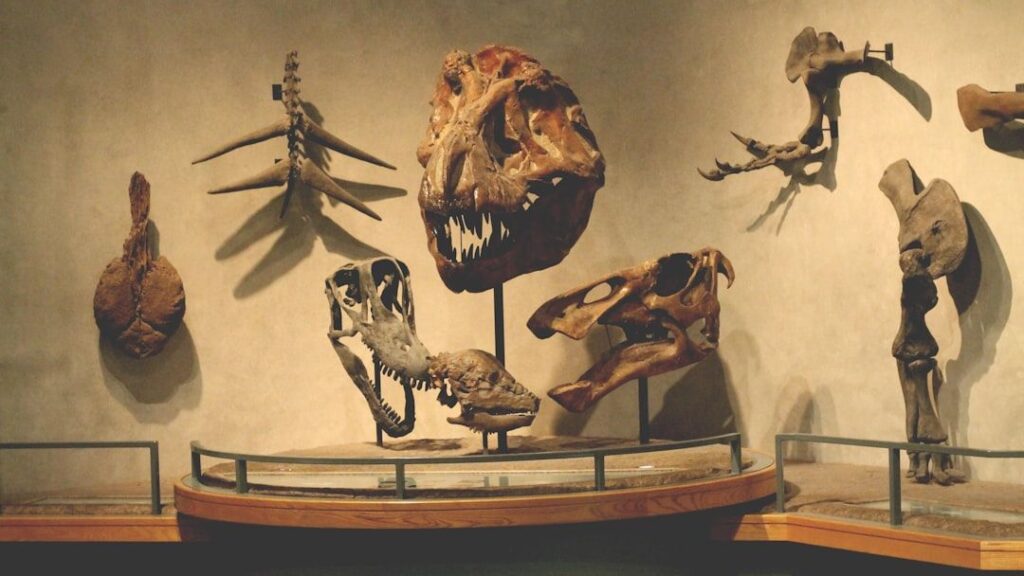
The Gobi is famous in paleontology for producing some of the most astonishingly preserved dinosaur fossils ever found. Instead of just scattered, broken bones, researchers have uncovered full skeletons, clutches of eggs, nests, and even dinosaurs frozen in dramatic poses, as if caught mid-action and then sealed away. These are not just fossils; they are snapshots of behavior, family life, and even predator–prey struggles.
Preservation like this depends on rapid burial and just the right mix of sediment, dryness, and stability over time. In some Gobi sites, it seems as if sudden sandstorms or collapsing dunes entombed animals before scavengers could destroy the remains. The result is a level of detail that lets scientists see tiny features like bone textures, growth patterns, and sometimes traces of soft tissues, turning dry bones into vivid stories about how dinosaurs actually lived.
A Harsh Home That Still Supports Life
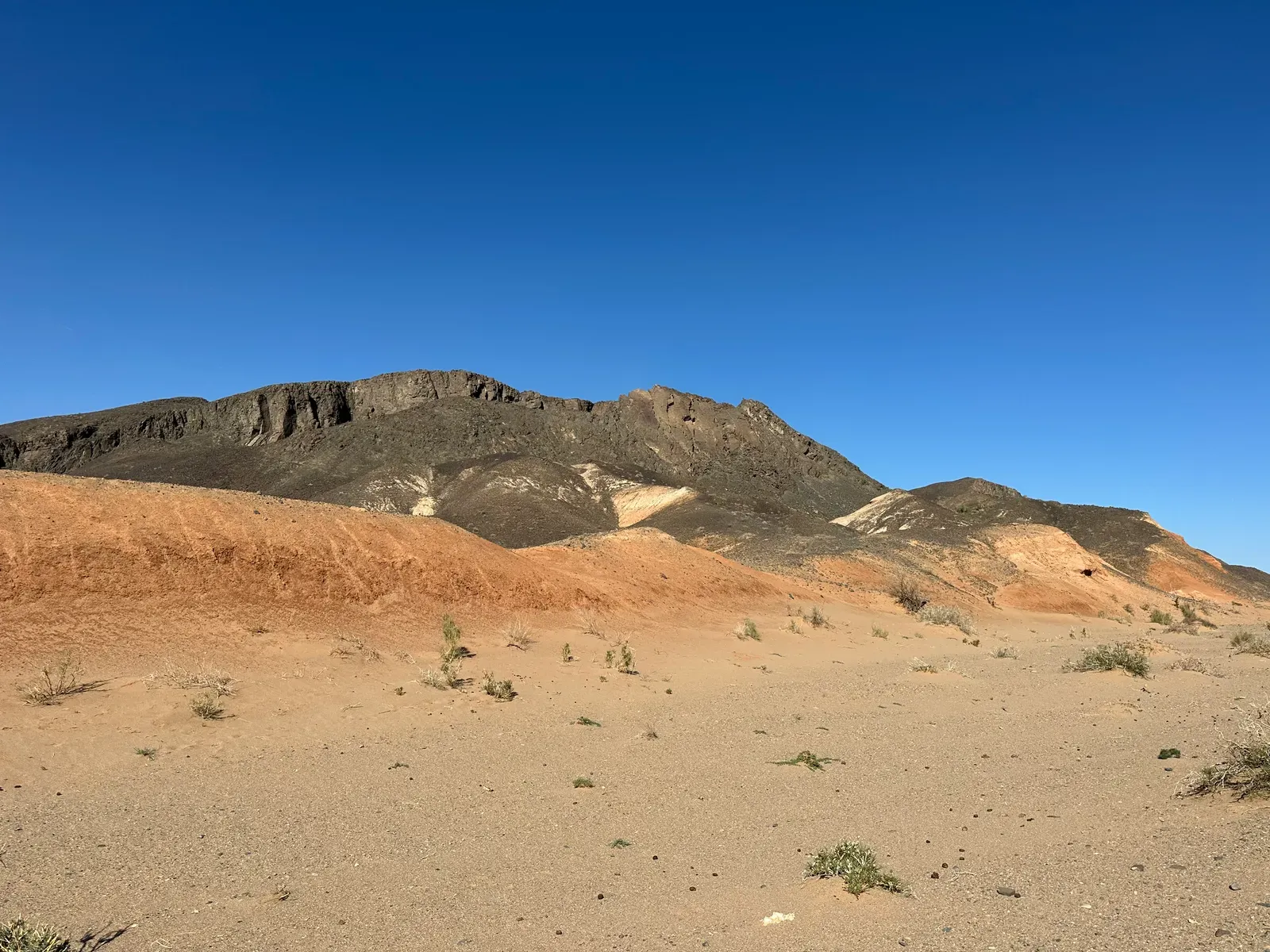
For all its brutal cold and unforgiving dryness, the Gobi is far from lifeless. Tough shrubs, hardy grasses, and scattered trees cling to the thin soils, adapted to survive long droughts, high winds, and temperature swings that would kill most garden plants. This sparse vegetation, in turn, supports wild camels, gazelles, rodents, and predators that know how to make a living on very little.
Human communities, especially nomadic herders in Mongolia and parts of China, have learned to read this landscape the way others read books. They move with the seasons, follow water and grazing, and adjust when winter hits harder than usual. It is not a romantic lifestyle in the easy sense; it is physically demanding and risky. But it shows that even one of the toughest deserts on the planet can become home if you understand its rhythms instead of trying to force your own.
Climate Change, Desertification, and Human Pressure
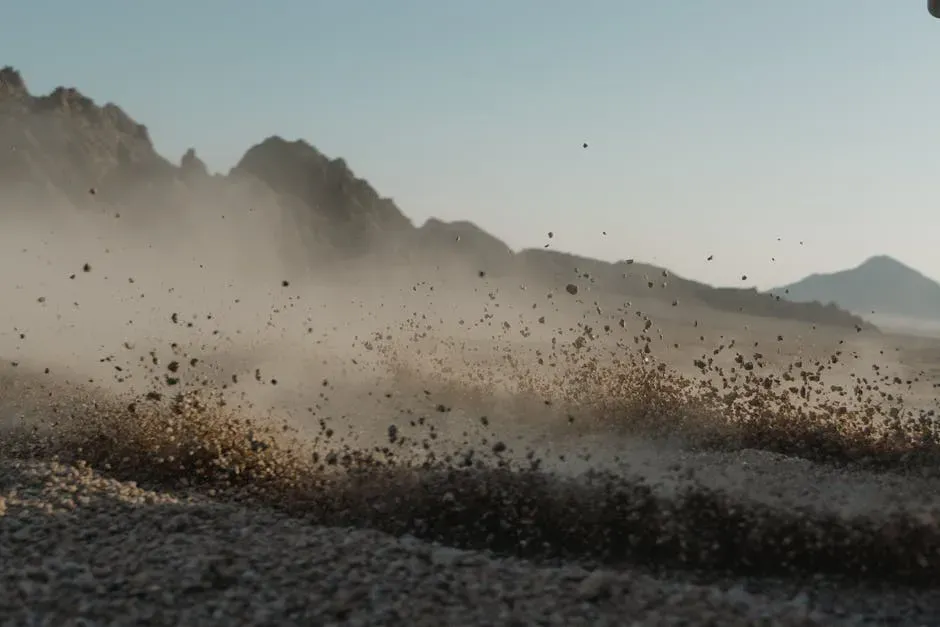
The Gobi today is not exactly the same Gobi that existed a few generations ago, and that worries a lot of scientists. Climate change, combined with overgrazing and land use decisions, is linked to expanding desert conditions around its fringes. This can mean more frequent dust storms, degraded grasslands, and stressed wildlife, and it does not stop neatly at national borders.
At the same time, there is a fierce debate about how much of this expansion is natural long-term variation and how much is driven by human activity. Large-scale projects to plant trees and stabilize sand, efforts to manage grazing, and rules around mining all reveal one thing: people know they are walking a tightrope. In my view, the biggest mistake would be assuming the Gobi is so big and tough that it will always bounce back; history shows even massive ecosystems can be pushed beyond what they can repair on their own.
A Living Laboratory for Science and Imagination
Beyond fossils and climate, the Gobi acts as a giant open-air laboratory, drawing researchers from multiple fields. Geologists read the rock layers to piece together past climates, biologists study how life adapts to extreme cold and dryness, and archaeologists trace the movements of ancient peoples who crossed or settled its margins. Every expedition seems to return with something that tweaks or overturns old assumptions.
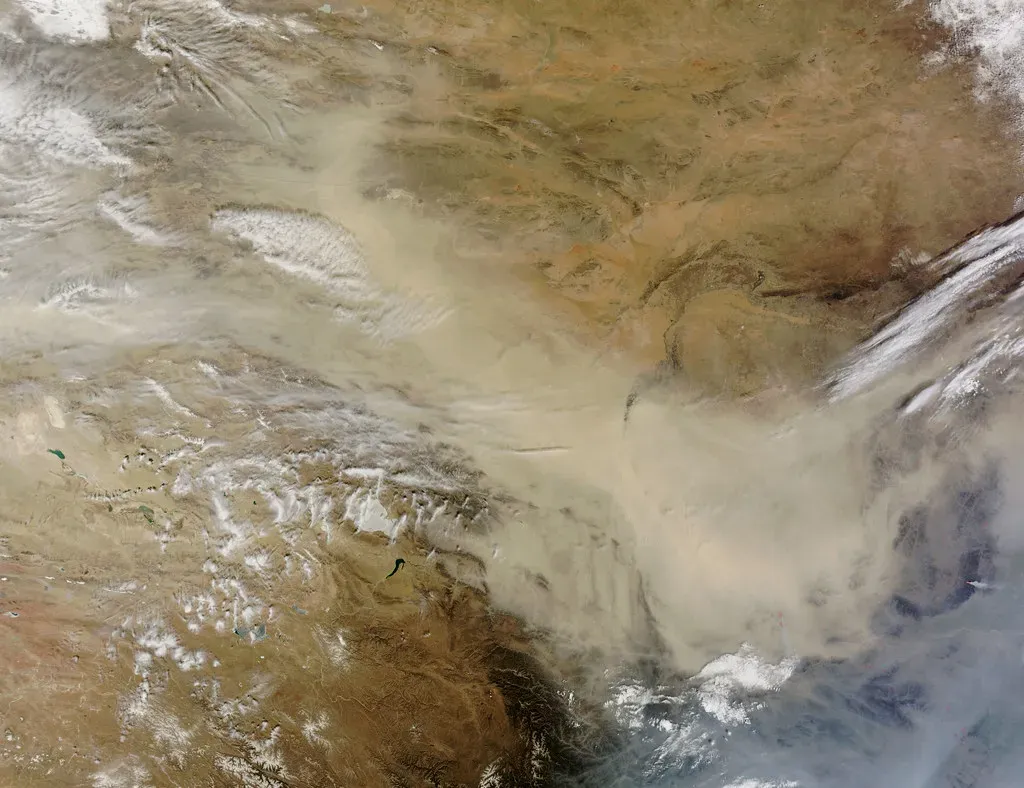
For the rest of us, the Gobi also lives in the imagination as a symbol of true remoteness, the kind of place you picture when you want to feel the edge of the map. When I first saw a satellite image of its pale, scarred surface, it felt less like a landscape on Earth and more like a slice of Mars wrapped around our own planet. That sense of otherworldliness is part of its power: it pulls you out of your daily routine and reminds you how strange, old, and wild our world still is.
Conclusion: Why the Gobi Deserves More Attention
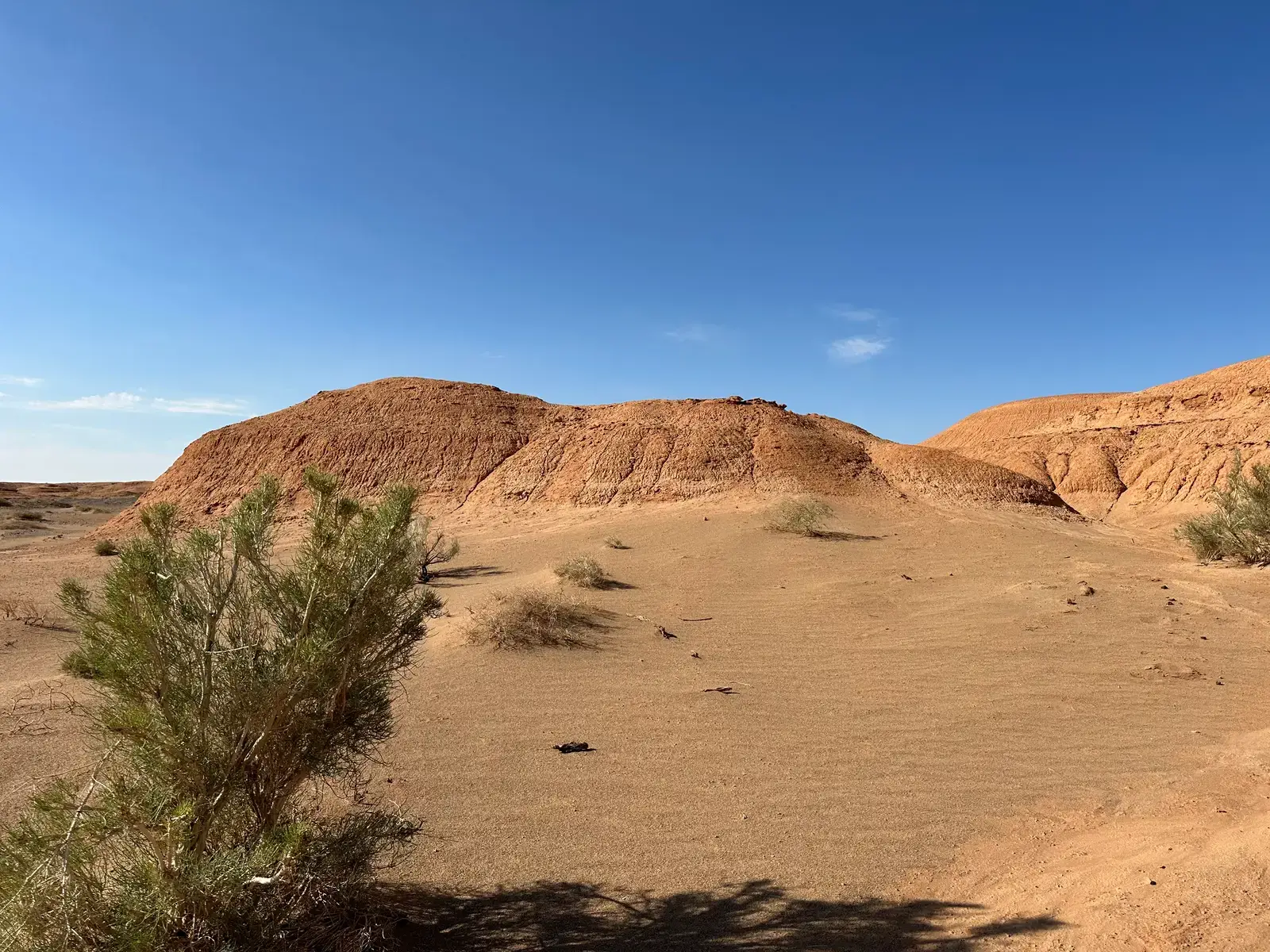
If the Gobi Desert sat inside a single country, were always hot, and had no fossils, I suspect most people would barely think about it. Instead, it straddles two nations, freezes harder than many northern cities, and holds some of the clearest windows into dinosaur life that science has ever seen. To me, that combination makes it one of the most underrated places on Earth, a landscape that quietly outperforms its reputation in every category that matters.
I think we underestimate deserts because they do not shout for attention the way jungles or coral reefs do, but that is exactly why they are easy to damage and slow to recover. The Gobi deserves curiosity, respect, and careful stewardship, not just extraction and neglect. When you realize it is at once a brutal winter desert, a shared international responsibility, and a treasure chest of fossils, it becomes hard to ignore. Next time you hear the word desert, will you still picture only heat, or will a frozen, fossil-rich Gobi sneak into your mind instead?