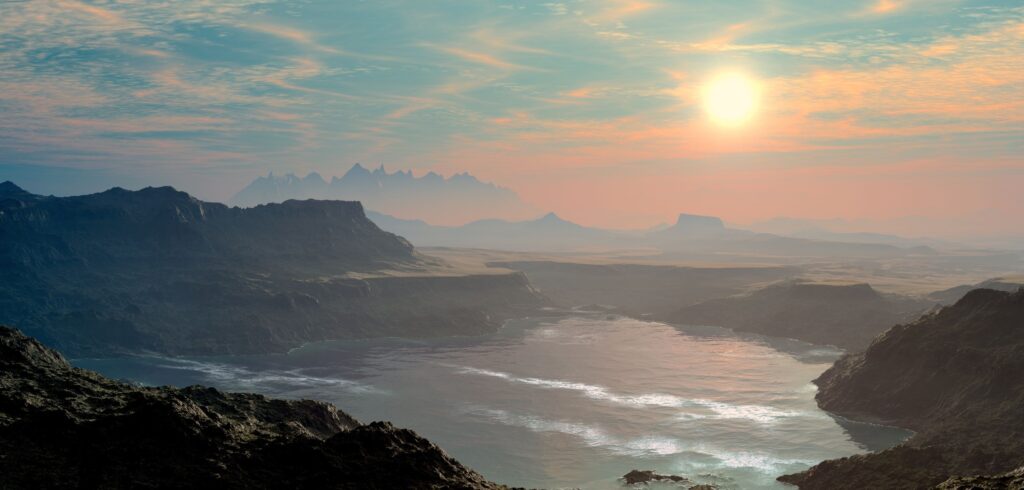
Try this: the next time you’re standing on a beach, watching waves roll in, imagine the water turning murky green, the air heavy with volcanic haze, and shadows of car-sized predators cruising just beneath the surface. Our oceans today can feel wild and dangerous, but compared to much of Earth’s deep past, they’re almost… polite. Prehistoric seas were stranger, darker, and in many ways far more hostile to anything that dared to swim, crawl, or drift in them.
When we talk about ancient oceans, we are not just talking about “more sharks” or “bigger fish.” We are talking about fundamentally different chemistry, crushing greenhouse climates, bizarre ecosystems, and extinction events that turned entire seas into dead zones. The fossil record, combined with modern geochemistry and climate models, paints a picture that’s both scientifically thrilling and honestly a little unsettling. Let’s dive into what those oceans really looked like – and why you probably wouldn’t have survived very long in them.
Oceans Without Oxygen: The Deadly Purple Seas
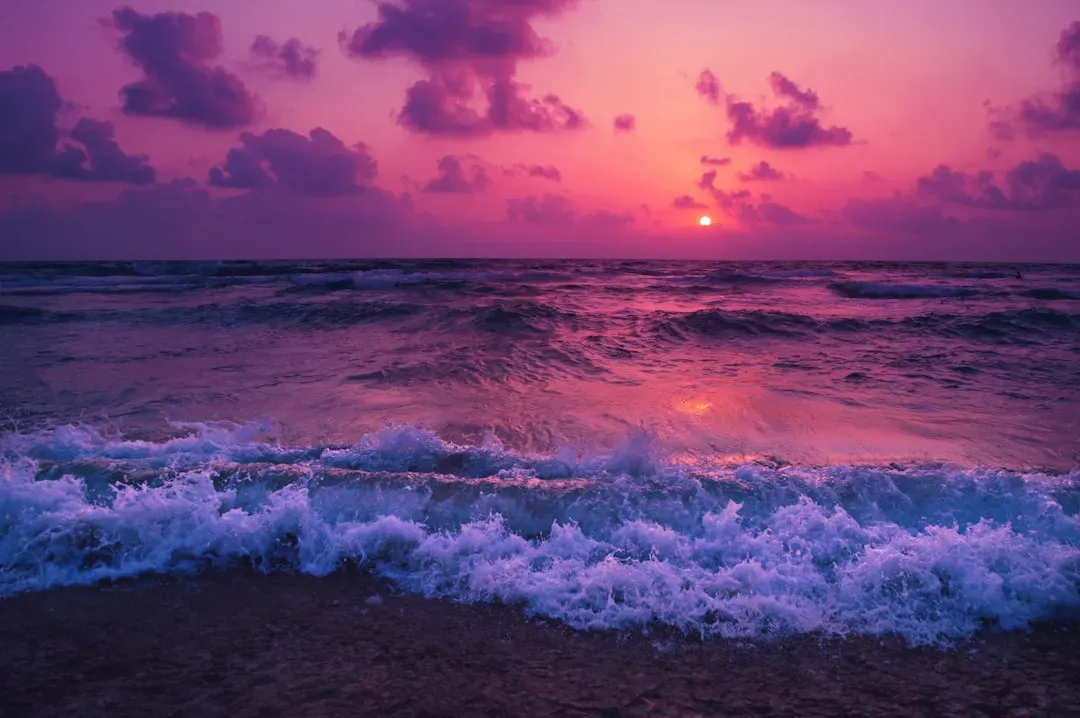
Imagine diving into water that looks like grape soda from above… but smells like rotten eggs and can literally suffocate you. At several points in Earth’s history, huge parts of the oceans were starved of oxygen, a condition scientists call anoxia. In these suffocating seas, instead of the familiar blue, large regions would have been dominated by microbes that thrive in low-oxygen conditions, possibly giving the water a murky green, brown, or even purplish tint depending on depth and light.
These anoxic events were not small, local oddities. Evidence from ancient rocks and sediments suggests that during some intervals, like parts of the Devonian and the Permian, entire ocean basins turned into toxic, stratified layers. Near the surface, life clung on; deeper down, the water was loaded with hydrogen sulfide – a poisonous gas that can kill animals and strip coastal ecosystems. Compared to our well-oxygenated modern seas, these ancient oceans were closer to a planetary chokehold, periodically wiping out marine life on a terrifying scale.
Super Greenhouse Waters: Hotter Than Any Beach You’ve Known
If you think a summer heatwave makes the ocean feel like bathwater, prehistoric greenhouse intervals would have felt more like a hot tub you can’t get out of. During times such as the mid-Cretaceous, global temperatures were so elevated that tropical seas may have hovered well above what most modern marine life can tolerate for long. Warm water holds less oxygen, so these heated oceans were not just uncomfortably hot; they were also more suffocating for animals trying to breathe.
Extended greenhouse phases were often driven by massive volcanic outpourings that pumped carbon dioxide and other gases into the atmosphere. That extra heat supercharged the water cycle, intensified storms, and altered ocean circulation. A coastal swimmer back then might have endured long stretches with no real “cool season,” instead living beside perpetually warm, storm-prone seas prone to sudden ecological collapses. Our warming oceans today are worrying precisely because they echo, on a smaller scale, the same pattern that once helped turn entire marine ecosystems upside down.
The Age of Giant Predators: When the Seas Were Apex Arenas
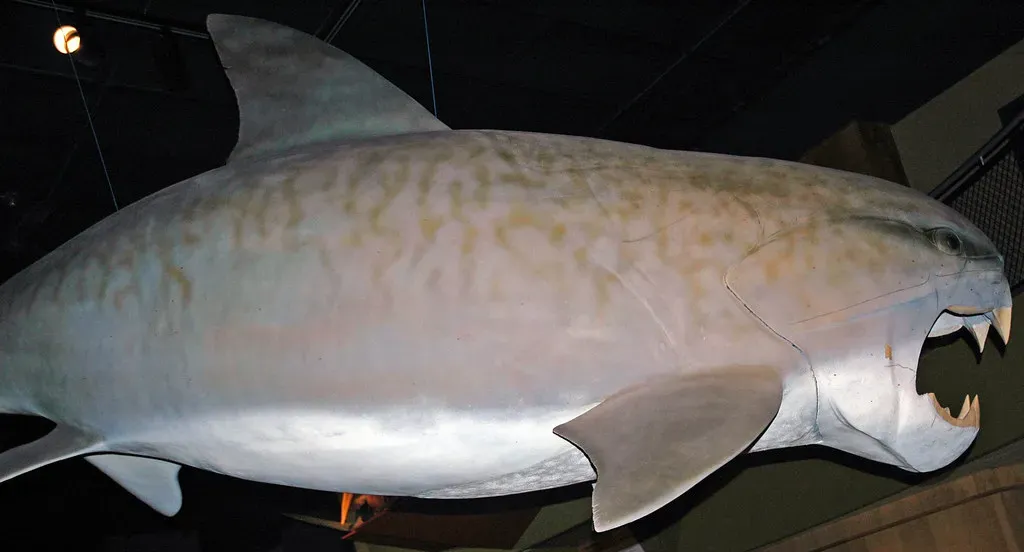
Modern oceans have sharks, orcas, and giant squid – impressive, yes, but they would have had serious competition from prehistoric apex hunters. Picture a shark-like reptile the size of a bus, or a fish with armored jaws strong enough to bite a creature in half. The Devonian seas hosted Dunkleosteus, a heavily armored predator with bladed jaw plates, while later eras saw marine reptiles like mosasaurs and plesiosaurs ruling the waves with terrifying efficiency.
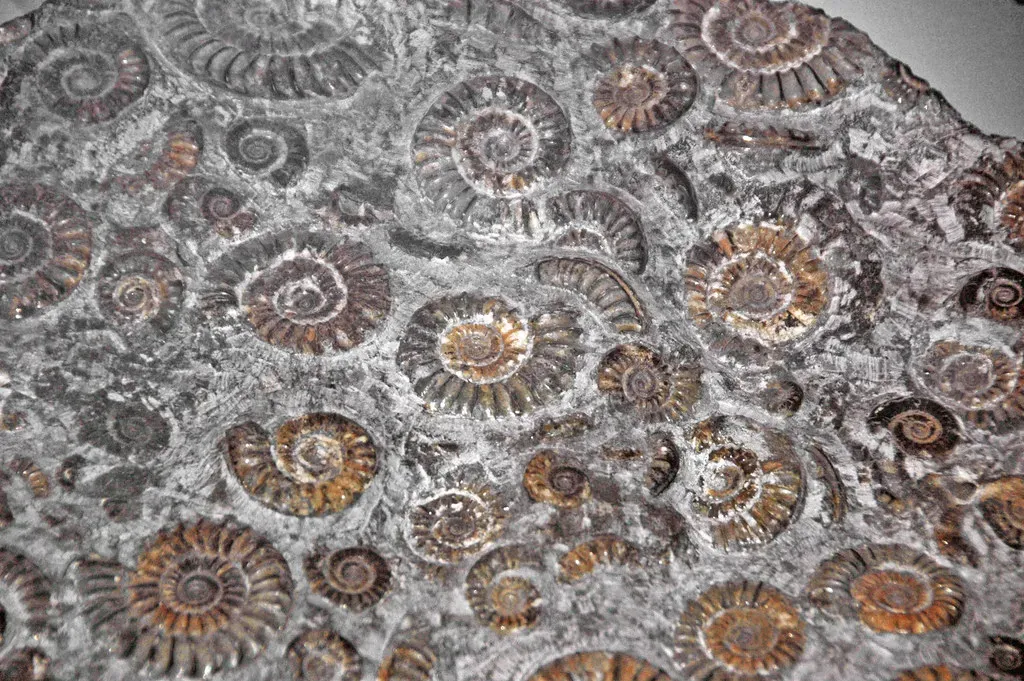
What makes these predators especially unnerving is the combination of size, power, and ecosystem structure. Food webs were often stacked with large, mid-level carnivores and top-level killers, creating oceans where being “big” hardly guaranteed safety. Even the smaller hunters could be nightmare material: some ammonites had spiky shells and sharp beaks, and early sharks filled niches we now associate with crocodiles or barracuda. Compared with today’s oceans, which have lost many of their largest animals, ancient seas were more like a packed arena of heavyweights – and you, as a soft-bodied land primate, would have been easy prey.
Alien-Looking Life Forms: The Cambrian’s Weirder-Than-Sci-Fi Seas
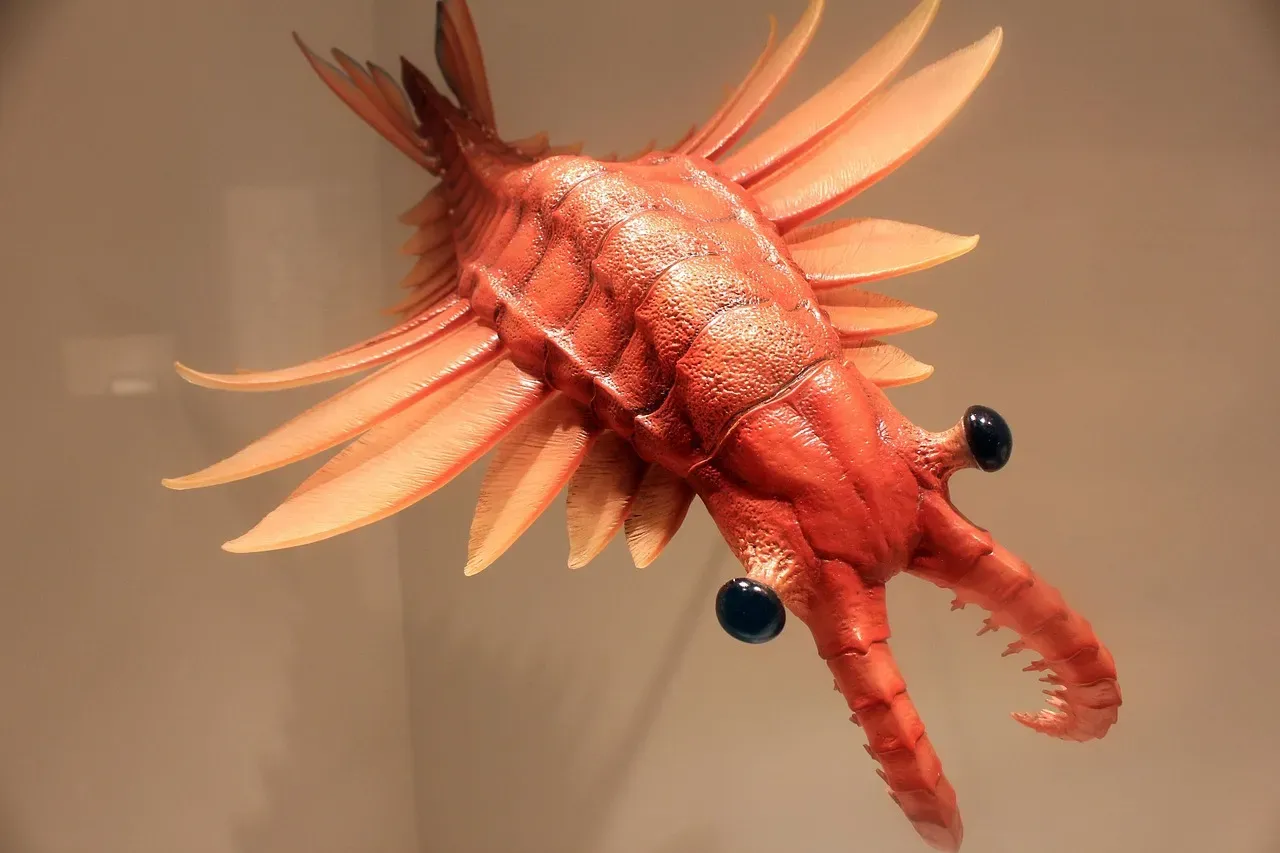
Long before familiar fish and crabs evolved, the oceans were filled with creatures that would look more at home in a surreal art exhibit than in a nature documentary. During the Cambrian period, marine ecosystems exploded with new body plans as evolution experimented wildly. You would have seen animals with spines sticking out in every direction, soft-bodied swimmers with flaps and tentacles, and predators with sideways jaws or bizarre grasping appendages.
One of the most unsettling things about these early seas is how unfamiliar almost everything would look. There were no sharks, no whales, no familiar reef fish. Instead, trilobites scuttled across the seafloor like armored pill bugs, while strange filter feeders anchored themselves in the mud with long stems. Swimming above, lobopod creatures wriggled through the water, and some early predators had body designs that seem almost deliberately strange, with eyes on stalks and mouths that opened like trapdoors. The terror here is not just “big teeth,” but pure alienness – an environment where nothing looks like anything your brain is used to recognizing as an animal.
Poisoned and Acidic: When Carbon Overload Corroded the Seas
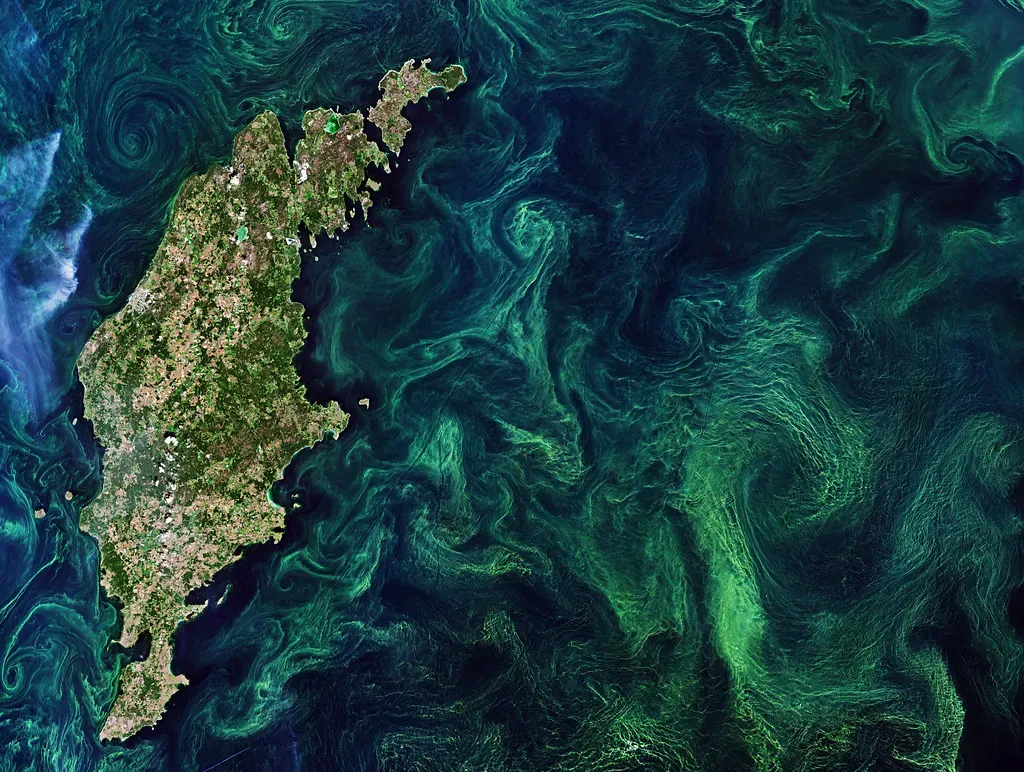
At multiple points in Earth’s past, the oceans became chemically hostile in ways that would horrify a modern scuba diver. Rapid releases of carbon dioxide – often linked to massive volcanic eruptions or destabilized seafloor methane – dissolved into the ocean and made the water more acidic. This acidity attacks calcium carbonate, the stuff many marine organisms use to build shells and skeletons. Imagine coral reefs and shellfish beds literally dissolving faster than they can grow.
These acidification events were particularly brutal because they hammered the base of the marine food web. When the tiny shell-building plankton, corals, and shellfish that support entire ecosystems begin to crumble, everything higher up the chain is at risk. The result: weakened reefs, fewer safe habitats, and open water dominated by organisms that can handle the chemical chaos, often at the expense of biodiversity. Today’s ocean acidification is alarming in part because we know, from the deep past, that when the seas turn corrosive, major extinctions are never far behind.
Megafloods, Megastorms, and Drowning Continents
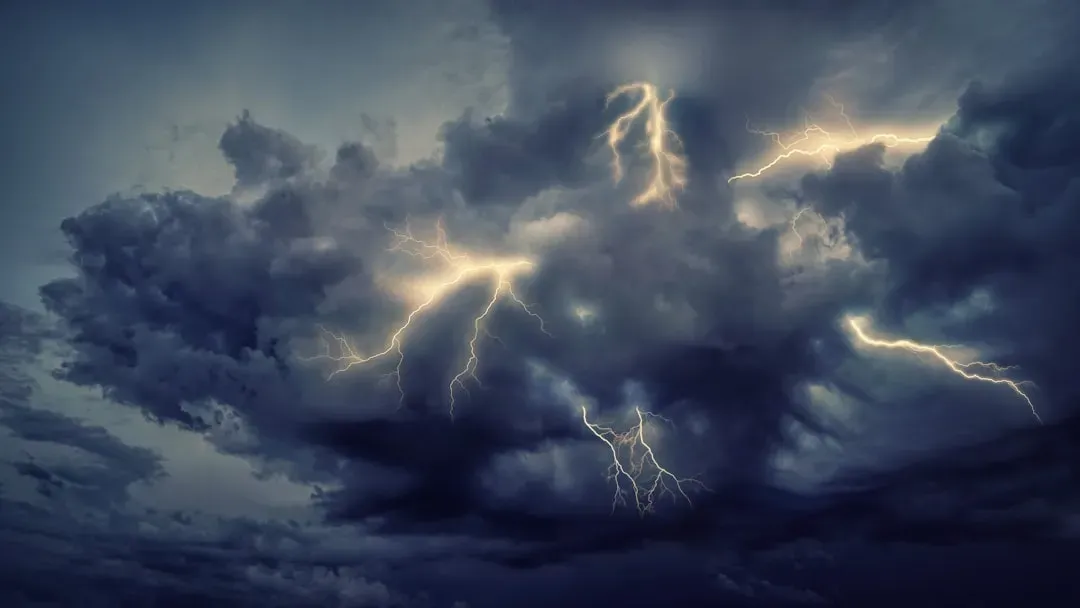
In some prehistoric intervals, sea levels were so high that large chunks of continents vanished beneath shallow, inland seas. Picture the middle of a continent you know – maybe the central United States – covered by warm, tropical water full of marine reptiles, ammonites, and swarms of plankton. These epic inland seas were breeding grounds for both life and disaster, vulnerable to storms, sediment flows, and oxygen crashes that could turn them into giant, expanding dead zones.
High sea levels also meant coastlines were far more unstable and dynamic. Storm surges, fueled by warm oceans, could push shallow seawater far inland, leaving behind layers of marine sediment and sometimes mass graves of animals. Living near the coast in those ages meant your entire habitat could be swallowed by the sea on geological short notice. Compared with our current shorelines – already threatened by rising seas – ancient highstands remind us that oceans can quite literally walk onto land and stay there for millions of years.
Mass Extinction Oceans: When Everything Dies at Once
The most chilling scenes from prehistoric oceans are tied to mass extinction events, when environmental stressors stacked up into a lethal combination. The end-Permian extinction, sometimes called the Great Dying, wiped out the vast majority of marine species. In many places, the seafloor turned into a lifeless, blackened plain, with thin layers of fossil-poor rock marking intervals when almost nothing larger than microbes survived. Imagine diving in and seeing… almost nothing moving at all.
These catastrophic intervals often involved a deadly cocktail: super greenhouse warming, widespread anoxia, acidification, and disrupted circulation. The terrifying part is not just the loss of big, charismatic predators, but the collapse of entire food webs from bottom to top. Today, when scientists track oxygen loss, warming, and biodiversity decline in our own oceans, they do so with the uncomfortable knowledge that the planet has been here before – and the outcome then was anything but gentle.
Why Today’s Oceans Feel Safer – But Are Still on the Edge
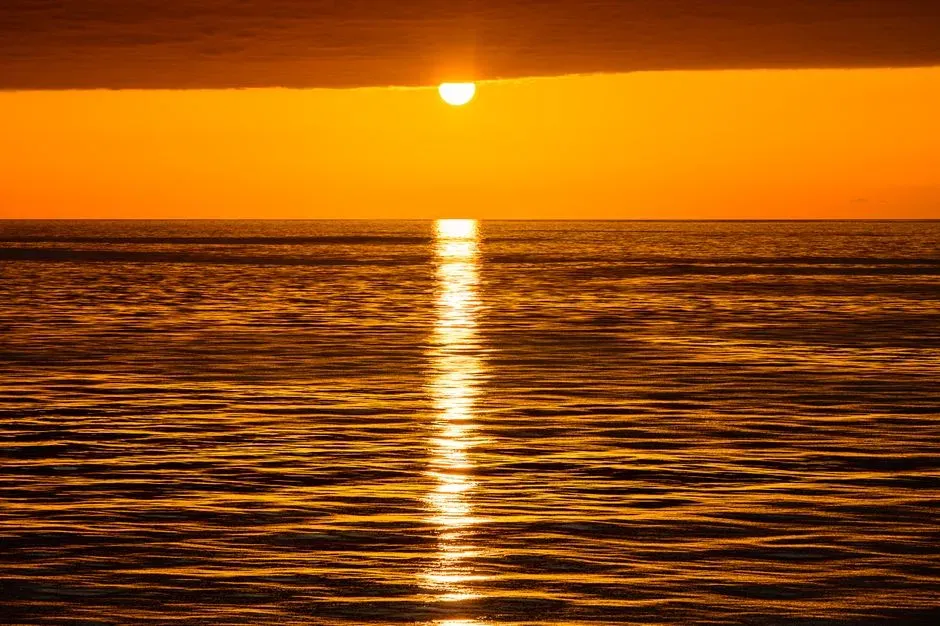
Modern seas, for all their storms and sharks, are far more hospitable than many of their prehistoric counterparts. Oxygen levels, while under some regional pressure, are generally high enough to support complex webs of fish, corals, mammals, and invertebrates. The water is clearer in many places, with stable chemistry that lets shells and reefs form, and average temperatures are still below the extreme greenhouse levels of some ancient intervals. In short, you could plausibly learn to swim and survive in most of today’s ocean environments, given the right gear and caution.
But here’s the uncomfortable opinion: that relative safety may be blinding us to how fragile the whole system is. We are now nudging the oceans in directions that echo past disasters – warming, acidifying, and deoxygenating them, while stripping out many of the big predators that once made the seas feel so ruthless. The prehistoric record makes one thing painfully clear: oceans can go from thriving to terrifyingly hostile faster than feels intuitively possible on human time scales. The real question is not whether ancient oceans were more frightening; it is whether we are quietly steering today’s oceans back toward that darker, deadlier version of themselves.
Conclusion: A Terrifying Past as a Warning, Not a Monster Story
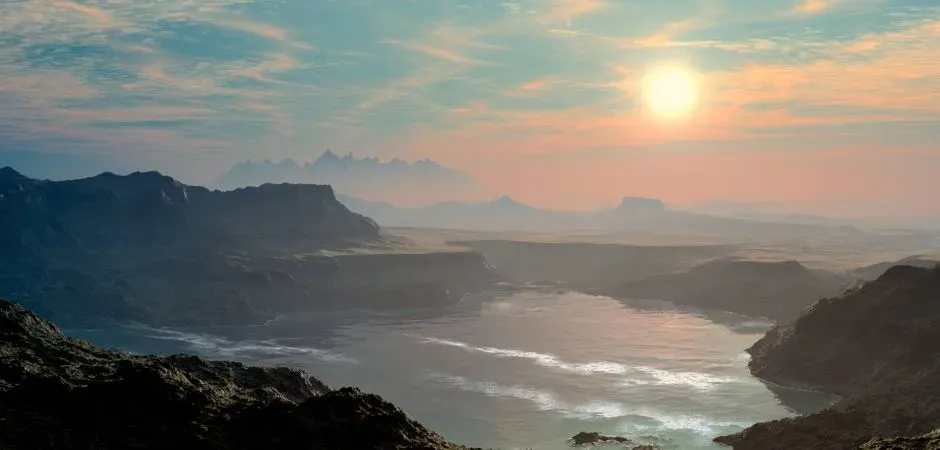
Looking back, prehistoric oceans really were more terrifying than what we swim in today – but not just because of teeth and tentacles. They were frightening because the whole system was often on a knife’s edge: toxic, overheated, oxygen-starved, and periodically emptied out by extinction events. Standing on a modern beach, it is oddly comforting and unsettling at the same time to realize that the familiar blue horizon hides a history of chaos we can barely imagine without fossils and chemistry to guide us.
Personally, I find that prehistoric seas feel less like some distant monster movie and more like a blunt warning label on our own moment in time. The ancient record shows what happens when carbon overload, warming, and disrupted circulation are allowed to run unchecked: oceans become alien, dangerous, and in many places nearly lifeless. So yes, those ancient waters were more terrifying – but the truly scary part is how recognizable some of the early warning signs look today. When you picture those purple, suffocating seas, do they feel like a story about the past… or a preview we still have time to avoid?