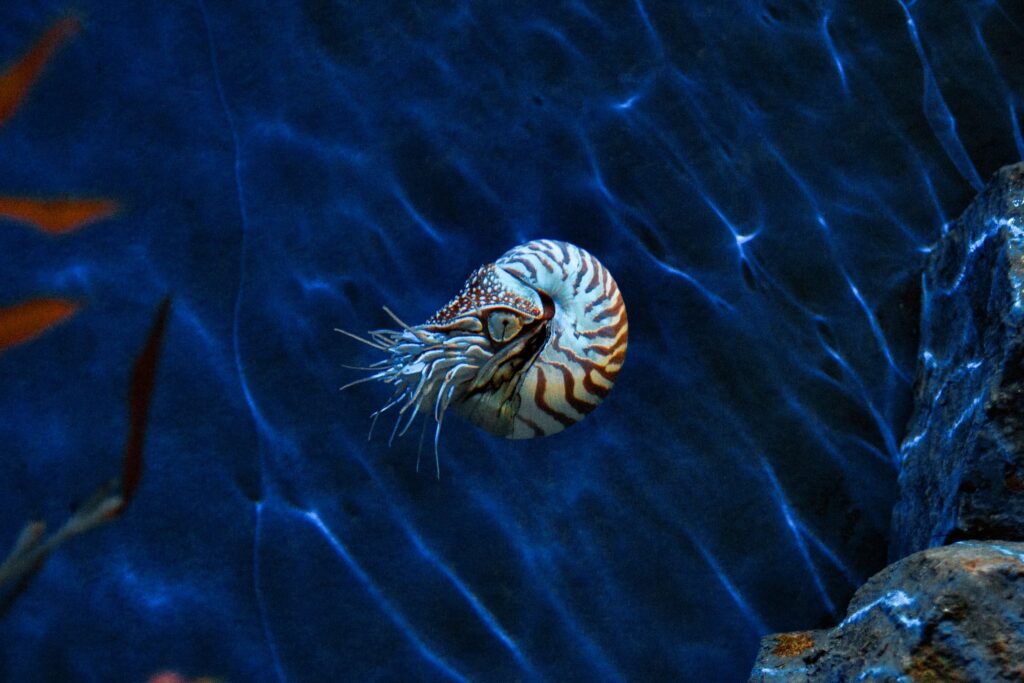
Picture an animal that has glided through the oceans for hundreds of millions of years, watching whole lineages rise and vanish, from early fish to gigantic reptiles to us. That same creature, the nautilus, is still alive today, looking almost like a living fossil you might expect to find in a museum rather than moving through deep tropical waters. Yet scientists are now realizing that beneath its familiar spiral shell, this ancient survivor may be quietly changing in subtle, hidden ways.
For a long time, people treated the nautilus as a symbol of evolutionary stillness, like nature hit pause and left it unchanged while everything else evolved around it. But a wave of modern research is starting to complicate that story, suggesting that what looks “unchanged” on the outside can mask slow-motion transformations in genes, anatomy, and behavior. The real mystery now is this: if the nautilus has been adapting all along, how much about it have we been missing simply because we were not looking closely enough?
A Survivor Older Than Dinosaurs
The nautilus lineage stretches back roughly to the late Paleozoic, long before the first dinosaurs stomped across Pangaea. Its ancient relatives, the nautiloids, once filled the seas in huge numbers, from small coiled shells to massive straight-shelled predators several meters long. When you look at a modern nautilus, you are looking at one of the last remaining branches of that once-dominant group, a remnant of an era that feels almost mythic compared to our world today.
What blows my mind is that the ancestors of the nautilus survived several mass extinctions that erased most marine species, including the catastrophe that ended the age of the dinosaurs. To endure that level of planetary chaos, over and over, you cannot be fragile or inflexible. The nautilus is not just old; it is proof that slow, steady adaptability can sometimes beat speed and drama in the evolutionary arms race.
Why Scientists Once Called It a “Living Fossil”
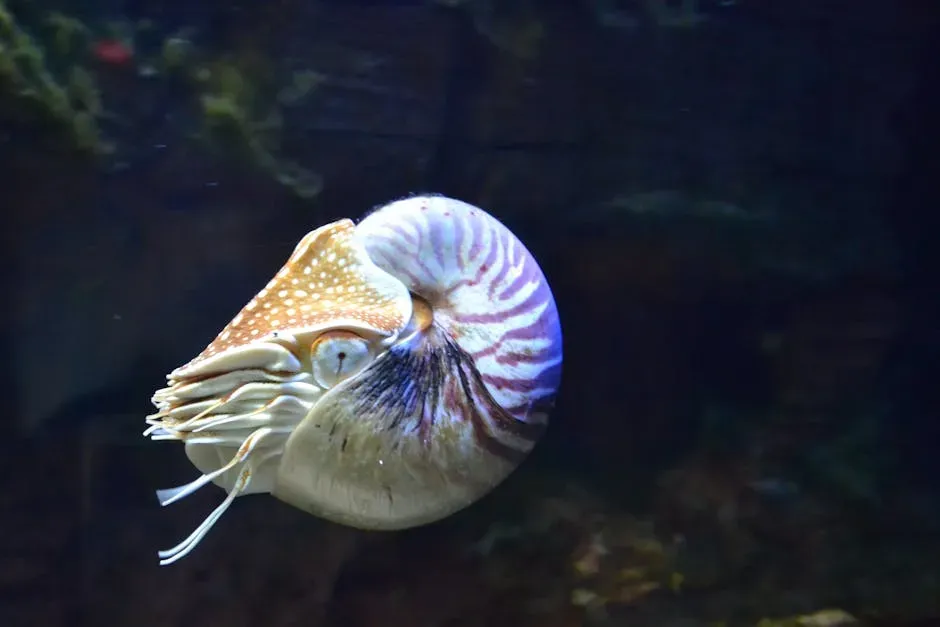
For decades, textbooks and documentaries happily labeled the nautilus as a classic “living fossil” because its coiled shell seemed so similar to fossil nautiloids from deep time. The logic was simple: the shell shape looked familiar, the basic body plan seemed similar, therefore the animal must have barely changed. It was a neat, comforting story, like finding a time capsule that never got disturbed.
But nature rarely fits our neat stories. As scientists started to look beyond shell outlines and dig into detailed anatomy, development, and genetics, the picture became more complicated. The term “living fossil” turns out to be more about our limited perspective than about the animal itself. It is basically a label for “we have not studied this enough yet,” and in the case of the nautilus, that label probably underestimated just how dynamic its long history has been.
The Hidden Life Behind the Spiral Shell
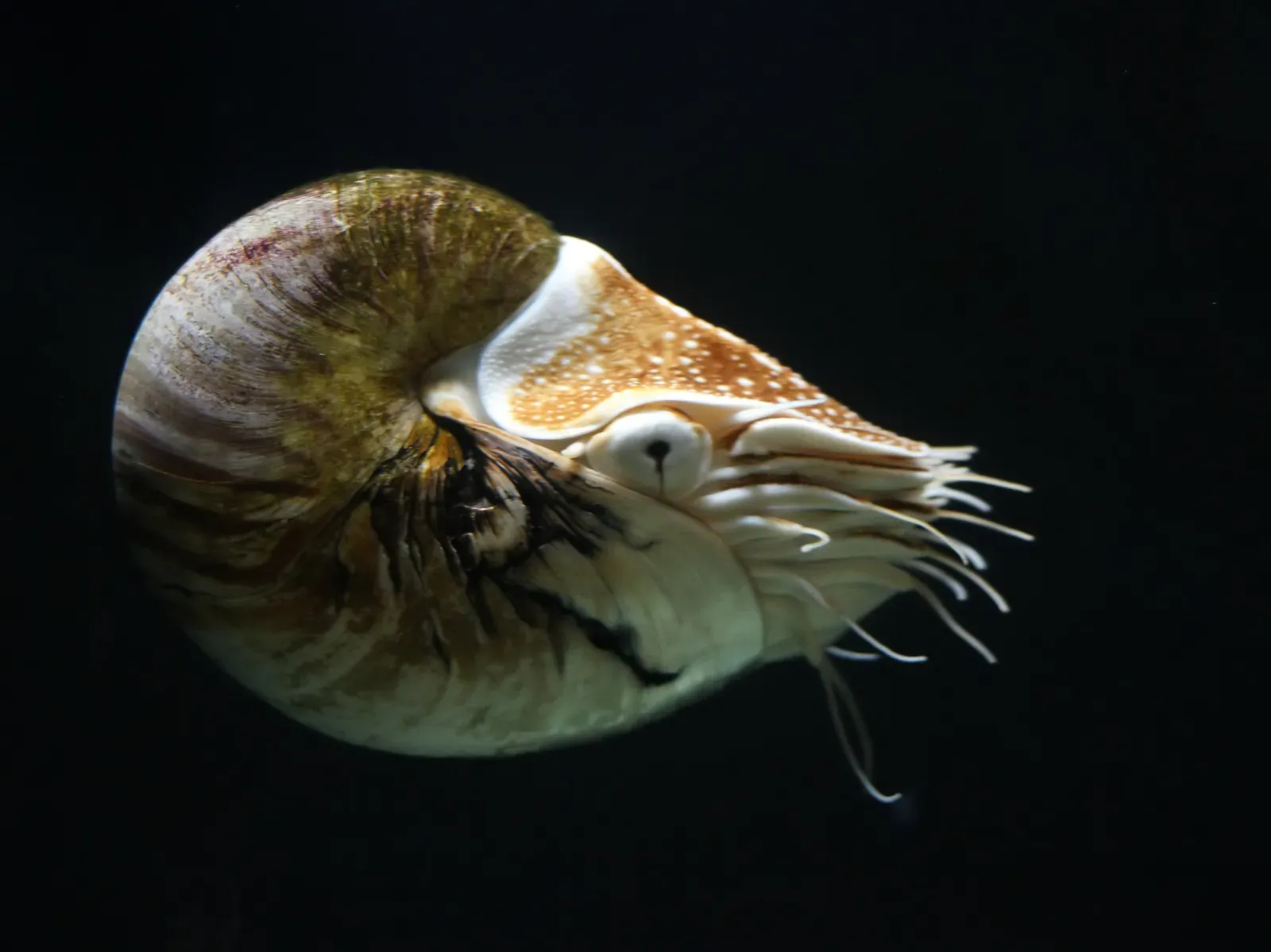
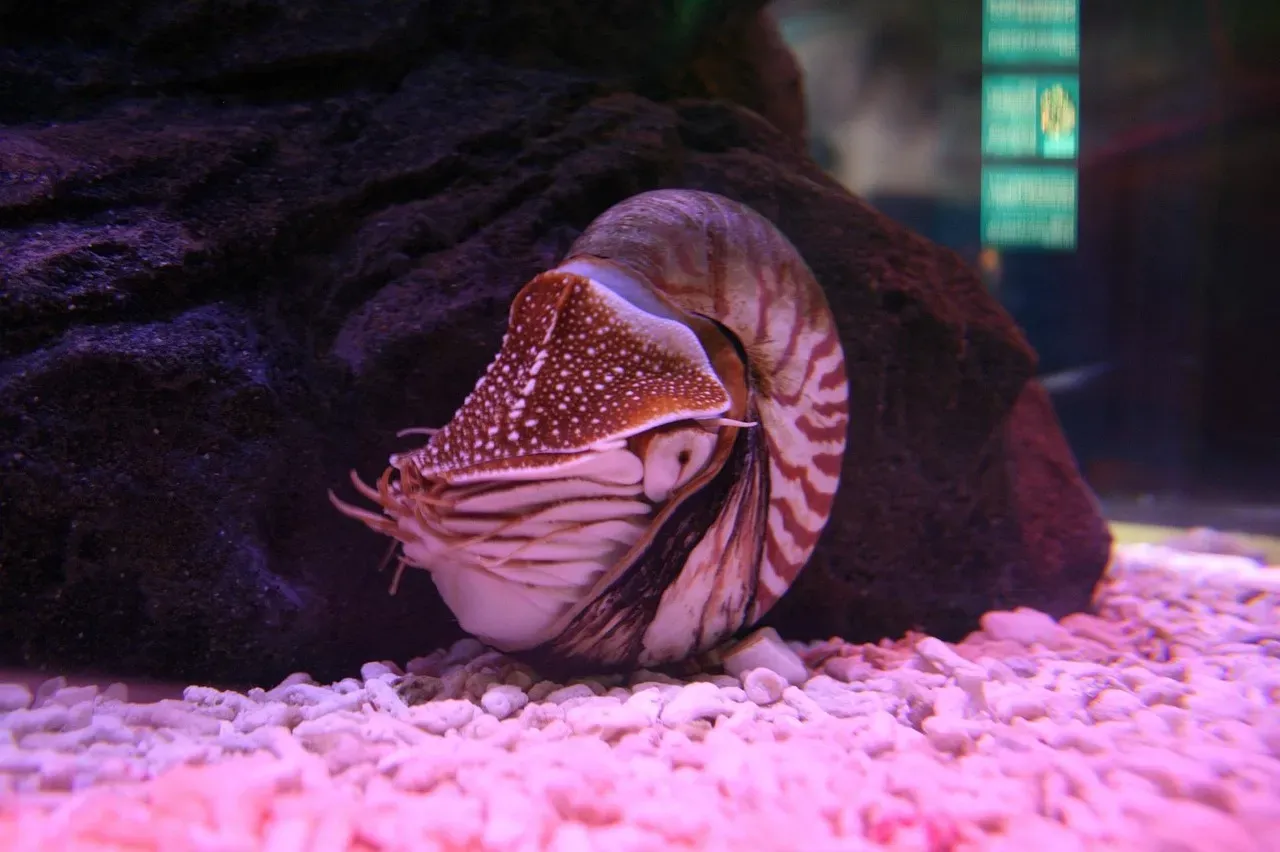
Most of us recognize the nautilus from that gorgeous, cream-and-brown spiral shell you see in art, logos, and design. Inside that shell, though, is a soft-bodied animal with dozens of tentacles, complex eyes, a beak, and a siphon it uses for jet propulsion. It lives in the dim slopes of tropical reefs, often hundreds of meters deep during the day, then rising closer to the surface at night to feed and explore.
This lifestyle alone suggests a surprisingly sophisticated creature. It needs to regulate buoyancy across pressure changes, navigate in low light, and remember where food and shelter might be. None of that shows up in the fossil record. When you only have shells preserved in rock, you are basically trying to reconstruct a movie from a handful of still frames. The real drama is happening in soft tissue and behavior that almost never fossilize.
Modern Genetics: A Quiet Revolution
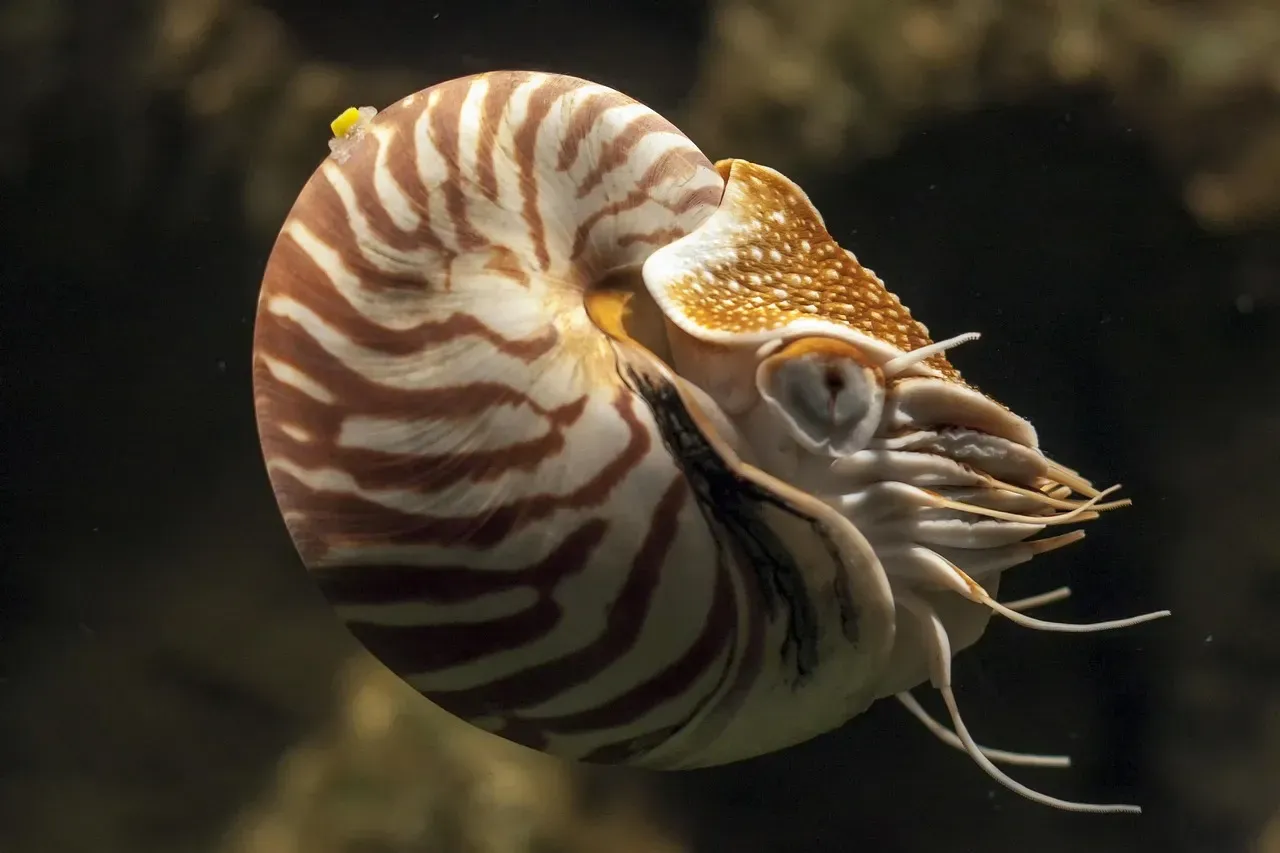
The big shift in recent years has been the ability to sequence nautilus DNA and compare it with other cephalopods like octopuses and squids. Genetic studies suggest that even if the basic shell shape has remained recognizable, the underlying genome has continued to evolve, shedding genes, tuning others, and rearranging regulatory networks. In other words, the nautilus may look like a blast from the past, but its instructions for life have not been frozen in time.
To me, this is where the “quietly changing” idea becomes powerful. You can have long-term stability at the level of a body outline while subtle molecular edits accumulate in the background, like software updates running on an old-looking device. These genetic tweaks may adjust metabolism, reproduction, stress tolerance, or development in ways that are invisible unless you are sequencing DNA or peering under a microscope. It is a reminder that evolution does not always shout; sometimes, it whispers.
Morphology: Stable Shell, Shifting Details
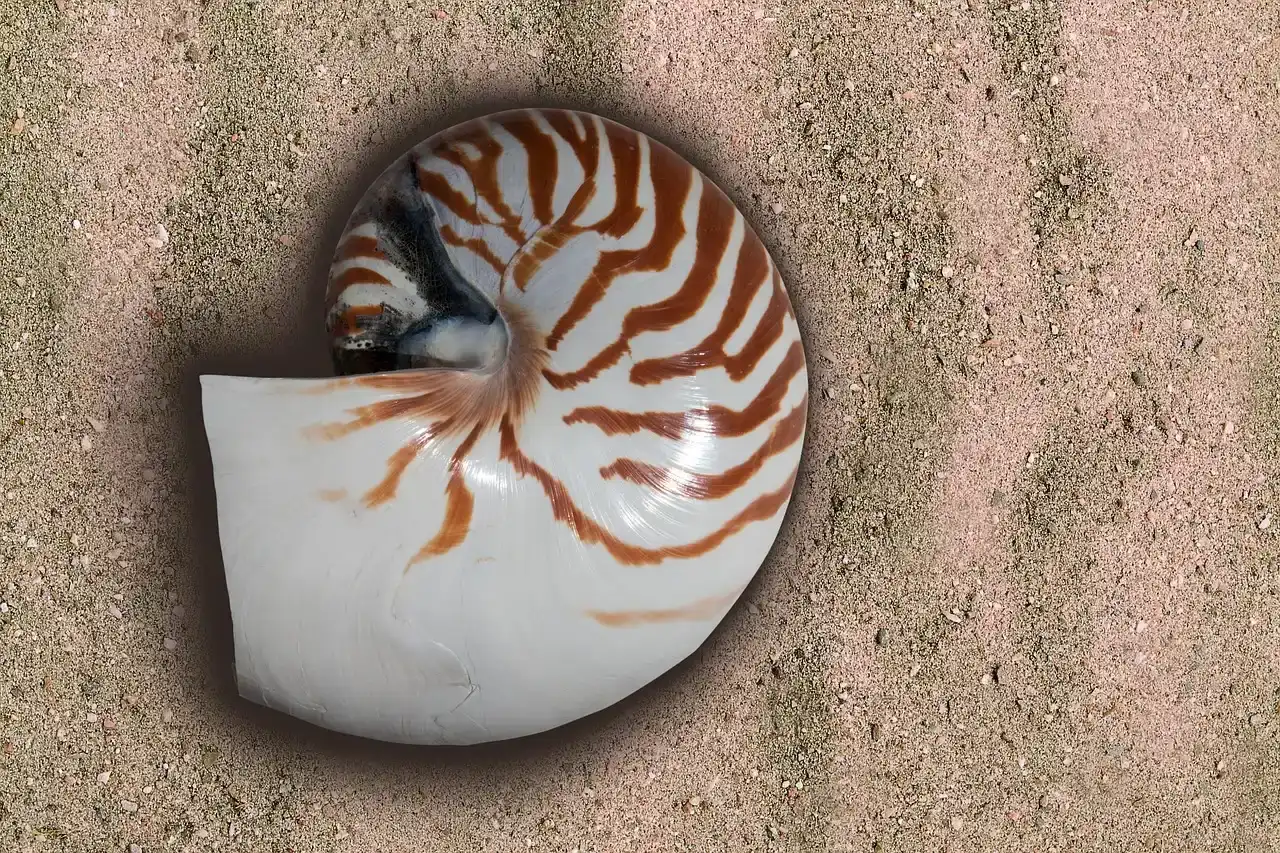
When paleontologists compare fossil nautiloids with modern nautiluses, they do see continuity in that coiled, chambered shell with its internal partitions for buoyancy. But zoom closer, and there are differences in shell thickness, ornamentation, growth patterns, and the position of the siphuncle, the tube that runs through the chambers. These details can affect how the animal controls buoyancy and how well the shell handles pressure and predation.
Over millions of years, small shifts in these features can add up to meaningful changes in how the animal lives and where it can survive. It is like watching car models evolve over decades: from a distance, they still look like cars with four wheels and a roof, but the aerodynamics, materials, and safety systems are completely different. The nautilus shell may be the same genre, but the fine print keeps getting rewritten.
Behavior and Senses We Are Only Starting to Understand
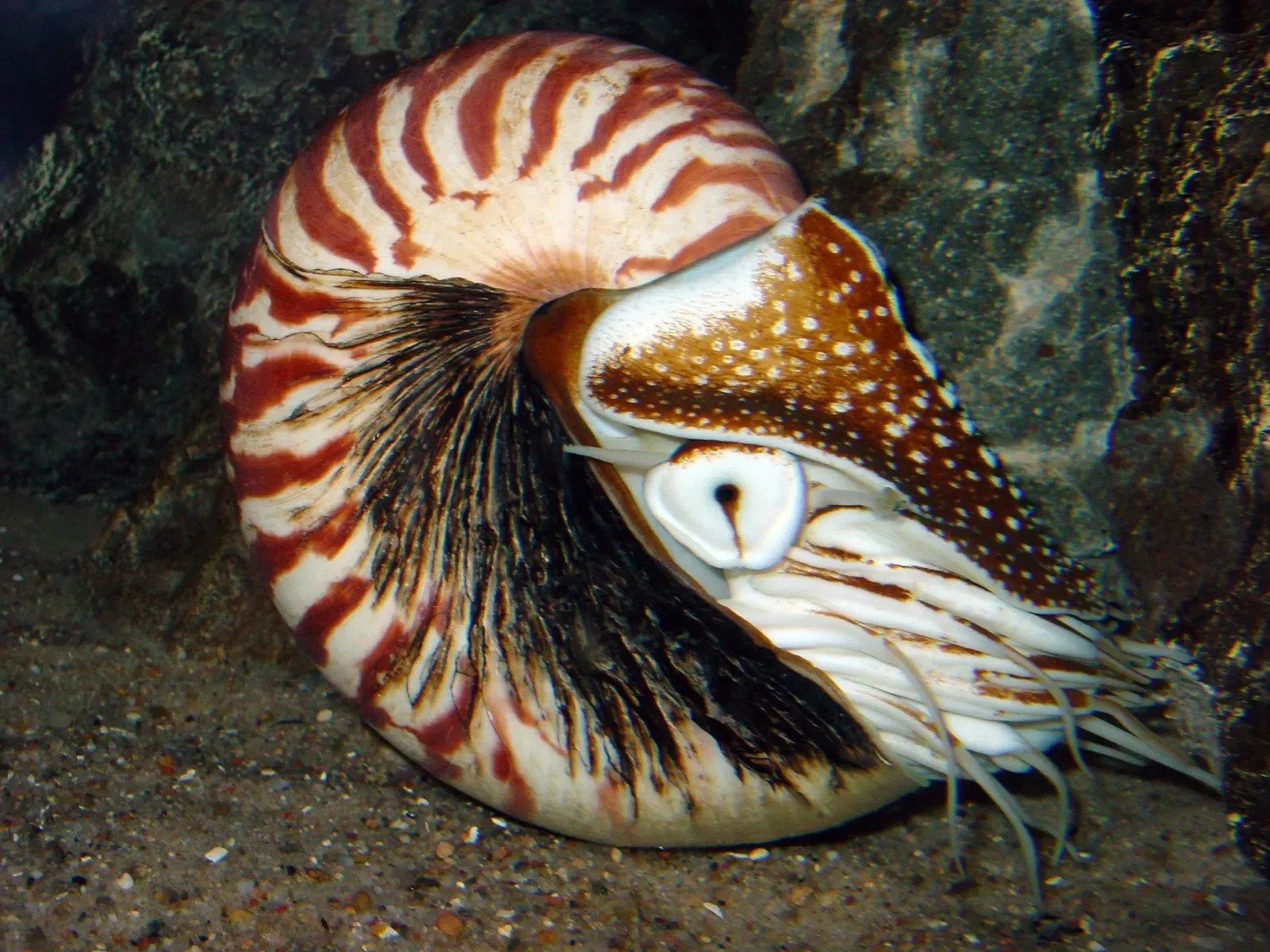
The nautilus is often overshadowed by its showier cousins, the octopus and cuttlefish, which can change color, solve puzzles, and squeeze through impossibly small gaps. By comparison, the nautilus looks low-tech: its eyes are pinhole-style, lacking lenses, and its skin does not flash colors. It would be easy to dismiss it as “primitive,” but that misses the point. Primitive is not the same as simple, and simple is not the same as unsuccessful.
Research on nautilus behavior suggests they can learn, remember, and respond flexibly to their environment, just in quieter and less spectacular ways. Living in deep, darker waters, they rely on chemical cues, touch, and a different style of navigation than shallow, visual hunters. It is very possible that over millions of years, their sensory systems and behaviors have gradually tuned to these deep-slope habitats in ways that leave almost no fossil trace and are only now being teased apart in labs and aquariums.
New Pressures: Fishing, Shell Trade, and Climate Change
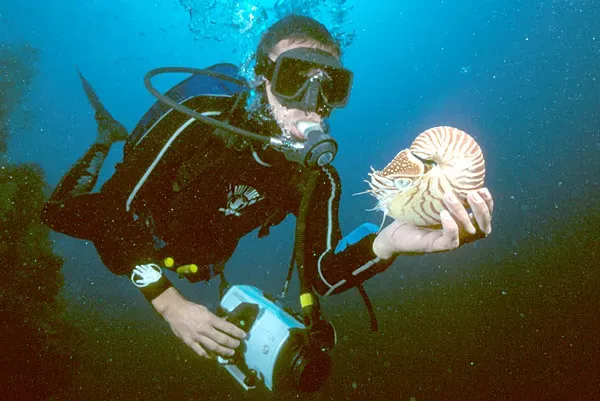
Here is the uncomfortable twist: after outlasting mass extinctions and global upheavals, the nautilus is now under serious pressure from us. Overharvesting for the shell trade, habitat degradation, and changes in ocean chemistry linked to climate change are all hitting nautilus populations in ways they have likely never faced before. Some populations have crashed in areas where intense trapping has taken place, suggesting they cannot simply bounce back on human timescales.
This new onslaught could be driving rapid, subtle changes in the few populations that remain relatively undisturbed. If survival suddenly depends on deeper migration, different timing of reproduction, or tolerance to more acidic waters, the individuals with even slightly better traits may leave more offspring. That is evolution in real time, but we often only notice it when it is almost too late. In my view, it is both inspiring and heartbreaking that an animal this old now has to adapt to the brief, chaotic experiment that is human civilization.
The Mystery of Changes We Cannot See
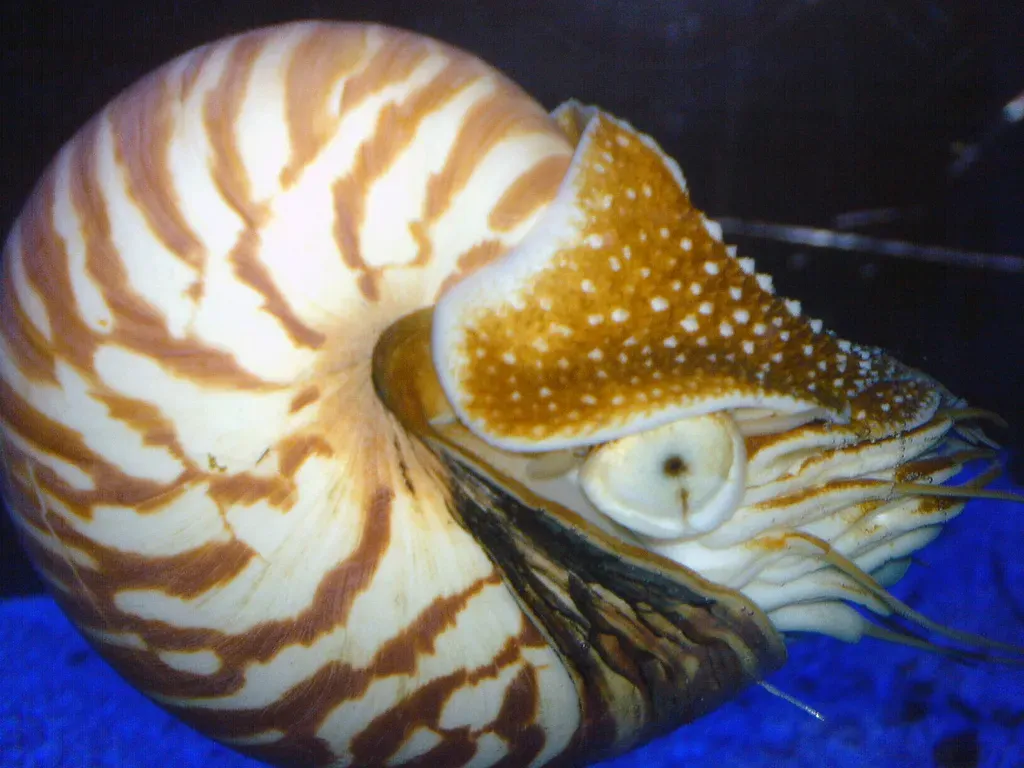
When scientists say the nautilus may be changing in ways we cannot see, they are not suggesting something mystical; they are pointing out that most of evolution is invisible to casual observation. Changes in gene regulation, in how embryos develop, in hormone cycles, in stress responses, and in micro-behaviors can all shape a species’ future without altering the basic outline of its shell. Without detailed, long-term monitoring, those shifts slip under the radar.
I think that is a humbling thought. We often judge change by whether something looks different in a photograph, but nature works at scales far finer than our everyday perception. The nautilus invites us to consider that the world is full of “unchanged” things that are, in fact, quietly in motion. The question is not whether the nautilus has changed; it is how much evolution we have been too impatient or too distracted to notice.
What the Nautilus Teaches Us About Evolution and Ourselves
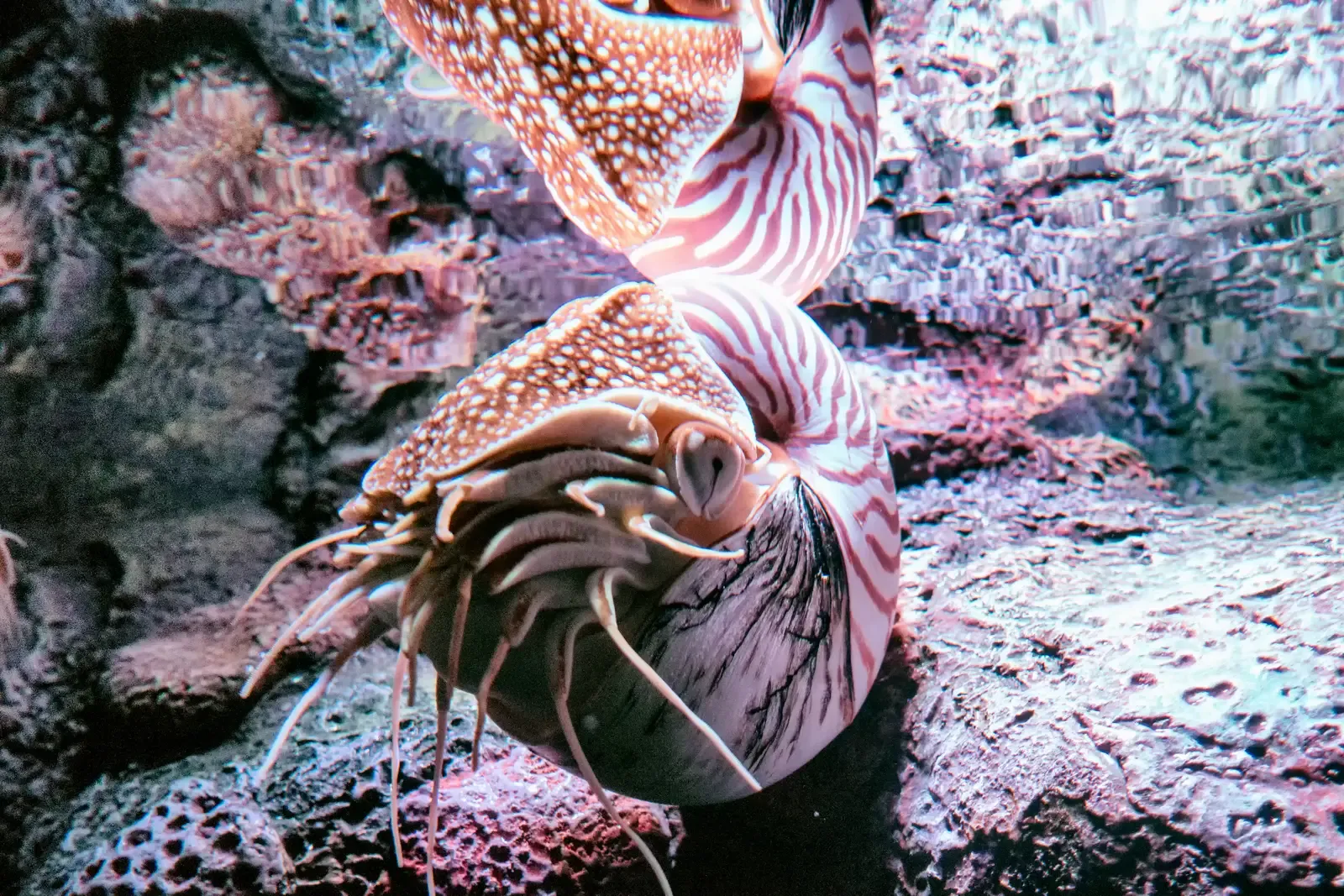
To me, the nautilus is one of the best antidotes to the cartoon version of evolution where everything is always getting flashier, smarter, or more complex. Sometimes, the winning strategy is to refine a sturdy design rather than reinvent it, adjusting the hidden machinery while leaving the overall shape the same. The nautilus shows that survival over deep time is less about constant reinvention and more about staying just adaptable enough to slip through each new crisis.
There is also something strangely personal about that lesson. A lot of us imagine that real change in our own lives must be dramatic and obvious, but often the most important shifts are the quiet ones: slightly different habits, slightly new ways of thinking, small recalibrations that only become visible in hindsight. In that sense, we are not so different from this ancient cephalopod, carrying an old-looking shell while the inside keeps subtly rewriting itself.
Conclusion: An Ancient Spiral in a Changing Sea
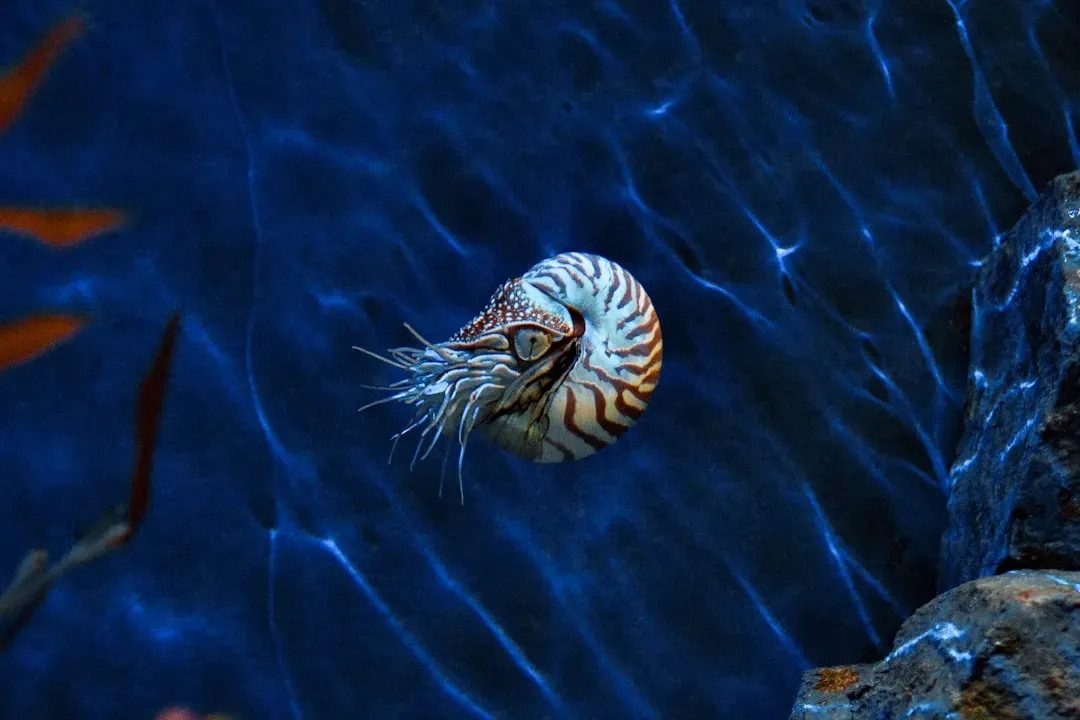
If you only glance at a nautilus, it is easy to see it as a relic, a leftover from a vanished world that somehow dodged the memo about progress. But when you look closer, through the lenses of genetics, anatomy, behavior, and ecology, a different story emerges: a long, patient history of adjustment, survival, and quiet reinvention. The nautilus has not been frozen in time; it has been negotiating with time, on its own terms, far longer than our species has existed.
My opinion is that we should finally retire the idea of the nautilus as a static museum piece and start treating it as what it really is: a tough, evolving line that has earned our respect and protection. If this ancient spiral can still be changing in ways we barely understand, the least we can do is make sure our brief presence on the planet does not cut its story short. Next time you see that iconic shell, will you see a fossil, or a survivor still quietly rewriting its future beneath the waves?