Imagine walking into a crowded café and realizing that, beneath all the sneakers and smartphones, you’re actually looking at echoes of ancient species: the strategist, the tank, the explorer, the artist, the survivor. Our modern personalities and bodies are not random; they’re the tangled legacy of many different kinds of humans who once walked the planet before us. Thinking about which prehistoric human you’d have been is part science, part self-discovery, and honestly a little bit thrilling.
Anthropologists have pieced together surprisingly vivid portraits of our extinct cousins from bones, tools, DNA, and even microscopic wear on their teeth. We can’t assign you a “hominid horoscope” with lab-grade precision, but we can play an informed, grounded game of “who would you have been?” by looking at dominant traits associated with each group. As you read, notice which species feels uncomfortably familiar. That quiet flash of recognition – that’s where the fun (and the science) really meet.
Homo sapiens: The Hyper-Social Strategist
If you’re the kind of person who thrives on group chats, makes plans, and loves big-picture thinking, you’re showing off the most defining traits of our own species. Modern humans are unusually good at forming large, flexible coalitions: we collaborate with strangers, coordinate across huge groups, and build shared stories that let us trust people we’ve never met. Our brains are wired not just for raw smarts, but for reading intentions, managing reputations, and playing the social game at a high level.
We also specialize in “cognitive offloading”: instead of holding everything in our heads, we build tools, write instructions, share skills, and let culture do some of the heavy lifting. If you love learning from YouTube tutorials, obsess over hacks, or constantly refine your routines, you’re leaning into the same cultural ratchet that let Homo sapiens out-compete other hominins. In a mixed-species prehistoric world, you’d likely be the one brokering alliances, starting trends, and convincing others to follow your plan.
Neanderthals: The Rugged Specialist With a Soft Side
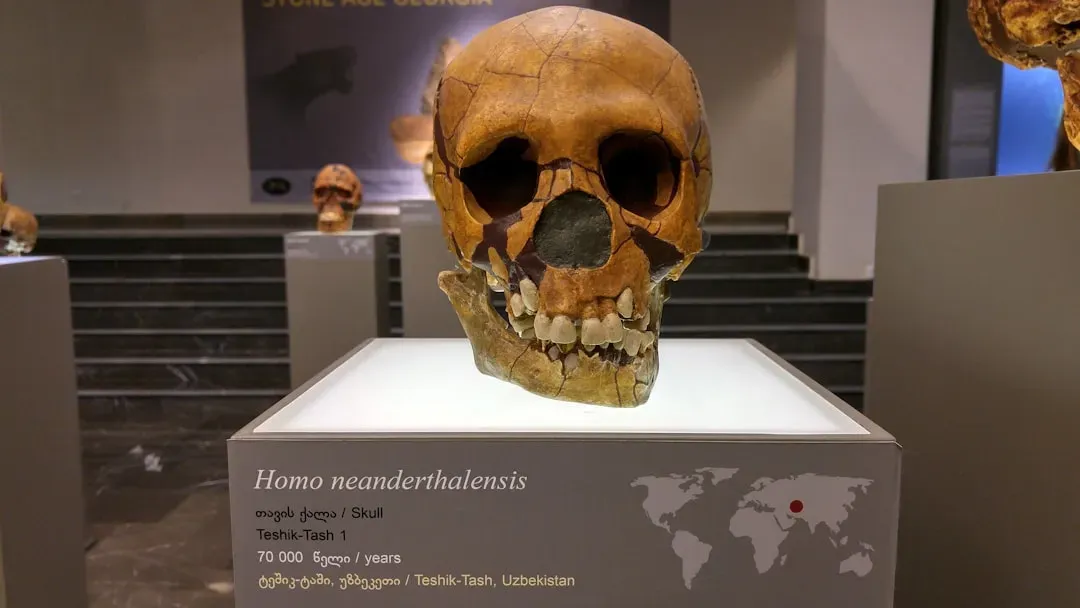
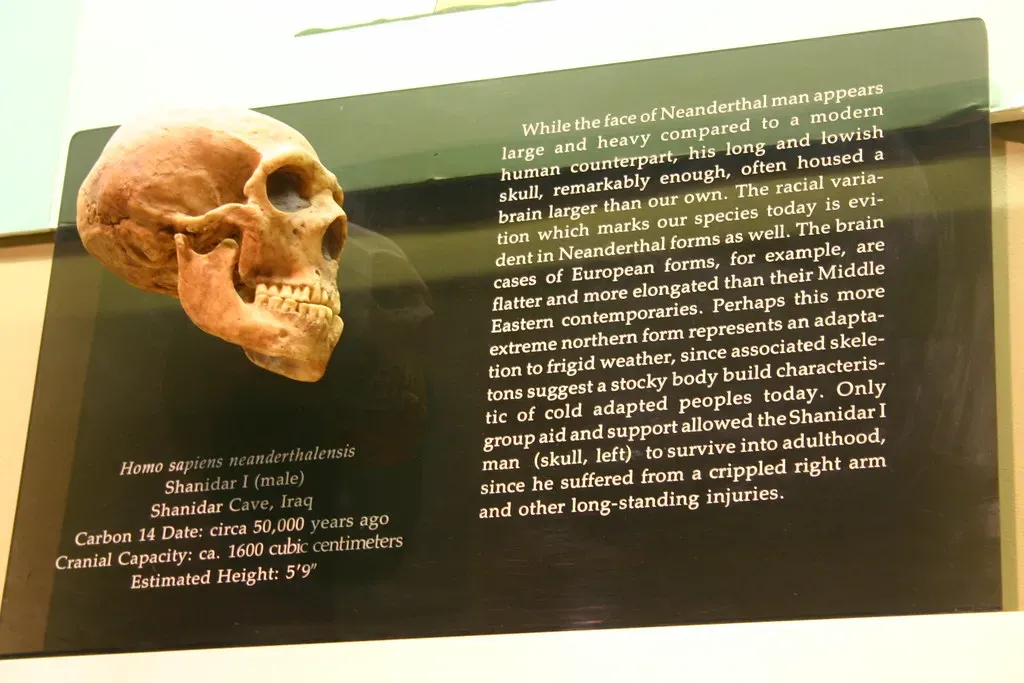
Neanderthals were not the clumsy cavemen of old cartoons; they were powerhouses of strength and resilience with surprisingly rich inner lives. Stocky, muscular builds, robust bones, and strong hands suggest a body made for intense physical demands – think of someone who naturally gravitates toward manual work, outdoor challenges, or strength-based sports. If you feel most alive lugging heavy gear, fixing things by hand, or braving harsh weather, your spirit might align with these Ice Age veterans.
At the same time, evidence of healed injuries and care for disabled individuals hints at deep social bonds and long-term commitment to group members. Neanderthals buried their dead, likely tended to the sick, and shared resources in small, tight-knit bands. If you’re fiercely loyal to a small circle, prefer a few close relationships over a huge social network, and value practical skill more than flashy innovation, you might have thrived as a Neanderthal craftsperson, hunter, or guardian.
Homo erectus: The Tireless Explorer and Endurance Machine
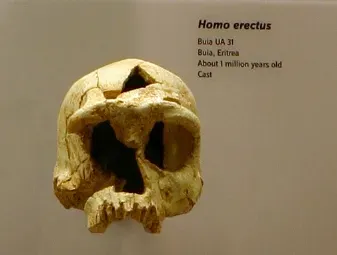
Homo erectus is often called the great traveler of prehistory, the first hominin to spread widely across Africa and into Eurasia. Their bodies were built for long-distance walking and running: relatively long legs, efficient hips, and a metabolism tuned for persistence over sprinting. If you’re the kind of person who loves long hikes, distance runs, or simply walking for hours to clear your head, you’re echoing a very Homo erectus style of survival.
This species may not have matched modern humans in symbolic creativity, but they were astonishingly persistent and adaptable across different landscapes over enormous spans of time. If you’re steady rather than flashy, patient rather than impulsive, and drawn to routines that gradually build progress – like marathon training, long-term projects, or slowly mastering a craft – there’s a good chance you would have been one of these unfussy, durable explorers, quietly expanding the hominin footprint continent by continent.
Denisovans: The High-Altitude, High-Adaptability Enigma
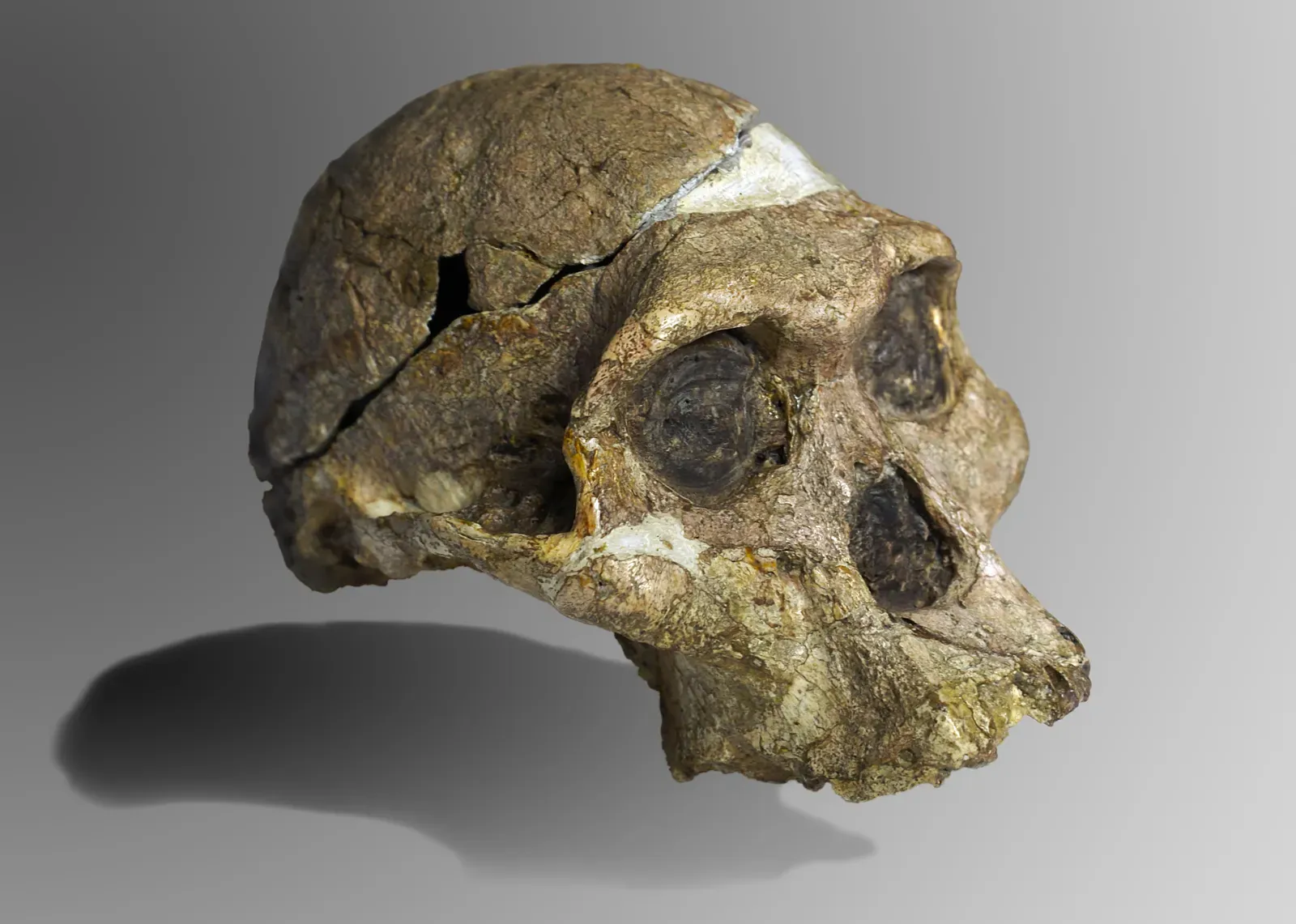
Denisovans are the mysterious relatives you’ve heard rumors about but barely know – identified mainly through fragments of bone and, crucially, their genetic fingerprints in modern people. Their DNA turns up especially in populations from parts of Asia and Oceania, and some of their inherited variants are linked to impressive physiological traits, like better adaptation to low-oxygen, high-altitude environments. If you’re that person who loves mountains, tolerates cold surprisingly well, or seems oddly comfortable in thin air, your internal “settings” might resemble Denisovan strengths.
We know far less about their behavior than about Neanderthals or Homo sapiens, but the genetic evidence points toward a group that could handle environmental extremes our other cousins struggled with. If you’re drawn to challenging, unforgiving settings – high peaks, remote territories, or metaphorical “thin air” in life, like high-pressure jobs or difficult fields – you might see yourself in the Denisovan profile: low-visibility but quietly crucial, shaping the edges of what humans could survive.
Homo heidelbergensis: The Tactical Big-Game Planner
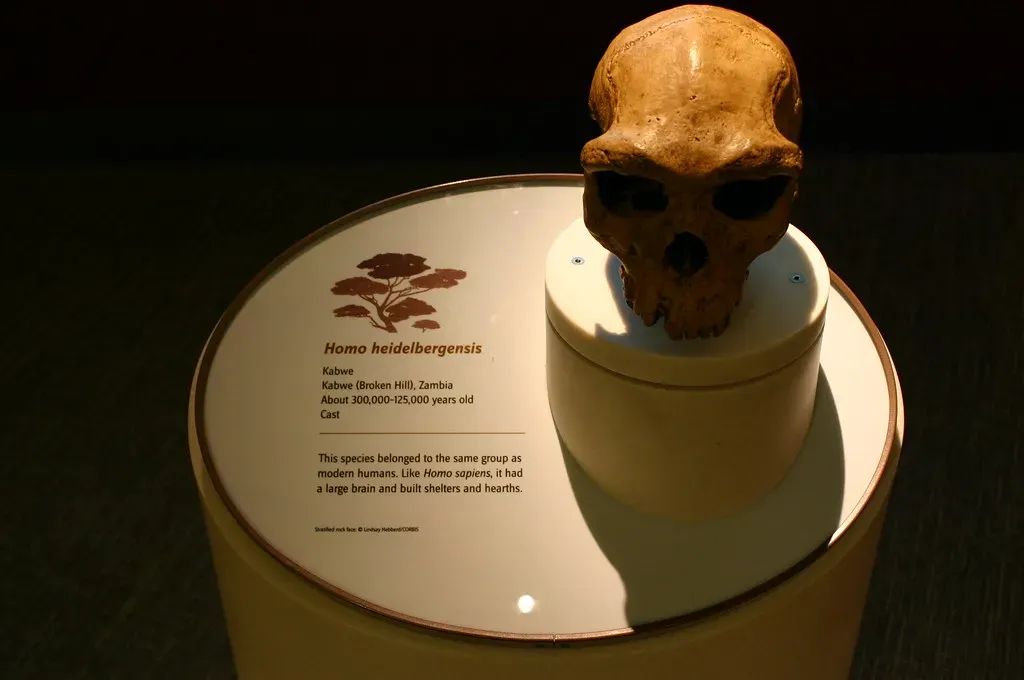
Homo heidelbergensis is often seen as a bridge species, likely ancestral to both Neanderthals and many modern humans. Fossil evidence and tool use suggest they were coordinated hunters, capable of bringing down large animals with wooden spears and group tactics rather than brute force alone. If you love strategy games, project management, or planning complex trips where timing and coordination matter, you’re channeling the tactical mindset that would have defined a good heidelbergensis leader.
They also show signs of early cognitive complexity beyond simple trial-and-error: repeated patterns of hunting at specific locations, likely understanding animal behavior and seasonal cycles. If your strengths lie in pattern recognition – spotting rhythms in markets, social dynamics, or nature – and you enjoy being the one who says “let’s wait for the right moment,” Homo heidelbergensis is your prehistoric cousin. You’d be the one organizing the hunt, assigning roles, and remembering which valley the herds return to every year.
Homo habilis: The Improviser and Early Tool Hacker
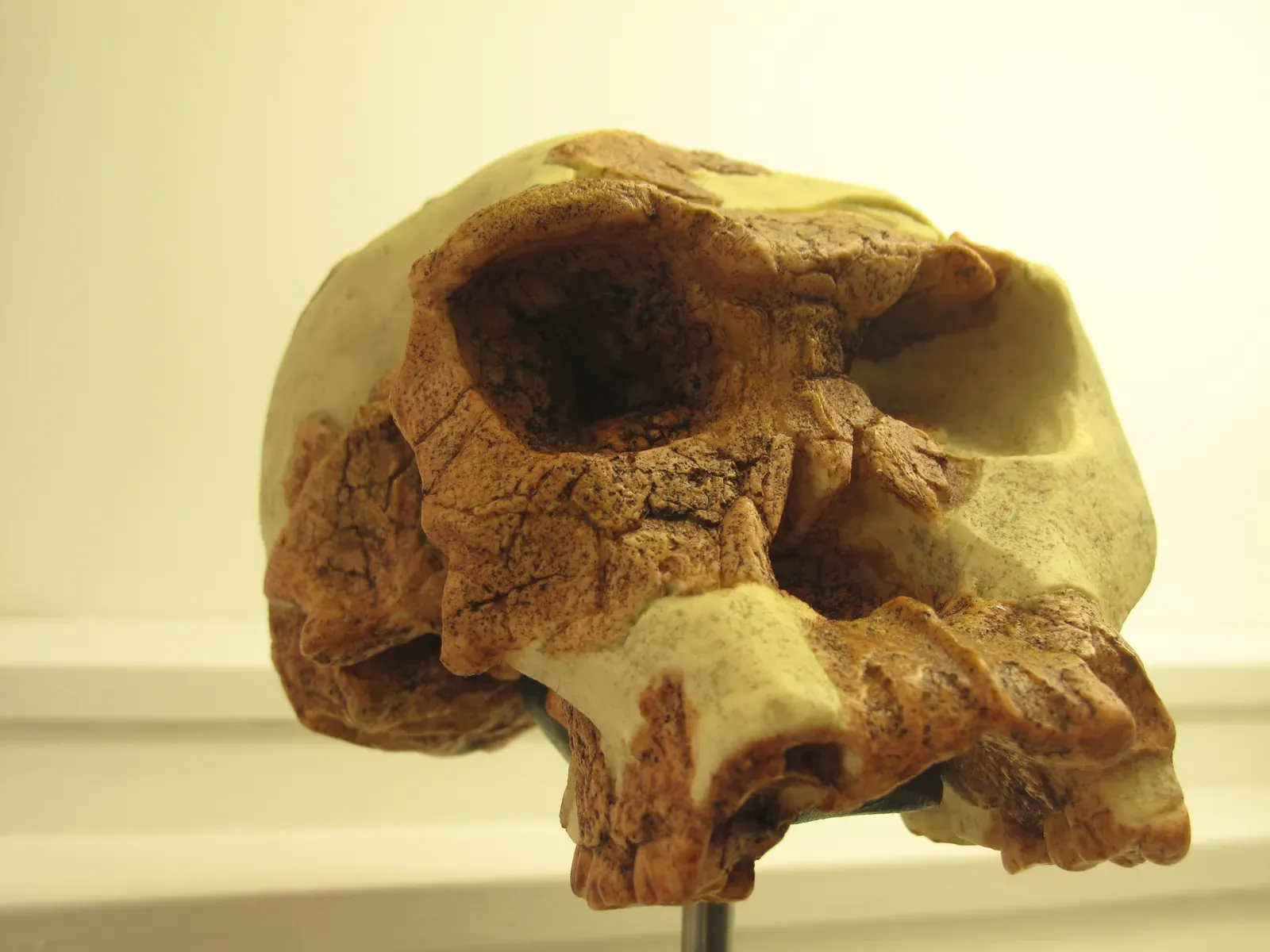
Homo habilis, sometimes nicknamed the “handy man,” represents an early leap into serious tool use. Their stone tools were not glamorous, but they show a shift toward actively reshaping the environment rather than just enduring it. If you’re a compulsive tinkerer – the person who cannot leave a gadget unmodified, always builds makeshift fixes, or loves improvising solutions with whatever’s in reach – you embody the same spirit that probably defined Homo habilis success.
These early humans likely combined curiosity with a tolerance for failure – a lot of trial and error with rocks, bones, and animal carcasses before anything “worked.” If you’re not easily discouraged by a rough first version, and you care more about having something functional than making it perfect, you’d have fit right in. In a mixed prehistoric camp, you would be the one hunched over the first clumsy tools, quietly inventing the foundation for every future innovation.
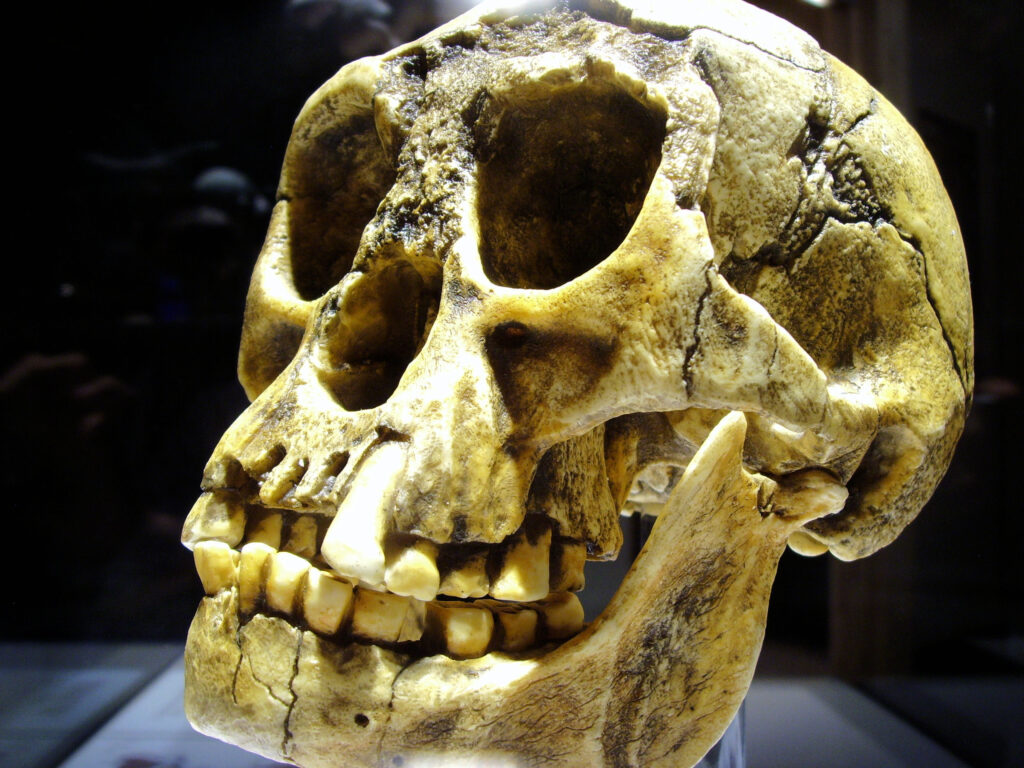
Homo floresiensis: The Small-Statured Survivor With Big Ingenuity
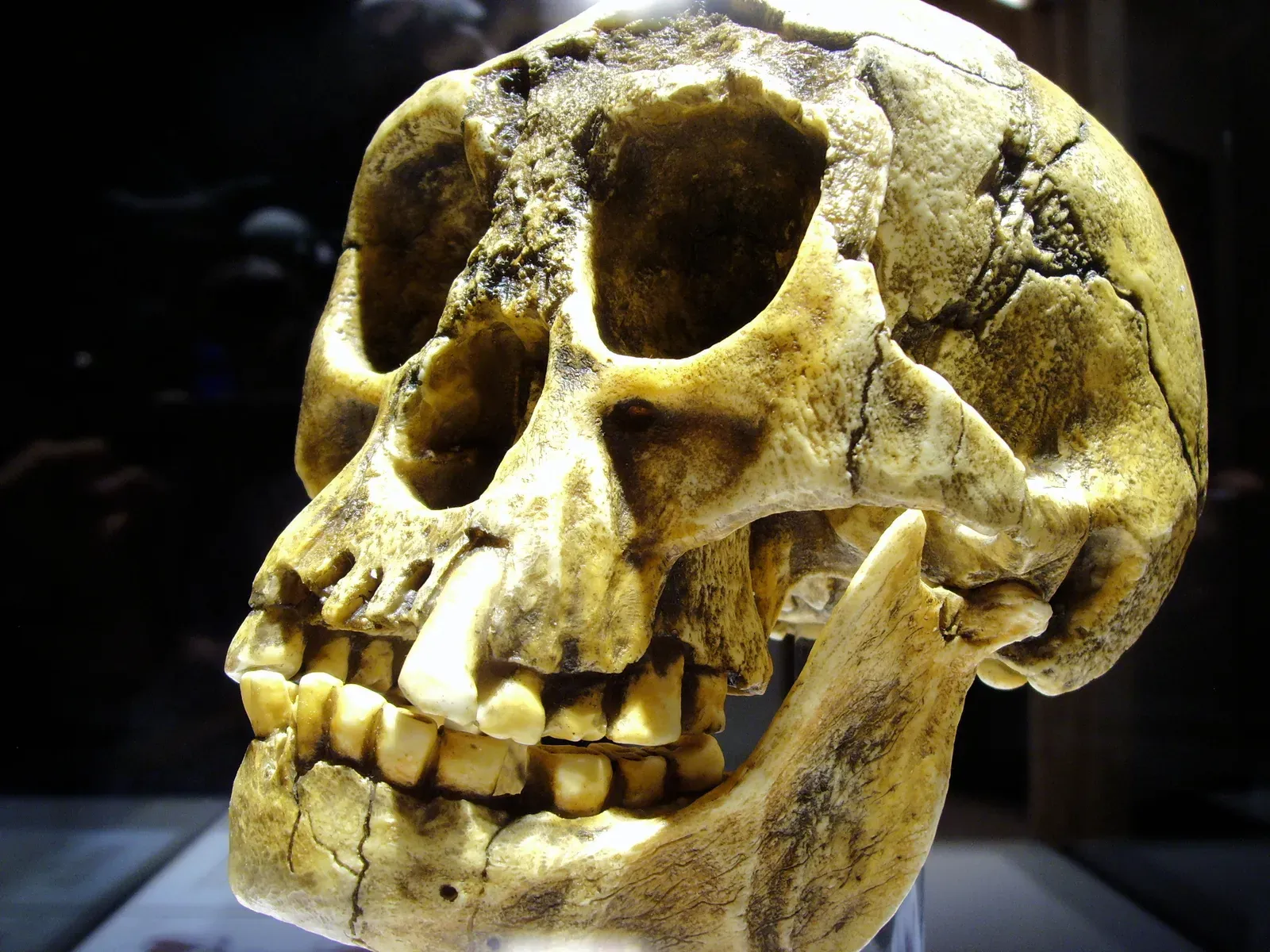
Homo floresiensis, discovered on the Indonesian island of Flores, is often sensationalized because of their small size, but the truly striking thing about them is resilience. They appear to have lived for a long time in an isolated, resource-limited environment, sharing their island with formidable animals. If you’re used to being underestimated – maybe because of your size, your quietness, or your background – but you consistently find creative ways to thrive, you might resonate deeply with this island specialist.
Island life tends to reward efficiency over spectacle: low energy use, clever resource management, and a knack for making do with what’s available. If you enjoy compact, minimalist setups, prefer cozy spaces to sprawling ones, or love the challenge of thriving with fewer resources, your prehistoric home might have been on a small, rugged island. In a world of giants, you would have survived not by overpowering others, but by being nimble, inventive, and just stubborn enough never to quit.
Homo naledi: The Ritual-Minded Community Builder
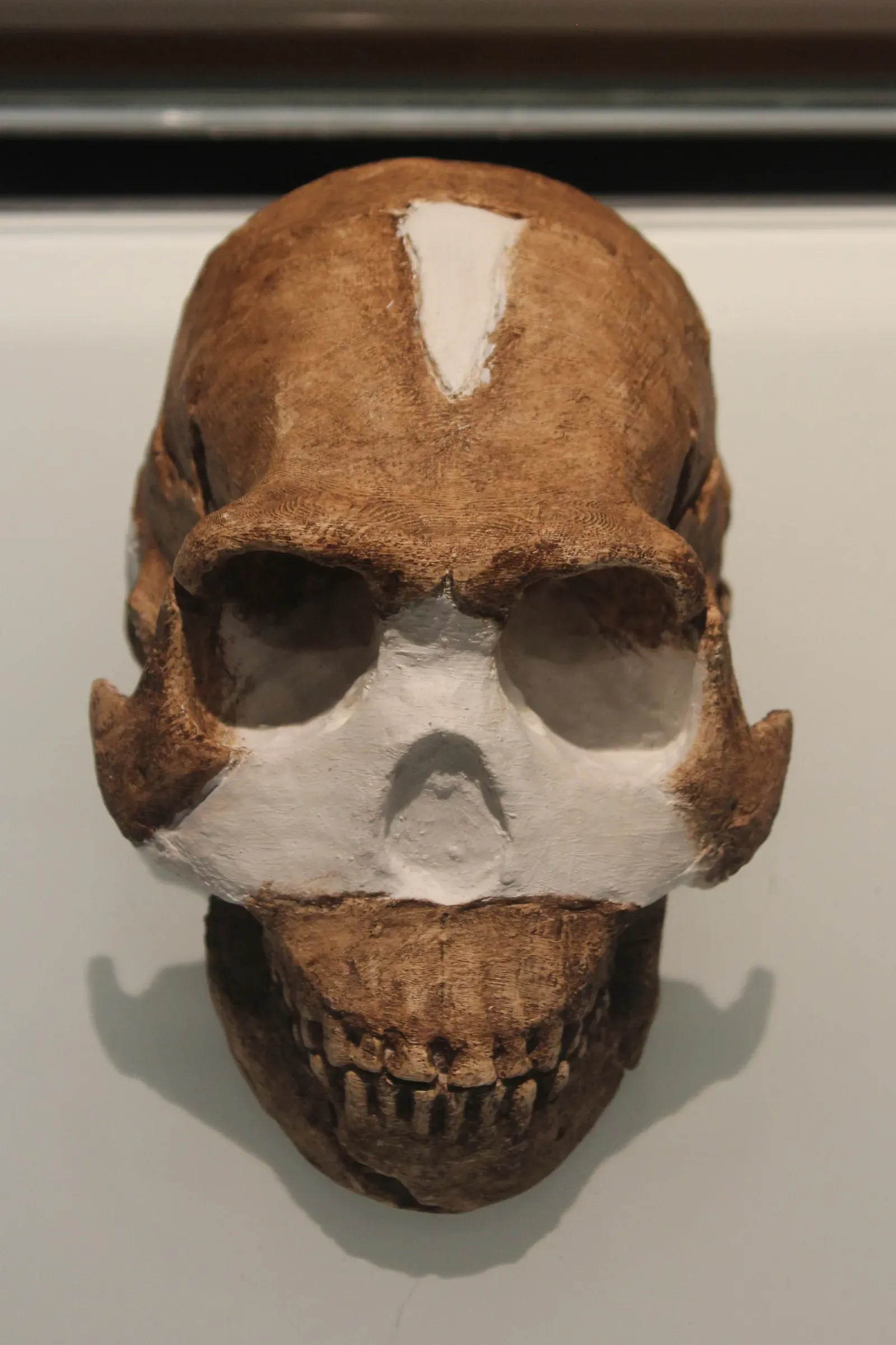
Homo naledi is one of the most intriguing and debated finds of the last decade or so. Their brains were relatively small compared to modern humans, yet there are hints they might have engaged in complex behaviors like deliberate body placement in caves that some researchers interpret as early ritual or symbolic behavior. If you’re drawn to ceremonies, traditions, or creating shared meaning around events, your mindset aligns with what many suspect about this species: that community and ritual mattered deeply.
Even if some interpretations remain debated, the possibility that a small-brained hominin engaged in such symbolic or semi-symbolic acts is a powerful reminder that intelligence is not one-dimensional. If you’re the person who insists on little group rituals – weekly dinners, inside jokes, shared playlists – you’re echoing the same drive to turn simple acts into anchors of belonging. As a Homo naledi, you might have been the one guiding others into the dark cave, helping your group handle fear, loss, and identity through shared, repeated acts.
Australopithecines: The Agile Generalist Between Tree and Ground
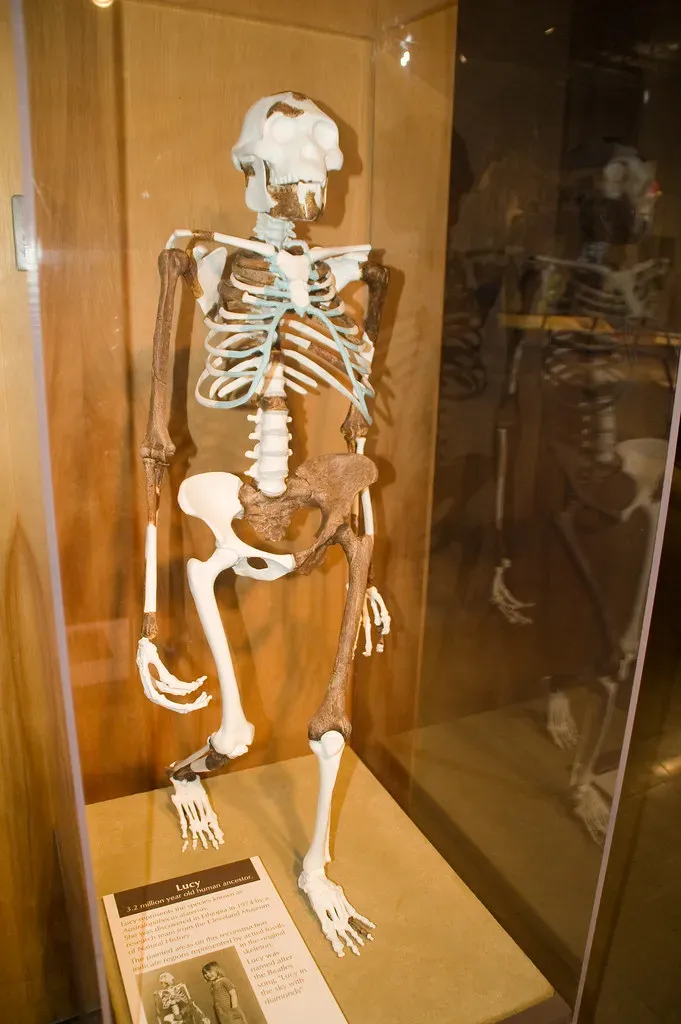
Australopithecines, like the famous “Lucy,” sat at a fascinating transition point between life in the trees and life on the open ground. Their bodies suggest a mixed lifestyle: bipedal walking but still capable climbers, living in mosaic environments where flexibility meant survival. If you’re a natural generalist – someone who is okay at many things rather than obsessed with specializing in one – you might be spiritually closer to these early ancestors than to any later, more “narrowly optimized” species.
They likely navigated uncertain landscapes full of predators, shifting food sources, and changing climates. That kind of world rewards cautious curiosity, quick shifts, and not being too attached to one single strategy. If you’re constantly reinventing yourself – changing careers, picking up new hobbies, moving between different social circles – you’d have done well in their world. You wouldn’t be the sharpest tool-maker or the toughest hunter, but you’d be that adaptable in-betweener who always finds another way to get by.
Hybrids and Mixes: Why You’re Probably a Blend, Not a Single Species
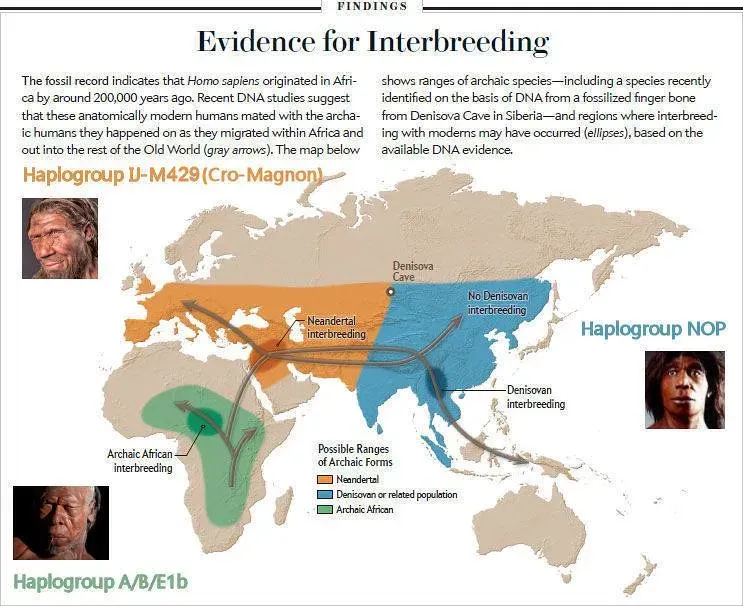
Here’s the twist: genetically and culturally, almost none of us map neatly onto just one ancient species. Modern humans outside Africa often carry small but real amounts of Neanderthal and Denisovan DNA, and even within Africa the story likely includes contributions from now-lost archaic populations. If you feel like a mix – the social strategist with a Neanderthal toughness and a Denisovan love for harsh environments – that’s probably closer to reality than picking a single prehistoric “identity card.”
Even behaviorally, our strengths today are built from layered inheritances: endurance from Homo erectus, improvisation from early toolmakers, ritual tendencies from more symbolic cousins, and a generalist backbone from much older hominins. So if you struggled to choose who you would have been, that tension is the point. You’re standing at the end of a long, messy experiment in being human, carrying bits of many different survival strategies, some louder, some quieter, all still whispering in how you move through the world.
So, Which Ancient Human Are You Most Like – And Does It Even Matter?
If I’m honest, I see a lot of Neanderthal in myself: loyal to a few people, pretty happy in small groups, and weirdly at peace in cold, rough landscapes. But I also recognize that I’m leaning on Homo sapiens-style tricks every day – outsourcing memory to devices, scheming long-term projects, and using shared stories to connect with strangers online. You probably have your own mashup too, a blend that says as much about your current life as about anything buried in your distant ancestry.
Does it really matter which prehistoric human you’d have been? In a literal sense, not much; we can’t time-travel or assign precise labels. But as a lens for thinking about your strengths, your instincts, and your comfort zones, it’s surprisingly useful. It reminds you that your quirks might be echoes of ancient survival strategies, not random flaws. And it raises a more interesting question than any quiz result: knowing the kind of human you naturally are, what kind of future do you want to help build now?