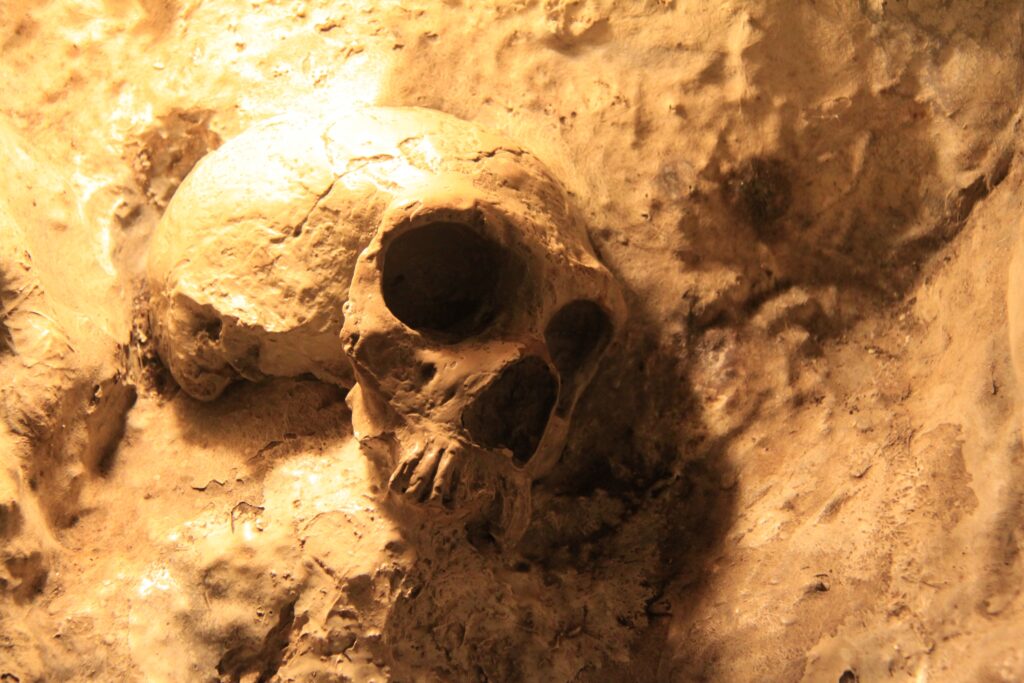
For more than a century, Neanderthals were treated like the punchline of human evolution: clumsy, brutal, dim-witted side characters who stumbled onto the stage and promptly died off. Yet the closer scientists look, the more that crude cartoon falls apart. Instead of mindless brutes, we find people who buried their dead, tended to the sick, played with color, and likely told stories around the fire. What’s almost more shocking than the discoveries themselves is how fiercely the scientific establishment resisted them. Whenever evidence suggested Neanderthals felt grief, beauty, or loyalty, someone rushed in to say it had to be a mistake. As if the most unthinkable idea of all wasn’t that Neanderthals were primitive, but that we might not be quite as special as we like to believe.
The Flower Burials That No One Wanted to Believe
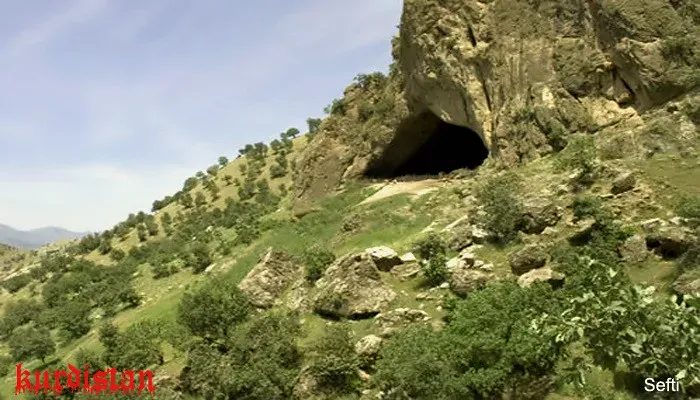
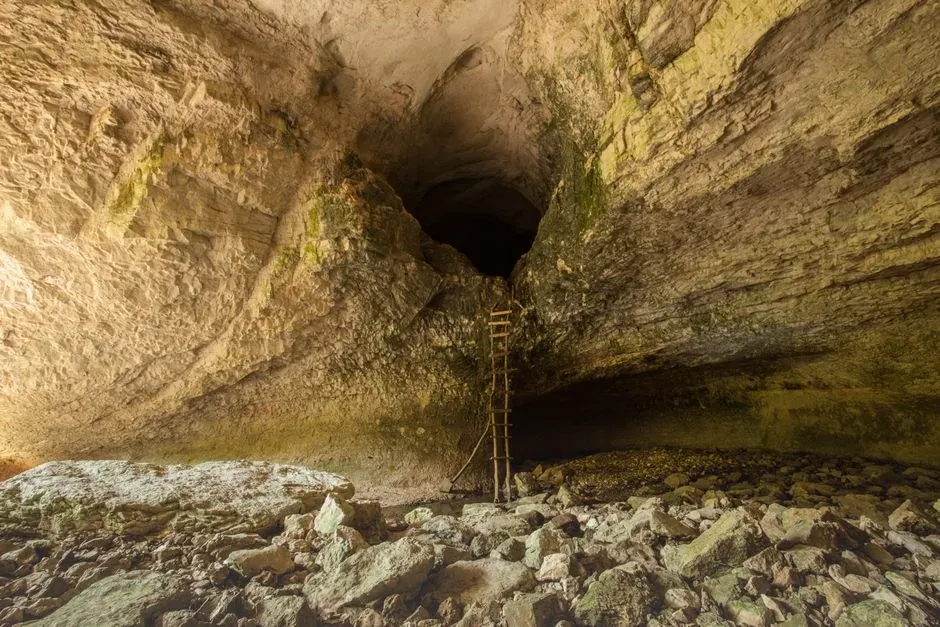
Imagine walking into a cave and finding an ancient grave dusted with traces of pollen, as if wildflowers had once been scattered tenderly over the dead. That is essentially what was reported at Shanidar Cave in Iraqi Kurdistan in the late twentieth century, when archaeologists uncovered Neanderthal remains surrounded by concentrated pockets of flower pollen. The obvious interpretation was moving: maybe these people mourned, maybe they honored their dead with flowers the way we still do today.
But instead of being welcomed, that idea was almost instantly put on trial. Critics argued that rodents might have dragged flowers into the cave, or that the pollen had been moved by wind, water, or burrowing insects. The debate turned almost emotional, with some researchers clearly uncomfortable with the thought of Neanderthals performing anything that looked like a funeral ritual. The result was decades of arguments over whether a handful of fragile grains of pollen could really point to something as powerful as grief.
Graves, Bodies, and the Slow Acceptance of Neanderthal Mourning
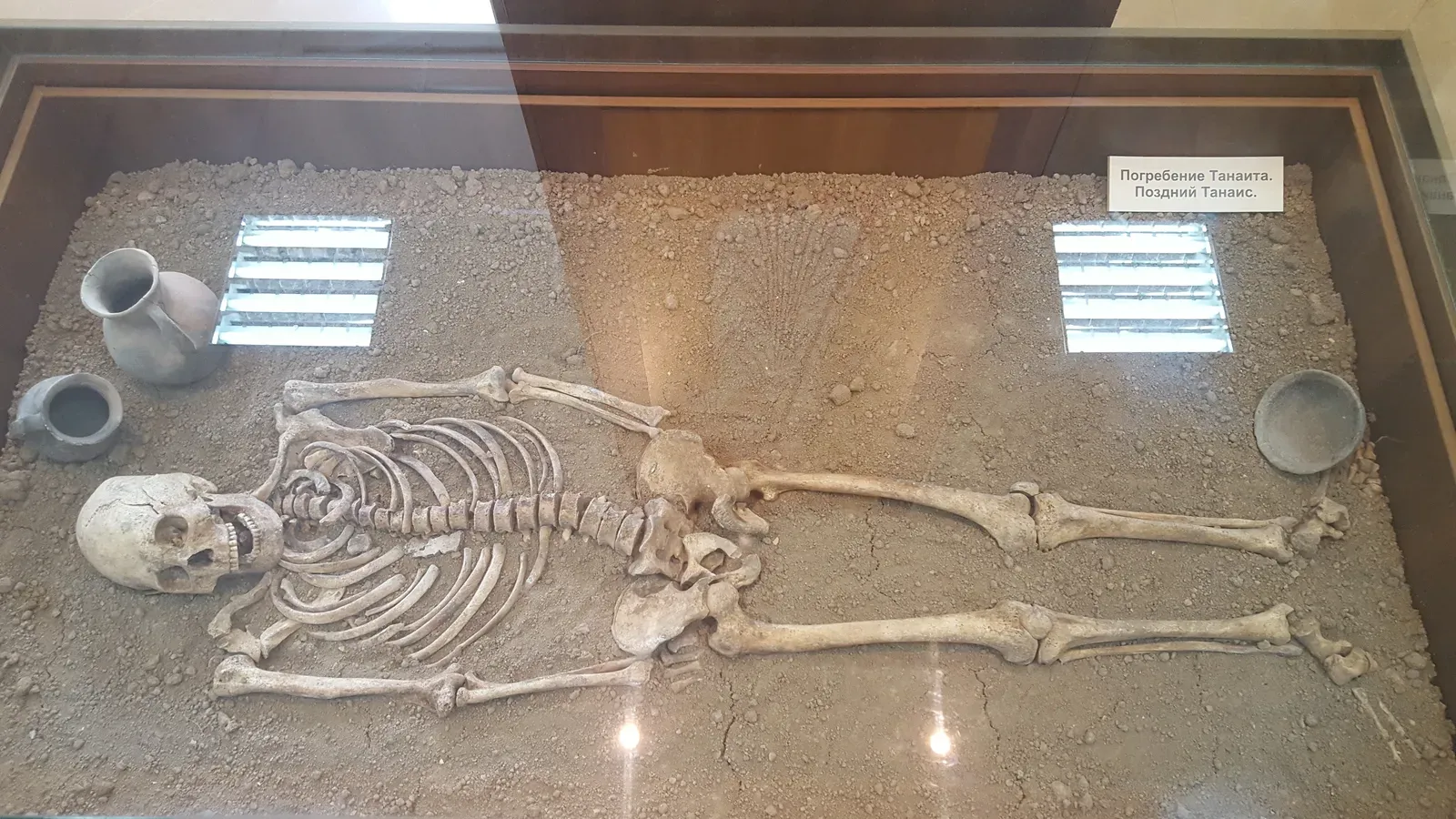
The Shangidar pollen debate didn’t exist in a vacuum; it sat on top of a growing stack of burials that scientists had been wrestling with since the early twentieth century. At sites such as La Chapelle-aux-Saints in France and others in Europe and the Middle East, Neanderthal skeletons have been found in positions and contexts that strongly suggest deliberate burial: bodies placed in shallow pits, sometimes with a certain order, sometimes with animal bones or tools near them. These finds raised uncomfortable questions about ritual, memory, and how Neanderthals viewed death itself.
For many years, the standard move was to explain these burials away as accidents or natural events, like cave-ins or erosion conveniently covering whole bodies. Over time, however, the pattern became harder to ignore. When multiple sites, spanning different regions and time periods, show repeated hints of grave-like treatment, the simplest explanation stops being coincidence. Instead, it starts to sound like Neanderthals had at least some sense of care for their dead, even if we can’t reconstruct the exact stories, myths, or beliefs they wrapped those bodies in.
Evidence of Long-Term Care: Broken Bodies That Lived On
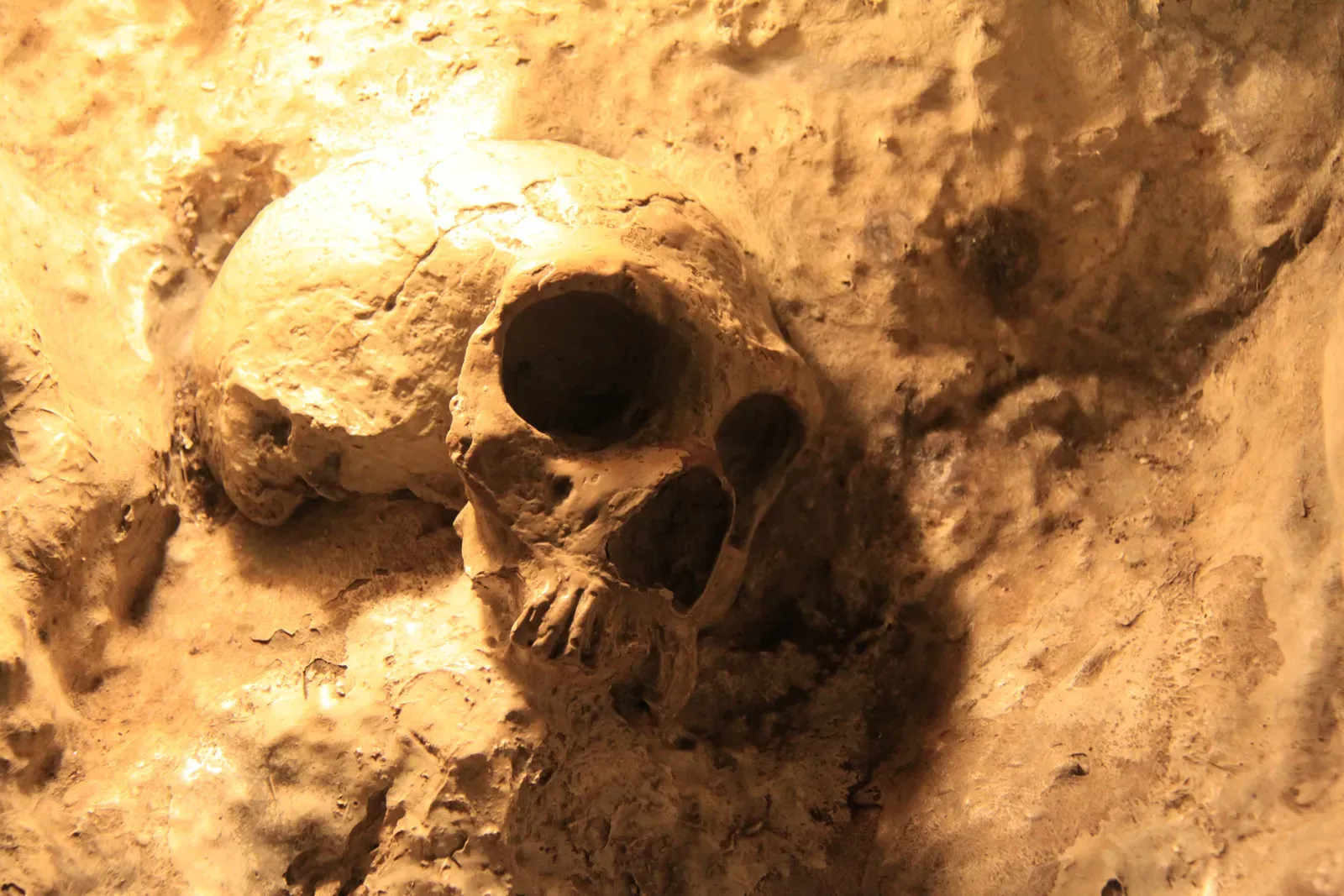
If you really want to know whether a group cares about its members, don’t look at their strongest warriors – look at those who were injured, disabled, or too old to keep up. In several Neanderthal skeletons, archaeologists have found healed fractures, degenerative conditions, and serious physical damage that would have made daily survival nearly impossible alone. Yet these individuals lived long after their injuries, sometimes into relatively advanced age for their time, which implies that someone was helping them eat, move, and stay alive.
One classic example is a Neanderthal from Shanidar Cave who had severe injuries, including a damaged arm, probable vision problems, and signs of other trauma, yet clearly survived for years. That means food had to be shared, protection had to be extended, and effort had to be spent on someone who couldn’t simply “pull their weight” in the narrowest, coldest economic sense. This isn’t mindless survival of the fittest. It looks much more like a community choosing to value the vulnerable – an ancient echo of caregiving that undercuts the stereotype of Neanderthals as ruthless, purely self-interested hunters.
Art, Pigments, and the Battle Over Neanderthal Creativity
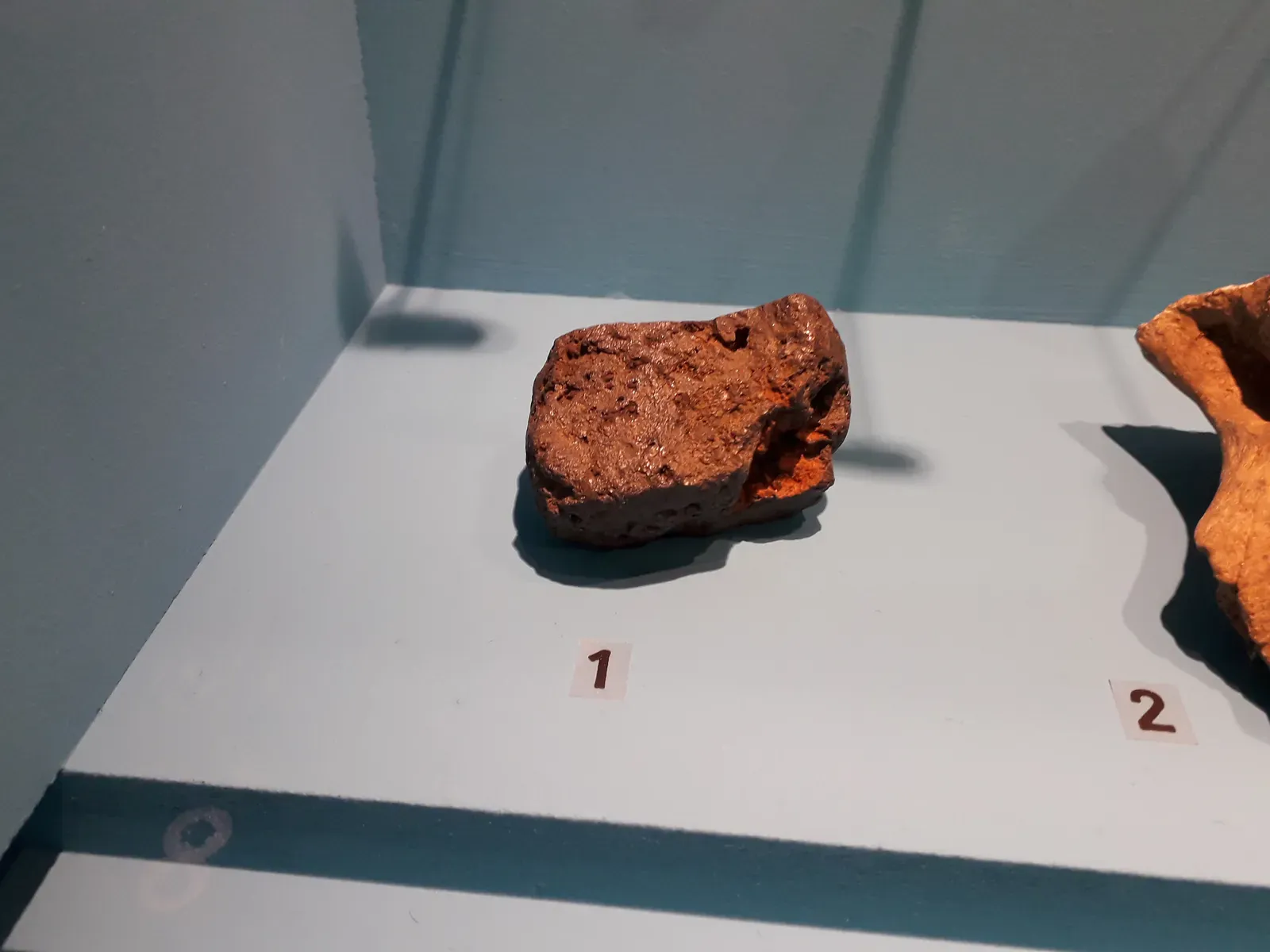
Nothing rattles a human ego like the idea that we weren’t the first to play with symbols, color, and meaning. For years, when archaeologists found colored pigments, engraved lines, or decorated objects in layers associated with Neanderthals, they were often reinterpreted to keep symbolic behavior firmly in modern human hands. If a shell was stained with pigment or an object looked intentionally modified, the safer story was that modern humans must have been involved, or that it had been mistakenly dated.
But layer by layer, that story has had to bend. Researchers have uncovered Neanderthal contexts containing pigments like ochre and manganese and artifacts that bear marks unlikely to be purely functional. In some cases, the management of pigments – for example, evidence of grinding or collecting specific minerals – suggests deliberate choices about color and material. While the debate over what counts as “art” is still intense, what’s becoming harder to deny is that Neanderthals did more than just survive. They seem to have experimented visually, played with substances that changed how things looked, and perhaps signaled identity, status, or story in ways we are just beginning to glimpse.
Why Science Kept Saying “This Must Be a Mistake”
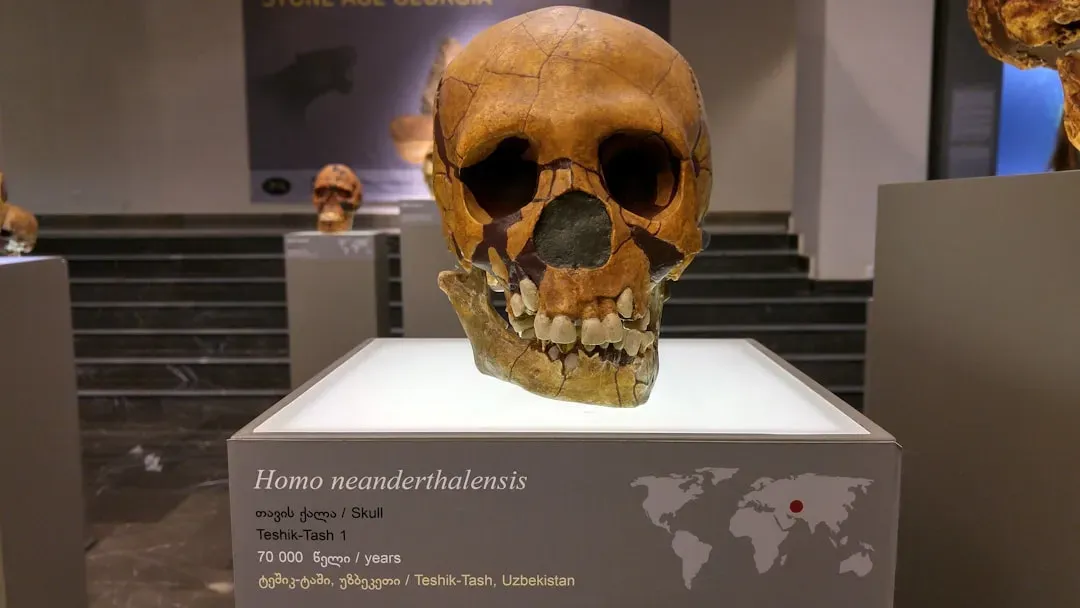
So why did it take so long for the scientific community to seriously consider that Neanderthals might bury their dead, care for their wounded, or dabble in art? Part of the answer is simple human bias. Early fossil discoveries came at a time when many scientists were locked into a ladder-like view of evolution: modern Europeans at the top, earlier humans below, and Neanderthals comfortably slotted in as a crude, failed experiment. Any evidence that blurred those lines threatened a worldview, not just a data point.
On top of that, there is a powerful psychological comfort in believing that our own species is uniquely emotional, uniquely creative, uniquely moral. When new evidence challenged that, it wasn’t always evaluated neutrally; it was often treated with extra suspicion. Alternative explanations were pushed especially hard whenever Neanderthals started to look a little too human. I’ve seen this kind of move in other areas of science too: when a result feels personally uncomfortable, people suddenly demand a higher standard of proof. Neanderthals accidentally became a mirror we didn’t want to look into.
DNA, Interbreeding, and the Collapse of the “Them vs. Us” Story
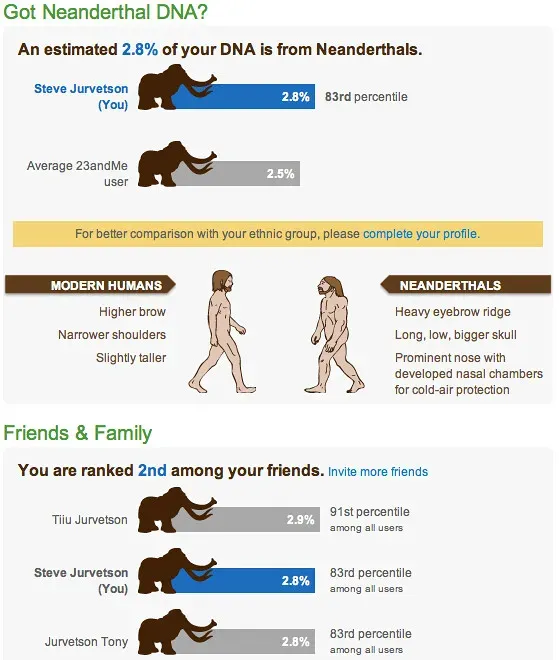
Genetic research in the last couple of decades quietly detonated what was left of the clean separation between “us” and “them.” When scientists sequenced Neanderthal DNA and compared it to living humans, they found that many people today, especially outside of Africa, carry a small but real portion of Neanderthal ancestry. That means Neanderthals weren’t some completely alien offshoot. In at least some regions and times, they met our ancestors, formed relationships, had children, and folded into the broader human story.
Once you accept that level of genetic and social mixing, the old idea of Neanderthals as a totally distinct, inferior species starts to feel almost absurd. It becomes harder to insist that they lacked complex emotions or culture when they were close enough to us – biologically and behaviorally – for our ancestors to build lives alongside them. To me, the DNA evidence doesn’t just resolve debates about classification; it forces a moral rethinking. If Neanderthals were part of our family tree, then our long-standing habit of dehumanizing them says something unflattering about us, not them.
Rewriting Neanderthals Means Rethinking Ourselves
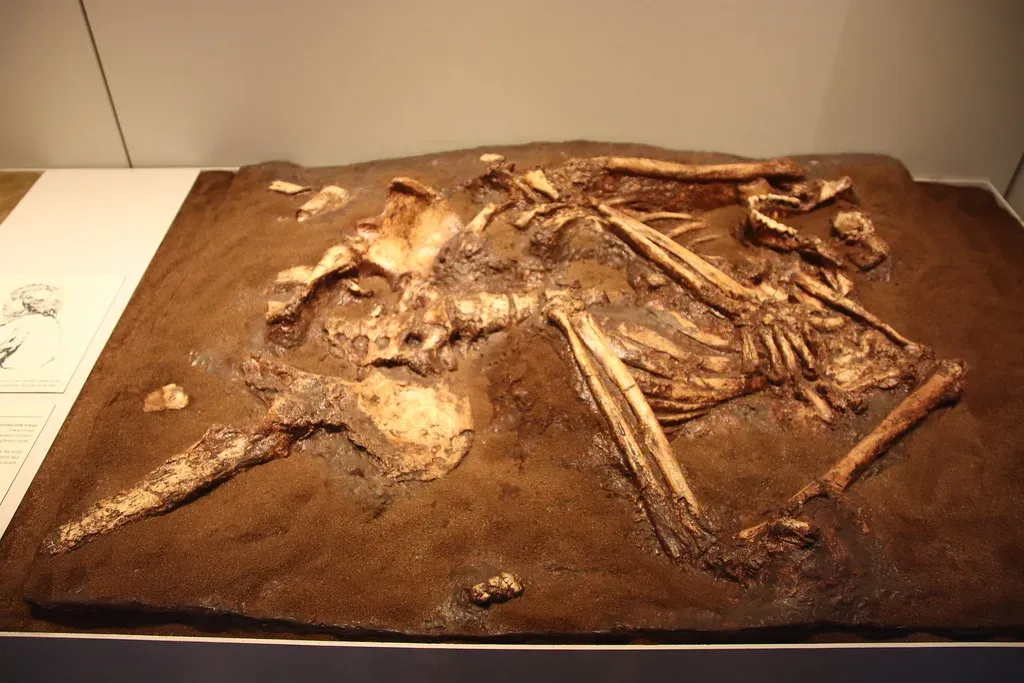
The shift from seeing Neanderthals as brutal cavemen to recognizing them as thoughtful, caring, creative people is more than a quirky update in paleoanthropology. It chips away at a comfortable myth: that modern humans are sharply, categorically different from everything that came before. If Neanderthals buried their dead, tended to those who were hurt, and experimented with pigments and symbols, then the roots of culture, compassion, and imagination run deeper than we wanted to admit.
Personally, I think some of the resistance to this new picture comes from fear. If we are not uniquely special, if other kinds of humans were also capable of tenderness and art, then we have to face the uncomfortable possibility that intelligence and empathy do not guarantee survival or moral greatness. Neanderthals did many of the things we are proud of, and they still vanished. That is a sobering thought – and maybe exactly why their story matters so much right now.
Conclusion: The Real Neanderthal Scandal Was Our Arrogance
In the end, the biggest scandal in Neanderthal research was never that they buried their dead, cared for their injured, or created pigment art. The scandal was that we spent roughly a century and a half bending over backwards to deny it. Faced with graves that looked intentional, bodies that showed long-term care, and artifacts hinting at symbolic behavior, many in science chose the most contorted explanations possible just to protect the story of human uniqueness. We acted as if empathy and creativity were our private property, not ancient capacities shared with other humans who walked this earth.
My own opinion is that the evidence now forces us to swallow a hard but healthy pill: Neanderthals were not failed, stupid versions of us. They were a different expression of being human, with love, loss, ingenuity, and probably more complexity than we will ever be able to reconstruct from bones and dust. The real lesson here is not about them, but about us – about how fiercely we defend flattering myths, even against our own data. Maybe the most honest tribute we can pay Neanderthals is to finally let go of the old caricature and admit that we misjudged them. If science can do that for a vanished cousin, what else might we be brave enough to rethink?