You can almost measure your life in dinosaur movies. From the first time you saw a towering T. rex on the big screen to the latest streaming reboot, Hollywood has turned prehistoric life into a permanent franchise. The problem is, the more money the industry pours into dinosaurs, the less they seem to resemble anything a paleontologist would actually recognize.
That tension is weirdly fascinating: on one side, decades of serious science digging bones out of the ground; on the other, studios spending hundreds of millions to revive those bones as glossy, marketable monsters. The result is a strange parallel universe where dinosaurs are louder, meaner, and often completely wrong. And once you start seeing the mistakes, you can’t unsee them.
The Skinny, Scaly Lie About Dinosaur Skin
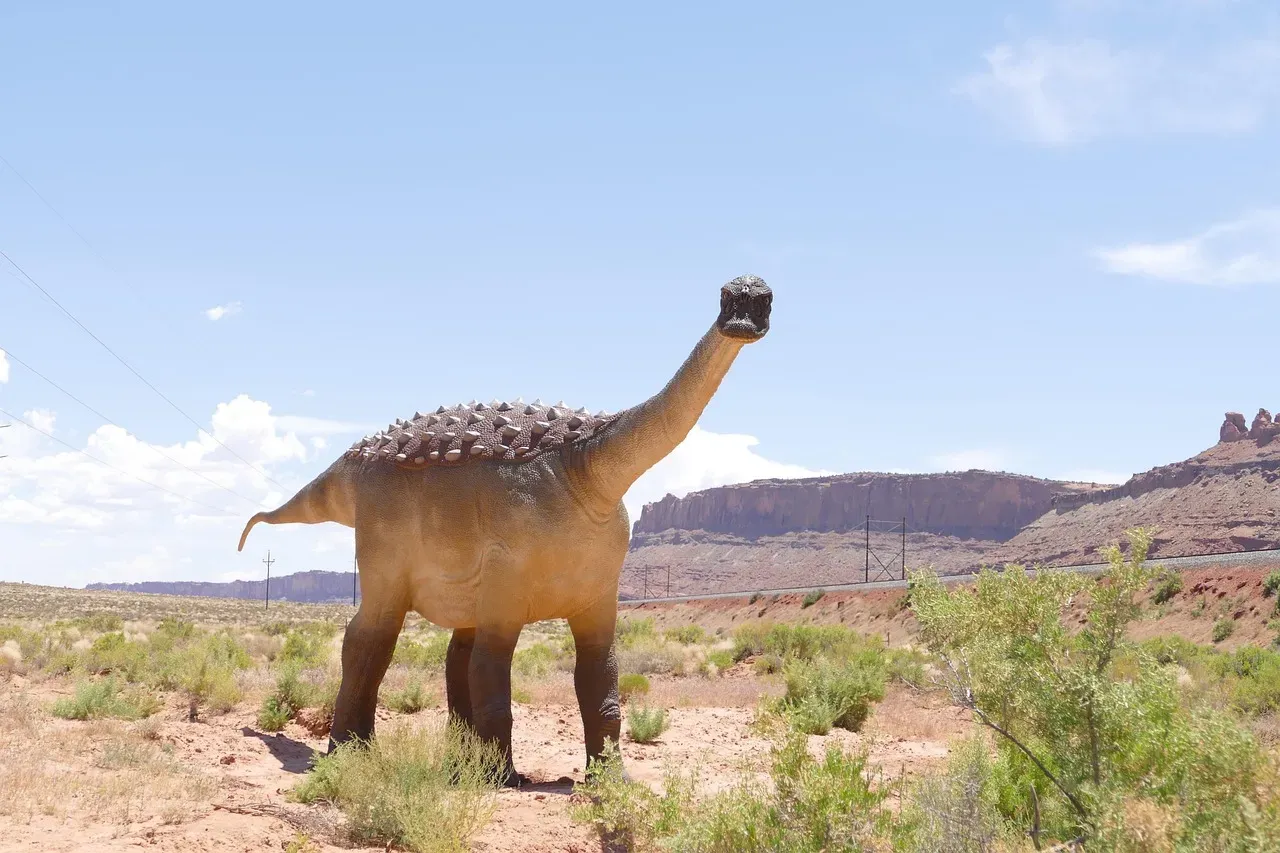
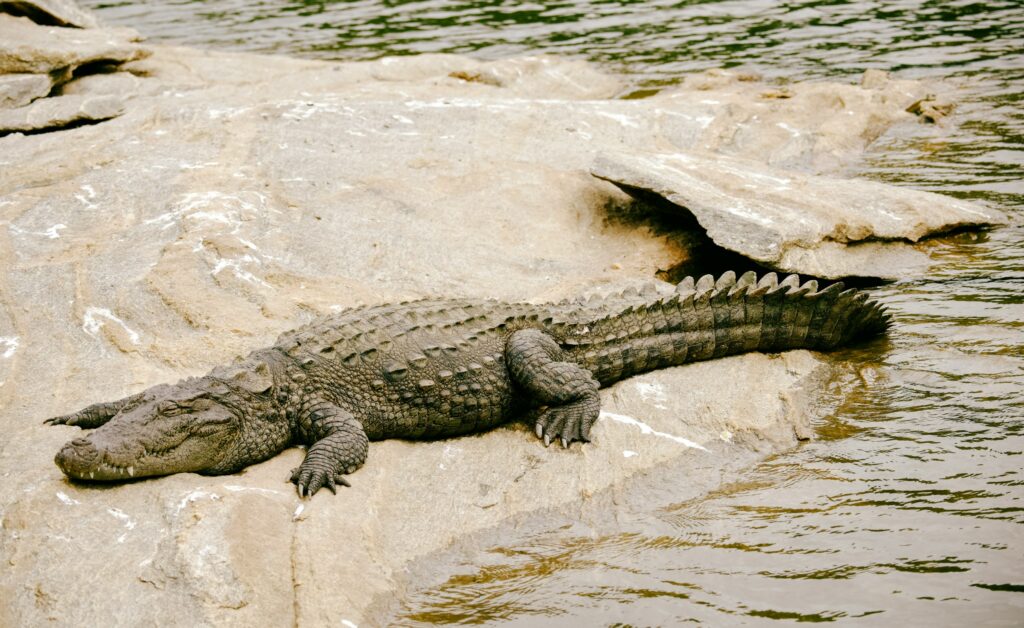
Imagine going to a zoo where every mammal has been shaved bald and spray-painted. That’s basically how Hollywood has treated dinosaur skin for decades. Most big-budget films default to scaly, crocodile-like hides, even for species we now know had feathers, fuzz, or complex patterns.
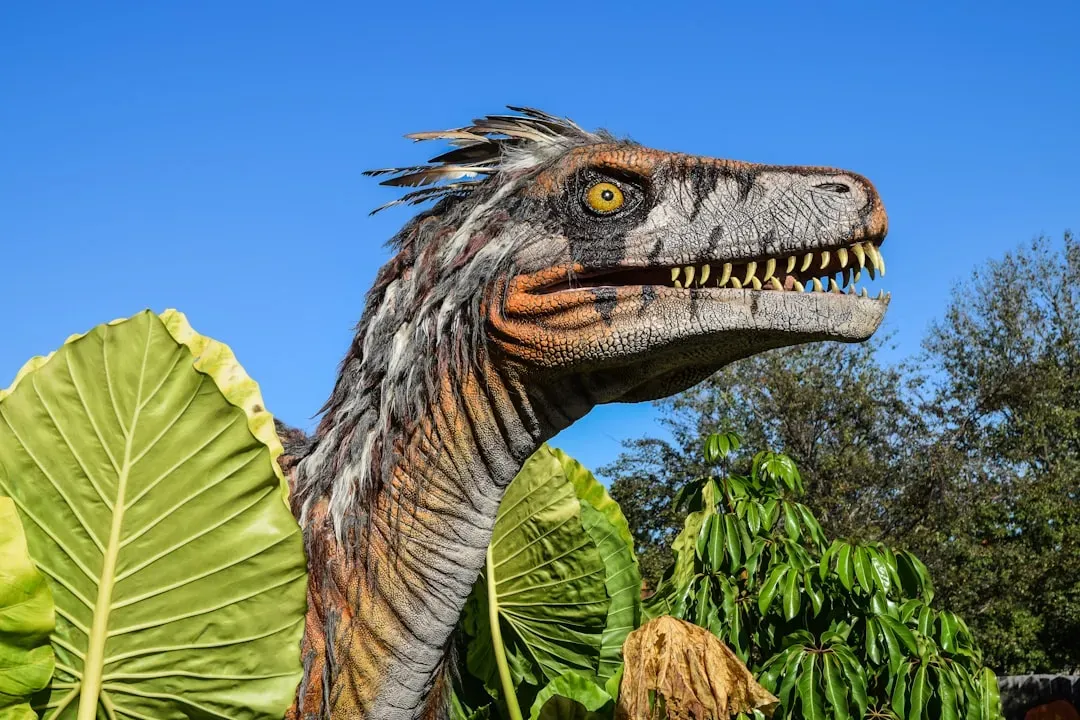
Fossil evidence from several theropods, including relatives of Velociraptor and even early tyrannosaurs, shows impressions of feathers and filament-like structures. Yet on screen, you still get sleek, reptilian killing machines because they look more “serious” and less like giant, angry birds. It might be moodier for cinema, but any first-year paleo student could tell you it is badly out of date.
Feathers: The Hill Hollywood Refuses To Die On
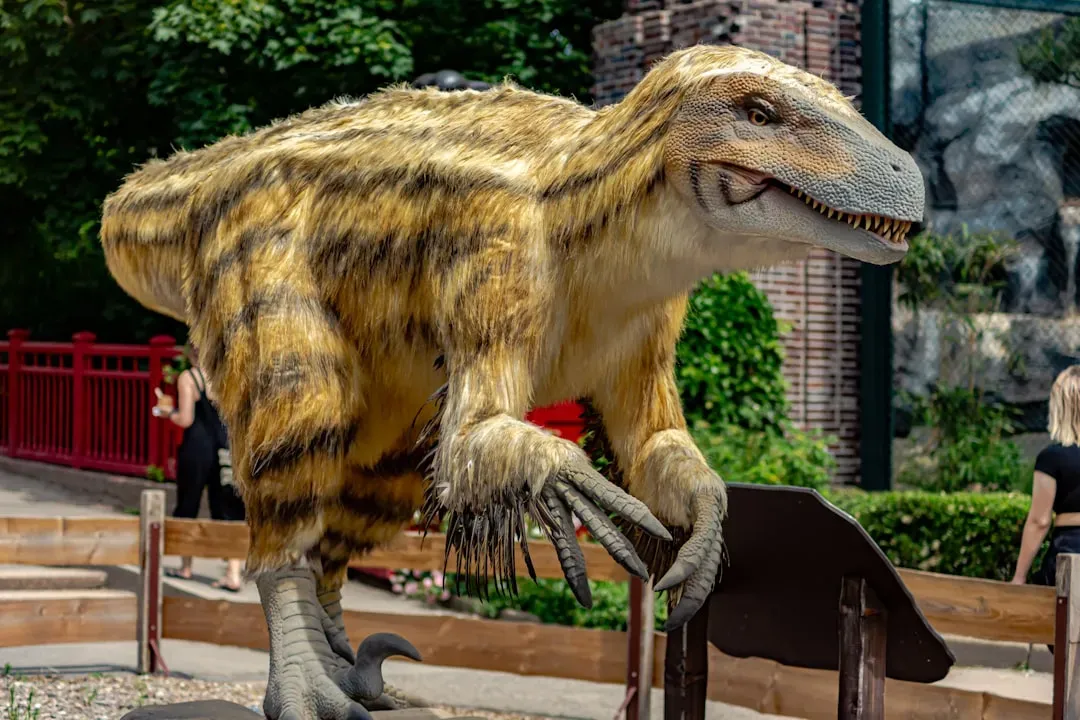
Feathers are the single biggest, loudest scientific update that Hollywood keeps ignoring. For decades, paleontologists have been arguing that many predatory dinosaurs were feathered to some degree, and fossils have backed that up over and over. You’d think a studio would jump at the chance to put a velociraptor in something that looks like a nightmare cassowary.
Instead, feathers show up as a cautious trim or a token “bird-like” flourish, if they appear at all. The fear, of course, is that audiences will find feathered dinosaurs less scary and more ridiculous, like someone put a murder parrot in a Halloween costume. But that’s a failure of imagination, not science. In reality, a multi-ton predator with a mane of dark quills would probably be far more unsettling than the bare-skinned lizard we keep getting.
Velociraptors: Movie Stars, Terrible Students
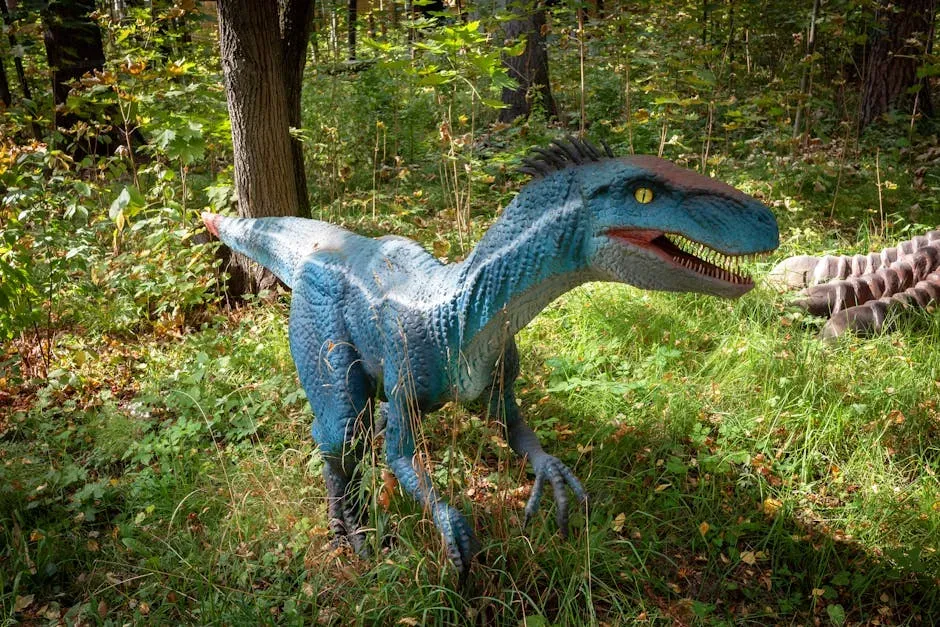
If an actual Velociraptor walked onto a movie set, security would probably try to shoo away the oversized turkey. The real animal was smaller, more lightly built, and almost certainly feathered. Hollywood’s version is a pumped-up hybrid of various dromaeosaurs, stretched and bulked until it fits the role of a human-height horror villain.
This isn’t just a size or wardrobe issue; it bends how people think dinosaurs lived and hunted. Movie raptors are essentially slasher villains with claws, capable of opening doors, running coordinated ambushes, and delivering long, smirking stares. Fossils can tell us a lot, but they don’t support the idea of dinosaurian special-forces units gaming out tactics in a theme park visitor center.
The T. rex That Couldn’t See You If You Didn’t Move
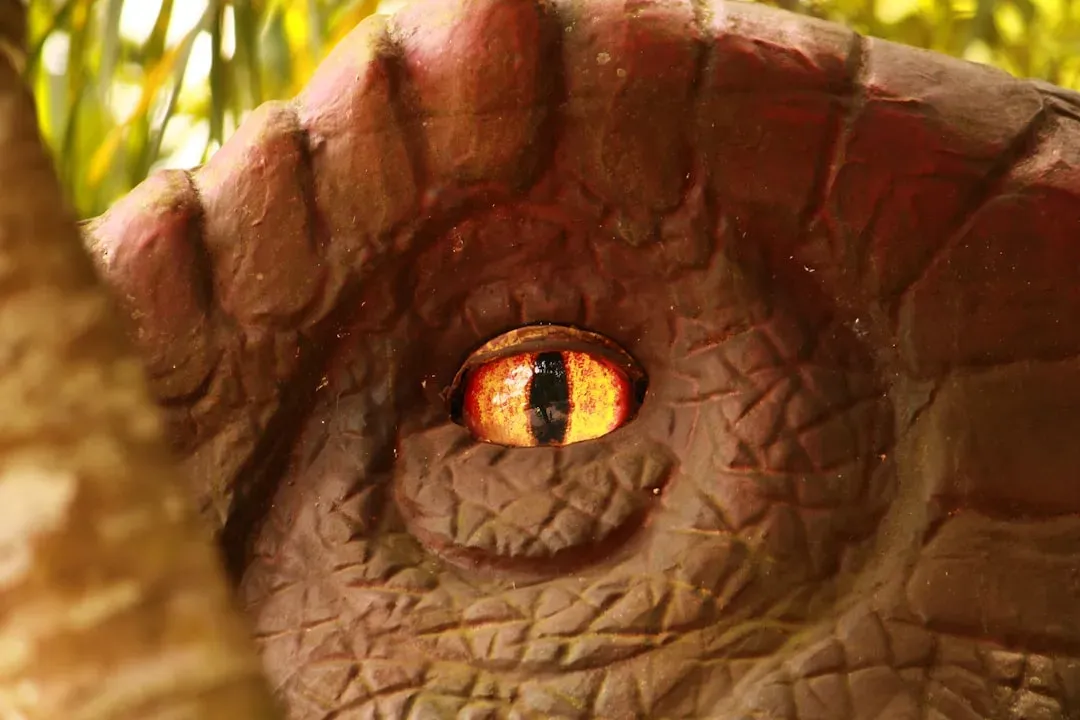
One of the most persistent myths is that Tyrannosaurus rex had vision based on motion, like some kind of prehistoric security camera glitch. This is dramatically convenient – you can have a tense scene where a character stands still while a bus-sized predator sniffs the air. But based on skull shape and eye placement, T. rex probably had excellent binocular vision.
Studies of its skull suggest forward-facing eyes and depth perception not unlike that of modern birds of prey. That means a T. rex would almost certainly see a human standing in front of it, moving or not. The “stand still and survive” trope is the kind of thing that makes paleontology students pinch the bridge of their nose in the theater and mutter under their breath.
Dinosaur Behavior Turned Into Soap Opera Drama
Hollywood loves giving dinosaurs very human motives: revenge arcs, grudges, loyalty, even melodramatic showdowns where two predators square off like rival action heroes. In reality, most of what we know about dinosaur behavior comes from trace fossils, bonebeds, nesting sites, and comparisons with living animals, especially birds and reptiles. That evidence is rich but subtle, and it does not read like a screenplay.
There are signs of social behavior in some species, coordinated movement, and even parental care. But the idea of a single dinosaur holding a personal vendetta or pursuing one specific human across multiple set pieces is pure narrative wish-fulfillment. When films lean too hard into “that dinosaur is basically a character with complex motives,” they slip from grounded speculation into creature-feature fantasy.
Scale, Speed, and the Obsession With Bigger, Faster, Louder
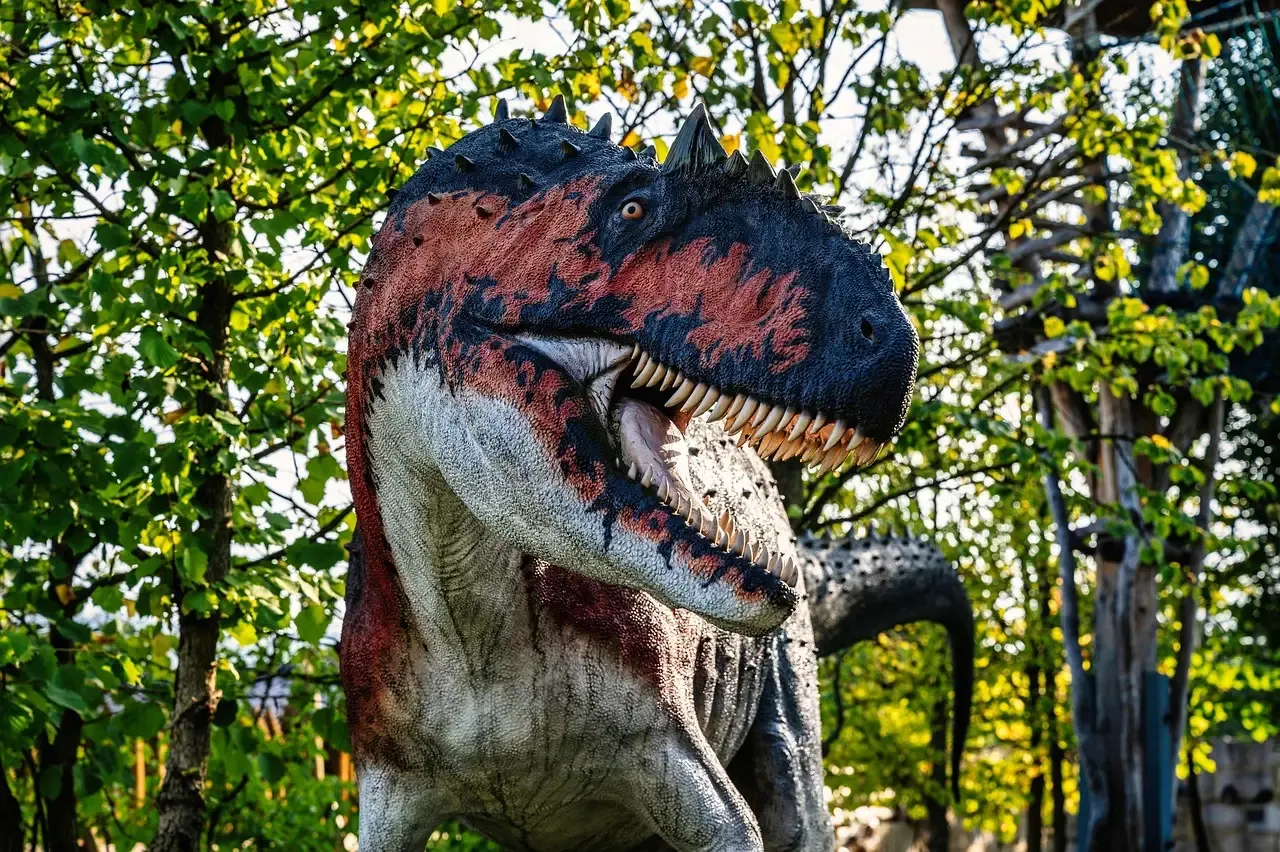
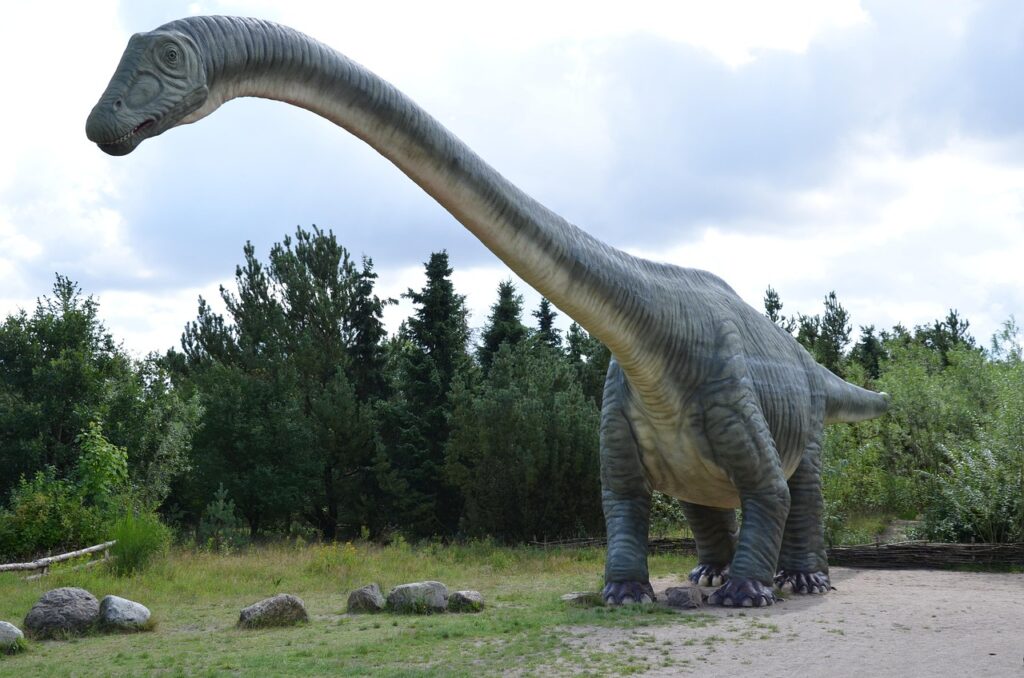
One of Hollywood’s favorite tricks is turning the dial to maximum on everything: faster chases, larger jaws, more impossible leaps. The problem is, biology has limits. A huge dinosaur with oversized spikes, an enormous sail, or exaggerated muscles starts to look cool but quickly becomes biomechanically implausible when you think about weight, balance, and energy use.
Real dinosaurs were incredible animals without needing imaginary upgrades. Many large predators likely could not sprint for long without overheating or damaging their own limbs. Yet films often show them weaving through tight spaces, pulling off athletic feats that would wreck their joints. It makes for fun chase scenes, but it flattens the more interesting truth that evolution is about trade-offs, not superpowers.
Mixed-Up Timelines and Franken-Species
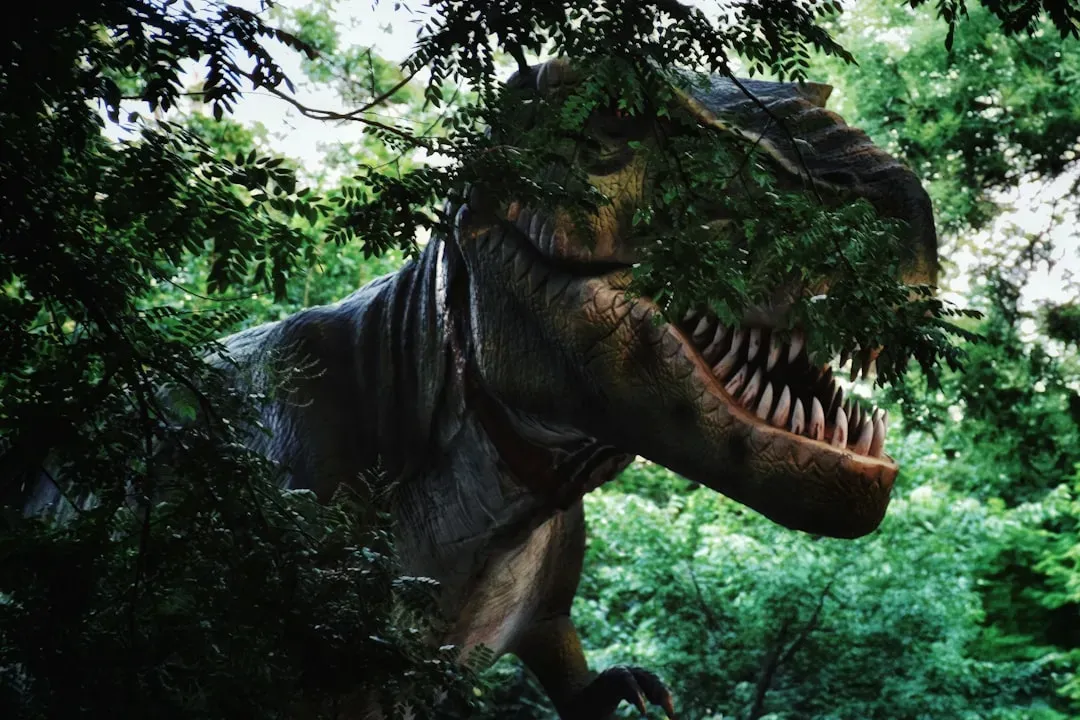
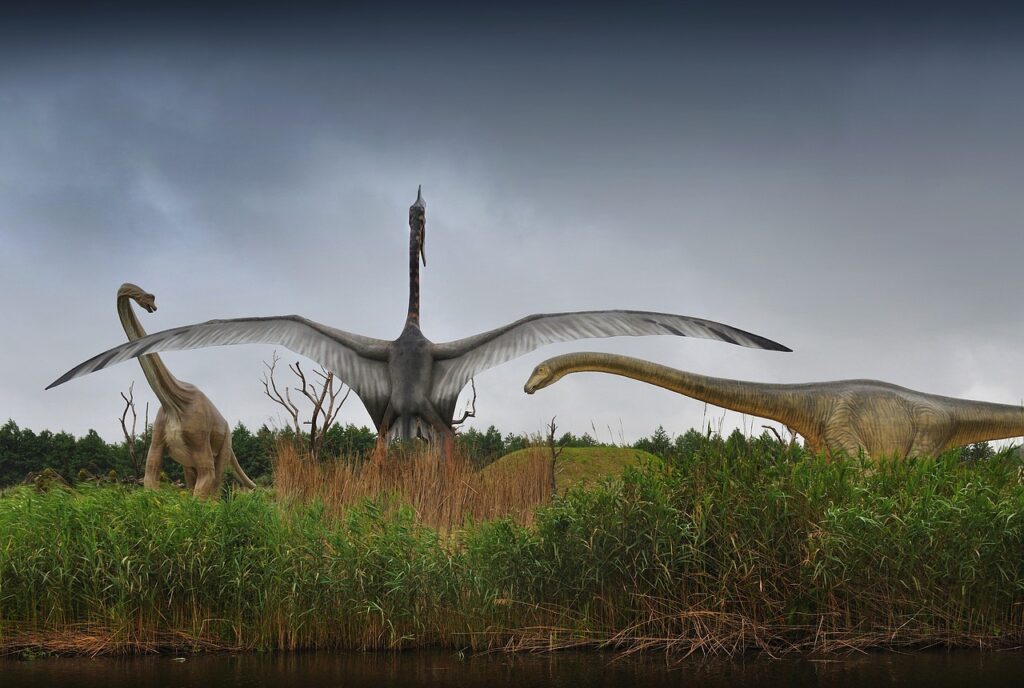
Another thing that would make any paleontology student wince is how films happily mash species from different eras and continents into one convenient ecosystem. Dinosaurs that lived tens of millions of years apart share the same jungle, teaming up or fighting as if the Mesozoic was one long house party. It is like writing a historical drama where a Roman soldier shares a coffee with a World War II pilot.
On top of that, some movies create outright fantasy hybrids while still pretending to be vaguely realistic. Combining traits from unrelated species, then slapping on a Latin-sounding name, blurs the line between speculative storytelling and scientific misdirection. A bit of artistic license is fine, but when audiences walk away thinking these mash-ups might actually have existed, something has gone wrong.
Where Hollywood Gets Dinosaurs Right (And Why That Matters)
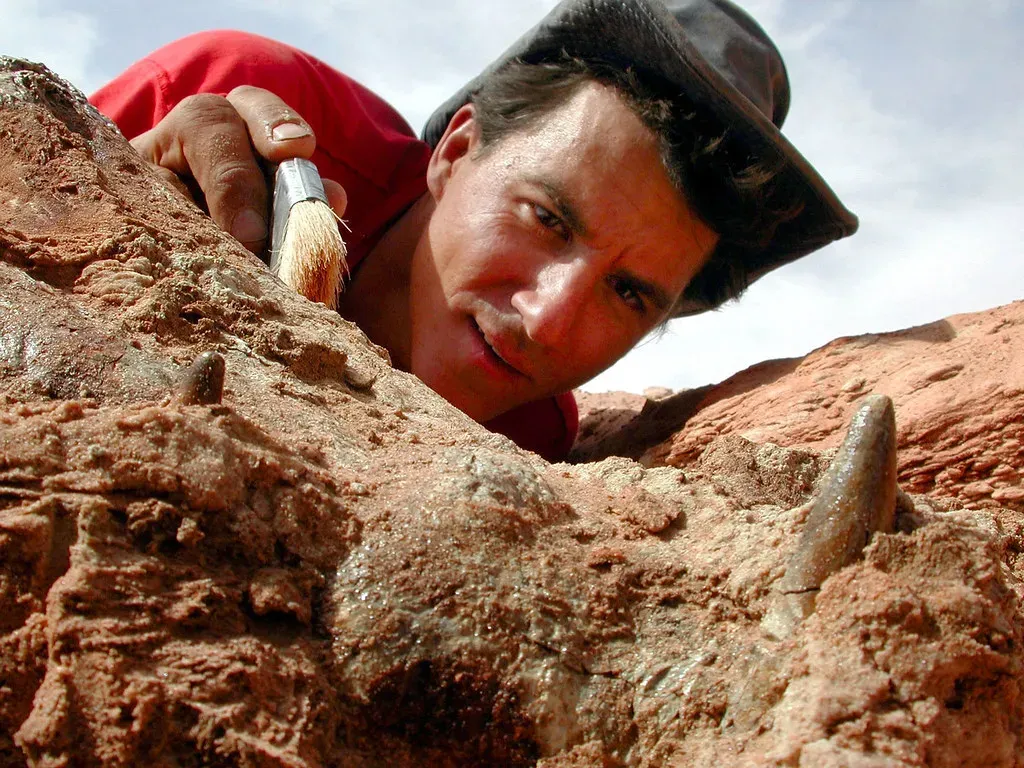
To be fair, not everything is a disaster. Many films consult real paleontologists, use up-to-date skeletal reconstructions, and try to capture things like posture, gait, and basic anatomy accurately. Some even sneak in subtle details, like bird-like movements or social clustering, that reflect current thinking rather than old textbooks.
Those moments matter because dinosaur movies are often the public’s first and loudest introduction to deep time and evolutionary biology. When a film gets something right – showing a herd behaving more like animals than monsters, or hinting at feathered bodies – it nudges millions of viewers a tiny step closer to how paleontologists actually see these creatures. That may not be as flashy as adding another row of teeth, but it is a lot more honest.
Conclusion: Dinosaurs Deserve Better Than Just Good Box Office
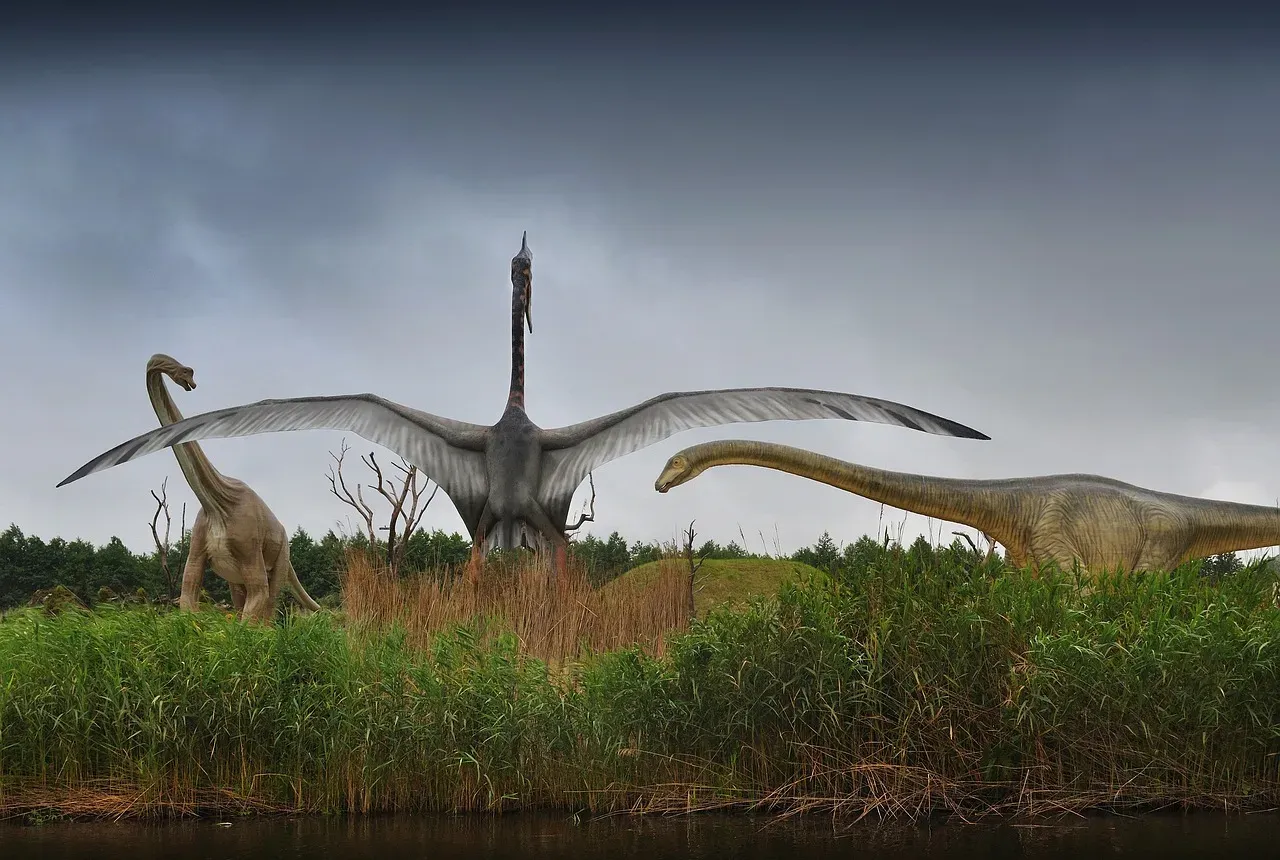
After thirty years of mega-budget dino spectacles, the uncomfortable truth is this: Hollywood has built a version of prehistoric life that sells tickets but regularly bulldozes the science. The industry keeps clinging to sleek, scaly villains, impossible behaviors, and Frankenstein designs because they are familiar and easy to market, even when the evidence has moved on. In doing so, it shortchanges one of the most astonishing stories nature ever wrote.
Dinosaurs were already strange, terrifying, and beautiful without human screenwriters upgrading them like phone models. We could have feathered nightmares, weird social dynamics, and ecosystems that feel genuinely alien yet scientifically grounded, but it requires the courage to let reality be as weird as fiction. Maybe the next generation of filmmakers will finally treat paleontology as more than a costume rack for monsters and start respecting the evidence. Until then, anyone who has taken even one paleontology class will keep cringing in the dark, watching billion-dollar lizards strut around in the wrong skin. Would you rather be thrilled by a lie, or amazed by the truth?