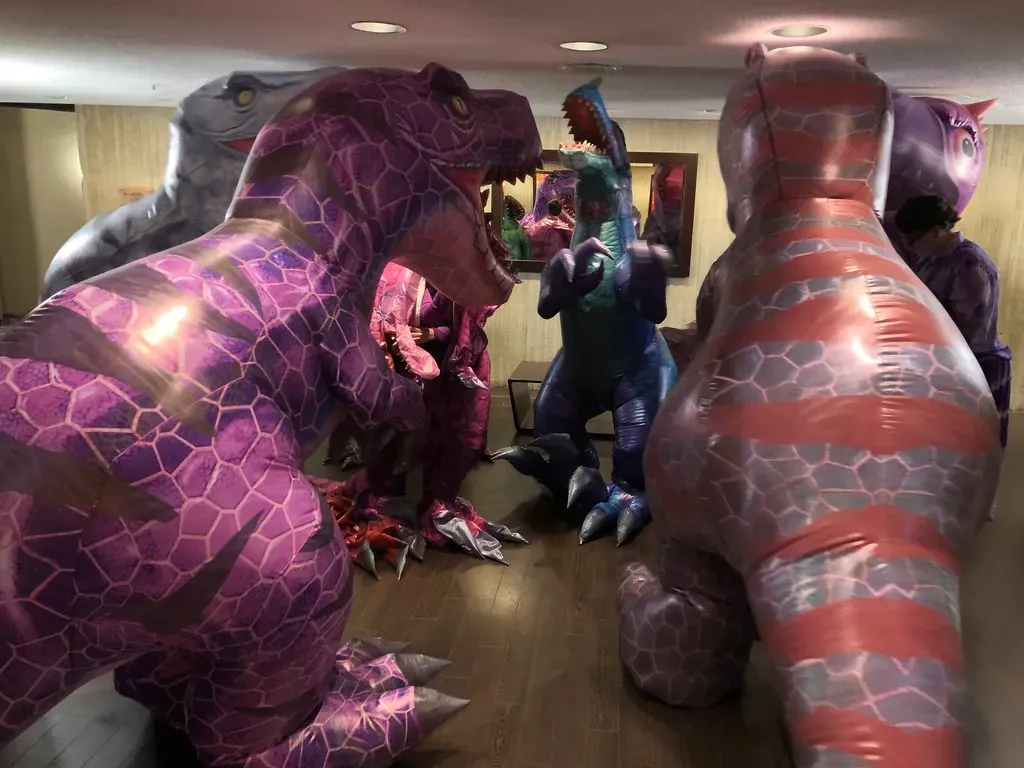
Somewhere between the toy aisle and the helium balloons, you can now stumble across a quietly hilarious scientific twist: that goofy, inflatable T. rex costume might actually be closer to what real Tyrannosaurus rex looked like than the terrifying cinematic icon from Jurassic Park. Not because of the roar, or the drama, or the menace – but because it is blissfully missing one thing: lips.
This sounds like a joke, but it taps into a very real, very heated debate in modern paleontology about whether big theropod dinosaurs, especially tyrannosaurs, had visible teeth like crocodiles or were covered by scaly lips more like lizards. Recent research has pushed the lip camp into the lead, which means the classic movie monster with permanently exposed fangs is starting to look scientifically outdated. Let’s dig into why the party-store dinosaur unexpectedly ends up on the more accurate side of history.
A Shocking Twist: The Party Costume vs. Hollywood’s Apex Predator
The idea that a sagging, squeaky inflatable T. rex could outscore Jurassic Park on anatomical accuracy feels absurd at first. One is a low-budget gag outfit; the other helped spark a global dinosaur renaissance and hired real paleontologists as advisors. Yet accuracy in science is a moving target, and the movies are frozen in time, while research has spent the last three decades evolving.
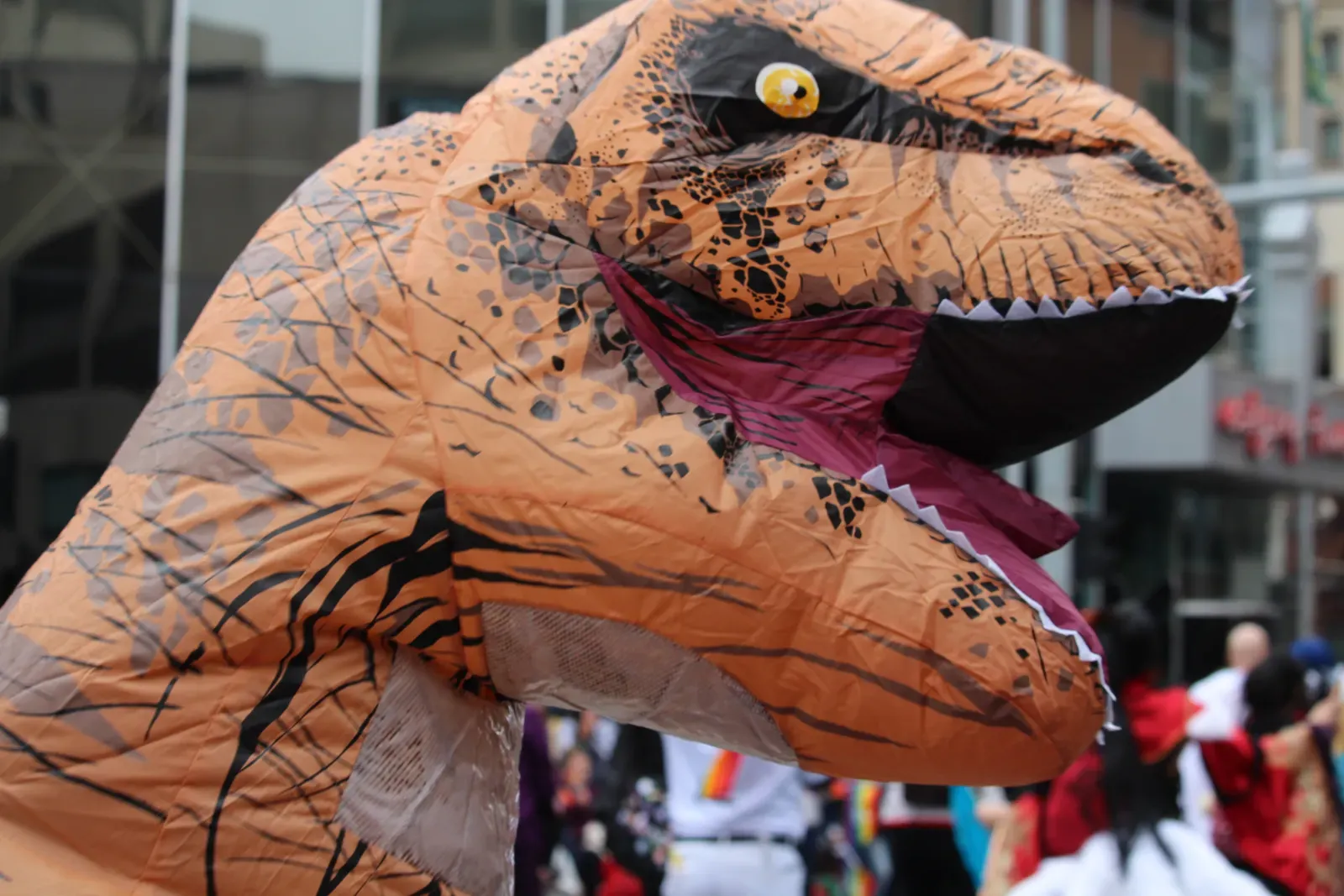
What has shifted is not whether T. rex was scary, but how that face actually worked. In the film, the animal’s teeth are always on permanent display, jutting out like kitchen knives even when the mouth is supposedly closed. The costume, on the other hand, usually has a closed or partly closed mouth printed on it with no distinct, exposed teeth. Weirdly, that “no visible teeth when the jaw is shut” look now lines up more closely with the best-supported scientific models of T. rex facial anatomy.
The Lip Debate: Why Scientifically Accurate Dinosaurs Keep Changing
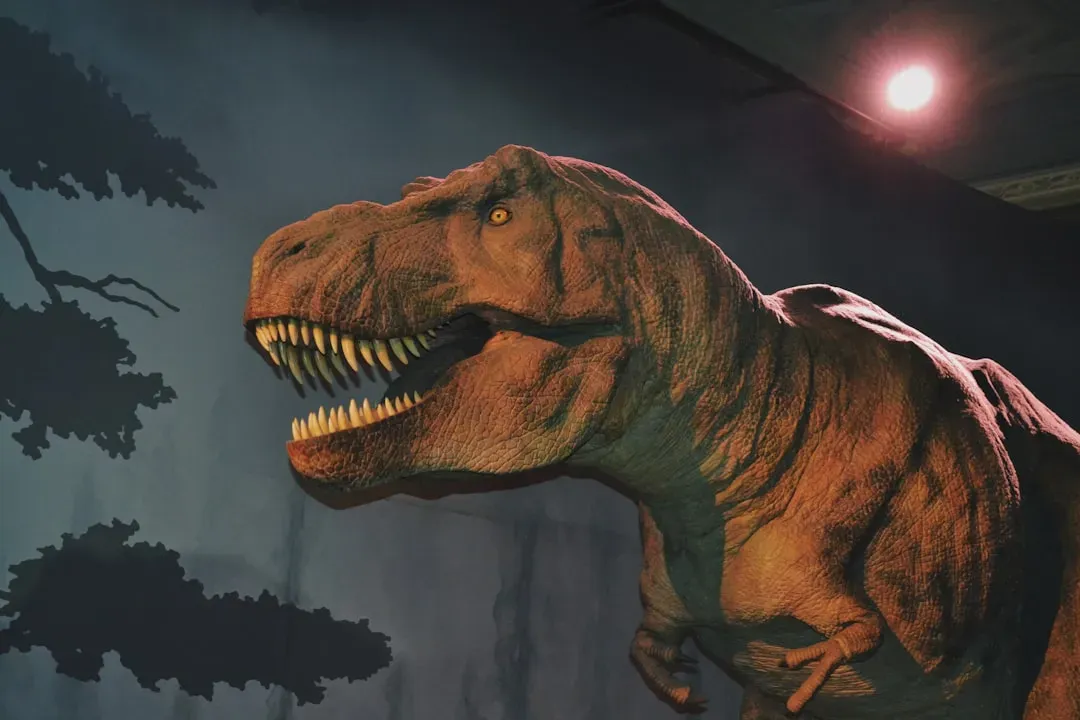
For decades, artists drew big theropods like scaled-up crocodiles: huge skull, long snout, teeth constantly poking out. Meanwhile, other scientists and paleoartists argued that those same teeth would have dried out and cracked if they were always exposed, and that lips – not mammal lips with soft, fleshy curves, but reptile-style scaly coverings – made more sense. It stayed a tug-of-war largely based on anatomical comparisons and educated guesswork.
In the last several years, more detailed analyses of skulls, tooth wear, and modern reptiles have strengthened the argument that theropods most likely had lips that covered the teeth when the jaw was closed. That does not mean a dinosaur smile looked like a cat’s or a human’s. It probably looked more like a Komodo dragon or many monitor lizards: tough scales, subtle lip line, and teeth mostly hidden unless the mouth was open. Once you accept that, the Jurassic Park look of swordlike teeth always glowing in the rain starts to feel like a stylized monster choice rather than a realistic reconstruction.
Teeth, Enamel, and Dryness: The Real Problem With Exposed Fangs
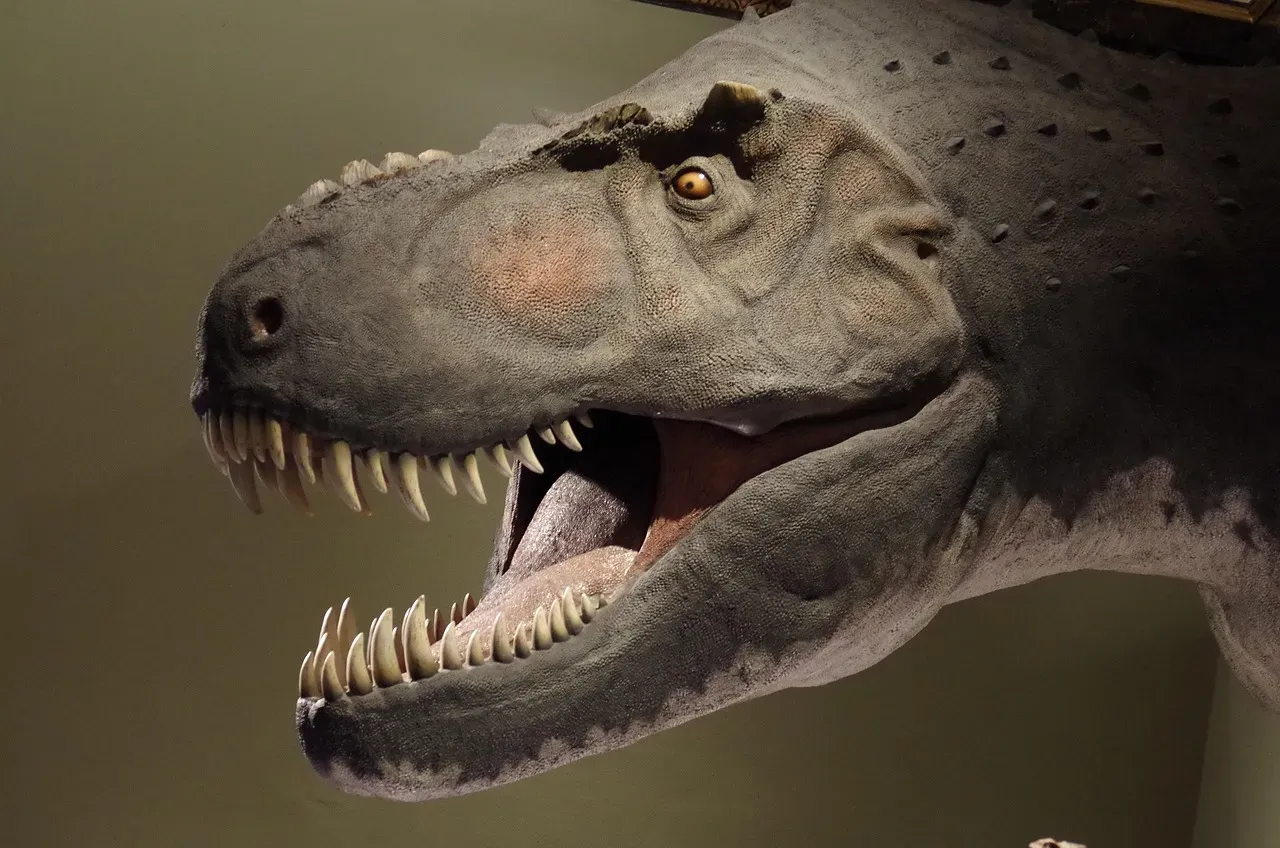
Teeth are not just weapons; they are living parts of the skull that need protection. The enamel on theropod teeth appears to have been more like that in lizards than in crocodiles, which is important because crocodile enamel can tolerate more constant exposure to air and water. If T. rex had lizard-like enamel, leaving its teeth sticking out all day would have risked drying, cracking, and damage, especially in a predator that relied on bone-crushing bites.
This is where lips come in. In many modern reptiles, the lips help maintain a moist environment inside the mouth, reducing stress on the enamel and dentin. The more we learn about the microscopic wear patterns on tyrannosaur teeth and the shape of the jaw bones that would anchor soft tissues, the more it looks like they were built for a mostly closed system: teeth enclosed behind a lip line at rest, briefly exposed when biting, tearing, or displaying. That is the direct opposite of the always-bared crocodile grin the movies made famous.
Skulls, Soft Tissue, and the Limits of Fossils
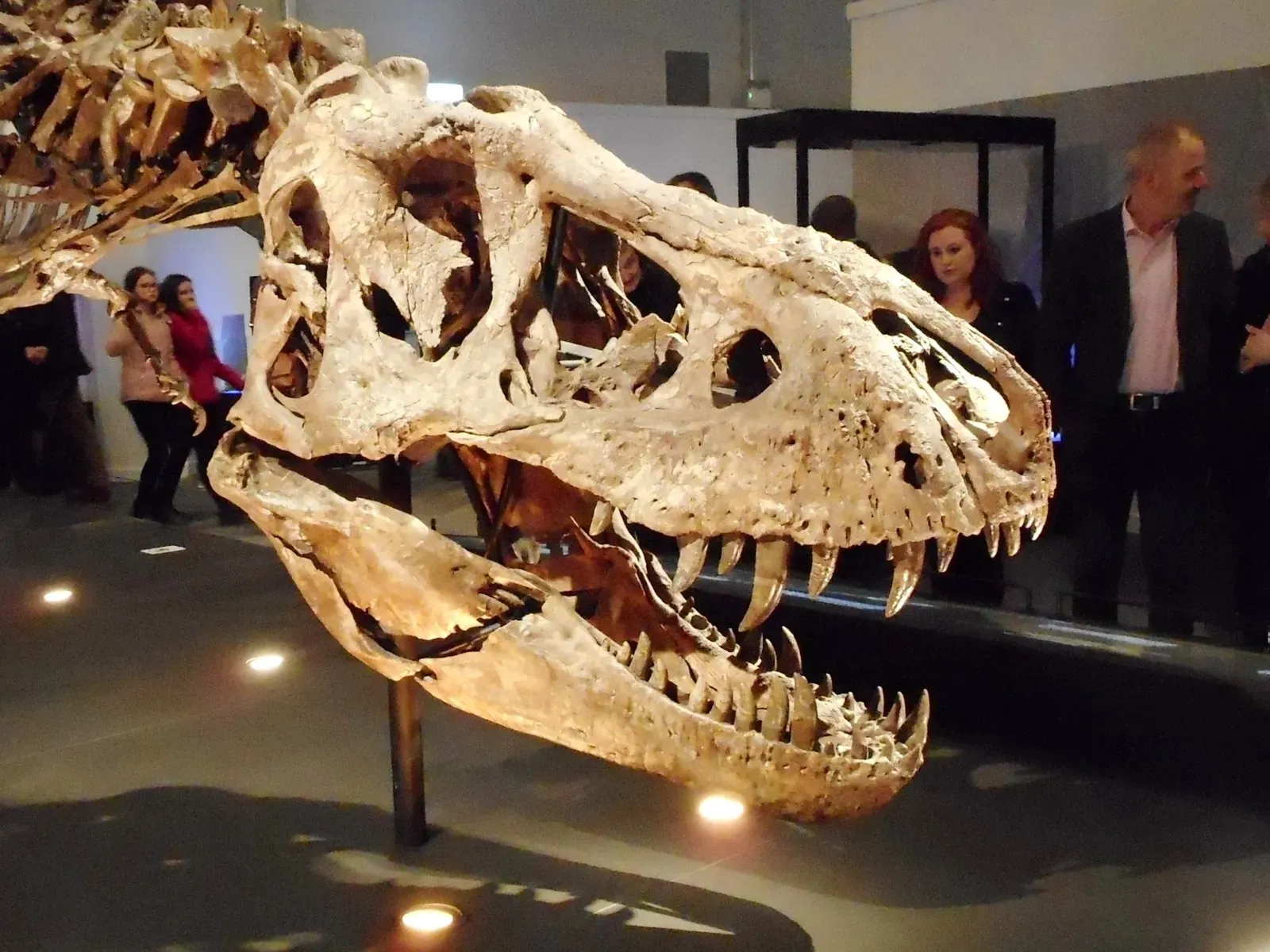
Part of the reason this debate took so long to mature is that fossils are brutally biased toward hard tissues. Bones and teeth preserve beautifully; lips and cheeks do not. Scientists have to work backward from the shape of the skull, the position of muscle attachments, and comparisons with modern animals to infer what the face looked like in life. It is a puzzle with many missing pieces, and the temptation to fill the gaps with drama has always been strong in art and film.
In tyrannosaurs, the skull bones around the mouth do not show the kind of texture and grooves you see in crocodilians that have very tightly bound, tooth-exposing gums. Instead, their skulls look more comparable to many lizards that do have lips. Add in the enamel evidence, the way the teeth sit in the jaw, and the way modern predatory reptiles manage their dental hardware, and the lip-covered model has taken the lead. Jurassic Park’s T. rex, locked into a pre-1990s mental image, did not get to benefit from that growing body of evidence.
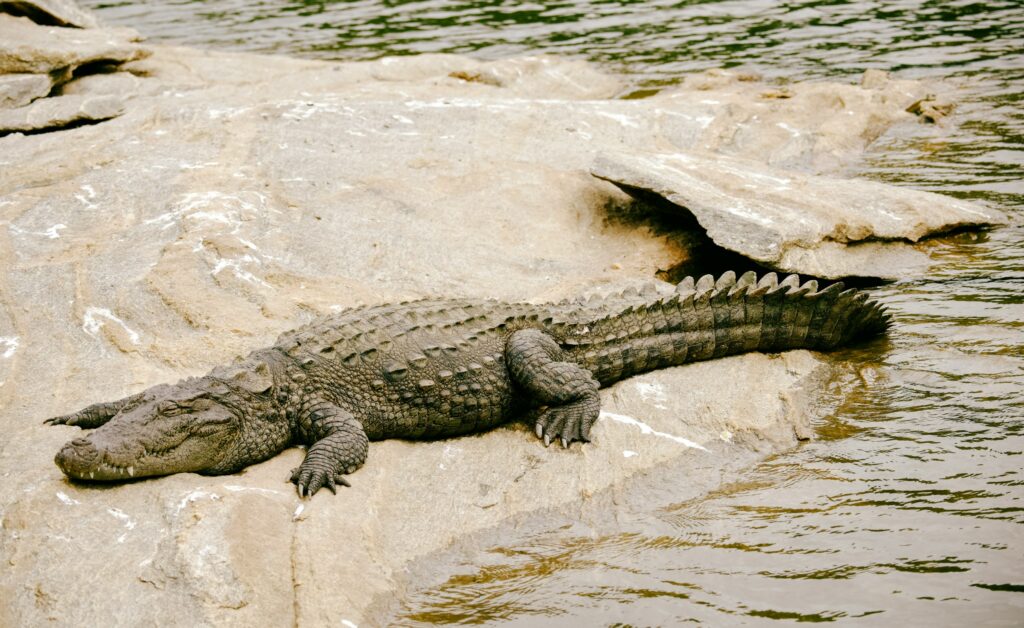
Seeing a lizard today with its teeth mostly hidden until it gapes helps reset expectations. Ferocious does not have to mean teeth-out at all times; it can mean a deceptively quiet, closed mouth, like a coiled spring.
How Jurassic Park Locked In the “No-Lips” Monster Look
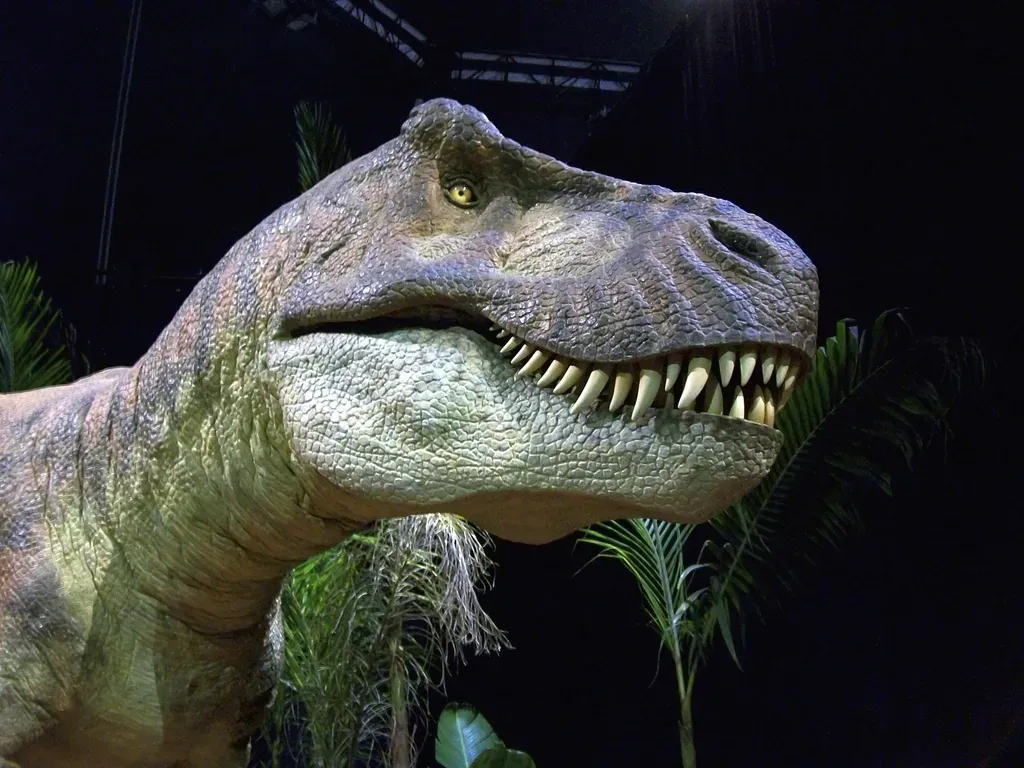
Jurassic Park changed how the world imagined dinosaurs almost overnight. The filmmakers leaned heavily into the idea that these were fast, smart, terrifying predators, and the visuals reflected that goal. A T. rex with permanently exposed teeth reads instantly as a threat; it looks like a walking set of knives, even in silhouette. That choice was brilliant for storytelling and visual impact, even if it sacrificed some anatomical subtlety.
Once a movie this influential sets a template, it becomes the default in toys, comics, video games, and theme parks. The toothy theropod head became a global icon, from kids’ lunchboxes to sports logos. Updating that image to include lips would require admitting that the “classic” dinosaur face has probably been wrong in a notable way, and mass media is slow to abandon something that still sells so well. So the movies kept the no-lips look, even as the science started leaning harder in another direction.
Why the Inflatable Costume Accidentally Gets One Thing Right

Now enter the inflatable T. rex: a design built not for accuracy but for portability, humor, and easy manufacturing. Those costumes tend to have a simple printed face: big eyes, a snout, maybe a line for the mouth, sometimes a few vague white triangles but often no clearly protruding, individually sculpted teeth. When the wearer stands still, the dinosaur’s mouth is effectively closed with nothing much showing. That absence of constant tooth exposure is unintentionally closer to the lip-covered model.
Of course, the costume fails almost everywhere else. The proportions are comically off, the neck is usually too short, the tail too floppy, and the tiny arms somehow even tinier. Nobody would seriously propose it as a scientific reconstruction. But on this one, strangely specific question – should a resting T. rex face have all its teeth hanging out or not – the inflatable gag suit edges out a Hollywood legend. It is like a cartoon accidentally solving a math problem because it guessed the right answer for the wrong reasons.
Accuracy vs. Vibes: Why This Comparison Actually Matters
At first glance, arguing about lips on T. rex can feel like splitting hairs. The animal is still a multi-ton predator capable of crushing bone; it does not become cuddly because we add a lip line. But details matter in science, and they add up to better, more realistic mental pictures of extinct ecosystems. When we get the face wrong, we risk misunderstanding how these animals hunted, displayed, and interacted with each other and their environment.
There is also a deeper cultural piece here: Jurassic Park turned dinosaurs into worldwide pop culture, and that legacy is powerful. When the inflatable costume nudges closer to current evidence than the iconic movie design, it is a gentle reminder that science keeps moving, even if our favorite stories do not. Personally, I like that tension. It forces us to admit that even beloved classics can age, and that a cheap Halloween outfit might, in one tiny way, be more in step with what paleontologists now think a real tyrant lizard king looked like.
The Lip Service We Owe to Real Dinosaurs
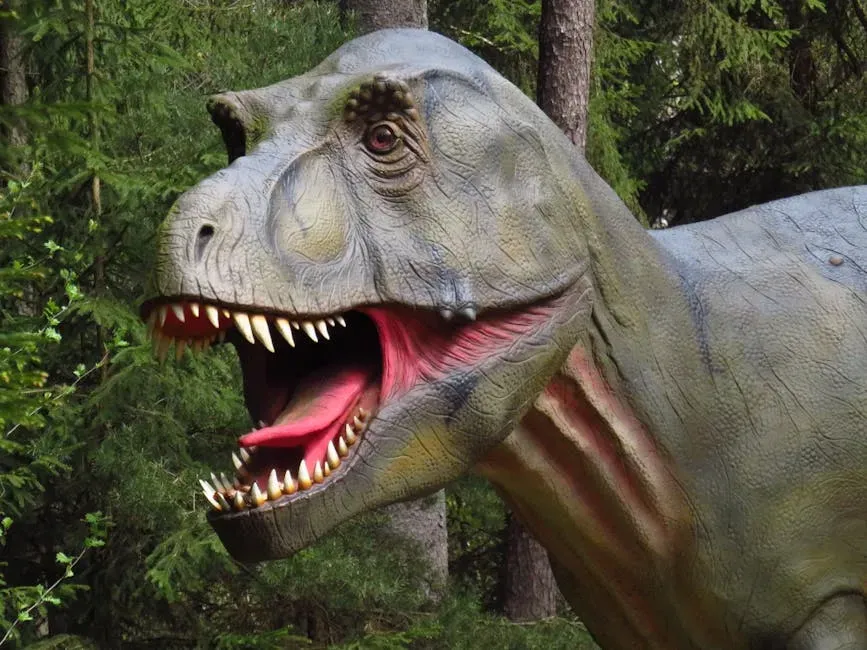
In my view, T. rex with lips is not about making the animal less scary; it is about respecting the complexity of life in the deep past. Real predators need functioning teeth more than they need a cinematic grin, and the lines of evidence we have – enamel structure, skull shape, reptile comparisons – all point toward those teeth being protected most of the time. That does not spoil the magic of Jurassic Park, but it does put its monster design in the same category as other stylized creatures: memorable, thrilling, and slightly wrong.
So yes, the inflatable T. rex at your local party store is technically more accurate than the movie T. rex on the very narrow issue of visible lips and constantly exposed teeth. That fact is hilarious, but it is also a neat illustration of how science quietly rewrites our mental images while pop culture hangs back. The question is whether we are willing to let our dinosaurs grow up with the evidence – or whether we prefer them frozen forever with their teeth bared for the camera. Which version do you see now when you close your eyes?