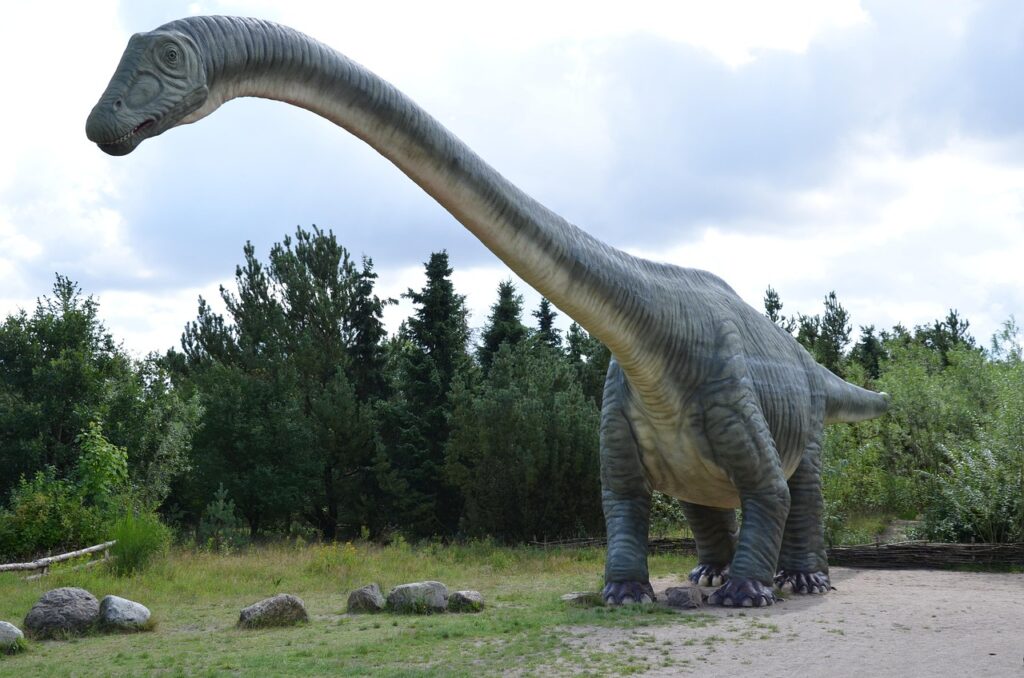
Somewhere between the dinosaur posters on your childhood bedroom wall and the smug friend who told you Brontosaurus was “never real,” a quiet scientific soap opera has been unfolding. It has everything: rivalry, mistaken identity, dramatic cancellations, and a surprise comeback more satisfying than your favorite rebooted TV show.
The wild part? This saga is not a failure of science. It is science doing exactly what it is supposed to do: changing its mind when the evidence changes. If you grew up loving Brontosaurus, lost it, and then found out it had been reinstated, you have basically lived through a front‑row lesson in how knowledge actually works.
The Bone Wars: When Dinosaurs Became Weapons of Academic Ego
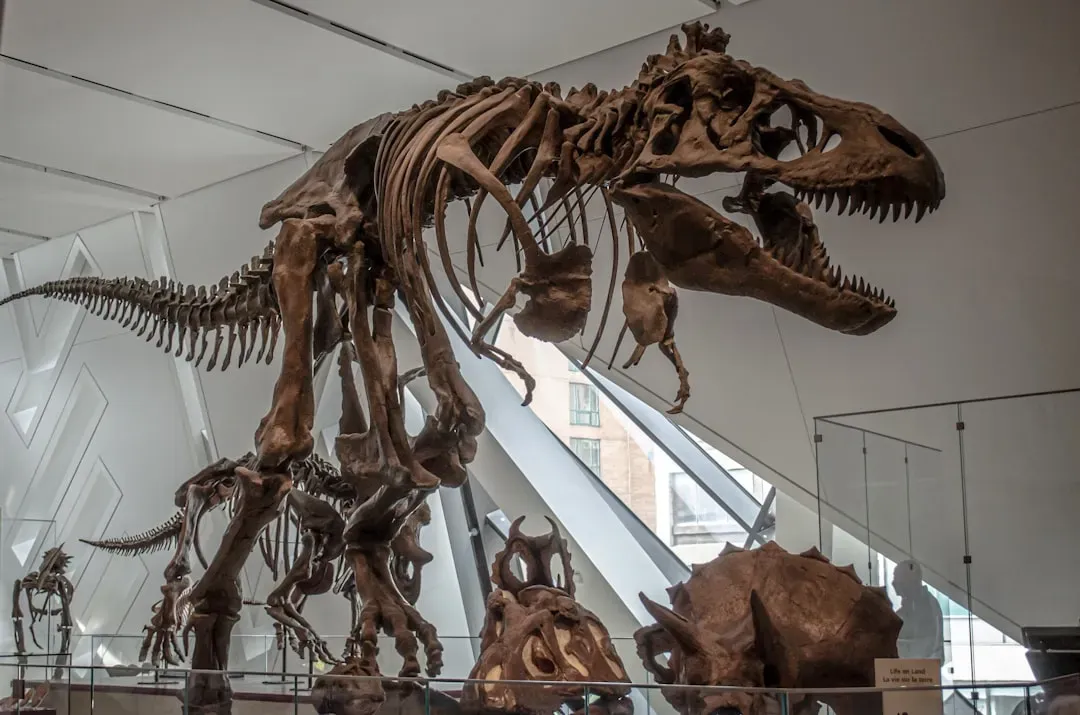
If you want to understand the whole Brontosaurus mess, you have to go back to the late eighteen hundreds, when two paleontologists, Othniel Charles Marsh and Edward Drinker Cope, turned dinosaur hunting into something close to a personal war. They were racing to name as many new species as possible, sometimes faster than they could fully study what they were digging up. It was a bit like dropping new product lines every week without checking if they actually work.
In that chaotic rush, Marsh named a long‑necked dinosaur Apatosaurus in eighteen seventy‑seven and then, based on another skeleton, named Brontosaurus in eighteen seventy‑nine. At the time, it seemed like he had discovered two different giants, and nobody yet had the full picture. When you imagine these early days, think of dusty fossils laid out on wooden tables, half reconstructed, with enormous pressure to slap on a new name before your rival did it first.
When Brontosaurus Was “Cancelled”: The Synonym Problem
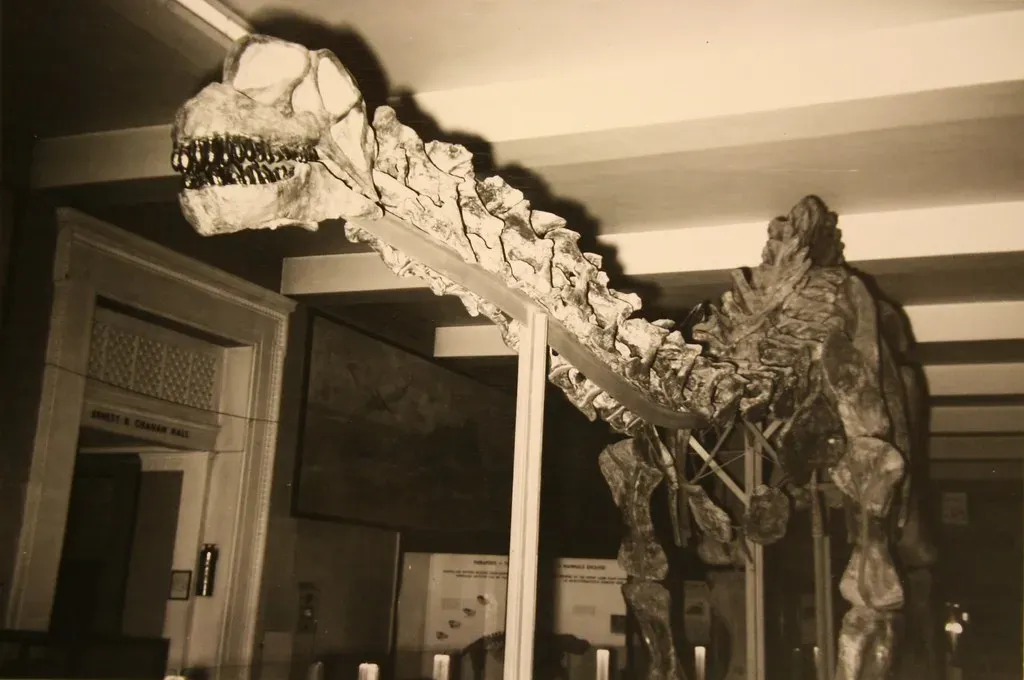
As the dust settled in the early nineteen hundreds and more complete skeletons were compared, scientists began realizing that the dinosaur Marsh had called Brontosaurus looked extremely similar to the one he had already called Apatosaurus. In taxonomy, when two names describe what turns out to be the same animal, the older name gets priority. That meant Apatosaurus stayed, and Brontosaurus, officially, had to go.
For most of the twentieth century, museums and textbooks slowly shifted toward using Apatosaurus as the correct name, even though “Brontosaurus” had already grabbed the public imagination. This is where that know‑it‑all correction comes from: technically, for decades, Brontosaurus was considered a junior synonym and not valid. You were not wrong to love it; you were just loving the version that science had temporarily shelved.
Museum Mix‑Ups, Missing Skulls, and Why the Public Got Confused
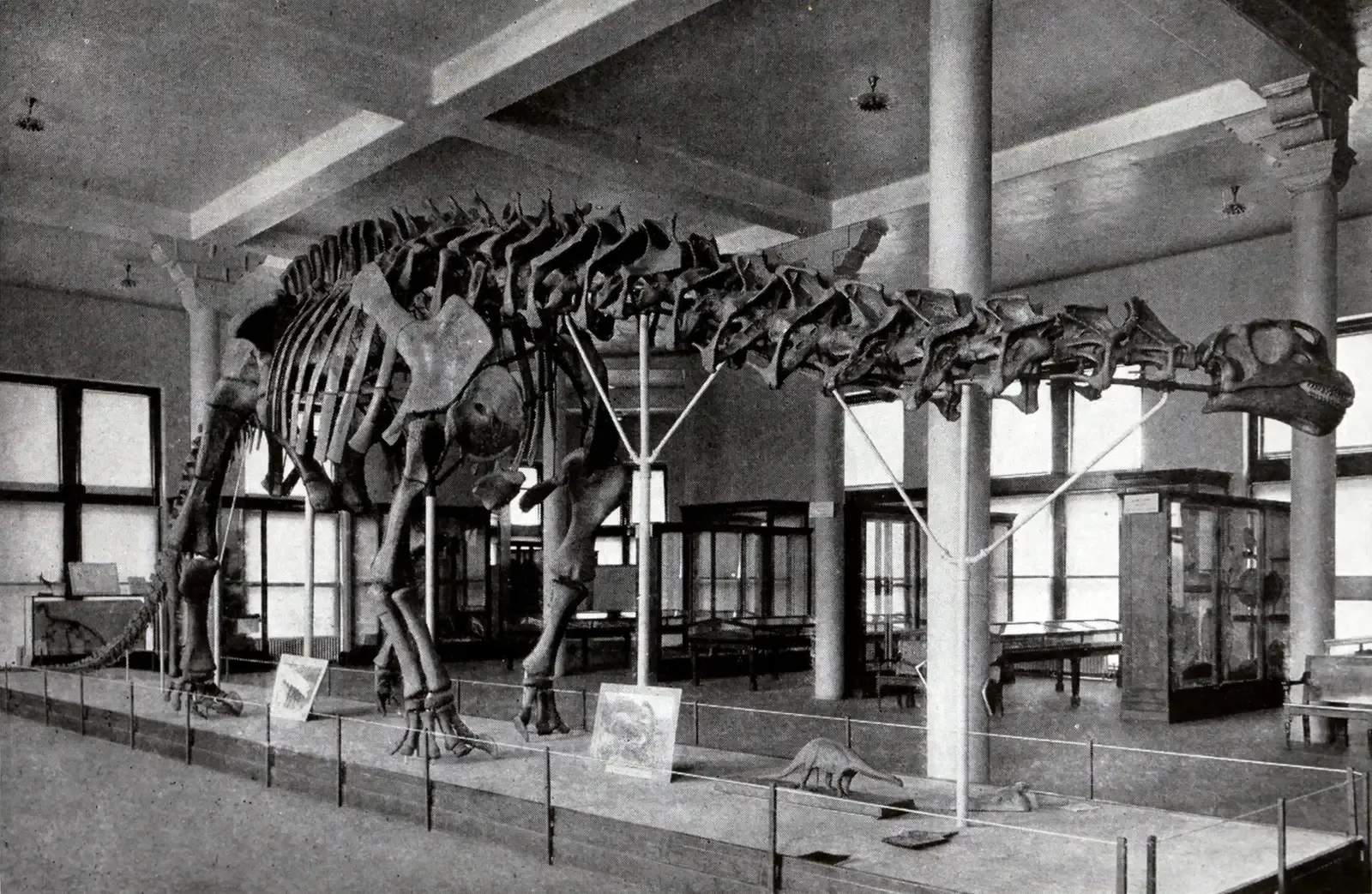
Part of what fueled the Brontosaurus confusion was how incomplete many of the original skeletons were. The iconic “Brontosaurus” mount at the American Museum of Natural History famously wore a skull that did not actually belong to that body. For years, it had a head more like a Camarasaurus, giving people a mental image that was slightly Frankenstein‑ed together.
So you had a dinosaur on display under one popular name, partially built from bones that were not originally found together, later reassigned to another name that sounded less dramatic. No wonder generations of kids walked into museums, fell in love with Brontosaurus, and then later were told it “never existed.” The truth was much more boring and much more interesting at the same time: the animal was real, but our labeling and reconstruction had been messy.
The Twenty‑First‑Century Plot Twist: Brontosaurus Returns
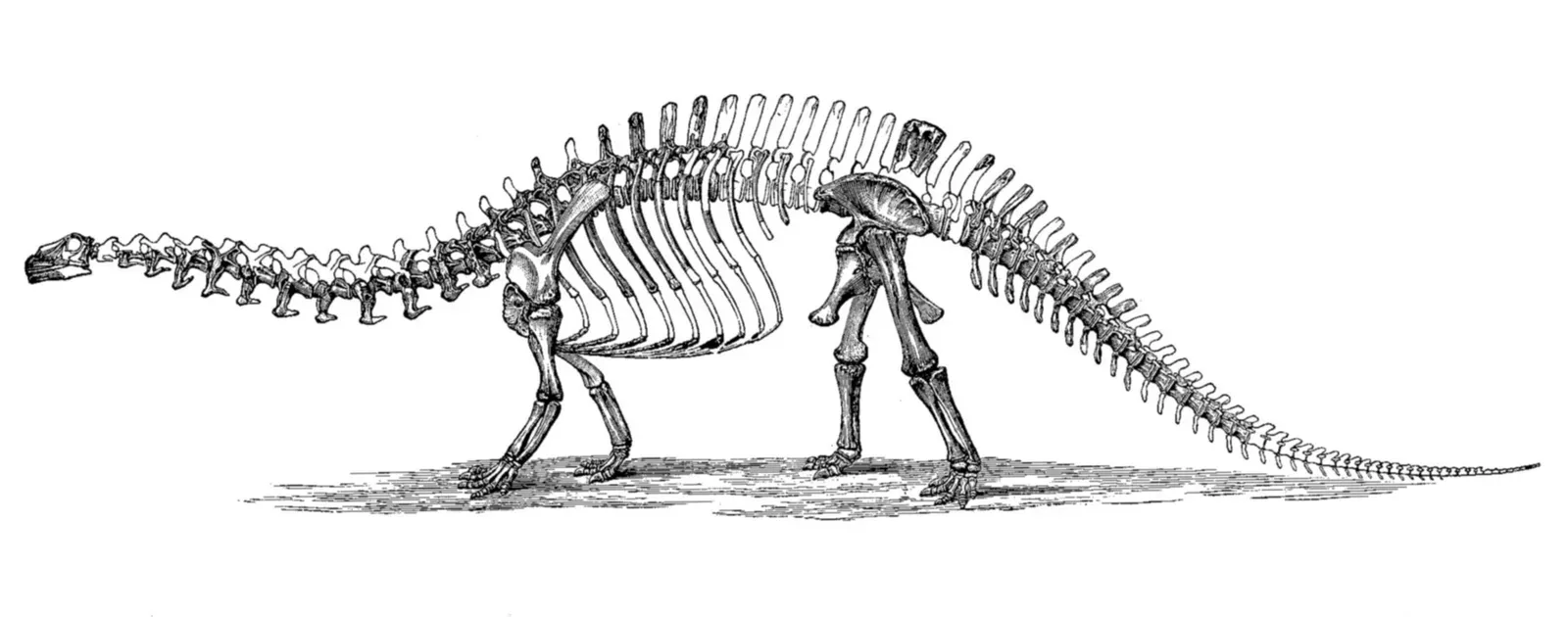
In the twenty tens, a group of researchers went back to the long‑necked diplodocid dinosaurs with far more data and computing power than Marsh and his rivals ever had. Instead of eyeballing a few skeletons, they checked hundreds of detailed anatomical features across many specimens, from neck bones to tail vertebrae. It was like switching from a dusty filing cabinet to a high‑resolution digital database.
What they found was that the animals long lumped together under Apatosaurus were not all the same. Some formed a cluster that was distinct enough in their bone shapes and proportions to deserve their own name again. Under the rules of naming, that cluster could legitimately carry the old name Brontosaurus. So after spending decades in scientific limbo, Brontosaurus was reinstated as a valid genus, not because someone felt nostalgic, but because the evidence supported it.
So… Were We Wrong, or Just Early? What This Says About Science
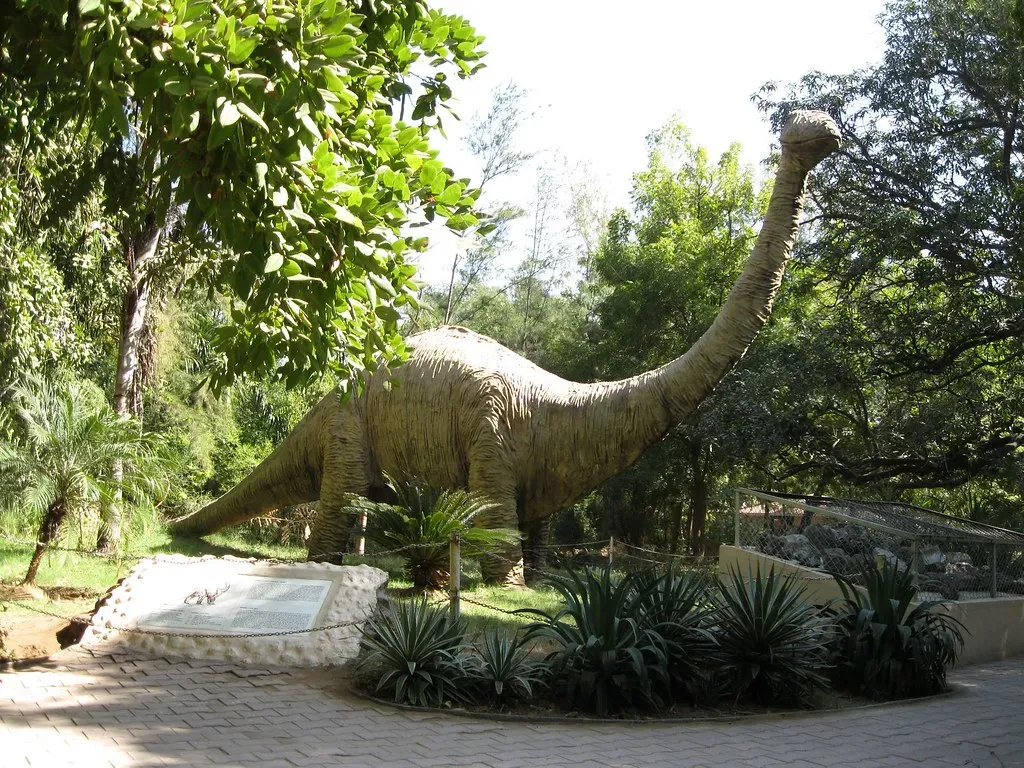
It is tempting to hear this story and conclude that scientists keep changing their minds, so nothing is ever settled. I see it differently: the Brontosaurus saga is proof that science is willing to admit it was wrong and refine its claims as more information arrives. That is not a bug; that is the whole point of the process. Locked‑in certainty would be far more worrying than an occasional name change.
Think of it like updating your phone’s operating system. The early versions are clunky, missing features, and sometimes glitchy, but they get closer to what works as the developers patch and refine. Science works the same way: early hypotheses are the clunky versions, and over time, new data acts like an update. Brontosaurus going away, then coming back, is just one highly visible patch note in the ongoing changelog of understanding life on Earth.
The Emotional Side: Losing (and Regaining) a Childhood Dinosaur
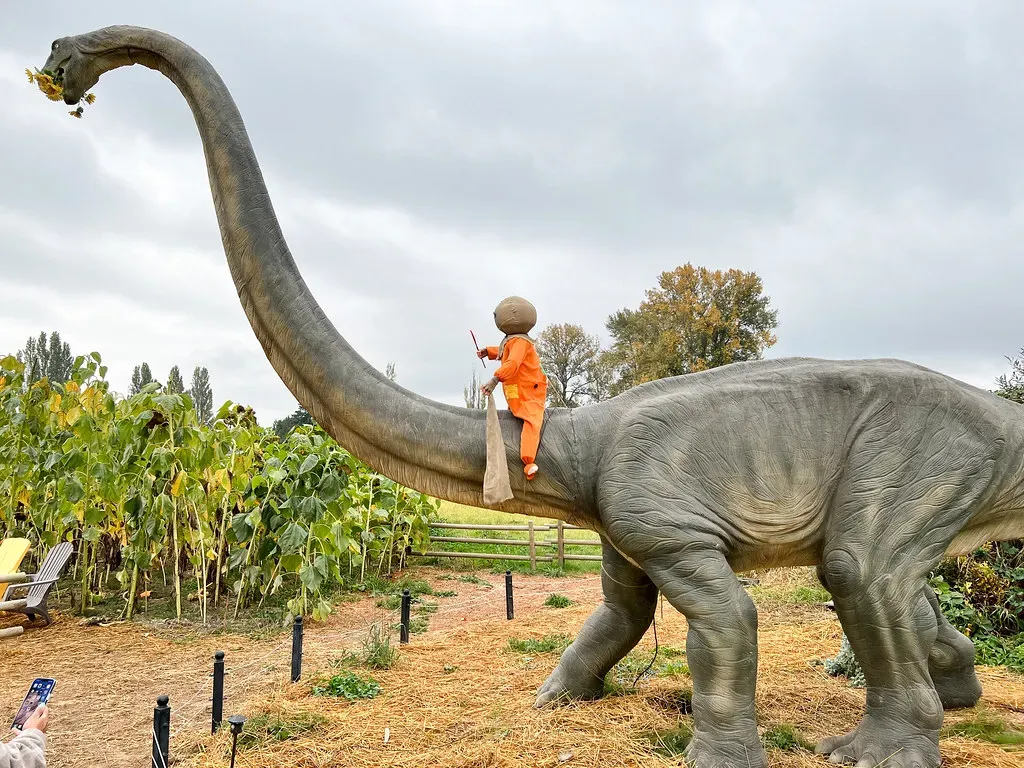
On a personal level, there is something strangely emotional about being told your favorite dinosaur “never existed.” For a lot of people, Brontosaurus was a comforting icon: huge, gentle‑looking, almost like a prehistoric giraffe that decided to become a bridge. Hearing that it was “fake” felt like having someone announce that your childhood neighborhood was a movie set and not a real place.
That is why its reinstatement hits harder than a dry taxonomy update. It feels like being told that the story you loved as a kid actually did have a real creature behind it, even if the nameplate got swapped for a while. It is a reminder that science intersects with feeling, nostalgia, and identity more than we admit. We do not just catalog fossils; we form relationships with them, even if they have been dead for over a hundred million years.
Why Brontosaurus Still Matters in a World of Bigger Problems
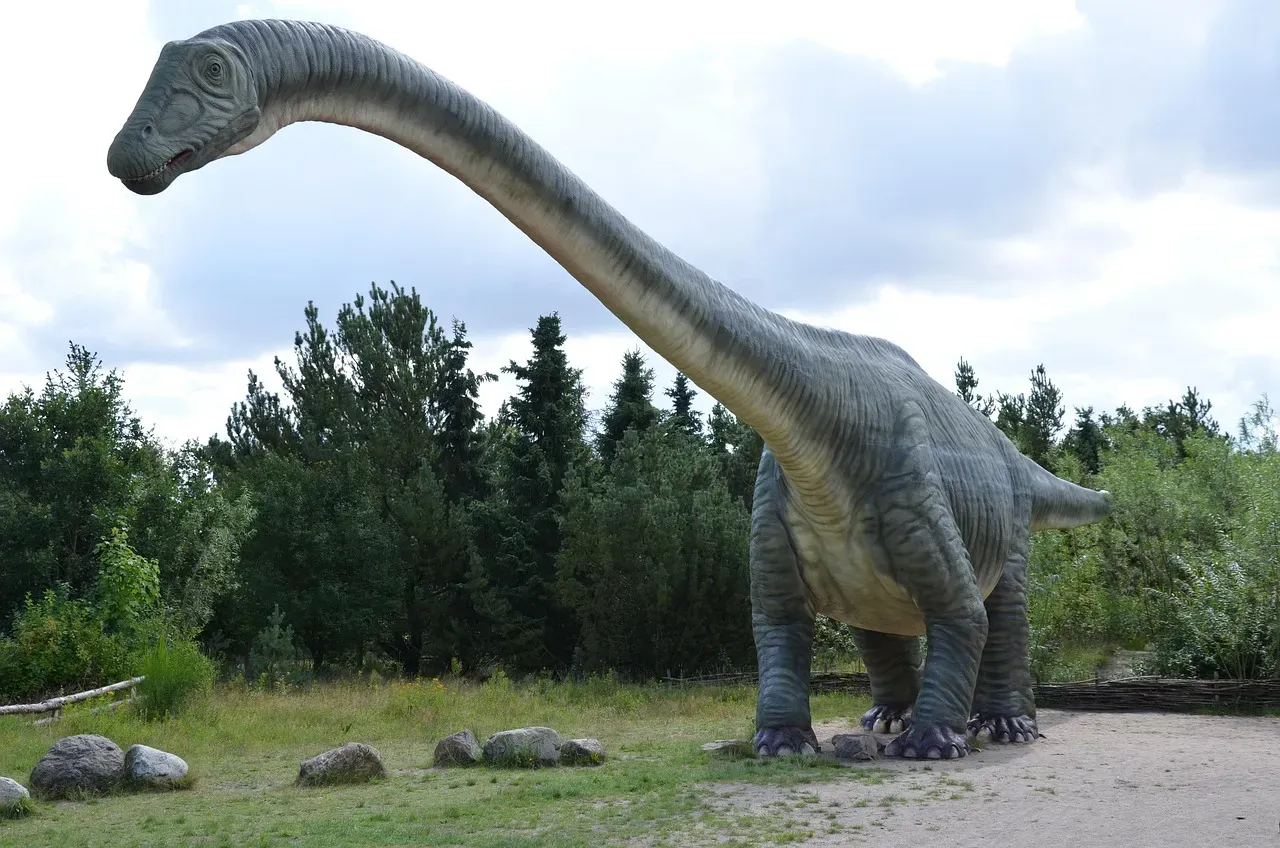
In a world dealing with climate change, pandemics, and advanced technology, arguing about the name of a long‑necked dinosaur might seem trivial. But the Brontosaurus story is actually a small, approachable example of something much bigger: how we decide what counts as true. Behind that single word on a museum placard is a whole structure of evidence, rules, debate, and revision.
When we see that process clearly in something low‑stakes like dinosaur names, it can make it easier to trust the same process in high‑stakes areas like medicine and climate science. You watch scientists say, in effect, “We thought this; now we think that; here is why,” and you realize that changing your mind is not a weakness. It is intellectual hygiene. In that sense, every kid who learned Brontosaurus, unlearned it, and then relearned it has had a quiet masterclass in how grown‑up knowledge actually behaves.
Conclusion: Brontosaurus, Uncertainty, and Why I’m Glad Science Is Messy
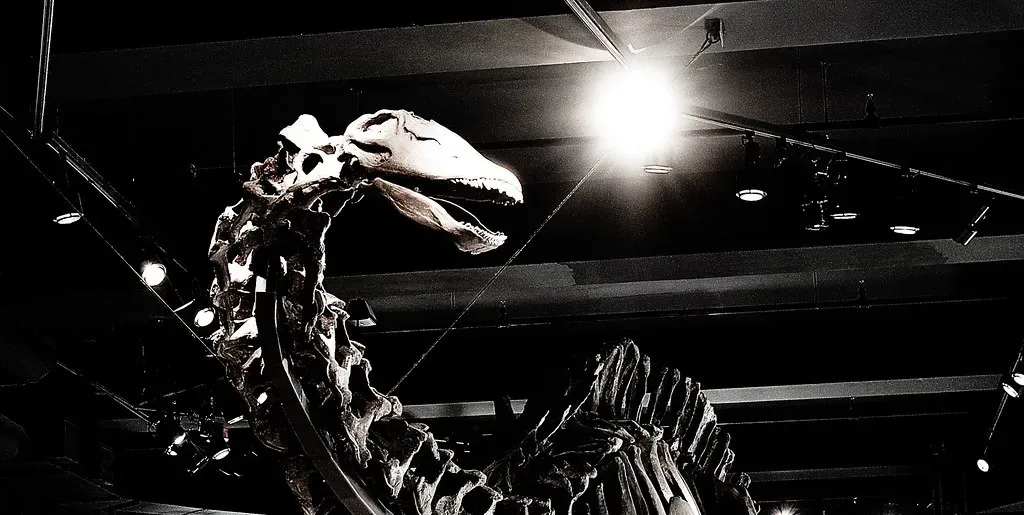
Personally, I love that Brontosaurus has become a kind of mascot for scientific uncertainty. It is awkward, a bit embarrassing, and completely honest. Mistakes were made, egos got in the way, data was incomplete, and then, slowly, people did the hard, unglamorous work of fixing it. That is how progress looks up close: not a straight arrow of truth, but a scribbly line with plenty of detours.
If anything, I think the Brontosaurus story should make us less cynical, not more. It shows that even when science stumbles, it stumbles forward, revising itself in public view, and sometimes giving back a beloved dinosaur we thought we had lost. In a time when certainty is marketed like a product, there is something refreshing about an enterprise that openly says, “We were wrong; here is the better version now.” Maybe the real lesson is this: if even the mighty Brontosaurus can disappear, reappear, and still stand tall in our imaginations, what else in our world are we finally ready to see more clearly?