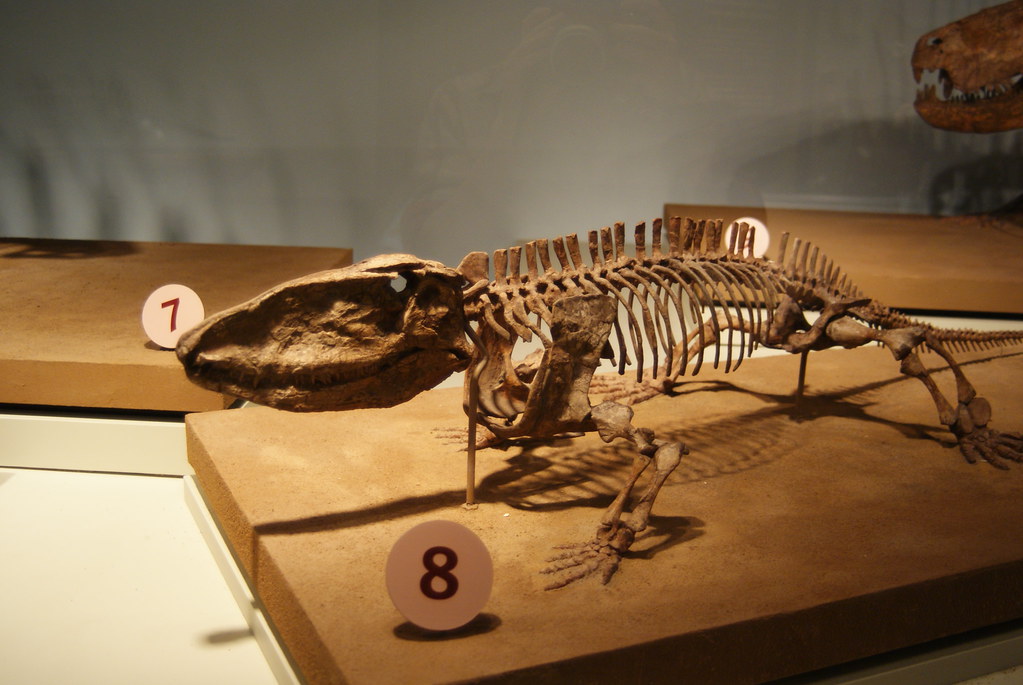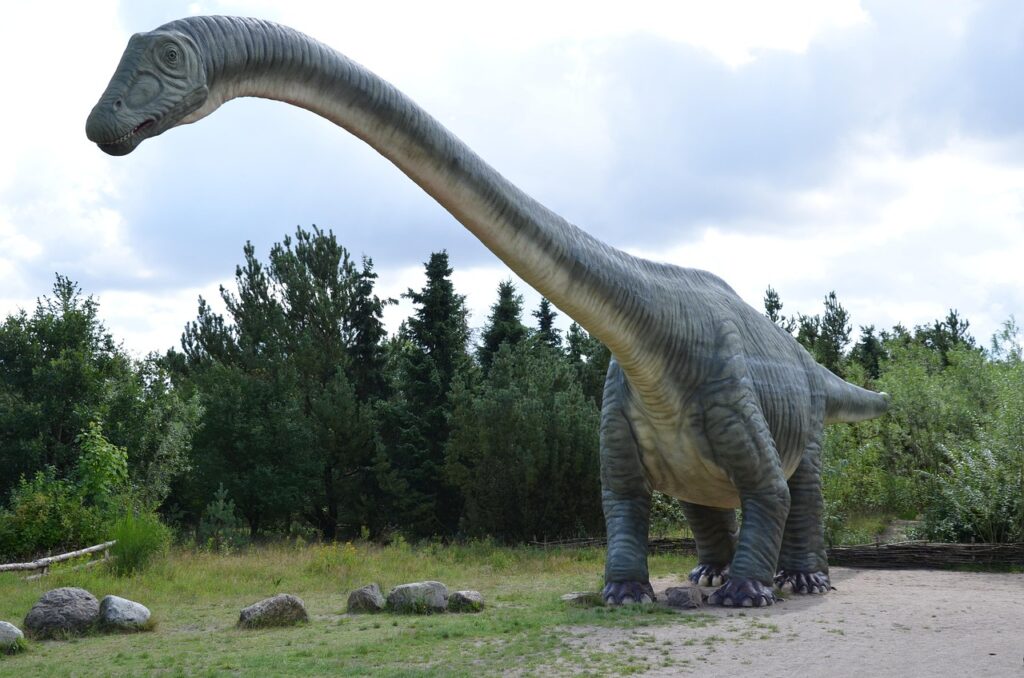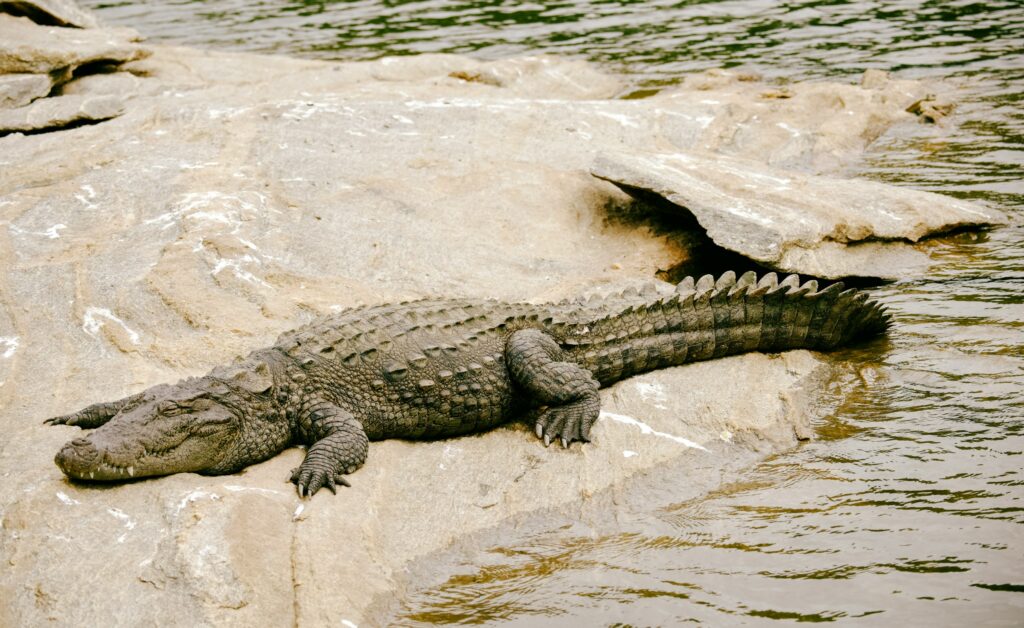
Sixty‑six million years ago, nearly everything big and toothy on land vanished forever. The skies went dark, ecosystems collapsed, and every non‑bird dinosaur disappeared. Yet somehow, crocodilians slipped through that global catastrophe and kept going, quietly outliving T. rex, Triceratops, and countless others. Today, scientists are digging into the exact traits that gave crocodilians this almost eerie staying power – and asking a bold new question: can these same traits teach us anything about surviving modern climate change?
It sounds almost sci‑fi: looking at a creature that barely changed in tens of millions of years to help us think about the future. But crocodilians are real‑world test cases in extreme resilience, having endured rapid warming, cooling, shifting continents, and massive ecological turnover. The exciting twist is that researchers are starting to look at them not just as evolutionary leftovers from a lost world, but as biological blueprints that might inform climate adaptation strategies, from conservation planning to engineering and urban design. Let’s dive into what actually helped them survive when so many others fell – and how those same tricks might matter in the coming century.
The Day the World Almost Ended: Why Crocodilians Are Even Still Here
Imagine a wall of firestorms, mega‑tsunamis, and months of darkness after a giant asteroid slammed into Earth – that’s the rough outline of the end‑Cretaceous extinction. Photosynthesis crashed, temperatures swung wildly, food chains snapped, and many large animals simply ran out of time and calories. Most top predators on land and in the sea vanished because they relied on ecosystems that were suddenly shredded beyond repair.
Crocodilians, however, occupied a different niche. They lived in and around rivers, lakes, and coastal wetlands that could act as partial refuges when surrounding landscapes burned or froze. Semi‑aquatic habitats sometimes buffered the worst extremes, allowing patches of productivity to persist when terrestrial systems were devastated. That doesn’t mean crocodilians had an easy ride; it means they had just enough ecological wiggle room to hang on when other large vertebrates didn’t.
Cold‑Blooded Efficiency: How Ectothermy Helped Them Ride Out Starvation
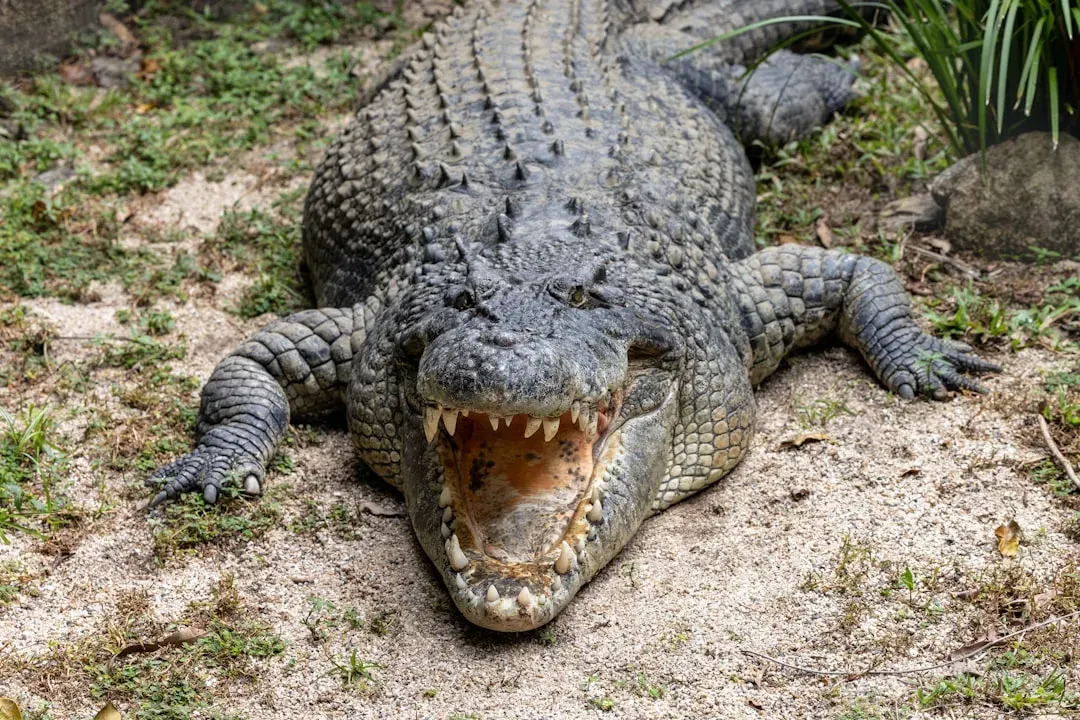
One of the simplest but most powerful survival traits crocodilians have is being ectothermic, or “cold‑blooded.” They do not burn huge amounts of energy to keep a constant internal temperature the way mammals and birds do. That means they can get by on far fewer calories for their body size compared with warm‑blooded animals, especially during tough times when food is scarce or unpredictable.
During the extinction crisis, when plant life collapsed and food webs crumbled, that energy efficiency was probably a lifesaver. While many large, active, warm‑blooded predators needed continuous food just to maintain their hot metabolisms, crocodilian ancestors could slow down, bask when possible, and stretch their limited meals much further. Modern conservationists and climate scientists are now increasingly interested in how low‑energy life strategies like this might hint at more sustainable ways for animals – and even human systems – to function in a resource‑strained, warming world.
Masters of Low Metabolism: Surviving Long Periods of “Almost Nothing”
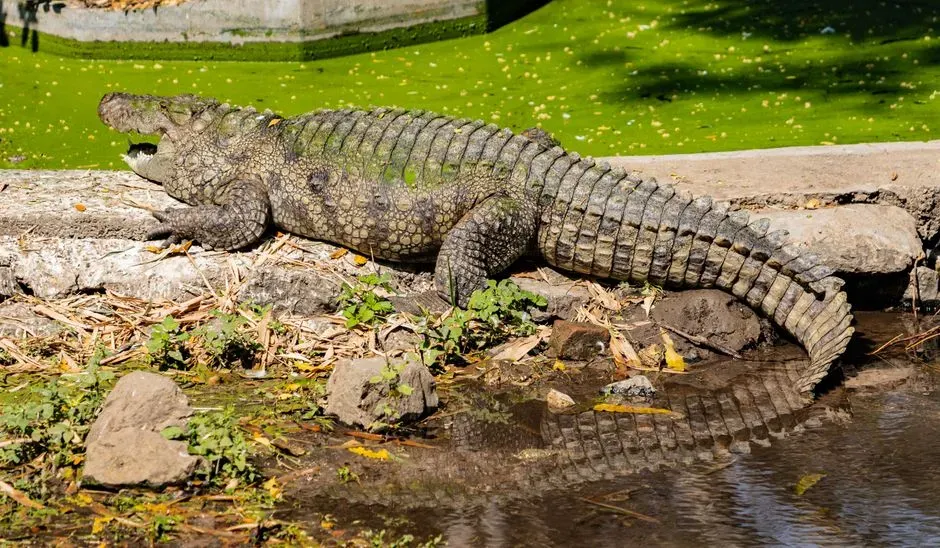
Even today, large crocodilians can go weeks or even months with very little food by dialing down activity and relying on stored energy, especially in cooler or drier seasons. Their metabolism is not just low; it is flexible. They can switch between periods of intense activity – hunting or defending territory – and long stretches of near‑stillness. In a crisis, that ability to “go quiet” is incredibly valuable.
During the chaotic years after the asteroid impact, this metabolic flexibility likely meant the difference between life and death. While other species starved quickly, crocodilians could wait out bad conditions in muddy riverbanks or deep pools, conserving energy. For climate adaptation research, this kind of metabolic strategy is inspiring new questions about resilience: how can species manage energy and resources during prolonged droughts, heat waves, or habitat disruption, rather than collapsing after a short shock?
Flexible Diets: Not Picky Eaters in a Collapsing Food Web
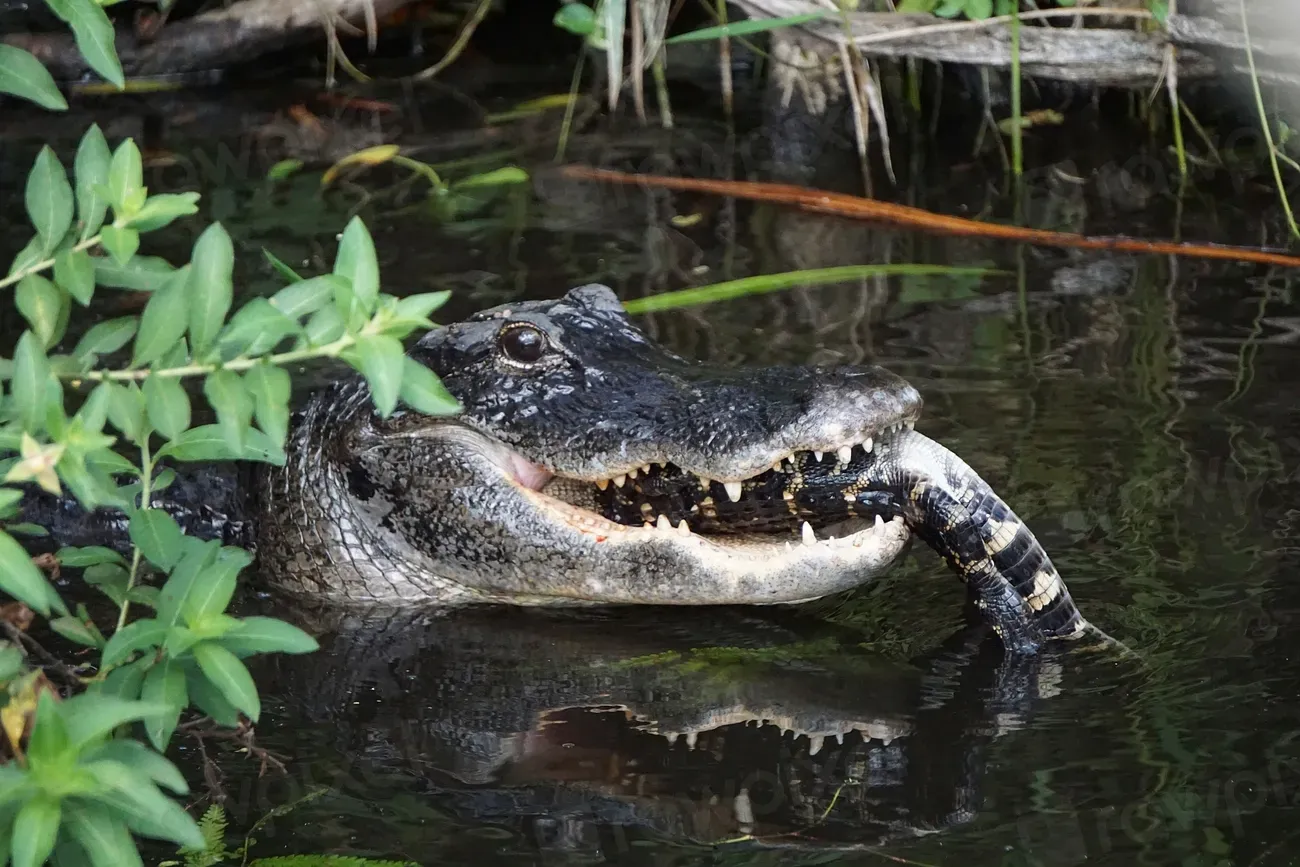
Crocodilians are often imagined as big game hunters, but in reality many are ecological opportunists. They can eat fish, crustaceans, small mammals, birds, carrion, and even, in some cases, fruit. That broad, opportunistic diet is a crucial survival tool when ecosystems are unstable and familiar prey disappears. If your favorite snack goes extinct, but you can eat almost anything else, your odds of making it through a crisis jump dramatically.
In the aftermath of the end‑Cretaceous impact, food webs would have been a chaotic mess. Animals that depended on very specific plants or prey likely vanished quickly, while generalists had better chances. Crocodilians fell squarely into this generalist‑friendly category. Today, climate adaptation biologists pay close attention to diet breadth as a predictor of resilience: species that can shift what they eat are often the ones that survive rapid environmental change, and crocodilians are a powerful real‑world example of that rule.
Water as a Refuge: Why Rivers and Wetlands Matter in a Crisis
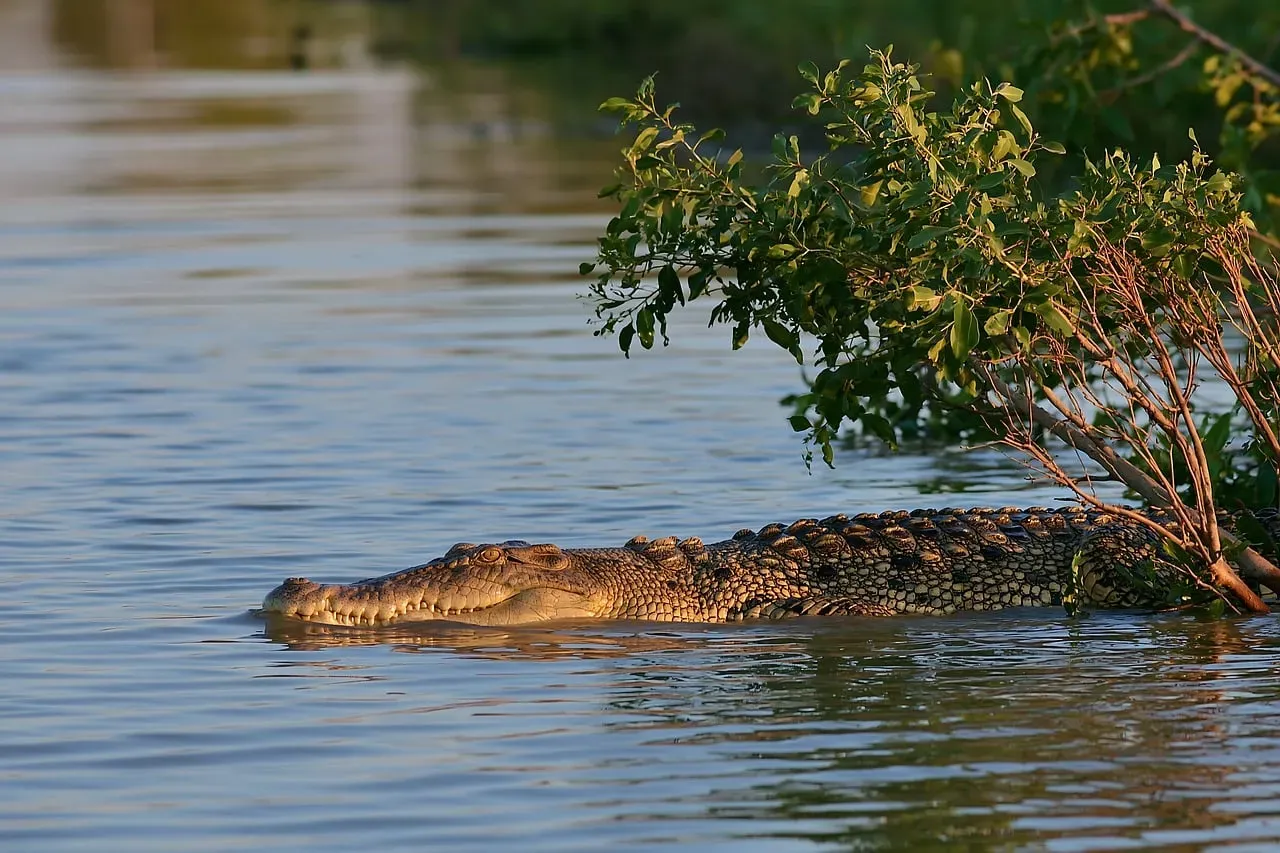
Crocodilians are tightly linked to aquatic environments, and water acts as both shield and storage. Rivers, lakes, and wetlands can moderate temperature swings compared with open land, providing cooler microclimates in heat and thermal inertia in cold snaps. Water bodies also often hold onto productivity a bit longer, with aquatic plants, algae, fish, and invertebrates persisting when surrounding forests or grasslands are devastated.
During the mass extinction, these aquatic and semi‑aquatic refuges may have protected small populations of crocodilian ancestors long enough for ecosystems to partially recover. Today, climate researchers and conservation planners see similar patterns: wetlands and mangroves can buffer extreme weather and sea‑level rise, offering refuge for both wildlife and people. The story of crocodilians surviving in watery margins is one more argument for aggressively protecting and restoring wetlands as living climate infrastructure, not just “swamps” to be drained or developed.
Armored Bodies, Hidden Lives: Physical and Behavioral Resilience
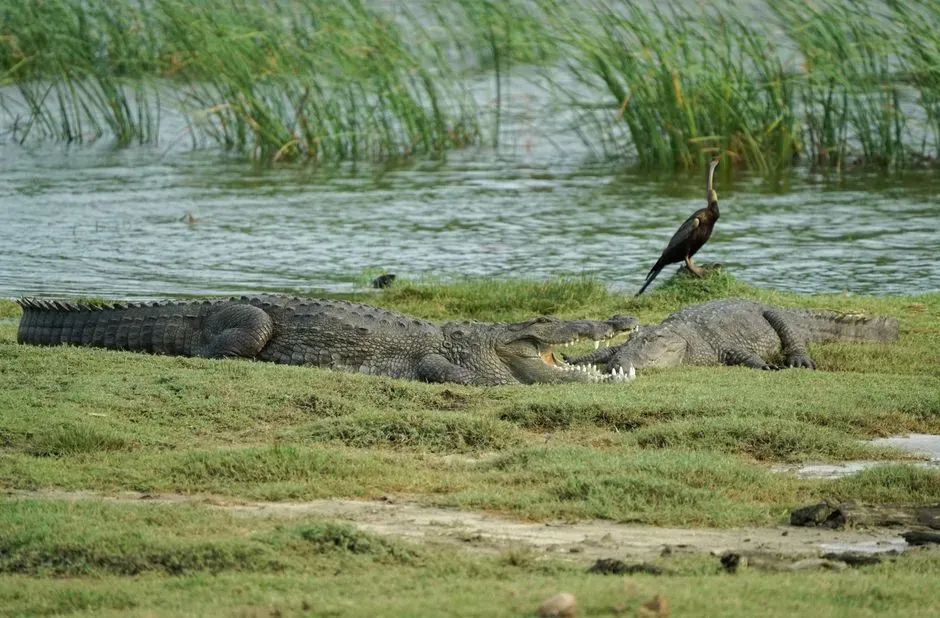
It’s easy to focus only on metabolism or diet, but the crocodilian “design” itself adds another layer of resilience. Their tough, armored skin helps protect against injury, parasites, and harsh environments. Their body plan is efficient for lurking, ambushing, and conserving energy rather than sprinting around all day. In unstable, dangerous times, this sit‑and‑wait lifestyle can be safer than constantly moving and burning fuel in search of food.
Behaviorally, crocodilians also tend to use burrows, banks, and shaded water to avoid extreme temperatures. Many species dig or use existing holes as retreats from heat and drought. In an ancient world rocked by dust‑darkened skies, firestorms, and temperature shocks, having both physical armor and low‑movement, shelter‑oriented habits would have been a major advantage. Climate scientists are increasingly interested in such behavioral strategies – like burrowing, hiding, timing activity – because they can buy species crucial time as conditions shift faster than evolution can keep up.
Slow but Steady: Reproduction, Longevity, and Population Recovery
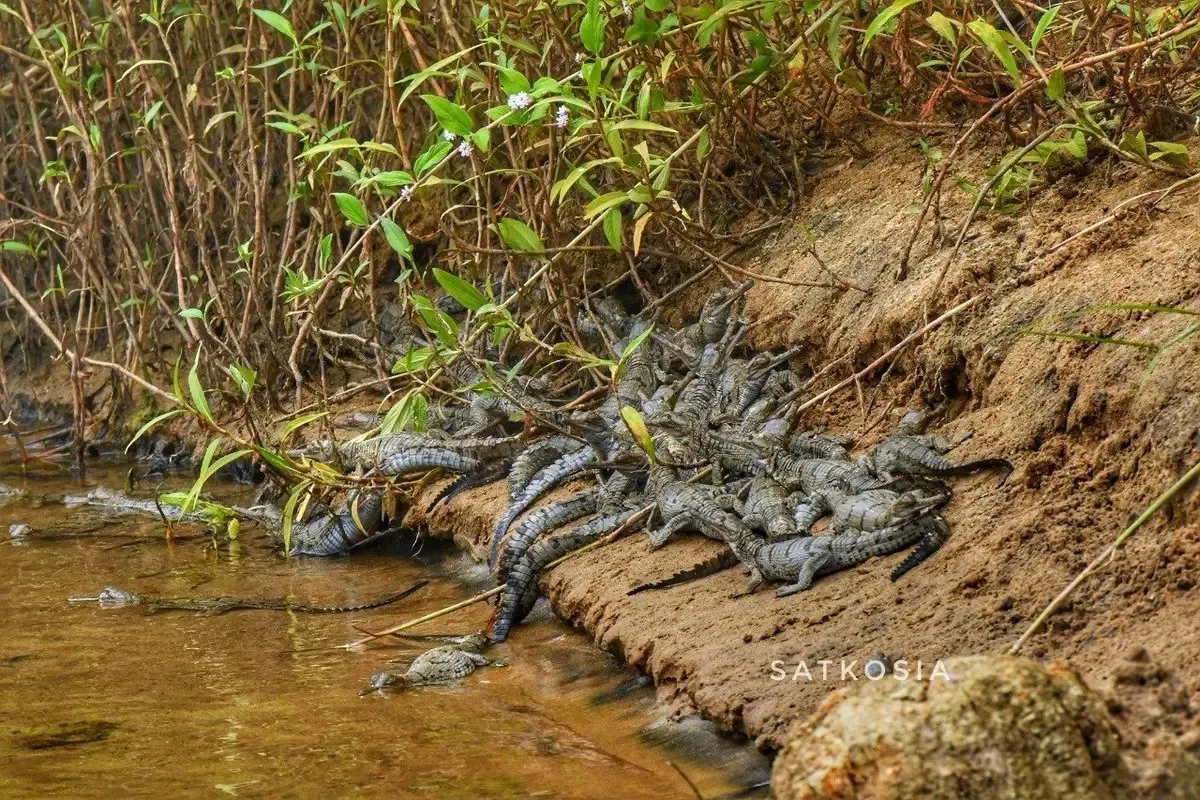
Crocodilians are not fast breeders in the way small rodents or insects are, but they combine relatively high parental care with long lifespans. Females guard nests and sometimes help their hatchlings reach the water, increasing the odds that at least some young survive in risky environments. Long lifespans mean adults can reproduce across many years, smoothing out occasional bad breeding seasons caused by drought, storms, or food shortages.
In the long shadow of the asteroid impact, this combination of parental care and longevity likely helped small surviving populations slowly rebuild. Even if some years were total reproductive failures, adults could try again when conditions improved. For modern climate adaptation work, researchers are studying how life histories like this help or hinder resilience. Slow, long‑lived species can be surprisingly robust if their adult survival stays high, but they can also be vulnerable if human pressures like hunting or habitat loss remove too many adults too fast – a reminder that resilience traits are not magic shields against our impacts.
Evolutionary Minimalism: Why “Living Fossils” Still Work in a Changing Climate
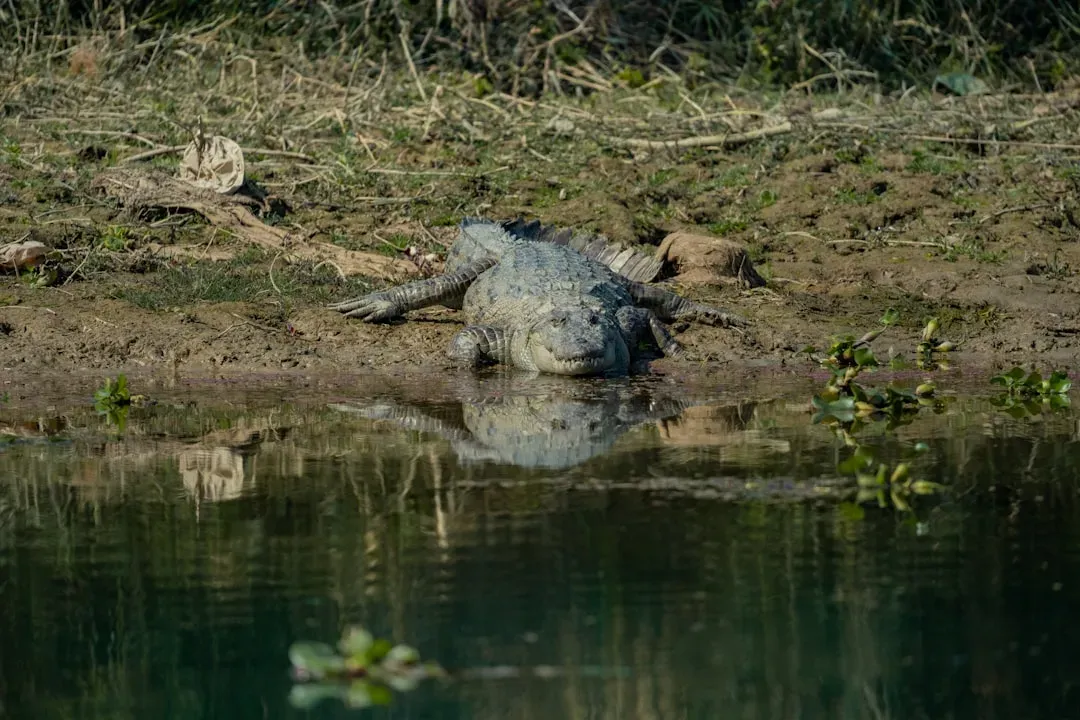
Crocodilians are often labeled as “living fossils” because their overall body plan has changed relatively little over tens of millions of years. That can sound like they are stuck in the past, but another way to see it is this: their design is an extremely successful solution to a wide range of environmental conditions. If a basic body plan works across repeated cycles of warming and cooling, it becomes a kind of evolutionary Swiss Army knife rather than a delicate, single‑use tool.
This evolutionary minimalism – doing a few things very well instead of constantly reinventing yourself – is a powerful lesson for climate adaptation research. It suggests that robustness sometimes beats hyper‑specialization when environments are unpredictable. Scientists studying crocodilians are increasingly asking why this basic blueprint has remained so effective for so long, and whether certain generalist strategies in behavior, physiology, and habitat use can guide how we manage species, ecosystems, and even human infrastructure in a rapidly changing world.
From Swamps to Cities: What Crocodilians Can Teach Us About Human Adaptation
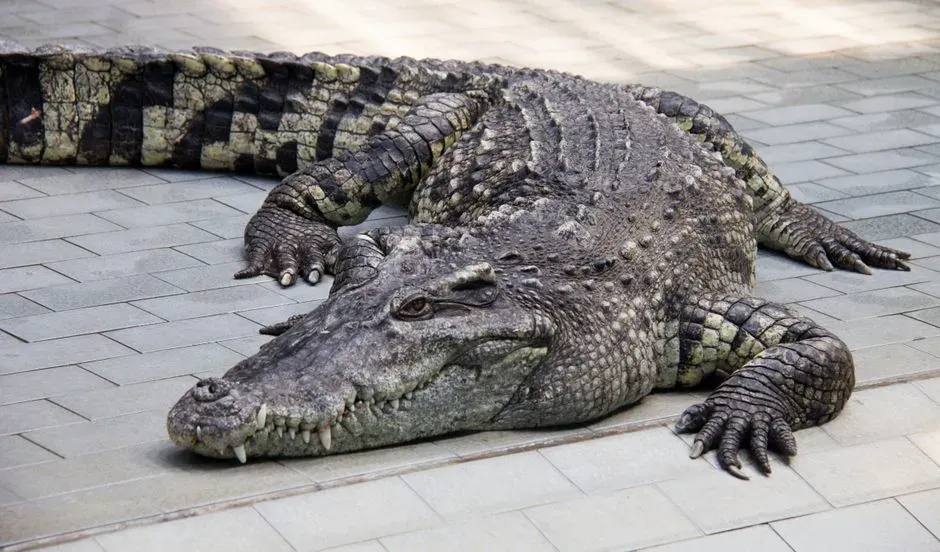
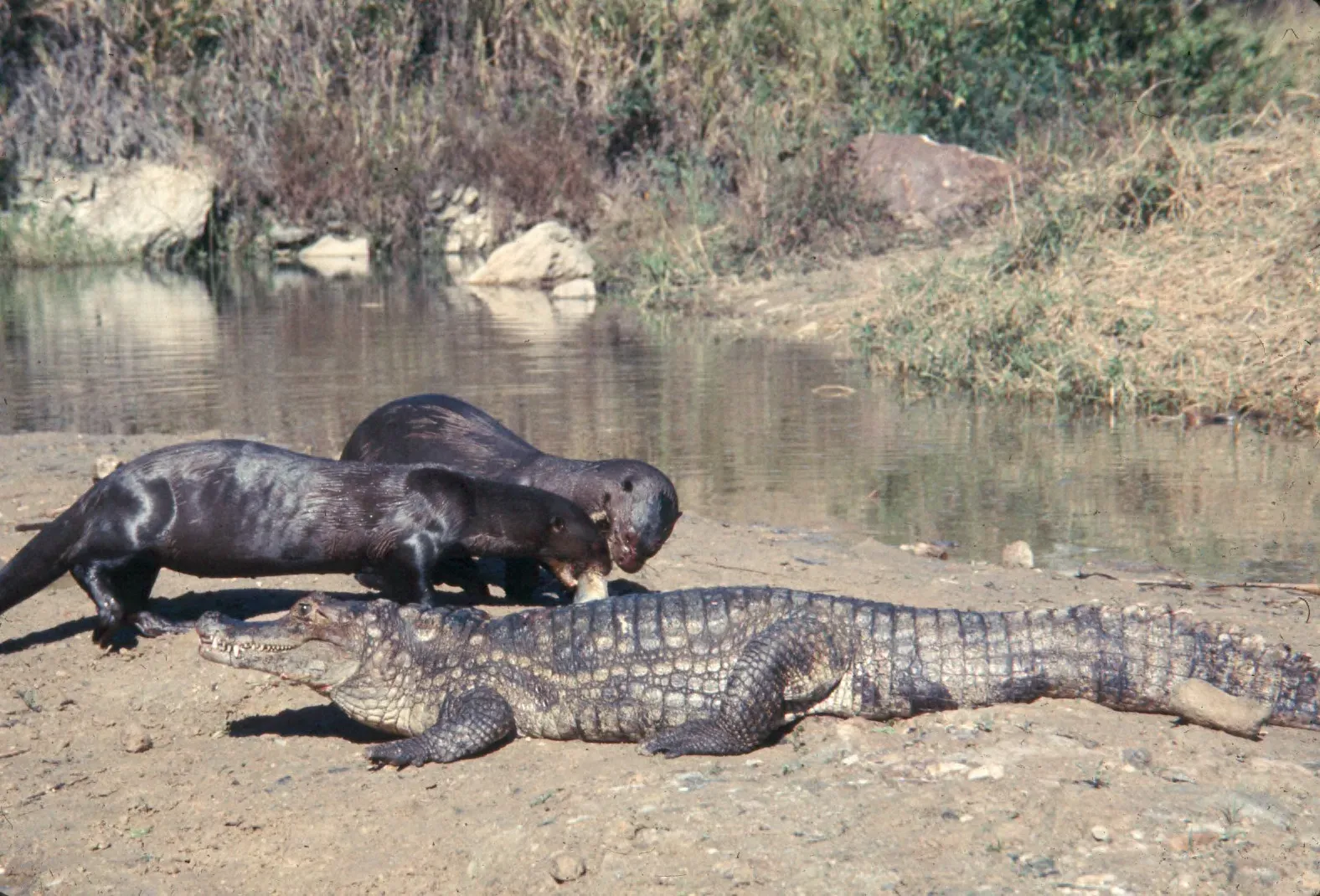
Here’s where it gets really interesting: crocodilians are not just ancient survivors; they are now sharing landscapes with sprawling human cities and farms. Some species live near urban areas, reservoirs, and heavily modified waterways, adapting to noise, pollution, and human‑altered food webs. While this brings real conflict and risk, it also shows a surprising degree of flexibility in where and how they live, even in the age of highways and concrete.
Climate adaptation researchers and urban planners are starting to look at species like crocodilians as case studies in living at the edges – in fragmented, multi‑use landscapes that are neither fully wild nor fully human‑controlled. The way crocodilians use shaded banks, deeper pools, and microhabitats in stressful environments can inspire design principles for cooling cities, managing flood risk, and building green corridors. We should not romanticize them as perfect models, but treating them as living data points in resilience thinking is far better than ignoring their hard‑earned lessons.
Limits of Their Resilience: Why Crocodilians Are Not a Climate Success Story Yet
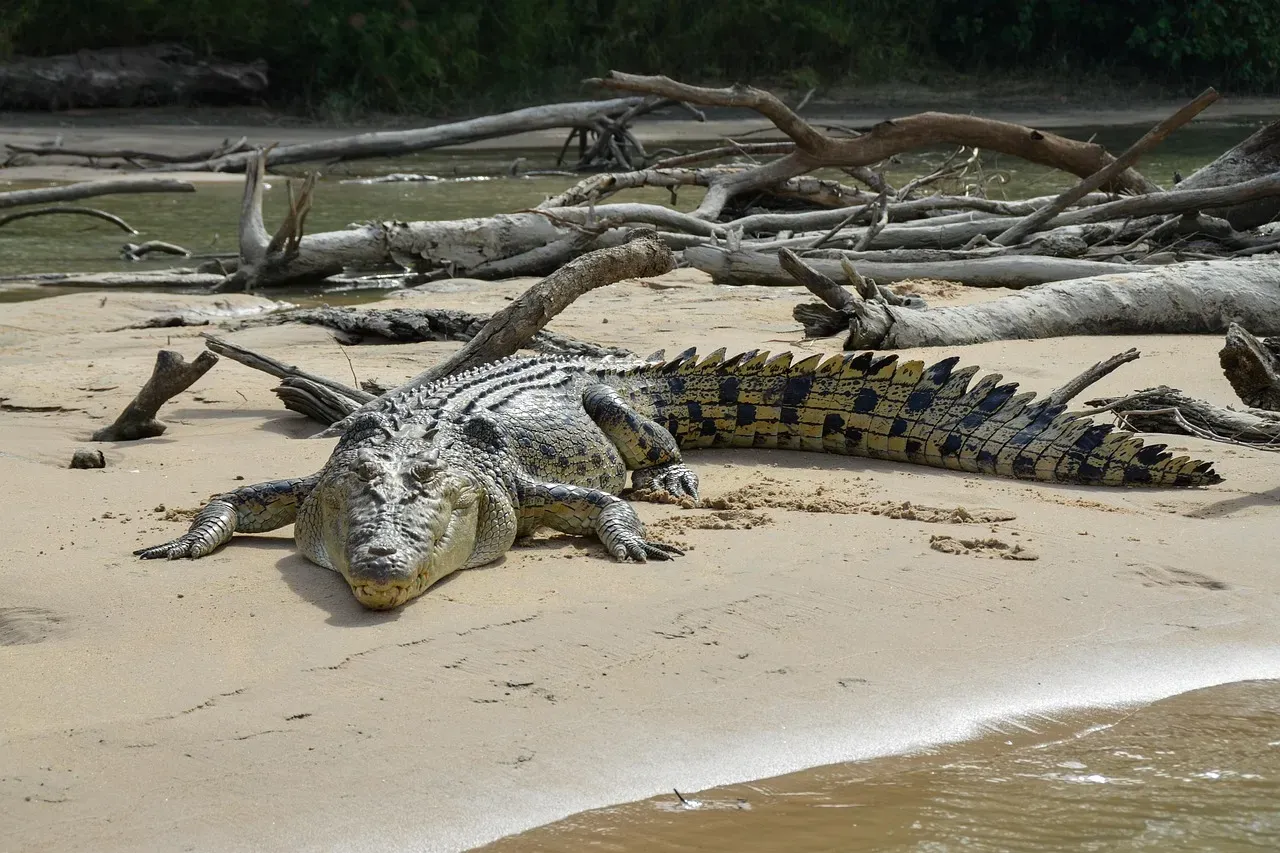
It is tempting to tell a neat hero story: crocodilians survived the asteroid, so they will easily survive climate change. Reality is less comforting. Many crocodilian species today are threatened by habitat destruction, dam building, pollution, invasive species, and direct hunting. Rising temperatures and altered rainfall patterns can dry out nesting sites, skew sex ratios in temperature‑dependent eggs, and destabilize freshwater systems they depend on.
In other words, the same species that weathered the worst natural disaster in Earth’s recent history can still be pushed to the brink by human pressure and rapid environmental shifts. That should be a sobering check on any idea that “nature will adapt” without serious changes in how we manage land and water. Studying crocodilian resilience is useful, but only if we accept that even the toughest survivors have limits – and that our actions can overwhelm even traits that once defied an asteroid.
Opinionated Conclusion: Ancient Survivors, Modern Warnings
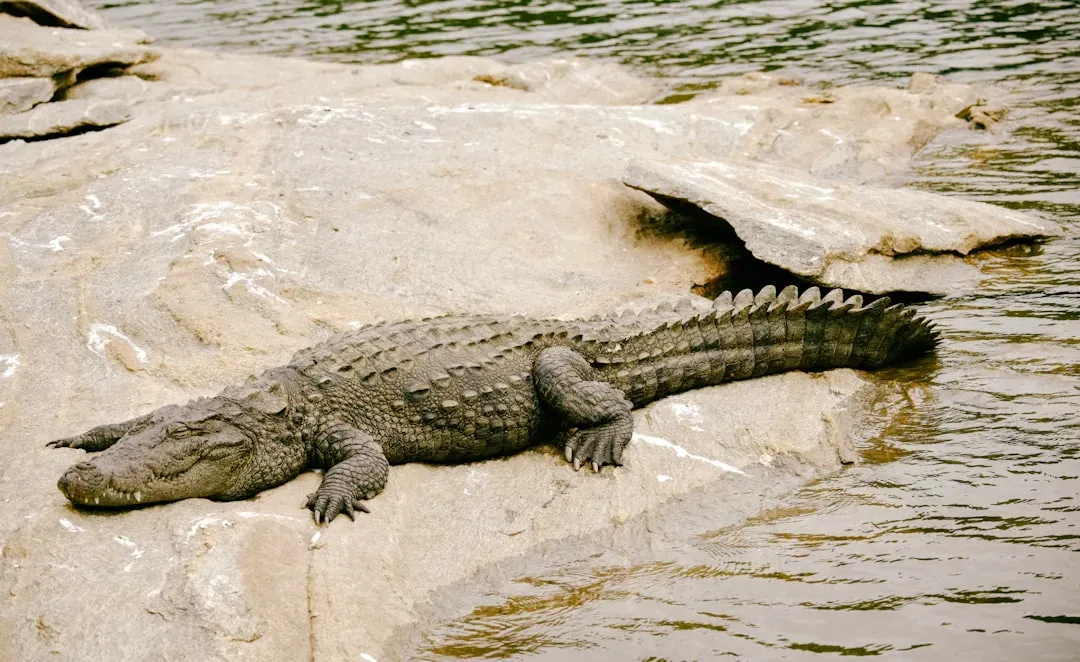
There is something both inspiring and unsettling about crocodilians. They are proof that life can endure unimaginable catastrophe with the right mix of traits: energy efficiency, flexible diets, refuge‑seeking behavior, and a body plan built for doing more with less. In that sense, they are quiet mentors for a climate‑stressed planet, nudging us toward strategies that prioritize resilience over constant growth, flexibility over fragile specialization, and refuge‑building over denial.
At the same time, I think it would be a serious mistake to treat crocodilians as evidence that everything will work out fine. The fact that these ancient survivors are now threatened in many places is less a story of nature’s weakness and more a damning reflection of our choices. If a lineage that outlived the non‑bird dinosaurs struggles to cope with a few human centuries, the real problem is not the planet’s capacity for adaptation – it is ours. The real question is whether we will learn from crocodilians’ hard‑won resilience, or simply marvel at it while continuing down a path they may not be able to share.