There was a time when Walking With Dinosaurs–style documentaries felt like time machines rather than TV shows. You dimmed the lights, the CGI thundered onto the screen, and suddenly you were ankle‑deep in Cretaceous mud, dodging tail whips and teeth. Those series were sold, quite openly, as the closest thing we had to actually filming real dinosaurs in the wild.
Fast‑forward to the 2020s, and a funny thing has happened: the episodes have stayed the same, but the science has not. Skeletons have been re‑identified, feathers keep exploding onto animals we once thought were scaly brutes, and entire ecosystems have been rewritten from the fossil record up. That is why the modern viewer is greeted not just by a roar and a sweeping orchestral cue, but by a small wall of text politely saying, in effect, that half of what you are about to see is probably wrong. Let’s unpack why those disclaimers are starting to feel like mini documentaries of their own.
Our Picture of Dinosaurs Has Changed Faster Than the TV Schedule
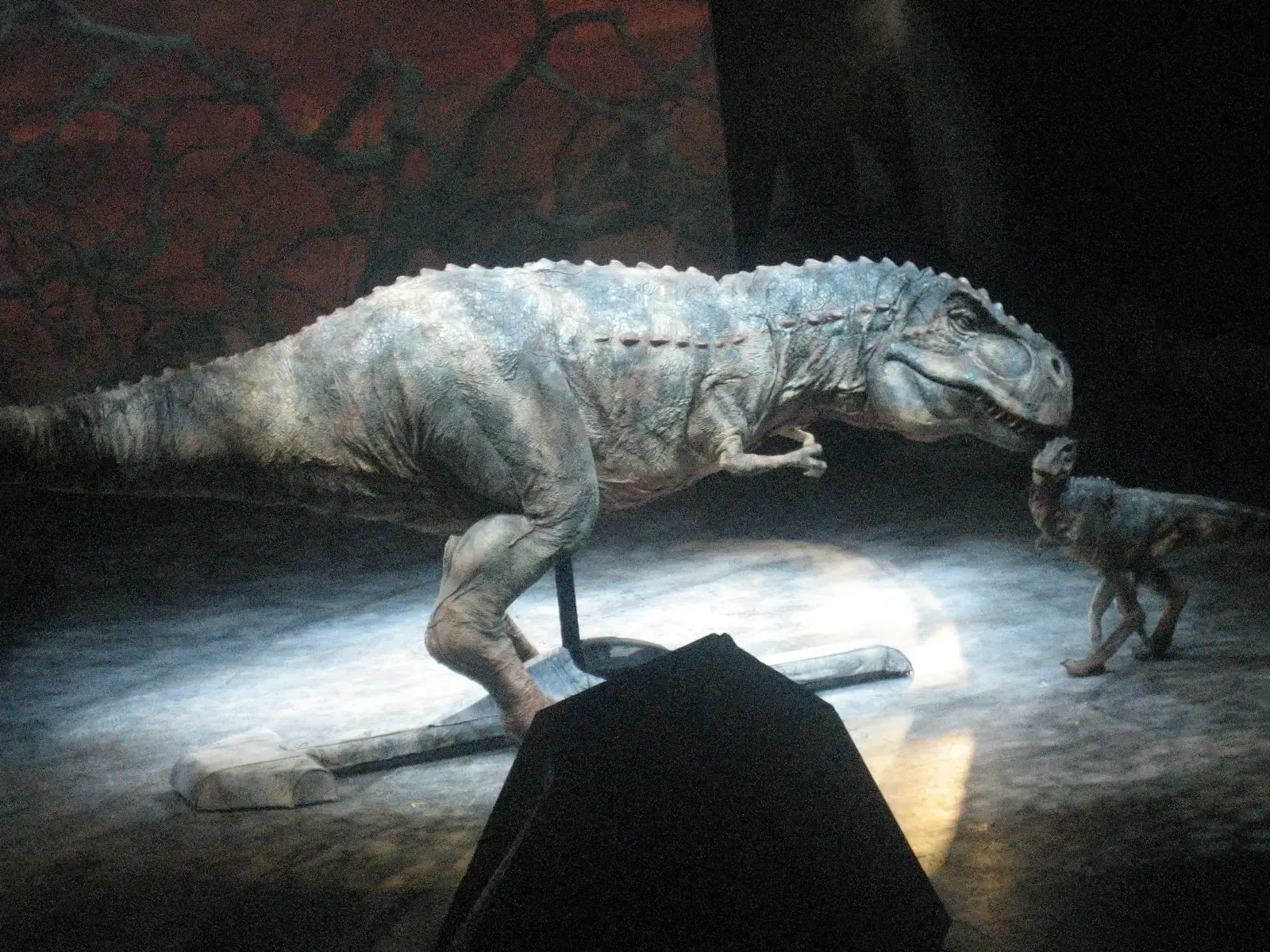
The most brutal truth for any pre‑2010 dinosaur documentary is simple: paleontology moves faster than television. When Walking With Dinosaurs premiered in 1999, it reflected the best science available at the time, and a lot of it was genuinely cutting‑edge. But in the years since, new fossil finds, better CT scanning, and improved computer models have turned old certainties into museum pieces.
Whole groups of animals have been shuffled around the dinosaur family tree, with some species reclassified or merged and others split into multiple distinct species. Behavior that was once confidently animated – like certain pack‑hunting scenes or dramatic river crossings – now looks more like wishful storytelling than evidence‑based reconstruction. Disclaimers are basically the producers’ way of saying: this was accurate for its time, but the ground under our feet has moved.
From Grey Lizards to Fluffy Murder Chickens
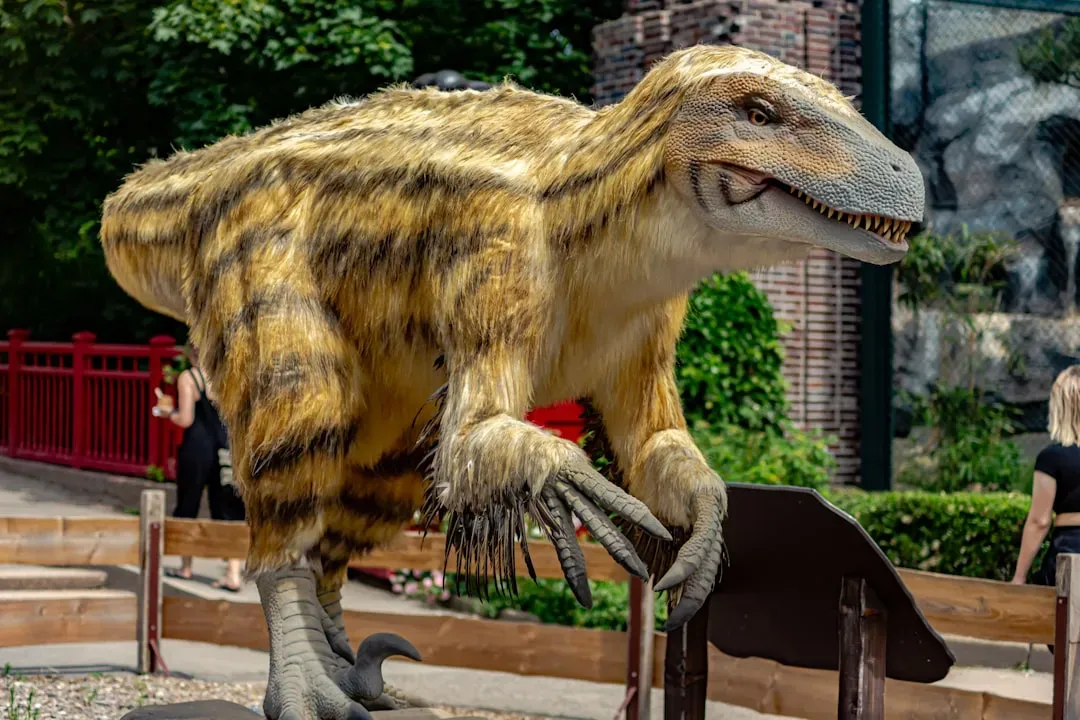
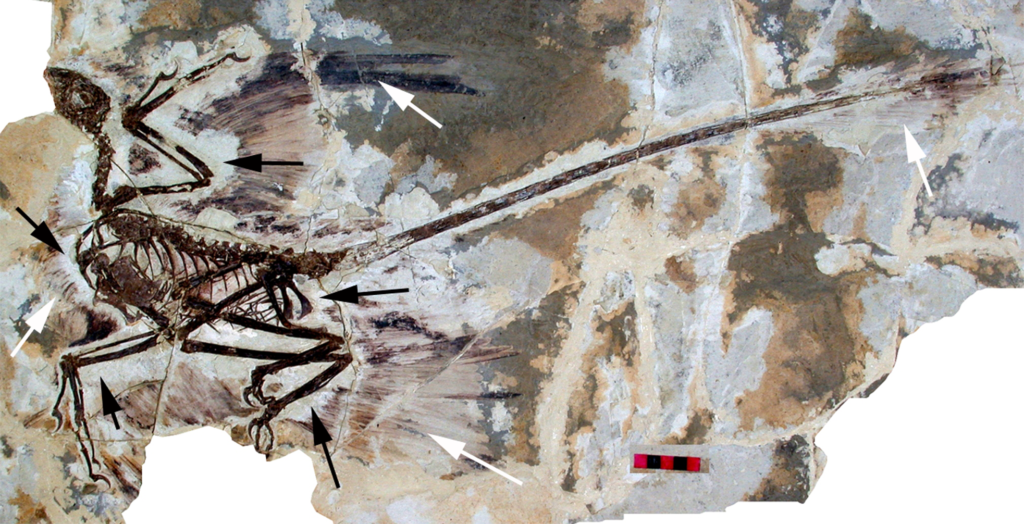
One of the biggest reasons older documentaries need disclaimers is feathers. Back when many of these shows were made, dinosaurs were still widely imagined as giant, scaly reptiles with maybe a flashy crest or two. Then feathered fossils from places like Liaoning in China started piling up, revealing that a surprising number of theropods – especially those close to birds – were partly or even heavily feathered.
That shift turns whole visual designs into historical artifacts. Raptors that used to be animated as sleek, leathery lizards now look hilariously naked by modern standards. Even colors and patterns are being inferred more cautiously today, sometimes from microscopic pigment structures. Disclaimers help bridge that gap, letting viewers enjoy the spectacle while quietly flagging that the animals should probably look more like terrifying, overgrown birds than classic movie monsters.
Speculation Was Sold as Nature Documentary
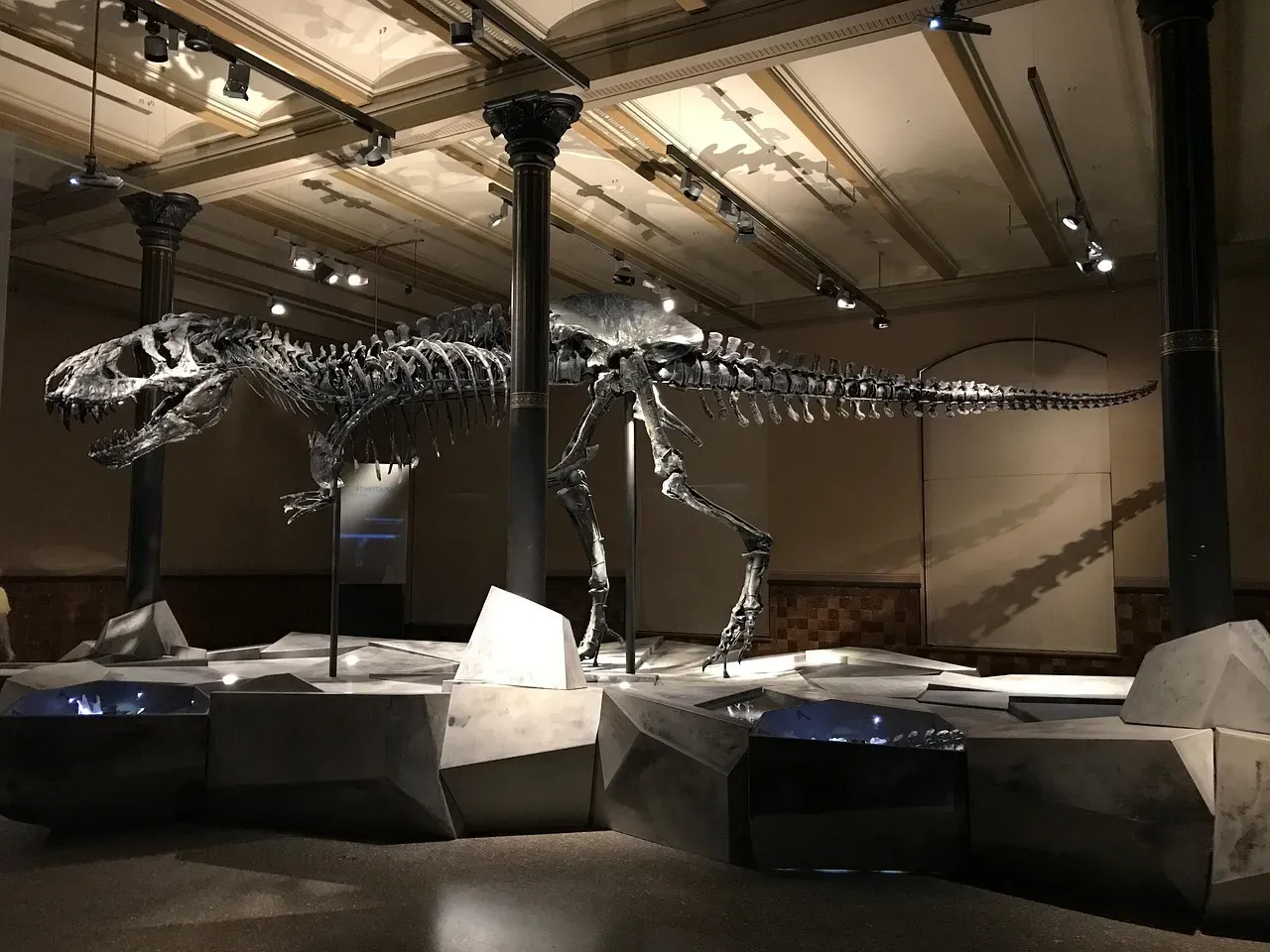
Another awkward legacy of those pre‑2010 series is how confidently they staged pure speculation as if it were observational footage. To make the shows feel like real wildlife documentaries, producers leaned hard into specific storylines: this male challenges that rival, this mother defends that nest, this herd migrates on this exact route every year. It was gripping television, but in many cases, the fossil evidence only supported the rough outline, not the detailed script.
Today there is a sharper line between what we can reasonably infer and what is basically educated fan‑fiction with a budget. We still tell stories, but we are more open about where guesswork begins. Those long disclaimers act as a retroactive honesty clause, admitting that some of those heart‑pounding fights and melodramatic deaths were, at best, plausible scenarios rather than documented behaviors.
Animation Locked In Yesterday’s Anatomy
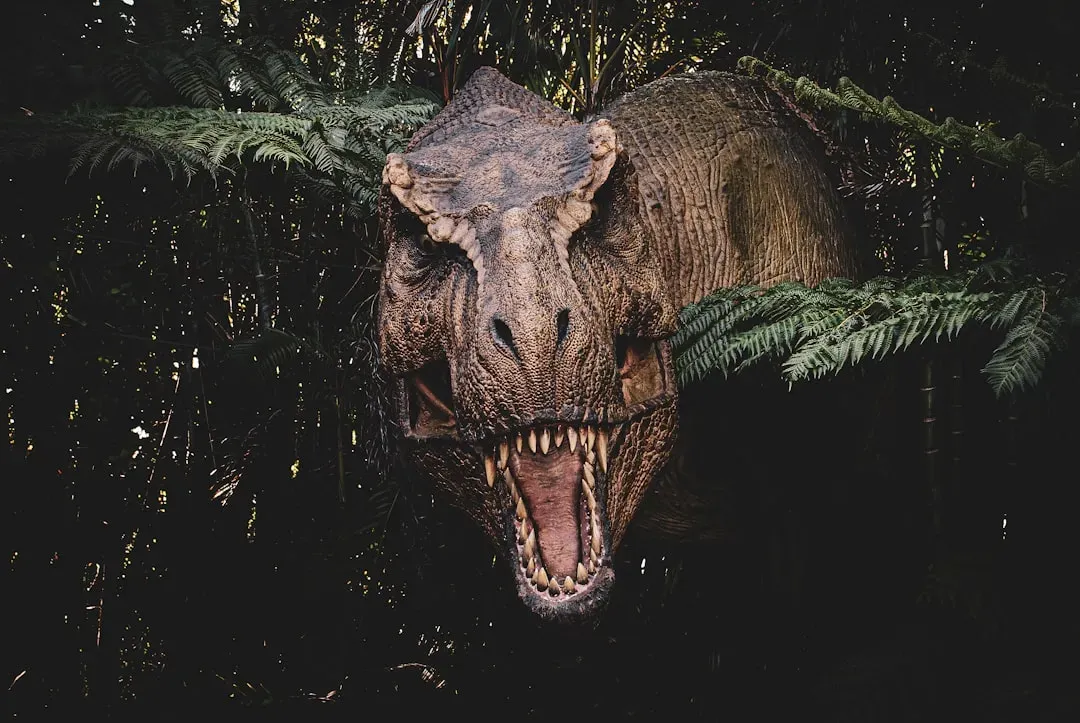
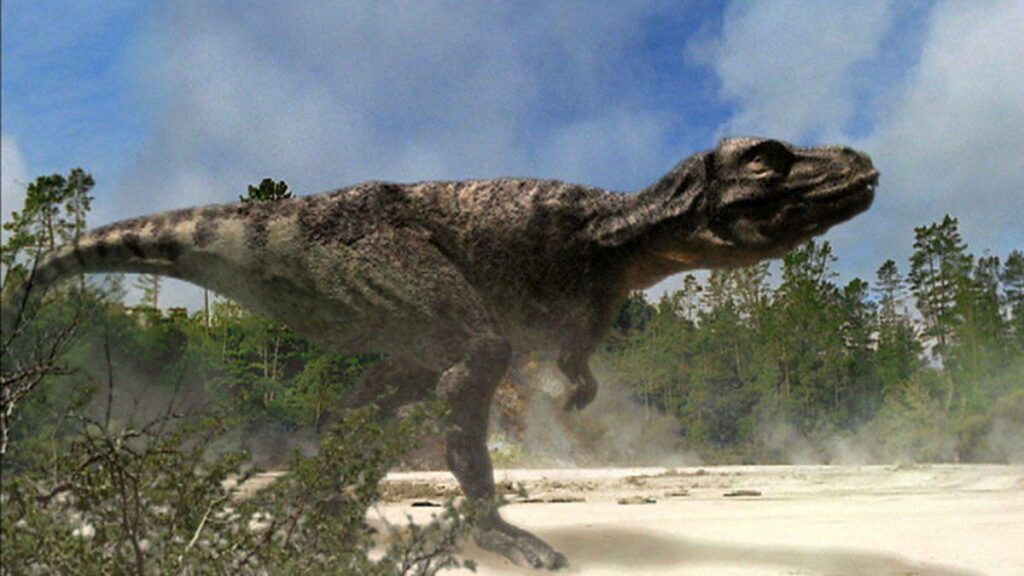
CGI that once looked impossibly realistic has aged in more ways than one. It is not just that rendering quality has improved; our understanding of dinosaur anatomy has, too. Older documentaries often stretched or squashed bodies to look more cinematic, made tails drag, or gave animals overly flexible spines and joints that would not hold up against modern biomechanical models.
New research on muscle attachment sites, joint limits, and posture has produced a much tighter picture of how these animals likely moved. Velociraptors are smaller and leaner than once shown, some sauropods held their necks differently, and many theropods carried their tails stiff and level, not sweeping around like rubber hoses. Disclaimers tell the viewer, in a polite, compressed way, that the animals you are watching move with the confidence of 2000s CGI, not with the caution of 2020s science.
The Ethics of “Educational” TV Got Stricter

There is also a cultural shift at play. In the late 1990s and early 2000s, there was far less public scrutiny over how science documentaries blended fact and fiction. If a show looked serious, had a somber narrator, and aired on a respected channel, most viewers were willing to trust it. Today, after years of debate about misinformation and science communication, that easy trust has evaporated.
Networks and streaming platforms are under pressure to be transparent about what is known, what is uncertain, and what is pure dramatization. That is especially true for content that ends up in classrooms or is marketed as educational for kids. Disclaimers are the compromise: instead of burying older shows, platforms tack on a small written confession that the science is dated, sometimes badly so, and that viewers should treat them as historical snapshots rather than current textbooks.
As someone who grew up devouring these series, I get why this rubs some fans the wrong way. There is a kind of magic in pretending a documentary crew really filmed a T. rex ambush from behind a fallen log. But once you start seeing the gaps between what is shown and what is actually supported, it becomes hard to unsee it. The trade‑off is that we keep the magic while finally admitting it was always a staged performance.
Fans Still Love Them, But With a Wink
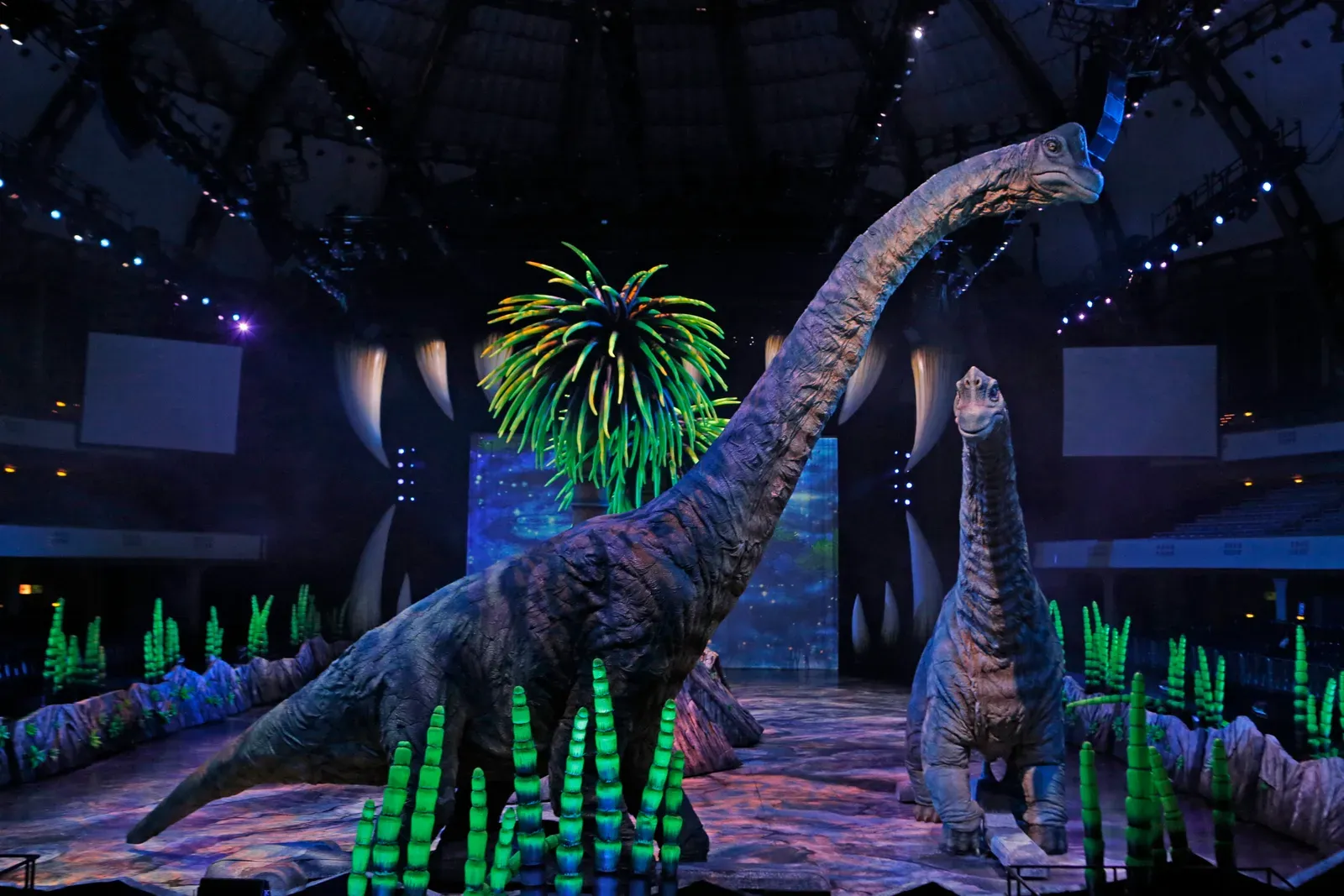
Despite all the outdated science and overconfident storytelling, those Walking With Dinosaurs–style documentaries still have a strange, stubborn charm. For many people, they were the gateway drug to science: the shows that made dinosaurs feel alive, not as dry names in a textbook but as animals with weight, texture, and personality. That emotional imprint does not disappear just because we now know the plumage was wrong or the behavior was speculative.
What has changed is the way we watch them. The disclaimers set the tone: you are entering a time capsule, not a lab report. Fans joke about the inaccuracies, share side‑by‑side comparisons with newer reconstructions, and still rewatch the episodes for the atmosphere, the music, and the childhood nostalgia. In a way, the giant disclaimers are a quiet acknowledgment that these shows are no longer purely educational – they are part science, part history, and part comfort TV.
Conclusion: Outdated, Flawed… and Still Weirdly Worth Watching
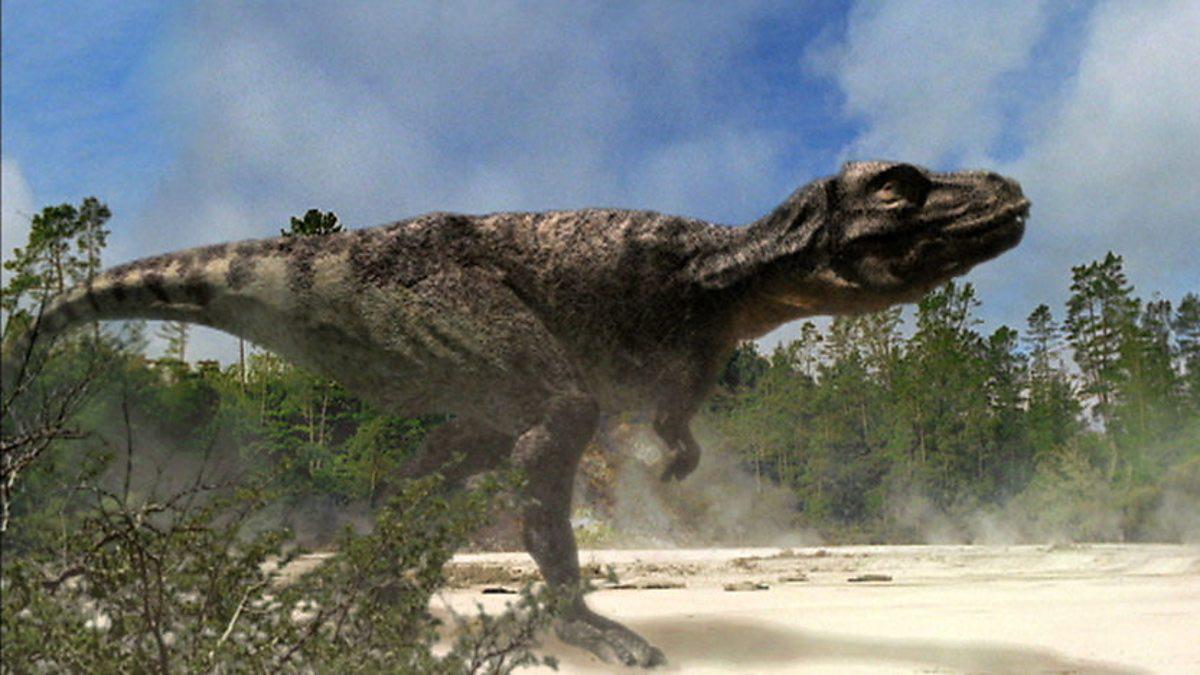
If you measure them strictly by modern standards, every pre‑2010 Walking With Dinosaurs–style documentary is a mess of half‑correct anatomy, underdressed raptors, and storylines built on thin evidence. The disclaimers that now precede them are not overkill; they are overdue. They remind us that science is not a fixed script but a constantly edited draft, and that what once felt definitive can age faster than the CGI that wrapped it.
Yet I do not think those shows should be buried or mocked out of existence. They capture a moment when we were just beginning to imagine dinosaurs as dynamic, complex animals again, even if we got a lot of the details wrong. Watch them today with the disclaimer in mind and they become something richer: imperfect, inspiring artifacts of where our curiosity once stood. Maybe the real question is not whether they deserve a long disclaimer, but whether we are ready to embrace the idea that every generation’s dinosaurs will look a little different from the last – would you have guessed that when you first sat down to watch them?