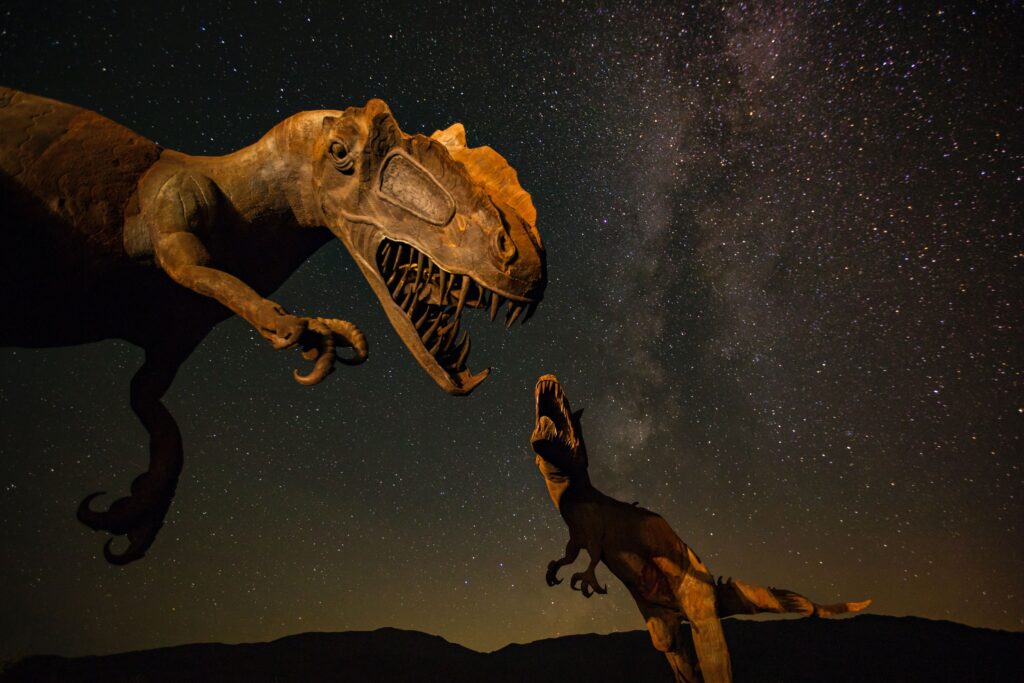
What if your star sign wasn’t just a symbol in the sky, but a dinosaur stomping across ancient Earth? Picture Aries as a horned predator charging through the Late Cretaceous, or Scorpio lurking like a semi-aquatic giant with crocodile jaws and a towering sail. Suddenly, the zodiac feels a lot less like a delicate horoscope and a lot more like a nature documentary with teeth, claws, and very real science behind each match.
This dinosaur zodiac is playful and imaginative, but it is not just random. Each pairing leans on what paleontologists actually know: hunting styles, body shapes, likely behavior, and the environments these animals lived in. We are translating personality traits from modern astrology into the closest prehistoric analogs we can find. Think of it as a mash‑up between a fossil exhibit and a birth chart: speculative, sure, but always anchored to real research about how these animals moved, hunted, and survived.
Aries – Carnotaurus, the Horned Sprinter
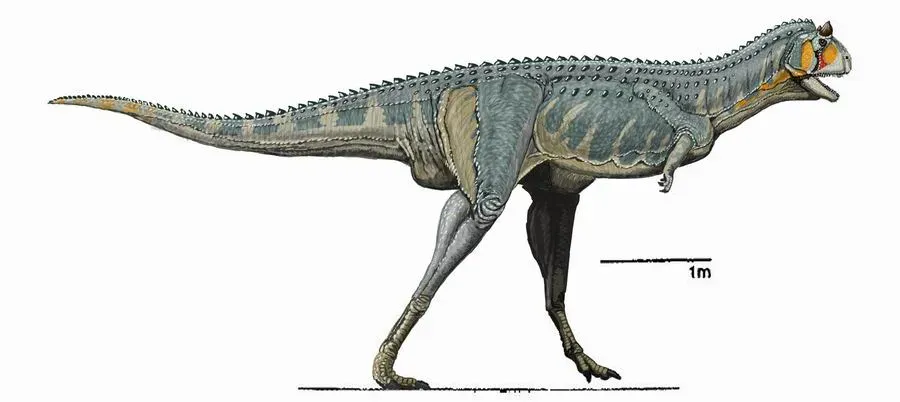
Aries is known for charging first and thinking later, so it fits almost too perfectly that its dinosaur match is Carnotaurus, a predator literally built for speed and impact. Carnotaurus had a deep skull with short bull‑like horns over its eyes, a powerful tail, and long hind legs that suggest it was one of the faster large theropods. Its body plan, with a lightweight frame and strong leg muscles, points to an animal that probably chased down prey in explosive bursts rather than patiently stalking it.
This is pure Aries energy: impulsive, high‑octane, and drawn to conflict like a magnet. Instead of diplomacy, you get raw acceleration and head‑on confrontation, just like a ram smashing through whatever is in front of it. While we cannot know its temperament in a human sense, the biomechanics tell us Carnotaurus was optimized for aggressive pursuit and quick decisions in a dangerous ecosystem, mirroring Aries’ instinct to leap into action and sort out the details later.
Taurus – Triceratops, the Stubborn Tank
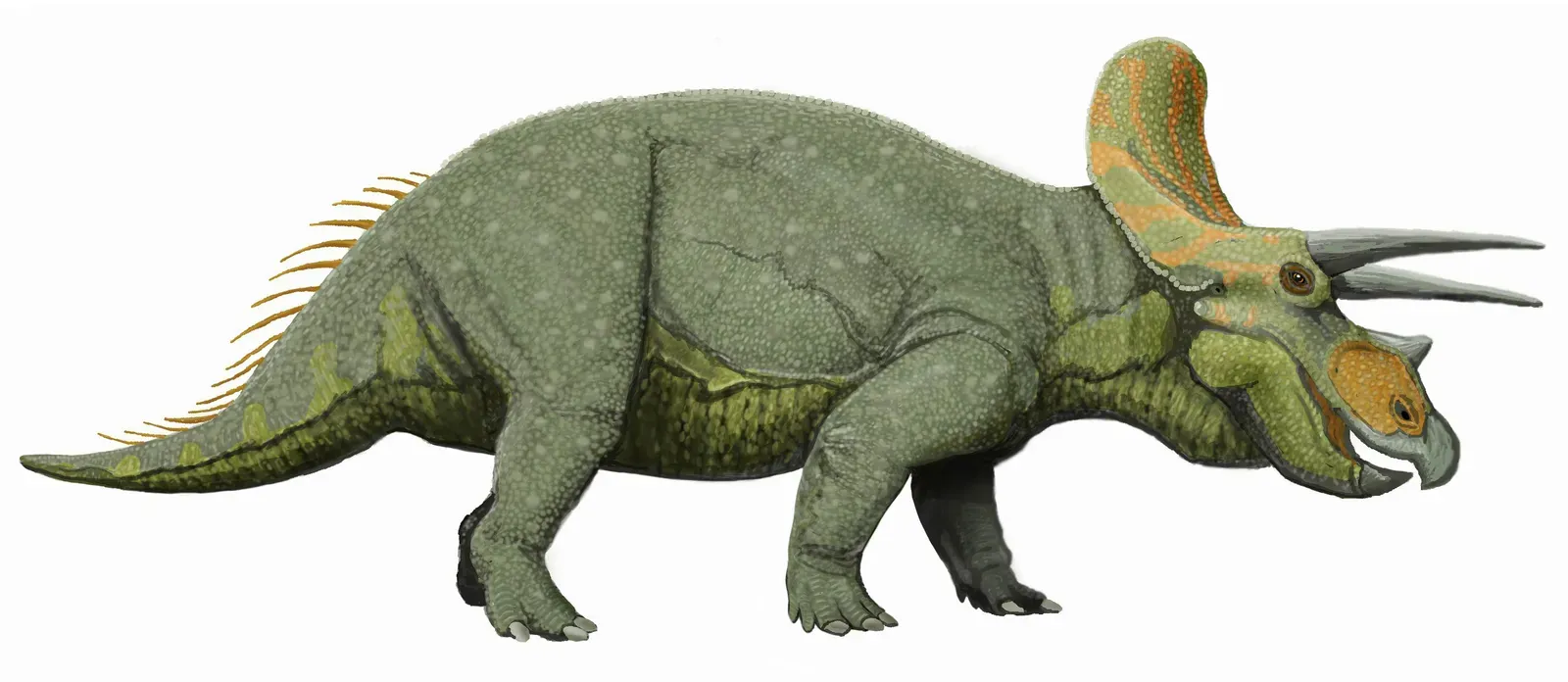
Taurus is the sign of quiet strength, loyalty, and impressive stubbornness, which makes Triceratops an almost uncanny match. Triceratops was a massive ceratopsian with a broad frill, three intimidating facial horns, and a heavy, low‑slung body built like a biological bulldozer. Fossil evidence suggests a powerful neck and limb musculature that could support both steady browsing and sudden defensive charges when threatened.
Just like Taurus, Triceratops seems made for a life of steady routines: eating plants, moving in predictable paths, and standing its ground when pushed. Its horns and frill may have been used for defense, display, and possibly social interactions, echoing how Taurus people value security, comfort, and a close inner circle. It was not the flashiest dinosaur, but once Triceratops committed to a position, very little could move it – exactly the kind of earthy, immovable energy that defines Taurus at its most iconic.
Gemini – Troodon, the Curious Night Stalker
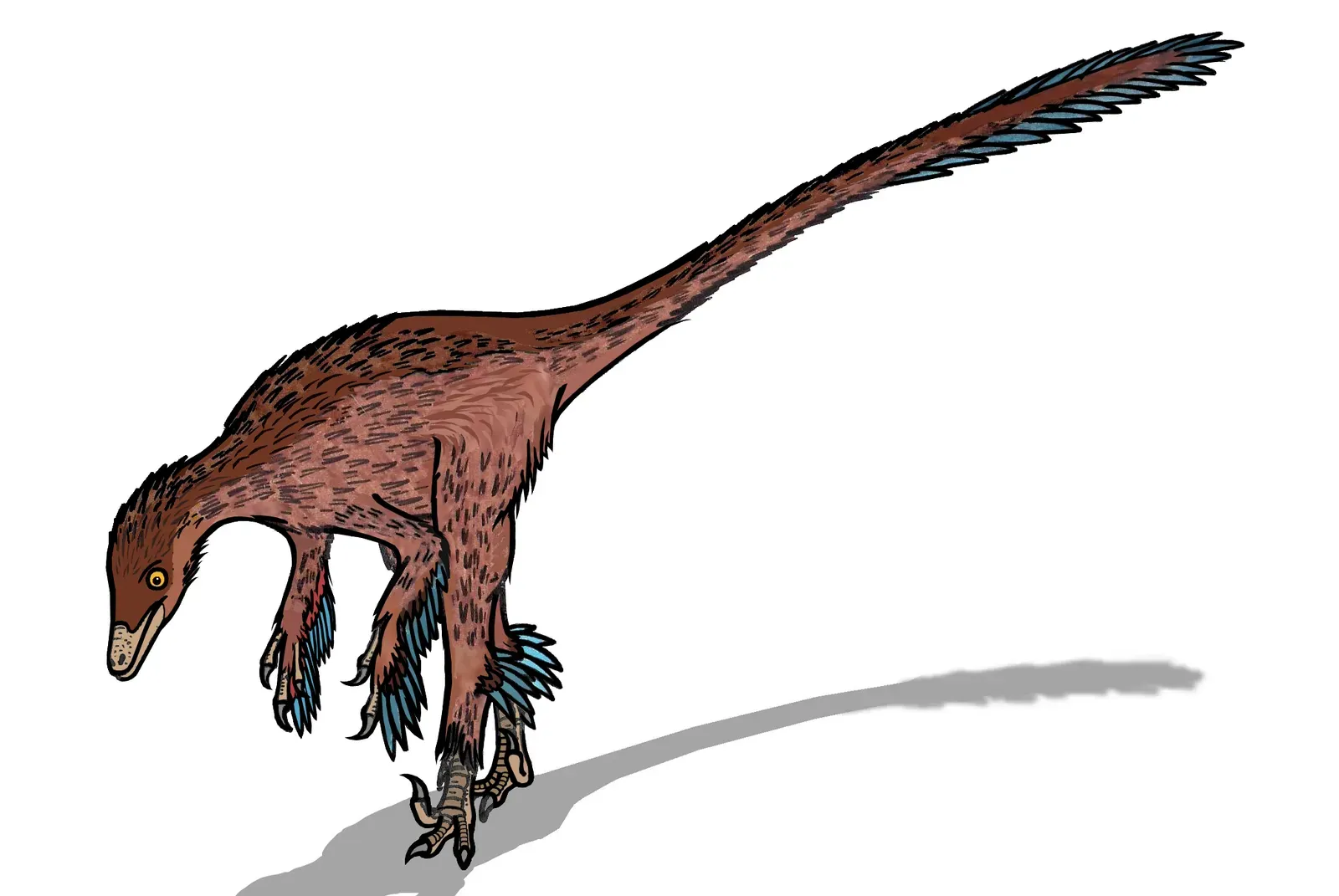
Gemini’s main traits are curiosity, quick thinking, and adaptability, and in the dinosaur world, Troodon comes closest to that mercurial vibe. Troodon had one of the largest brain‑to‑body ratios among known dinosaurs, with big forward‑facing eyes and grasping hands that suggest a high degree of sensory awareness and problem‑solving potential. Its relatively slender build and long legs indicate an agile, active lifestyle rather than brute force.
Paleontologists think Troodon might have been at least partially nocturnal, using its keen vision to hunt or scavenge under low light. That image – an intelligent, alert creature tuning into every detail and constantly shifting strategies – lines up neatly with Gemini’s mental restlessness and love of variety. If any dinosaur would explore every corner of its environment, experiment with different food sources, and learn fast from experience, Troodon is it, making it the perfect fossil mirror for Gemini’s chatty, agile mind.
Cancer – Maiasaura, the Protective Caregiver
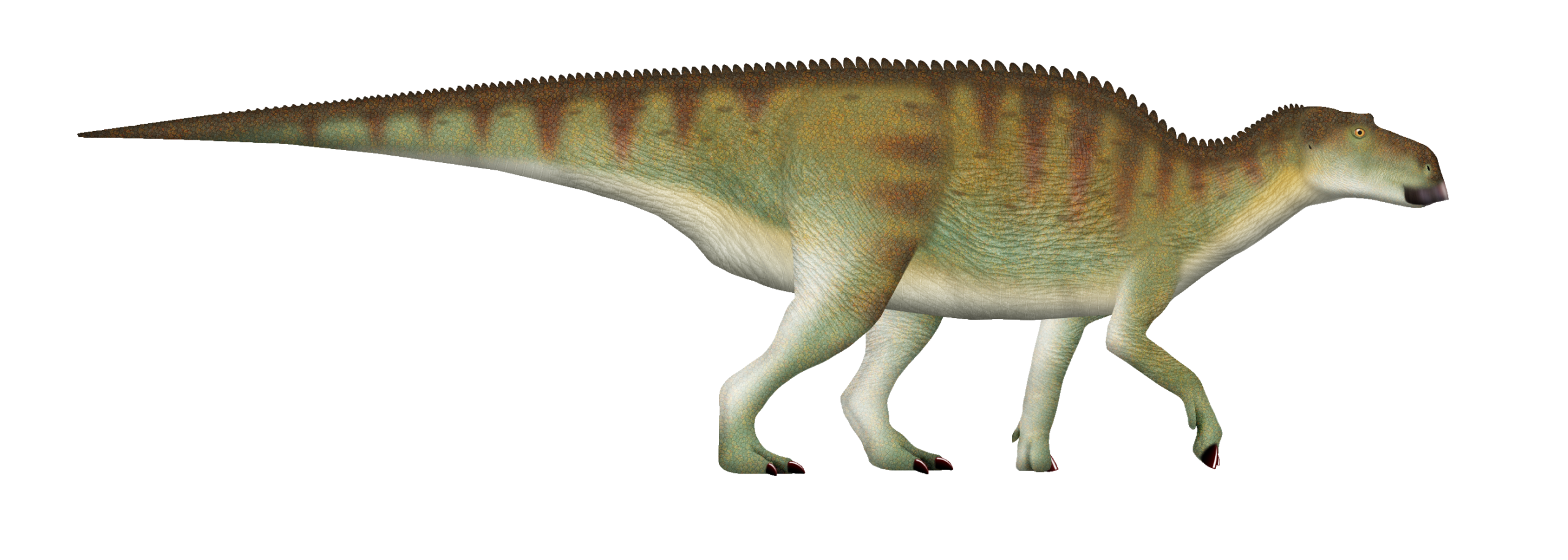
Cancer is the zodiac’s nurturer, linked with home, family, and emotional protection, and Maiasaura is one of the clearest dinosaur analogs for that energy. Maiasaura, whose name means “good mother lizard,” is famous because fossil sites show nests, eggs, and evidence that adults may have cared for their young. Some bone beds suggest group living and repeated nesting grounds, pointing toward complex social structures and long‑term care of hatchlings.
That kind of parental investment is rare in the fossil record, and it adds a deeply emotional layer to our image of dinosaurs. If Cancer is the sign that builds safe nests and defends loved ones, Maiasaura is the prehistoric creature doing exactly that: returning to the same nesting sites, shielding fragile eggs, and possibly bringing food to growing chicks. In a world usually portrayed as tooth and claw, Maiasaura embodies Cancer’s softer power – devotion, protection, and the belief that caring for others is a survival strategy.
Leo – Tyrannosaurus rex, the Apex Showstopper
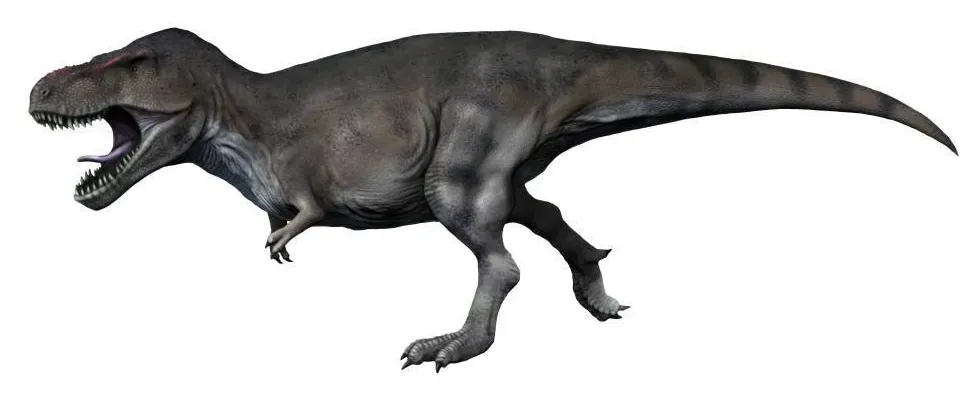
Leo is ruled by the need to be seen, admired, and respected, and no dinosaur commands attention quite like Tyrannosaurus rex. This apex predator had a colossal skull, bone‑crushing bite force, and a towering posture that made it one of the most formidable meat‑eaters ever to walk the planet. From a scientific standpoint, its senses – especially smell and vision – appear to have been well developed, making T. rex not just strong but also highly capable in tracking and taking down large prey.
Leo energy is not just about raw power; it is about presence, drama, and a touch of theatrical flair. T. rex, with its iconic silhouette and cultural status as the “king” of dinosaurs, perfectly channels that royal, spotlight‑seeking identity. While real ecosystems are not about ego, an animal that sat at the top of the food chain and reshaped its environment through predation fits Leo’s archetype of the born ruler, the creature everyone else had to take into account.
Virgo – Oviraptor, the Meticulous Egg Guardian
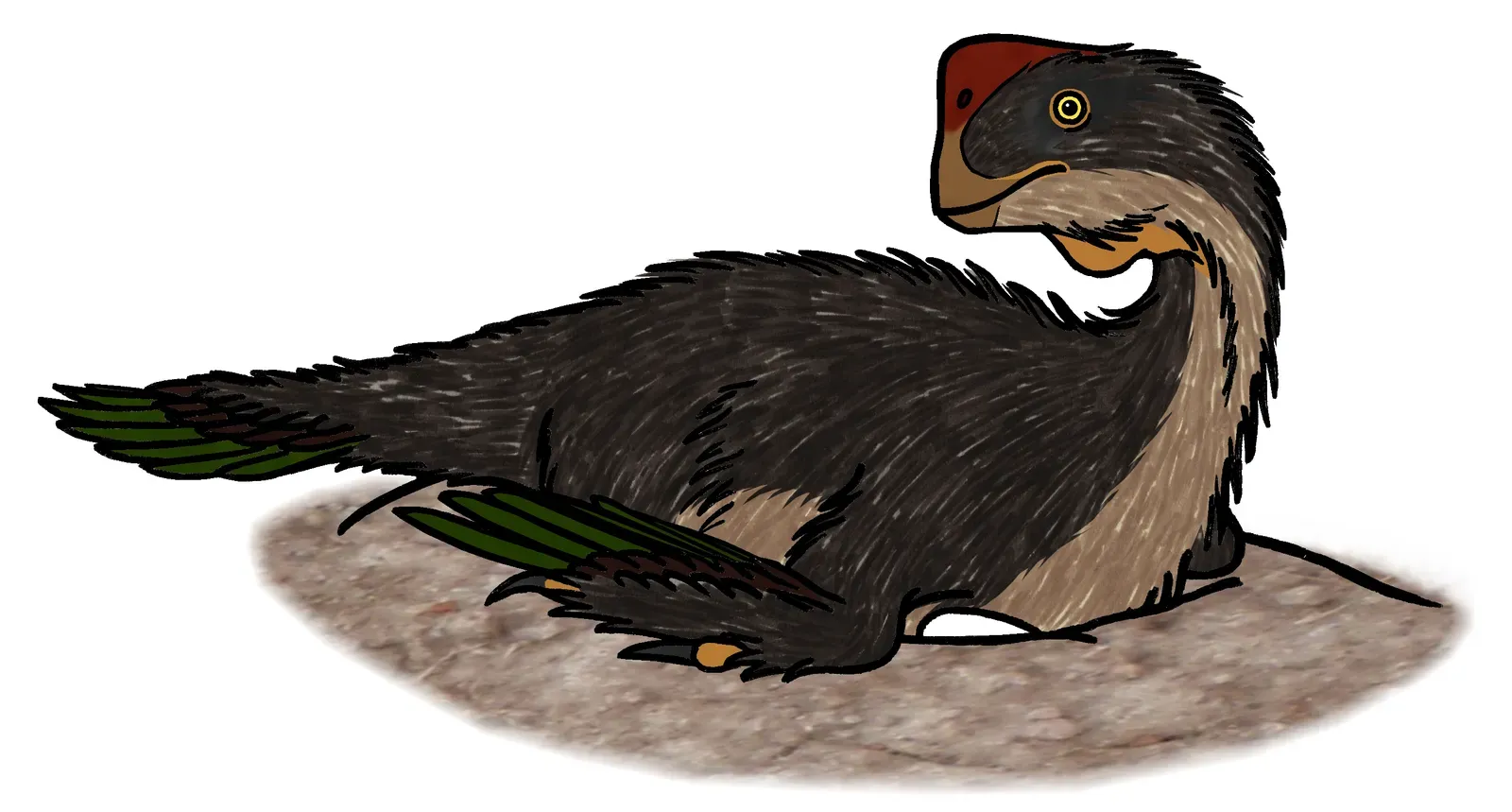
Virgo is associated with precision, care, and practical service, which makes Oviraptor a surprisingly fitting match once you look past the old myths. Early interpretations cast Oviraptor as an egg thief, but later discoveries showed fossils of these dinosaurs actually brooding on nests, suggesting they were attentive parents guarding their own eggs. This shift in understanding paints Oviraptor as careful, patient, and highly invested in doing things “the right way” for its offspring.
Virgo’s energy shows up in details, routines, and quiet dedication, and nesting behavior is one of the clearest forms of that in the fossil record. Oviraptor’s lightweight body, beaked mouth, and likely omnivorous diet also hint at flexibility and efficiency – traits that help in a crowded, competitive environment. If any dinosaur was fussing over nest placement, egg safety, and the tiny day‑to‑day behaviors that ensure survival, Oviraptor captures that Virgo‑style devotion to small, crucial tasks.
Libra – Parasaurolophus, the Graceful Social Diplomat
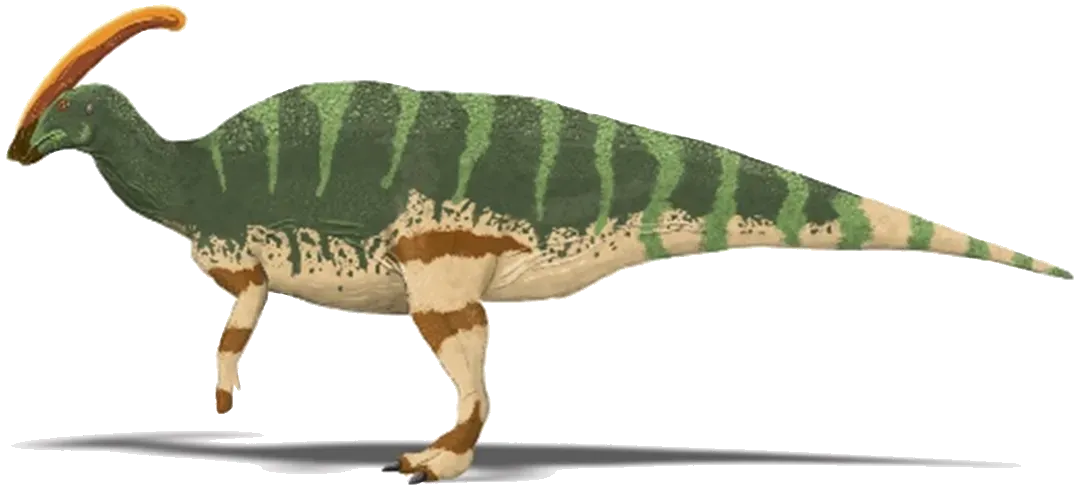
Libra is the sign of balance, harmony, and social connection, and Parasaurolophus offers a strong prehistoric reflection of that social grace. This hadrosaur is instantly recognizable by its long, curved cranial crest, which scientists think was likely used for display and sound production. Computer models and studies suggest that the crest might have acted like a built‑in resonating chamber, allowing these dinosaurs to communicate with low, far‑carrying calls.
That makes Parasaurolophus a natural fit for Libra, which thrives on relationship dynamics and group balance. Herd‑living, coordinated movement, and sound‑based communication all speak to cooperative behavior rather than solitary aggression. Imagine a group of these dinosaurs moving together, signaling with subtle calls and visual displays – almost like a prehistoric version of a well‑choreographed dance. That soft‑spoken, aesthetically elegant group dynamic mirrors Libra’s preference for beauty, moderation, and peacekeeping.
Scorpio – Spinosaurus, the Shadowy Water Predator
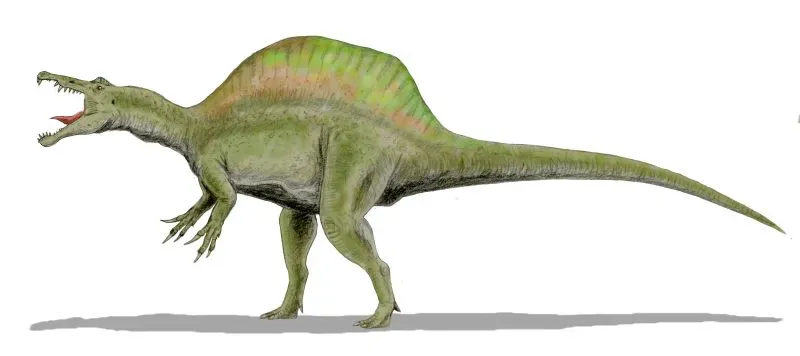
Scorpio’s reputation is intense, secretive, and powerful, and Spinosaurus might be the most Scorpionic creature paleontology has ever revealed. Spinosaurus was a massive theropod with a crocodile‑like snout, conical teeth suited to catching slippery prey, and a dramatic sail on its back formed by elongated neural spines. Growing evidence suggests it was at least semi‑aquatic, hunting in and around river systems rather than only on land.
This combination of water, shadow, and lethal efficiency matches Scorpio’s association with depth, mystery, and transformation. Instead of roaring across dry plains like T. rex, Spinosaurus probably slipped between elements, diving into water, emerging onto land, and exploiting a niche few other large predators could handle. Scorpio energy thrives in liminal spaces – emotional, psychological, or literal – and Spinosaurus, straddling the boundary between aquatic and terrestrial worlds, captures that haunting, magnetic, and slightly dangerous vibe almost perfectly.
Sagittarius – Utahraptor, the Adventurous Pack Hunter
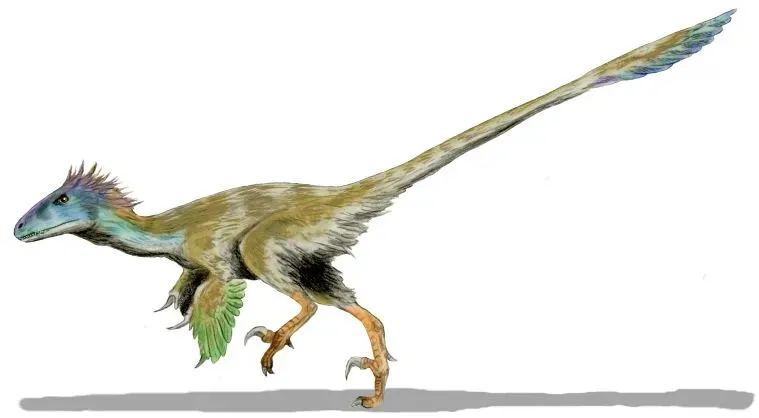
Sagittarius is about freedom, exploration, and big‑picture risk taking, and Utahraptor offers a bold, physically dynamic parallel. Larger and more robust than the famous Velociraptor, Utahraptor had huge sickle‑shaped claws on its second toes, strong legs, and a likely agile, athletic lifestyle. Fossil evidence hints that dromaeosaurids may have hunted in groups or at least exploited coordinated tactics, which makes their behavior feel more strategic and wide‑ranging than pure solo ambush.
Sagittarius thrives on testing limits and expanding territory, and a fast, intelligent predator navigating varied landscapes fits that adventurous archetype. Utahraptor would not have survived by staying in one spot or repeating the same simple moves; it had to chase, adapt, and exploit opportunity wherever it appeared. That is pure Sagittarius: constantly on the move, drawn to challenges, and more interested in the journey – the thrill of the hunt, in this case – than just the outcome.
Capricorn – Ankylosaurus, the Armored Strategist
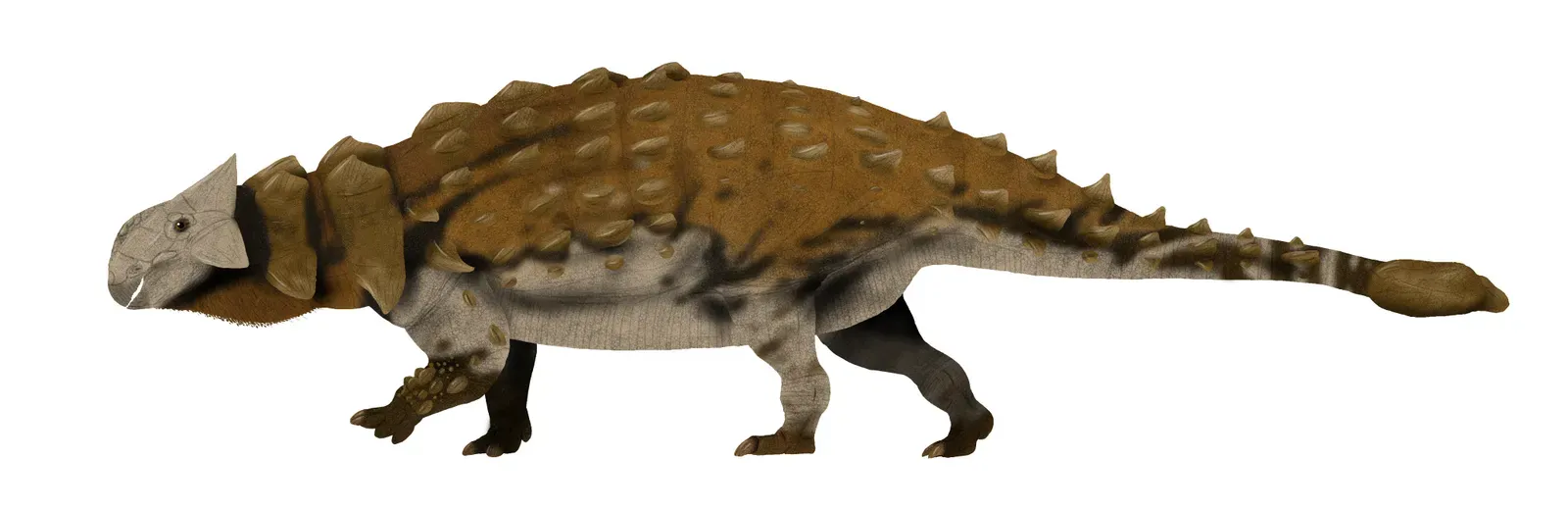
Capricorn is disciplined, resilient, and focused on long‑term survival rather than short‑term excitement. Ankylosaurus embodies that mindset with its heavy armor, bony plates, and massive tail club, all of which turned it into a walking fortress. Instead of speed or flashy display, it invested in defense: thick osteoderms under the skin, low center of gravity, and a tail that could deliver devastating blows to any predator that underestimated it.
This is Capricorn’s energy in fossil form: play the long game, endure pressure, and make yourself too costly to attack. Ankylosaurus likely spent its days foraging low vegetation at a steady pace, relying on deliberate movements and awareness of its surroundings to avoid unnecessary risk. There is nothing impulsive about this lifestyle, but there is a clear strategy – survive, persist, and let others waste energy on drama while you quietly outlast them.
Aquarius – Therizinosaurus, the Eccentric Outsider
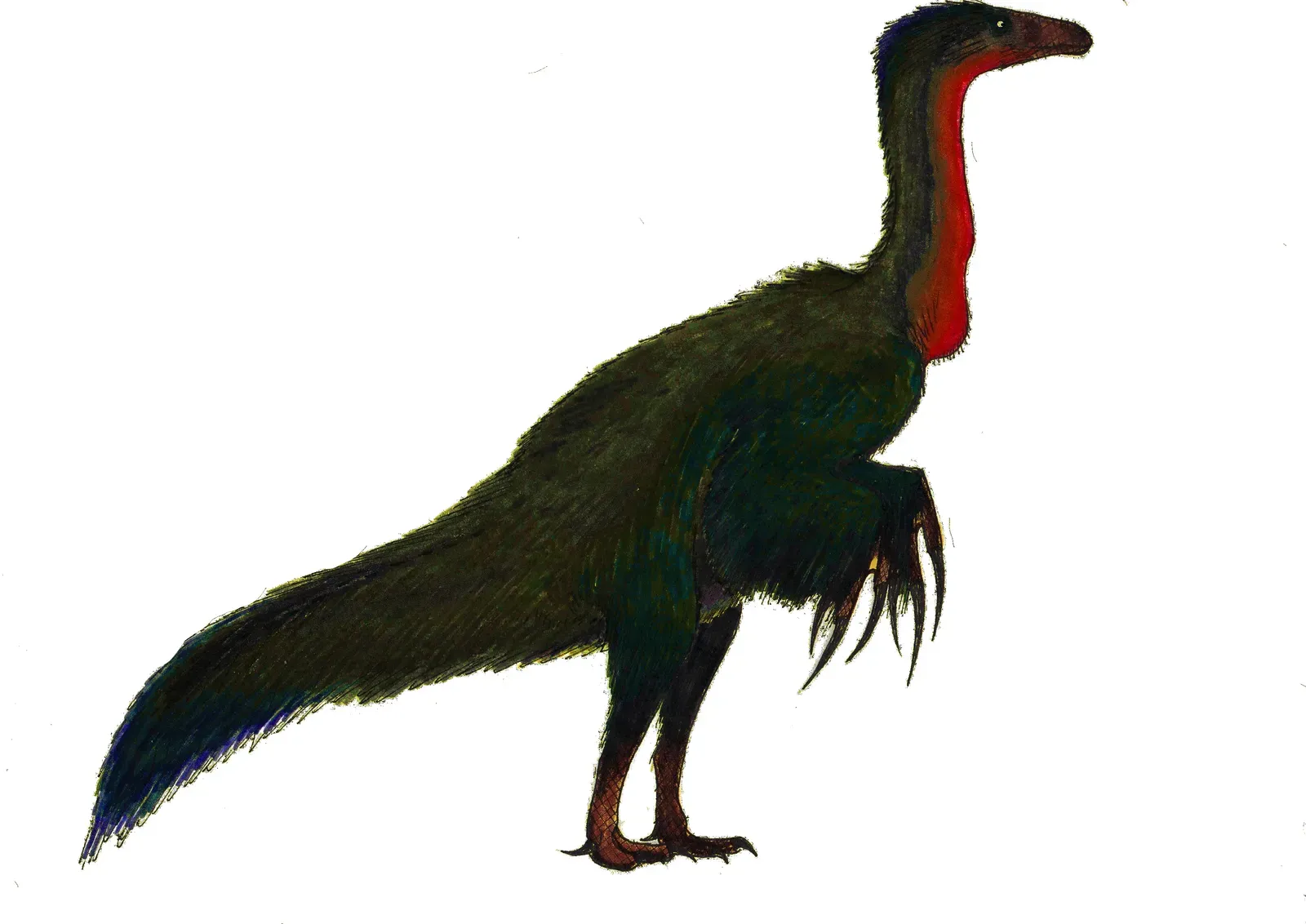
Aquarius is the zodiac’s rebel inventor, the one that does not quite fit any conventional category, and Therizinosaurus is easily one of the strangest dinosaurs ever discovered. This animal had huge scythe‑like claws on its forelimbs, a pot‑bellied body, and a likely herbivorous or mixed diet despite descending from carnivorous ancestors. Everything about it looks like a rule break: a theropod that probably focused on plants, wielding absurdly long claws that may have been used for foraging, display, or defense.
That evolutionary plot twist is pure Aquarius, a sign that loves flipping expectations and exploring unconventional solutions. In a world dominated by clear roles – predator, prey, browser, grazer – Therizinosaurus seems to have carved out a niche that blended traits from multiple categories. It is like the eccentric friend who shows up to a formal event wearing something completely unexpected, yet somehow makes it work. Aquarius energy values difference and innovation, and Therizinosaurus wears that strangeness like armor.
Pisces – Elasmosaurus, the Dreamy Ocean Drifter
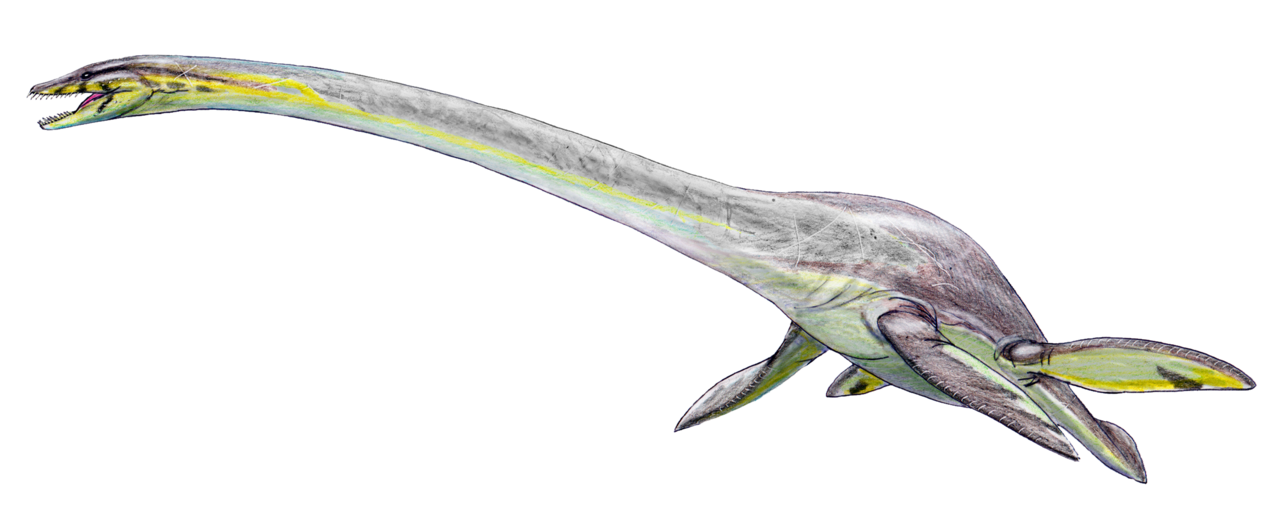
Pisces is associated with water, intuition, and a kind of soft‑focus dreaminess, and while it is technically not a dinosaur, Elasmosaurus is too perfect a match to ignore. This marine reptile had an extremely long neck, a streamlined body, and flippers built for swimming in ancient seas. It likely cruised through the water in wide, fluid motions, hunting fish and other marine life in an environment that feels almost otherworldly compared to the land‑based dinosaur dramas we usually imagine.
Pisces energy moves with currents rather than against them, leaning into sensitivity and flow, and Elasmosaurus embodies that drifting, adaptive existence. There is something surreal about an animal with such a long neck gliding through quiet oceans, turning and weaving like a living myth. While Pisces people live in emotional and imaginative depths instead of literal seas, the parallel stands: both inhabit spaces that are hard to map, where intuition and subtle perception matter more than hard edges and loud displays.
What This Dinosaur Zodiac Really Says About Us
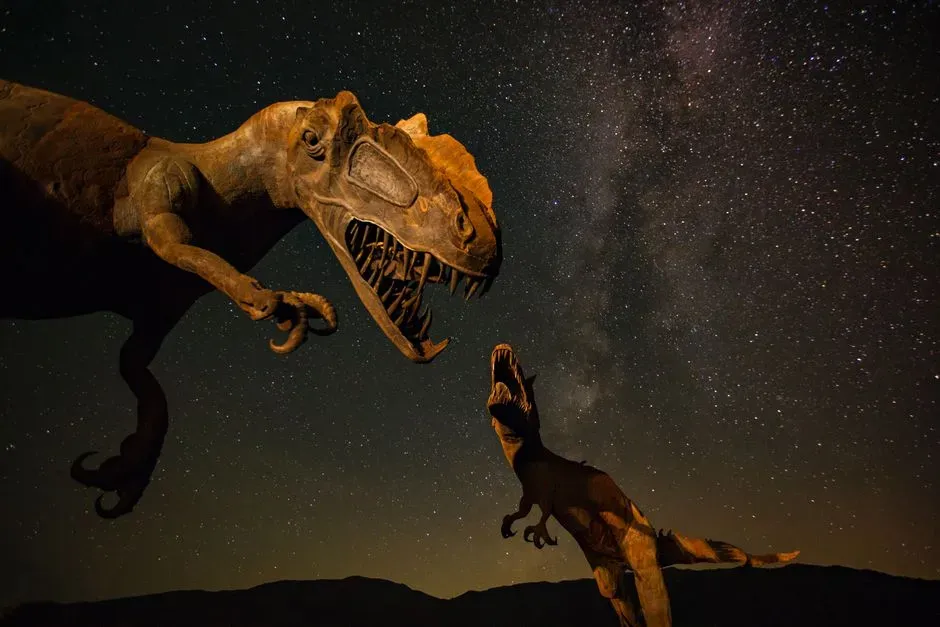
At the end of the day, none of these dinosaurs cared about your birth chart, and the stars did not dictate their evolution. These matches are playful, speculative bridges between two very different ways of making sense of the world: astrology, which talks in symbols and archetypes, and paleontology, which deals in bones, sediments, and testable hypotheses. When we match Aries to Carnotaurus or Scorpio to Spinosaurus, we are not rewriting science; we are using scientific knowledge as a rich library of metaphors.
Still, there is something surprisingly powerful about choosing a fossil alter ego and seeing yourself in it. You might recognize your own stubborn Taurus streak in Triceratops or your Cancer tenderness in Maiasaura’s nesting behavior, and that emotional connection can make the distant past feel suddenly very close. Maybe the real value of a dinosaur zodiac is not in predicting anything, but in reminding us that our personalities, like these ancient creatures, are shaped by forces bigger than we are – pressure, environment, survival – and yet still manage to be wildly individual. Which prehistoric self would you have guessed you were before you read this?