For years, feathered dinosaurs felt like a quirky side note in dinosaur science: a few strange, birdlike predators from China that rewrote the textbooks and then quietly settled into the background. But the more fossils researchers dig up, scan, and re-examine, the clearer it becomes that those early finds were just the tip of an enormous, feathery iceberg. Instead of being rare oddities, feathered dinosaurs now look like major players in ancient ecosystems, turning the old image of scaly, reptilian monsters into something much more colorful, complex, and frankly, surprising.
What is really wild is not just that feathers were common, but how varied they appear to have been. We’re talking about a spectrum ranging from simple fuzz to elaborate wings and tail fans, showing up in all kinds of dinosaur groups we never expected. As new specimens keep emerging from quarries and museum drawers alike, scientists are being forced to admit something humbling: nature in the age of dinosaurs had more imagination than we ever gave it credit for.
The Shocking Realization: Feathers Were Not Just for “Bird Dinosaurs”
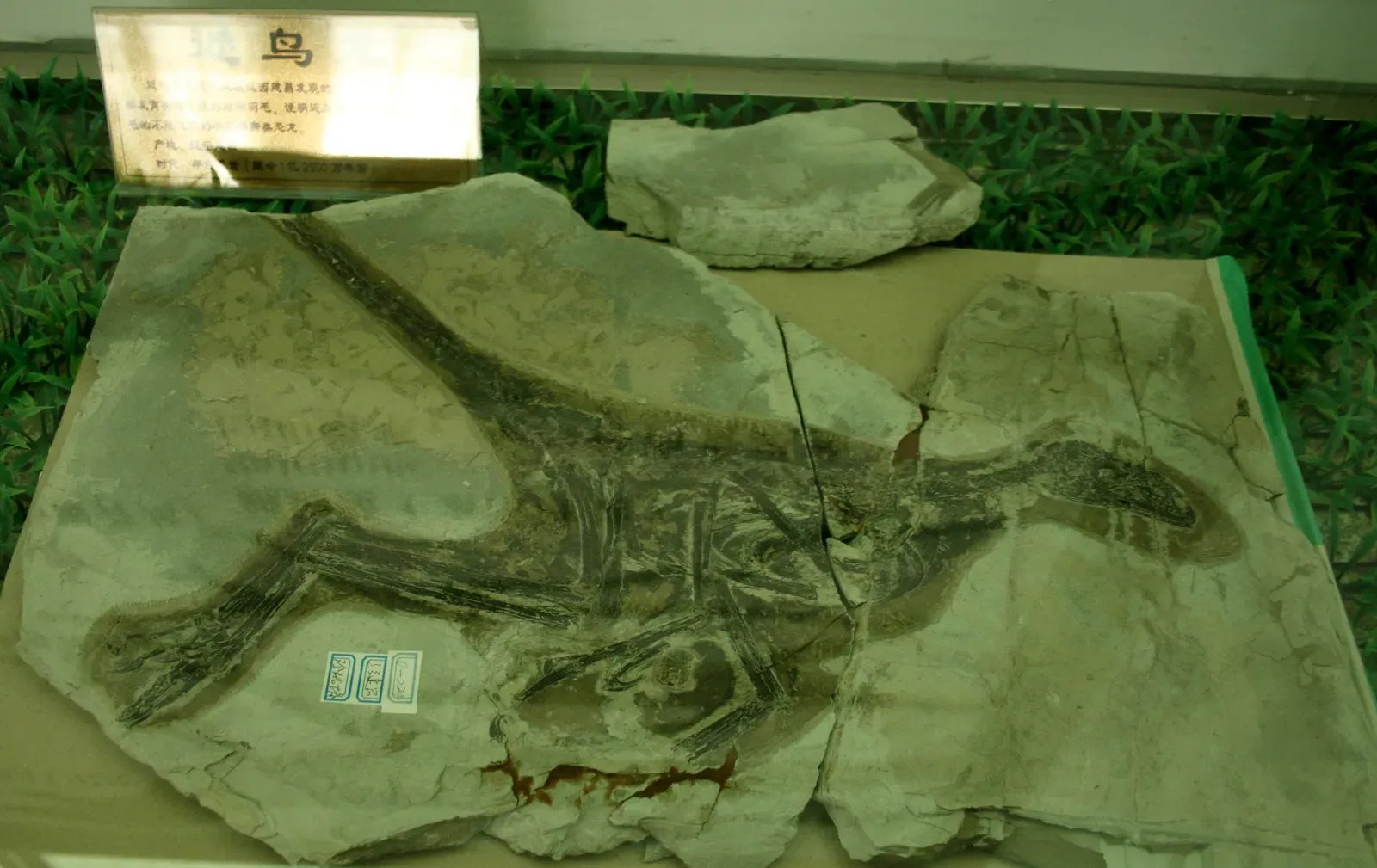
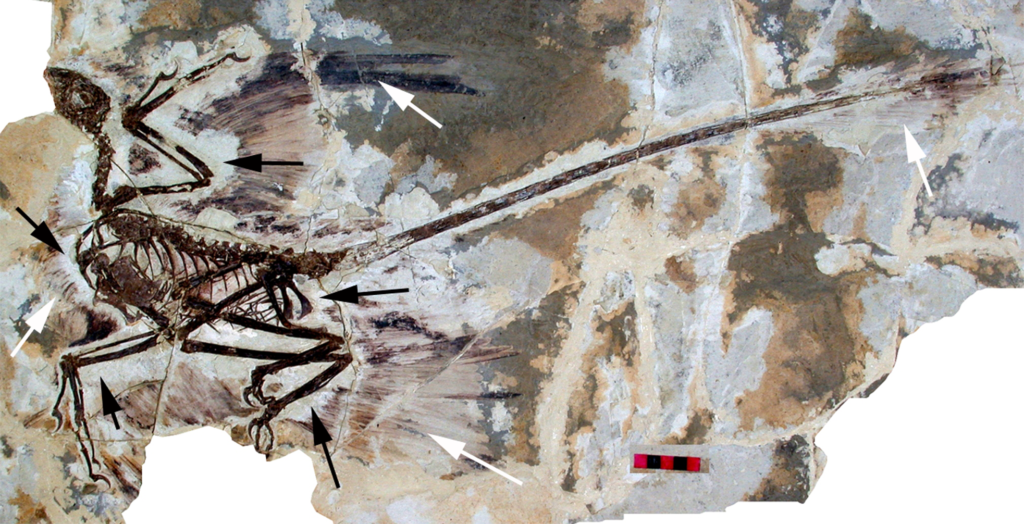
Not long ago, most people (and honestly, many scientists) would’ve told you that feathers were basically a bird thing: an advanced feature that evolved late, right before flight. Early discoveries of feathered dinosaurs in China were treated almost like special cases, restricted to small, birdlike predators close to the origin of birds. That view has been steadily dismantled as more fossils have turned up, many of them clearly non-avian dinosaurs with undeniable feather structures preserved.
What’s changed is the realization that feathers show up in multiple branches of the dinosaur family tree, not just in the direct line leading to birds. Fossils from different regions and time periods reveal simple, hairlike filaments and more complex plumes on animals that had no chance of ever taking to the air. That strongly hints that feathers were an early, widespread feature, not a late invention, and that our old “birds are the only feathered dinosaurs” story was far too narrow.
From Fuzz to Fancy Plumes: The Spectrum of Dinosaur Feathers
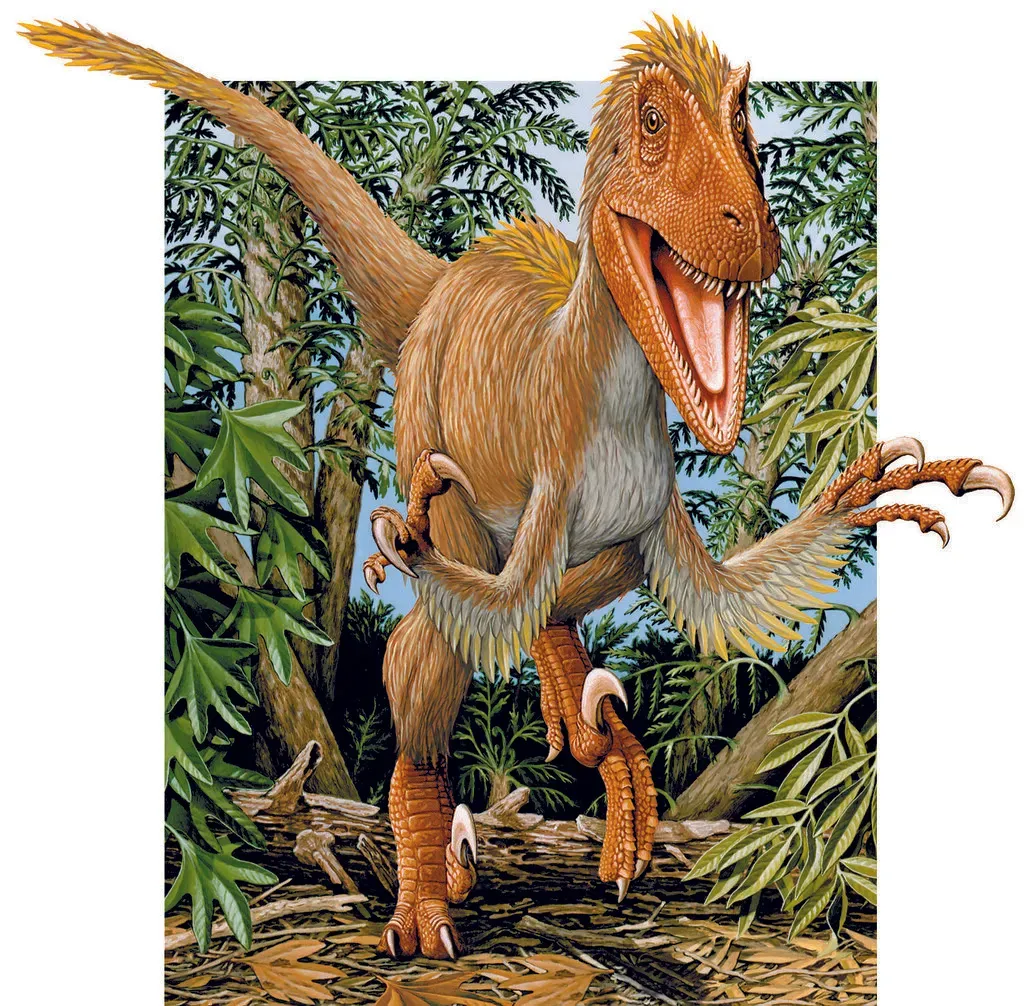
When people hear “feathered dinosaur,” they often imagine something that looks like a hawk with claws. In reality, dinosaur feathers covered a surprising range of forms. Some species appear to have had a basic coat of filamentous fuzz, more like the soft covering on a chick or even something approaching mammal fur. Others show evidence of more complex, branched feathers, including stiff, vaned structures that resemble modern flight feathers, even on animals that were too heavy or oddly shaped to fly.
On top of that, there were dinosaurs sporting extravagant tail fans, long display feathers on their arms or heads, and strange ribbon-like structures that almost look designed for show rather than function. This spectrum suggests that feather evolution was not a single, linear path toward flight, but a branching, experimental process where nature tried out different designs. It feels less like a neat engineering plan and more like a fashion explosion in the Mesozoic, with dinosaurs “wearing” whatever evolution happened to hand them.
Feathered Giants: Why Size No Longer Rules Out Feathers
![Feathered Giants: Why Size No Longer Rules Out Feathers (Original, now superseded file based on the images found here: [2][3][4]and[5] which is now known to be Neovenator: File:Neovenator salerii-Dinosaurisle.jpg. Heavily revised current version based on skeletal diagrams by Scott Hartman in:(2015). "An overview of non-avian theropod discoveries and classification". PalArch's Journal of Vertebrate Palaeontology 12 (1): 1–73.
The feathering shown here is speculative, skin remains are not currently known for Megalosaurus., Public domain)](https://nvmwebsites-budwg5g9avh3epea.z03.azurefd.net/dinoworld/858bd276ea4f858a5c25ae97441dac27.webp)
One of the biggest mental barriers for many people is the idea of huge, lumbering dinosaurs with feathers. Intuitively, we associate feathers with small, light animals – chicks, songbirds, maybe the occasional turkey. But fossil evidence has revealed large and even gigantic dinosaurs that show traces interpreted as filamentous coverings or feather-like structures. This does not mean every massive predator or plant-eater was fully covered in fluffy plumage, yet it does crack the old assumption that big automatically means scaly.
In some cases, scientists infer feathered coverings in large species by combining skin impressions, close relatives with feathers, and the evolutionary position of those animals on the family tree. It is possible that many large dinosaurs had a mix of scales and feathers, with insulation or display feathers concentrated in certain areas rather than a full-body coat. That more nuanced picture makes sense: just like big mammals today can have thick fur in some regions and sparse hair in others, large dinosaurs might have balanced heat retention, display, and practicality through strategic feather placement.
Beyond Flight: Insulation, Display, and Other Hidden Uses
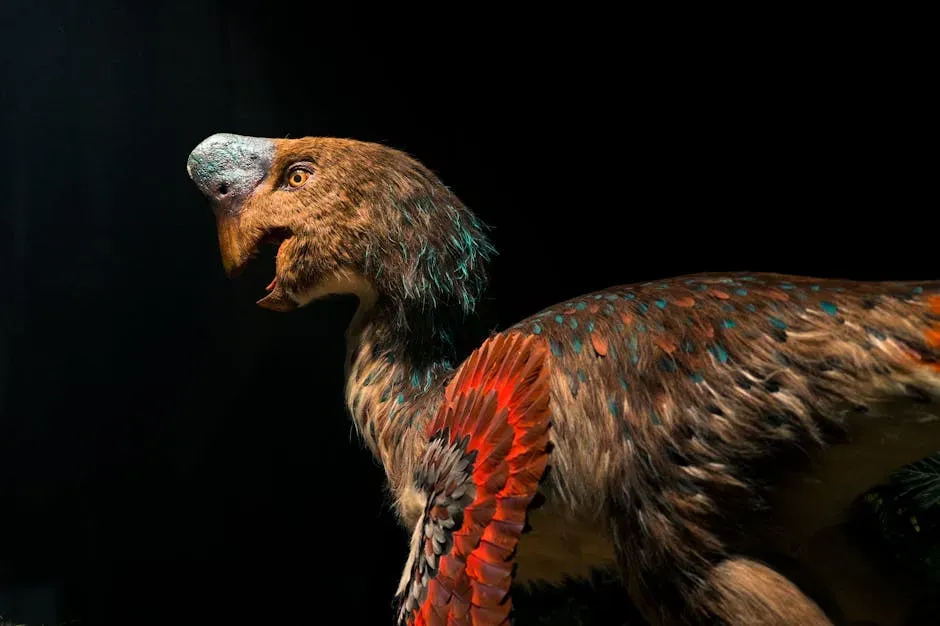
The romantic idea is that feathers evolved for flight, full stop. But the fossil record and modern biology paint a messier – and more interesting – story. Feathers are excellent insulators, trapping air close to the skin and helping maintain body temperature. For small, active dinosaurs in cooler environments, a coat of primitive feathers could have meant the difference between thriving and freezing. That alone could explain why feather-like structures arose and spread early in dinosaur evolution, long before true flight existed.
Then there’s the social side of feathers. Bright colors, patterns, and elaborate structures are powerful tools for communication: attracting mates, intimidating rivals, or signaling group identity. While color is rarely preserved, the shapes of some dinosaur feathers look so dramatic and impractical for flight that display seems like the most reasonable explanation. Put simply, not every feather had to “earn its keep” aerodynamically; some were there to show off, to flirt, or to bluff. Flight appears to be just one chapter in a much longer feather story.
Surprising Lineages: Feathered Dinosaurs in Unexpected Families
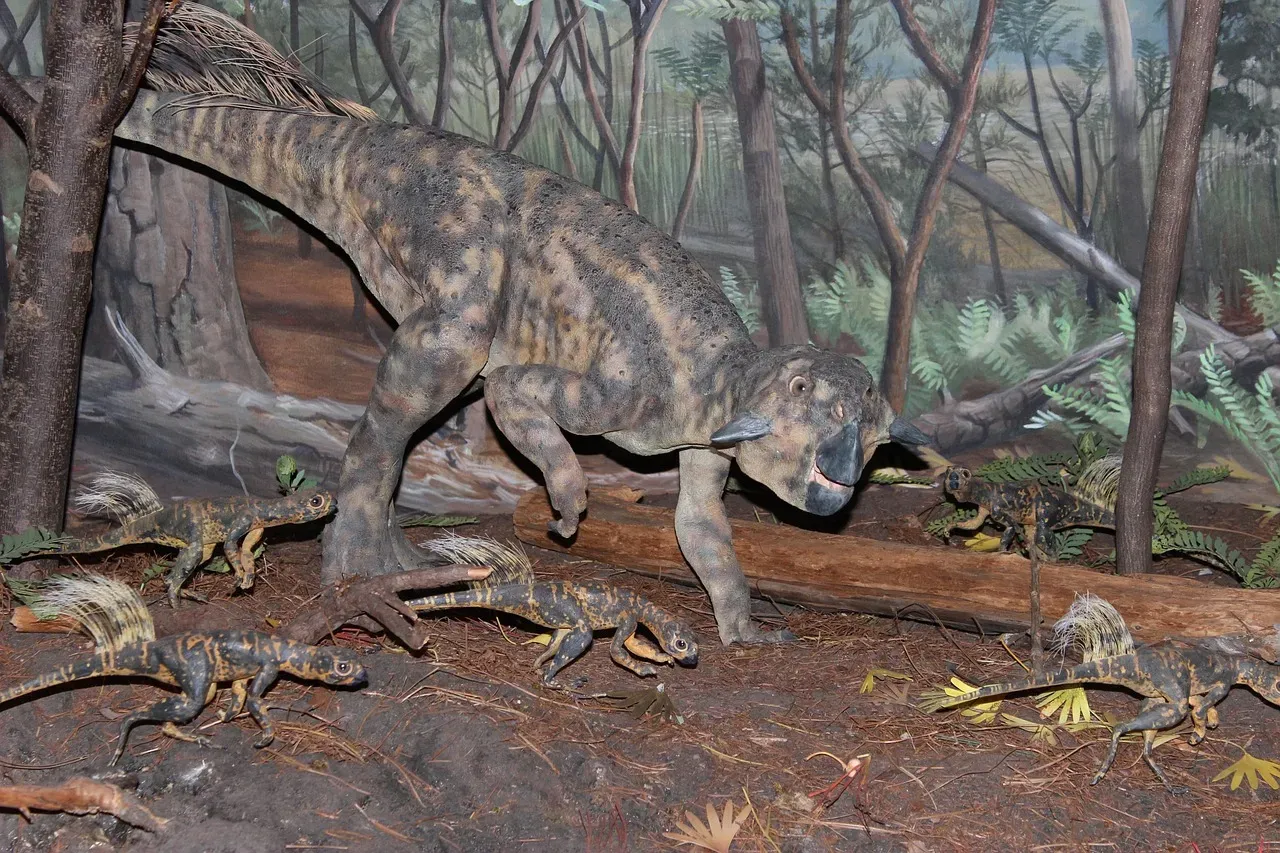
Maybe the most unsettling twist is that feather-like structures are turning up in dinosaurs far outside the classic birdlike groups. Some herbivorous lineages, once imagined as the poster children for scaly skin, now have relatives showing simple filaments. That forces researchers to ask whether feathers (or feather precursors) were present far earlier and wider than previously believed, possibly even in the common ancestor of large chunks of the dinosaur family tree.
There is still serious debate about just how far feathers reached – whether some lineages evolved their own filamentous coverings independently, or whether a shared ancestor passed on the basic toolkit that later diversified. Either way, these discoveries punch huge holes in the old split between “birdlike feathered dinosaurs” and “classic scaly dinosaurs.” The reality looks more blended, with some groups developing feathers further and others emphasizing scales, much like how today’s mammals can range from nearly hairless dolphins to shaggy mountain goats.
Repainting the Mesozoic: Color, Ecosystems, and Behavior
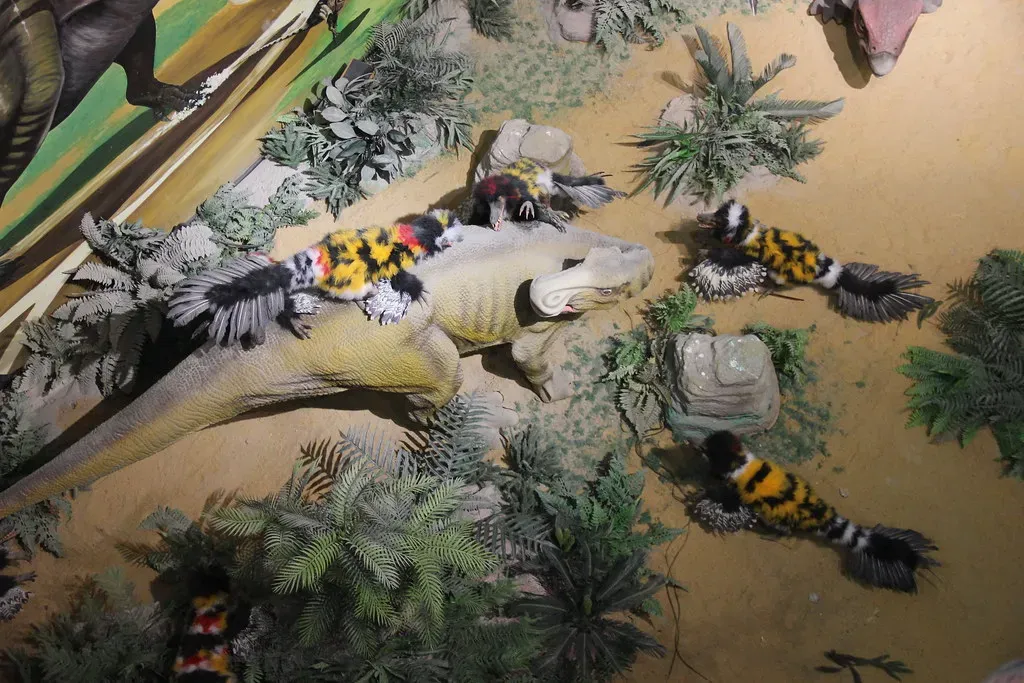
Once you accept that feathers were widespread and diverse, you have to rethink what dinosaur ecosystems actually looked like. Instead of endless green swamps filled with gray and brown reptiles, imagine landscapes dotted with animals sporting subtle patterns, dark insulating coats, and in some cases, startlingly bold plumes. In a few rare fossils, microscopic structures similar to melanosomes in modern feathers hint at possible dark, reddish, or iridescent tones, suggesting that at least some dinosaurs carried richer color palettes than we once assumed.
This matters for behavior too. If feathers played roles in display, recognition, and perhaps even camouflage, then dinosaur social lives were likely more complex and visually driven than the old movie-monster image suggests. Courtship rituals, territorial posturing, and group signaling might have been daily realities, turning Mesozoic environments into dynamic theaters of color and movement. The more we learn, the less dinosaurs feel like slow, lumbering beasts and the more they resemble active, responsive, visually sophisticated animals.
How New Technologies Keep Exposing Hidden Plumes
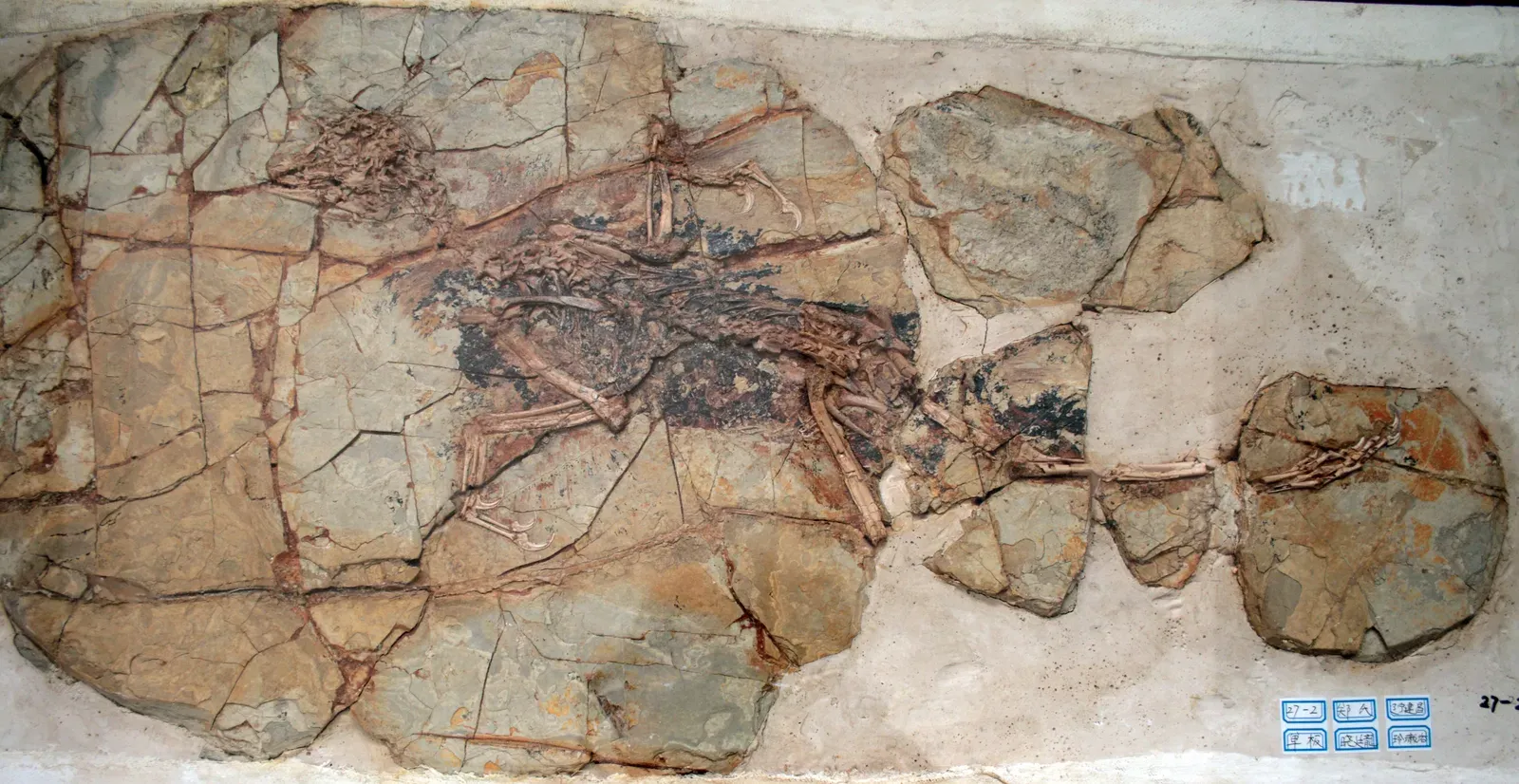
It is not just new fossils that are changing the story; it is also new ways of looking at old bones. Advanced imaging techniques, like high-resolution CT scanning and synchrotron radiation, allow scientists to peer inside rock and bone without destroying precious specimens. Subtle impressions of skin and feathers, once overlooked or impossible to see, are now being detected on fossils that have sat in collections for decades. That means the “backlog” of potential feather evidence is huge and still being mined.
On top of that, chemical and microscopic analyses are refining how researchers identify feather structures and distinguish them from artifacts or decayed tissue. This has led to some heated debates, which is healthy; extraordinary claims about feathers in unexpected groups are being pushed to meet a high standard of proof. Still, each confirmed case adds weight to the growing realization that we have dramatically underestimated just how fluffy, fuzzy, and feathery the dinosaur world really was.
Conclusion: A Messier, More Magnificent Dinosaur Reality
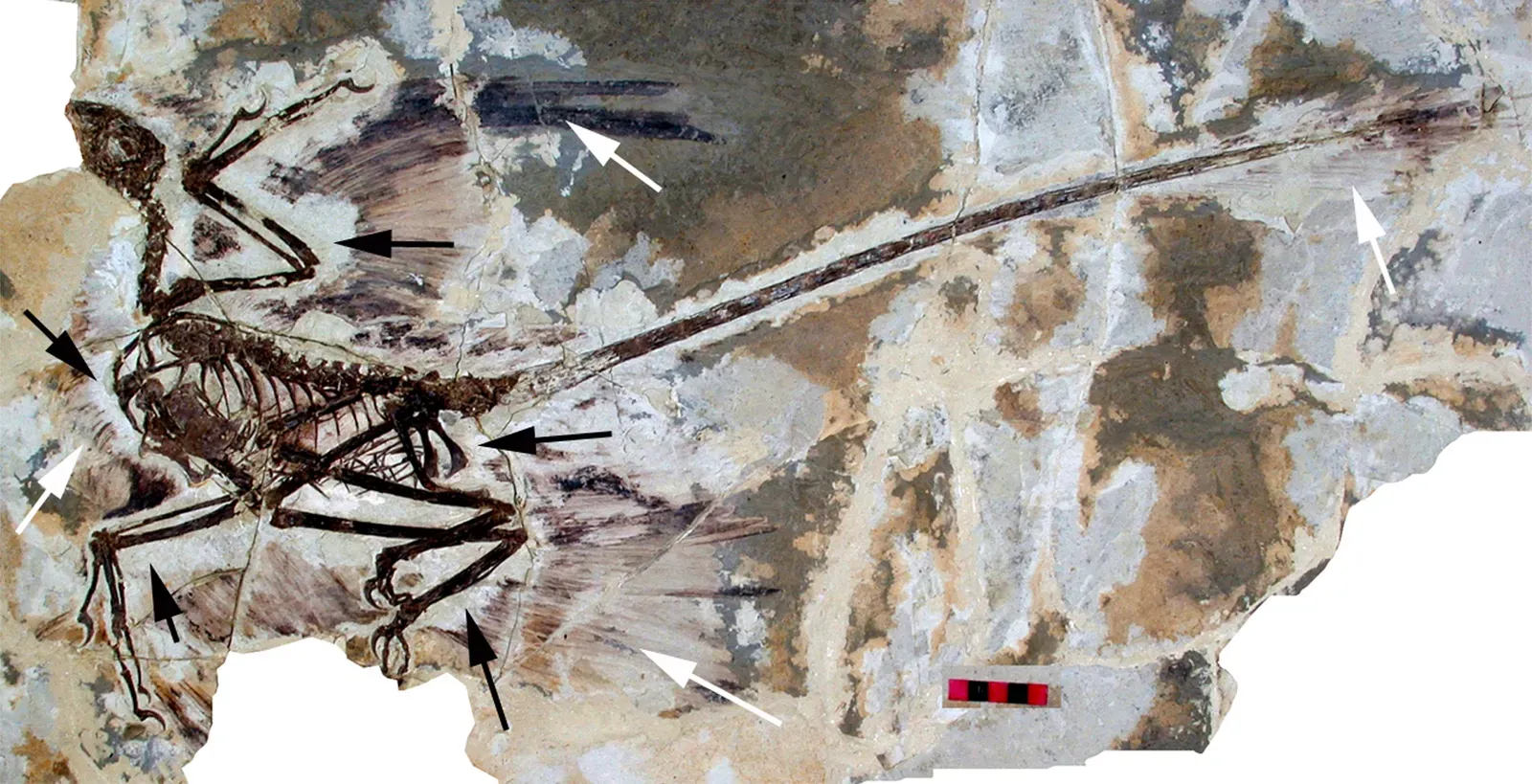
Personally, I think the most exciting part of all this is that it forces us to let go of the tidy, cartoon version of dinosaurs many of us grew up with. The new picture is messier: different textures, mixed coverings, feathers here and scales there, with each lineage solving life’s challenges in its own way. That might feel a bit uncomfortable if you like clean categories, but it is far closer to how evolution actually works – full of experiments, dead ends, and unexpected successes.
Feathered dinosaurs are not a quirky exception; they are a glaring clue that our old view of the Mesozoic was too flat, too drab, and frankly too simple. As more fossils and technologies reshape the story, it seems reasonable to bet that feather diversity will keep expanding rather than shrinking. In a way, the dinosaurs we thought we knew are disappearing, replaced by something stranger, livelier, and more believable. When you imagine a dinosaur now, do you still see a scaly monster, or can you picture a proud, feathered animal strutting through its world?