Imagine everything you learned in school about when people first arrived in the Americas suddenly feeling outdated. That’s exactly what’s been happening over the last couple of decades as archaeologists keep stumbling onto older and older traces of human presence, quietly undermining the once-dominant timeline of a relatively late arrival. Instead of a neat story of humans walking in after the last ice age, we’re now looking at a messy, fascinating, and much earlier human story on this side of the planet.
What makes this shift so compelling is not just that dates are moving back on a calendar. It’s that every new discovery forces scientists to rethink how people traveled, what they were capable of, and how quickly they adapted to some of the harshest environments on Earth. The Americas are turning out to be less of a final frontier and more of a long-inhabited, dynamic stage in human prehistory – and we’re only just beginning to understand the script.
From Clovis-First To “We Were Wrong”: How The Old Story Fell Apart
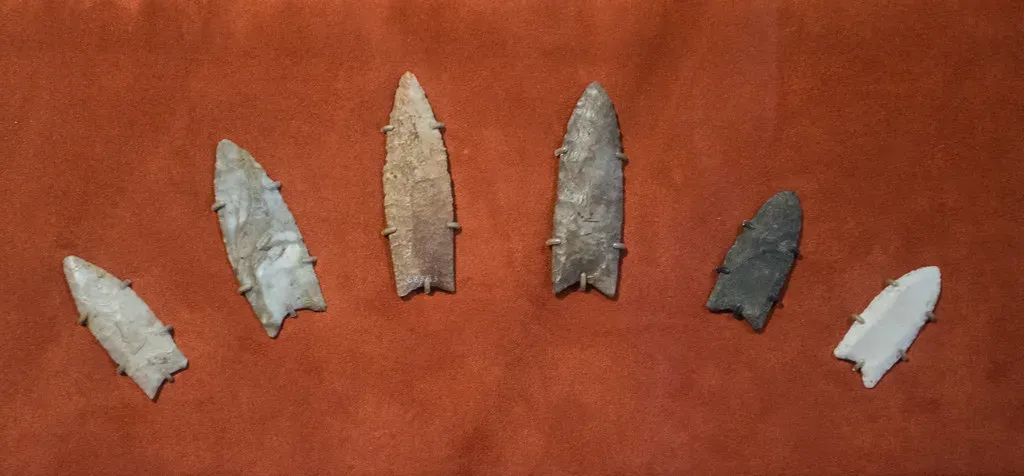
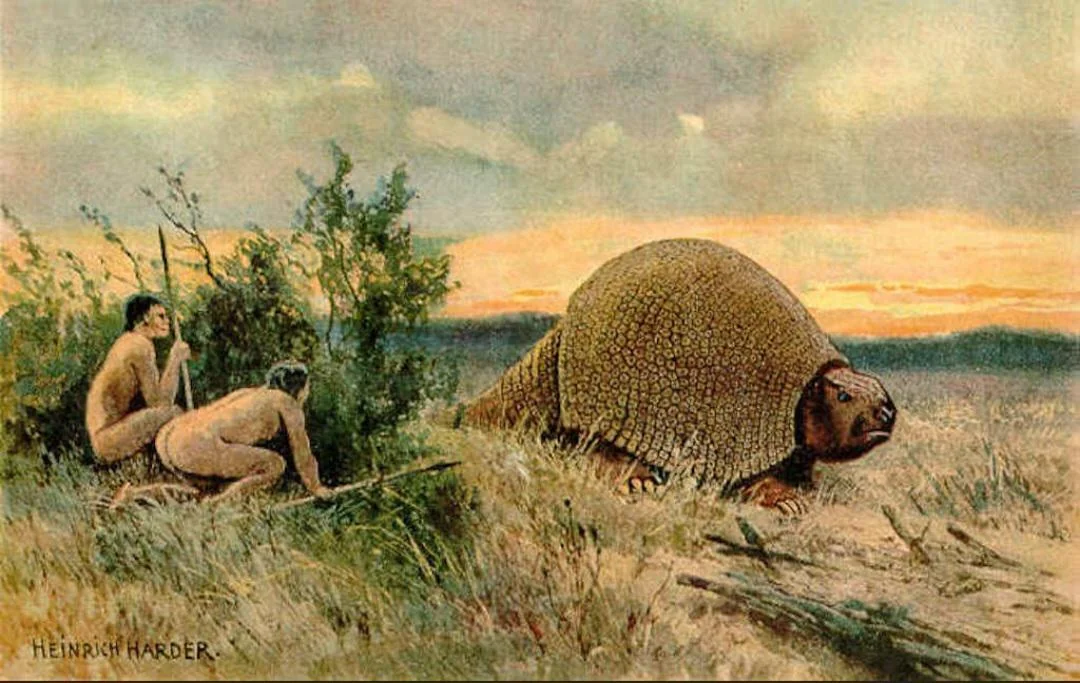
For most of the twentieth century, the Clovis culture was treated almost like a starting gun for human life in the Americas. Archaeologists believed that big-game hunters armed with distinctive fluted spear points swept in around roughly thirteen thousand years ago, racing south through an ice-free corridor after the last glacial maximum. It was a clean, dramatic story that fit neatly with what researchers thought they knew about climate, ice sheets, and migration routes.
But science rarely stays neat for long. As more sites turned up that looked older than Clovis, the certainty started to crack, and what was once academic heresy – humans here before Clovis – started to look not only plausible, but inevitable. The transition from “Clovis-first” to “Clovis is just one chapter” has been slow and sometimes contentious, but it’s now hard to ignore that the old model simply doesn’t match the evidence piling up in the ground.
Pre-Clovis Sites: The Evidence That Keeps Pushing The Timeline Back
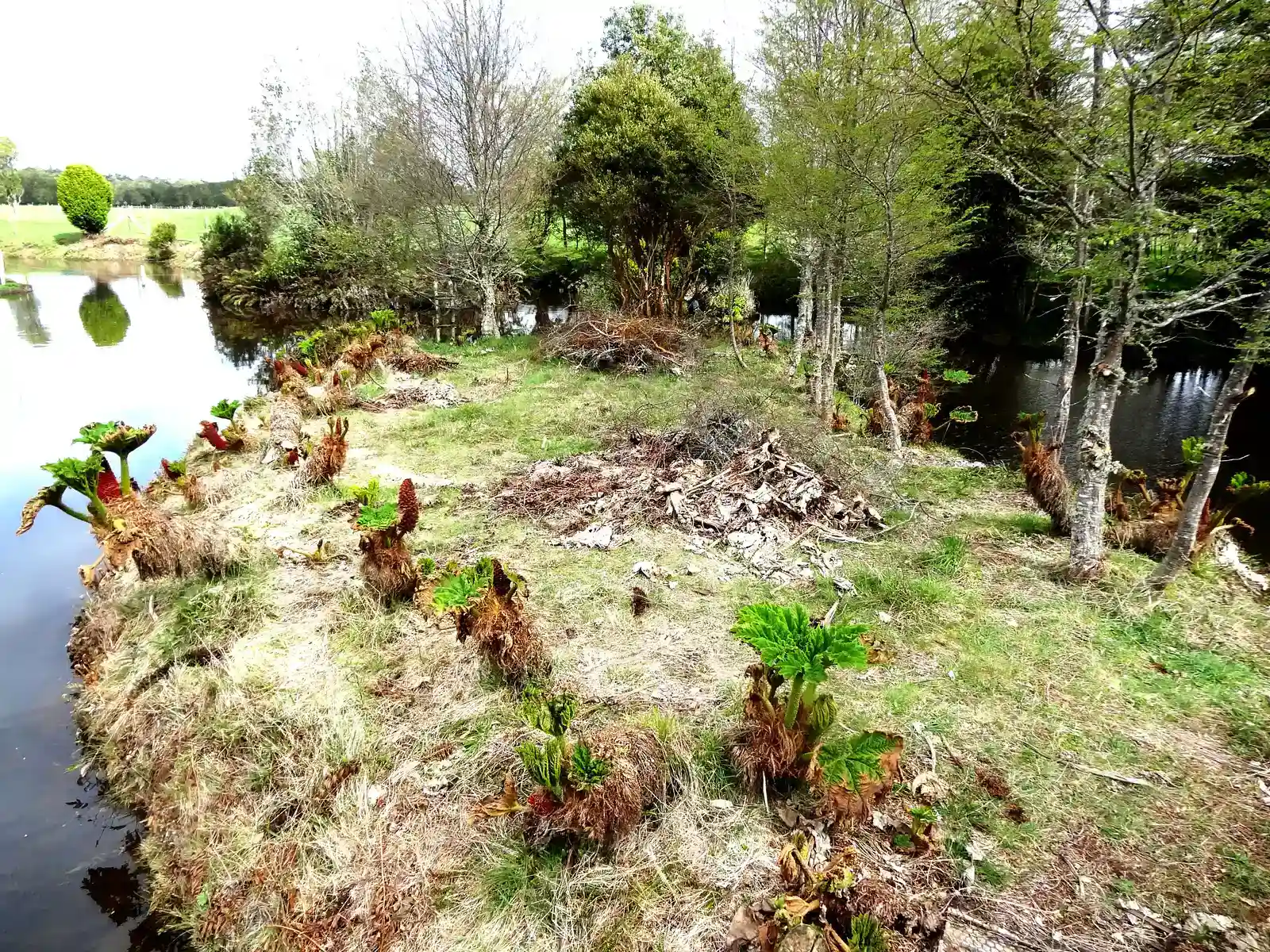
The biggest reason scientists now believe humans reached the Americas earlier than once thought is simple: there are just too many pre-Clovis candidates to dismiss. Places like Monte Verde in southern Chile, Meadowcroft Rockshelter in Pennsylvania, and sites along the Pacific Northwest coastline seem to preserve human activity that predates the classic Clovis horizon by thousands of years. Even when archaeologists argue about specific dates or layers, the overall pattern is hard to explain away.
What really changes the conversation is that these sites show not just scattered hints, but organized behavior – camp structures, tools, possible food remains, and signs of repeated occupation. Taken together, they suggest communities that had already had time to spread out, adapt, and make themselves at home. If people were that far south and that established that early, then the first arrival must have happened earlier still, shifting the migration story from a single late surge to a much longer and more complex process.
Footprints, Bones, And Broken Rocks: Why Evidence Is So Hard To Read
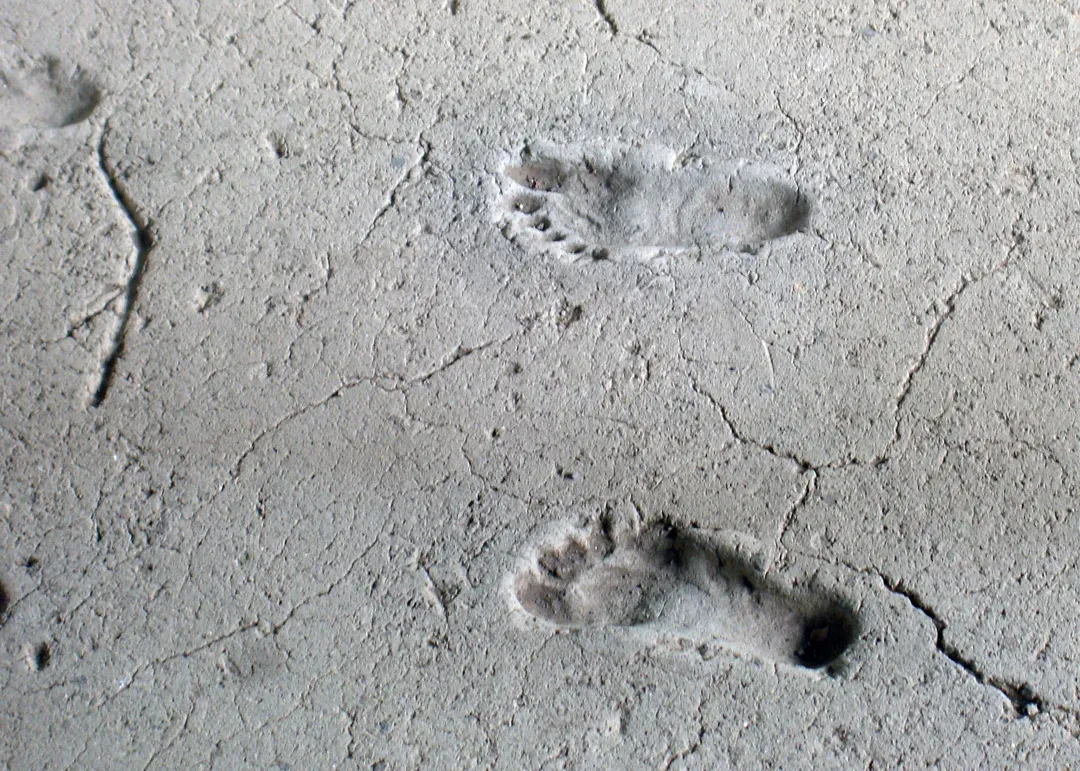
Older claims about human presence in the Americas have always been controversial because the evidence can be maddeningly ambiguous. A broken rock might be a tool – or it might just be a broken rock. A bone with marks could show butchering – or could be the result of natural wear, animal chewing, or geological stress. Archaeologists have to be cautious, because one misinterpreted stone flake can ripple through textbooks and popular narratives for decades.
That caution is why newer discoveries, like carefully dated human footprints or layered archaeological deposits, carry so much weight when they are found in good context. Well-preserved footprints in ancient lakebeds, or tool assemblages found exactly where they were dropped and buried, make it harder to argue that humans arrived late. Still, every claim is poked, prodded, and reanalyzed, and in a way that’s healthy; the story is shifting not because scientists suddenly relaxed their standards, but because more robust, better-dated evidence keeps appearing.
Ice, Oceans, And Coastlines: Rethinking How People Actually Got Here

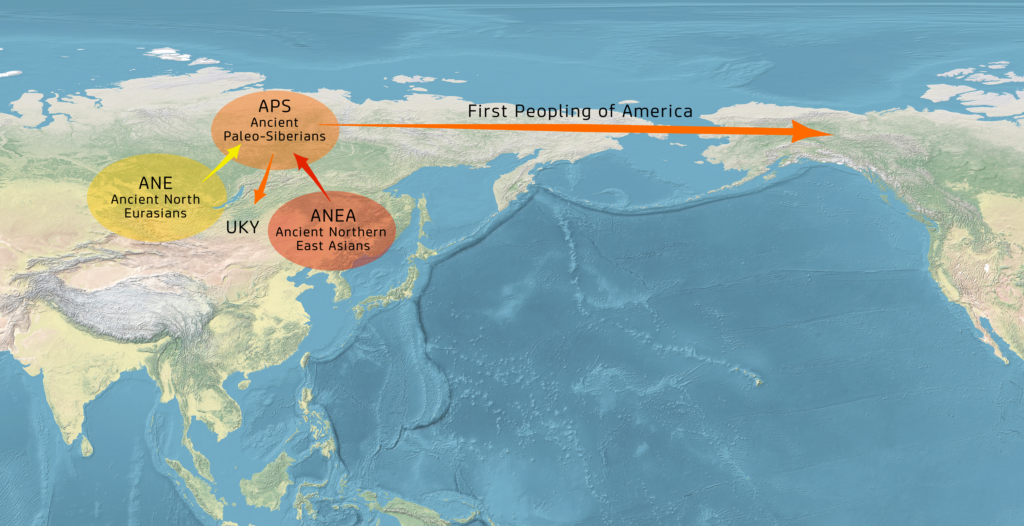
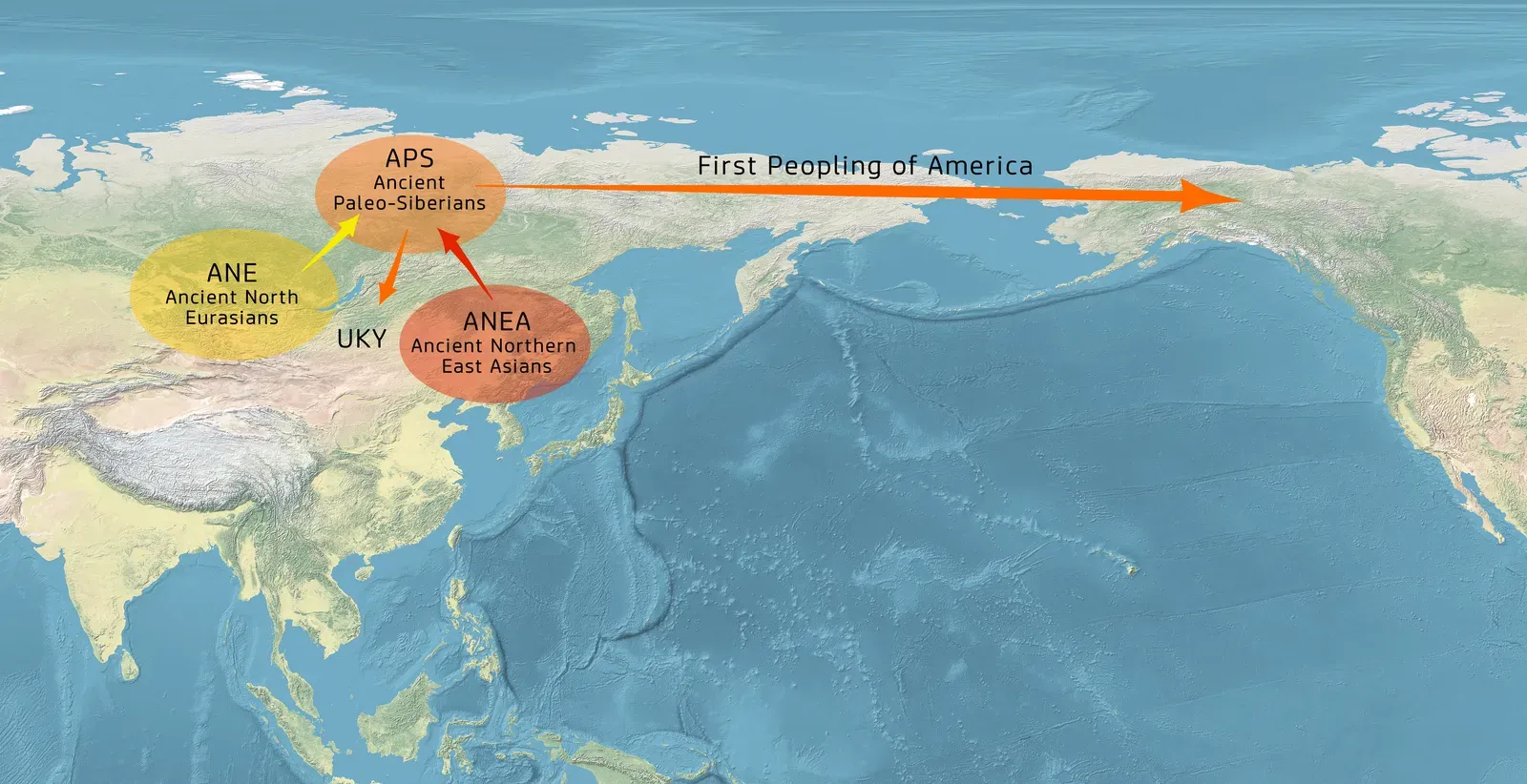
When the Clovis-first model dominated, the main migration route of choice was the ice-free corridor that opened between the massive North American ice sheets near the end of the last ice age. In that picture, humans crossed from northeast Asia via Beringia – the land bridge that once connected Siberia and Alaska – and then funneled southward once the corridor thawed. If people were only arriving around thirteen thousand years ago, that land route seemed to make sense.
But if humans were here earlier, that corridor may have still been choked with ice or at least too harsh to support extensive travel. That has pushed more attention onto the idea of a coastal migration, where small groups moved along the Pacific shoreline, perhaps using boats and exploiting marine resources like shellfish and fish. The frustrating twist is that many ancient coastlines are now underwater due to rising sea levels, leaving archaeologists to piece together this maritime story from scattered inland clues, submerged landscapes, and what we know about early seafaring elsewhere in the world.
Genetics Joins The Dig: What Ancient DNA Is Telling Us
In the last couple of decades, ancient DNA has become a powerful, if sometimes sobering, tool in reshaping the story of the first Americans. By sequencing genetic material from ancient remains, researchers can trace how populations are related, when groups likely split from each other, and how quickly people spread across continents. Genetic studies generally support the idea that the ancestors of Indigenous peoples in the Americas came from northeast Asia, but the details of timing and movement are more nuanced than earlier models allowed.
Some genetic data suggest that a founding population was isolated in Beringia for thousands of years before expanding deeply into the continent, hinting at a long, quiet prelude before the visible archaeological record explodes. Other patterns point to early, rapid dispersals across both North and South America, which line up better with an earlier arrival than the classic Clovis timeline. Still, genetics is not a magic wand; it needs to be interpreted alongside archaeology, climate data, and Indigenous histories, and it often raises as many questions as it answers.
Indigenous Knowledge And The Problem With “Discovery” Stories
There’s a bigger, more human dimension to this scientific shift: for many Indigenous communities, the idea that their ancestors have been here since “time immemorial” is not a new revelation. Western archaeology is only now, slowly and imperfectly, catching up to oral histories and cultural traditions that place people on these lands far earlier than old textbooks allowed. When researchers talk about “discovering” earlier human presence, it can sound jarring to communities whose stories never needed that validation in the first place.
That tension is forcing archaeology to evolve not only in methods, but in mindset. More projects now involve collaboration with Indigenous nations, both in shaping research questions and in deciding how sites and remains are treated. Personally, I think this is one of the most important changes: it challenges the older, top-down model where scientists alone defined what counted as knowledge, and instead pushes the field toward a more respectful, layered understanding of the past that includes science, lived memory, and spiritual connection to the land.
Why This Debate Matters For How We See Ourselves
At first glance, the difference between people arriving thirteen thousand years ago or twenty thousand years ago might sound like a niche squabble for specialists. But the timing, routes, and nature of those early migrations affect how we understand human adaptability, creativity, and resilience. If people reached the Americas earlier than once thought, it means they navigated unfamiliar icy coasts, harsh interiors, and rapidly changing climates with a level of ingenuity that deserves more credit than they usually get in simple “hunter follows mammoth” tales.
For me, the most striking thing about this ongoing reshaping of archaeology is how it humbles us. Every time we think we have a clean origin story, new evidence pops up and reminds us that human history is messy, collaborative, and full of surprises. Instead of a straight arrow of progress marching neatly across maps, we see people improvising, splitting, reconnecting, and carving out lives in places that, on paper, should have been nearly impossible to settle at the time. That messiness makes the story far richer – and frankly, far more relatable.
Conclusion: The First Americans, The Last Certainties
The emerging picture of the first humans in the Americas is not a tidy rewrite; it is an admission that our earlier confidence was misplaced. Scientists now increasingly accept that people arrived earlier than once thought, that Clovis was not the opening act but a later flourish, and that migration routes likely included coastlines, complex pauses, and perhaps paths we still have not fully imagined. In my view, the real lesson is not about a specific year on a timeline, but about learning to live with uncertainty and updating our stories when the ground – sometimes literally – shifts beneath our feet.
Archaeology, at its best, is an ongoing conversation between new evidence, old assumptions, and the people whose ancestors lived these histories. As more footprints, tools, genomes, and stories come to light, our maps and models will keep changing, and they should. Maybe the most honest thing we can say right now is that the first Americans were here earlier, more widely, and more creatively than we once allowed – and that we are only beginning to catch up to them. If our deepest origin stories are still in motion, what else about the human past are we underestimating today?