There’s something eerie and thrilling about ice. It looks still and harmless on the surface, but buried inside are fragments of worlds that vanished long before humans ever walked the Earth. As the planet warms and glaciers retreat, those frozen vaults are cracking open, and what they’re releasing is changing how we see our past, our climate, and even our place in the story of life.
Some of these discoveries are tiny – grains of pollen, frozen microbes, microscopic bubbles of ancient air. Others are jaw-dropping: mummified animals, lost forests, entire ecosystems paused mid‑scene for tens of thousands, even millions of years. Taken together, they reveal a hidden world beneath our feet that is far older, stranger, and more fragile than most of us realize.
1. The Woolly Mammoths That Refused To Rot
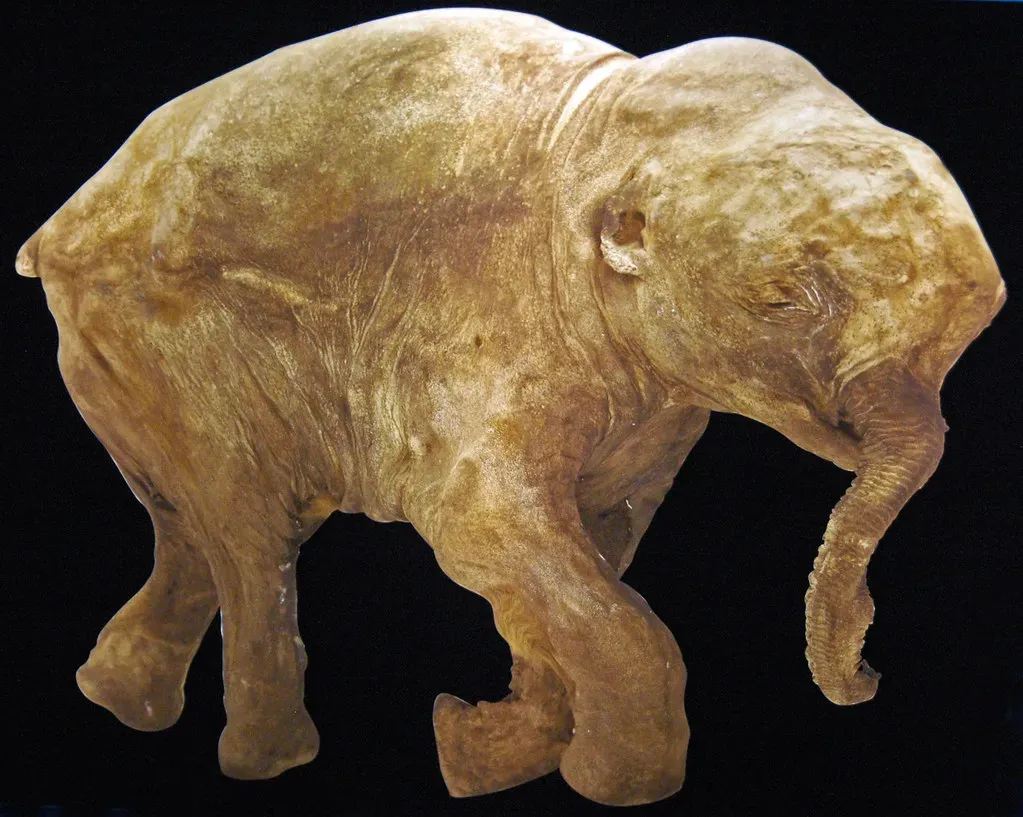
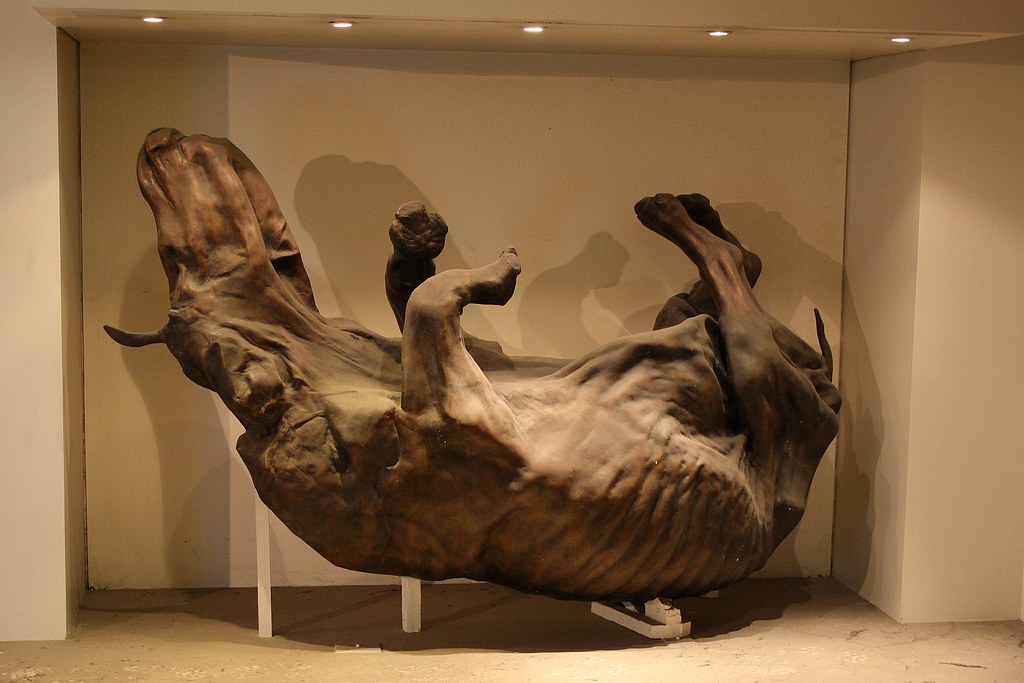
Few discoveries feel as shockingly personal as a perfectly preserved woolly mammoth pulled from the Siberian permafrost, skin, hair, and even organs still largely intact. These are not just old bones; they are essentially time travelers, animals that look like they could almost stand up, shake off the frost, and lumber away. Some mammoths recovered from frozen ground still have recognizable muscles, stomach contents, and in rare cases liquid blood-like fluid, offering an almost unsettling level of detail about their final moments.
What makes these frozen giants so important is the level of resolution they give us into an Ice Age ecosystem. By studying their teeth, hair, and gut contents, researchers can reconstruct what they ate, how fast they grew, what seasons they died in, and how the environment shifted around them. Combined with pollen and plant remains found in the same frozen sediments, mammoths turn permafrost from a simple block of ice and dirt into a fully contextual snapshot of a vanished steppe world, complete with climate clues and ecological relationships.
2. Ancient Human Footprints and Tools Emerging From Melting Glaciers
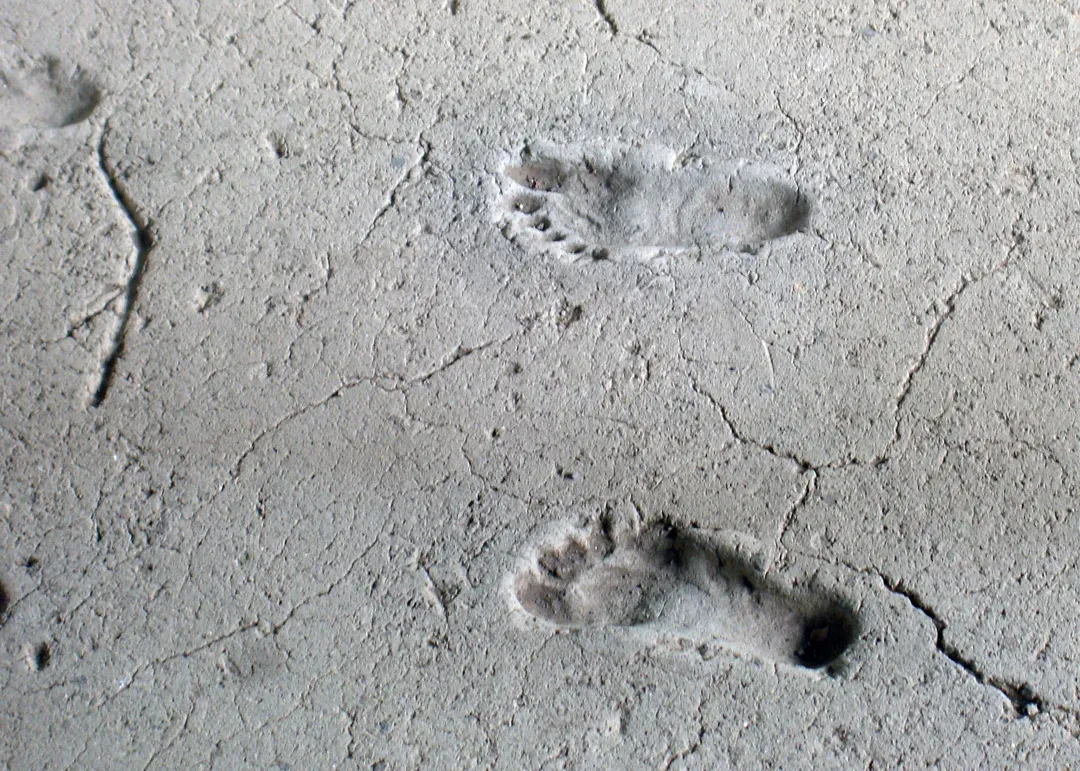
It’s one thing to find the remains of long‑extinct animals, but it hits differently when the ice starts giving back evidence of people. In the last few decades, melting ice patches in mountain regions from the Rockies to Scandinavia have revealed ancient hunting gear: wooden arrows, feathered fletchings, leather shoes, woven cords, and even fragments of clothing. These are items that would normally rot away in soil or water, but cold, dry ice has held them in stasis for thousands of years.
What’s so striking is how ordinary many of these objects are. They are not golden treasures or royal regalia; they are everyday tools that show how people really lived – how they hunted reindeer, traveled through mountains, and adapted to cold climates. Occasionally, researchers also find preserved footprints or traces of campsites near glacial margins, proving that humans have been interacting with ice, crossing it, living beside it, and relying on it for far longer than our modern ski resorts and polar expeditions might suggest.
3. Frozen Forests That Tell of Warm Ages Before the Ice
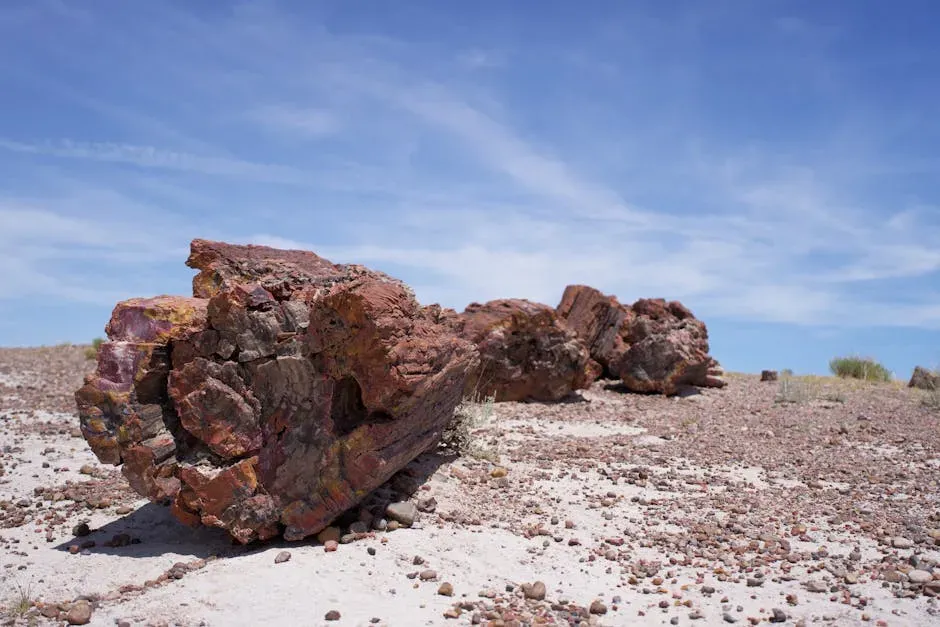
One of the strangest sights in glaciology is a fully rooted forest emerging from beneath a retreating glacier. Imagine walking near the edge of a shrinking ice field and stumbling upon tree stumps still anchored in ancient soil, some with bark and wood fibers preserved. These “ghost forests” show where trees once grew before advancing ice bulldozed over them and locked them into a deep freeze for centuries or millennia.
Radiocarbon dating of such stumps and associated plant remains has revealed surprisingly warm periods in Earth’s recent past, when glaciers were smaller and valleys now choked with ice were forested landscapes. This undercuts the myth of a simple, linear climate history and instead shows a planet that swings between colder and warmer phases. The forests under the ice are like receipts from earlier warm times, reminding us that today’s rapid melt is not happening in a vacuum but on top of a long, complicated climate story.
4. Ice Cores: Cylinders of Time Holding Ancient Air
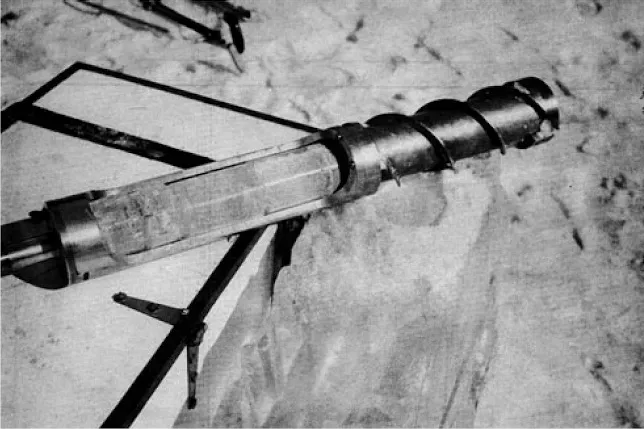
If there’s a single discovery that turned ice from a pretty landscape feature into a scientific goldmine, it is the ice core. Drilled like long, frozen straws out of Greenland, Antarctica, and high mountain glaciers, these cylinders of layered ice preserve tiny air bubbles that are literally samples of ancient atmospheres. Each layer captures a year or season of snowfall, and those bubbles trap the gases that were in the air at that time, including carbon dioxide, methane, and traces of volcanic eruptions.
By analyzing stacks of these layers going back hundreds of thousands of years, scientists can reconstruct how temperature and greenhouse gases rose and fell together over multiple ice ages. It is hard to overstate how radical this was when it first became clear: suddenly, we had direct, physical evidence that when carbon dioxide goes up, temperatures follow. Ice cores became the baseline against which modern climate change is measured, turning vague ideas about “warmer times” into sharp graphs that show exactly how unusual today’s conditions are compared to the natural background.
5. Perfectly Preserved Ice Age Predators and Their Prey
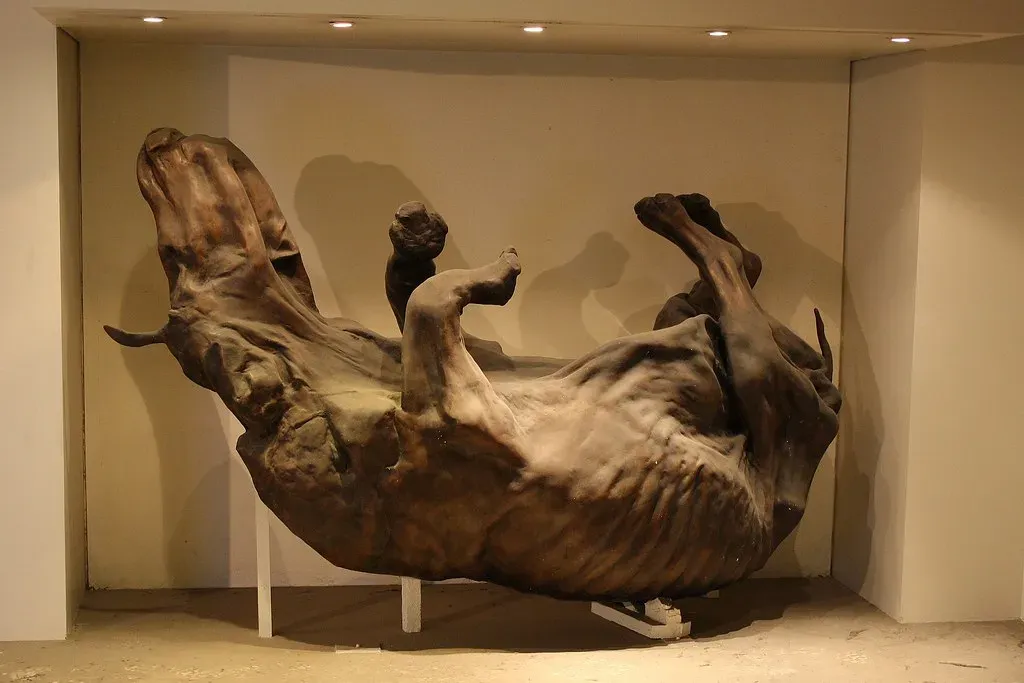
Mammoths get most of the headlines, but permafrost and glacial ice have also given us an eerie parade of other Ice Age animals. Scientists have recovered mummified woolly rhinos, steppe bison, cave lion cubs, and even a few remarkably intact canids that may represent early domesticated dogs or closely related wild relatives. These finds are not just trophies; they are anatomical textbooks frozen mid‑page, with fur patterns, whiskers, and sometimes even stomach contents preserved.
By comparing these frozen remains with modern animals, researchers can study how body shapes, teeth, and coats evolved to handle extreme cold. They can also check for pathogens or parasites, giving glimpses into ancient disease ecologies that shaped both wildlife and early humans. To me, the most haunting part is that many of these animals died suddenly – trapped in mud, swept into pits, or overtaken by extreme weather – then became accidental messengers from a time when humans were just one more vulnerable species trying to survive the cold.
6. Microbes and Viruses That Outlived Civilizations
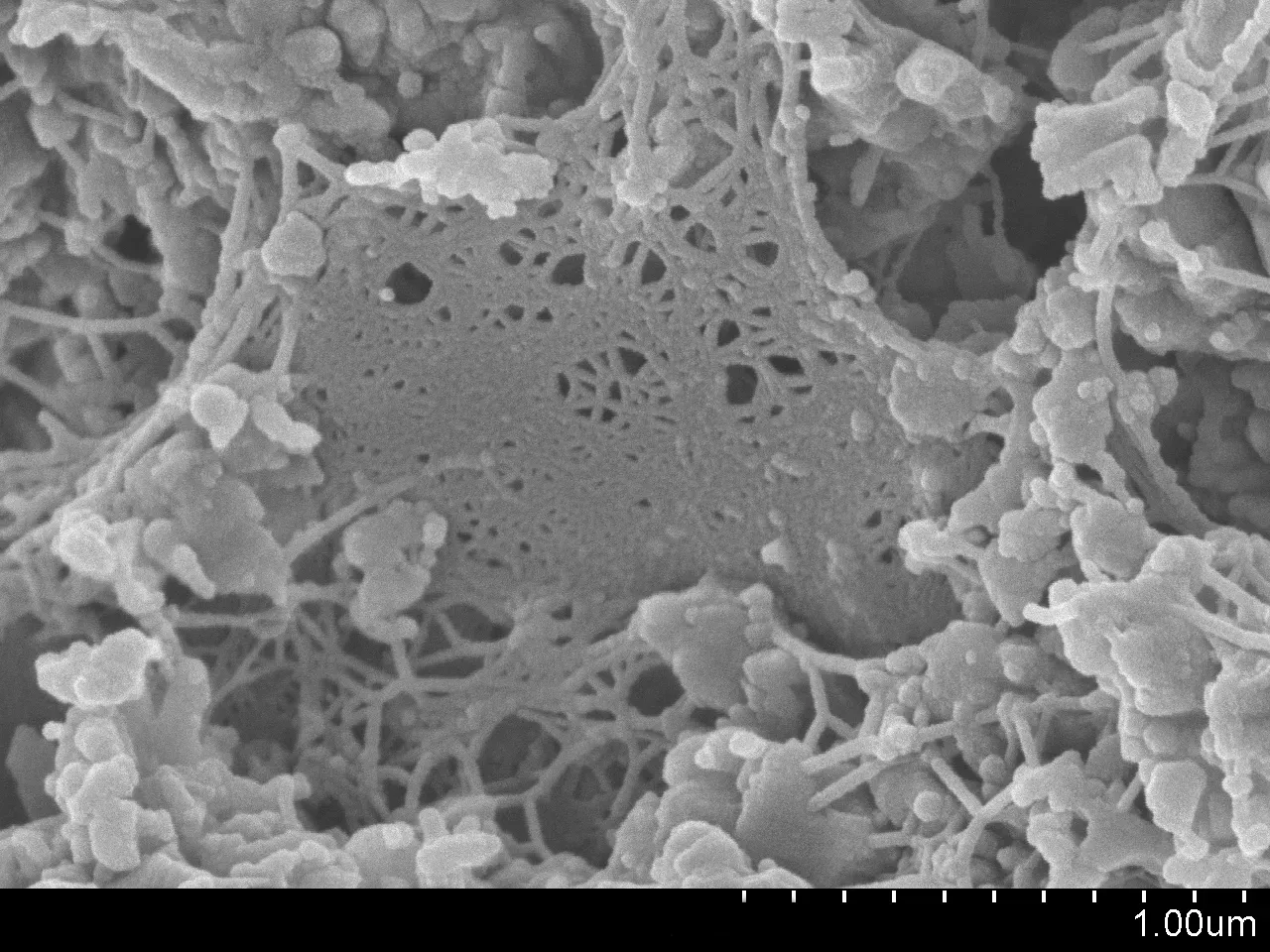
It sounds like science fiction, but it is very real: deep in glaciers and permafrost are frozen microbes and viral particles that have been dormant for tens of thousands of years. In carefully controlled lab settings, some of these microorganisms have been coaxed back into activity, proving that life can survive an almost unbelievable deep freeze. They are not zombie plagues, but they are living proof that Earth’s biosphere is tougher and more adaptable than we usually imagine.
From a scientific perspective, these frozen microbes offer a rare look at ancient ecosystems at the microscopic level. They help us understand how microbial communities respond to long‑term climate shifts, and how carbon and nutrients cycle through frozen landscapes. At the same time, there is a sober conversation happening about risk: as permafrost thaws, we may be releasing biological material that has not interacted with modern ecosystems or immune systems. The odds of large‑scale danger may be low, but the possibility is a stark reminder that we are opening doors we barely understand.
7. Buried Landscapes Under the Greenland and Antarctic Ice Sheets
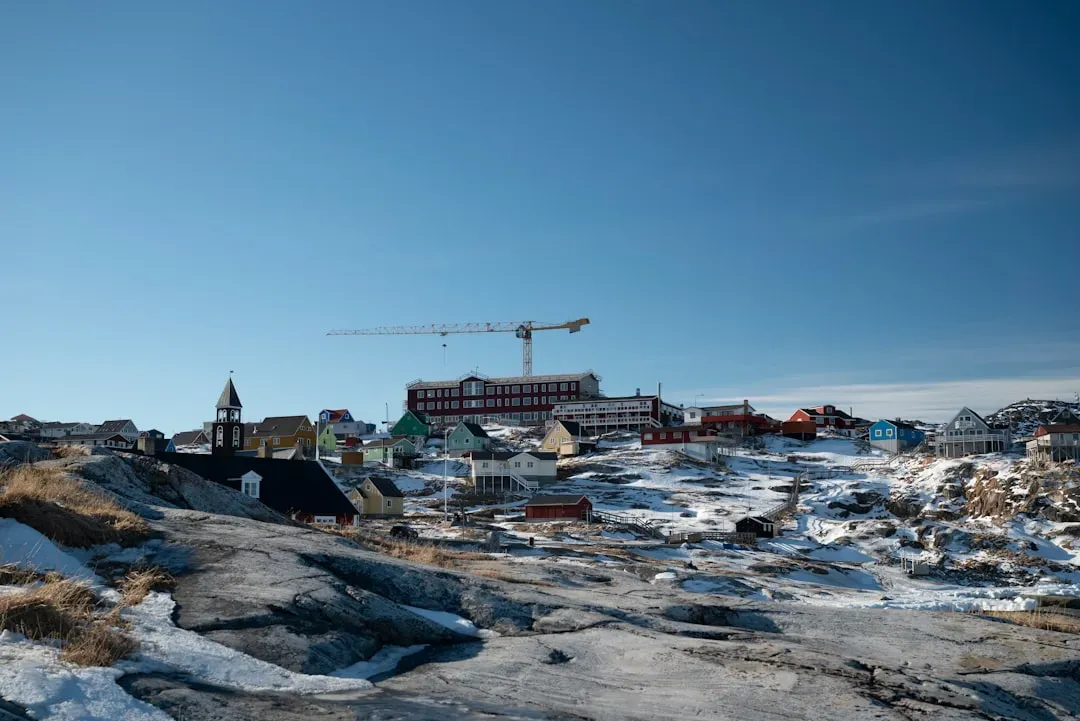
Not all discoveries in ice are things we can hold in our hands. Some of the most astonishing revelations have come from radar systems that peer through miles of ice to map the bedrock below. Under Greenland and Antarctica, scientists have found ancient mountain ranges, carved river valleys, and even the dried‑up beds of long‑lost lakes and wetlands. In some cases, these landscapes appear to have been largely untouched by liquid water for millions of years, preserved like a world placed under glass.
These hidden terrains tell us how ice sheets grow, flow, and collapse over time, which is crucial for predicting future sea‑level rise. They also hint at ecosystems that may have thrived before the ice took over, including forests and networks of rivers that once drained continents differently than they do today. I find it mind‑bending that beneath the calm white surfaces we see on satellite images lies a buried geography as complex and dramatic as any we know on the surface, waiting for the ice to move aside or for our instruments to get sharp enough to detect it.
8. Ancient DNA Trapped in Frozen Sediments
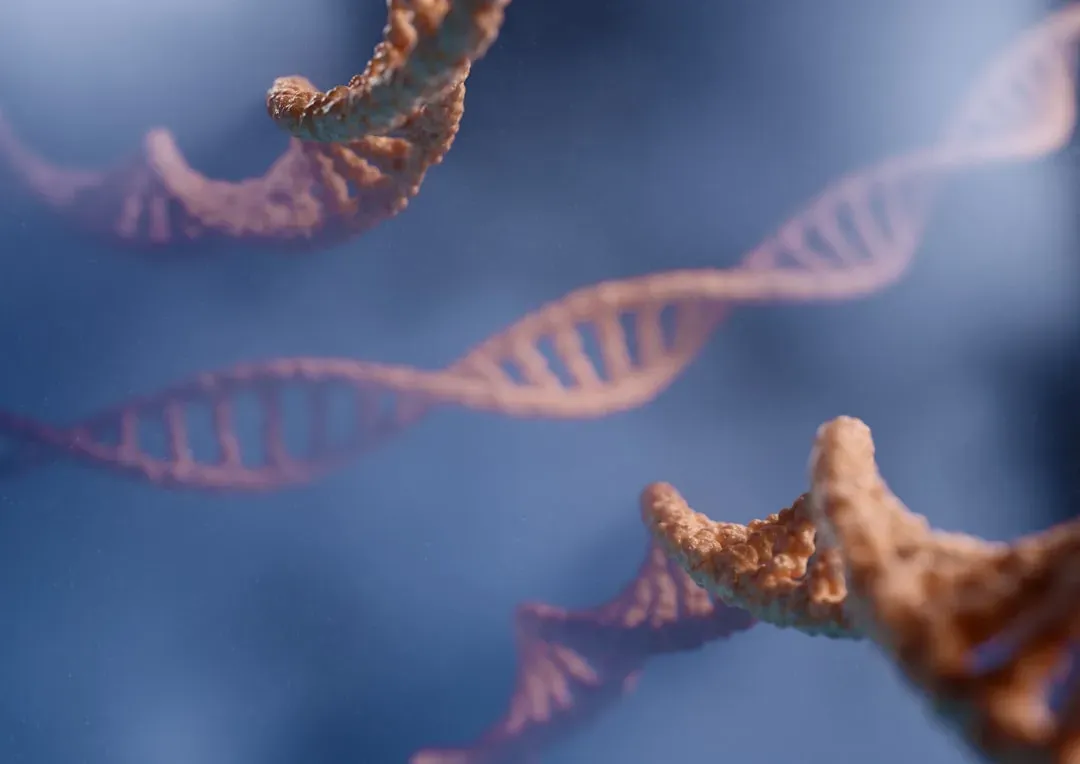
In the last few years, one of the most powerful tools for reading the frozen past has not been bones or even visible fossils, but fragments of environmental DNA left behind in ice and permafrost. Even when no intact skeletons remain, bits of genetic material from plants, animals, and microbes linger in frozen soils and lake beds. Using advanced sequencing, scientists have reconstructed entire past ecosystems, identifying which species were present at specific times based solely on these genetic crumbs.
This has led to some of the most surprising reconstructions of ancient Arctic and sub‑Arctic environments, revealing periods when species now found thousands of kilometers apart once coexisted. Ancient DNA has also pushed back the timeline of when certain animals appeared or disappeared from different regions, challenging old assumptions based only on visible fossils. It is like reading a crime scene report after the bodies are gone: what remains in the sediment still tells a very detailed story, if you know how to decode it.
Conclusion: The Ice Is Talking – Whether We’re Ready or Not
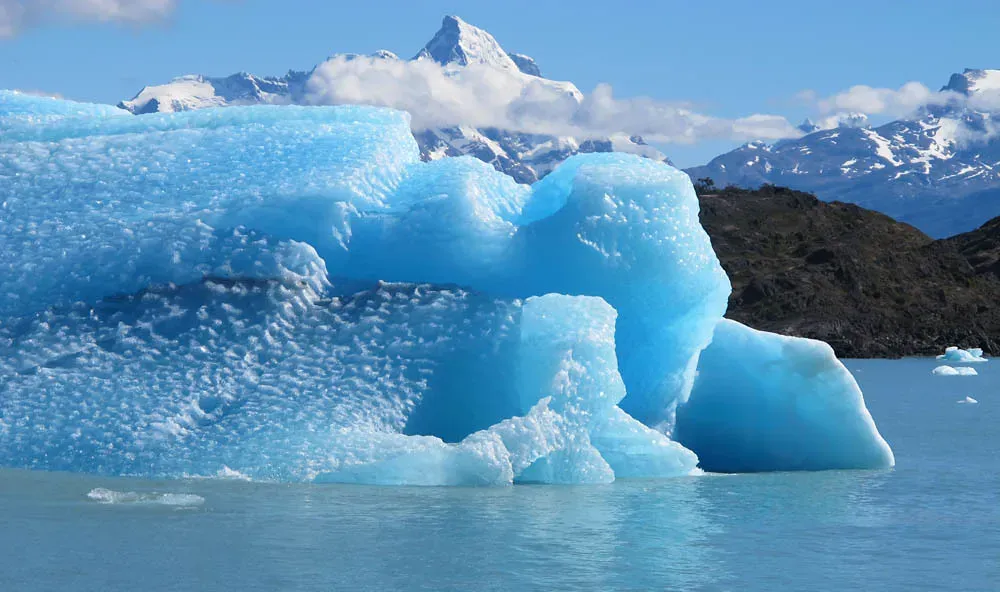
When you zoom out and look at all these discoveries together – mammoths and lion cubs, lost forests, ancient air, hidden mountains, dormant microbes, and ghost DNA – you start to realize that ice is not just frozen water. It is a planetary memory system, a layered archive of everything that has breathed, grown, died, and eroded on this planet for an almost absurd stretch of time. As the ice retreats, that archive is suddenly being dumped into the present, sometimes gently and sometimes with a jolt.
Here’s the hard truth: we are unlocking this archive not because we chose to, but because we changed the climate fast enough to force its doors open. The discoveries are thrilling and scientifically priceless, but they come with a cost – a reminder that the same processes revealing a lost world are also rewriting the future for the one we live in now. Maybe the real question is not what the ice will show us next, but whether we will actually listen to what it is already saying. After everything the frozen past has revealed, how much more proof do we really need that the ground beneath our feet is anything but permanent?