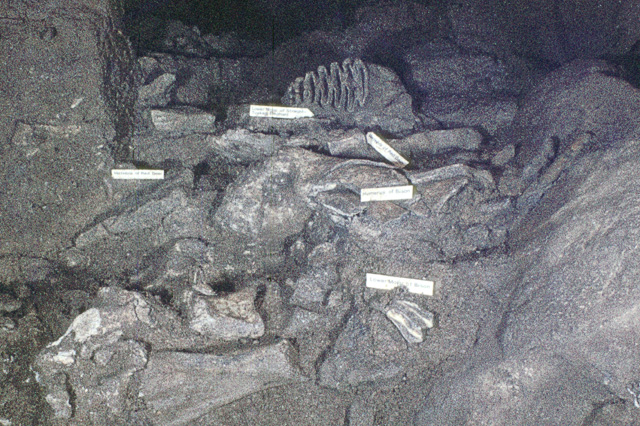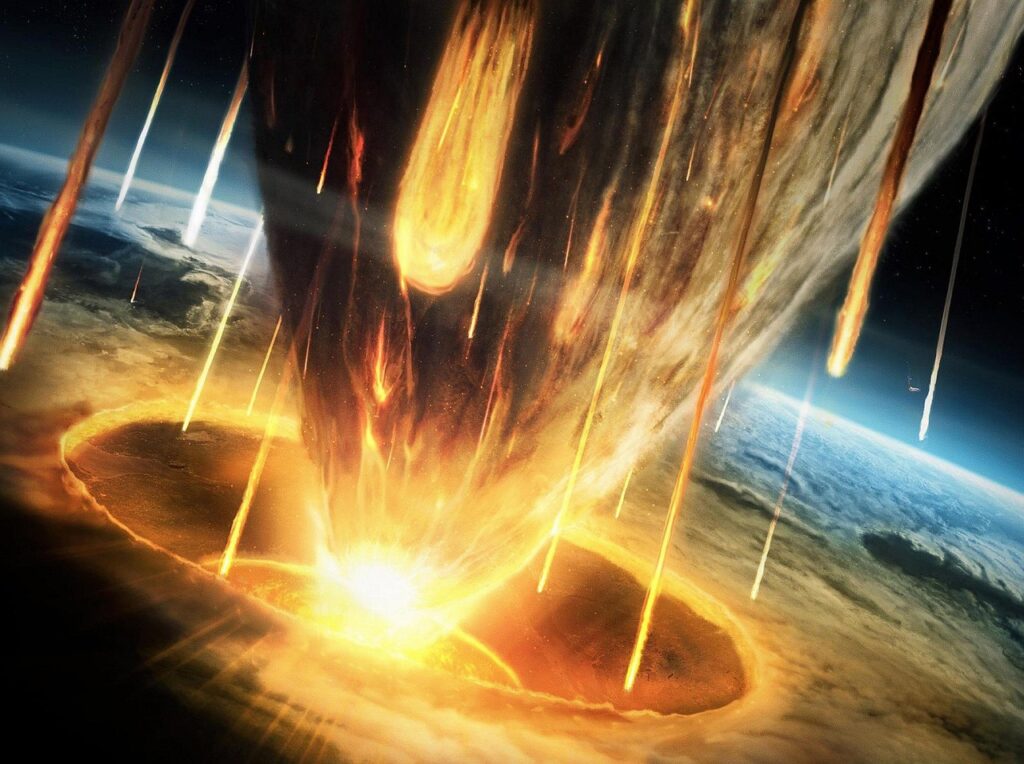
Sixty‑six million years ago, a space rock the size of a small city slammed into what’s now Mexico and ended the age of the dinosaurs in a geological instant. It was not just bad luck; it was physics, gravity, orbital chaos and timing conspiring together. Astronomers are still piecing together how such asteroids are nudged out of safe orbits and into deadly ones, and that story of invisible forces building up until everything changes overnight is a lot closer to our own lives than it seems at first glance.
Astrology, for all its symbolic language, is really obsessed with exactly this: how we respond when the ground suddenly disappears beneath our feet. Some signs cling harder, some reinvent overnight, some secretly crave the reset button that everyone else fears. So imagine that dino‑killing asteroid not just as a rock, but as a metaphor for divorces, layoffs, pandemics, breakups, relocations, and the message that your life will simply not go back to what it was. How does each sign meet that moment? Let’s dive in.
The Science of Sudden Cosmic Upheaval

The asteroid that wiped out the non‑avian dinosaurs was not a rogue bullet fired randomly across space; it was the end result of long, subtle gravitational shoves from planets, resonances with Jupiter and Saturn, and chaotic interactions in the asteroid belt. Over millions of years, those tiny nudges altered its orbit just enough to send it on a collision course with Earth. Astronomers now know that many near‑Earth asteroids follow similar stories: slow buildup, then one shocking, irreversible event.
That pattern feels disturbingly familiar in human life. You do not usually wake up and lose a job, a relationship, a country, or a sense of safety out of the blue; there are little warning tremors, ignored emails, quiet arguments, half‑felt anxieties that line up until something finally hits. When I look back at the biggest “asteroids” in my own life, they rarely came from nowhere, even if they felt like they did. We are often living through the orbital drift long before impact.
Astrology as a Language for Catastrophic Change

Astrology is not a telescope and it will not calculate orbital resonances, but it is a surprisingly honest language for the emotional and psychological side of catastrophe. Where astronomy measures velocity and mass, astrology asks who you become when life stops making sense. It is less about predicting a specific disaster and more about mapping your instinctive style of response when the unthinkable happens.
Every birth chart is basically a blueprint of your default settings under stress: where you cling, where you crack, where you surprise yourself. When a “Chicxulub moment” hits your personal life, some placements scream, some shut down, some start drawing up spreadsheets and escape plans. Reading the signs through the lens of sudden total change is not fortune‑telling; it is a way to understand how you might ride out the shock waves and who you could become after the dust settles.
Aries: Running Headfirst Into the Fireball
Aries meets catastrophic change with the same energy that drove that ancient asteroid into the Yucatán: fast, hot, and unapologetically direct. When the universe pulls the rug out, Aries does not usually sit around analyzing the weave; they bolt toward the new reality, sometimes before they have really seen it. This can look incredibly brave from the outside and incredibly reckless up close, like leaping from a burning building without checking where you will land.
What Aries rarely admits is that they are often as scared as anyone else, they have just learned that action numbs fear. In sudden change, their superpower is momentum: making the phone call, packing the boxes, filing the paperwork while everyone else is still in shock. Their challenge is to pause long enough to notice the emotional crater they are sprinting past and to realize that some aftershocks need patience, not just speed.
Taurus: Holding On While the Sky Falls
If Aries is the impact, Taurus is the ancient forest that just wanted another quiet million years and suddenly finds the sky on fire. Taurus is wired to value stability, routine, and physical comfort, so abrupt, irreversible change can feel like a personal attack from the universe. Their first instinct is often denial: if they hold on tight enough to the life they know, maybe the shock wave will somehow pass around them.
But once Taurus realizes there is no going back, something powerful happens. The same stubbornness that resisted change becomes the backbone of slow, steady rebuilding. While others burn through their energy in frantic reaction, Taurus quietly plants new seeds in the ash, cooks the first meal in the new kitchen, and proves that safety can grow again. Their lesson is that clinging to what is gone hurts more than grieving it, even when every cell in their body wants to dig in its heels.
Gemini: Narrating the Chaos in Real Time
Gemini responds to sudden upheaval by grabbing a metaphorical microphone and trying to make sense of it through words, ideas, and a flurry of conversations. When life gets hit by an asteroid, Gemini is texting five friends, posting thoughts, reading three opinion pieces, and turning the whole disaster into a story while it is still unfolding. This can look scattered from the outside, but it is actually their way of staying mentally afloat.
The danger for Gemini is getting stuck in the commentator booth instead of feeling what has actually been lost. They may treat even the most life‑altering events like breaking news to be analyzed and debated, hopping from perspective to perspective so fast that nothing quite sinks in. Yet this same mental agility is their gift: they can help others see options, reframe endings as beginnings, and translate paralyzing fear into questions that can be worked with, not just suffered.
Cancer: Protecting the Last Warm Places
Cancer feels sudden total change in the chest first, like a personal tidal wave drowning their sense of home and emotional safety. Even if the crisis is happening outside them, they internalize it, taking on the fear and grief of everyone they love. When the symbolic asteroid hits, Cancer’s instinct is to gather their people, close the door, and build a shelter out of blankets, food, and fiercely soft reassurance.
The risk for Cancer is disappearing into the role of caretaker so completely that they forget they are also allowed to fall apart. They may absorb everyone else’s panic, cooking, cleaning, and soothing while ignoring their own cracked foundations. Still, in the ruins of sudden change, Cancer is the one who keeps a candle burning in the window. They remind us that being held, listened to, and fed is not a luxury; it is survival equipment when the old world is gone.
Leo: Rewriting the Myth After the Impact
Leo experiences catastrophic change as an attack on their story: the role they thought they were playing, the stage they imagined they belonged on. When something wipes out that script in one blow, Leo can swing between dramatic despair and defiant showmanship, insisting that if the world wants a plot twist, they will at least make it unforgettable. They may change their hair, their wardrobe, or their entire public persona almost overnight.
Underneath the theatrics, though, Leo is grappling with a raw question: who am I if the version of me that made sense yesterday no longer fits? Their greatest strength is refusing to stay invisible in the rubble; they insist on finding a spotlight even if it is just the glow of a cracked phone screen. In times of total change, Leo can inspire others simply by daring to be visibly themselves again, scars and all, and by turning survival into a story of creative reinvention instead of pure loss.
Virgo: Sorting the Rubble, One Piece at a Time

Virgo’s first reaction to the metaphorical impact is often a buzzing anxiety that something has gone terribly wrong with the system. They immediately start scanning the damage, triaging problems, and making lists in their head about what needs to be fixed first. If everyone else is frozen, Virgo is the one quietly locating important documents, calling the right offices, and figuring out what can still be salvaged.
The shadow side is that Virgo may blame themselves for not preventing the disaster, even when it was clearly out of their control. They can spiral into hyper‑criticism and endless tweaking, as if perfection in the aftermath could erase the fact that the asteroid hit at all. Yet their realism and attention to detail are invaluable. Virgo reminds us that healing from total change is not just about grand emotional breakthroughs; it is also about filing forms on time, drinking enough water, and showing up for the tiny, unglamorous tasks that quietly rebuild a life.
Libra: Trying to Find Balance on a Shattered Scale
Libra meets sudden upheaval with a desperate urge to restore balance, even when the scale itself has been smashed. They scan for harmony, fairness, and beauty in situations that feel aggressively unfair and ugly, trying to negotiate with a universe that is not really taking meetings. In the middle of chaos, Libra may focus on keeping the peace in relationships, smoothing over conflicts, and holding onto civility as if it were a lifeboat.
This can lead them to downplay their own pain or stay in situations that no longer make sense just to avoid confrontation. They might cling to the appearance of balance long after true equilibrium is gone. But when Libra leans into their deeper strength, they become incredible mediators and bridge‑builders in crisis. They can help people talk who otherwise would not, design shared plans in the rubble, and remind everyone that even in the aftermath of an impact, how we treat one another matters.
Scorpio: Walking Straight Into the Crater
Scorpio is perhaps the sign most at home in the logic of extinction and rebirth. Where others scramble to patch the old world back together, Scorpio stares into the smoking crater and admits the truth: the old reality is dead, and something entirely new has to rise from it. They are not casual about this; they feel the grief and the rage deeply, often more intensely than they show on the surface.
Because they understand that endings are sometimes the only doorway to transformation, Scorpio can hold space for the kind of honesty most people run from. They will sit with you in the emotional underworld, calling out the secrets, addictions, or toxic patterns that the impact has exposed. Their challenge is not to become addicted to crisis itself or to confuse destruction with power. At their best, they turn their familiarity with darkness into a fierce commitment to genuine rebirth, not just permanent demolition.
Sagittarius: Searching for Meaning in the Shock Waves
Sagittarius responds to sudden total change with a burning need to understand what it all means. Even while the dust is still in the air, they are zooming out, looking at history, philosophy, or spiritual frameworks that might turn the chaos into a lesson or a quest. They may literally or symbolically pack a bag, seeing catastrophe as a call to explore new places, ideas, or versions of themselves.
The risk is spiritual bypassing: jumping so fast to the moral of the story that the raw feelings never get their moment. Sagittarius does not like to sit in darkness without a guiding star, so they may insist everything happens for a reason before that can possibly be known. Yet their optimism and big‑picture thinking are often exactly what keep people from giving up completely. They remind us that even after an extinction event, life finds ways to reinvent itself in wild, unexpected forms.
Capricorn: Rebuilding Civilization From the Ash
Capricorn experiences catastrophe through the lens of structure, responsibility, and legacy. When the metaphorical asteroid hits, they immediately see the institutions, plans, and long‑term goals that are now in ruins. Instead of collapsing, many Capricorns quietly step into leadership roles, taking on more than their share of duty because someone has to keep things from disintegrating further.
The danger is turning themselves into machines, suppressing their own fear and heartbreak to keep the operation running. They may equate their worth with how much weight they can carry in the aftermath, refusing rest or vulnerability until their bodies or relationships finally give out. Still, Capricorn is often the backbone of recovery. They remind us that surviving total change is not just about feeling different inside; it is also about rewriting laws, rebuilding systems, and constructing the new mountains we and our descendants will stand on.
Aquarius: Hacking the New World Order
Aquarius meets sudden upheaval with a strangely calm recognition that the old system was always one glitch away from failure. Part of them may even feel relief that the cracks are finally visible. When the impact hits, Aquarius is already thinking in terms of networks, reforms, and radical redesigns: how can we use this chaos to build something freer, fairer, and less fragile next time?
Where they can get stuck is in detaching too far from the human cost while envisioning the blueprint. They might talk coolly about revolutions, innovations, or new social models while the people around them are still in shock. Yet their ability to think beyond nostalgia is crucial. Aquarius brings the hacker mentality to extinction‑level events, challenging old assumptions, questioning who benefits from the previous status quo, and pushing us toward futures that do not simply copy the broken past.
Pisces: Dreaming Through the End of the World

Pisces feels catastrophic change like a wave crashing over an already sensitive inner ocean. They can be overwhelmed by the sheer amount of collective grief, fear, and confusion in the air, sometimes retreating into dreams, art, spirituality, or even numbness as a coping mechanism. When life gets hit by an asteroid, Pisces may seem spaced out or overly mystical, as if they are living in a different dimension.
Yet in that dream space, Pisces can tap into deep wells of compassion and creativity that help people survive what feels unsurvivable. They write the songs, paint the murals, light the incense, and hold the hands of those who cannot stop crying. Their challenge is to ground at least one foot in reality so they are not swept away by every emotional current. When they manage that, they become the soul of the recovery process, reminding everyone that healing is not only practical; it is spiritual and imaginative too.
Conclusion: Living With Our Own Asteroids
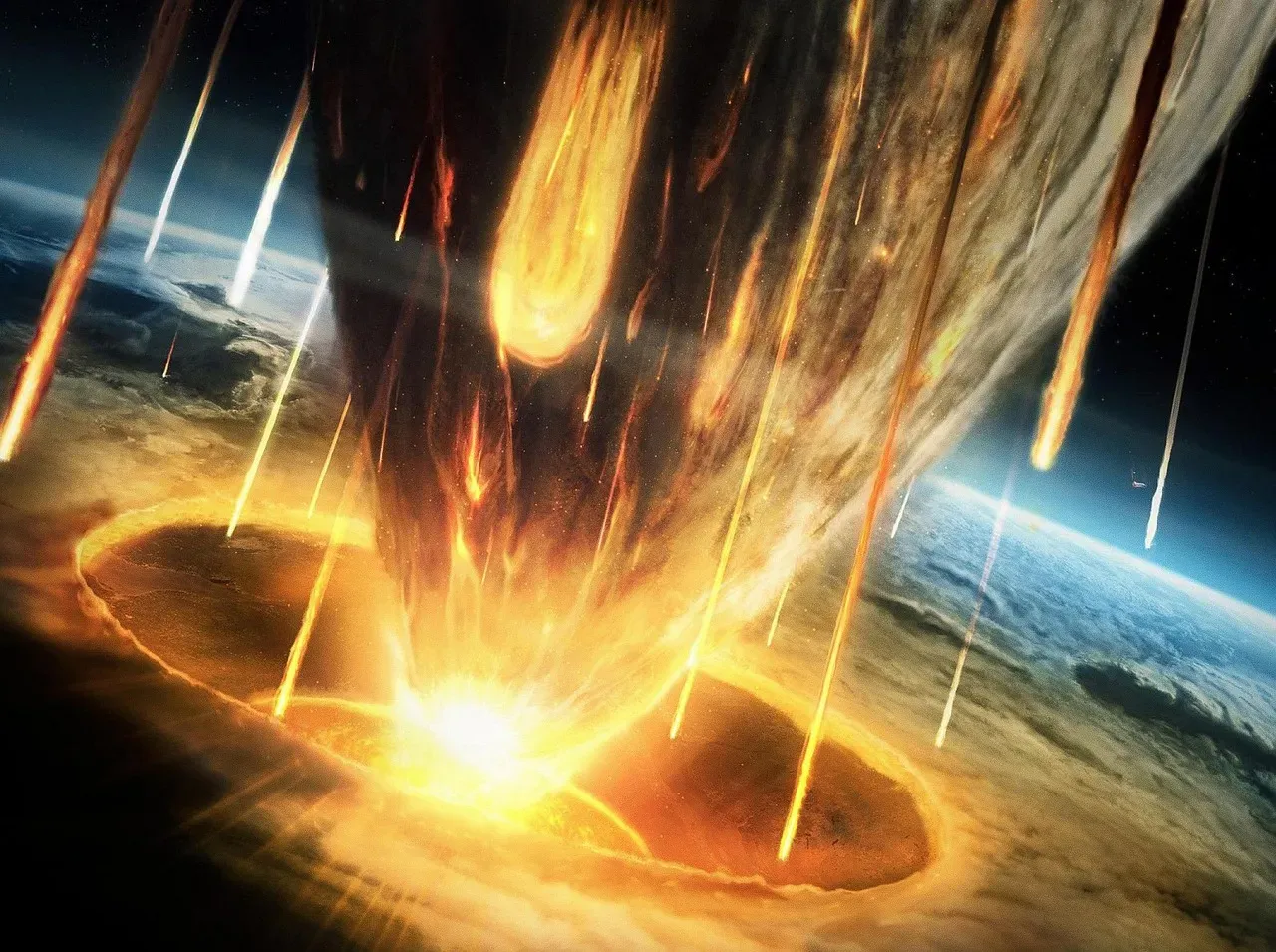
The asteroid that ended the age of dinosaurs was the product of forces far beyond anyone’s control, and in that sense it is a harsh mirror for the events that tear through our lives today. We cannot negotiate with plate tectonics, orbital resonances, or pandemics any more than a T. rex could bargain with a fireball. What we can do is choose how we meet those impacts: whether we deny them, rush them, spiritualize them, reorganize them, or let them break us open into someone we barely recognize.
Astrology does not rewrite the laws of physics, but it does offer a surprisingly honest map of our emotional gravitational fields – our defaults when everything familiar disappears. I have found that knowing your tendencies in disaster does not magically protect you, but it can make you kinder to yourself when your worst and best habits show up on the same day. In the end, we are not the dinosaurs or the asteroid; we are the small, stubborn mammals who learned to adapt in the ruins and eventually looked up at the stars, wondering how it all began. When your next personal asteroid hits, which part of you do you want to lead: the one clinging to fossils, or the one quietly evolving in the dark?